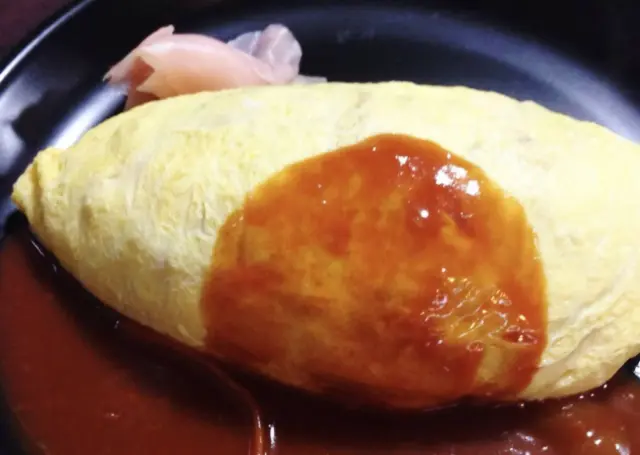
After trying the omurice at Hokkyokusei in Osaka, you can truly appreciate this century-old restaurant's dedication to home-style flavors. The lightly salted outer layer of egg is soft and tender, cooked with excellent precision, and wrapped around chicken fried rice with perfectly separate grains. The flavors are richly layered yet still comforting. Paired with a heartwarming fresh soup, every bite reflects the family's time-honored craftsmanship and warmth. It's a classic dish that soothes the soul.
Hokkyokusei Shinsaibashi Honten | Review by Linda Liao
Other Reviews by Linda Liao
-
Okashina-okashiyasan
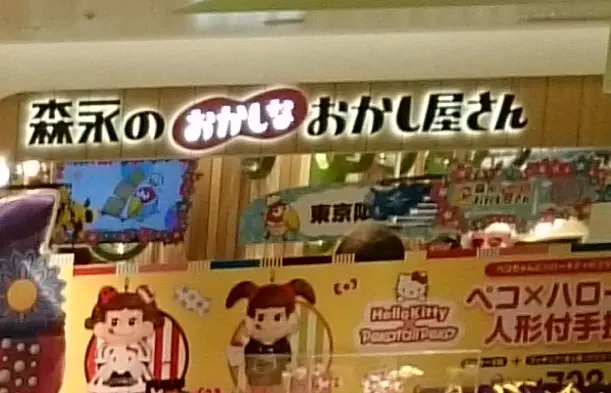
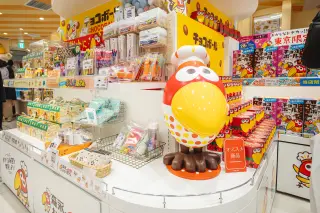
Okashina-okashiyasan is an antenna shop operated by Morinaga Confectionery, located in Tokyo Okashi Land on B1 of First Avenue Tokyo Station. Since opening in 2012, it has sold a wide variety of sweets under the theme “Fun to buy, delicious to eat.”
While wandering around Tokyo Station's First Avenue, I unexpectedly came across a Morinaga confectionery store. The shelves were packed with Chocoball packages featuring Kyoro-chan, instantly bringing back childhood memories—even the Kyoro-chan cartoon I used to watch came flooding back. So nostalgic! This is Morinaga's brand specialty store, and besides Chocoball, it carries Hi-Chew candies in all kinds of flavors. Some items are even exclusive to Tokyo Station. The store also offers unique treats such as freshly baked, oversized Moonlight cookies, so there are surprises everywhere you look. I bought a few packages to take back to the office and share with my coworkers. It satisfied my sweet tooth, and I didn't have to worry about accidentally buying too much just for myself!
-
-
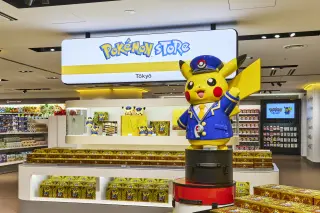
Pokémon Store Tokyo Station
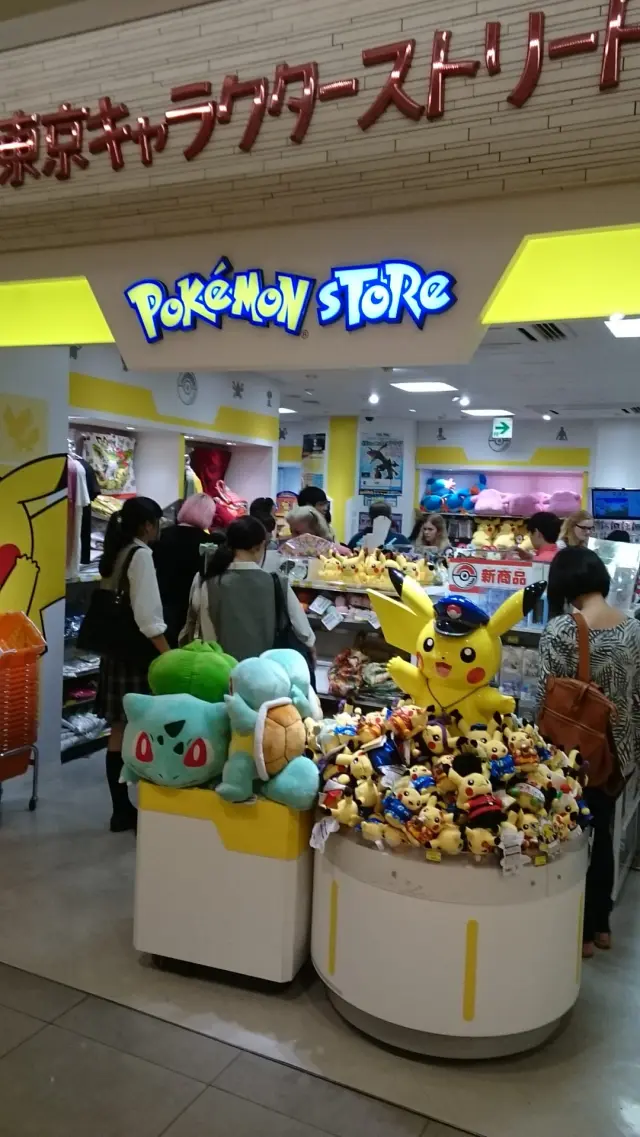
Pokémon Store Tokyo Station is located inside Tokyo Station Ichibangai, a commercial complex directly connected to Tokyo Station. The store is open from 10:00 to 20:30, Monday through Sunday. Store holidays follow the closure schedule of the facility. It is accessible in about a one-minute walk from the Nihonbashi Exit of Tokyo Station.
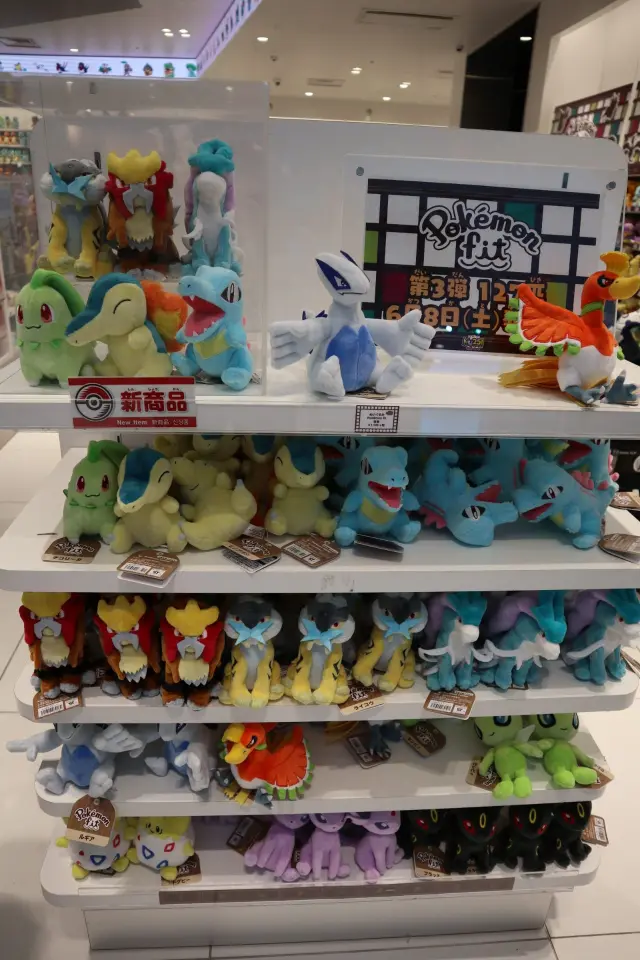
Whenever I pass through Tokyo Station, I always want to browse Tokyo Station Ichibangai! It has all kinds of specialty stores featuring anime characters, and as I was walking around, I was drawn into the Pokémon Store Tokyo Station. In addition to plush toys and merchandise featuring popular Pokémon like Pikachu and Eevee, the store also has stationery, household goods, and souvenirs that make great gifts. The most distinctive item is Pikachu wearing a stationmaster’s hat, which really captures the unique atmosphere of Tokyo Station. Just looking at it is enough to make you smile. Even if you’re not a devoted Pokémon fan, it’s easy to fall in love with all the cute merchandise!
-
-
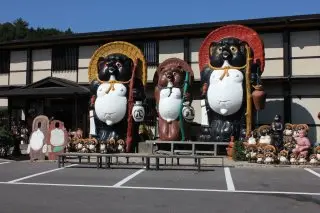
Shigaraki Toen Tanuki Mura
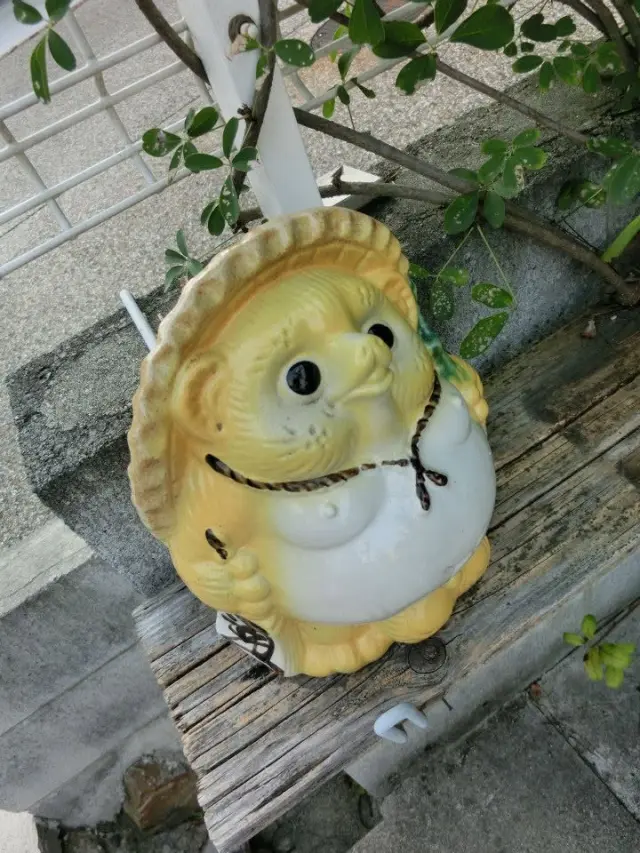
Shigaraki is one of the six oldest kilns in Japan, and has the longest history of any of them. In this small mountain village surrounded by nature, there are many pottery studios and stores selling pottery, and everywhere you go you will be greeted by Shigaraki ware Tanuki.
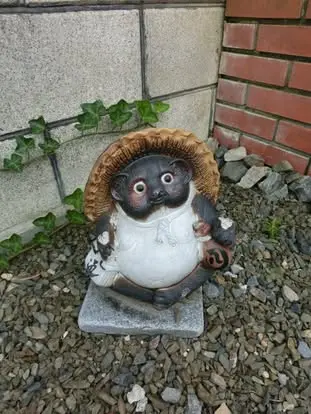
I remember a teacher explaining in class that many shops in Japan place cute tanuki statues at their entrances as symbols of good fortune, prosperity, and thriving business. This time, I visited Shigaraki Toen Tanuki Mura in Shiga Prefecture and found myself surrounded by an army of tanuki! With their round bellies, straw hats, and all kinds of funny, adorable expressions, they also reminded me of the tanuki characters in a Hayao Miyazaki film. Shigaraki ware has a history spanning several centuries, and tanuki pottery became even more famous after Emperor Showa visited Shigaraki in 1951. Tanuki can be seen all over the streets of Shigaraki, and if you're lucky, you may even come across a special, unusually colored one for a relaxing and fun treasure hunt!
-