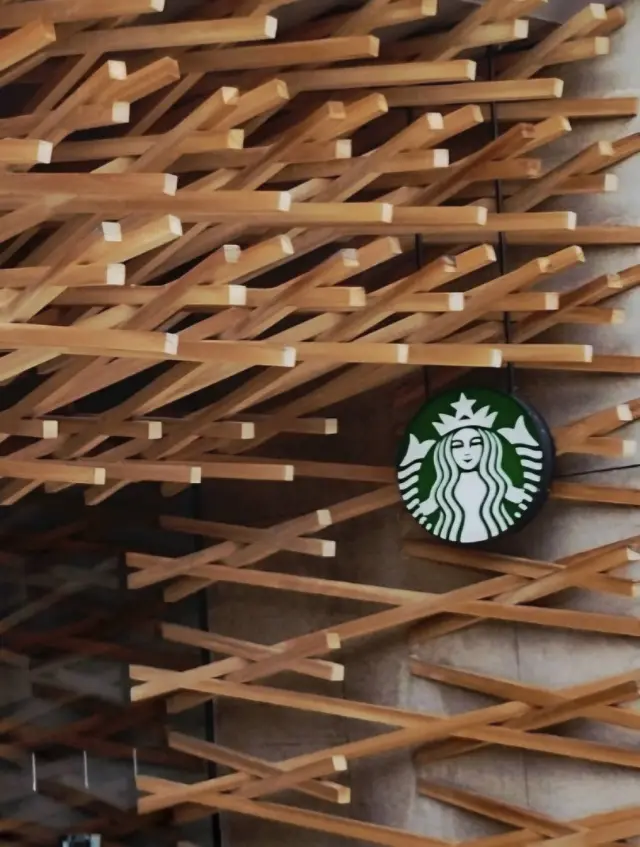
This Starbucks was designed by master architect Kengo Kuma. Its most striking feature is the use of approximately 2,000 pieces of traditional timber, woven diagonally and extending from the interior to the exterior. The entire building was constructed without a single metal nail. The flowing wooden lines perfectly complement the historical and cultural atmosphere of Dazaifu, blending nature, tradition, and modern architectural aesthetics. It’s an artistic landmark and photo spot you definitely shouldn’t miss when visiting Tenmangu Shrine!
Starbucks Coffee Dazaifu Tenmangu Omotesando Store | Review by Linda Liao
Other Reviews by Linda Liao
-

Glover Garden
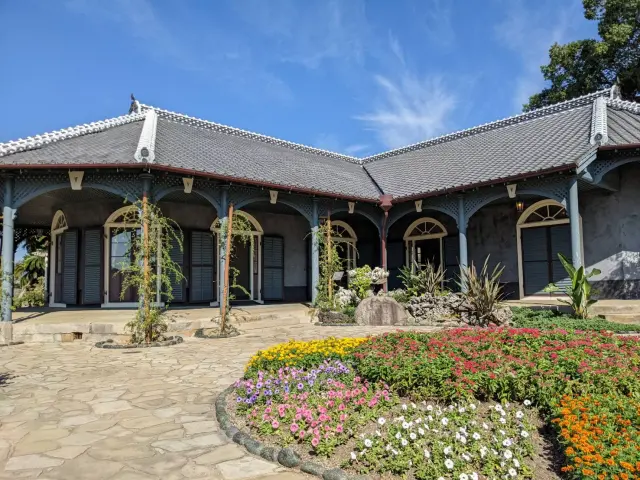
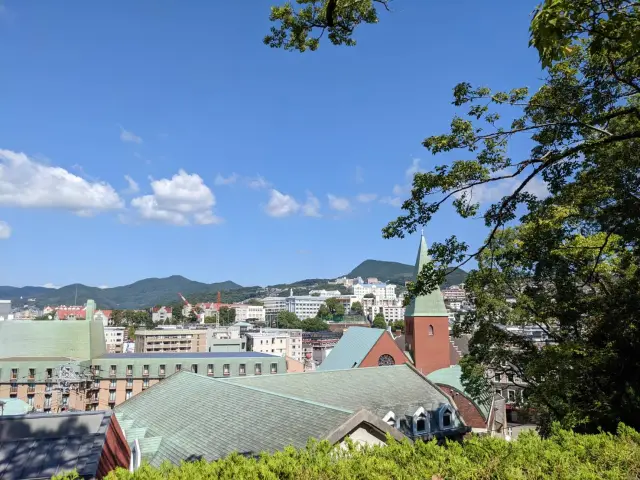
This outdoor museum preserves the residential area of the merchants who came to Nagasaki from overseas more than 160 years ago. The Garden stands on a hill overlooking Nagasaki Port, dotted with intriguing places to see.
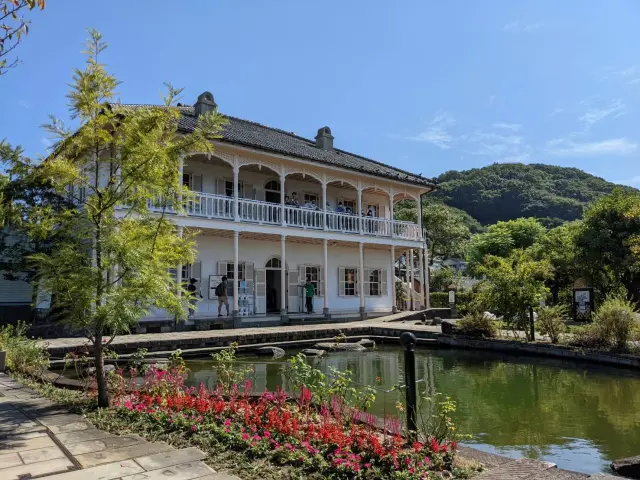
Glover Garden is located on a hill and is a classic attraction that simply shouldn’t be missed when visiting Nagasaki. What surprises many visitors most is that the grounds are much larger than expected, with a wide variety of well-organized exhibits. It’s well worth setting aside 2–3 hours to stroll around and take everything in.
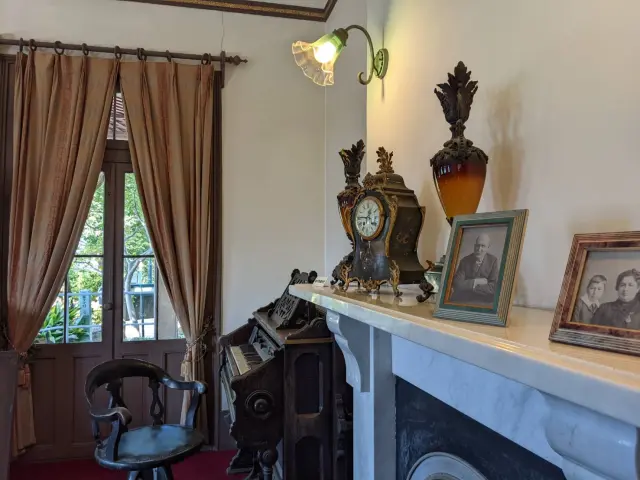
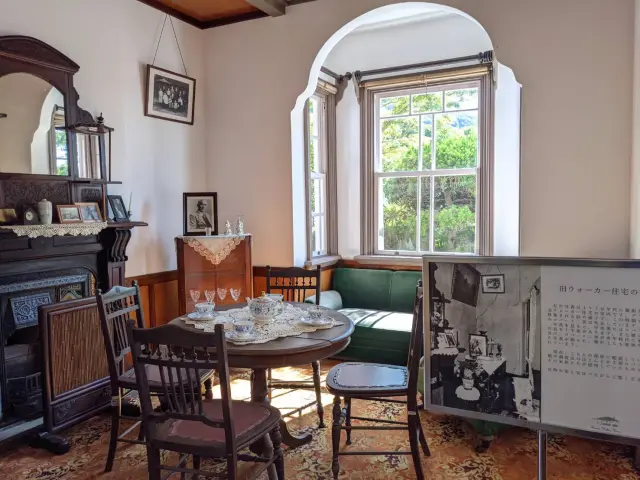
The garden preserves several Western-style residences from the former foreign settlement dating from the end of the Edo period through the Meiji era. The most famous is the Former Glover House, Japan’s oldest wooden Western-style building. These beautiful buildings are not only elegant and historic on the outside, but best of all, most are open for visitors to explore inside. The refined antique furniture, beautiful fireplaces, and nostalgic decor recreate the Western lifestyle of that era. Every corner and garden makes for a stylish, Instagram-worthy photo.
The garden also offers excellent views. From the observation deck or terraces at the top, you can take in the beautiful scenery of Nagasaki Port and the entire cityscape. The blue sky and sea, together with the red roofs and white walls, create a refreshing view. Whether you’re watching the ships anchored in the distance or enjoying the gentle breeze, it’s hard to leave.
-
-

Yokohama Landmark Tower
Standing 296 meters tall with 70 floors, Yokohama Landmark Tower is the famed symbol of the Minato Mirai district where you’ll find offices, a hotel, and full-scale shopping mall. Inside the Landmark Plaza shopping mall, you’ll find around 160 stores, including popular domestic and international fashion brands, lifestyle goods shops, anime character stores, and even a post office.
Yokohama Landmark Plaza is a great shopping mall to explore, with all kinds of stores, restaurants, and specialty items. The spacious, bright surroundings make it very comfortable to walk around. Besides shopping, you can also experience the lively atmosphere of Yokohama Minato Mirai. When you need a break, stop by HARBS on the third floor for some cake. The slices are generous and have a delicate texture, and paired with a rich cup of coffee, they make for a relaxing moment during your shopping trip.
-
-
Osu Shopping Street
Nagoya‘s biggest arcade is surrounded by Wakamiya, Fushimi, Osu and Minami-Otsu Streets. Almost 1,200 stores and facilities in all kinds of genres are clustered - restaurants, second-hand, general, and appliance stores, etc. are creating a unique atmosphere.
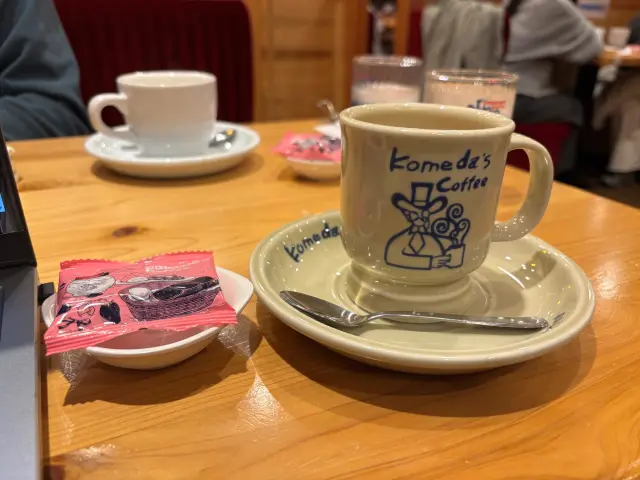
While shopping at Osu Shopping Street in Nagoya, you'll find the lively streets packed with all kinds of stores, from clothing and general goods to food, with plenty of treasures to discover at your own pace. When you get tired, stop by Komeda's Coffee for a break. After all, it's a coffee shop chain that originated in Nagoya, so of course you have to experience it for yourself while you're here. Order a drink in the morning, and you'll also get complimentary toast and a boiled egg or another breakfast option. For an afternoon snack, I especially recommend ordering some piping-hot, freshly fried French fries with ketchup. Simple and delicious.
-