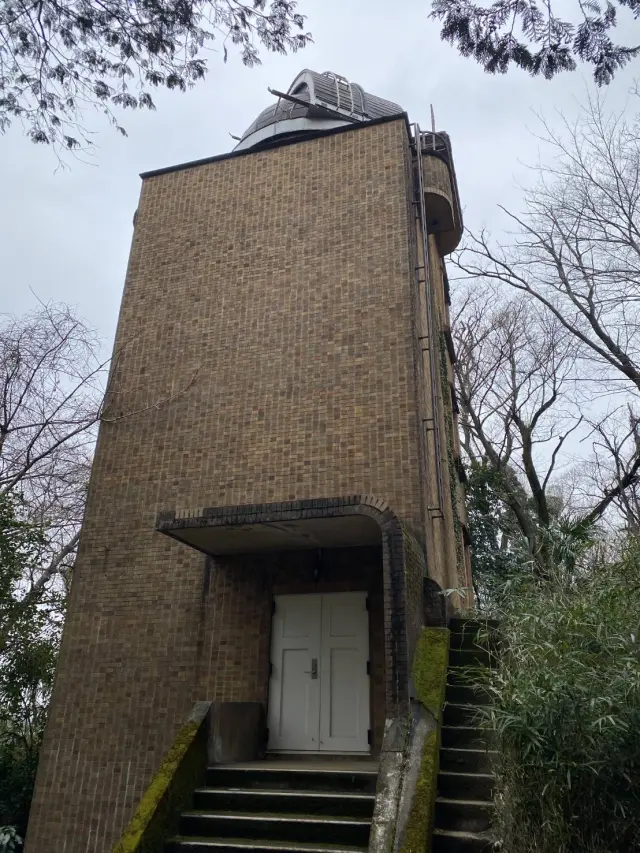
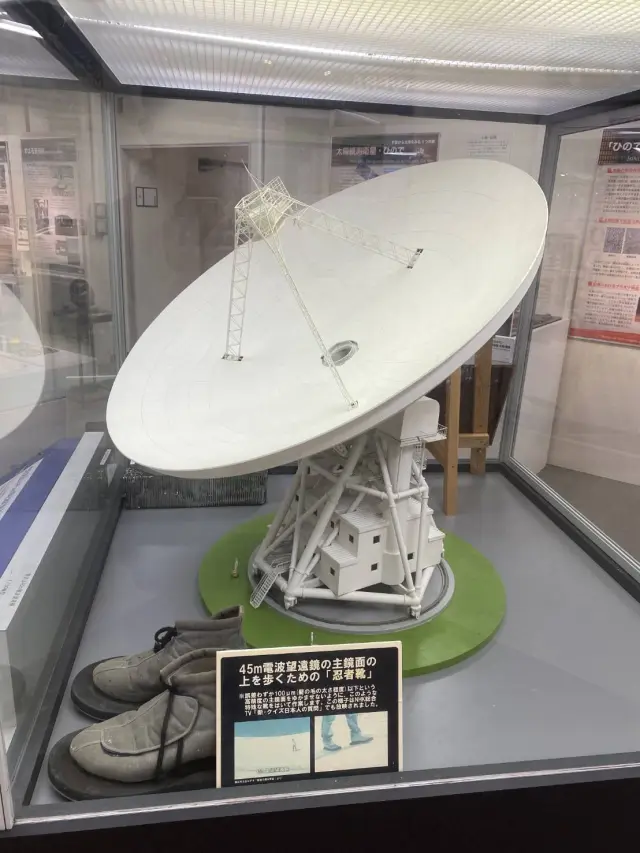
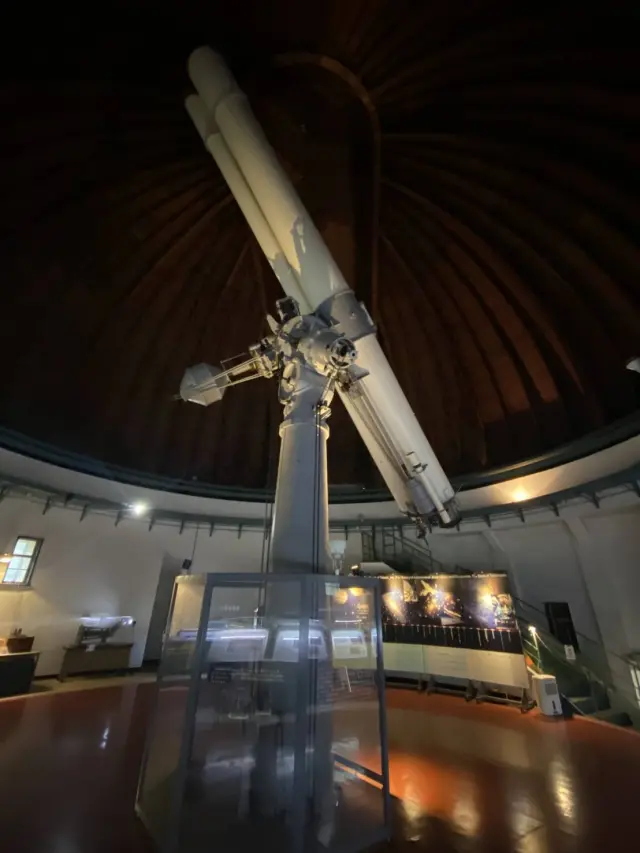
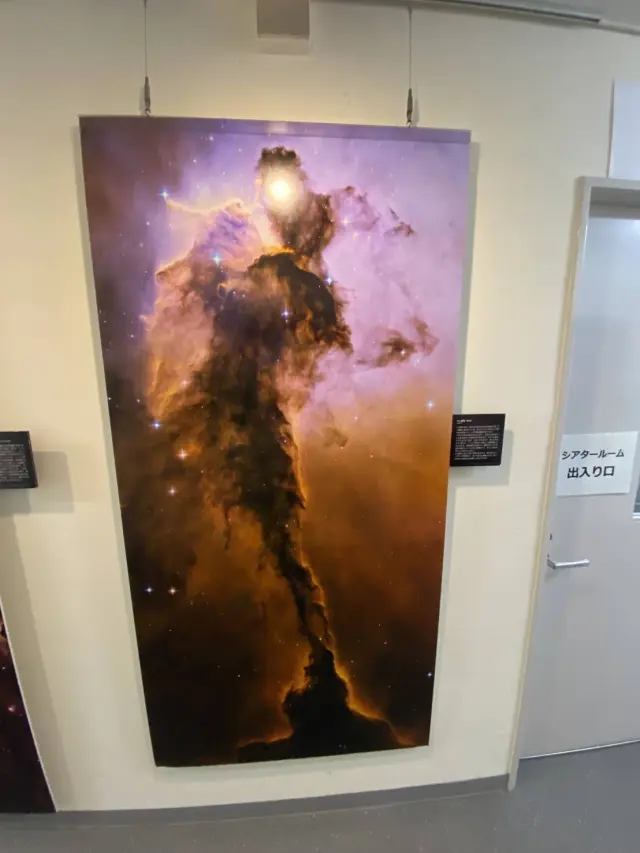
This is a fairly lesser-known but very interesting free attraction. You rarely see large crowds of tourists here, and no admission ticket is required. This time, an expert guided us into astronomical observation areas that are usually difficult to access, where we got an up-close look at retired observation instruments and telescopes that were actually used in the past. They were full of history. Rather than simply viewing an exhibition, it felt more like traveling through time with an expert, learning about the observation missions each piece of old equipment once carried out. It also made astronomical research feel more approachable. As we listened to the explanations along the way, we also learned about the history of astronomical observation in Japan, which began developing in the Meiji era〜
National Astronomical Observatory of Japan | Review by Linda Liao
Other Reviews by Linda Liao
-

Ginza Matsuzaki Senbei Main Shop
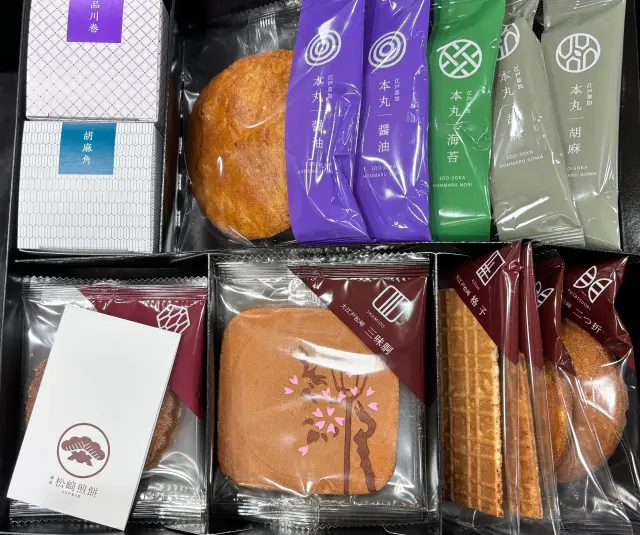
A long-standing Senbei (a type of Japanese cracker) shop, founded in 1804. The “Oedo Matsuzaki Sanmido” Kawara Senbei, representing the Matsuzaki Senbei, has a smooth surface on which a craftsman will carefully paint a seasonal motif with syrup, one by one. It uses plenty of eggs, and the light sweetness with a crispy pleasant texture is loved by a wide range of customers.
Ginza Matsuzaki Senbei is a long-established Tokyo rice cracker shop founded in 1804, known for its traditionally handmade rice crackers. Its signature “Oedo Matsuzaki Koyomi” features seasonal scenery painted on the crackers, making each one look like a small, delicate work of art with a distinctly Japanese feel. The shop also offers a variety of rice crackers and wagashi, all elegantly packaged and perfect as souvenirs. They look a little like Taiwanese tile cookies, and have a wonderful rice aroma!
-
-
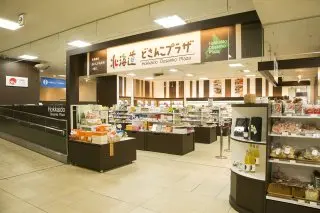
Hokkaido Ⅾosanko Plaza, Sapporo shop
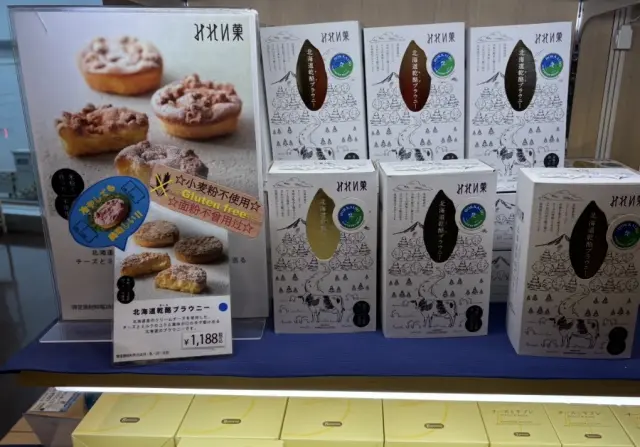
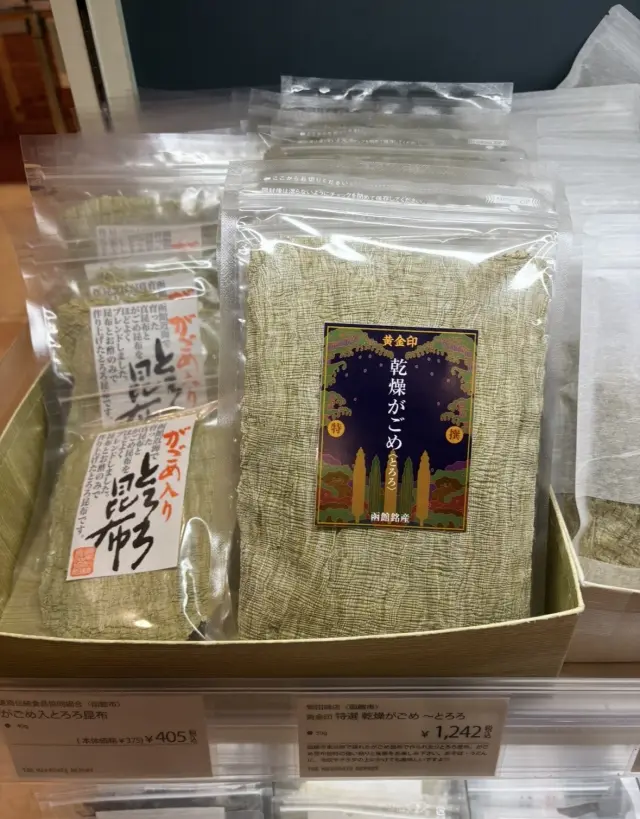
“Hokkaido Dosanko Plaza, Sapporo shop” is an information corner for “Food” located in “Hokkaido- Sapporo Food and Tourism Information Center”, which is loved by tourists as well as local people. They provide not only food but also cosmetics made from food ingredients such as salmon or crab.
Compared with the uniform product displays at department stores, I prefer a souvenir shop full of local character like Hokkaido Dosanko Plaza, Sapporo shop! Stepping inside feels like setting off on a Hokkaido treasure hunt. From specialty snacks and local treats to all kinds of limited-edition products, every corner holds an unexpected surprise. You can not only find great products that are usually hard to come across, but also experience Hokkaido’s culture and way of life through them. Rather than just choosing popular local specialties, you can discover unique gifts with stories behind them, making each gift feel more personal and thoughtful.
-
-

Minamiza Theatre
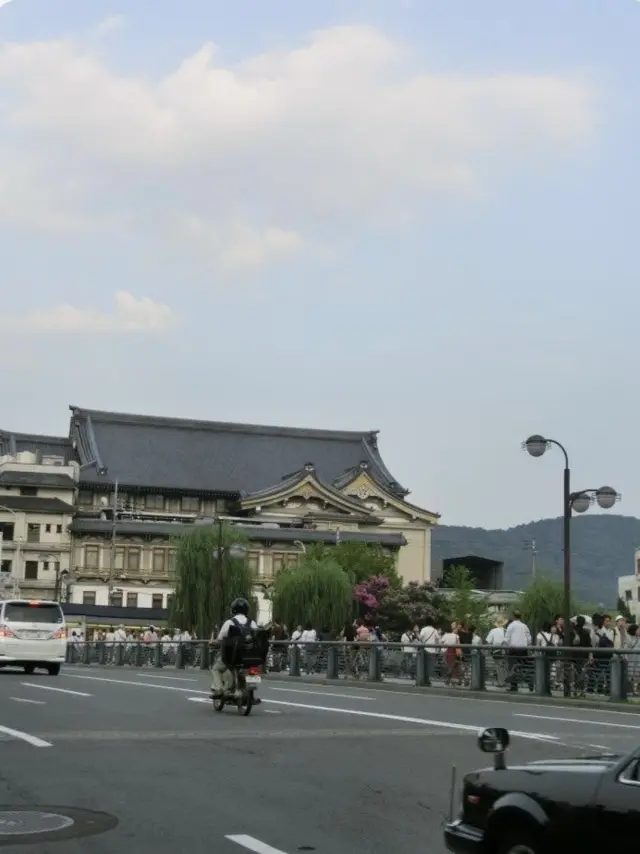
A theater that features Kabuki which originated in Kyoto. Kabuki is said to have originated from the “Kabuki Odori” dance, invented by a woman named Izumo no Okuni. As the dance started to popularize during the early Edo period, around this time the Minami-za also opened. It is Japan’s oldest theater with more than 400 years of history located in the same place.
The first time I walked along Shijo Street, I caught sight of Minamiza in the distance on the other side of the bridge, and I still remember it today. This Momoyama-style theater has a beautiful exterior that makes you wonder what stories are being performed inside.
Minamiza’s history dates back to the early Edo period. With more than 400 years of history, it is one of Japan’s oldest theaters and an important symbol of Kyoto’s kabuki culture. Every December, during the “Kichirei Kaomise Kogyo,” wooden signs bearing the actors’ names are hung in front of the theater, creating a distinctive winter scene in Kyoto.
-