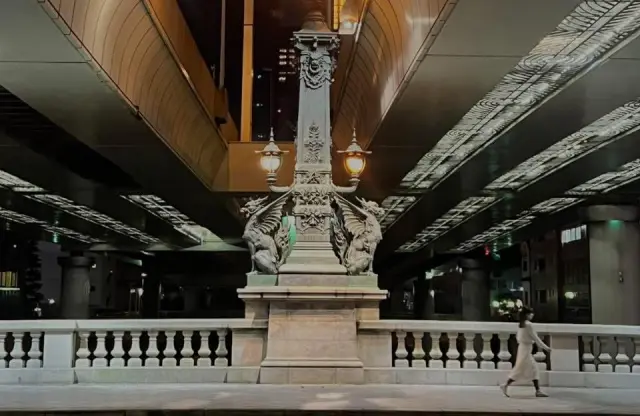
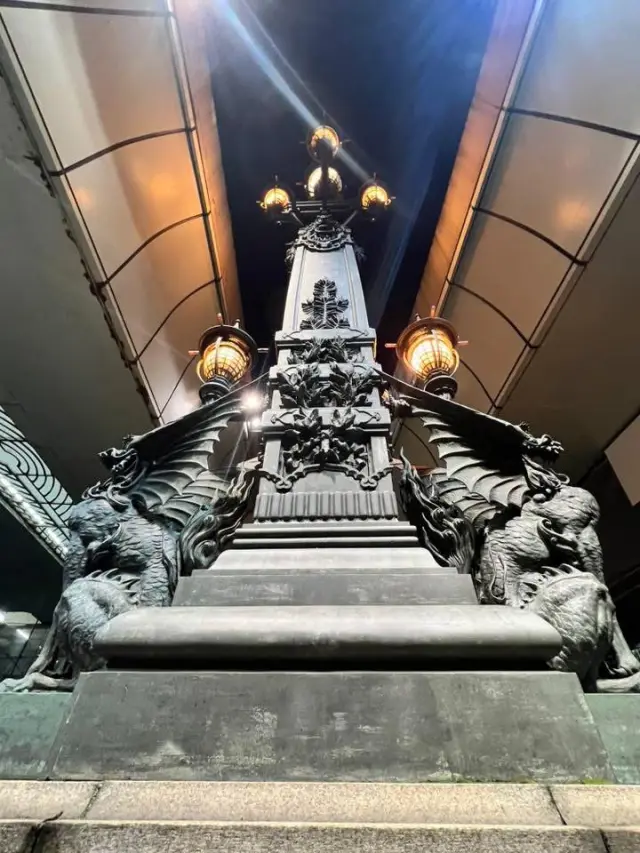
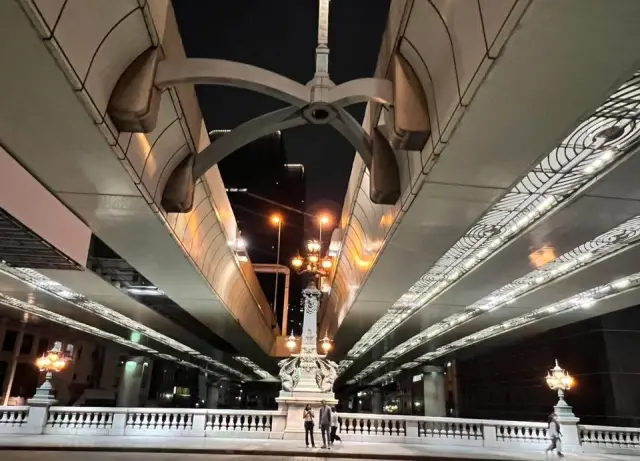
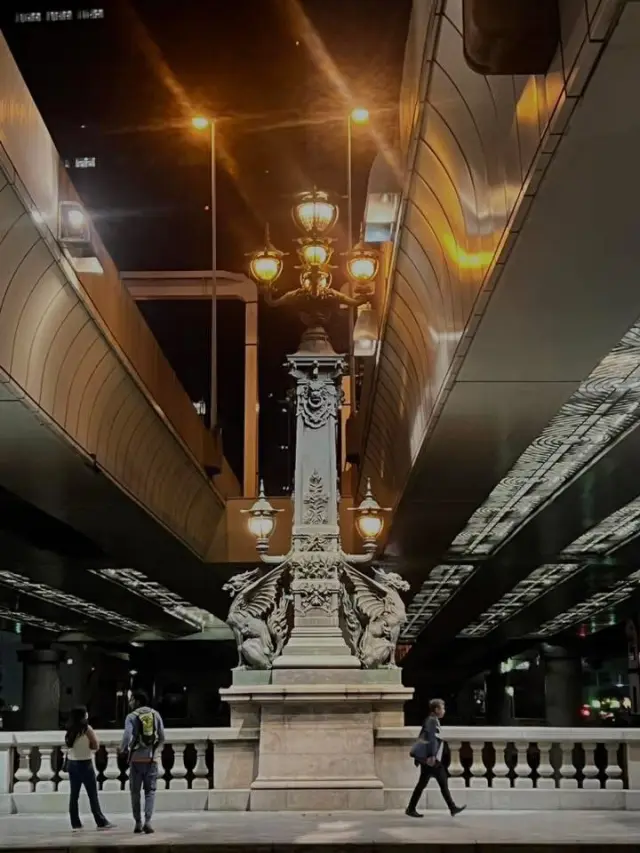
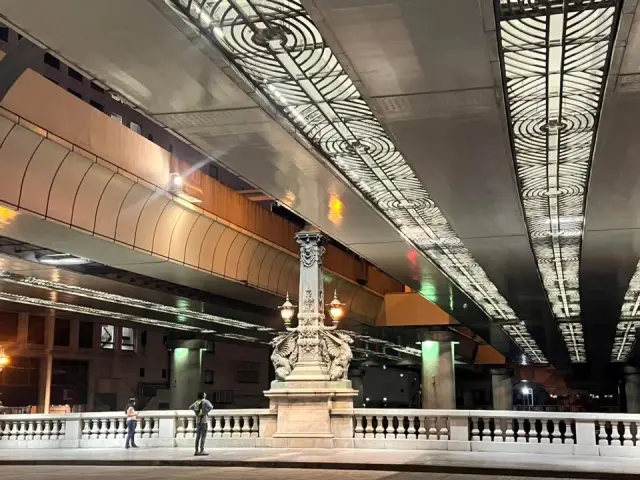
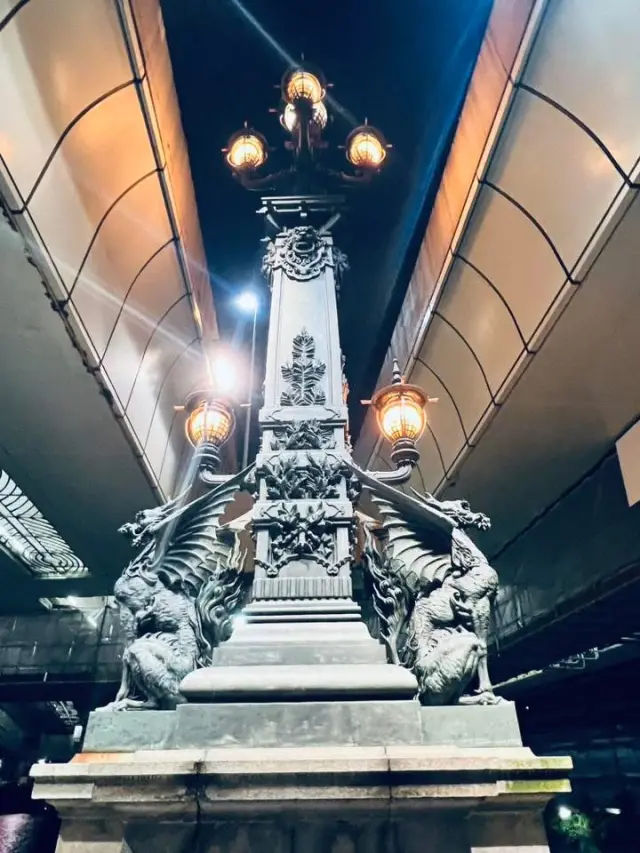
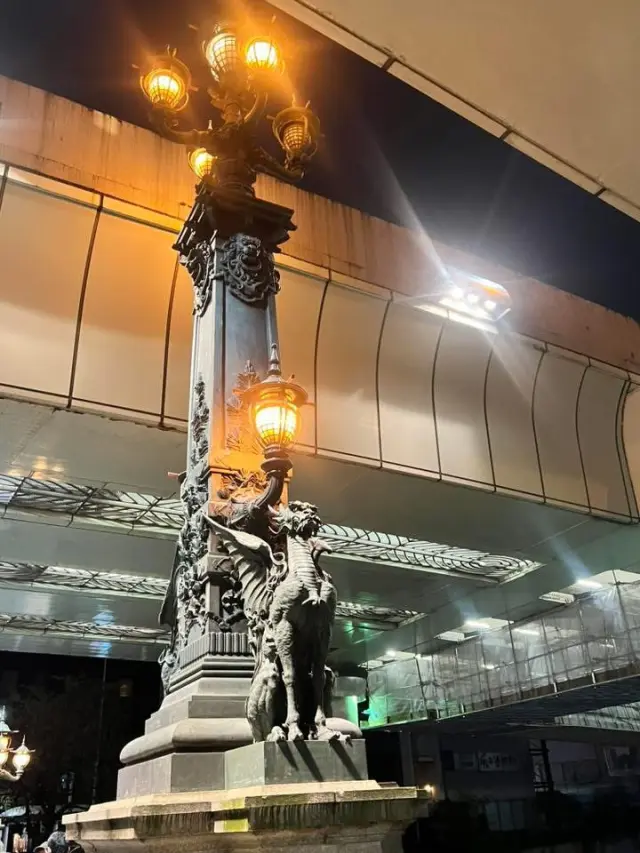
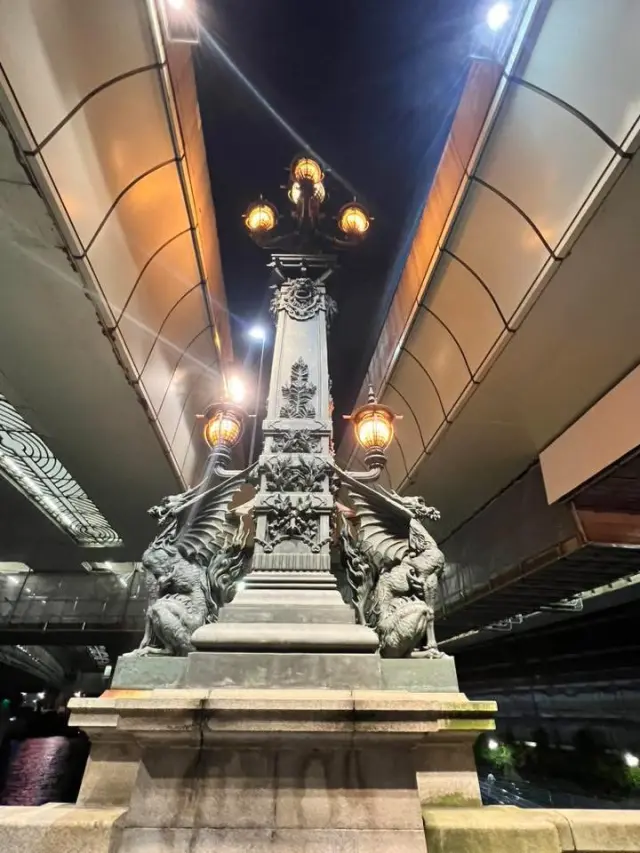
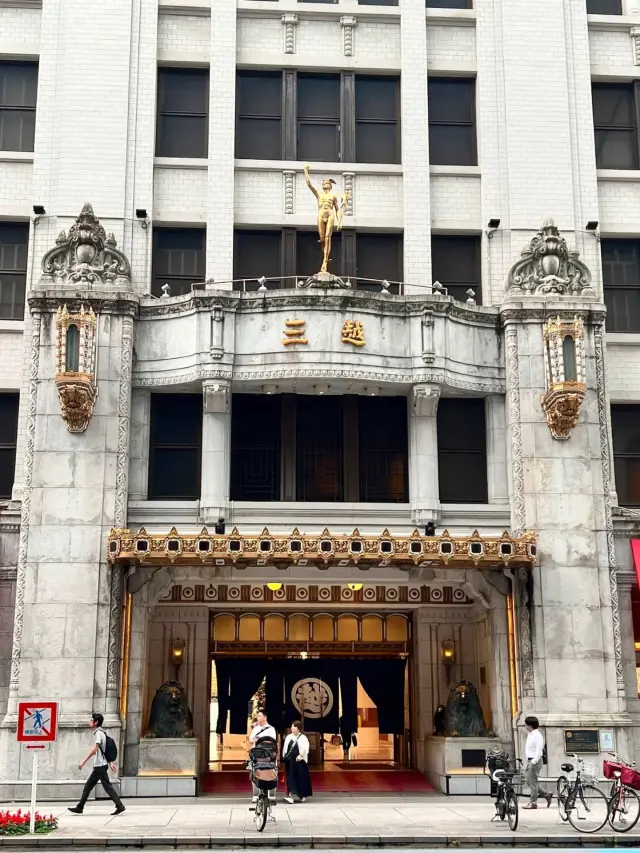
“The Wings of the Kirin at Nihonbashi” has significance on two main levels: first, the bronze kirin statue standing in the center of Nihonbashi Bridge in Tokyo; and second, the classic novel and film adaptation of the same name created by renowned Japanese mystery writer Keigo Higashino, using this statue as a symbol.
Historical and Cultural Background
1. The starting point of Japan’s roads: During the Edo period, Tokugawa Ieyasu designated Nihonbashi as the starting point of the “Five Routes” (including the Tokaido and Nakasendo). Today, the “Japan National Road Origin Marker” monument still stands at the bridge, symbolizing the starting point of Japan’s entire highway network.
2. Why does the kirin have wings?: The legendary kirin originally had no wings. However, when Nihonbashi was rebuilt as a stone bridge in 1911, the architect and sculptor specially added a pair of wings to the bronze kirin statues in the center of the bridge (strictly speaking, the design combines fins and wings), expressing the prosperous hope of “taking flight from the starting point of Japan’s roads and spreading throughout the country.”