• See More

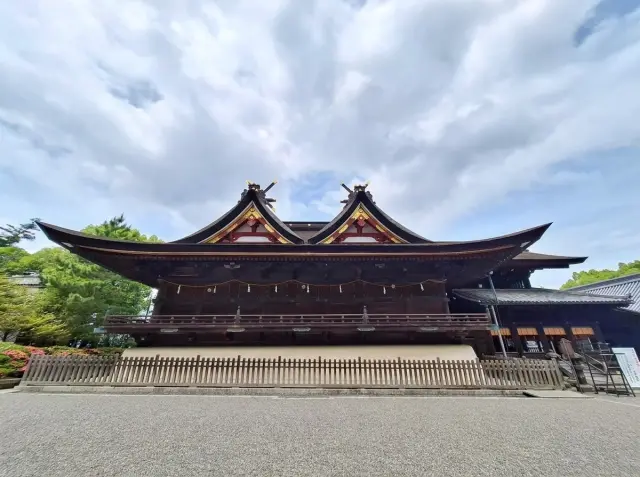
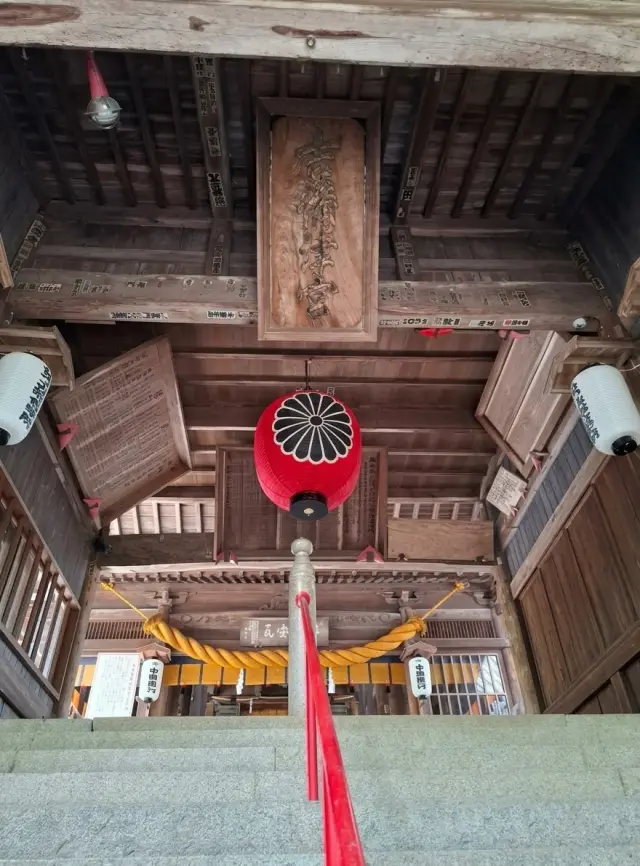
    When traveling to Okayama, besides shopping and enjoying the scenery of the old streets, you can also make time to visit a shrine. Kibitsu-jinja Shrine has a very peaceful atmosphere. Compared with bustling tourist attractions, it feels more relaxed here, and once you enter the shrine, you can slow down the pace of your trip for a while.

    Japanese shrines always have a special charm. From the torii gates and approach to the traditional architecture, every part has its own distinctive character. Even if you aren't particularly interested in shrine culture, you can still enjoy an atmosphere unlike ordinary streets simply by taking a walk and admiring the architecture.

    Not every place on a trip has to be lively. Sometimes walking around a shrine and looking at the surrounding scenery can leave you with a different kind of memory. If you have a chance to visit Okayama, you can also add a shrine to your itinerary and experience the charm of traditional Japanese culture.
Other Reviews by Eddie

  • Kurashiki Bikan Historical Quarter

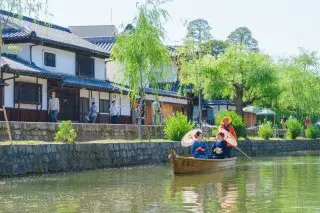
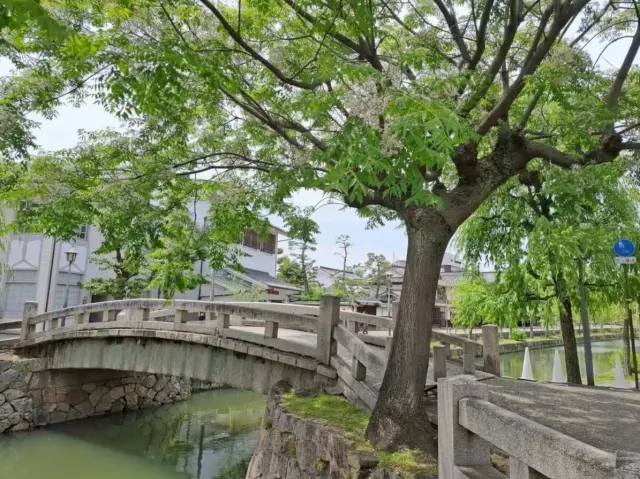
    The traditional streets of the Kurashiki Bikan Historical Quarter feature white walled warehouses, grid pattern walls, Namako-kabe, and rows of weeping trees, creating a beautiful and charming townscape. This harmonious and historic scenery is very popular with tourists.

    • Okayama
    • Famous Places
    See More

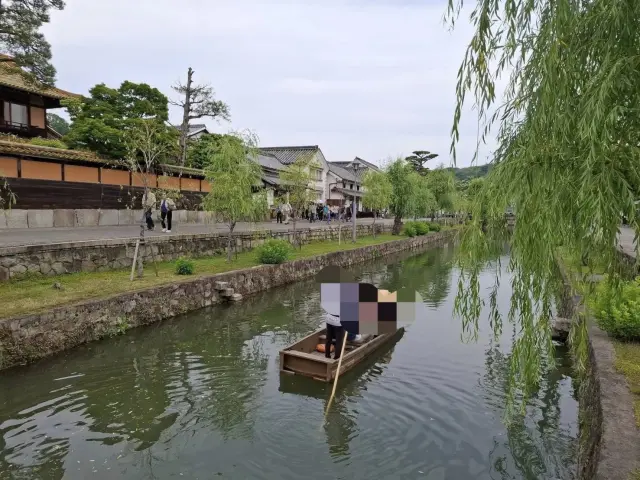
    When visiting Okayama, the Kurashiki Bikan Historical Quarter is well worth walking around. It's different from the usual bustling shopping streets. As you stroll along the Kurashiki River, you can see traditional white buildings, black roof tiles, and willow trees along the riverbank. The entire streetscape has a lot of character.

    I really like places like this that preserve the atmosphere of an old town. You don't need to plan anything special. Just walking slowly along the river and taking photos is enough to enjoy the leisurely pace of traveling. There are also many distinctive little shops, cafes, and souvenir stores nearby, where you can browse and discover some interesting little things.

    If you have enough time, you can also watch the small boats on the river and admire the old streets from a different perspective. Compared with constantly rushing through an itinerary and visiting many attractions, I think places like this, where you can slow down, actually make it easier to enjoy traveling.

    The Kurashiki Bikan Historical Quarter isn't just a photogenic attraction. It also gives you a chance to see what traditional Japanese streets look like. If you're planning a trip to Okayama, I highly recommend setting aside some time to walk around here and slowly appreciate the charm of this town.

  • Todaiji Temple

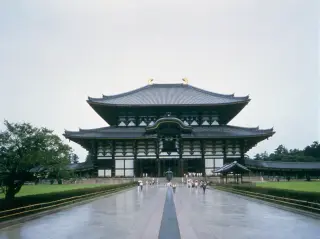
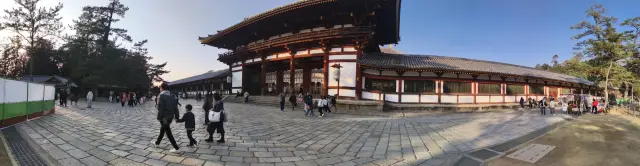
    In the Nara period (710-794), Emperor Shomu had the Rushana Daibutsu (Great Buddha) built at his request, and a memorial service was held in 752. This temple is one of the representative temples of Nara. It took nearly 40 years to build the temple complex.

    • Nara
    • Shrines & Temples
    See More

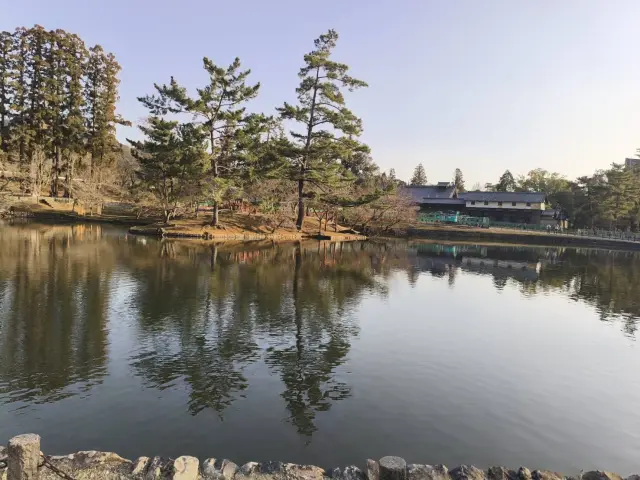
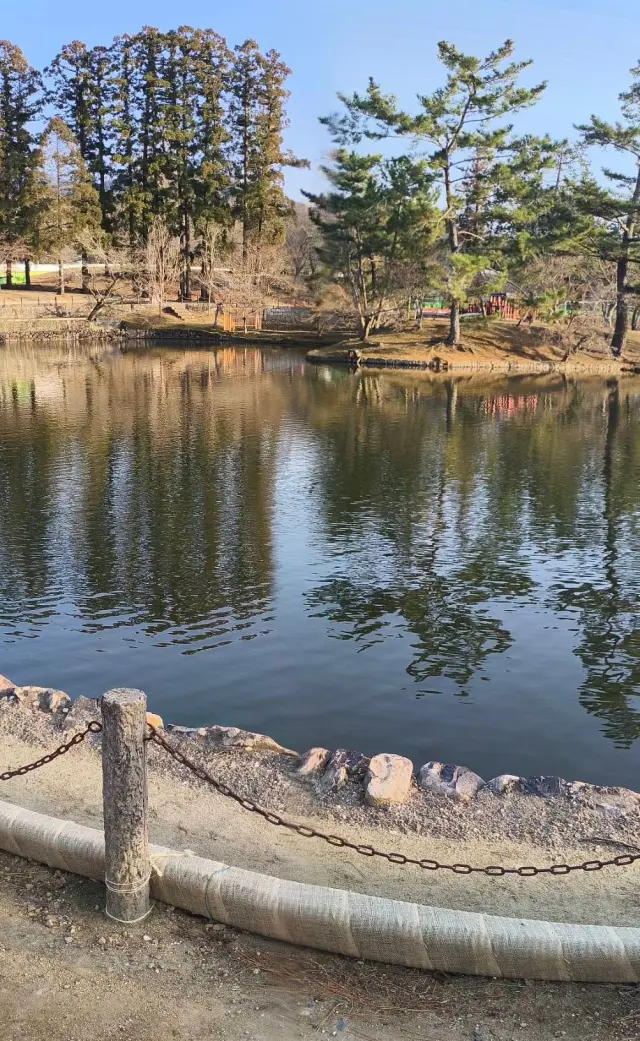
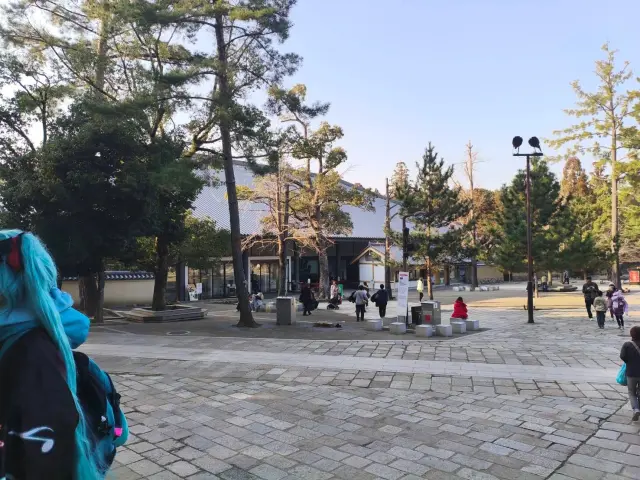
    I visited Todaiji Temple in Nara in January. After touring the temple, I also took a walk around the pond on the temple grounds and the old street near Todaiji. The January weather was chilly, which made walking around especially pleasant. Without the summer heat and humidity, I could take my time enjoying the scenery.
    The pond on the temple grounds felt very peaceful. The water reflected the surrounding scenery, and together with the old buildings nearby, it made me want to stop and take a longer look. After leaving, I continued toward the old street near Todaiji. There are quite a few shops along the way where you can browse local souvenirs and try some Nara specialties. Rather than rushing from one attraction to another, I prefer this kind of itinerary, where I can stroll around freely and discover little surprises along the way.
    If you're planning to visit Todaiji Temple, I recommend exploring the nearby area as well. Don't rush to leave; walking slowly lets you experience a different side of Nara's charm. Although January is colder, it has its own unique atmosphere and is worth taking the time to explore.

  • Namba Yasaka Shrine

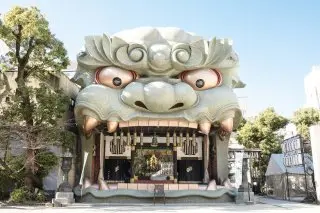
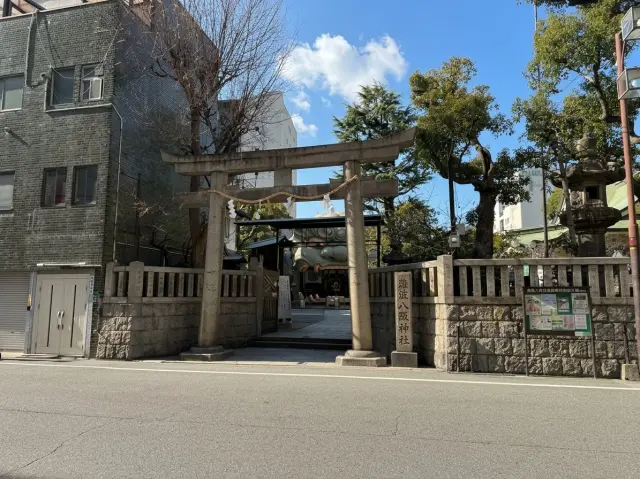
    ”Namba Yasaka Shrine”, located in the Namba area of Minami in Osaka, is a historic shrine said to have been founded during the reign of Emperor Nintoku (313-399).

    • Shinsaibashi, Namba, Nipponbashi (Minami)
    • Shrines & Temples
    See More

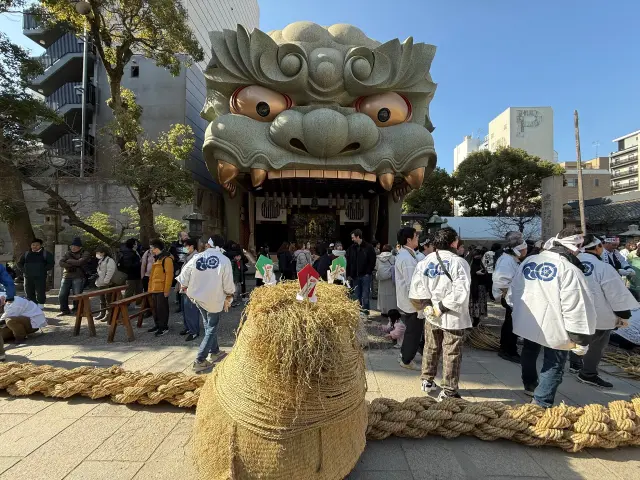
    I came to Namba Yasaka Shrine in Osaka to see its famous giant lion-head hall, but unexpectedly happened upon a traditional festival being held that day. It was much livelier than usual. When I looked it up online later, I learned that the event is called the Tsunahiki Shinji, or Rope-Pulling Ritual, a traditional festival held annually at the shrine.

    This festival is connected to Japanese mythology and is mainly held to ward off misfortune, pray for peace and good fortune, and wish for a bountiful harvest and thriving businesses in the new year. The event includes a traditional tug-of-war ritual to pray for good luck, and it is said to be one of Osaka's most notable folk traditions.

    I came across it completely by chance and hadn't paid particular attention to event information before my trip. Only after looking it up afterward did I discover that it is held every year on the third Sunday of January. If you're planning to visit Osaka around that time, you might want to add Namba Yasaka Shrine to your itinerary. Besides seeing the famous lion-head hall, you may also get the chance to experience the lively atmosphere of the festival.

    Travel isn't just about sightseeing and enjoying good food. Sometimes, coming across a local traditional event like this can also be a very special experience. If you get the chance, take in the lively atmosphere and pray for yourself and your family, wishing for peace and good fortune every day of the new year!

Hokkaido Tohoku Kanto Chubu Hokuriku Kansai Chugoku Shikoku Kyushu Okinawa