



Achi Shrine

Verified [Verified] denotes information that has been published with confirmation of its owing parties.

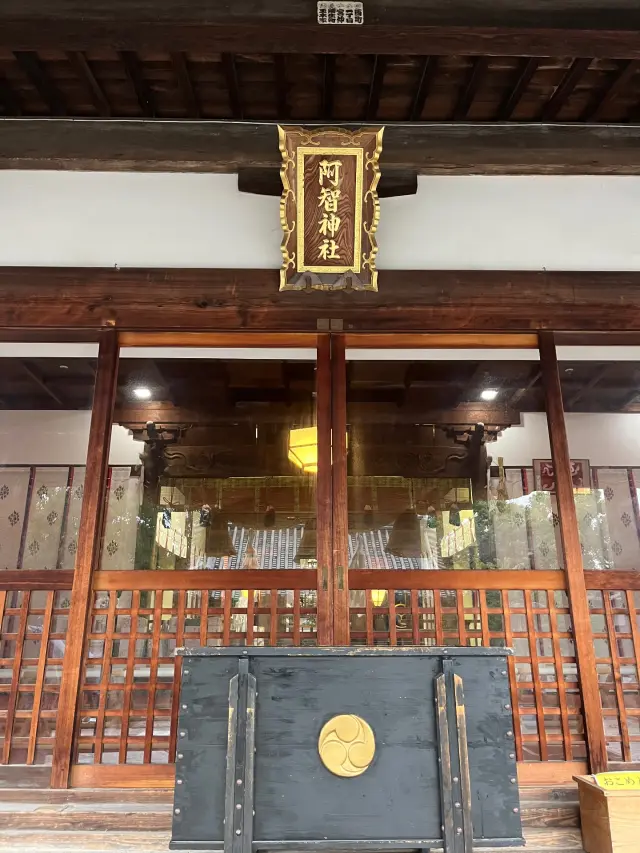
Achi Shrine

The guardian of Kurashiki atop the Kurashiki Bikan Historical Quarter. (Kurashiki Beautiful Sight Quarter)

3.88 4

Last update :

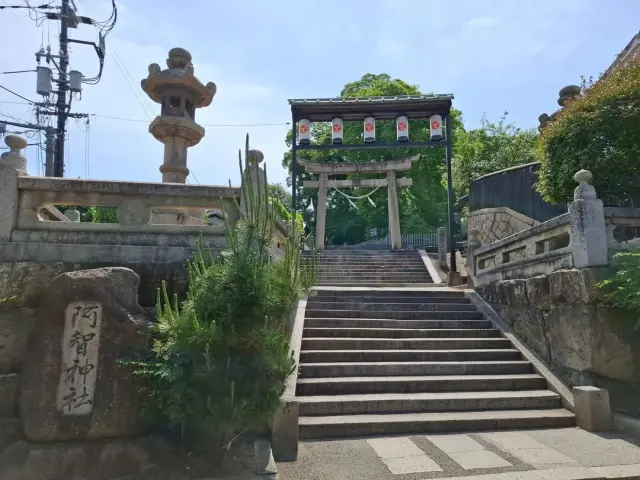
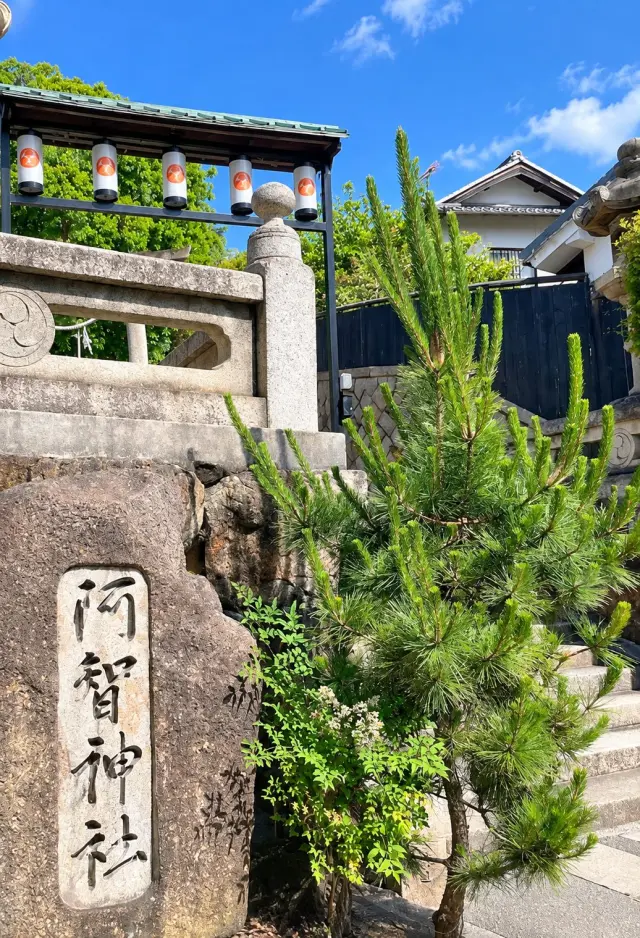
Worshiping the “Three Goddesses of Munakata”, the god of the sea and transportation / trading safety, this shrine sits atop the summit Mt. Tsurugata Yama, which is a part of Kurashiki Bikan Historical Quarter (Kurashiki Beautiful Sight Quarter). The name “Achi”, is derived from the Achino-omi tribe who migrated from afar and lived in this space. The name of the shrine comes from the tribe as well.

Within the shrine grounds, there are numerous giant and strange stones, dubbed the “Iwakura and Iwasaka”. The “Crane-Turtle Boundary” to the west of the main pavilion is often called an ancient garden. The shrine grounds are made in a style that combines aspects of ancient Japanese religion, and wisdom from China, hence the theory that the Achino-omi tribe created this place.

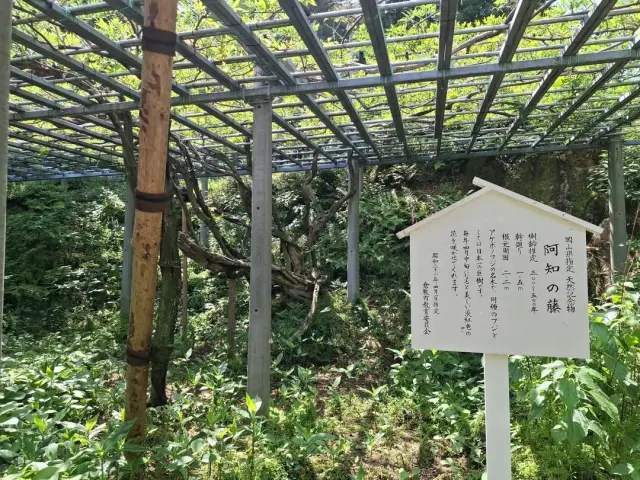
The “Achi-no-Fuji”, an ancient tree as old as 300 to 500 years old is part of the “Akebono-Fuji” species, and blooms a pink flower from late April to early May. Some tree researchers have tried to stop the tree from wilting using a rejuvenation technology. Nowadays, the tree is blooming.

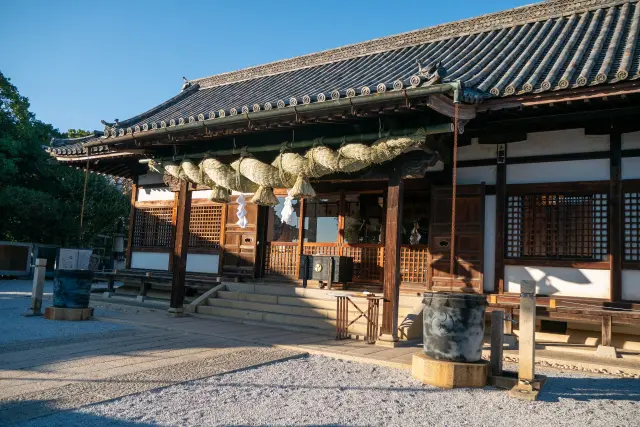
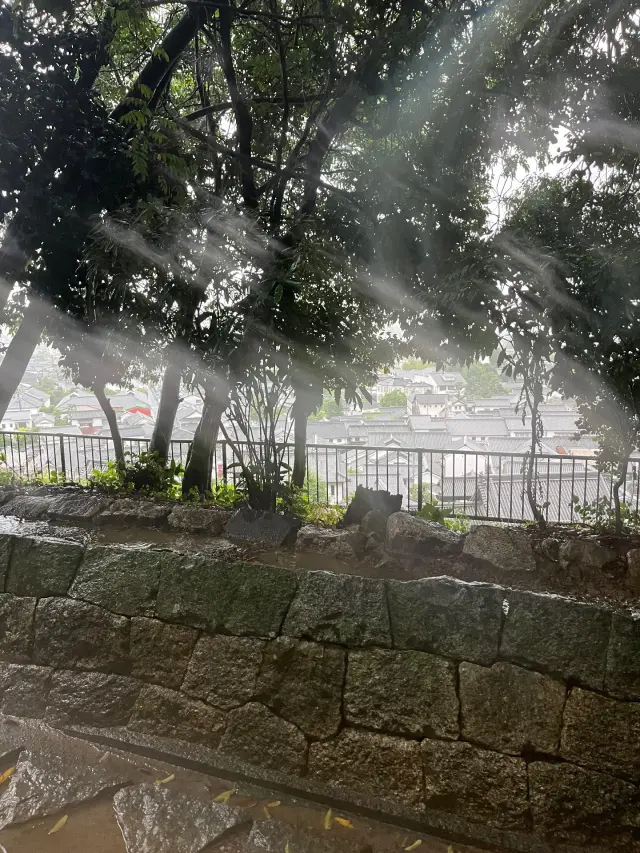
Within the shrine grounds, there is a Noh stage, lanterns, and smaller pavilions, which used to reside close to the Kurashiki River. From the summit of the 43m tall mountain, visitors can see a panoramic view of Kurashiki Bikan Historical Quarter.

Highlights

  • A shrine with ruins that has its roots from ancient times.
  • See the ancient Fuji trees bloom in Spring.
  • Visitors can have a panoramic view of Kurashiki Town from the summit.

Photos

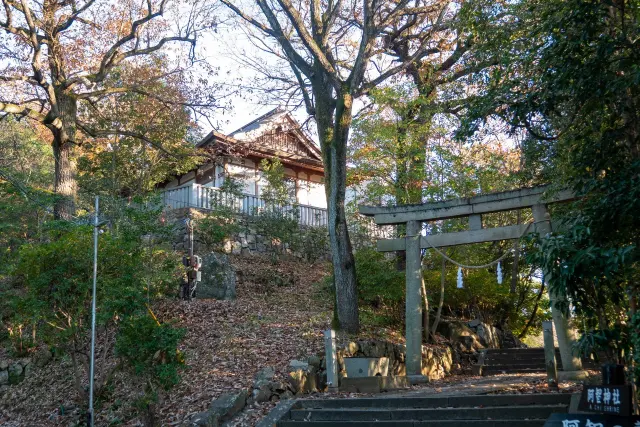
  • Shrine made from tree peel.

    Shrine made from tree peel.

  • The Ema Pavilion and the surrounding view.

    The Ema Pavilion and the surrounding view.

  • Hanamaki Mamori (charm wrapped in flowers) based on the Achi Fuji tree.

    Hanamaki Mamori (charm wrapped in flowers) based on the Achi Fuji tree.

  • “Fujimi-no-kai” (Watching Fuji Gathering) where people can enjoy “Gagaku” (Japanese ancient court music)

    “Fujimi-no-kai” (Watching Fuji Gathering) where people can enjoy “Gagaku” (Japanese ancient court music)

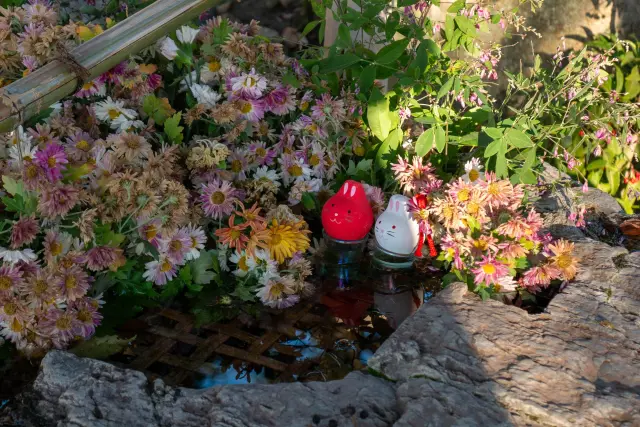
  • A mini water garden featuring seasonal flowers.

    A mini water garden featuring seasonal flowers.

Reviews

4

Some reviews are AI-translated.

  • See More

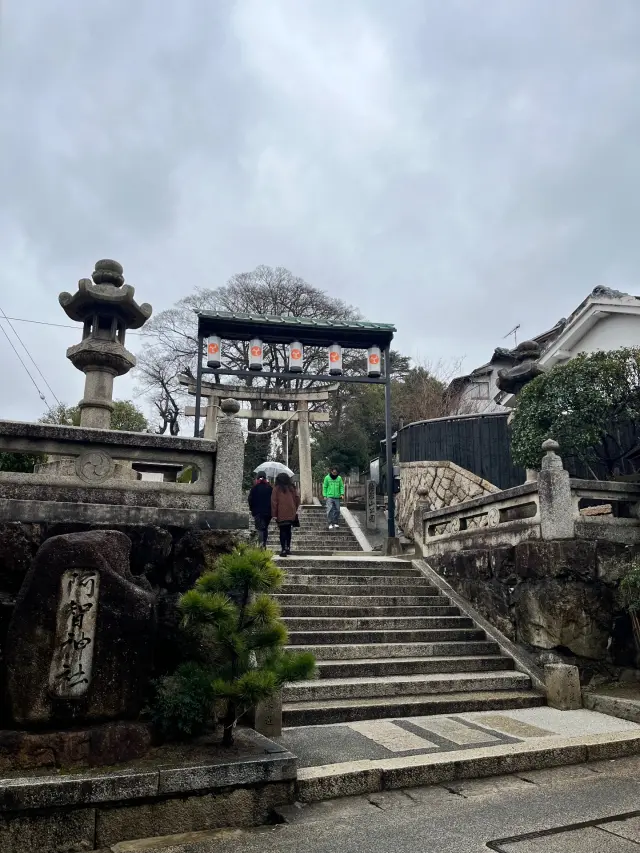
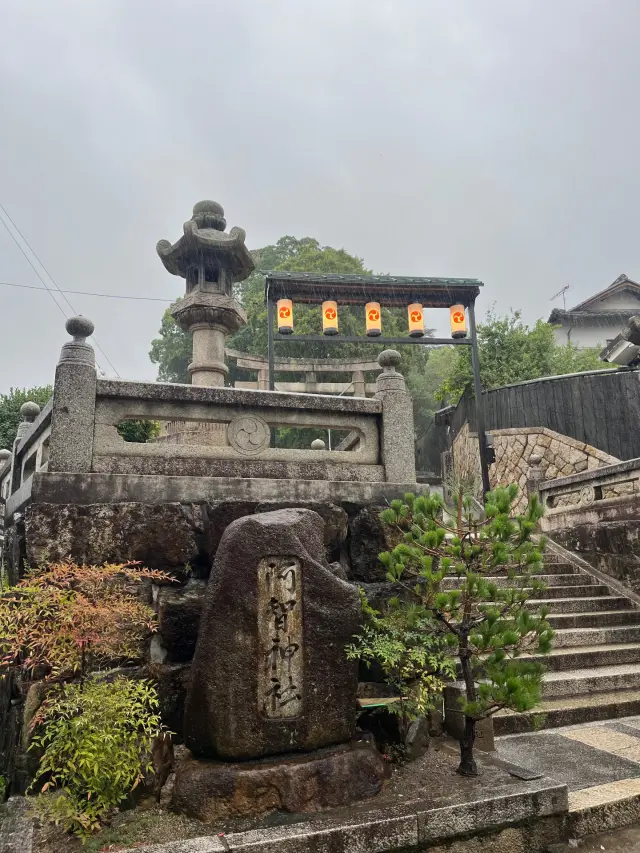
    Achi Shrine is located on Mt. Tsurugata next to the Kurashiki Bikan Historical Quarter. Getting there from the foot of the mountain requires walking up a slope or stone steps. If you don't want to climb too many steps right away, I recommend taking the gentler slope from the shopping street, then heading down the front stone steps. It's an easier walk, and you'll also pass the wisteria area along the way. The wisteria blooms in early May and is one of Achi Shrine's most famous sights. Unfortunately, I visited twice and missed the full bloom both times. I missed the flowering season the first time, and on my second visit, I also happened to miss the limited-edition goshuin and exhibition, which left me a little disappointed.
    The shrine's charms and other items are also very distinctive, such as the delicately crafted Hanamatoi charms in soft colors and the original “Irohaura” fortunes. The paper, illustrations, and color combinations used for the fortunes are very beautiful, making them nice keepsakes even after you've drawn one.
    After visiting the shrine, you can look back over the streets of Kurashiki from the higher ground nearby. The view isn't especially expansive, but you can see the white walls, black roof tiles, and streets intersecting below. Although I prefer the view from Kuniyoshi-kan, the scenery from Achi Shrine is also lovely.

  • See More

    Achi Shrine is located near the Kurashiki Bikan Historical Quarter and is filled with history and a peaceful atmosphere. Slowly climbing the stone steps up the hill, the lush greenery along the way feels very relaxing. The shrine grounds are simple and solemn. While praying sincerely for peace and good fortune, I also felt the appeal of traditional Japanese culture. From the top, you can also look out over the beautiful streets of Kurashiki.

  • See More

    I’m taking off a star because there are way too many stairs, and they’re so long.
    So tiring lol.
    But this was the first shrine I ever went to by myself.
    If I saw these stairs in Taiwan, I’d definitely be like, “Wait... do I really want to go up there?”
    But in Japan, I had unlimited motivation. Even with unlimited motivation, though, it was still kind of exhausting.
    That said, a lot of the scenery and landscaping was actually pretty cool.
    The second time I went, I bought an omamori.
    It was really pretty, maybe wisteria-themed?
    And it was pouring rain the second time too, which was wild.
    I was so scared I’d slip, and I was also feeling a little dizzy.
    I was honestly afraid I might tumble all the way down. There weren’t many people around either, so it was pretty scary.
    I really like solo travel, but this honestly felt a bit dangerous, since not every section has a handrail.

  • See More

    An ancient and historic shrine. The view of Kurashiki city from here is beautiful.

Details

Name in Japanese
阿智神社
Postal Code
710-0054
Address
12-1 Honmachi, Kurashiki City, Okayama
Telephone
086-425-4898
Business Hours
Free to visit any time
Access
15 minute walk from JR Kurashiki Station
Official Website
Official Website (Japanese)