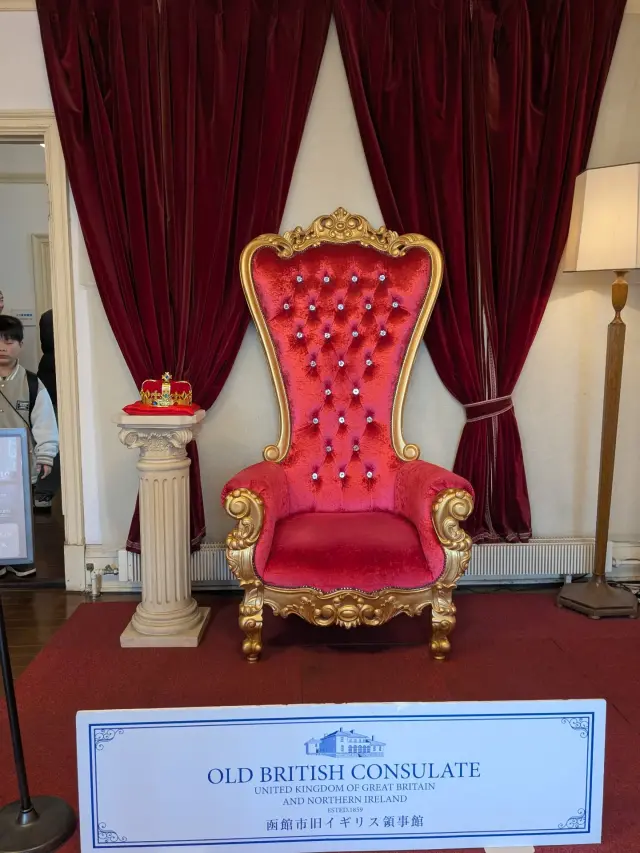
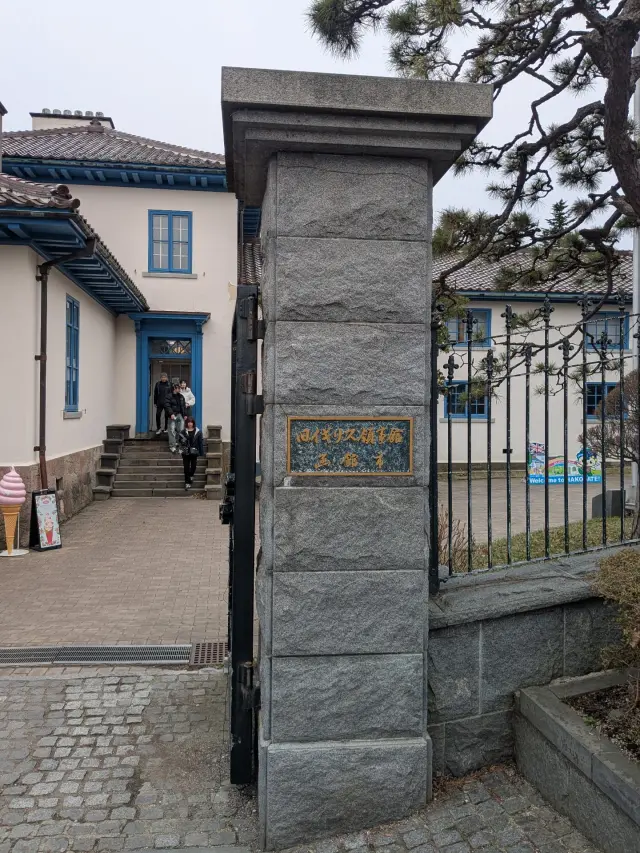
It's a building where you can feel the history. You can put on a cape, sit in an elegant chair, and take a commemorative photo. There was also a shop and a cafe inside. They also offer a discounted combination admission ticket for nearby tourist attractions, so I recommend it if you're visiting several places.
Former British Consulate of Hakodate | Review by tamanitabi
Other Reviews by tamanitabi
-
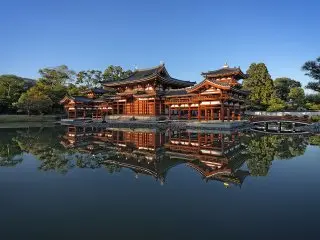
Byodoin Temple
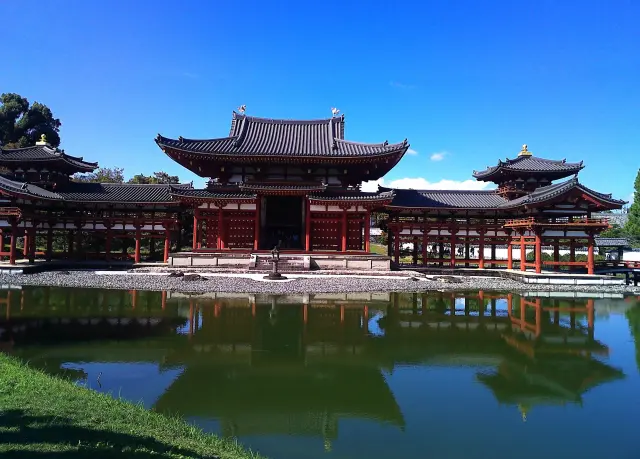
The site was originally used as a villa by Fujiwara no Michinaga, a powerful figure during the Heian period. His son, Yorimichi, inherited the property and converted it into a temple in 1052. It was registered as a World Heritage Site in 1994. Following renovations completed in 2014, it is said to have regained an appearance closer to its original form. The Amida Hall, which houses the principal image of Amida Buddha, is a highlight. Its magnificent symmetry is sure to captivate visitors.
Byodoin's Phoenix Hall is depicted on the JPY 10 coin. Seeing it in person, I was captivated by its elegant architecture and beautiful reflection on the surface of Aji Pond. The dreamlike scenery made it easy to understand why the temple is said to represent the Buddhist Pure Land.
-
-
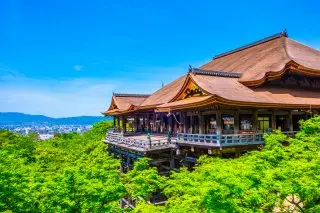
Otowa-san Kiyomizu-dera Temple
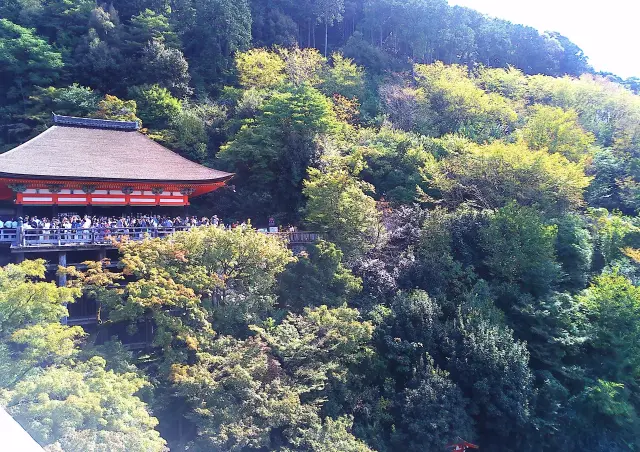
Founded in 778, Kiyomizu-dera Temple was inscribed on the UNESCO World Heritage List in 1994. Its 130,000-square-meter (about 1.4-million-square-foot) grounds extend across the slopes of Mt. Otowa and contain more than 30 temple buildings and monuments, including National Treasures and Important Cultural Properties. The temple is also worth seeing throughout the seasons, framed by cherry blossoms in spring, lush greenery in summer, colorful leaves in autumn, and snow in winter.
Kiyomizu-dera Temple is a must-see sightseeing spot when visiting Kyoto. The 13-meter-high “Kiyomizu Stage” is built with interlocking wood and is said to have been constructed without using any nails. I was deeply impressed by the wisdom and technical skill of the people who came before us.
-
-
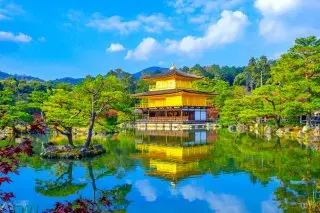
Kinkaku-ji
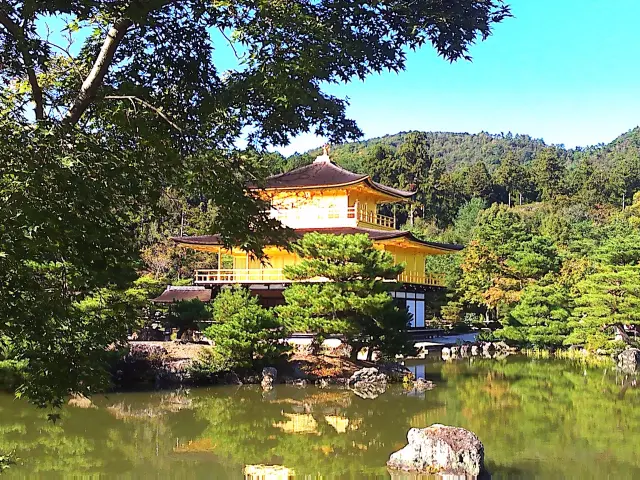
During the Muromachi Period, the 3rd Ashikaga shogun, Yoshimitsu, made an abode in this temple called Kitayamadono. It was named as Rokuon-ji after the posthumous name of Yoshimitsu. He had also built Shokoku-ji Temple, and Rokuon-ji, his retirement home, was turned into a branch temple of Shokoku-ji.
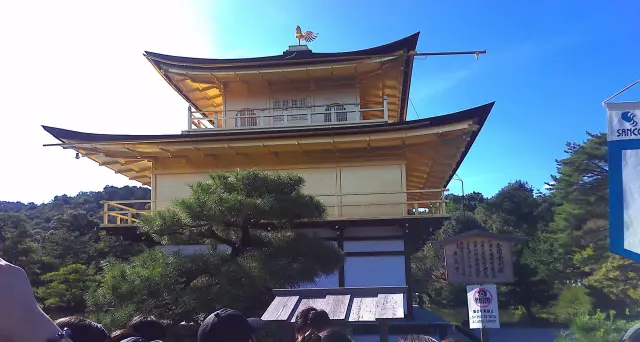
The view was very artistic, including the reflection of Kinkaku-ji on the surface of Kyoko-chi Pond. I visited in mid-October, and although the leaves had not yet changed color, there were still many tourists.
-