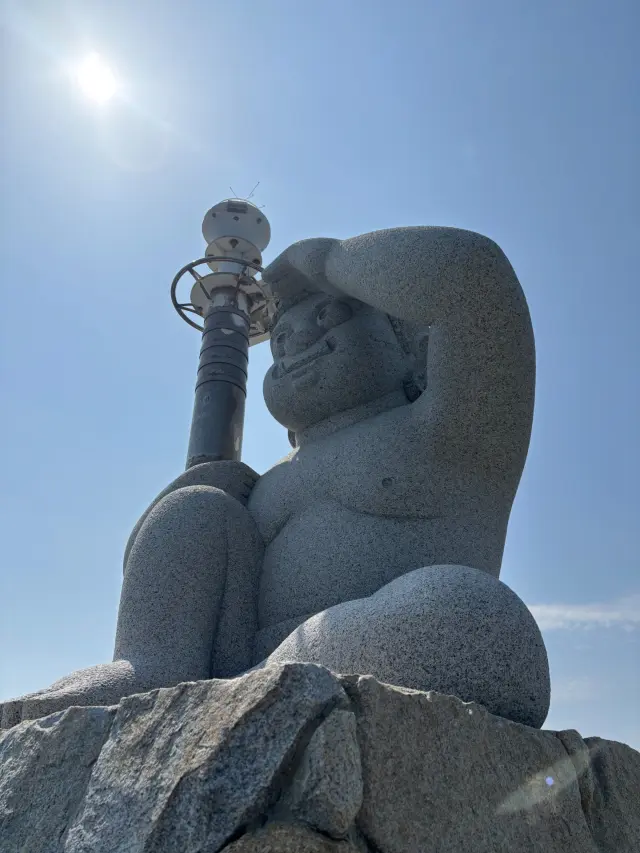
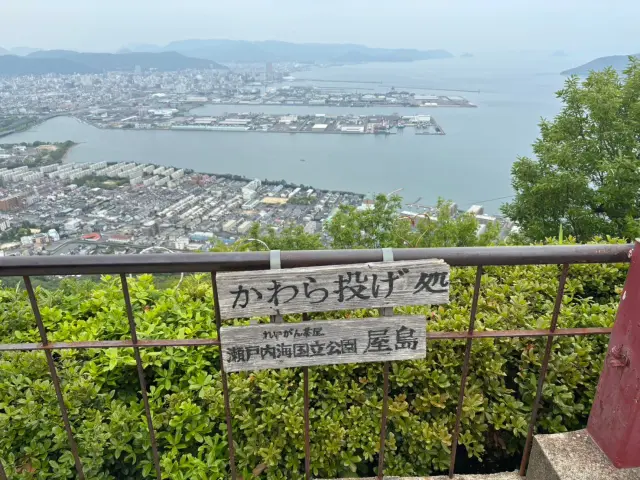
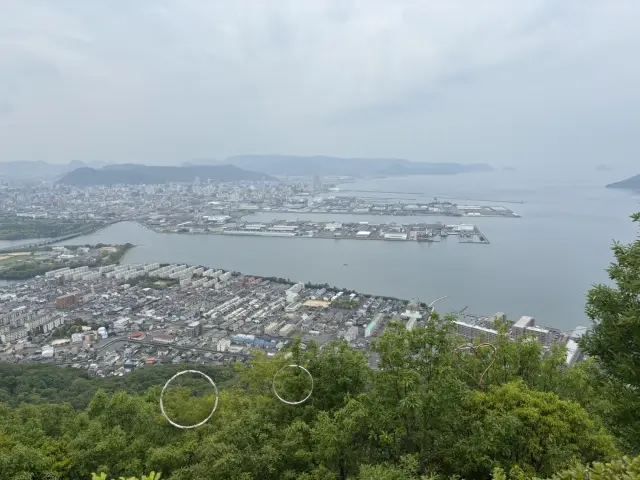
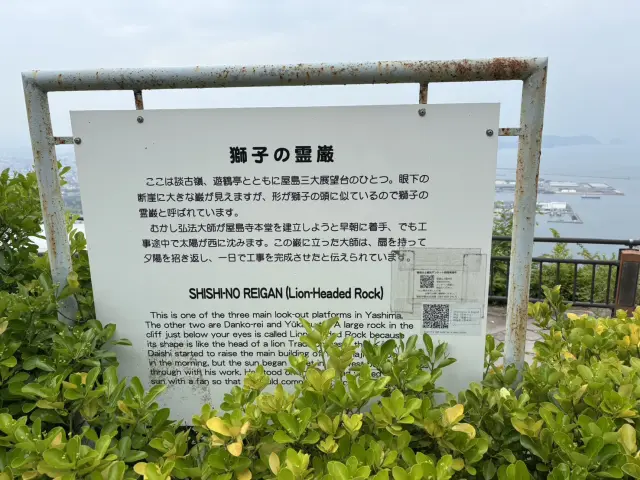
Located on Mount Yashima, it offers views of the small islands in the Seto Inland Sea. The scenery is very beautiful. You can buy a tile nearby and try kawara-nage (tile throwing). Throwing it through the ring is said to bring good luck and ward off bad luck.
Shishi no Reigan Observatory | Review by 河豚君
Other Reviews by 河豚君
-

Megijima
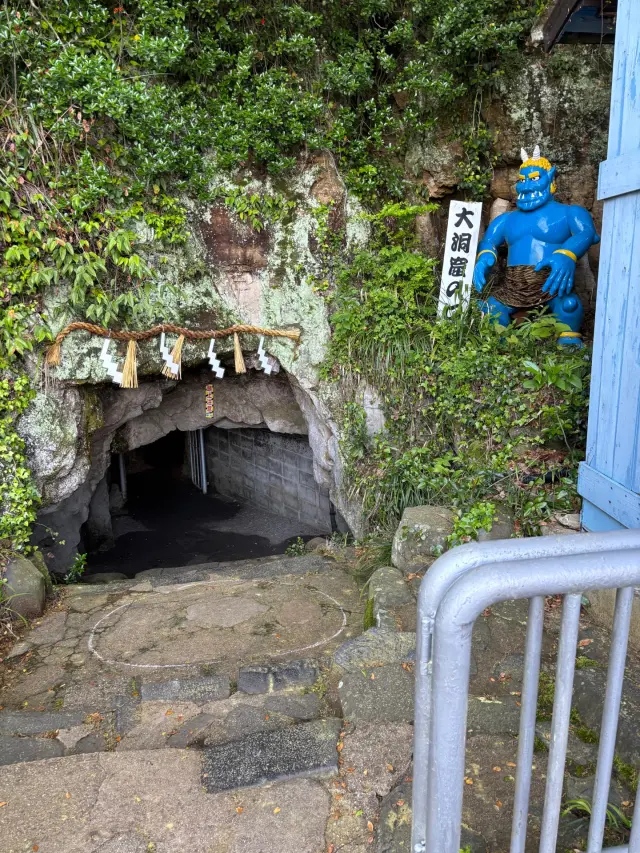
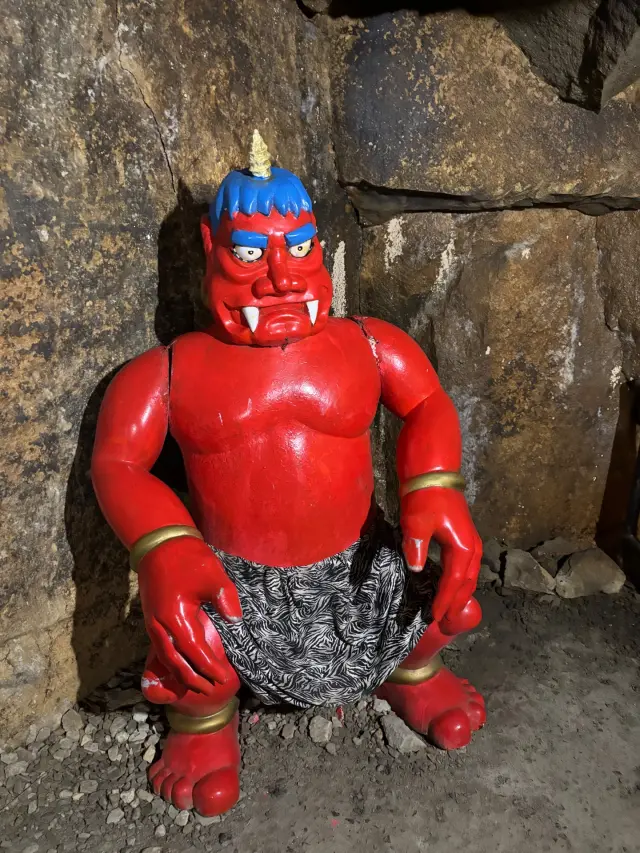
Megijima is a remote island floating in the Seto Inland Sea, about 20 minutes by ferry from Takamatsu Port in Takamatsu City, Kagawa Prefecture. At the summit of Mt. Washigamine, which rises in the center of the island, a huge cave remains, and from the legend that demons once lived there, it is also called “Onigashima (Demon Island).”
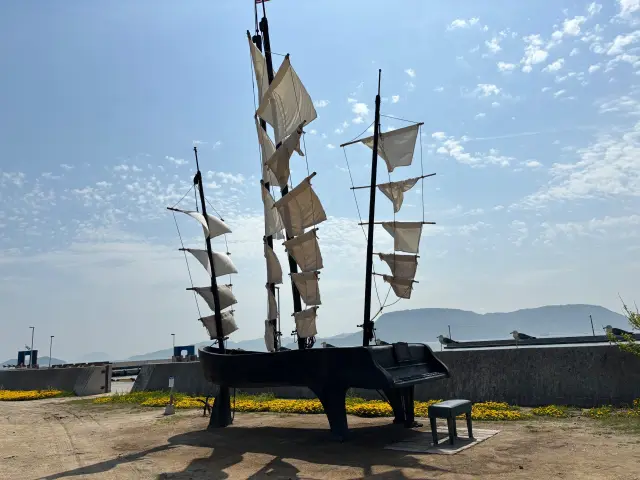
Megijima is said to be the setting for Onigashima in the legend of Momotaro. You can take the “Onigashima Great Cave Bus” to the cave at the top of the mountain and search for traces of Momotaro and the demon generals. Before leaving, I also recommend buying a bag of Onigashima Great Cave rice crackers at the ticket counter as a special souvenir. The island also has quite a few works from the Setouchi Triennale, making it a great place to slow down and enjoy the scenery and artwork while taking a walk.
-
-

Takamatsu Symbol Tower
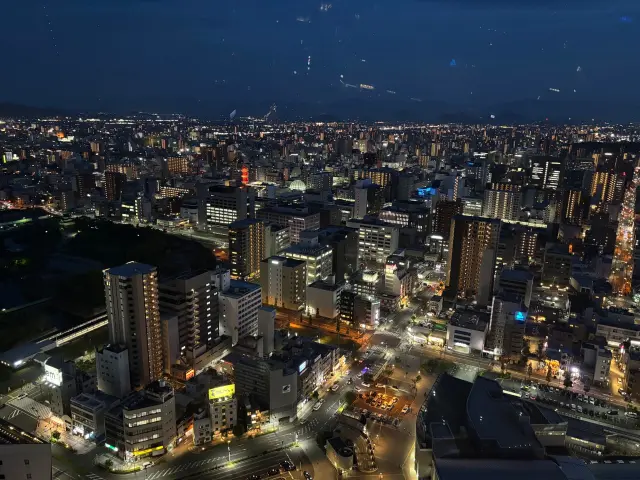
Standing 151.3 meters tall, the tower of Takamatsu Symbol Tower is the tallest building in Shikoku. Located just a 5-minute walk from the Takamatsu Port ferry terminal and 3 minutes from JR Takamatsu Station, it is ideally situated as a gateway for exploring Kagawa.
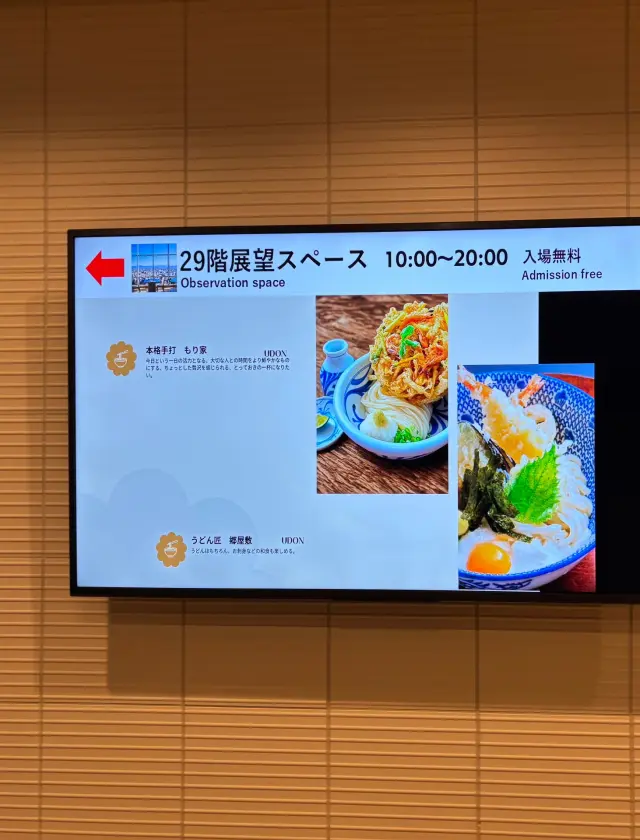
There is a free observation deck on the 29th floor. I highly recommend visiting in the late afternoon or evening to enjoy the night view. There is currently also a restaurant open on the 29th floor, so remember to check the observation deck’s hours before you go to avoid missing the chance to enjoy the beautiful view.
-
-
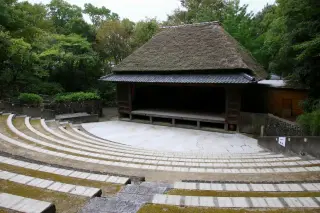
Shikoku Mura Village
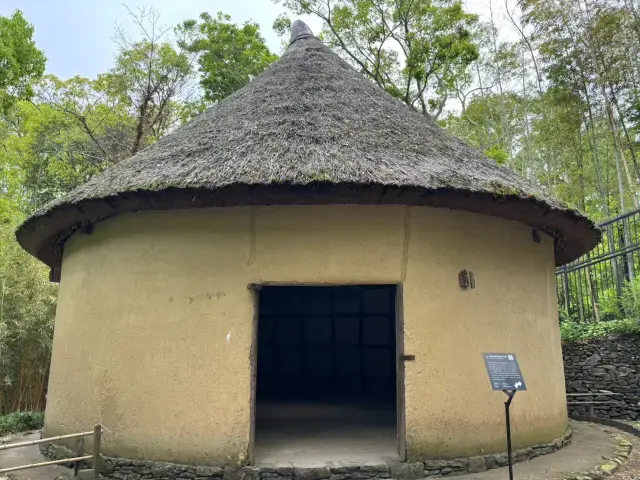
An open-air museum featuring historic buildings relocated and restored primarily from the four prefectures of Shikoku. Spread across the expansive grounds of Shikoku Mura Village at the foot of Mt. Yashima in Takamatsu, Kagawa Prefecture, are 33 structures dating from the Edo period to the Taisho era, including homes, workshops, a rural kabuki stage, rice storehouses, and a soy sauce brewery. Visitors can stroll through the grounds while gaining insight into the lifestyles, industries, and local culture of the time.
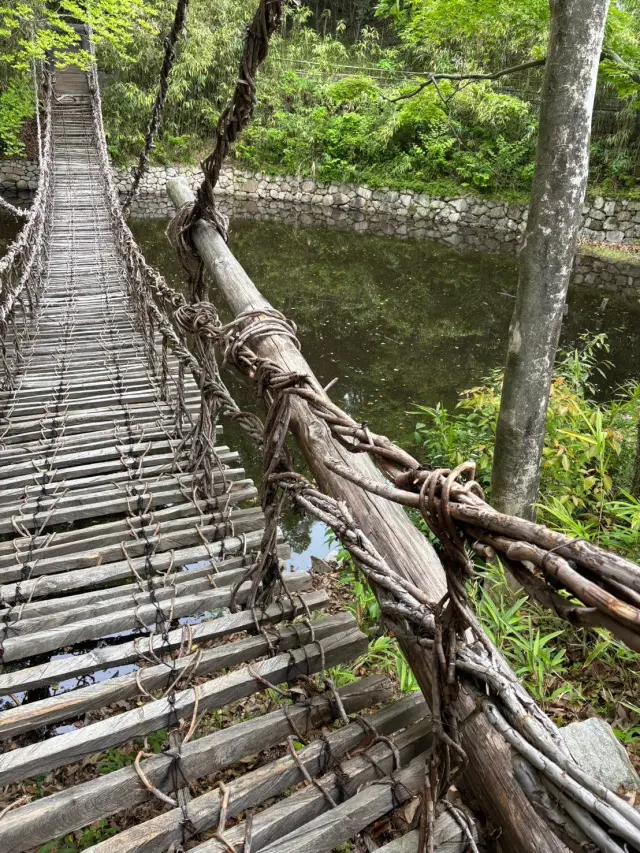
You can get there from the station by bus or on foot. The grounds are very large, and it takes about half a day to explore them properly. The village recreates and showcases the early lifestyles and industries of Shikoku’s four prefectures. The highlight is the reconstructed vine bridge from Iya, Tokushima, which is definitely worth walking across.
-