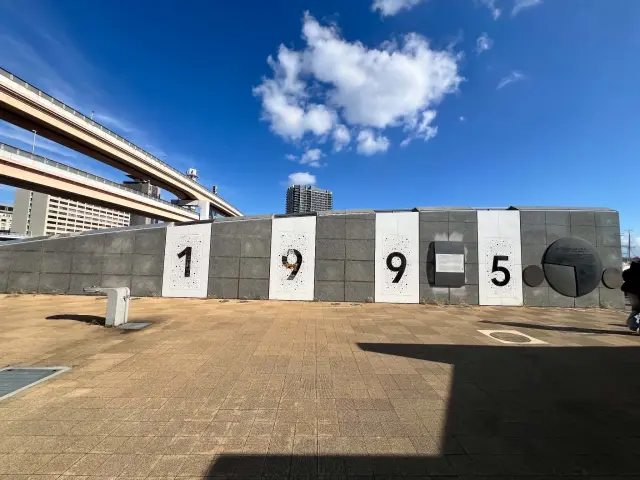
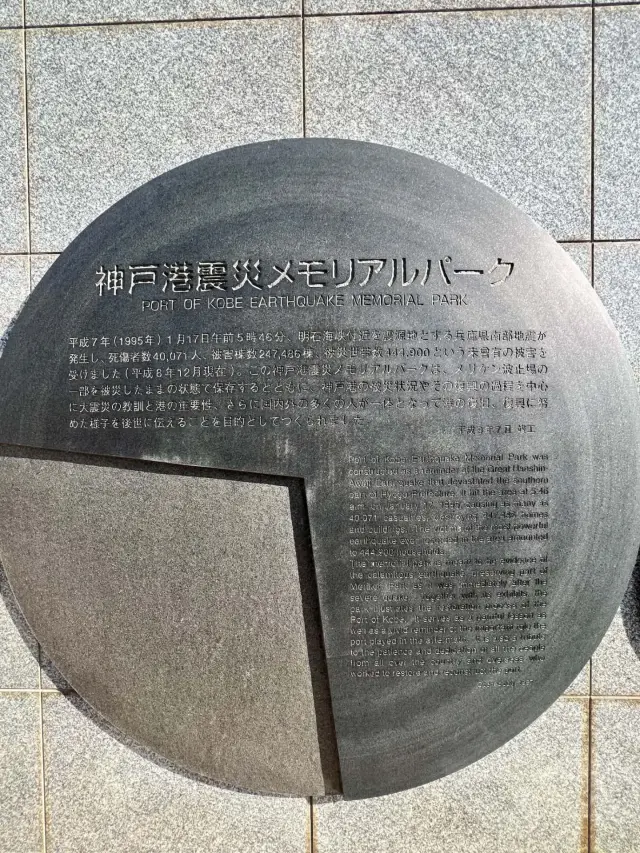
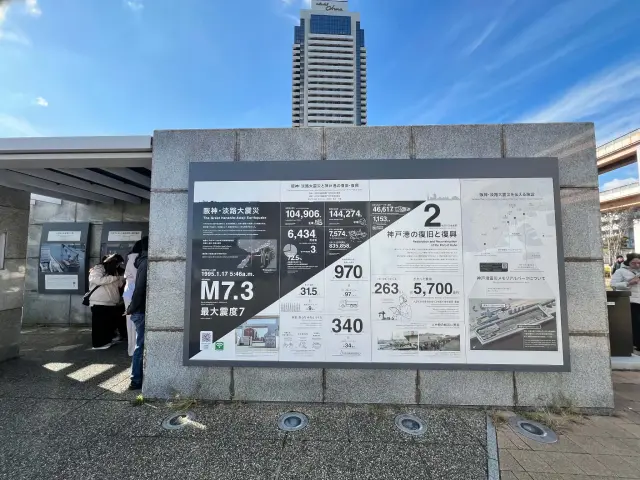
This area in Kobe’s Meriken Park mainly commemorates the Great Hanshin-Awaji Earthquake that occurred in #1995.
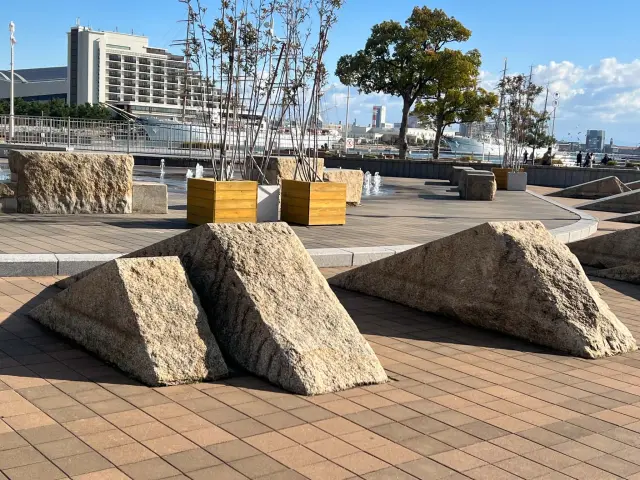
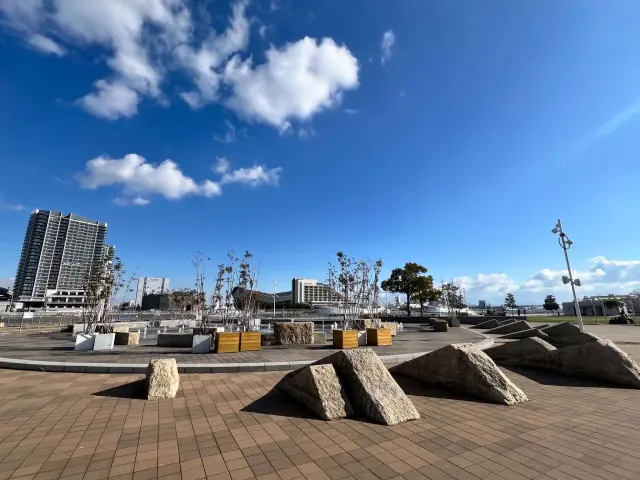
1. The triangular stones on the ground and the landscape
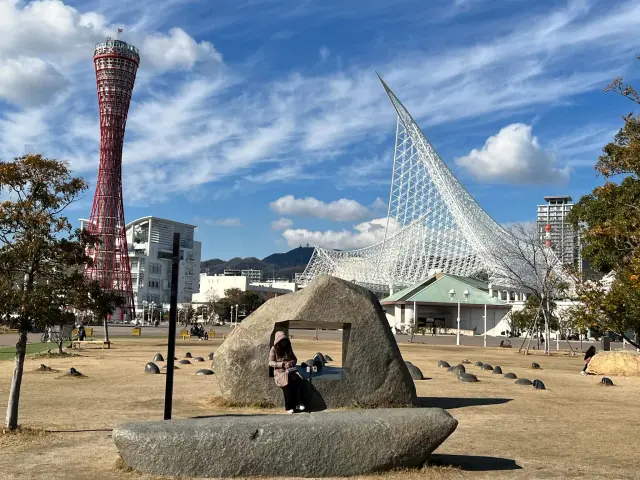
These large stones scattered across the ground and the tilted streetlights are not simply landscape decorations. They are actual remnants showing how the Meriken breakwater collapsed and the ground shifted during the Great Hanshin-Awaji Earthquake. These ruins have been preserved exactly as they were as “living witnesses,” reminding people of the horror of earthquakes and the importance of disaster preparedness, while passing this historical memory on to future generations.
2. Meaning of the “1995” numbers
The “1995” numbers on the wall represent the year when the Great Hanshin-Awaji Earthquake occurred. The disaster struck in the early morning of January 17, 1995, causing tremendous destruction and casualties. These numbers and the memorial park were created so that the lessons of the disaster and the courage of Kobe’s residents in rebuilding could be remembered and passed down.
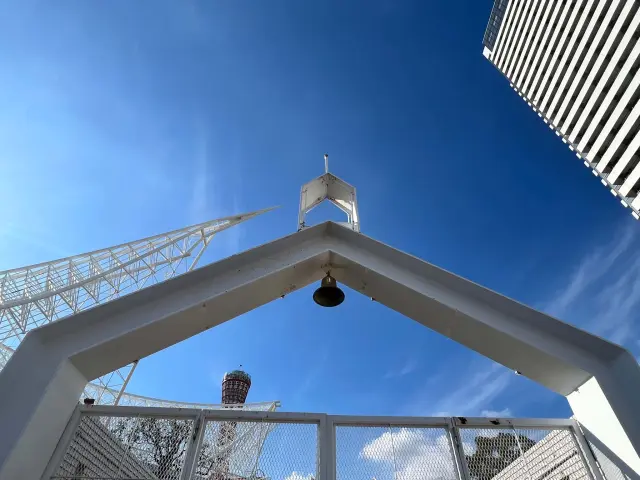
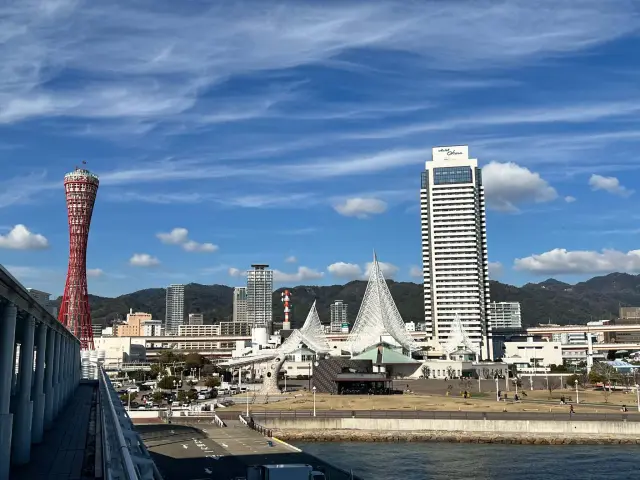
3. Red structure (Kobe Port Tower)
“Kobe Port Tower.”
*Exterior design: Its distinctive red tubular structure was inspired by the traditional Japanese musical instrument known as a “drum,” earning it the nickname “Beauty of the Iron Tower.”
*Symbolic meaning: Kobe Port Tower opened in 1963 and is a landmark of Kobe Port. After the earthquake, its bright red appearance was often seen as a positive symbol, representing Kobe rising again like a phoenix and demonstrating its strong vitality and spirit of recovery.
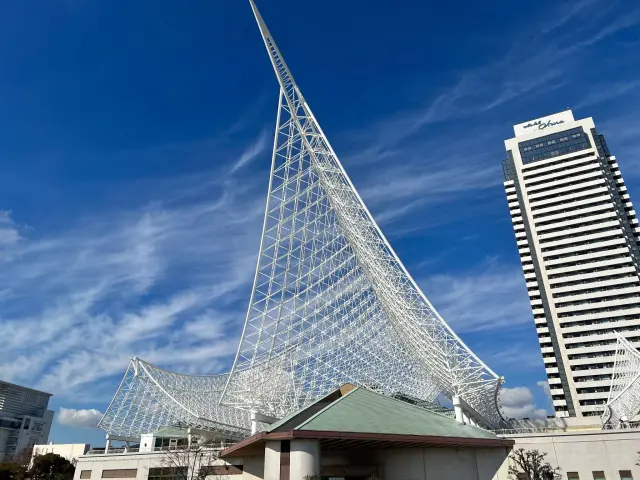
In addition, there is another white building nearby with a structure made of multiple intersecting triangles. This is the “Kobe Maritime Museum,” whose design was inspired by a sailboat cutting through the wind and waves.
Together with the earthquake memorial park, these two buildings form important historical and cultural landmarks in Kobe’s port area.
Meriken Park | Review by Norton Liang
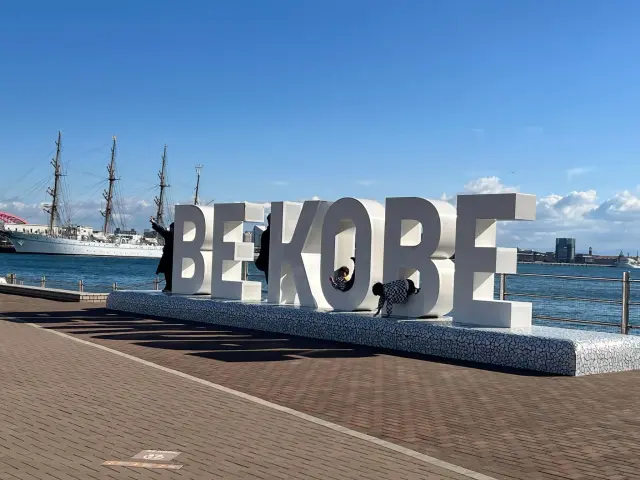
Other Reviews by Norton Liang
-

Hokkaido University
Hokkaido University has a huge campus and an unconstrained space. A location of the ground is accessible on foot from the Sapporo station. The campus is open to the public for tours and walking as well as students or staff do.
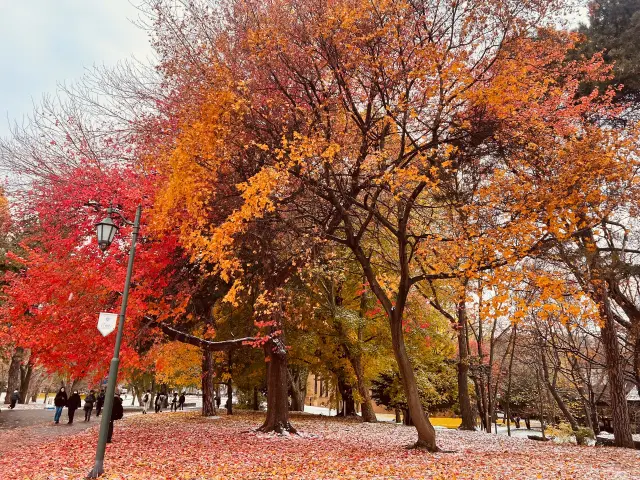
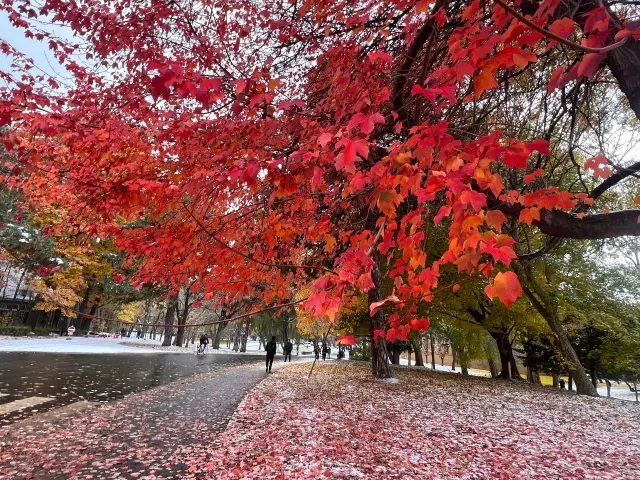
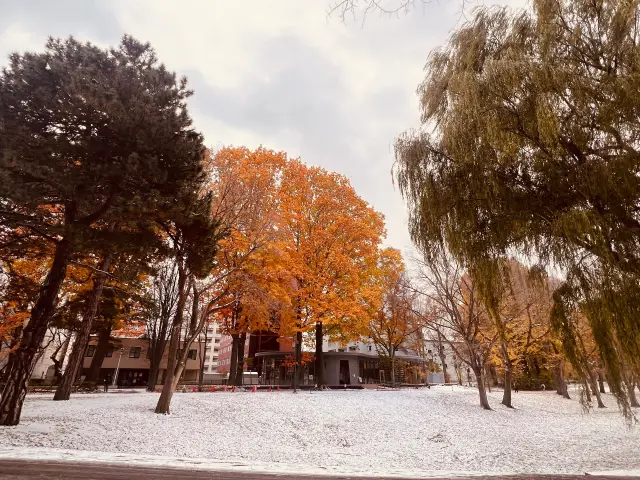
The Central Avenue (#メインストリート / Main Street) on #北海道大學札幌校區, especially the section around #中央食堂, #古河講堂, and the university library.
This avenue is the main north-south road running through Hokkaido University, extending from the main gate all the way to the north side. It is not the east-west “#銀杏並木(北13条通),” known specifically for its ginkgo trees.
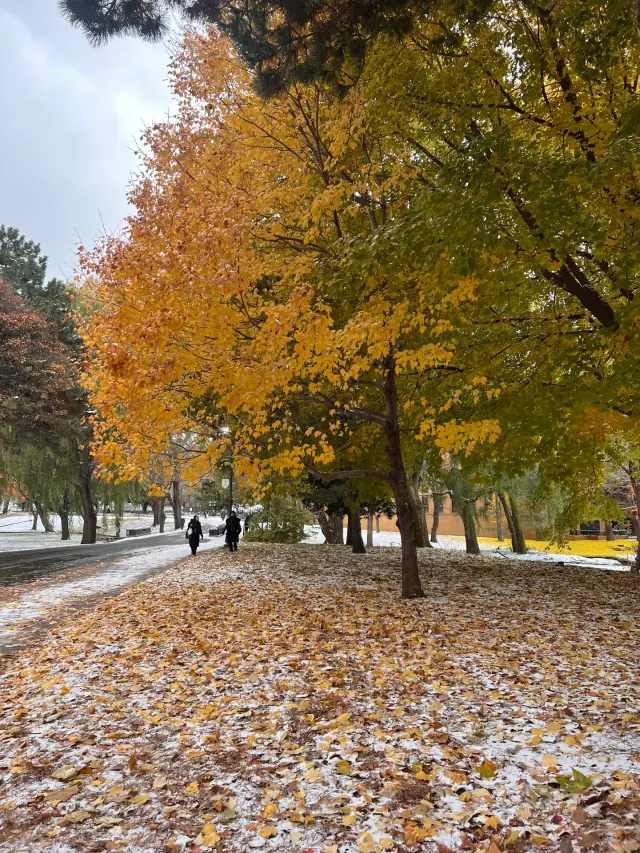
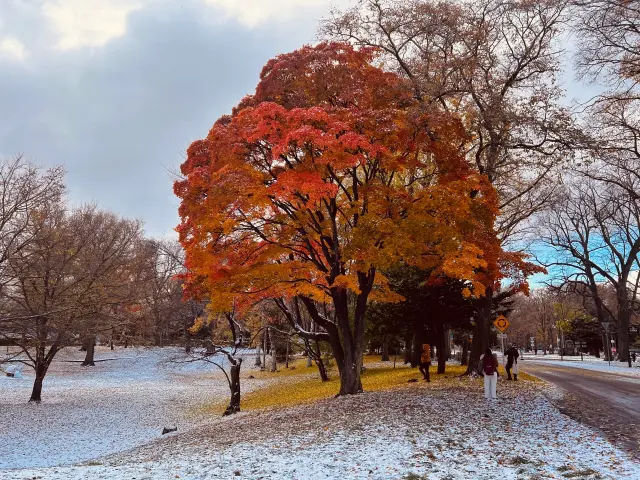
Many maple, rowan, and elm trees grow along this section, which is also right next to the lawns and the “#サクシュコトニ川” (#SakushukotoniRiver), a stream flowing through the campus:
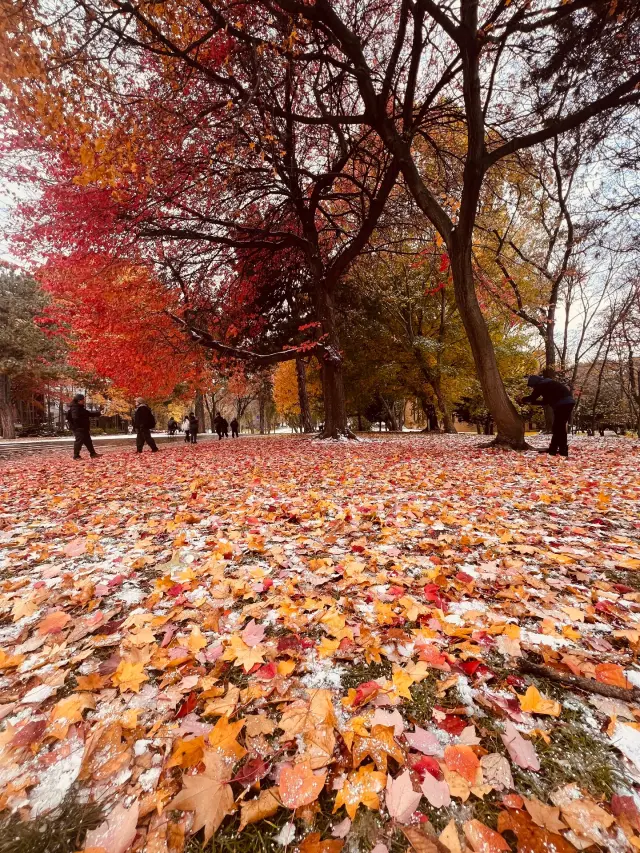
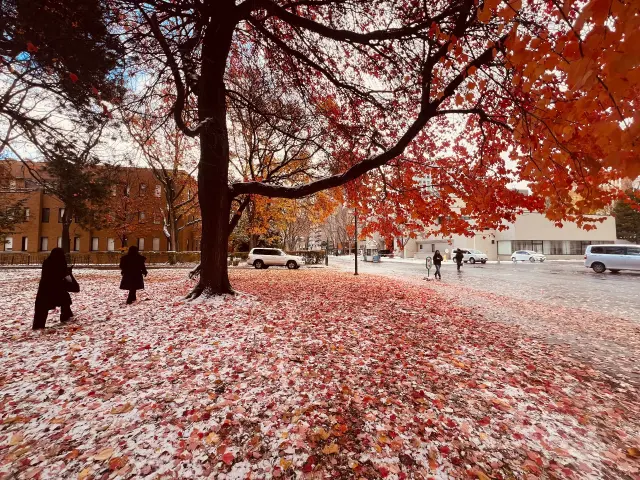
* In front of the Central Cafeteria and monument: The red-orange maple leaves, mainly Japanese maples and Ezo maples, and the thick layer of fallen leaves on the ground can be found beside the Central Cafeteria, along the lawn paths near the “#クラーク博士胸像 (Bust of Dr. Clark)” and Furukawa Hall.
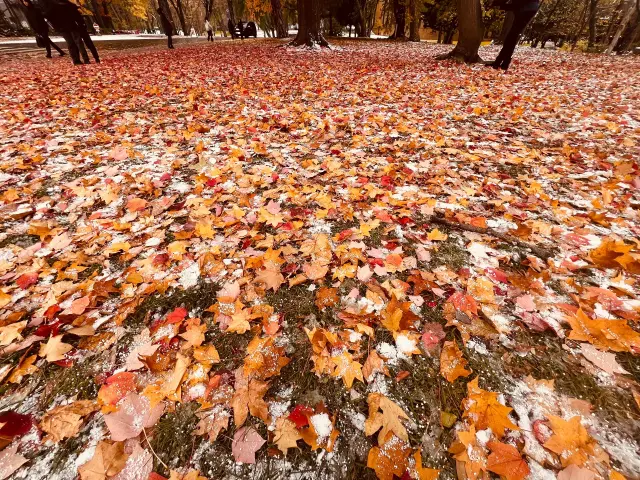
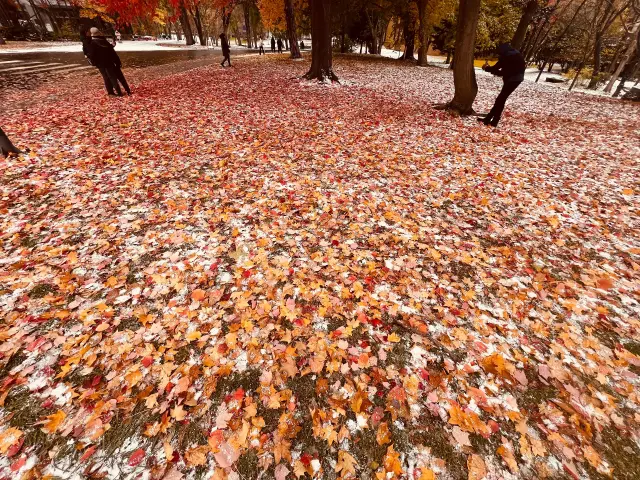
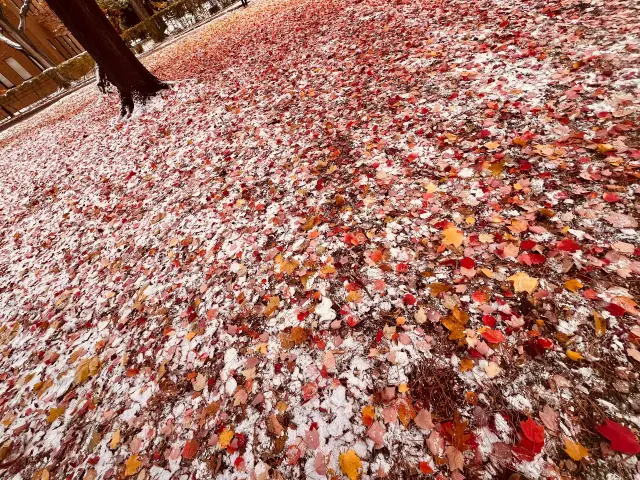
* In front of #北海道大學附屬圖書館: The orange-yellow brick building in the background is the Hokkaido University Library (Main Library), while the stream flowing beside it is the “サクシュコトニ川.” When the first snow falls and the maple and ginkgo leaves overlap, the combination of red, yellow, and white in one scene is a classic view here.Compared with the ginkgo avenue covered in gold at its peak, this “snow-covered autumn leaves” scenery, with the first snow blanketing the red-orange fallen leaves, can only be seen for a few short days each year in Sapporo. It really is especially poetic.
Filming 🎬 date: 1110/2026
-
-

Hakodate Station
Hakodate Station's commercial zone was renovated in 2016 with the opening of the Hokkaido Shinkansen. On the first floor is the "Hokkaido Shikisaikan JR Hakodate Store" offering a variety of local specialties and products, while the second floor features restaurants and an observation deck called the "Rotunda Deck" where visitors can take pictures of trains arriving and departing on the platforms.
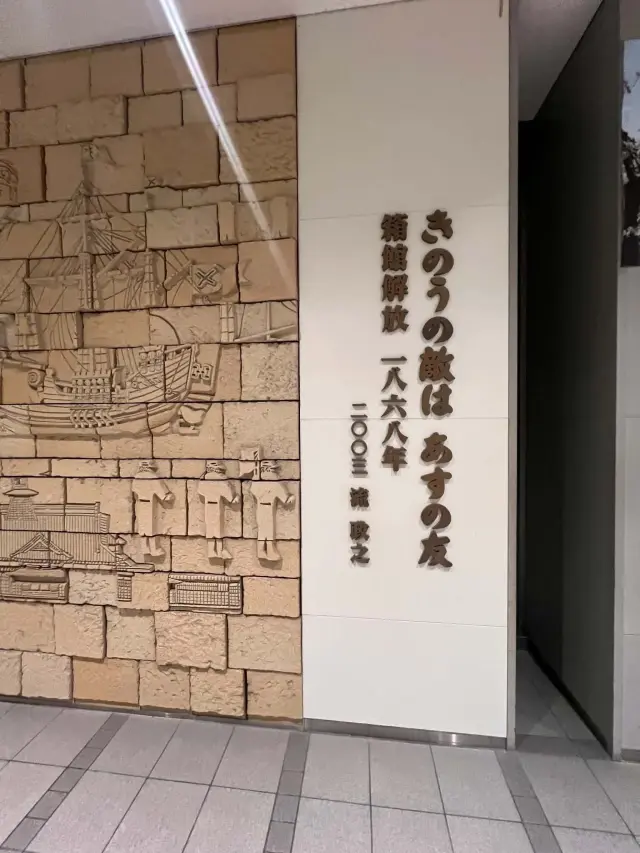
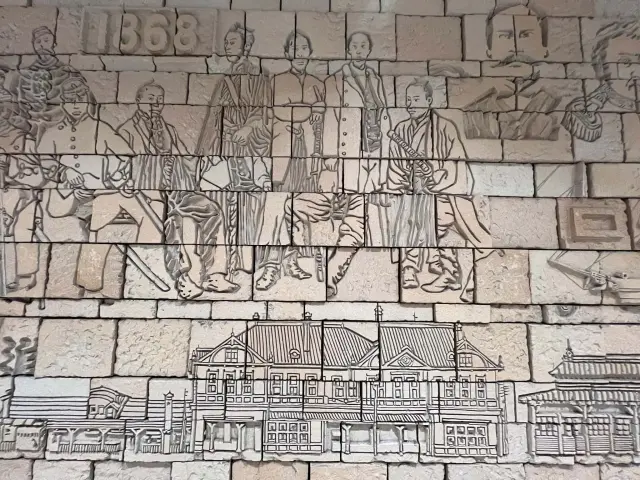
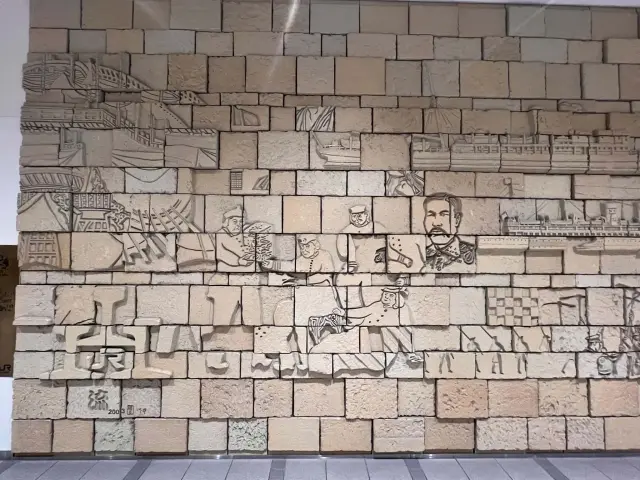
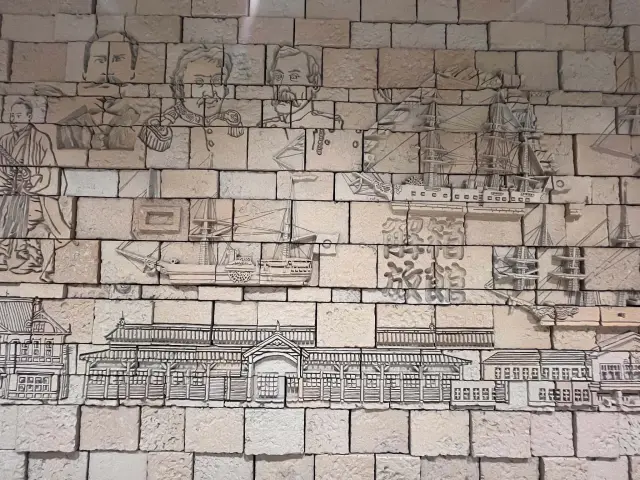
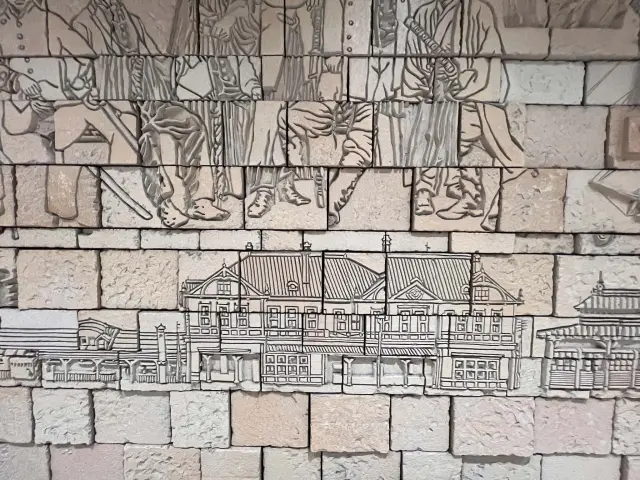
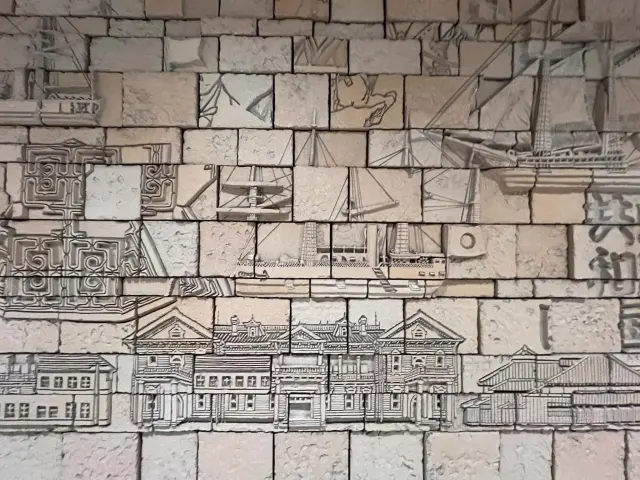
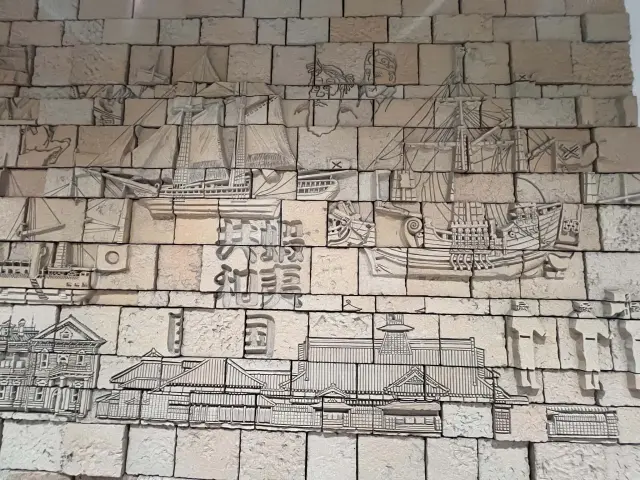
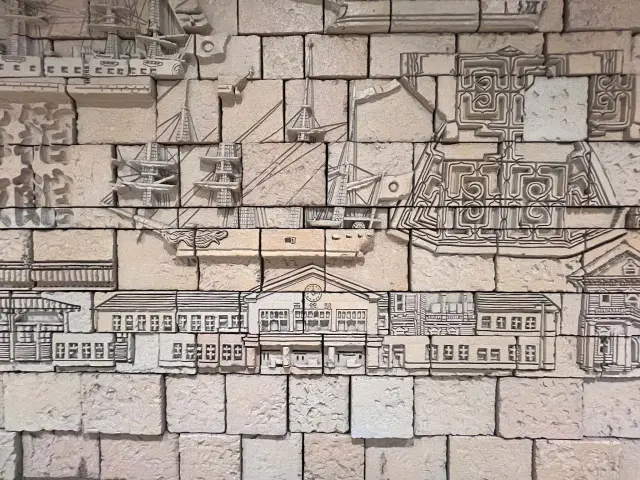
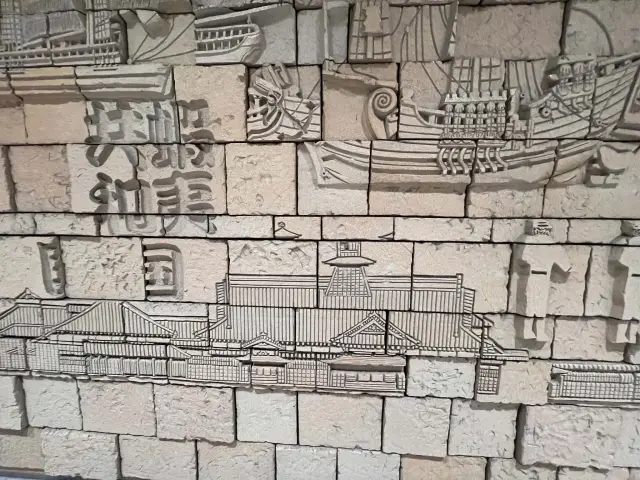
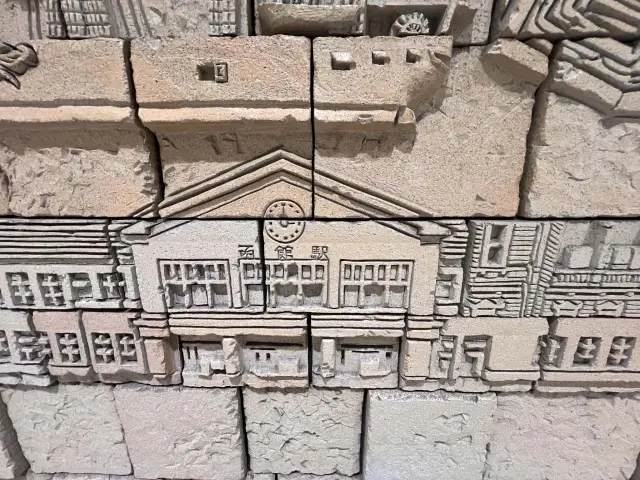
This stone relief mural, located in the concourse leading to the platforms at JR Hakodate Station, is a public artwork created in 2003 by renowned Japanese sculptor Masayuki Nagare, when the new Hakodate Station building was completed. Its title is “きのうの敵は あすの友” (“Yesterday’s Enemy Is Tomorrow’s Friend”), with the subtitle “#箱館解放 一八六八年” (“The Liberation of Hakodate, 1868”).
The mural’s theme is “the history of the #幕末維新, the #箱館戰爭 (the final battle of the Boshin War), and the opening of the port of #函館.” Through a mosaic of stone tiles, it depicts #函館’s journey from turmoil to peace, openness, and modernization.The entire wall is like a three-dimensional picture scroll of Hakodate’s modern history, allowing every traveler about to depart or just arriving to experience, before reaching the platforms, the city’s historical journey from war to peace and prosperity.
-
-

Hakodate Port (Tsugaru Strait Ferry Hakodate Terminal)
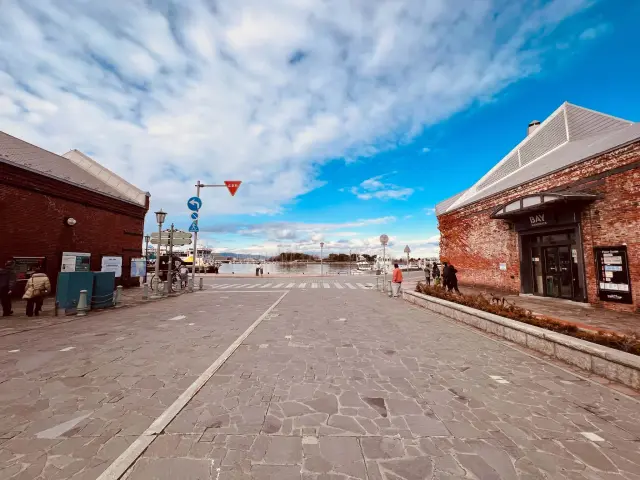
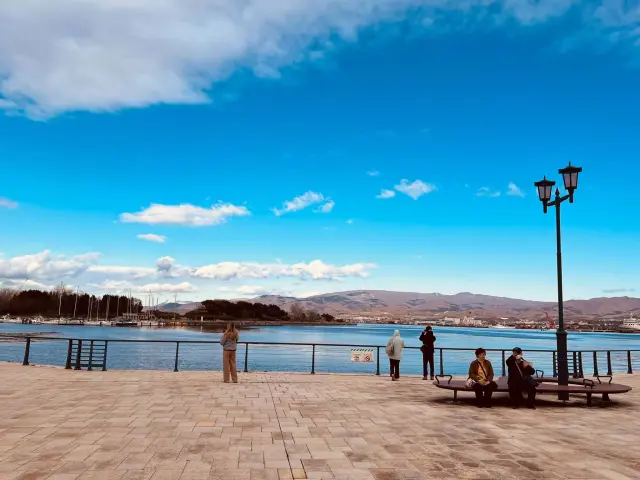
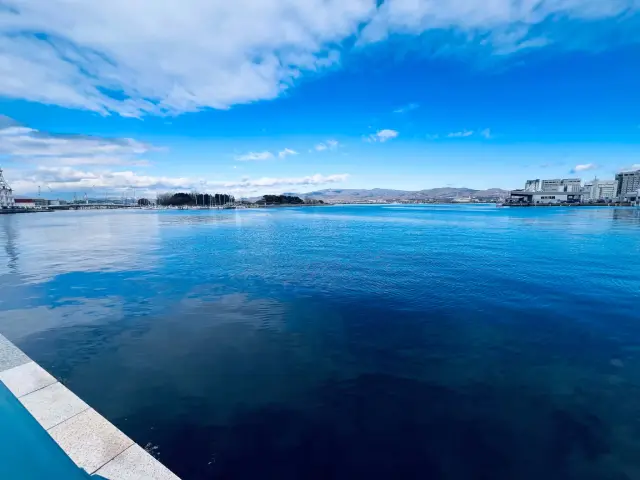
Hakodate Port has been at the center of Hakodate's development since it opened in 1859 (Ansei 6). As one of the first ports to open in Japan, it has greatly contributed to the development of Hakodate as a tourist city. The dynamic landscape of the deep bay and Mount Hakodate, combined with the modern atmosphere and exotic streetscape of the 19th century, make the area 360-degree photogenic!
⚓ Hakodate Bay
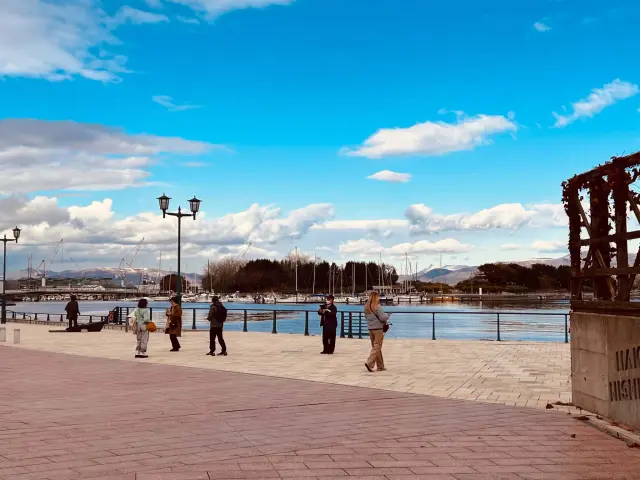
A waterfront area full of historic romance and an exotic atmosphere. There’s no rushing around, only a gentle sea breeze blowing toward you. It’s a “super chill” spot where you can completely relax and enjoy the slower pace.
🧱 Nishi Hatoba and the Red Brick Warehouses:
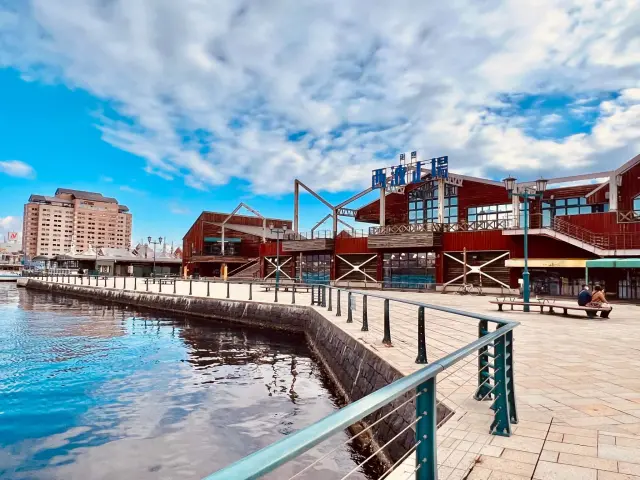
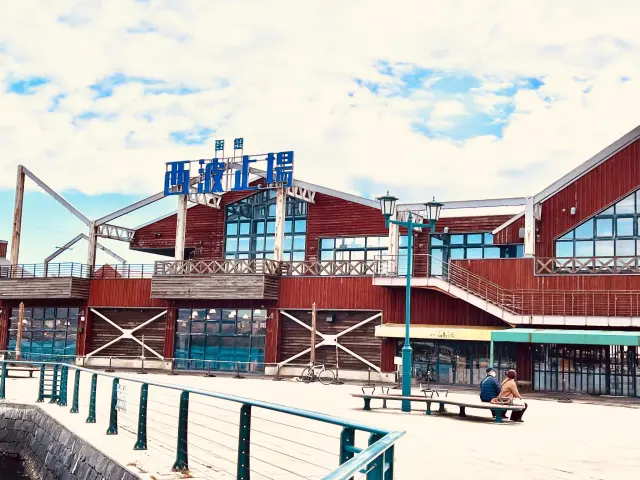
The striking reddish-brown wooden building of Nishi Hatoba and the nearby Kanemori Red Brick Warehouse complex are landmarks of the bay area. Inside, there are plenty of seafood markets, souvenir shops, and restaurants. You can pick up some snacks, order a local beer or coffee, and sit on the outdoor wooden boardwalk, looking out at the sea while soaking up the sun.
🚶♀️ Strolling Along the Boardwalk and Waterfront Plaza:
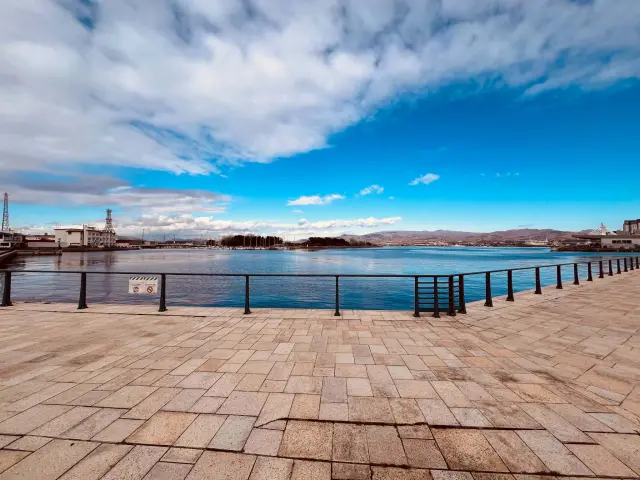
The spacious plaza and wooden boardwalk extending along the harbor have plenty of benches. Whether it’s local residents walking their dogs, travelers leaning against the railing and looking at the sea, or people simply sitting on a bench and zoning out, everything feels incredibly relaxing.⛰️⚓️ Harbor Scenery and Mountain Views Across the Water:
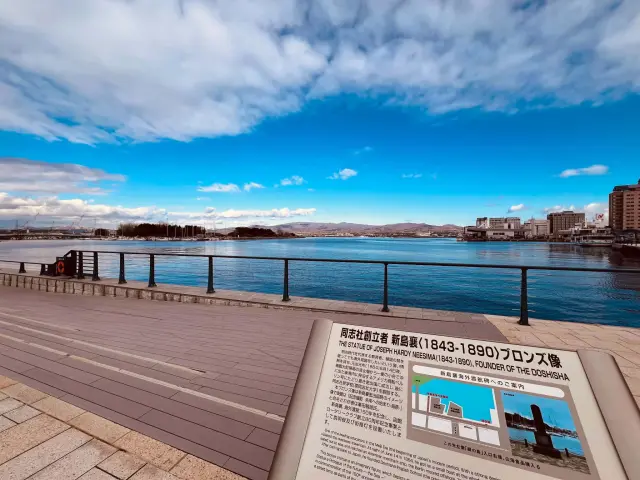
Looking out over the water, you can see white yachts and sightseeing boats, such as the Blue Moon, slowly cruising by. In the distance is the long ridgeline of Mount Hakodate, where you can even faintly see the ropeway. The blue sky, white clouds, and sparkling water blend together, and in the evening, vintage-style streetlights come on, adding a warm and romantic touch.🌟 Traces of History and Photo Spots ⭐️
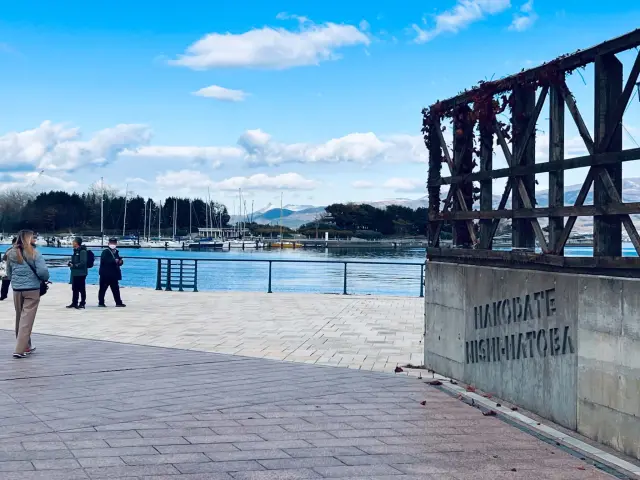
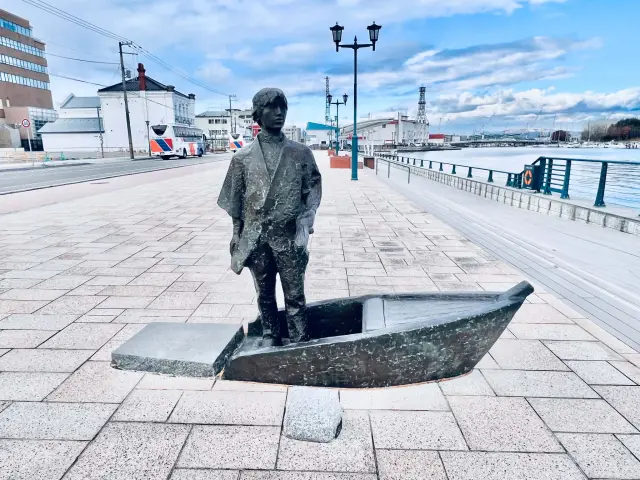
Beside the “Hakodate Nishi Hatoba” sign and the fence covered in red leaves, or in front of the historic statue and information board for Jo Niijima, casually exploring the story of how this port city opened to the world while strolling around is also part of the fun.
Here, the best itinerary is “no itinerary.” Buy some snacks, find a bench by the sea, sit down, listen to the waves, and watch the seagulls—that’s the most relaxing way to spend time in Hakodate! I hope this illustration and introduction bring you plenty of vacation vibes!
-