Japan is a mountainous country with frequent earthquakes, so it places particular importance on disaster preparedness education. During this visit to the Tokyo Fire Museum, I not only learned about the history of firefighting and rescue equipment, but also learned from the staff how to respond to fires and earthquakes, as well as how firefighters carry out rescue operations in their daily work. Various firefighting vehicles and historical artifacts are also on display, making disaster preparedness knowledge more engaging. After the visit, I realized even more deeply that we should prepare emergency kits, familiarize ourselves with evacuation routes, and develop proper awareness ahead of time so that we can remain calm when an actual emergency occurs.
Tokyo Fire Museum (Tokyo Fire Department Firefighting and Disaster Prevention Reference Center) | Review by Linda Liao

Other Reviews by Linda Liao
-

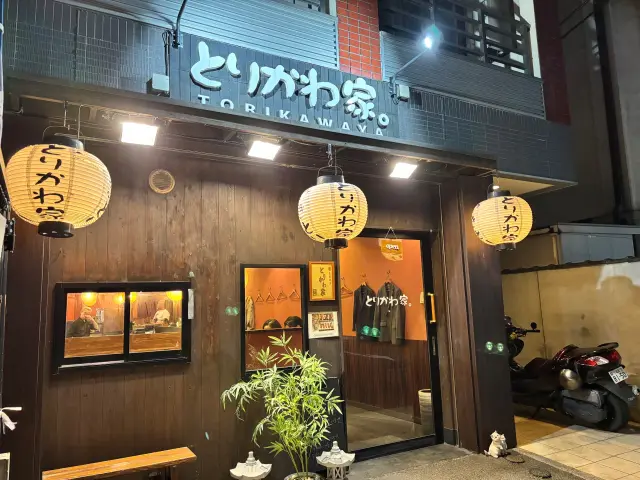
Torikawa-ya
A beloved yakitori restaurant specializing in Hakata’s famous "Torikawa" (grilled chicken skin), Torikawa-ya is a must-visit spot for locals and tourists alike. Conveniently located near the station, it offers a welcoming atmosphere where guests can enjoy one of Fukuoka’s most popular delicacies.
還沒走到店門口,遠遠就聞到陣陣誘人的炭烤香氣,肚子早已餓得咕嚕咕嚕叫。幸好這次來得早,店裡還有空位,立刻迫不及待鑽進店內。小小的居酒屋空間不大,客人肩並肩緊鄰而坐,卻更有一種熱鬧又親切的道地氛圍。最吸引人的莫過於眼前的烤台,看著師傅熟練地將一串串串燒放上炭火,油脂滴落時發出滋滋聲響,伴隨著撲鼻香氣,真恨不得料理趕快上桌!這次品嘗了三種不同口味,各有特色,不過我個人最愛簡單的鹽味,最能吃出食材與炭烤的原始香氣;喜歡濃郁口感的人,則可以選擇醬汁或醬油口味。
另外還有一道讓我念念不忘的美味,就是福岡糸島豬五花!第一次在飯店早餐吃到時就留下深刻印象,肉質軟嫩、油花分布均勻,入口還帶著自然的甘甜,完全沒有想像中的油膩感,讓人忍不住一口接一口!
-
-
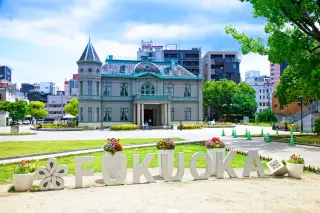
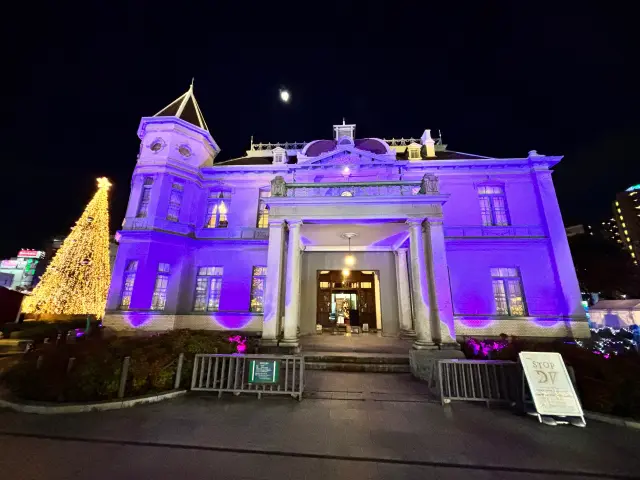
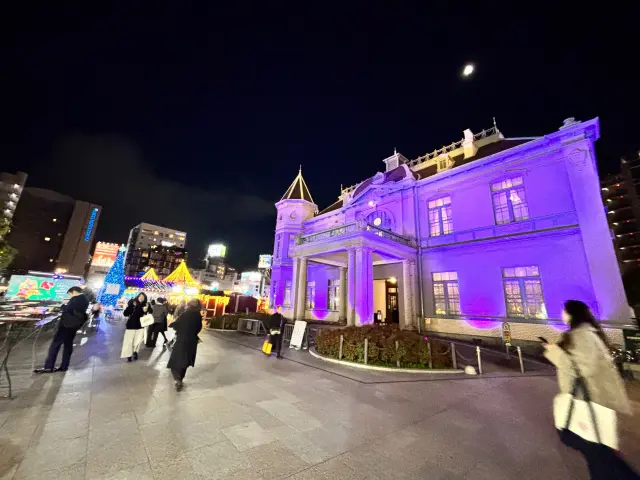
Kihinkan Old Public Hall of Fukuoka Prefecture
This historic Western-style building, constructed in 1910, stands in a corner of Tenjin Central Park. Designated a National Important Cultural Property, it is a rare surviving wooden building from the Meiji era designed in the French Renaissance style. Before opening to the public, the building was partially dismantled and restored to its original appearance. Its notable features include an entrance porch with imposing stone columns, an octagonal tower with a pointed roof, and rooms decorated in distinct styles.
I enjoy visiting historic Western-style buildings throughout Japan and learning why they were built and what they have experienced over the years. On this trip to Fukuoka, I made a special visit to the Kihinkan Old Public Hall of Fukuoka Prefecture. As soon as I approached, I was drawn to its elegant exterior. The entire building is based on the French Renaissance style, with a symmetrical design, refined window frames, and classical decorations that make it feel like a European aristocratic residence, in striking contrast to traditional Japanese architecture.
This Western-style building was constructed in 1910 (Meiji 43) as a reception hall for distinguished guests attending the 13th Kyushu-Okinawa Eight-Prefecture Joint Exhibition. After it was completed, it hosted Prince and Princess Kan'in and was also used for banquets and social events. It later served various purposes, and in 1984, it was designated a National Important Cultural Property of Japan, preserving this valuable piece of history. After learning these stories, looking at the building again made it feel even more meaningful.
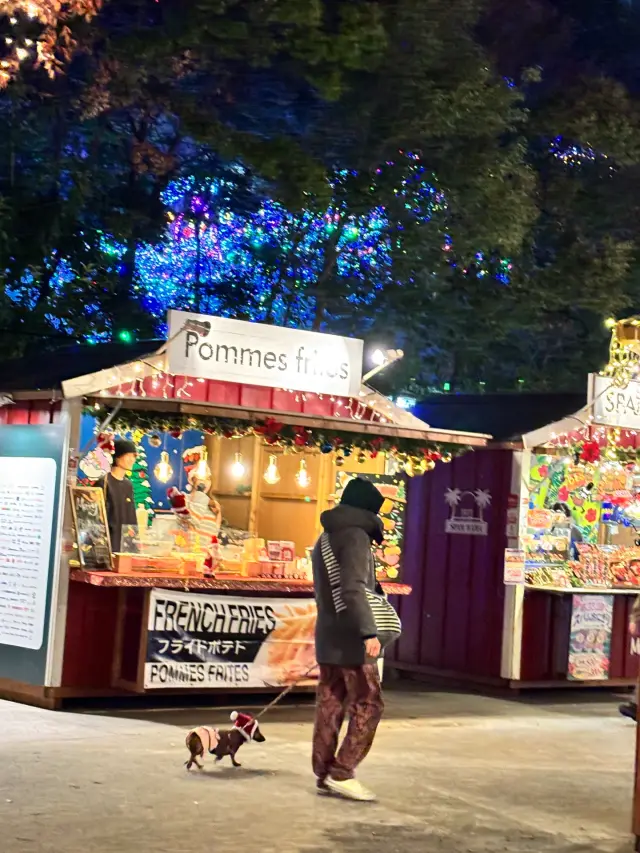
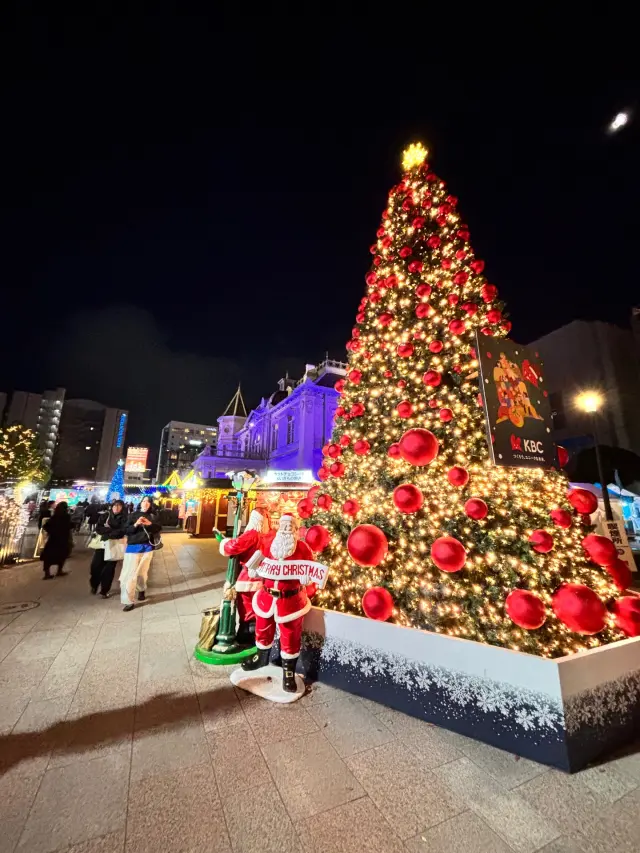
My visit happened to be during the Christmas season, so there were seasonal light displays outside as well as all kinds of Christmas decorations. There were so many Santa Claus statues beside the hall that I couldn't help but smile! Many visitors were happily taking photos, and the festive atmosphere was quite strong〜
-
-
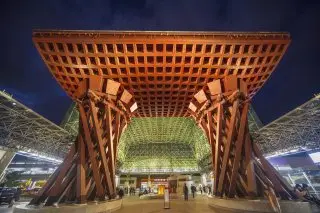
Drum Gate and Hospitality Dome (Kanazawa Station)
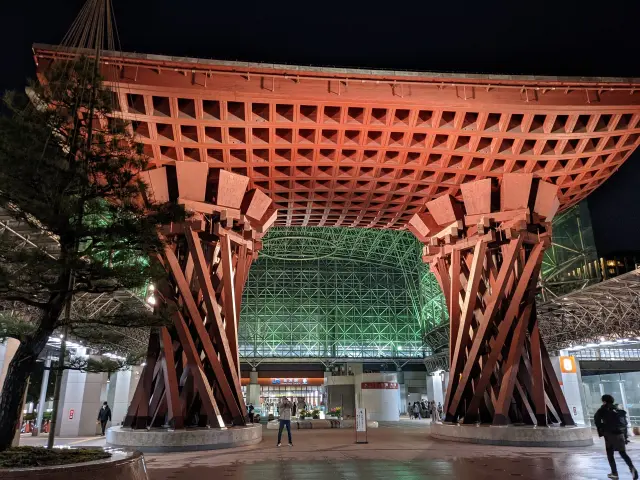
Kanazawa Station, the gateway to Kanazawa, is bustling with visitors as the Hokuriku Shinkansen arrives and departs, making it a hub for Hokuriku tourism. The eye-catching Drum Gate and Hospitality Dome, completed in 2005, are located at the Kenrokuen Gate (East Exit) facing the city center.
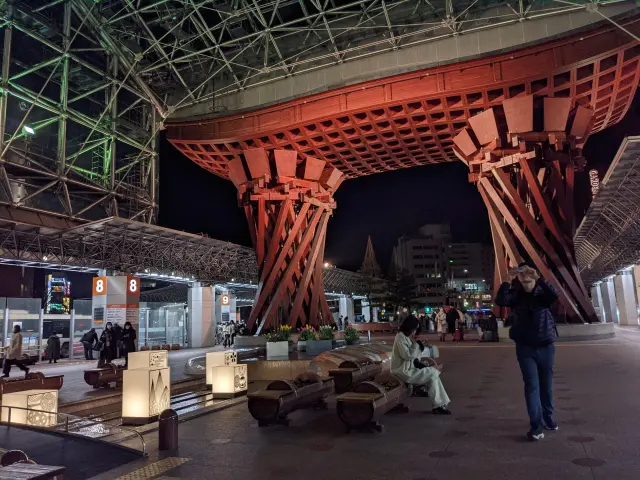
Before my trip even began, I was already won over by the beauty of JR Kanazawa Station! To this day, it’s still my favorite station. As soon as you walk out of the East Exit, the magnificent Drum Gate comes into view. This massive wooden structure stands 13.7 meters tall, and simply looking up at it from below is awe-inspiring. What attracts me most is that the entire gate is made of warm wood. Its two uniquely shaped pillars were inspired by the drums (tsuzumi) used in Kanazawa’s traditional Noh theater. Not only is the design distinctive, but it also showcases Japan’s exquisite woodworking craftsmanship. Behind it is the Hospitality Dome (Motenashi Dome), which looks like a giant glass umbrella. Its transparent geometric glass canopy lets the sunlight stream in and also symbolizes an umbrella sheltering visitors from Kanazawa’s frequent rain and snow, combining beautiful design with practicality.
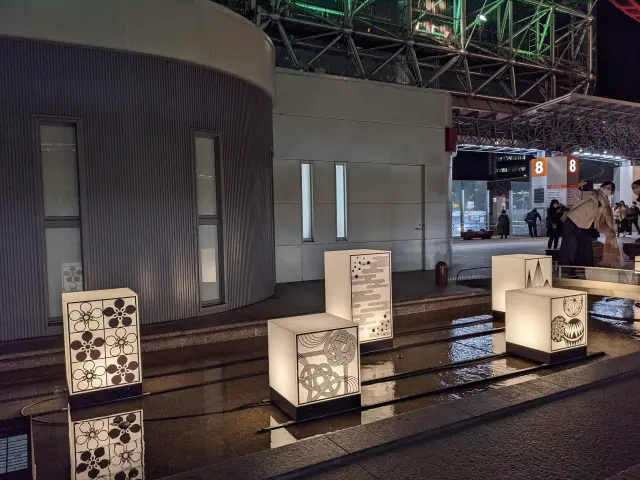
Kanazawa Station actually opened back in 1898. After undergoing several renovations, it debuted in its current form in 2005, blending modern architecture with traditional culture. In 2011, it was even selected by the American magazine Travel + Leisure as one of the “14 Most Beautiful Train Stations in the World,” and it truly lives up to its reputation! During the day, you can admire the imposing Drum Gate, while at night it’s illuminated. The lights shining on the wooden gateway create a completely different romantic atmosphere. I sincerely recommend setting aside a little extra time to see it once during the day and again at night. It’s definitely worth it!
-