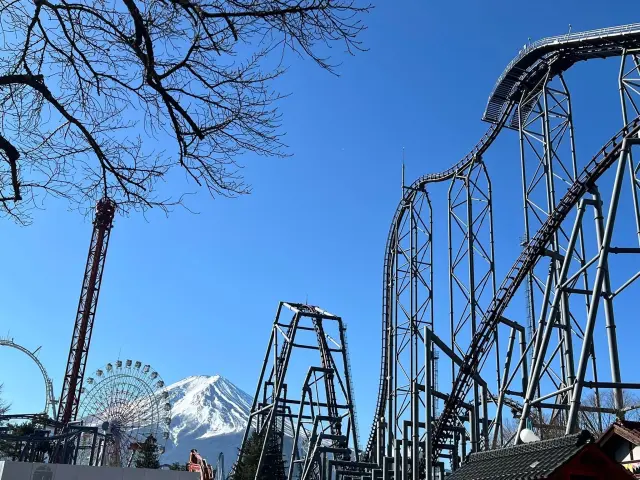
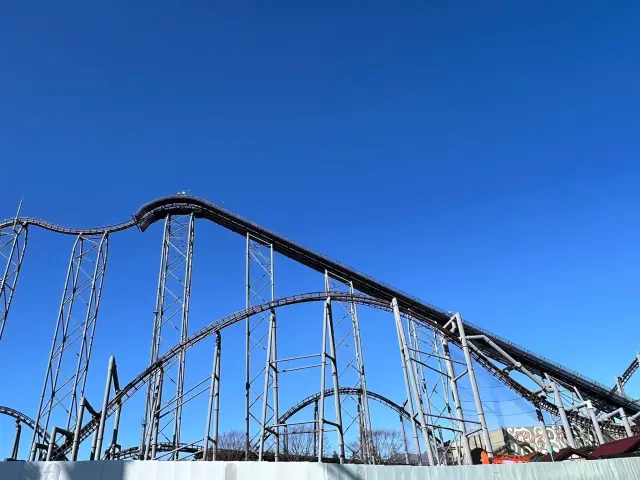
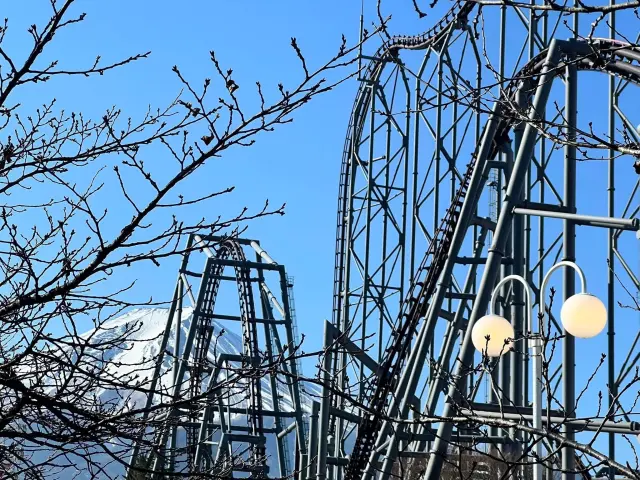
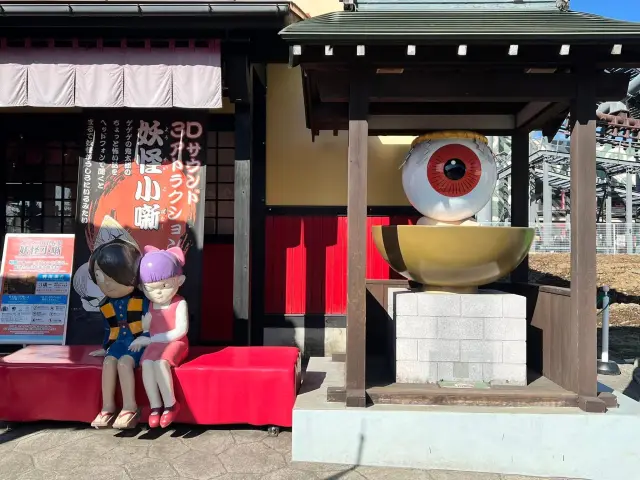
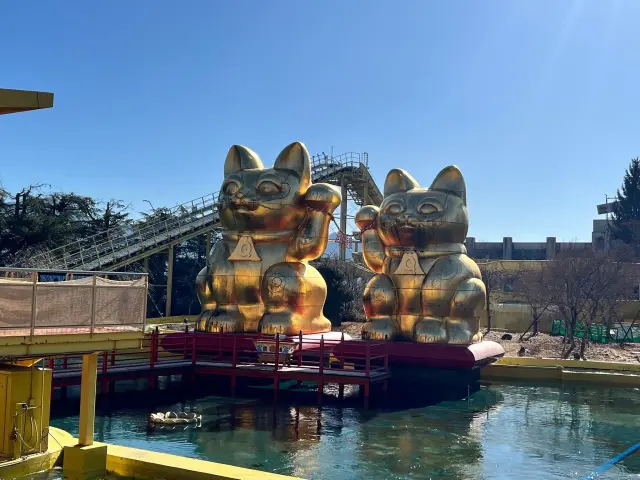
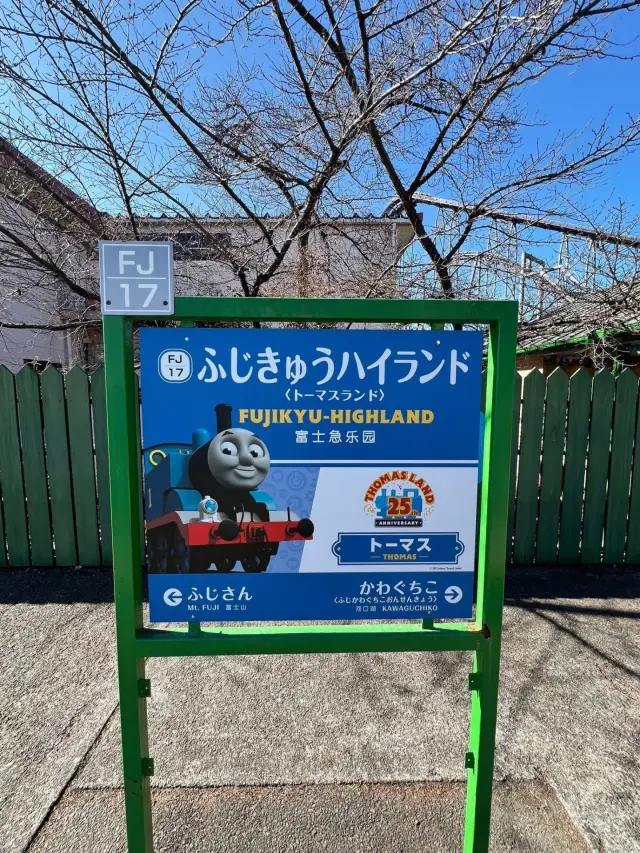
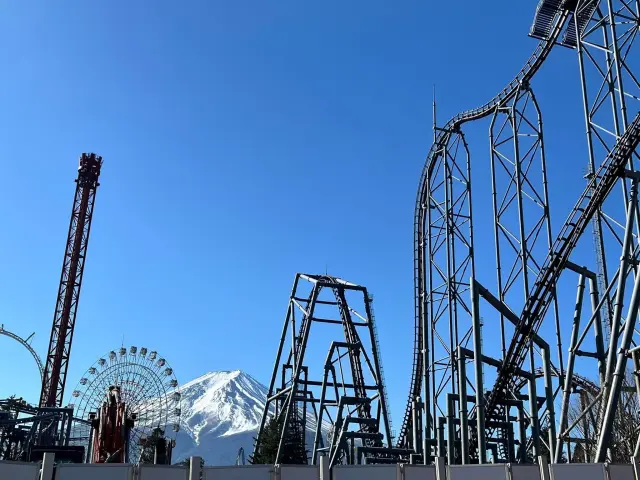
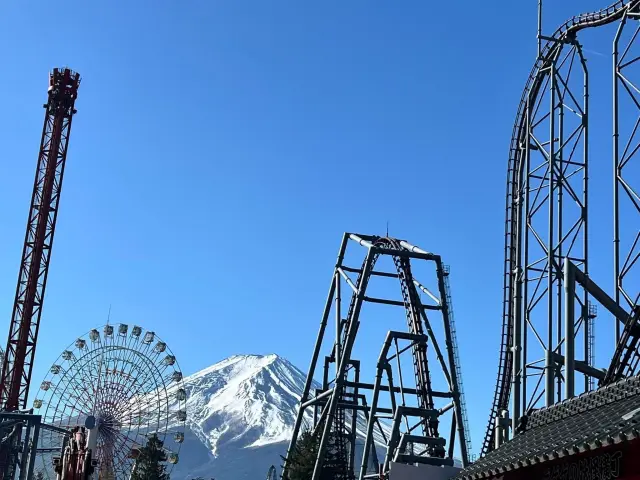
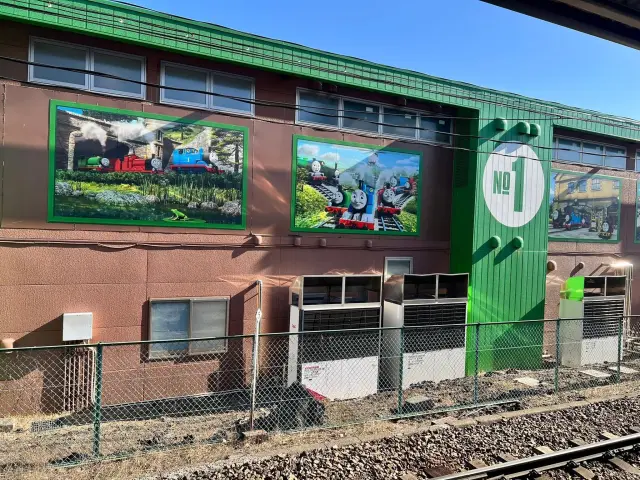
A Thomas the Tank Engine-themed amusement park 🎠 with Japan's longest roller coaster 🎢. It's the best Mt. Fuji 🗻 spot for a day out with the kids, and you can even get a shot of Mt. Fuji 🗻 and the roller coaster in the same frame.
It's well worth taking the train all the way toward Mt. Fuji Station to enjoy the views of Mt. Fuji along the way.
Fuji-Q Highland | Review by Norton Liang
Other Reviews by Norton Liang
-

Hakodate Meiji-kan
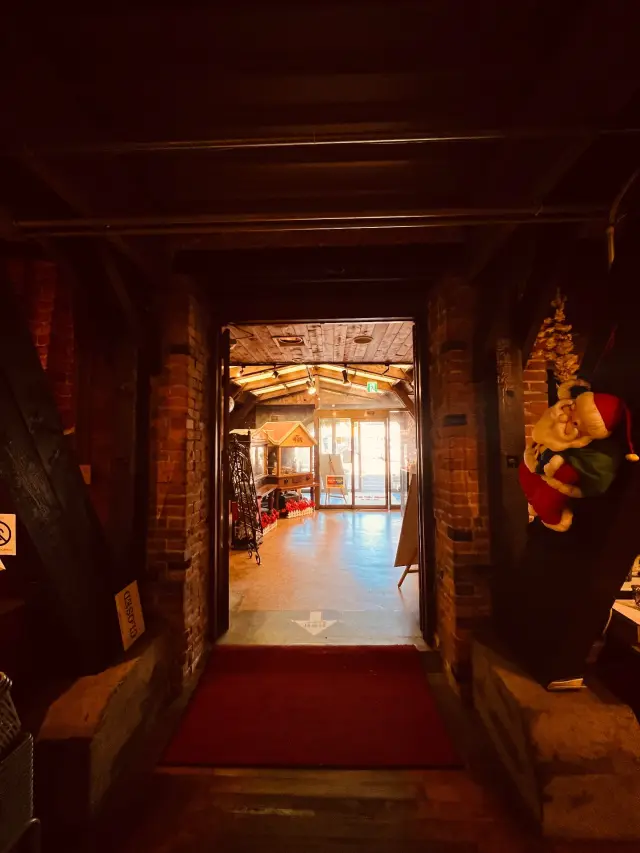
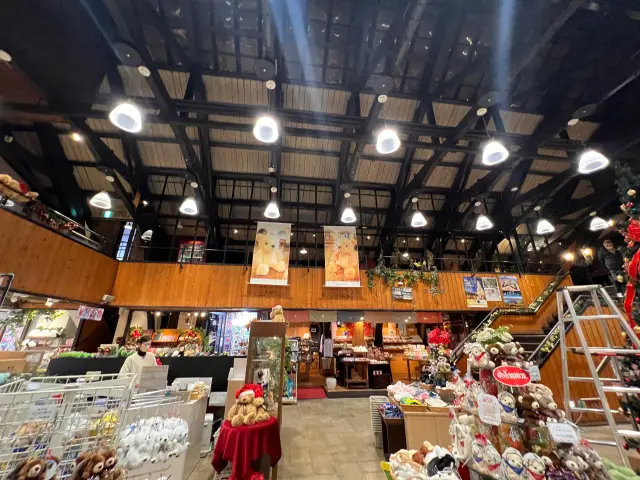
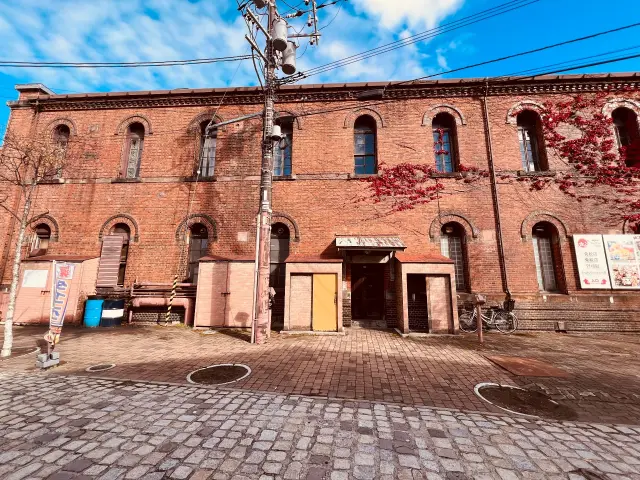
The Bay Area is a popular tourist destination in Hakodate. The Hakodate Meiji-kan is a commercial facility located in one section of the bay area, where you can find stores selling products perfect for Hakodate souvenirs.
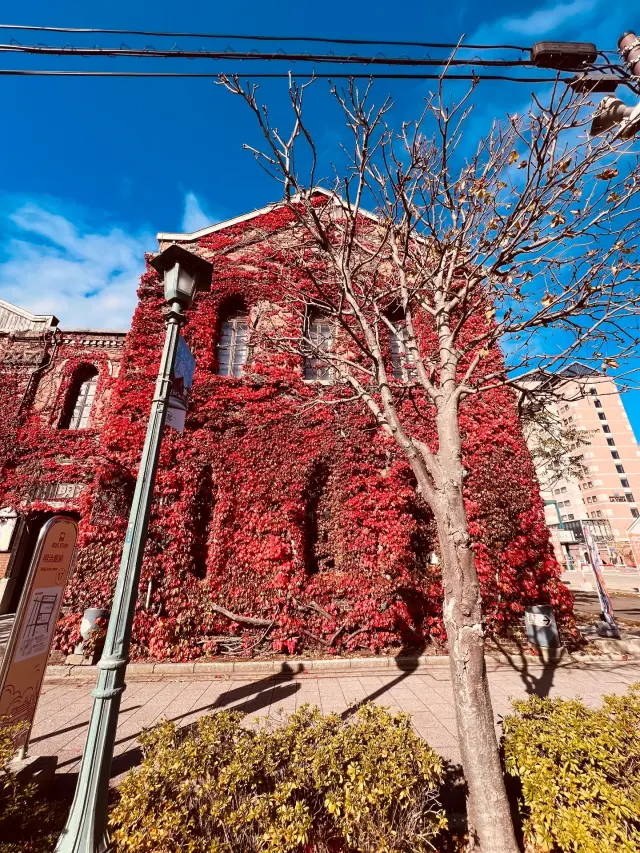
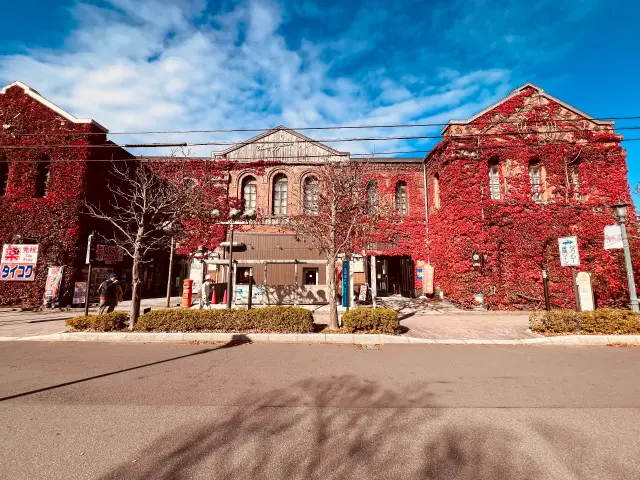
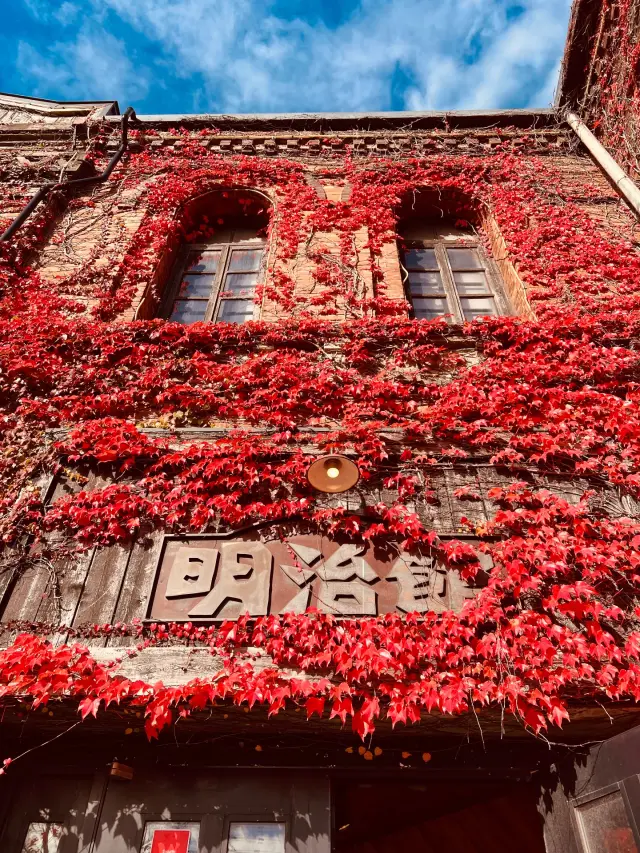
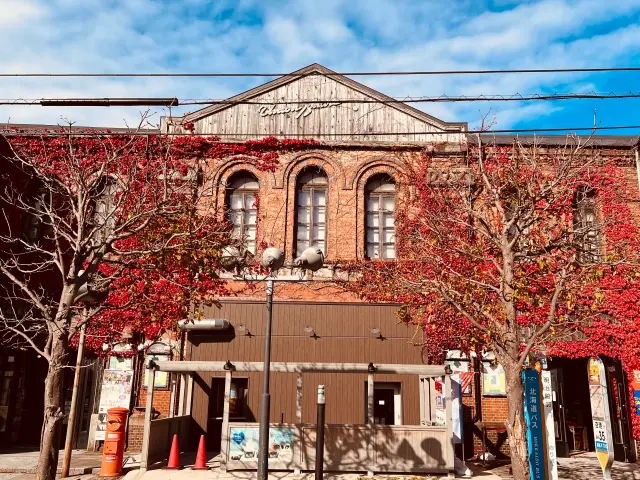
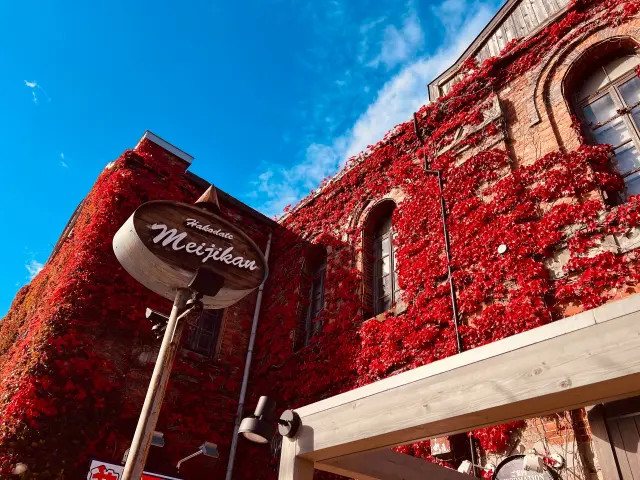
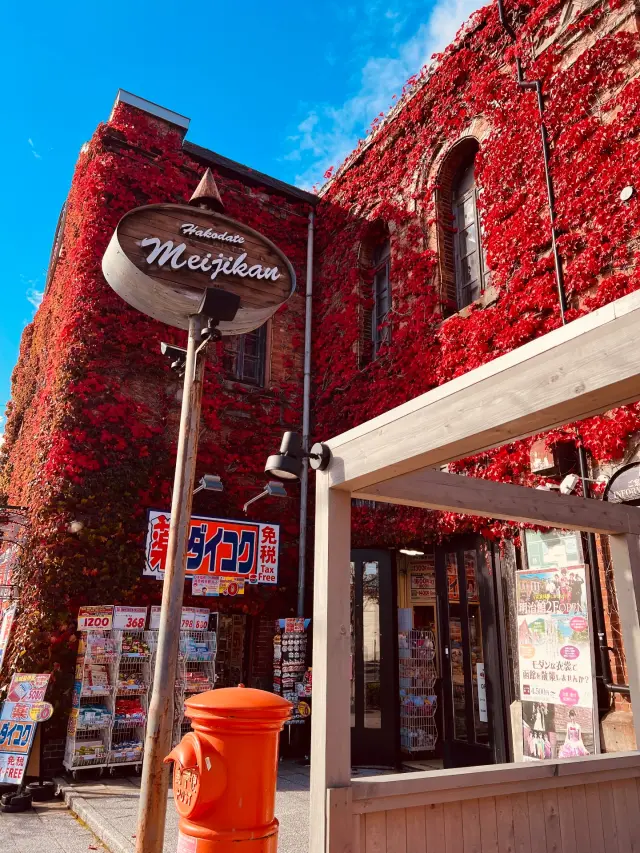
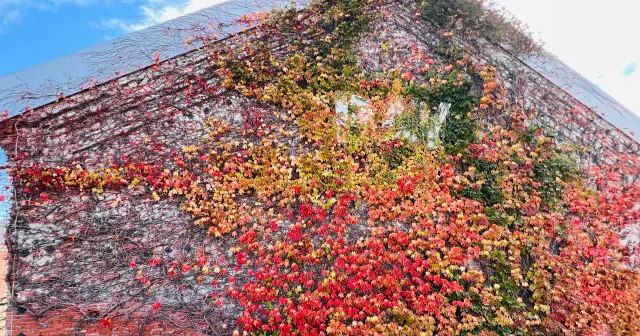
Hakodate Meiji-kan is at its most charming in autumn—the red-brick exterior is covered in layers of fiery red Boston ivy, looking especially vivid and romantic beneath Hokkaido’s clear blue sky.
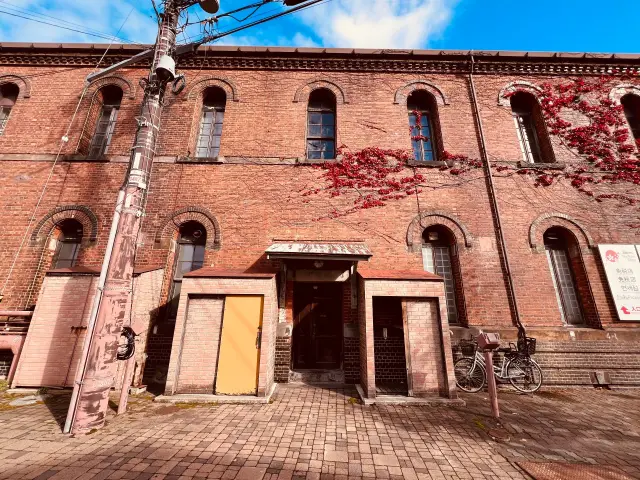
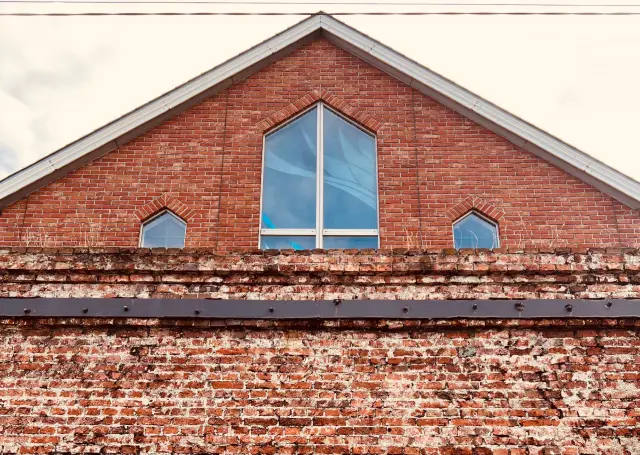
Hakodate Meiji-kan: Built in 1911 (Meiji 44), it was formerly the Old Hakodate Post Office and is one of the oldest surviving red-brick buildings in Hokkaido, bearing witness to Hakodate’s prosperity as an early trading port.
🍂🍁Limited-time autumn “fall foliage coat”: Every year from late October to early November, the vines climbing the red-brick exterior and arched window frames turn from green to red, coloring the entire building in varying shades of crimson. Together with the retro “Meiji-kan” sign, they create a rich, foreign autumn atmosphere.
-
-

Kanemori Red Brick Warehouse BAY Hakodate
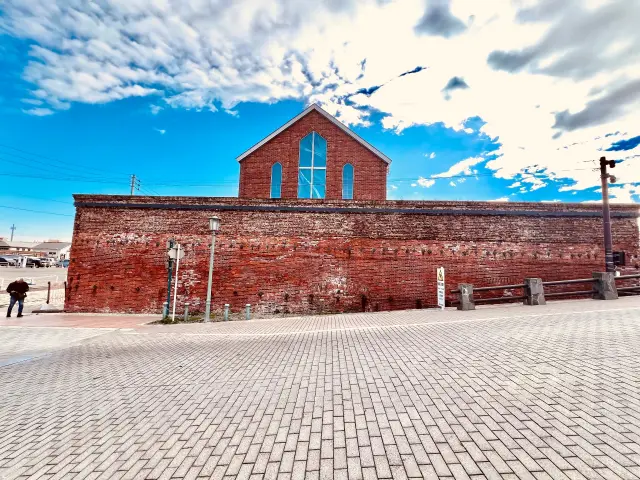
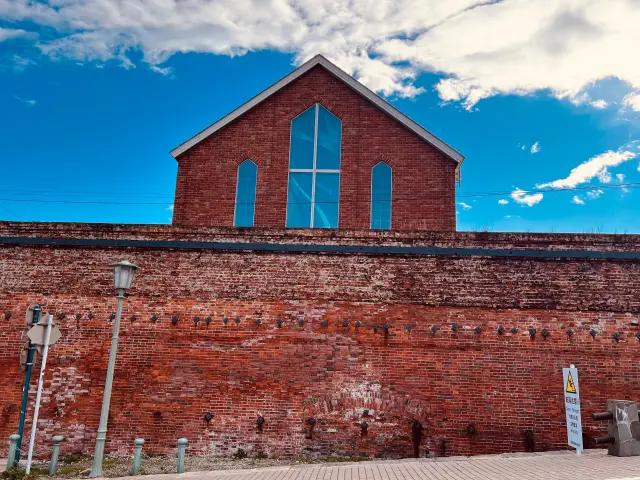
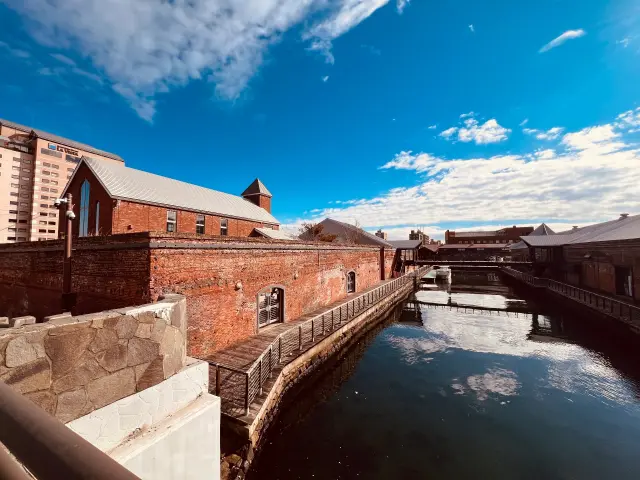
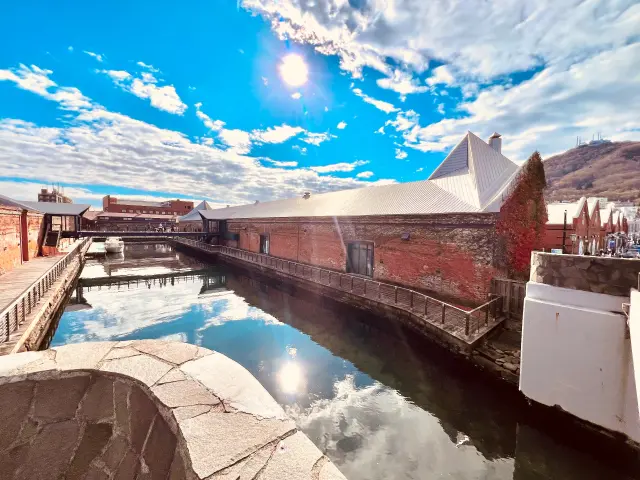
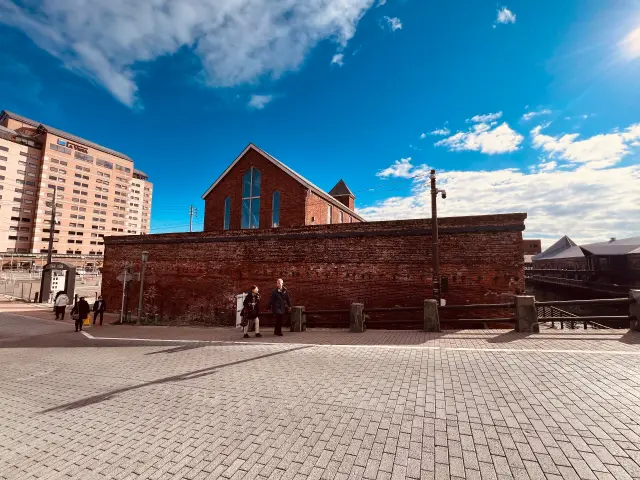
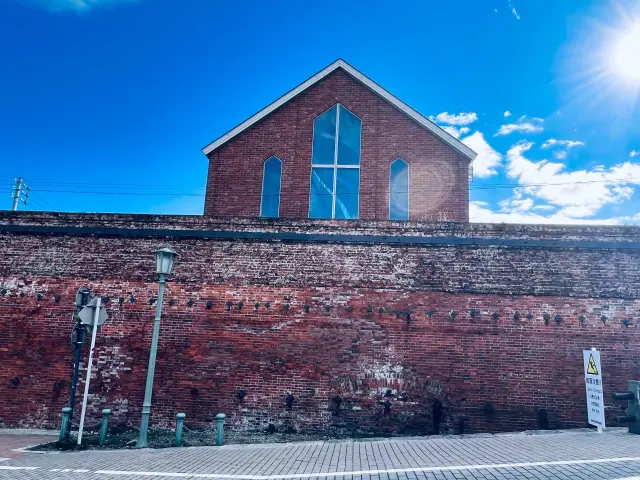
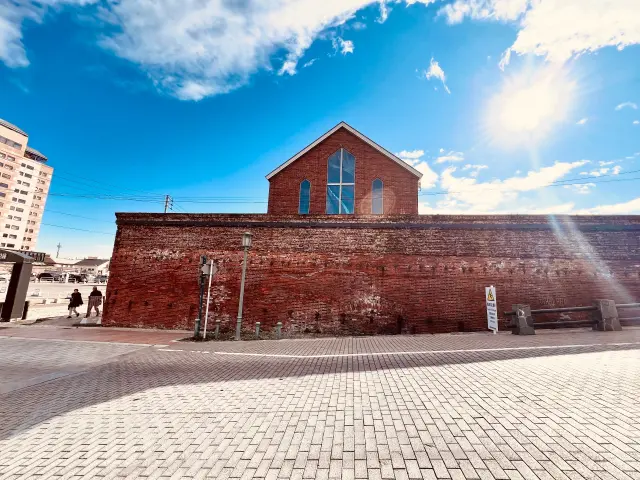
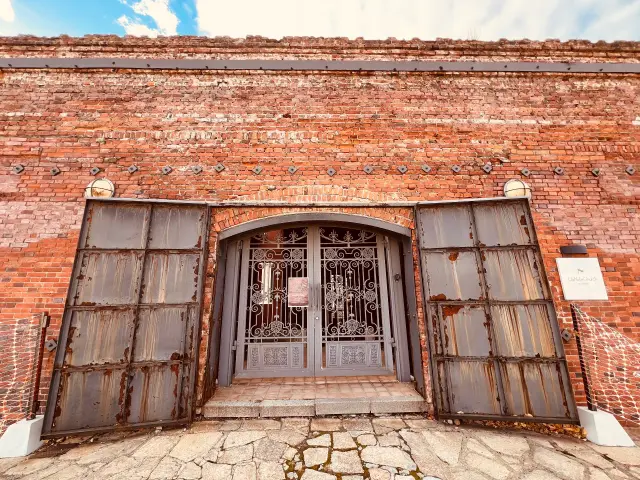
This multi-purpose complex occupies part of Kanemori Red Brick Warehouse, one of Hakodate’s most popular sightseeing spots. The facility repurposes red brick warehouses once owned by Nippon Yusen, with a canal-constructed around 1882 (Meiji 15)-flowing between two buildings connected by bridges, creating a striking and memorable scene.
A special introduction to this red-brick church located within #北海道函館金森紅磚倉庫群(BAY函館): #LilaNoteChurchBAYHAKODATE (Japanese: #リラノートチャーチベイ函館, commonly translated into Chinese as “Church of the Star of the Sea”).
リラノートチャーチ ベイ函館 is the only wedding chapel in the Kanemori Red Brick Warehouse complex, blending historic red-brick architecture dating back to the Meiji era with the romantic atmosphere of the harbor.
-
-

Hokkaido University
Hokkaido University has a huge campus and an unconstrained space. A location of the ground is accessible on foot from the Sapporo station. The campus is open to the public for tours and walking as well as students or staff do.
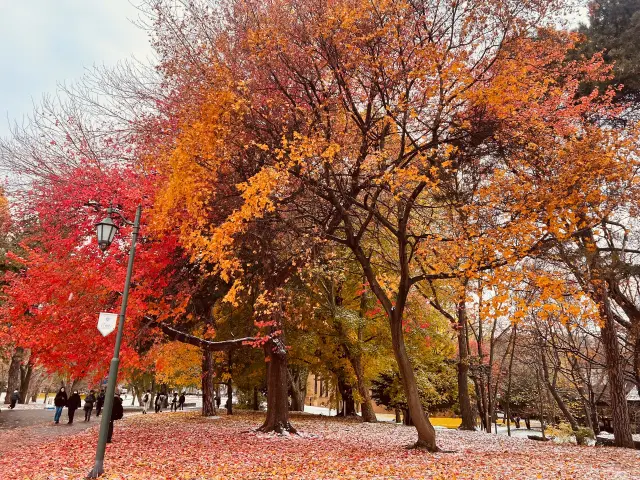
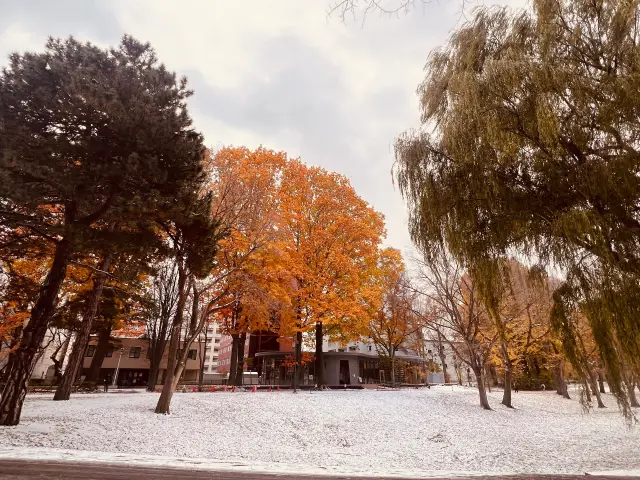
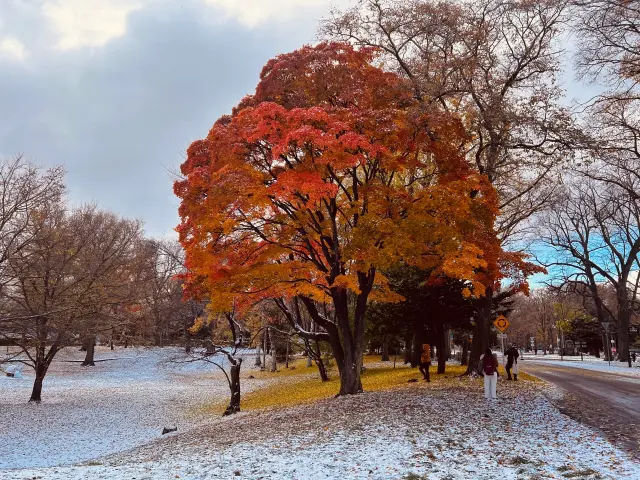
The Central Avenue (#メインストリート / Main Street) on #北海道大學札幌校區, especially the section around #中央食堂, #古河講堂, and the university library.
This avenue is the main north-south road running through Hokkaido University, extending from the main gate all the way to the north side. It is not the east-west “#銀杏並木(北13条通),” known specifically for its ginkgo trees.
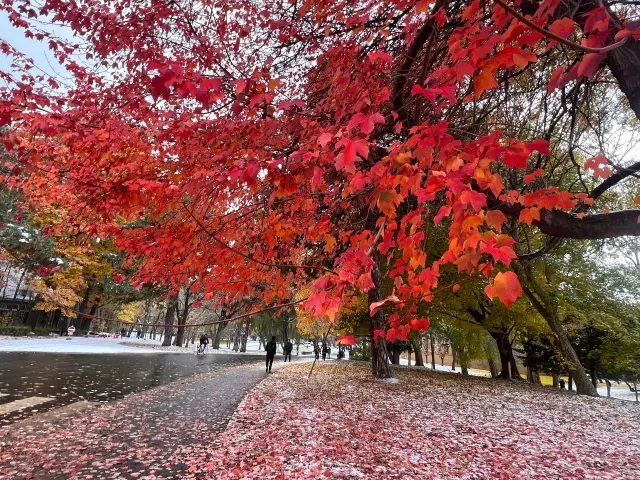
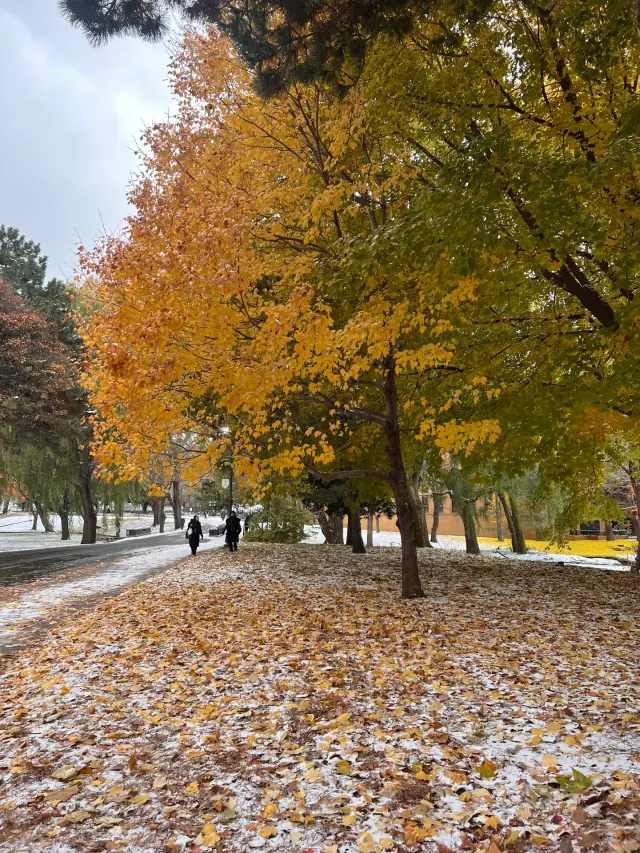
Many maple, rowan, and elm trees grow along this section, which is also right next to the lawns and the “#サクシュコトニ川” (#SakushukotoniRiver), a stream flowing through the campus:
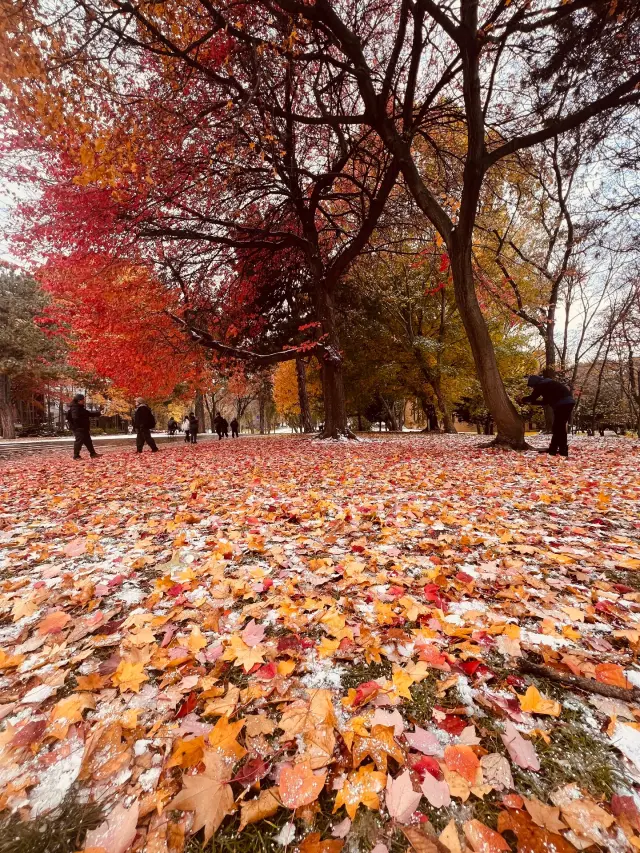
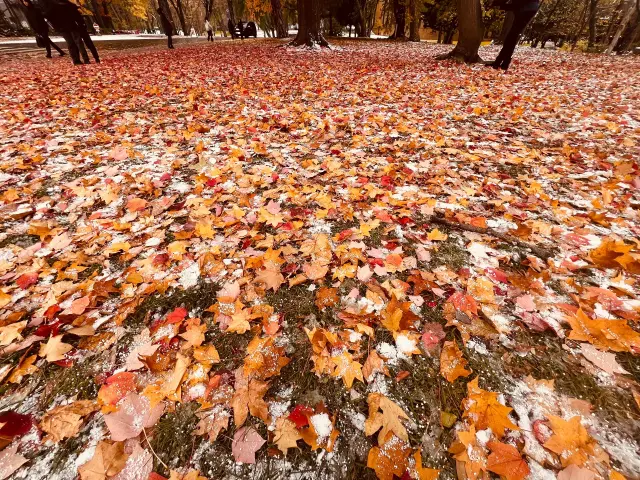
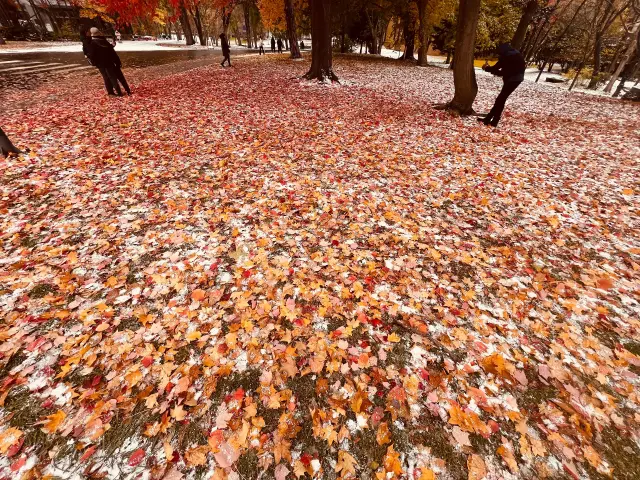
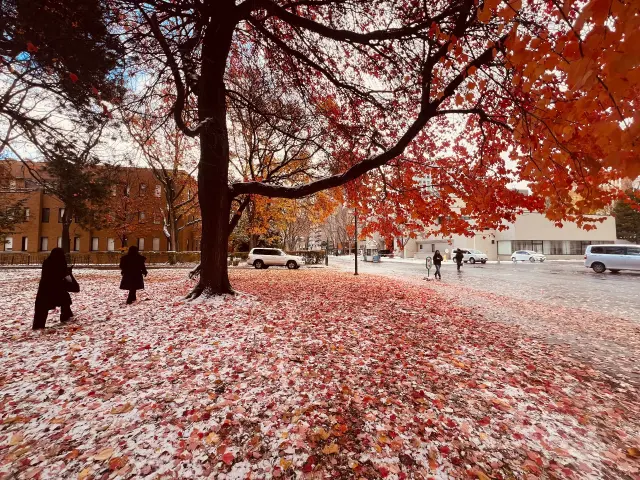
* In front of the Central Cafeteria and monument: The red-orange maple leaves, mainly Japanese maples and Ezo maples, and the thick layer of fallen leaves on the ground can be found beside the Central Cafeteria, along the lawn paths near the “#クラーク博士胸像 (Bust of Dr. Clark)” and Furukawa Hall.
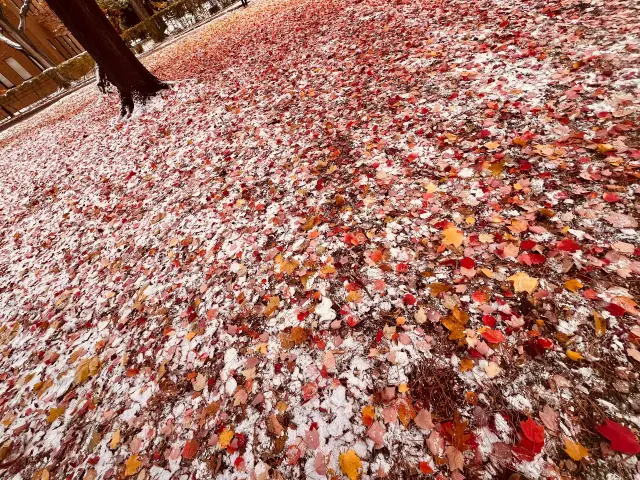
* In front of #北海道大學附屬圖書館: The orange-yellow brick building in the background is the Hokkaido University Library (Main Library), while the stream flowing beside it is the “サクシュコトニ川.” When the first snow falls and the maple and ginkgo leaves overlap, the combination of red, yellow, and white in one scene is a classic view here.Compared with the ginkgo avenue covered in gold at its peak, this “snow-covered autumn leaves” scenery, with the first snow blanketing the red-orange fallen leaves, can only be seen for a few short days each year in Sapporo. It really is especially poetic.
Filming 🎬 date: 1110/2026
-