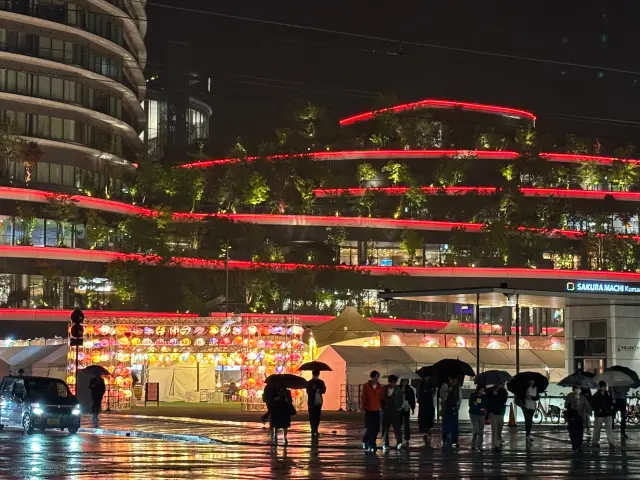
This place combines a bus terminal and shopping mall. Several well-known restaurants have locations here, such as Kokutei Ramen, and the lines here are much shorter. You can also take a bus to and from the airport, and there is a souvenir shop on the first floor, making it very convenient. The entire building incorporates lots of greenery, and it looks quite beautiful in photos at night.
SAKURA MACHI Kumamoto | Review by Lucas L.
Other Reviews by Lucas L.
-
Zuiganji Temple
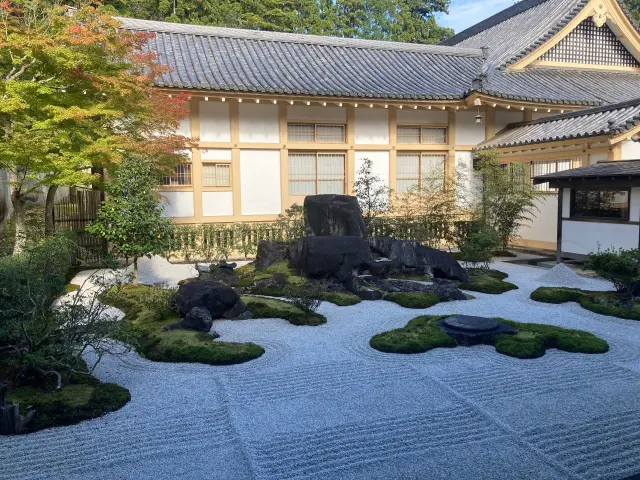
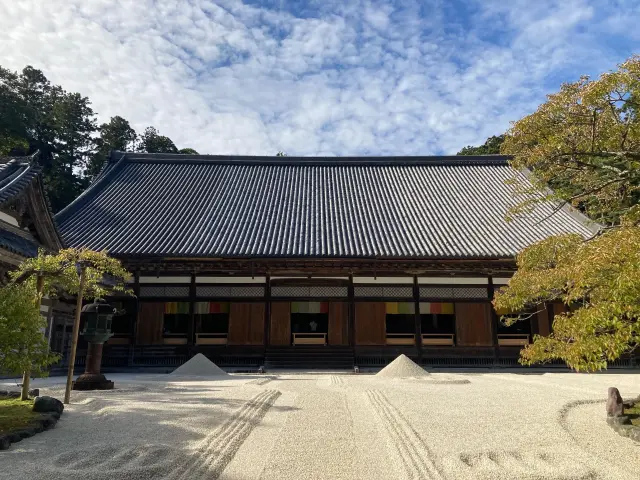
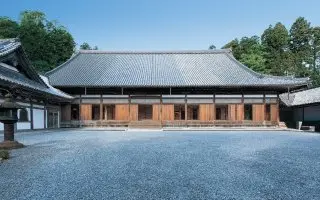
This temple is said to have been opened as a Tendai Sect in the 9th century. The official name including the name of the mountain is Shoto Seiryuzan Zuiganenpukuzenji.
One place you definitely shouldn't miss when visiting Matsushima is Zuiganji Temple. From the caves carved into the rock walls outside to honor the deceased, to the dry landscape garden inside and the approach lined with ancient cedar trees, the scenery is well worth seeing. Admission is JPY 1,000, and there are parking lots nearby within walking distance.
-
-
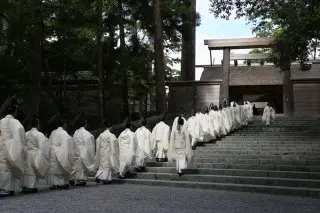
Ise Jingu
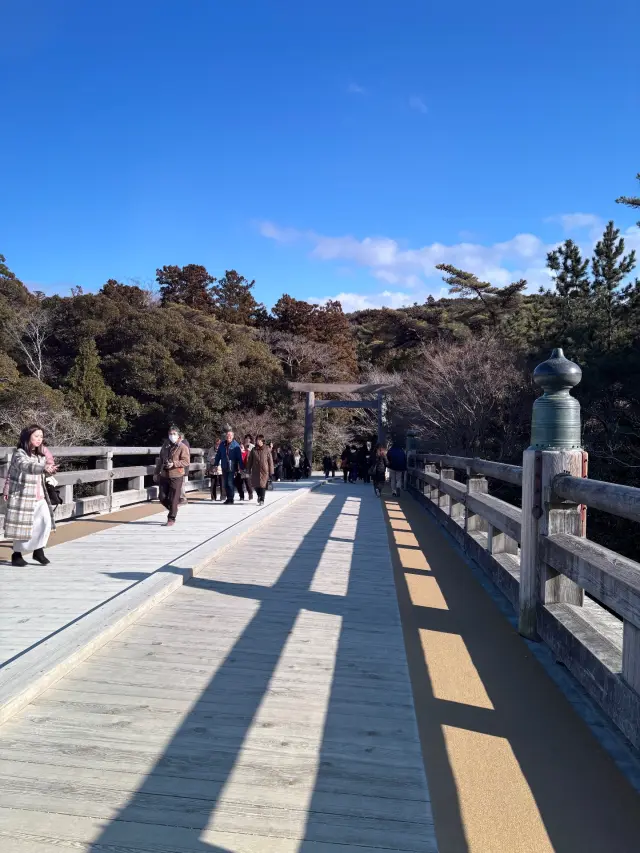
Affectionately known as O-Ise-san and commonly called Ise Jingu, its official name is simply Jingu. Its 125 shrines include the Inner Shrine (Kotaijingu), dedicated to Amaterasu Omikami, the ancestral deity of the Imperial Family, and the Outer Shrine (Toyo'uke Daijingu), dedicated to the guardian deity of food, clothing, shelter, and industry, as well as auxiliary shrines and other affiliated shrines.
Ise Jingu is renowned as a pilgrimage site that everyone should visit at least once in their lifetime. After crossing Uji Bridge, you can feel an inexplicable sense of calm. The grounds are extensive, and every corner, from the trees to the gravel paths, is very well maintained. If you have time, it’s worth exploring at a leisurely pace. We happened to see Shinto priests performing a ritual that day. Although I couldn’t understand it, the atmosphere was quite special.
-
-
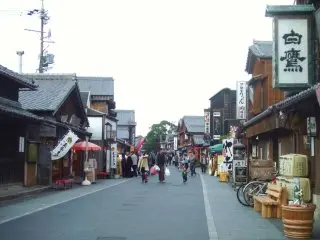
Oharai Machi, Okage Yokocho
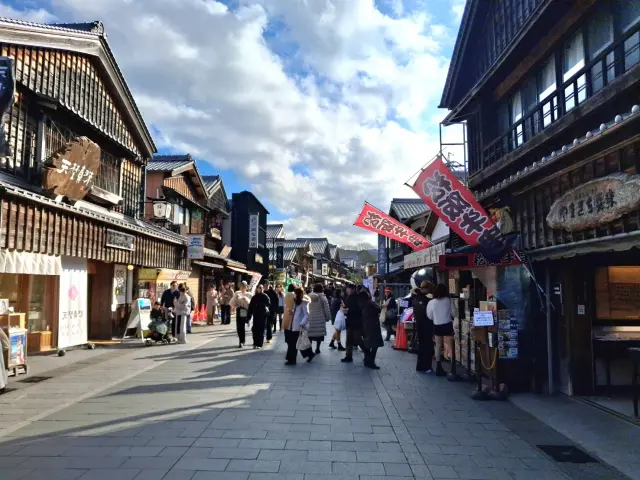
In front of the Inner Shrine of Ise Jingu Shrine, there's a street called Oharai Machi that bustles with numerous worshippers every year. From the Edo Period to early Meiji Period, many people called Onshi lived here and performed Shinto dance and music for their worshippers (Oharai), thus, the name Oharai Machi is believed to have come about.
If you’re driving, there are plenty of parking lots nearby, which is very convenient. But on holidays, you should arrive early because when traffic is heavy, you may have to park very far away.
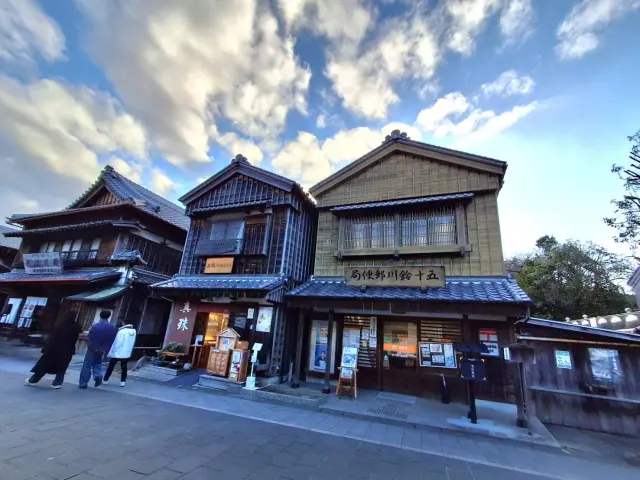
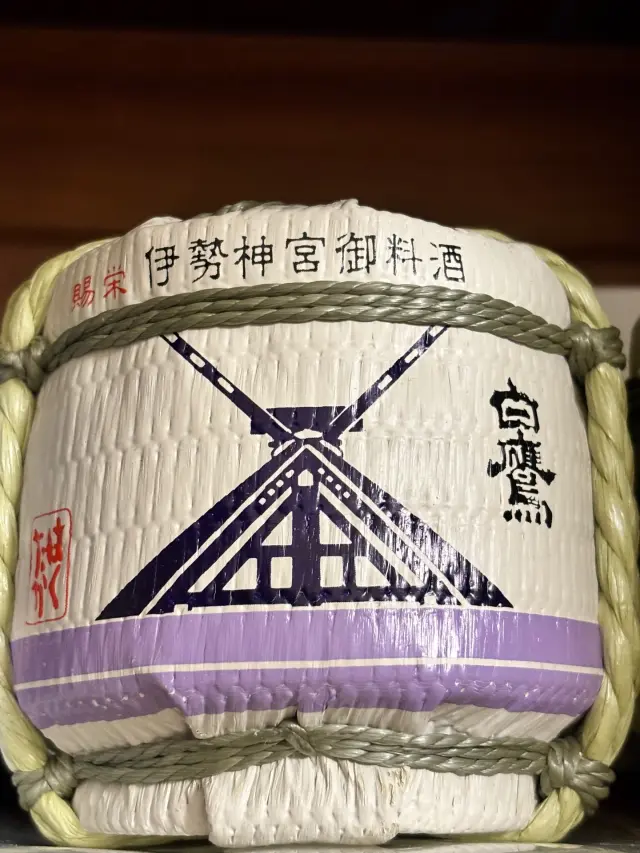
This street recreates the traditional wooden streetscape of the Edo and Meiji periods, so the buildings and streets have a very Edo-era atmosphere. It’s great for photos, but there are a lot of tourists. This is also a must-visit street before entering Ise Jingu, and there are many delicious little shops along the way. It’s definitely worth setting aside more time to explore at a leisurely pace. This time, I also bought a small straw bag (as shown in the photo) as a souvenir.
-