This time I bought a 3-day Hakone Free Pass and was pleasantly surprised to find that I could also take transportation to Gotemba Premium Outlets. It was a really good deal! I set aside a relaxing afternoon to shop here. Gotemba Premium Outlets is a well-known large outlet mall in Japan, with many international designer brands, sports brands, and household goods. You can also see Mt. Fuji in the distance and enjoy the scenery while shopping. It takes about an hour by bus from Hakone-Yumoto Station, so it’s quite convenient to get there. On this trip, I not only bought some clothes I liked but also picked out several pleasantly scented hand creams to give to my family.
GOTEMBA PREMIUM OUTLETS | Review by Linda Liao

Other Reviews by Linda Liao
-

FUJITV SHOP Fujisan Tokyo
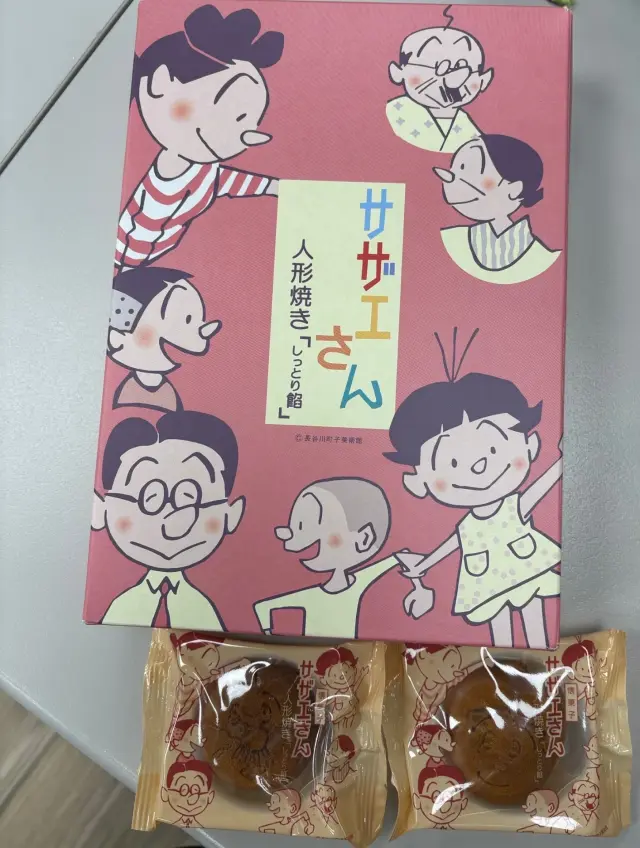
FUJITV SHOP Fujisan Tokyo is an official shop selling goods related to FUJITV programs, movies, and anime characters. The concept is to make the shop familiar to all visitors from Japan and abroad as both FUJITV’s “Fujisan” and Mt. Fuji’s “Fujisan.” It also offers exclusive Sazae-san sweets available only here.
This time, while browsing the FUJITV SHOP Fujisan store at Tokyo Station, I unexpectedly came across merchandise from the classic retro Japanese anime Sazae-san, which instantly brought back many childhood memories. Sazae-san centers on the everyday life of an ordinary Japanese family, portraying family interactions and daily moments through humorous, heartwarming stories. It is a long-running anime known in virtually every Japanese household.
Even more interestingly, Chibi Maruko-chan once featured this classic series, which made it feel especially familiar. It was rare to come across merchandise with such a nostalgic feel, so I ended up choosing a box of specialty sweets to take back to Taiwan and share with my coworkers.
-
-

Fukuoka Prefectural Tenjin Central Park
Located in the bustling Tenjin district of Fukuoka City, this park is a place of relaxation for county residents, boasting a total area of about 31,000 square meters. It features the stately "Fountain Plaza," made with stone pillars and materials from the old prefectural office building, a vast "Lawn Plaza" ideal for leisurely picnics and naps, and "high bars" that can be used for hanging or doing pull-ups, allowing visitors to spend their time freely and comfortably.
When I come to downtown Tenjin to visit clients, I often pass by Tenjin Central Park. This lush green space feels like a small oasis in the middle of the bustling city. During work hours on weekdays, you can often see office workers taking a break under the shade of the trees during some downtime, enjoying a moment of leisure and a little breathing room in their busy lives. Last time, I happened to visit during the Christmas season. The park had quietly taken on a festive new look, the Christmas tree decorations were going up, and there was a nighttime illumination event. It was very lively〜
-
-

Kaneiji Temple
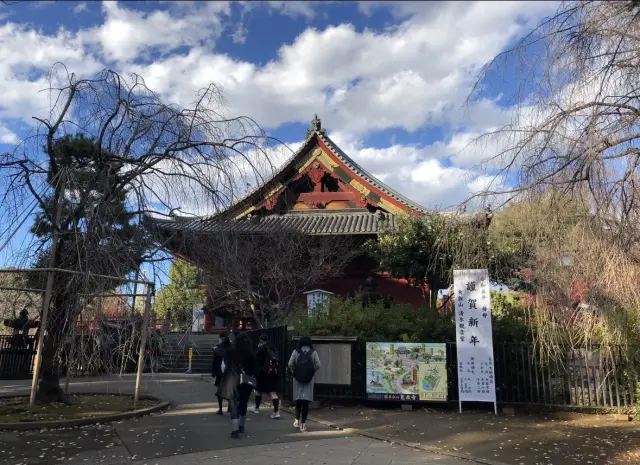
This temple was founded in 1625 and is the head temple of the Kanto region of the Tendai sect of Buddhism. It was built by the high priest Tenkai, who was deeply revered by three shoguns, Tokugawa Ieyasu, Hidetada, and Iemitsu, to pray for the safety of the Tokugawa shogunate and the well-being of the common people. It is a prayer hall and family temple of the Tokugawa shoguns, and six of the fifteen Tokugawa shoguns are still buried there today.
Ueno Park is vast. In addition to the zoo and art museums, there are many historic temples, and even a full day isn't enough to see everything. Once, while walking through the park, I unexpectedly came across Kaneiji Temple. It sparked my curiosity and made me want to learn about the historical background of its construction. Kaneiji Temple was founded in 1625 by High Priest Tenkai, a close confidant of Tokugawa Ieyasu. It was built to pray for the stability of the shogunate and peace throughout the land, and it was also an important temple for the Tokugawa shogun family. The temple grounds were once enormous, covering the entire area that is now Ueno Park. Most of its buildings were destroyed by fire during the Battle of Ueno at the end of the shogunate, but you can still feel the solemnity and historical depth of this ancient temple today. Walking through the grounds, the atmosphere forms a striking contrast with the lively park, naturally making you slow down and take in the traces of the Edo period left behind by time.
-