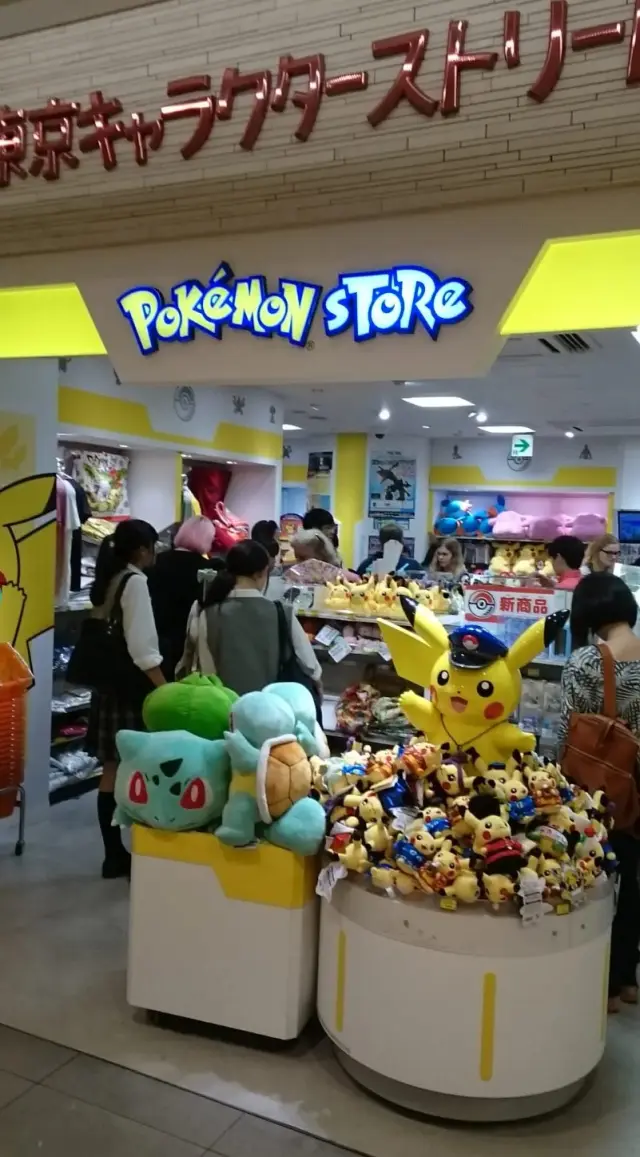
If you want to browse merchandise from all the most popular cartoon characters in one place, Tokyo Character Street is the place to go! It’s truly a paradise of cuteness, with surprises in every store. Crowds of shoppers pack the stores, happily picking out merchandise while exclaiming, “Kawaii!” The lively atmosphere makes it hard not to get excited too. On my first visit, I headed straight to the Pokémon Store. The dazzling selection of plush toys and merchandise was almost overwhelming, and there were also limited-edition Pikachu items worth collecting. Ghibli fans can hunt for treasures at Donguri Republic, while fans of Snoopy, Rilakkuma, or One Piece can also find dedicated stores. There are also limited-time pop-up shops, so every visit feels fresh.
Other Reviews by Linda Liao
-
Dazaifu Tenmangu Shrine
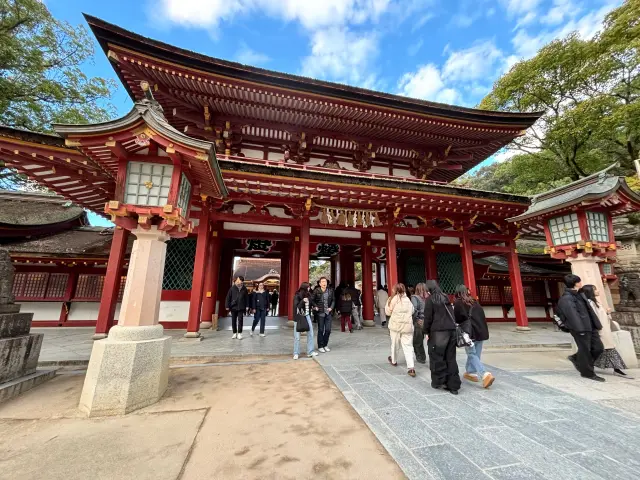
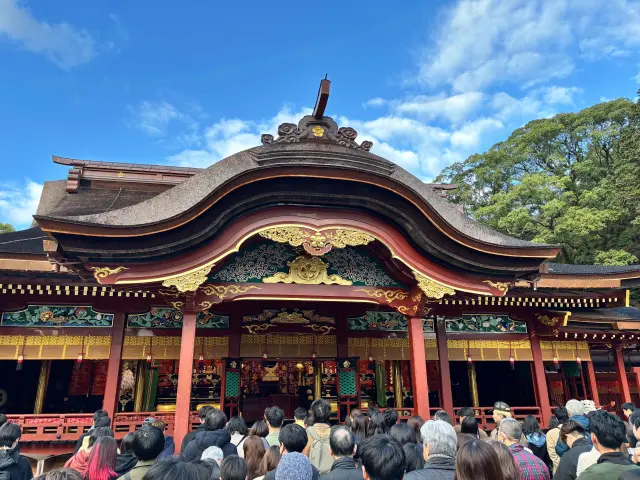
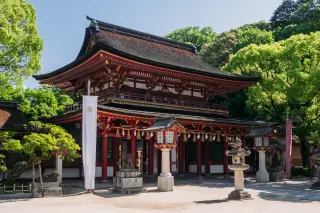
Dazaifu Tenmangu is the head shrine of 10,000 different shrines across Japan dedicated to the spirit of Sugawara Michizane. Sugawara was an acclaimed scholar who was deemed innocent posthumously after being exiled to Dazaifu by Kyoto’s Imperial Court. The main hall was built over his grave and has been preserved as a sacred site of Tenjin worship for over 1100 years.
There are shrines of all sizes dedicated to Sugawara Michizane throughout Japan, reportedly as many as 12,000, and Dazaifu Tenmangu is the head shrine of all these Tenmangu shrines. Sugawara Michizane was exiled to Dazaifu during his lifetime and was buried here after his death in 903. Later generations gradually came to revere him as Tenjin, the deity of learning and examinations, so every year many students and parents come to pray for success on entrance exams.
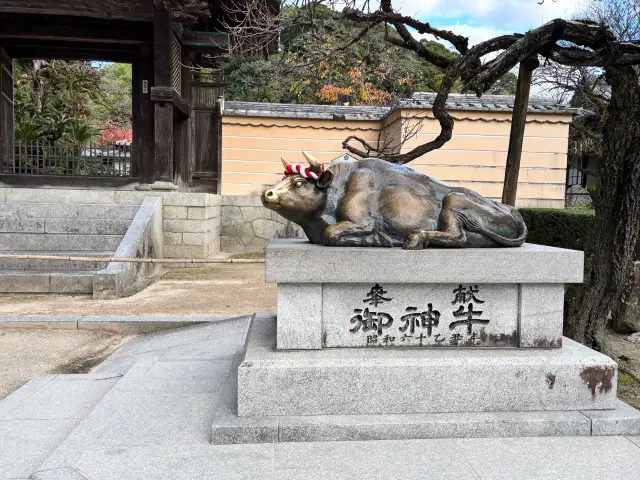
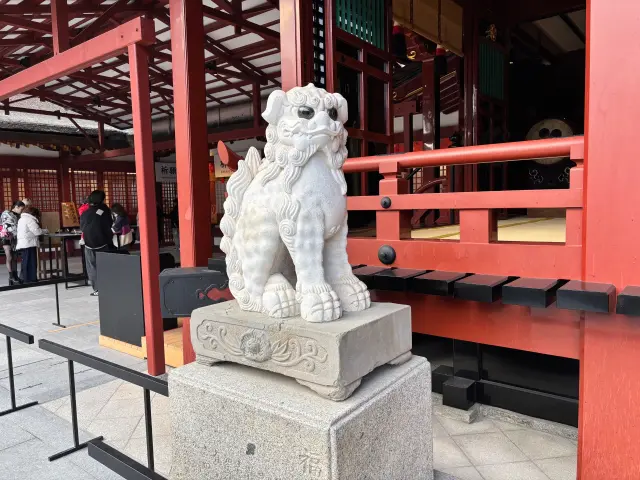
Before entering through the torii gate, the first thing you see is a very eye-catching sacred ox statue. According to tradition, touching the ox's head is believed to bring greater wisdom and academic progress, while touching the part of its body corresponding to where you feel unwell is also associated with prayers for good health. Many Japanese visitors were lining up to touch the ox's head, and of course I joined the line too, hoping to share in some of the sacred ox's good luck!
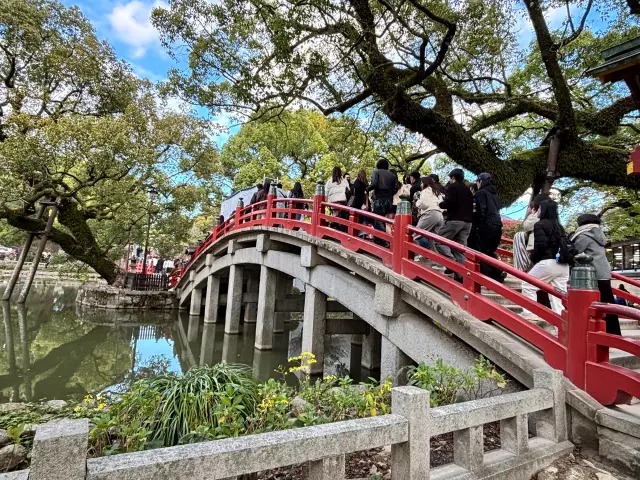
After passing through the torii gate, a vermilion arched bridge spanning Shinji Pond comes into view. Its graceful arch looks beautiful against the lush greenery surrounding it. The bridge is actually divided into three sections, symbolizing the past, present, and future. Crossing it is also said to cleanse the body and mind and lead to a new beginning. The traditional buildings and garden scenery along the way create a strong sense of a traditional Japanese shrine.
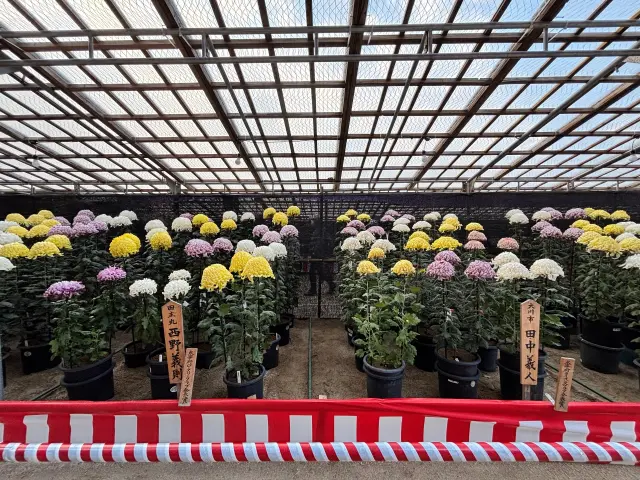
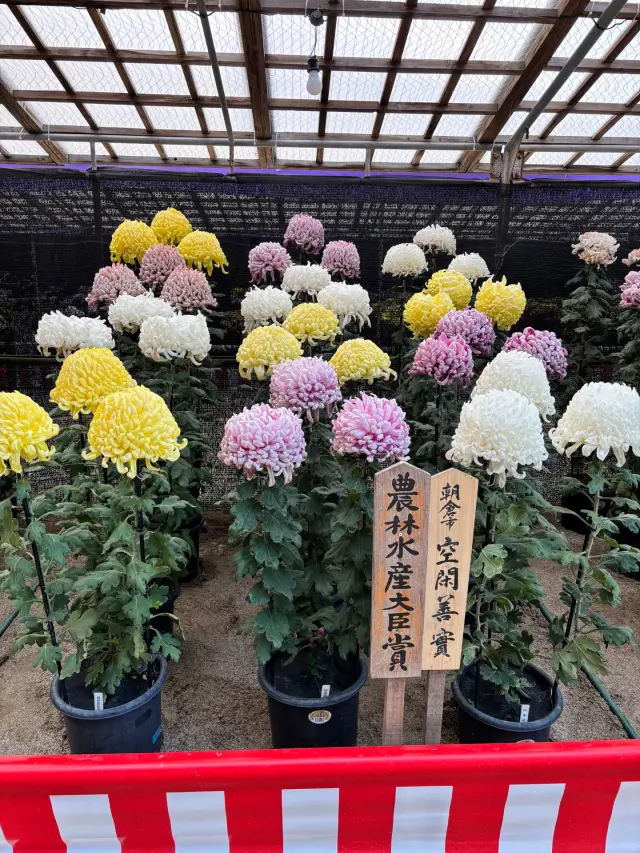
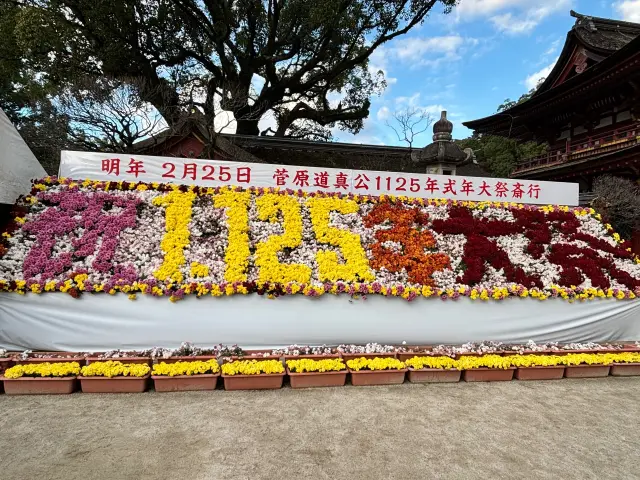
My visit happened to be close to the Autumn Grand Festival on November 25. Flower growers from various regions had sent many large chrysanthemums in full bloom, which were displayed in different sections throughout the shrine grounds. Every pot had been carefully cultivated, with large, colorful blossoms. Many were elaborate works by award-winning growers, making them an unexpected highlight of this visit.
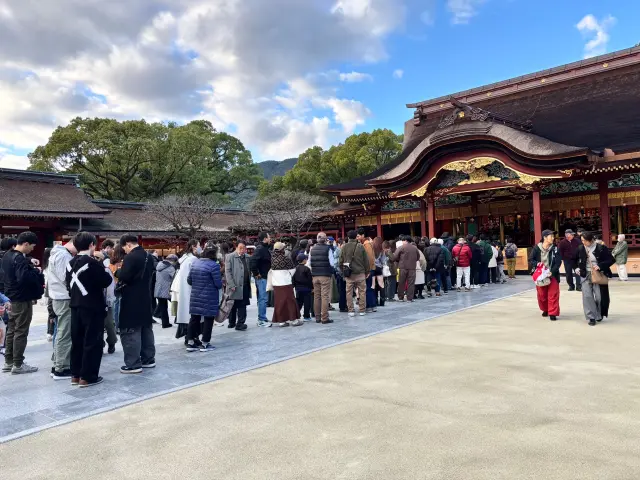
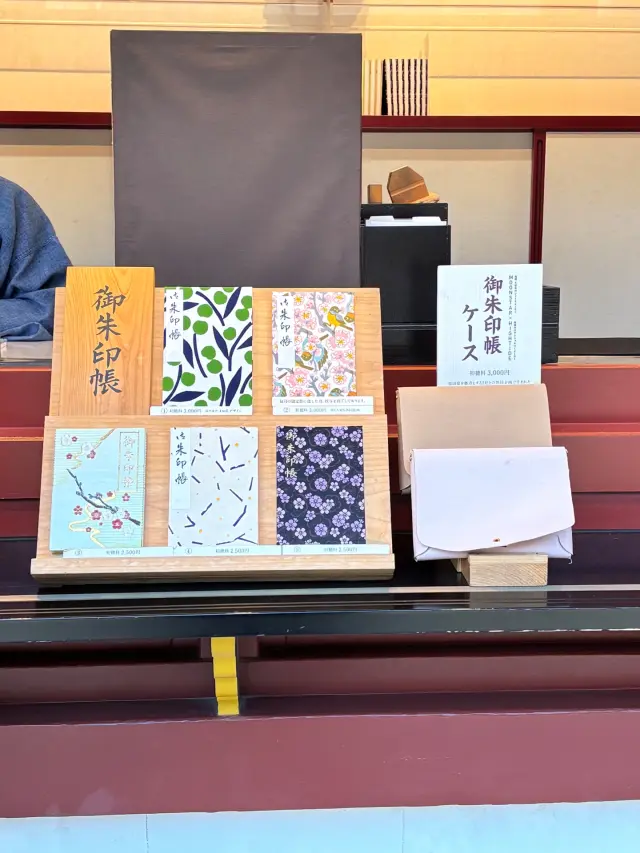
Every time I visit Dazaifu, there is always a steady stream of worshippers. You can prepare a JPY 5 coin in advance because the Japanese words for “five yen” and “good connection” sound the same, symbolizing the forming of a good connection with the deity. Besides visiting the shrine, I also highly recommend the goshuincho sold here. Their designs combine traditional patterns with refined colors, and they are both beautiful and distinctive!
-
-
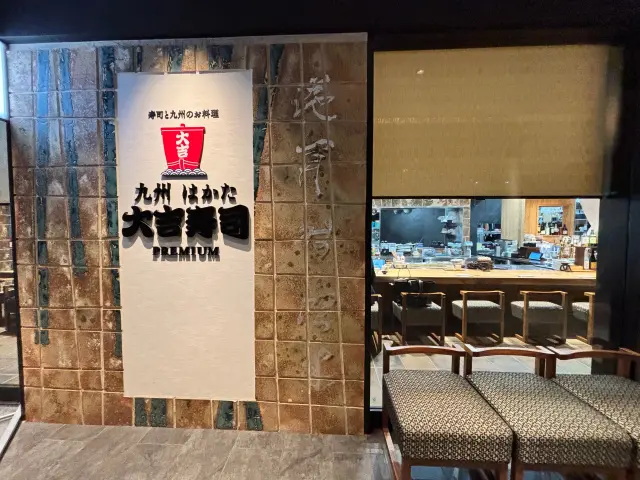
Kyushu Hakata Daikichi Sushi PREMIUM
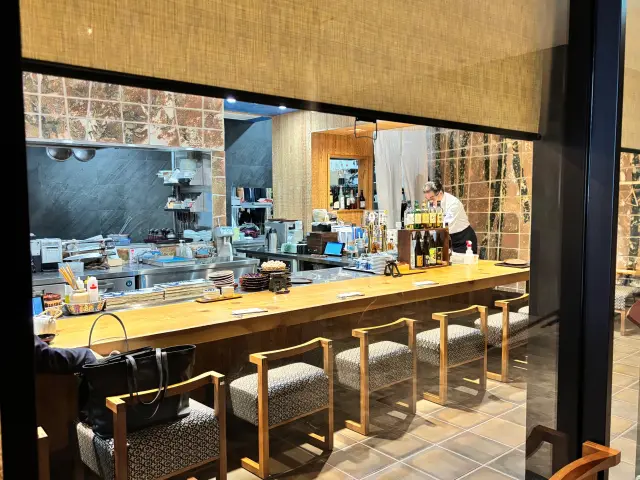
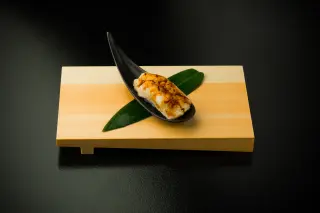
Located in Hakata Ward, Fukuoka City, Kyushu Hakata Daikichi Sushi PREMIUM is a sushi restaurant supervised by the long-established sushi kappo Kawasho and the ikizukuri specialty restaurant Kawataro. Inside, there are only counter seats made from a single slab of Yakusugi cedar. You can enjoy your meal in a lively atmosphere while watching the chefs’ skills up close. One highlight is how easily you can enjoy the flavors of these long-loved restaurants.
When you arrive at Daikichi Sushi in Hakata, you’re greeted by a bright, spotless, and elegantly designed dining space. The refined and comfortable atmosphere gives you a strong sense of Japanese style as soon as you sit down.
The most eye-catching part is the chef behind the center of the counter, preparing each piece of sushi with focus and precision right in front of you. From handling the ingredients to shaping and plating the sushi, every step demonstrates meticulous craftsmanship. The fresh ingredients are paired with perfectly seasoned sushi rice, allowing you to savor their natural sweetness and layers of flavor in every bite. Sitting at the counter not only lets you admire the chef’s impressive skills up close, but also adds to the fun of interacting with the food! From the presentation and flavor to the dining atmosphere, you can feel the care the restaurant puts into everything. It’s a high-quality sushi restaurant.
-
-
Hakuba Happo-One Snow Resort
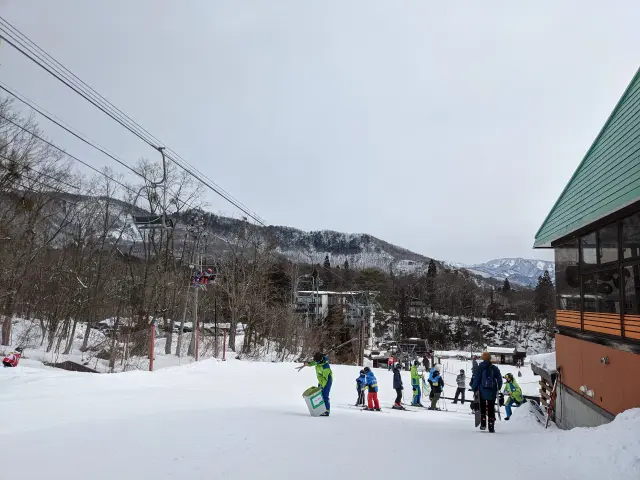
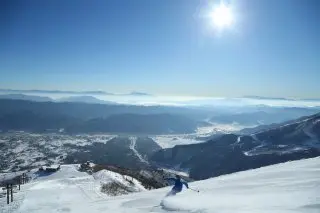
Known as the venue for the alpine skiing speed and combined events at the 1998 Nagano Winter Olympics, this internationally acclaimed resort offers exceptional powder snow. It is also one of Japan’s largest stand-alone ski resorts. From the 6,007-foot summit, a breathtaking panorama unfolds, with the three peaks of Hakuba in the Northern Alps behind you and views extending to Mt. Myoko, Togakushi, smoking Mt. Asama, and the Yatsugatake Range.
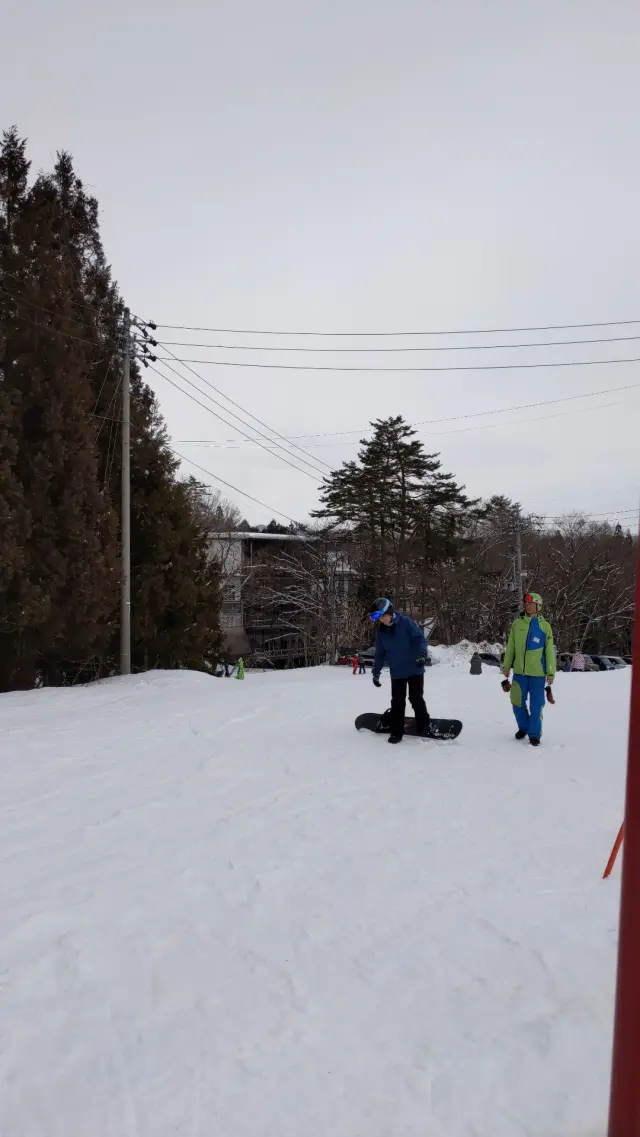
“Are you Regular or Goofy?” The first step in our snowboarding lesson was having the instructor help us figure out our dominant foot. He had everyone line up and asked a friend to gently push us from behind. Whichever foot you instinctively put forward to steady yourself is a simple way to determine your stance! Left foot forward is Regular, while right foot forward is Goofy. This isn’t just a difference in stance—it also affects your balance, braking ability, and stability while riding, making it an important first lesson for beginners.
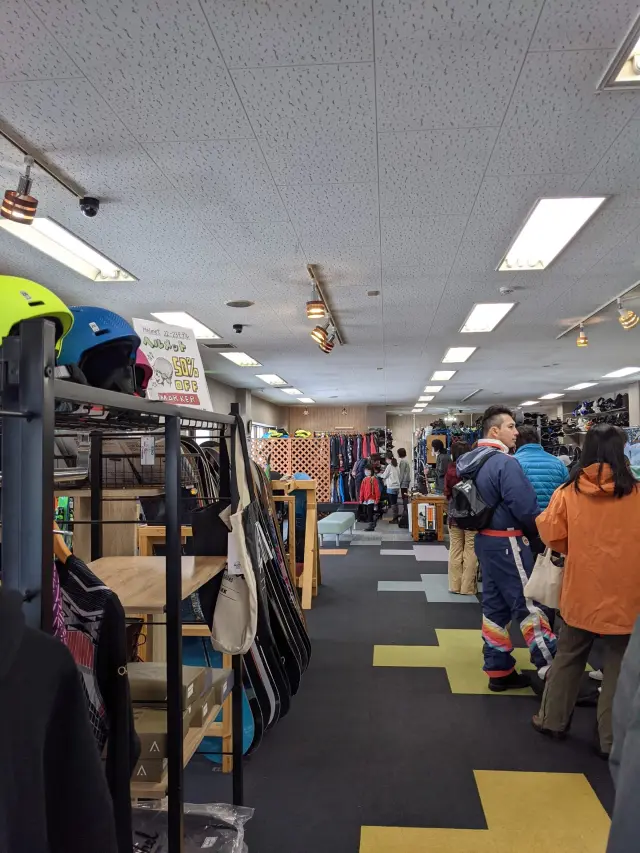
I went snowboarding for the first time in my life at Hakuba Happo-One Snow Resort in Nagano! My family and I signed up for a half-day group lesson, and seven or eight international visitors joined the class that day, making it feel like an international snowboarding exchange. Our instructor was from Switzerland and was a skilled snowboarder who loved traveling. He moves around according to the snow seasons in the Northern and Southern Hemispheres, and after the Northern Hemisphere season ends, he goes to Australia to continue teaching. It’s an enviably free lifestyle.
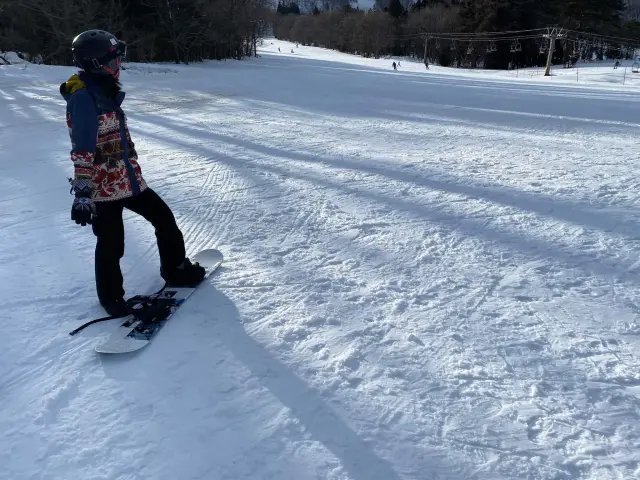
The lesson began with the most basic movements, including how to use the board to brake, how to fall safely, and how to stand back up after falling. These things may look simple, but once you actually strap on a snowboard, you realize it’s a completely different story! In particular, you have to learn to control the edges with your toes and heels while shifting your body weight accordingly. At first, I kept losing my balance and fell more times than I could count. My family clearly learned faster than I did. After just a half-day lesson, they were already brave enough to ride the lift with the instructor and slowly snowboard down the slope. I was so jealous! It took me two full days to gradually get the hang of it. It really takes repeated practice so your body can slowly build muscle memory.
The setting at Hakuba Happo-One Snow Resort also left a strong impression on me. Both beginners and advanced skiers and snowboarders can find suitable runs here. There are also ski lessons for children. It feels like starting young actually makes it easier for kids to develop balance and courage, unlike adults, who are always afraid of falling and can’t fully let go.
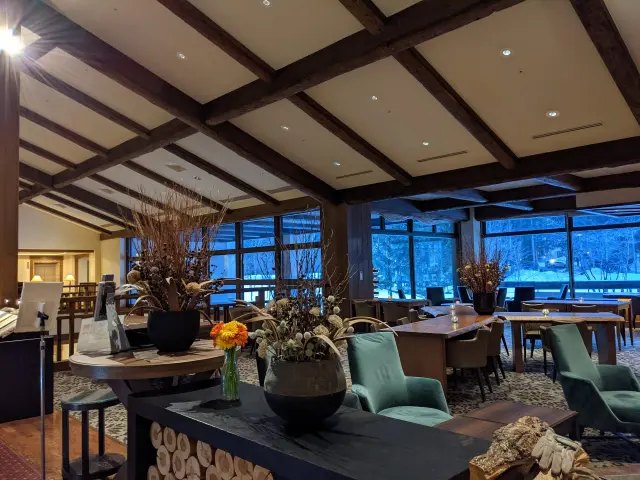
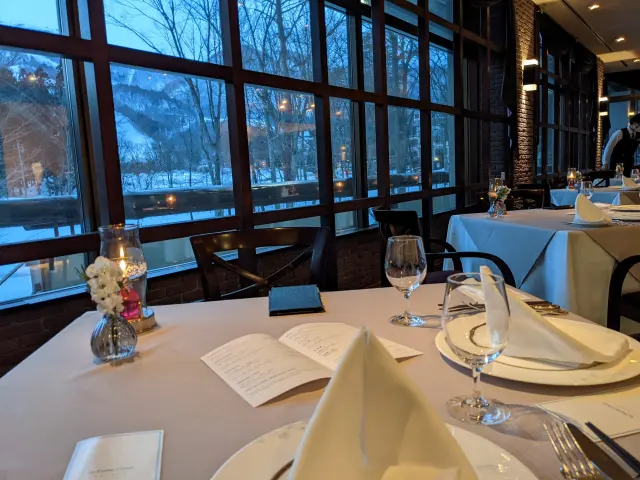
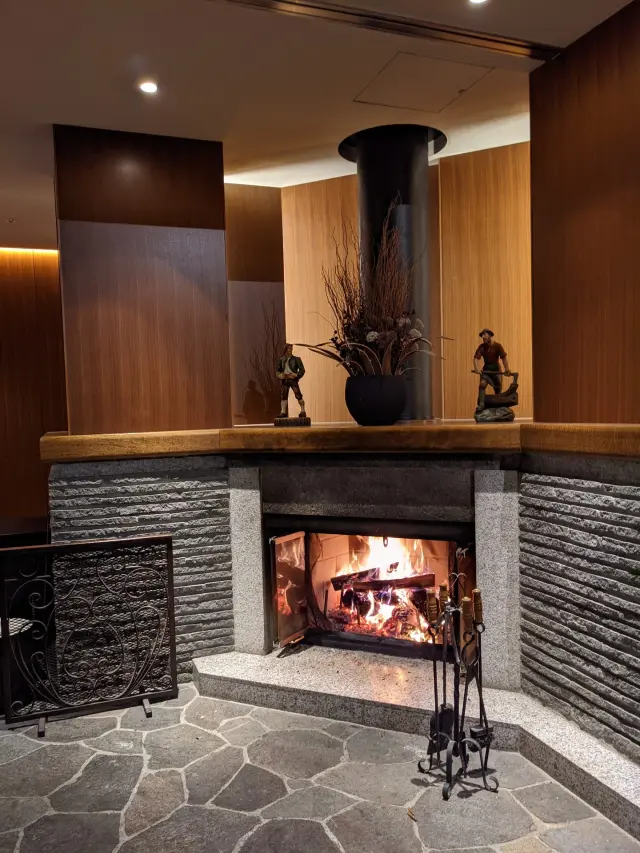
We stayed at the Hakuba Tokyu Hotel, which was another part of the trip that I was very happy with. Wood and natural stone create an elegant mountain resort atmosphere, and the high-ceilinged lobby is quite impressive. There is also a large hot spring bath, and soaking in hot water after a full day of skiing is simply the best! Even more notably, the hotel is known as the “Guest House of the Northern Alps” and has hosted members of Japan’s Imperial Family. According to records, the Emperor and Empress at the time also stayed here during the 1998 Nagano Winter Olympics, adding to the hotel’s historic charm.
The only downside is that transportation to Hakuba isn’t very convenient, and it takes several transfers to get there. Still, the overall hotel stay and snowboarding experience were well worth it. I successfully took my first step into snowboarding on this trip, and next time I’d like to try skiing and personally compare the different kinds of fun each one offers!
-