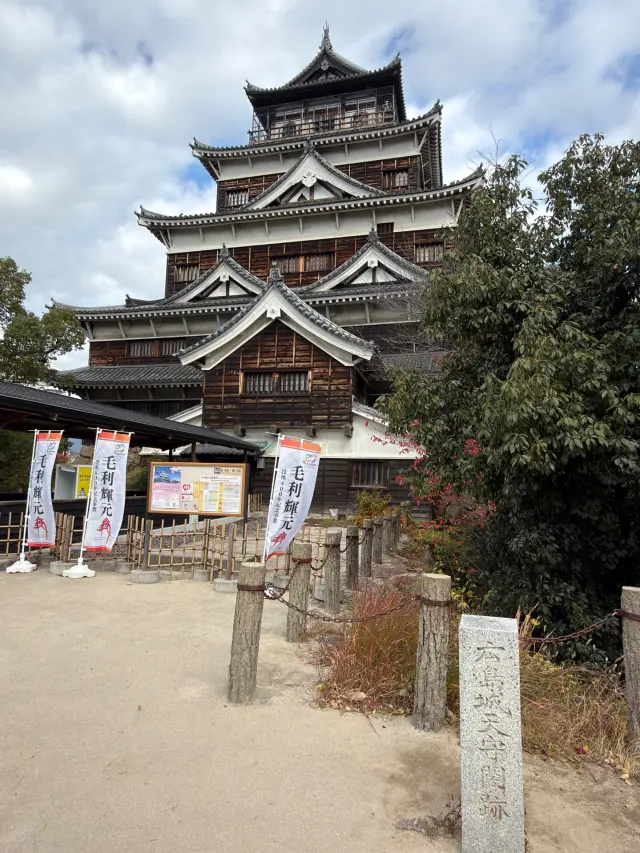
From beside the super-wide moat in downtown Hiroshima, you can see Hiroshima Castle in the distance, completely surrounded by green trees and reflected directly on the water. The sight really makes you stop and take photo after photo! Unlike many castles in Japan that sit on top of extremely high mountains and leave your legs feeling like they’re about to fall off by the time you reach them, Hiroshima Castle is a flatland castle built right in the city center. There’s a large park and moat beside it, so the walk there is incredibly easy and takes almost no effort. Because the area around the castle used to be covered in vast fields of thick carp grass and the moat was full of carp, it has the super-cool nickname “Carp Castle.” Even Hiroshima’s local professional baseball team, the Hiroshima Toyo Carp, was named directly after it!
What feels especially inspiring and admirable is that Hiroshima Castle was actually completely leveled by the atomic bombing during World War II. The powerful-looking five-story castle tower you see today, with its handsome wooden exterior, was later rebuilt by the people of Hiroshima through incredible perseverance and traditional craftsmanship, making it a symbol of the city’s spirit! Step inside the castle tower to cool off in the air conditioning and browse the fascinating displays of samurai armor and swords. Then climb all the way to the observation deck on the top floor, where the high-rise buildings of downtown Hiroshima, Peace Memorial Park, and the distant mountains burst into view in a full 360-degree panorama. On a clear day, enjoying the scenery in the gentle breeze is incredibly relaxing and great for photos!
Hiroshima Castle | Review by Jk
Other Reviews by Jk
-

Senso-ji Temple
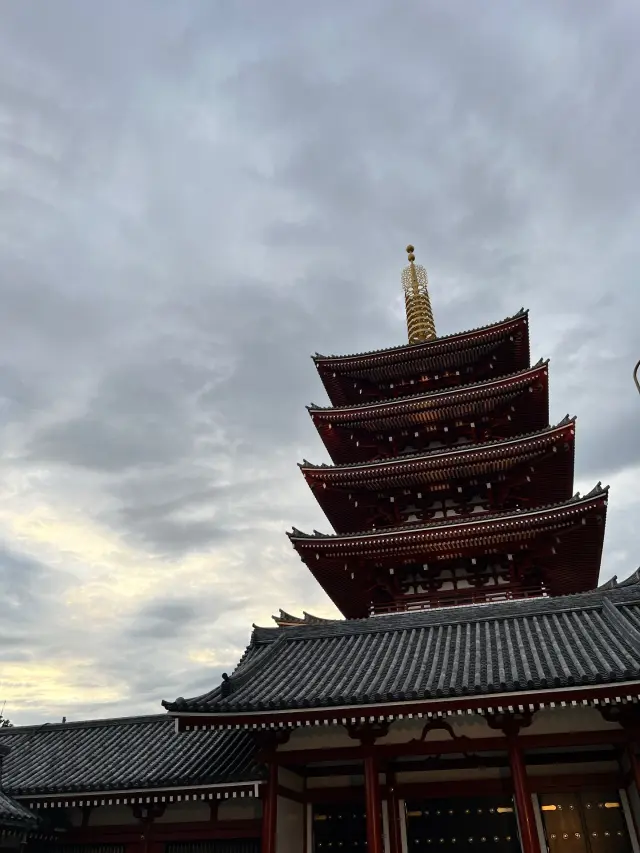
One of Asakusa's leading tourist attractions, Senso-ji Temple welcomes more than 30 million visitors annually. This iconic Tokyo temple hosts many annual events, including New Year's visits and Setsubun. Kaminarimon Gate, a symbol of Asakusa, features a large red lantern flanked by statues of the gods of wind and thunder.
The moment you walk out of the subway station and see that ridiculously huge red lantern at Kaminarimon Gate, you instantly feel like, “I’m really in Tokyo!” Built in the seventh century, Senso-ji Temple is the oldest historic temple in Tokyo and the heart and soul of the city’s old downtown area. Pass through Kaminarimon Gate and enter the bustling Nakamise shopping street, where dozens of old Edo-style shops line both sides. The aromas of freshly baked ningyo-yaki cakes, soy sauce from grilled rice crackers, and sweet matcha desserts all mingle together, and the atmosphere is incredibly lively as you walk around and browse. Continue through Hozomon Gate, with its giant straw sandals, to the main hall. Waft the smoke from the incense burner over your head and body to pray for good health and wisdom, then shake the fortune-telling box nearby and draw an omikuji. Even if you happen to draw bad luck, there’s no need to worry—just tie it to the rack nearby and leave all that bad luck behind at the temple!
-
-

Abeno Harukas
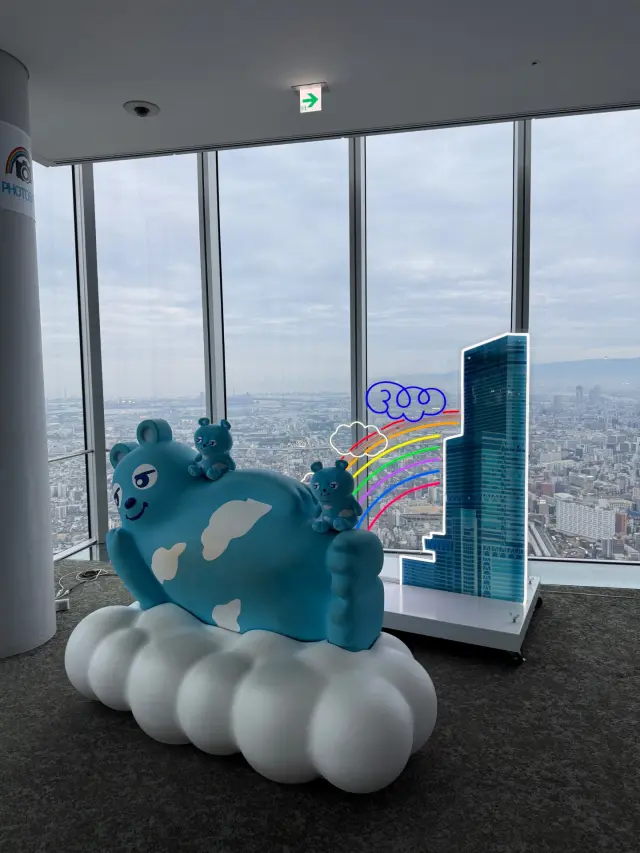
A 300-meter-tall mixed-use skyscraper that opened in 2014. The second basement through 14th floors house the Kintetsu Department Store Main Store Abeno Harukas and Abeno Harukas Dining.
Walk into the super-impressive Harukas 300 Observatory from Tennoji Station and take the incredibly fast dedicated elevator, which even has cool lighting effects on the ceiling. In just a few dozen seconds, before your ears can even adjust, you’re shot straight up to the 60th-floor Sky Corridor, 300 meters above the ground! Standing in front of the huge floor-to-ceiling glass windows with completely unobstructed 360-degree views, the entire Osaka cityscape instantly shrinks into an adorable LEGO model. You can clearly see Tsutenkaku Tower, Osaka Castle, Kyocera Dome, and, when the weather is especially good, even the distant Akashi Kaikyo Bridge and Awaji Island. That floating sensation of having the entire city beneath your feet is seriously breathtaking!
-
-

Senkoji Temple
Located about halfway up Mt. Senkoji, Senkoji Temple has a long history dating back to its founding in 806. The main hall, also known as the “Red Hall,” is painted a vivid vermilion. Its striking color forms a picturesque contrast with the blue sky and sea and the surrounding greenery. The temple sells a variety of amulets for wishes such as road safety, family well-being, success in exams, and good relationships.
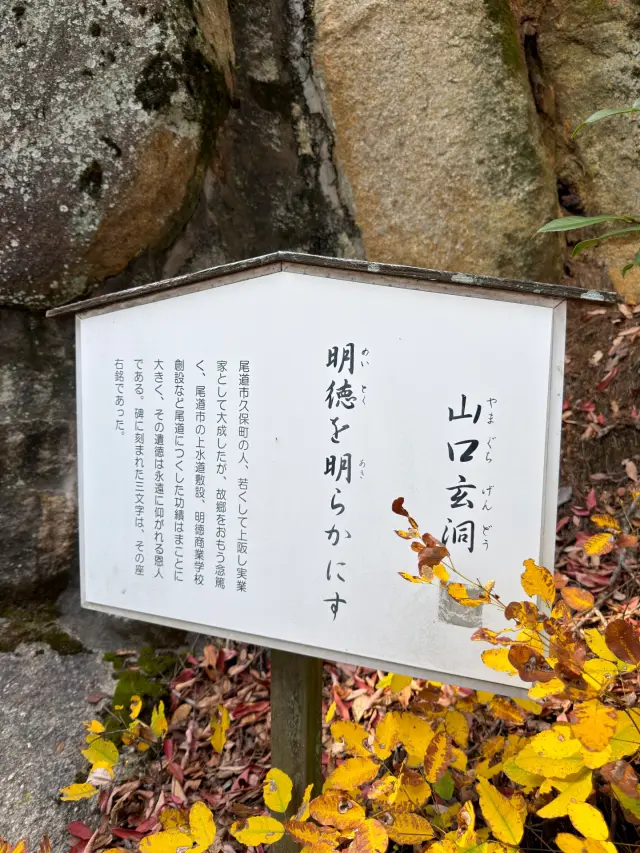
As Onomichi’s aerial tram slowly climbs toward the summit, look down at the tightly packed old houses with red-tiled roofs and the incredibly wide Seto Inland Sea channel below, and you’ll instantly feel like this trip was absolutely worth it! Built on a cliff halfway up the mountain, Senkoji Temple is definitely the most popular landmark with the most spectacular views in this super-artsy port city. The bright red suspended stage of Kyoonro sits boldly against the massive rocky mountainside. Looking out from in front of the main hall, the entire Onomichi Channel, the bridge across the sea, and the islands of all sizes floating in the distance spread out right before your eyes. The sea breeze is cool and comfortable, and every random photo looks like an unbeatable postcard view!
What makes Senkoji Temple especially unique is that the entire temple is surrounded by so many strangely shaped natural boulders, making a visit feel like a fun treasure-hunting adventure! There’s the legendary Tama-no-Iwa rock, whose top was once said to actually glow, as well as the thrilling Chain Mountain ascetic experience, where you have to climb using both your hands and feet while holding on to thick iron chains. After visiting the temple, definitely don’t take the tram back down. Be sure to slowly walk down through the retro Cat Alley and the narrow stone-step lanes beside it. Along the way, plenty of lazy stray cats randomly appear while sunbathing and asking to be petted, and there are also lots of artsy cafés and distinctive little variety shops hidden around. The whole place is so chill that you won’t want to leave at all! -