

The Toranoozakura in front of the Kannondō Hall is definitely worth seeing and remembering. You really have to come here to enjoy the cherry blossoms! 🌸
Tora-no-o Zakura | Review by Sharon Liu
Other Reviews by Sharon Liu
-
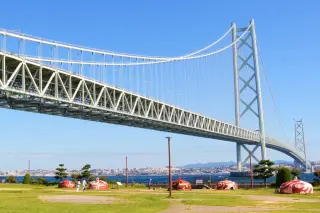
Michi-no-Eki Awaji
Located at the northern tip of Awaji Island, right by the Akashi Kaikyo Bridge, Michi-no-Eki Awaji is a popular stop where sightseeing, great food, and spectacular views come together. Its biggest draw is the location: from the spacious seaside grounds, you can look up at the massive Akashi Kaikyo Bridge from directly below. It is also known as a great photo spot with the bridge as a backdrop, and it gets busy with many visitors on weekends.
A really comfortable rest stop plus a little sightseeing spot. Facing the Akashi Kaikyo Bridge, the view is amazing. When the weather’s nice, you can stand outside, look at the ocean, and just zone out for a while 🌊.
Inside, they sell lots of Awaji specialties, especially tons of onion-related products, and there are plenty of food options too. It’s not the kind of place where you have to wait in long lines, but if you’re driving by, it’s definitely worth a stop. Perfect for a bathroom break, a quick bite, and a few photos.
-
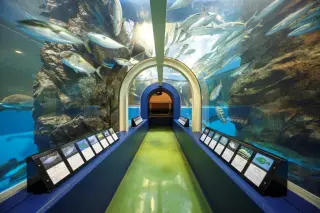
Uozu Aquarium
A municipal aquarium in Uozu City, Toyama Prefecture, founded in 1913. It is known as the oldest existing aquarium in Japan. Inside, the exhibits focus on creatures that live in the rivers and seas of Toyama Prefecture, with more than 10,000 animals from Approx. 330 species on display. The highlight is the 4-meter-deep large Toyama Bay tank, where you can watch schools of large fish from Toyama Bay, including yellowtail and longtooth grouper, swimming together.
It’s a small, cute aquarium, not one of those huge, super dramatic ones. The place isn’t very big, so you can probably see everything in a little over an hour. Great for a casual stop if you’re already in the area.
-
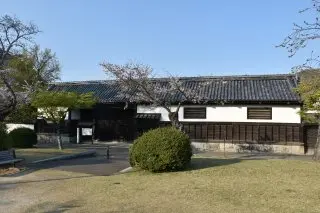
Kagawa Family Nagayamon Gate
The front gate of the former Kagawa family residence, whose members served for generations as chief retainers of the Iwakuni Domain during the Edo period. Believed to have been built in the Genroku era in the late 17th century, it still retains much of its original appearance. Counted among the oldest buildings in Iwakuni, it was designated a Tangible Cultural Property of Yamaguchi Prefecture in 1966. Measuring 23.29 m wide and 4.85 m deep, it features an irimoya (hip-and-gable) roof with traditional hon-kawara tiles.
The old building is really well preserved and looks great in photos. If you’re into Japanese historic sites or old houses, you’ll probably love it.
It doesn’t take long to look around, so it’s best as a quick stop on the way—just to stroll through and soak up the traditional vibe.