
19 Must-Visit Spots in Shinjuku for First-Timers
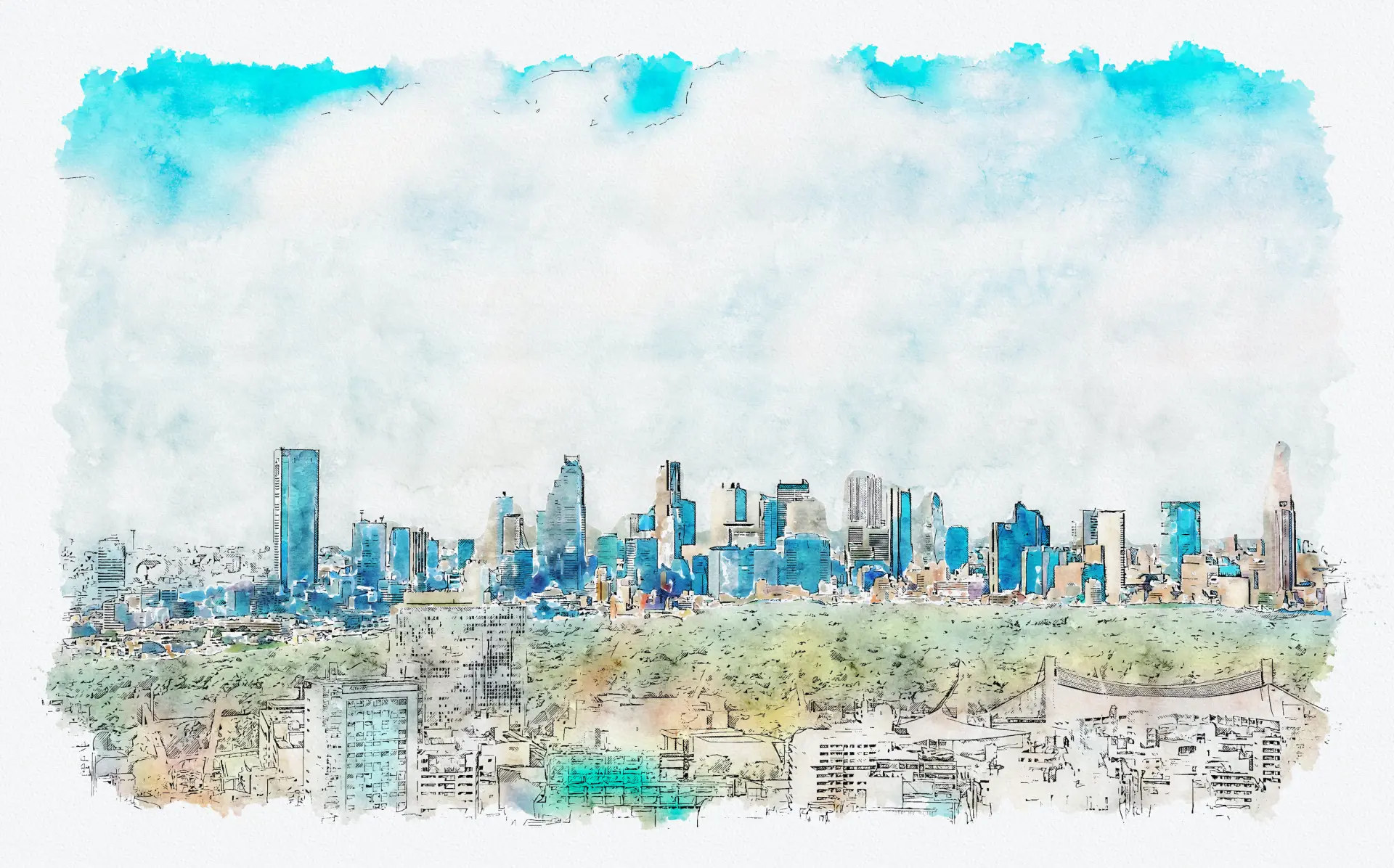
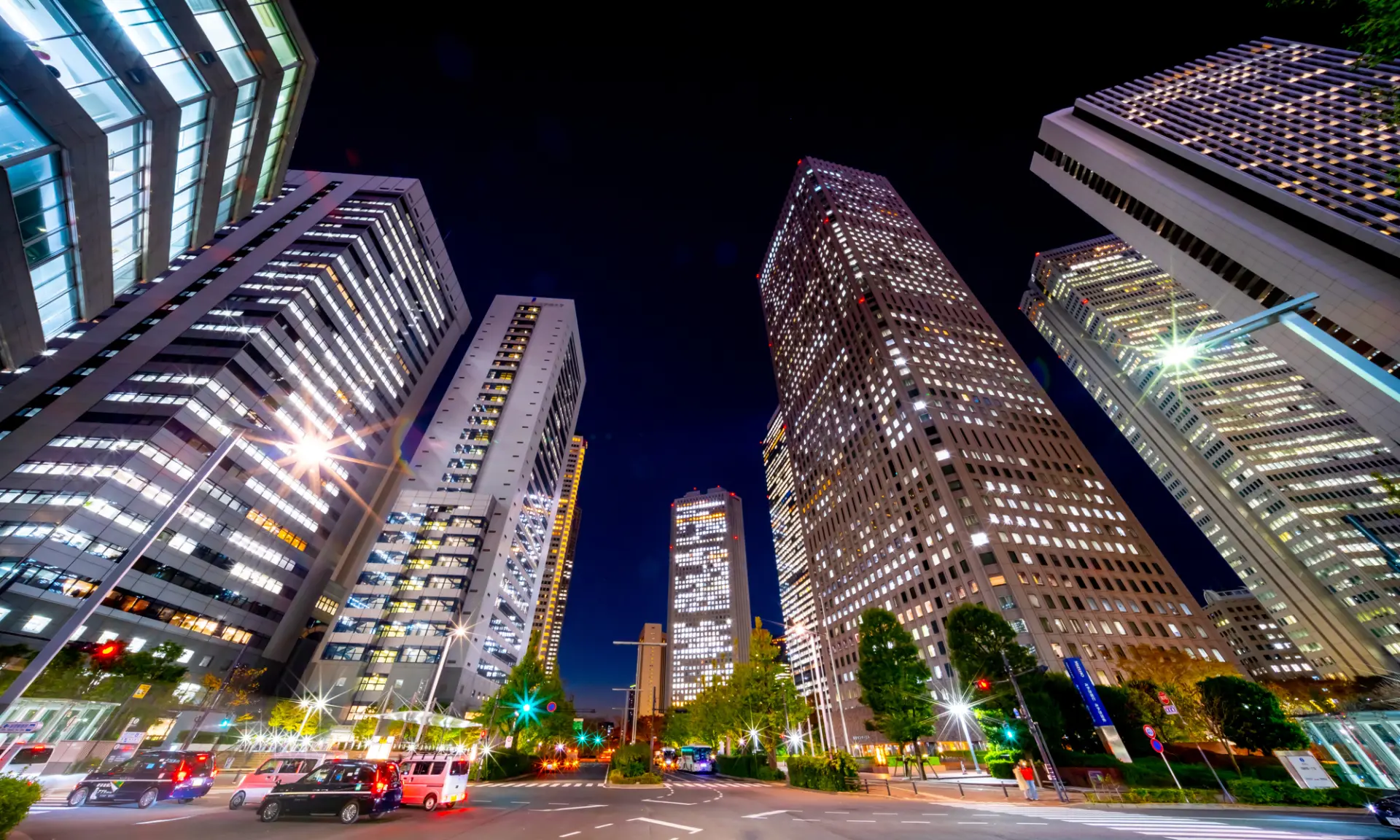
Shinjuku is packed with high-rise buildings, countless commercial facilities, and even a massive nightlife district.
Not only can you catch the latest trends, but you’ll also find old shrines and parks where you can enjoy nature, making it an area with many different sides.
For those visiting Shinjuku for the first time, this article covers everything you’ll want to know, from classic sightseeing spots to popular places to eat and recommended accommodations.
To make your Shinjuku sightseeing more fulfilling, be sure to read this before you go.
What is Shinjuku Like?
Shinjuku City is home to one of the world’s largest terminal stations, Shinjuku Station.
With the large express bus terminal Busta Shinjuku directly connected to the station, it’s easy to access not only from across Tokyo but from all over Japan—making it a true hub of the city.
From Kabukicho, one of Japan’s biggest entertainment districts, to clusters of skyscrapers lined with large commercial facilities and office towers, iconic Tokyo scenes unfold here.
Observation spots with city and night views, shrines rich in history and culture, parks full of greenery, and retro drinking alleys are scattered throughout, giving the area many different sides.
With so many restaurants, bars, and nightclubs, there are endless ways to enjoy it.
What’s the best season to visit Shinjuku?
Shinjuku is fun in any season, but spring and fall are especially recommended.
Both offer comfortable weather for walking around, making it easier to enjoy Shinjuku’s many different sides.
Shinjuku Gyoen is also known for cherry blossoms and fall foliage, so you can enjoy hanami in spring and autumn leaves in fall.
What to wear in Shinjuku by season
- Spring (March - May): A light jacket and a thin sweater
- Summer (June - August): Light clothing, short sleeves
- Fall (September - November): A light jacket, a coat
- Winter (December - February): A coat, a thick sweater or jacket
How do you get to Shinjuku?
Here’s how to get to Shinjuku Station from major stations in Tokyo.
There are many possible routes, but below are the options with the fewest transfers.
- From Tokyo Station
- Approx. 15 minutes via the JR Chuo Line
- From Ueno Station
- Approx. 30 minutes via the JR Yamanote Line (inner loop)
- From Shinagawa Station
- Approx. 25 minutes via the JR Yamanote Line (inner loop)
- From Shibuya Station
- Approx. 5 minutes via the JR Saikyo Line
Main ways to get around while sightseeing in Shinjuku
If you’re visiting spots around Shinjuku Station, walking is the main way to get around.
Areas a bit farther from Shinjuku Station-like Kagurazaka, Shin-Okubo, and Yotsuya Arakicho-are also easy to reach in a short time by train or subway.
Carefully Selected for First-Timers! 19 Shinjuku Sightseeing Spots
Here are some classic sightseeing spots among the many places in Shinjuku.
By visiting the locations below, you can enjoy a wide range of Shinjuku’s many different sides.
Some spots are a bit farther from Shinjuku Station, so when planning your trip, be sure to check access from Shinjuku Station in advance.
1. Tokyo Metropolitan Government Building Observation Decks
The Tokyo Metropolitan Government Building in Shinjuku is the administrative center of Tokyo, consisting of three buildings: the Main Building No. 1, Main Building No. 2, and the Tokyo Metropolitan Assembly Building.
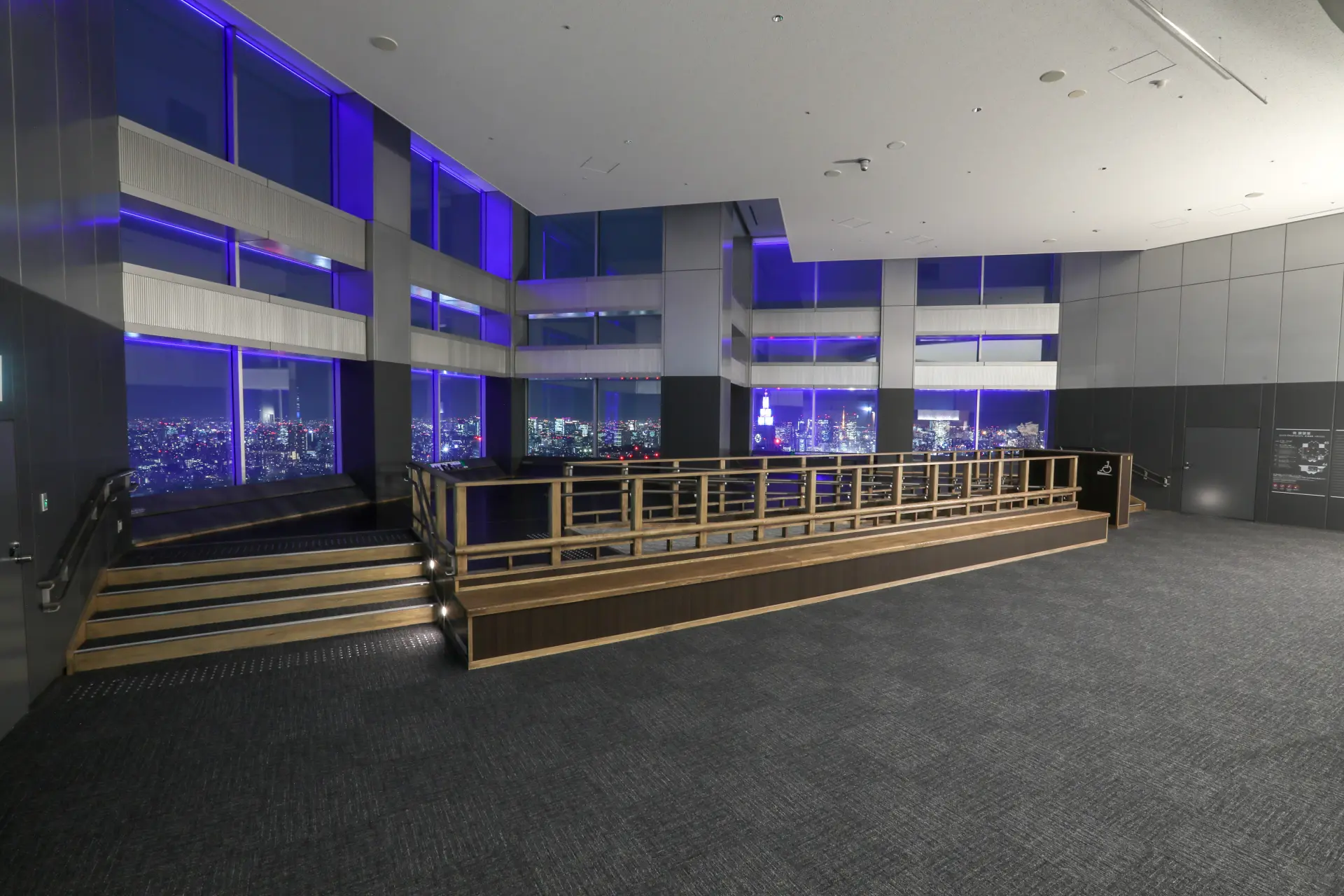
The observation deck is on the 45th floor of the Main Building No. 1 and is reached by a dedicated elevator from the 1st floor.
The elevator takes around 55 seconds, bringing you quickly to a height of 202 meters (Approx. 663 feet), where you can enjoy spectacular views of Tokyo spread out below.
Tocho Omoide Piano
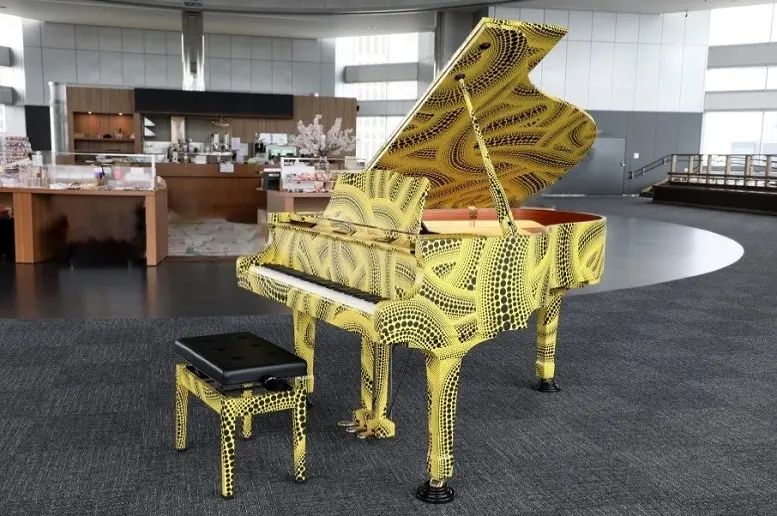
The “Tocho Omoide Piano” debuted in 2019, when the South Observation Deck was renovated.
Artist Yayoi Kusama, an honorary citizen of Tokyo, supervised the design, decorating a grand piano donated by Tokyo residents so that even those watching could enjoy it.
You can use it on days when the South Observation Deck is open, for a total of 4 hours: from 10am to 12pm and from 2pm to 4pm. Each person can play freely for up to 5 minutes.
2. Shinjuku Gyoen National Garden
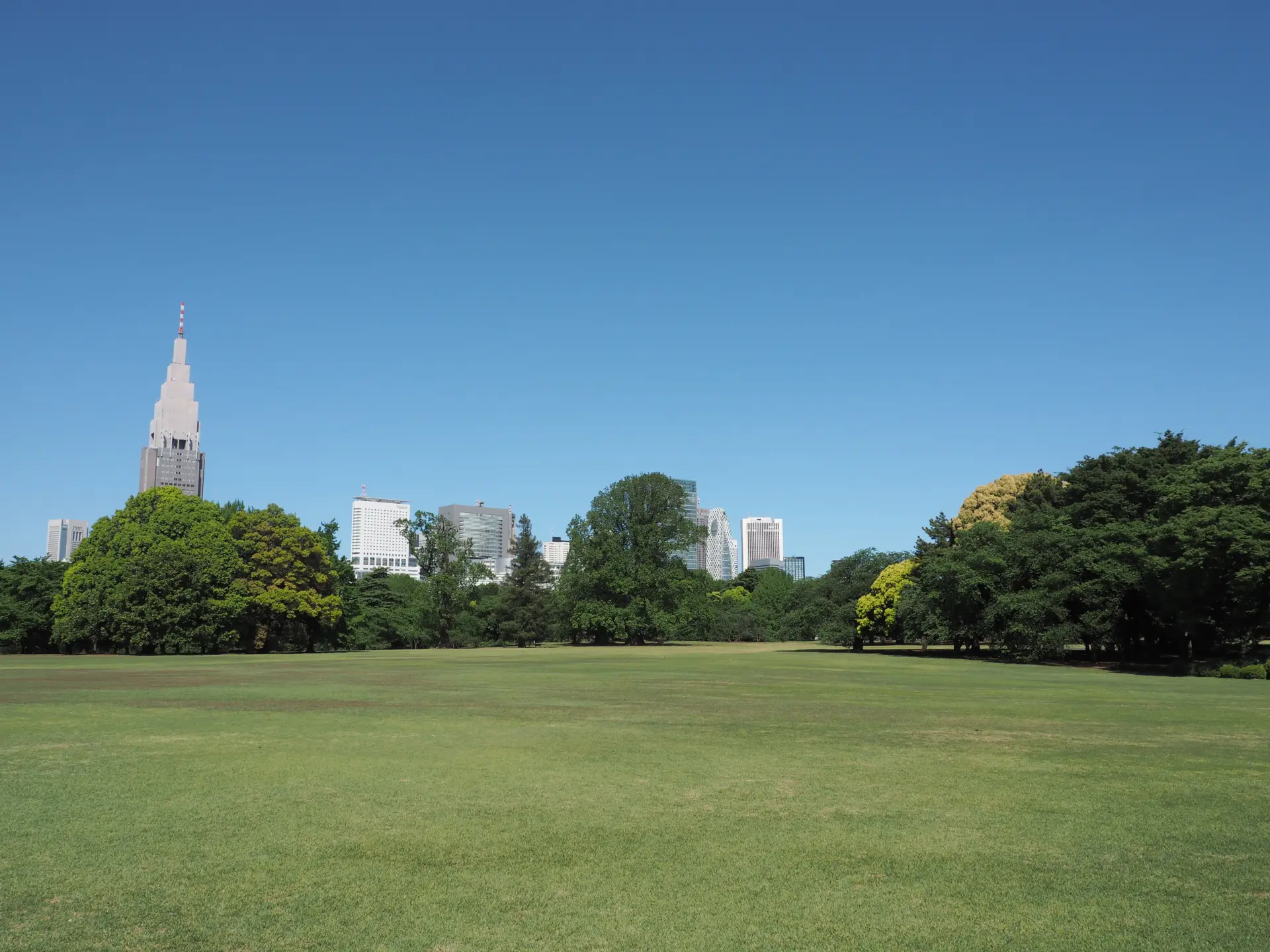
Shinjuku Gyoen traces its roots to samurai residences from the Edo period. It was created in 1906 as an imperial garden and is now open to the public.
The vast 58.3-hectare garden features three distinctive styles: a Japanese garden, a formal garden, and a landscape garden, and is considered a masterpiece of modern Western-style garden design.
In spring, you can enjoy Approx. 900 cherry trees across around 70 varieties, and in fall, stunning autumn foliage.
3. Kabukicho
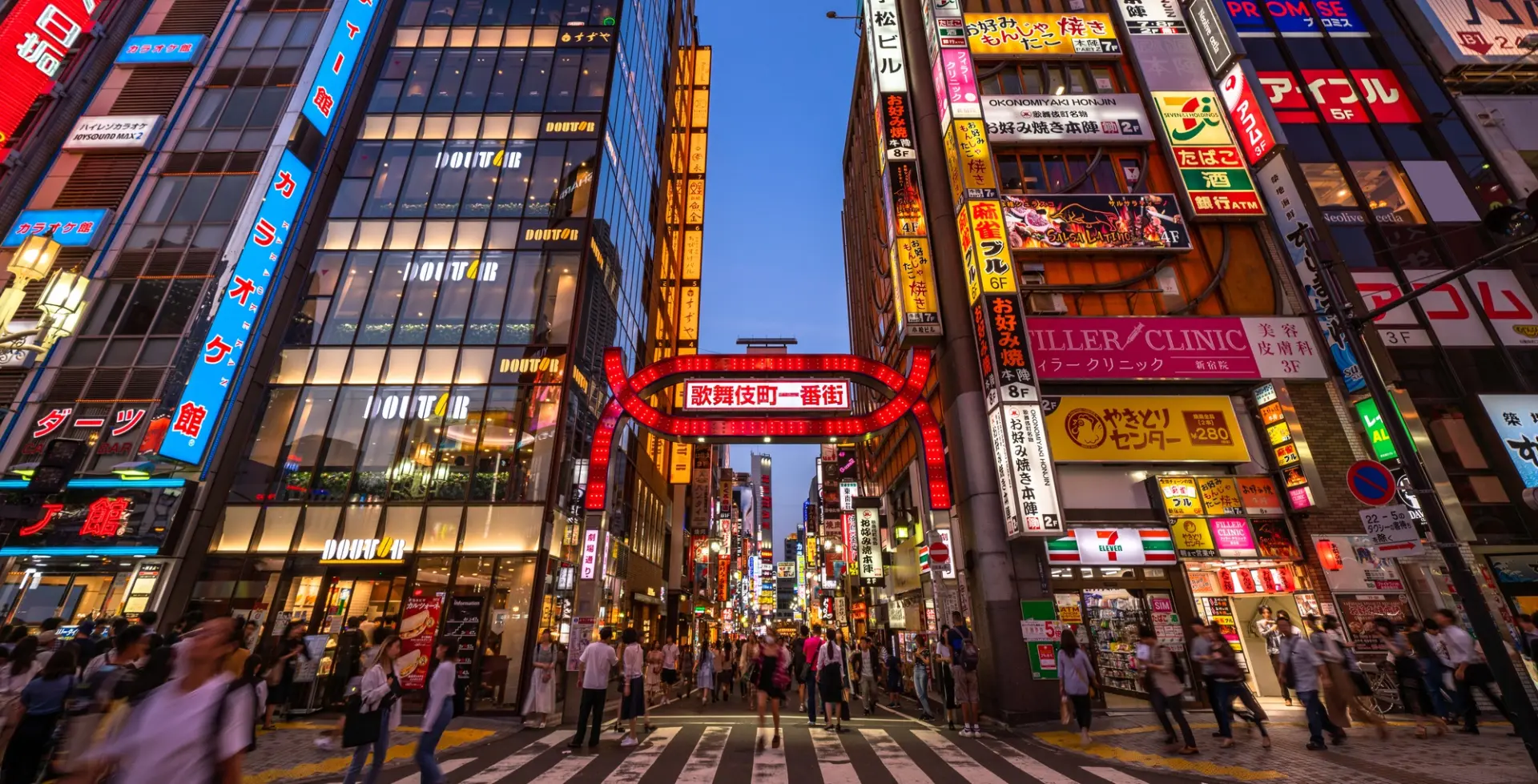
Kabukicho was established in 1947 as part of post-World War II reconstruction, originally aiming to attract a kabuki theater.
Lined with countless eateries, it developed into Japan’s largest entertainment district.
Kabukicho at night is full of energy, and it’s fun just to walk around.
It’s not only about bars—you can also enjoy food like yakiniku and sushi. Many popular restaurant chains are located here as well.
Godzilla Head (Shinjuku Toho Building)
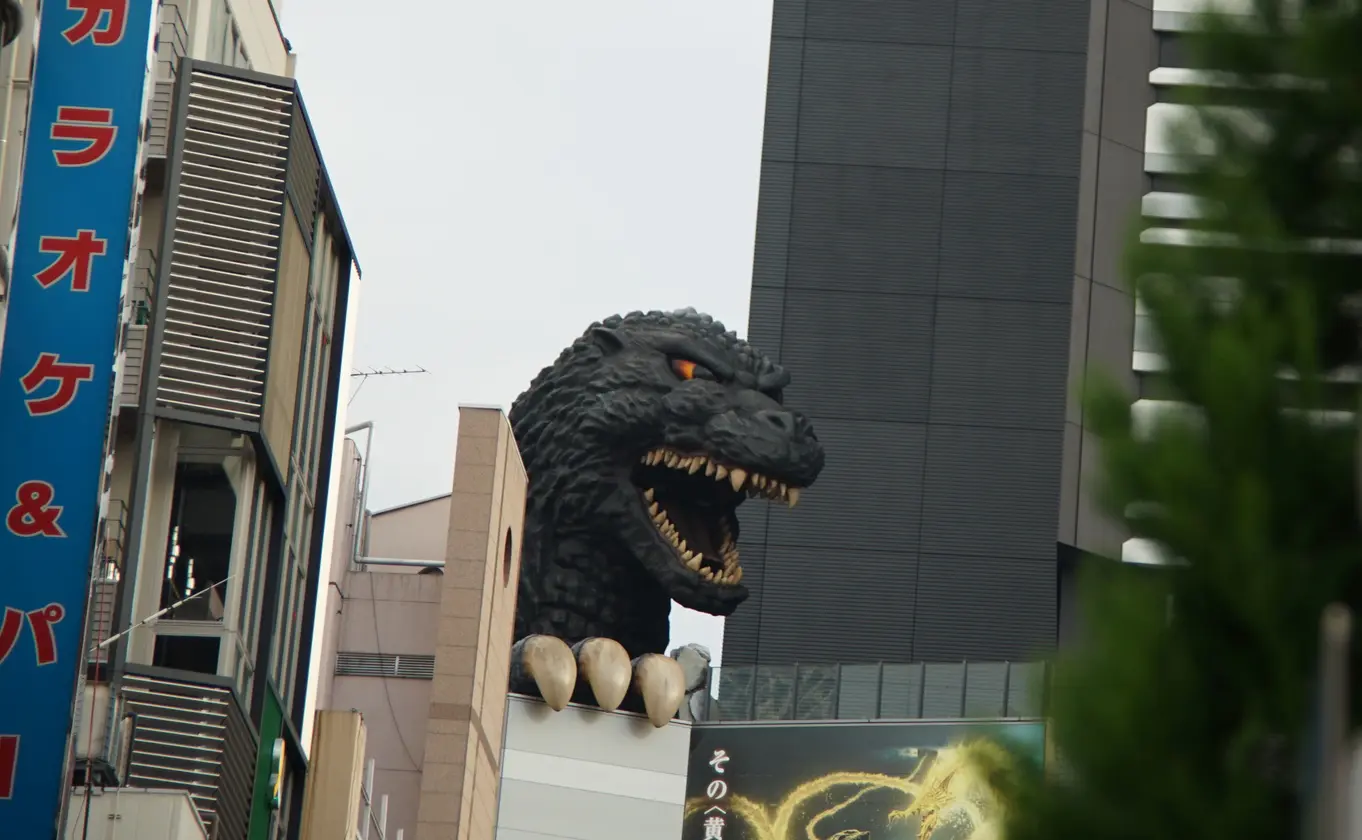
A giant Godzilla head installed on an outdoor terrace on the 8th floor of the Shinjuku Toho Building, a complex with a movie theater, restaurants, and a hotel. It’s Approx. 12 meters tall—life-size.
Look up at it from Yasukuni-dori, and you’ll feel the thrill as if Godzilla is attacking the huge building with the movie theater and more.
Don Quijote Shinjuku Kabukicho
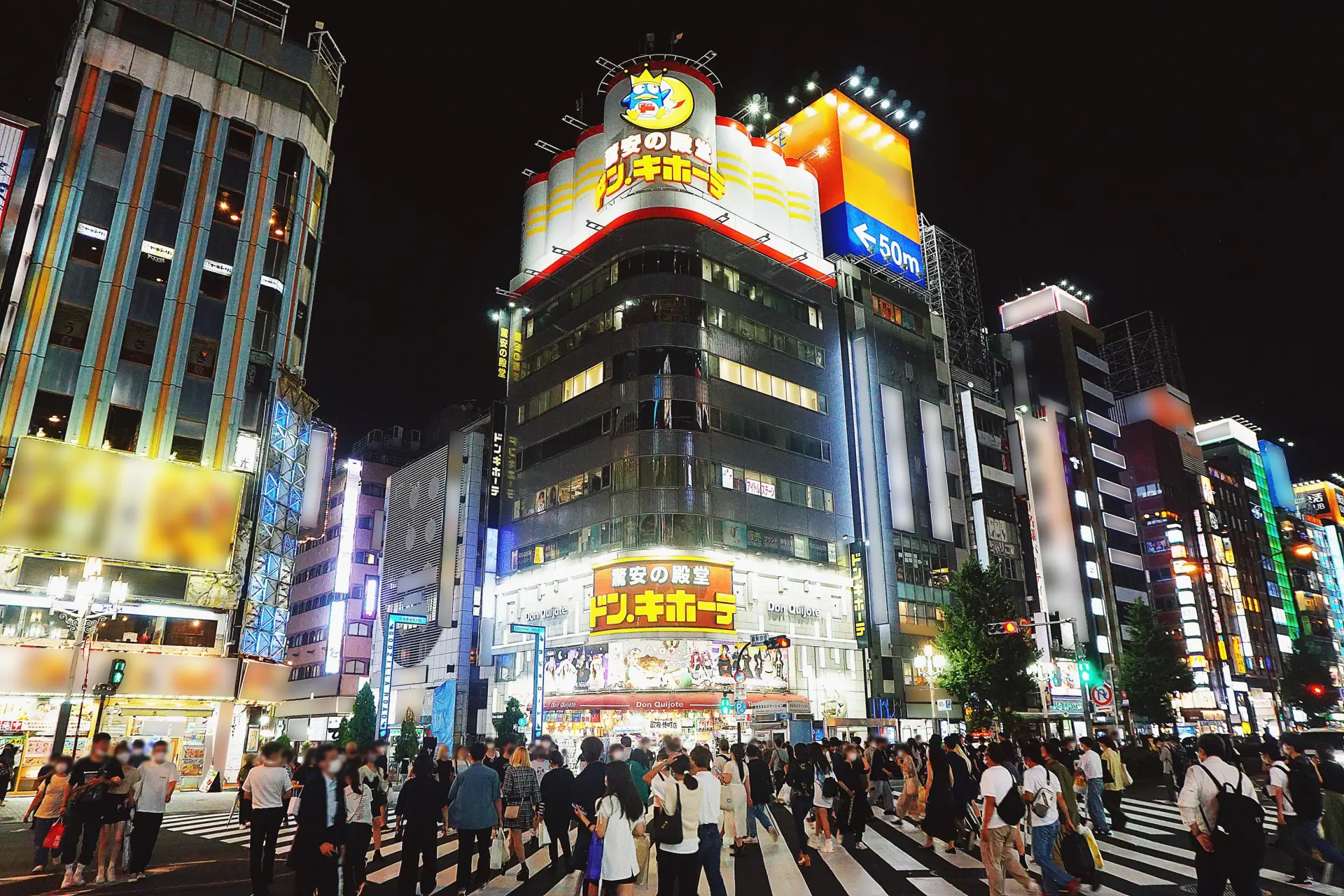
The Shinjuku Kabukicho location of Don Quijote, a discount store loved nationwide for its overwhelming selection and surprising prices.
The building faces Yasukuni-dori and is easy to spot from far away thanks to its large sign.
From the front of the store, you can see the Godzilla Head at the far end of Central Road, making it a popular photo spot.
Tokyu Kabukicho Tower
A super-tall mixed-use complex that surpassed 1 million visitors in about one month after opening in April 2023, drawing attention as Kabukicho’s newest landmark.
48 floors above ground, 5 below, and 225 meters tall. Inspired by a fountain, the tower is a massive entertainment space built around the concept of “pursuing what you love,” bringing together a wide range of facilities.
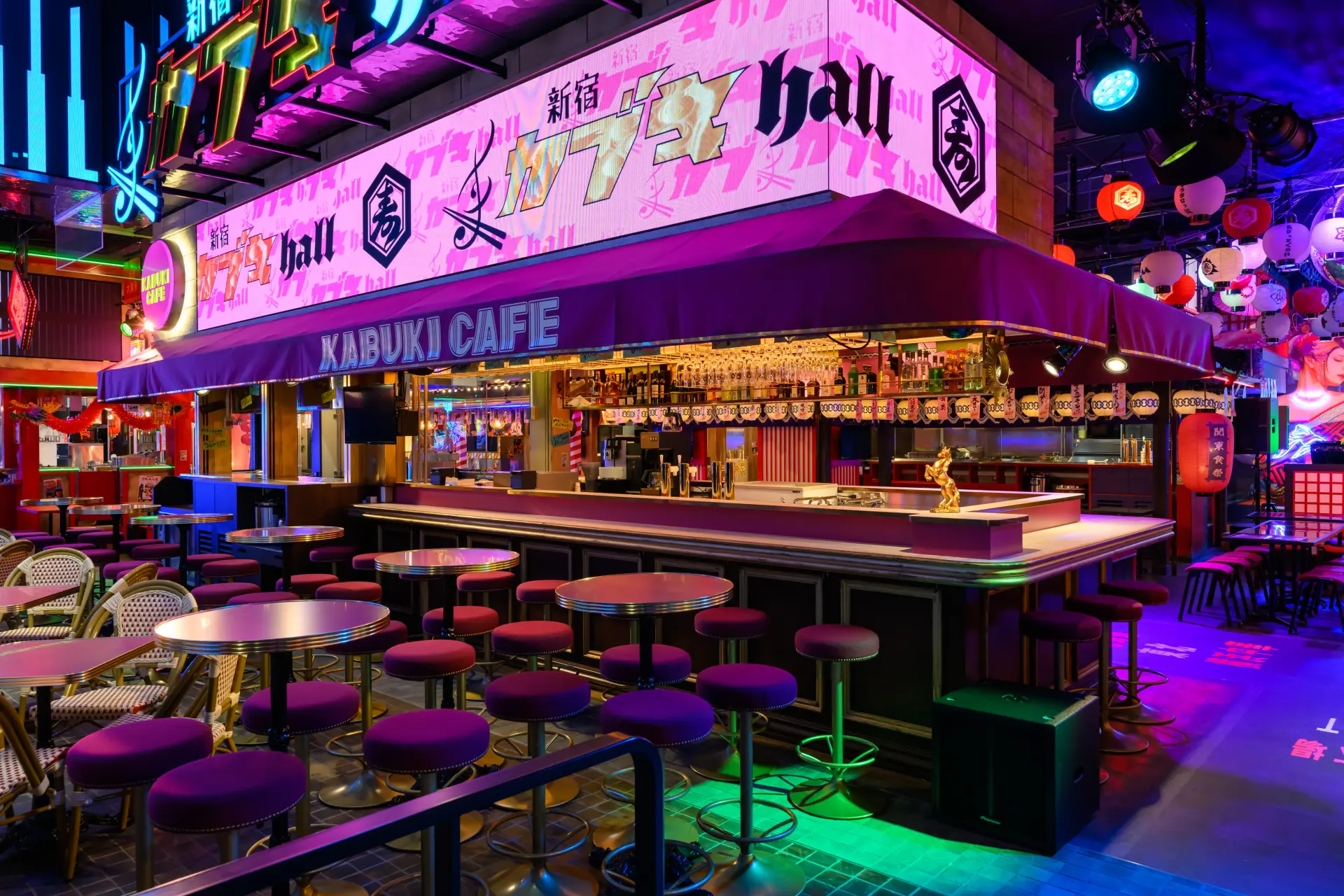
Hanamichi Tokyo Kabukicho
A commercial facility that opened in Shinjuku Kabukicho in October 2023.
The entire building—one basement level and four floors above ground—is inspired by the Edo period, letting you enjoy Japanese culture through “fashion, food, and theater.”
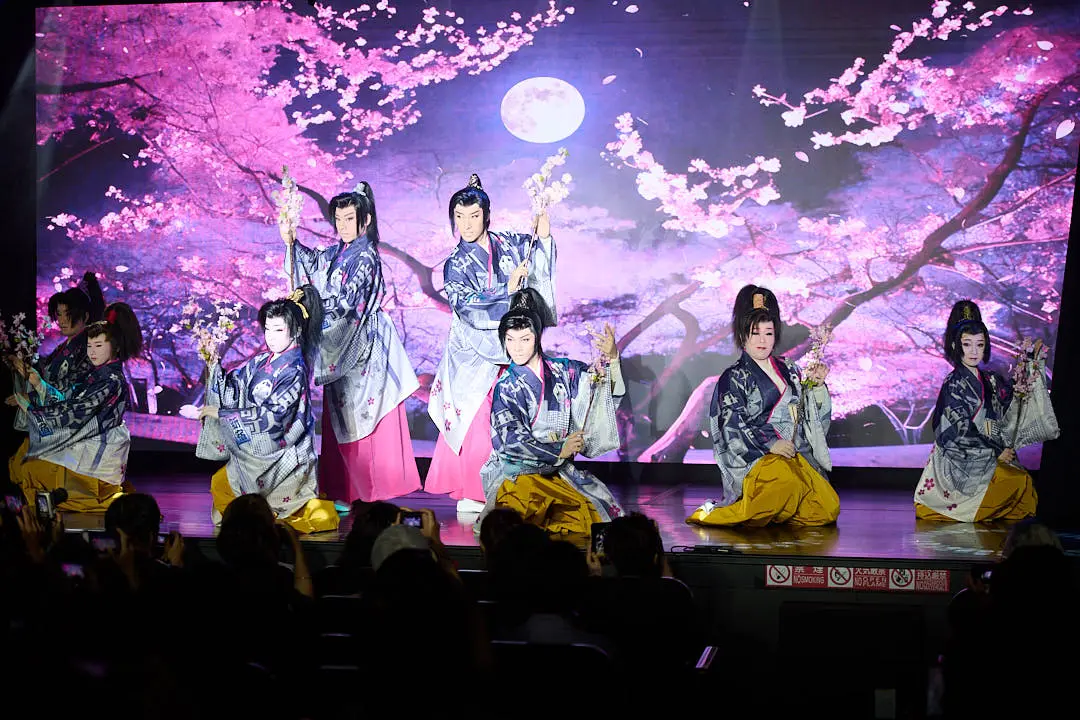
A highlight is the Kabukicho Theater in the basement.
Equipped with the latest features like a large LED screen, the theater stages daily rotating “popular theater” performances with the theme of “traditional performing arts you can enjoy casually,” presented in two parts: a play and a dance show performed by artists in glamorous kimono.
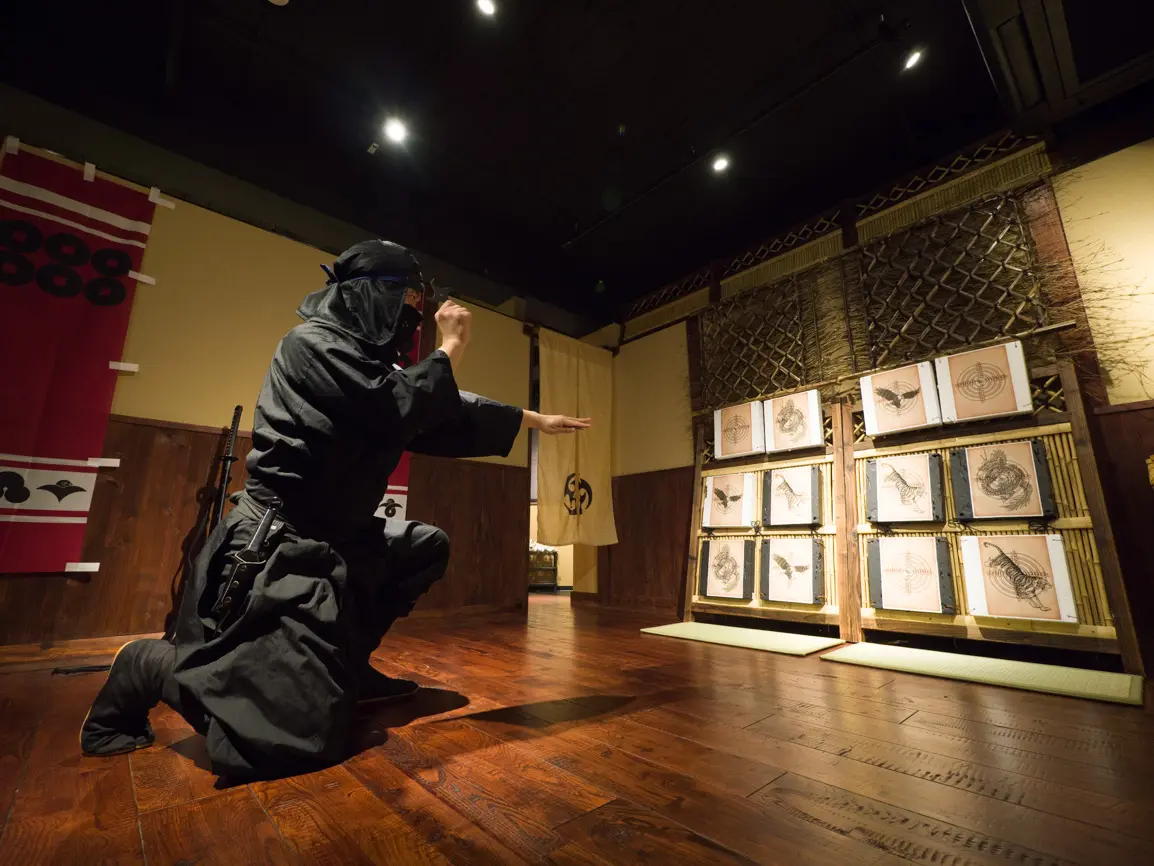
Shuriken Dojo Shinjuku Ninja Trick House
Walk Approx. 3 minutes from the lively center of Shinjuku Kabukicho and you’ll spot a black four-story building.
From the moment you step onto the 4th floor, an otherworldly space opens up—enough to make you forget you’re in Shinjuku.
This is a ninja house started by an owner who loves ninjas and wanted to share their appeal with as many people as possible.
Enjoy a variety of attractions, including shuriken throwing, swordsmanship experiences, and searching for hidden tricks.
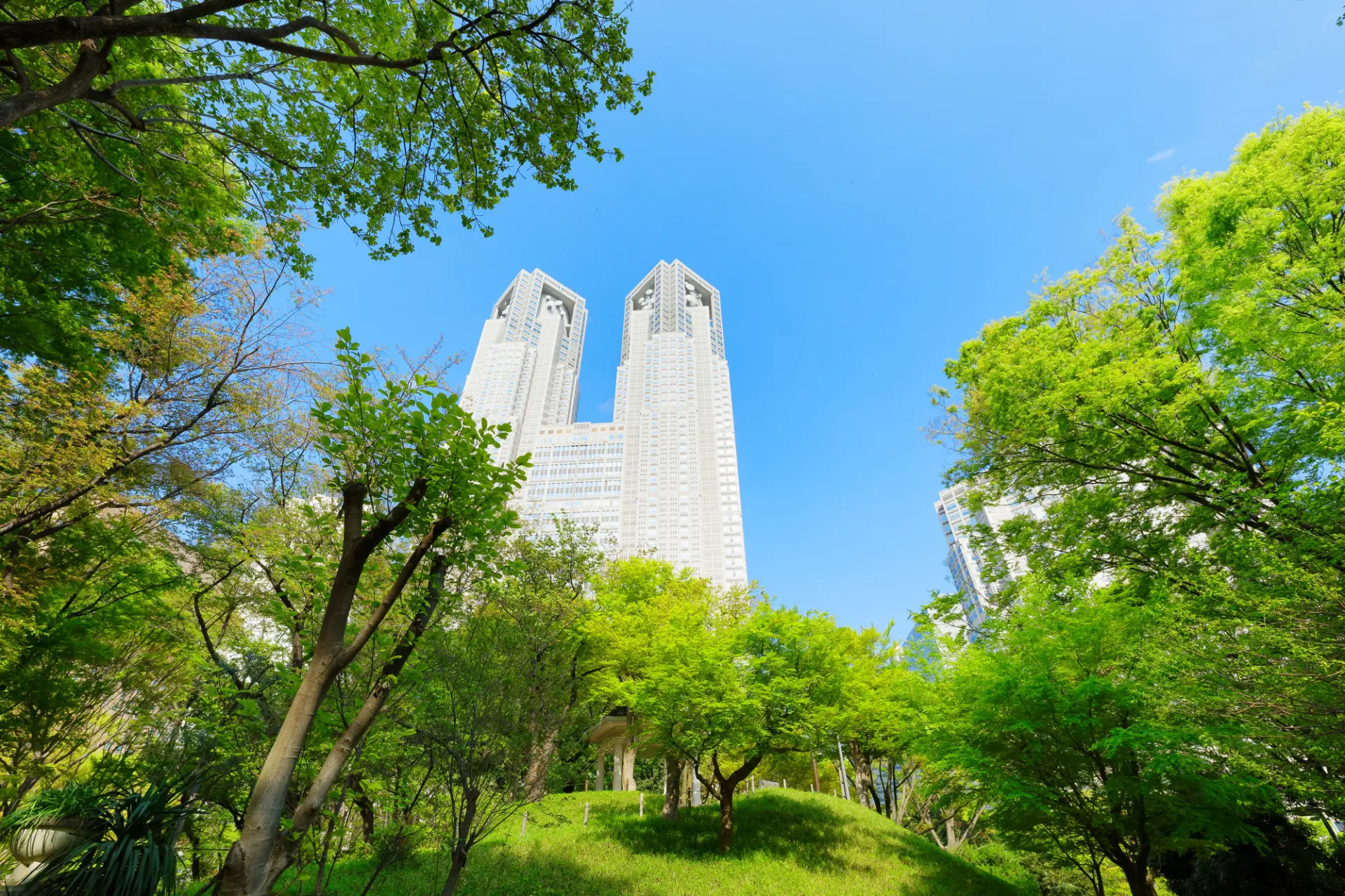
4. Shinjuku Chuo Park
Shinjuku Chuo Park, located in a business district surrounded by skyscrapers, is the largest park operated by Shinjuku City.
With abundant greenery, it serves as an urban oasis that attracts birds, insects, and other wildlife.
The park includes the Water Plaza with its symbol, the “Shinjuku Niagara Falls,” as well as an open lawn area.
On weekends, a variety of events are held, mainly around the Water Plaza.
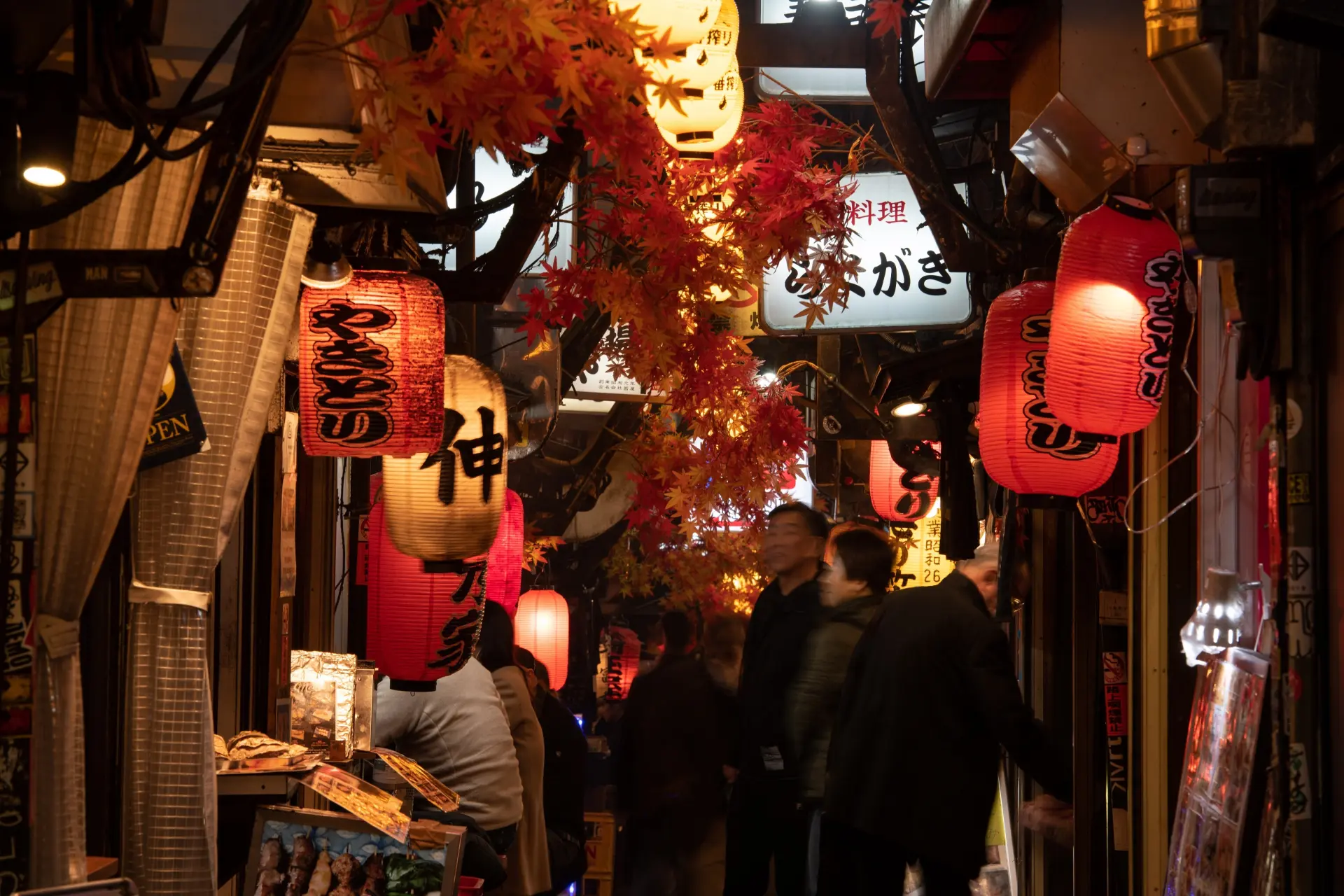
5. Shinjuku Nishiguchi Omoide Yokocho
Located Approx. a 2-minute walk from Shinjuku Station’s West Exit, this area is lined with old-school bars. Including ticket shops and more, there are around 80 businesses serving tasty drinks and food.
There are many newer places, but also long-established shops, and many are built in nagaya-style rowhouses separated by only thin wooden boards, giving it a nostalgic vibe. It’s also fun to enjoy the flavors and the atmosphere.
6. Shinjuku Golden Gai
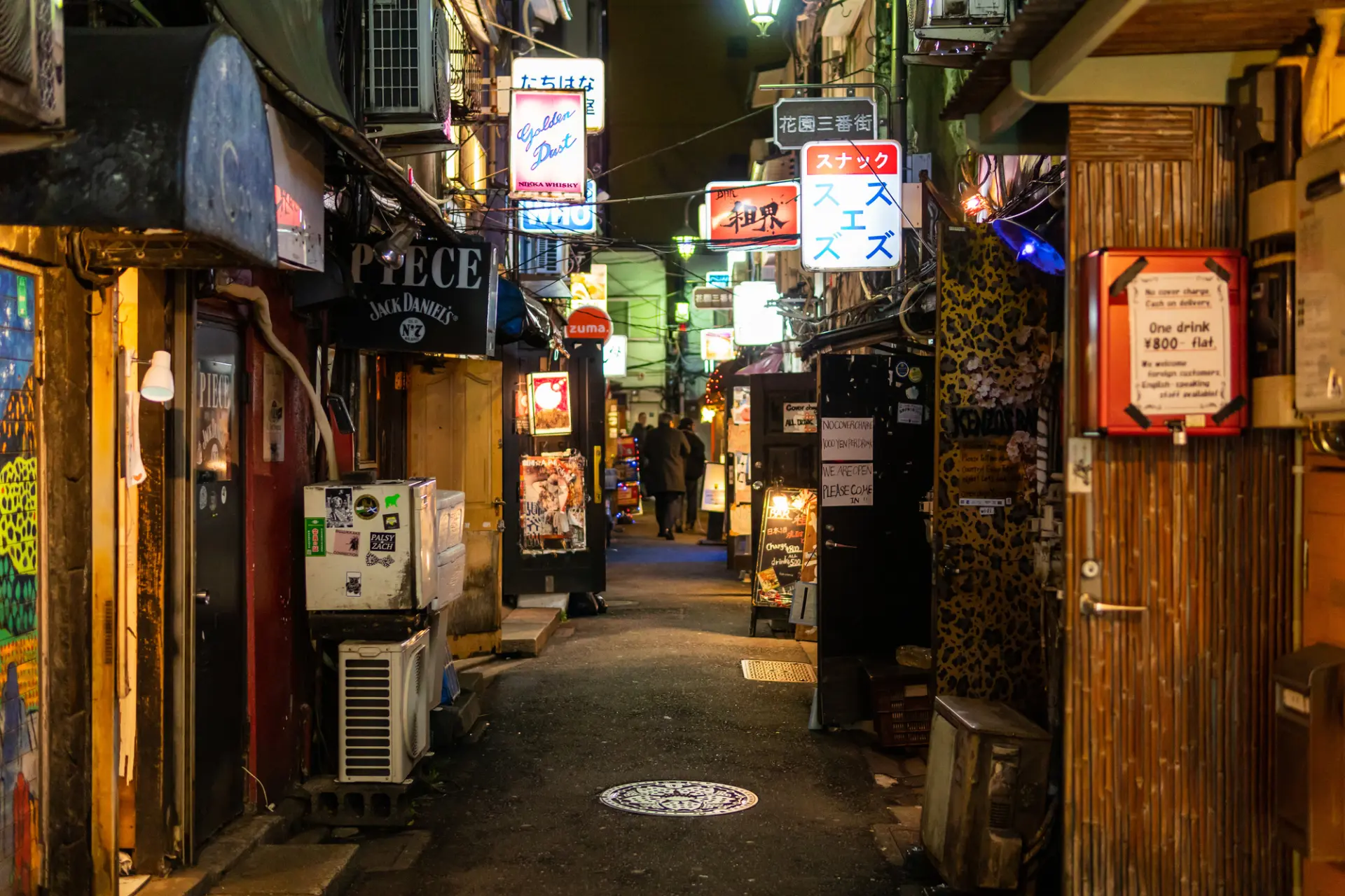
A retro drinking area in Shinjuku Kabukicho, where around 300 small wooden rowhouse-style bars line narrow alleys. It’s known as a place where you can feel Japanese culture up close.
Most places are so small they fill up with just a few people at the counter, so you’re very close to the staff and other customers.
Even if you go alone, the welcoming atmosphere makes it easy to enjoy a drink.
7. Shin-Okubo Koreatown
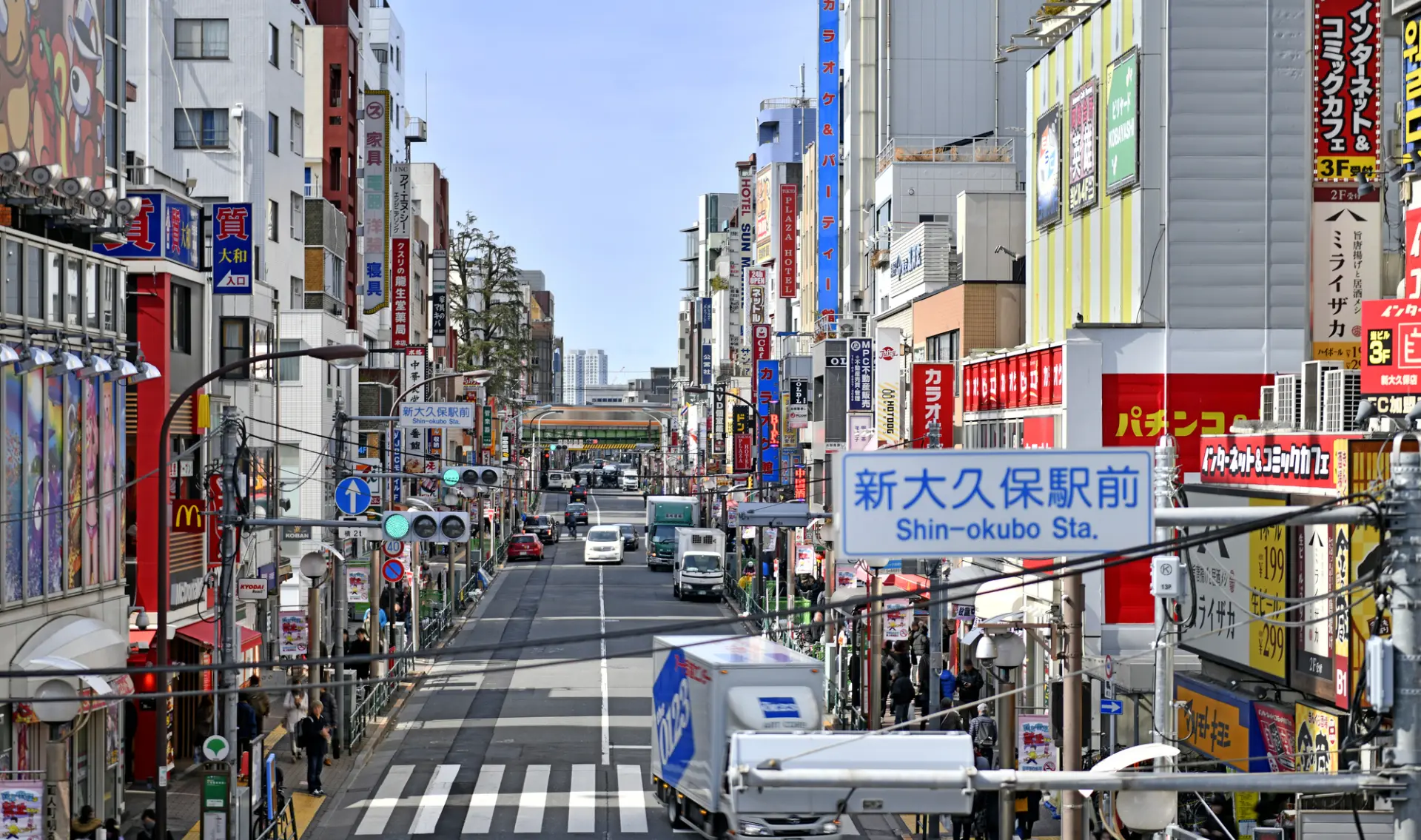
Shin-Okubo Koreatown is Tokyo’s largest Koreatown, located around Shin-Okubo Station, one stop from JR Shinjuku Station.
As a hub for Korean culture, it’s lively with trend-savvy visitors.
From popular Korean food like yakiniku, cheese dak-galbi, and cute-looking sweets to Korean cosmetics and K-POP idol shops, you can experience the latest Korean culture here.
8. Tokyo Shinjuku Chinza Hanazono Shrine
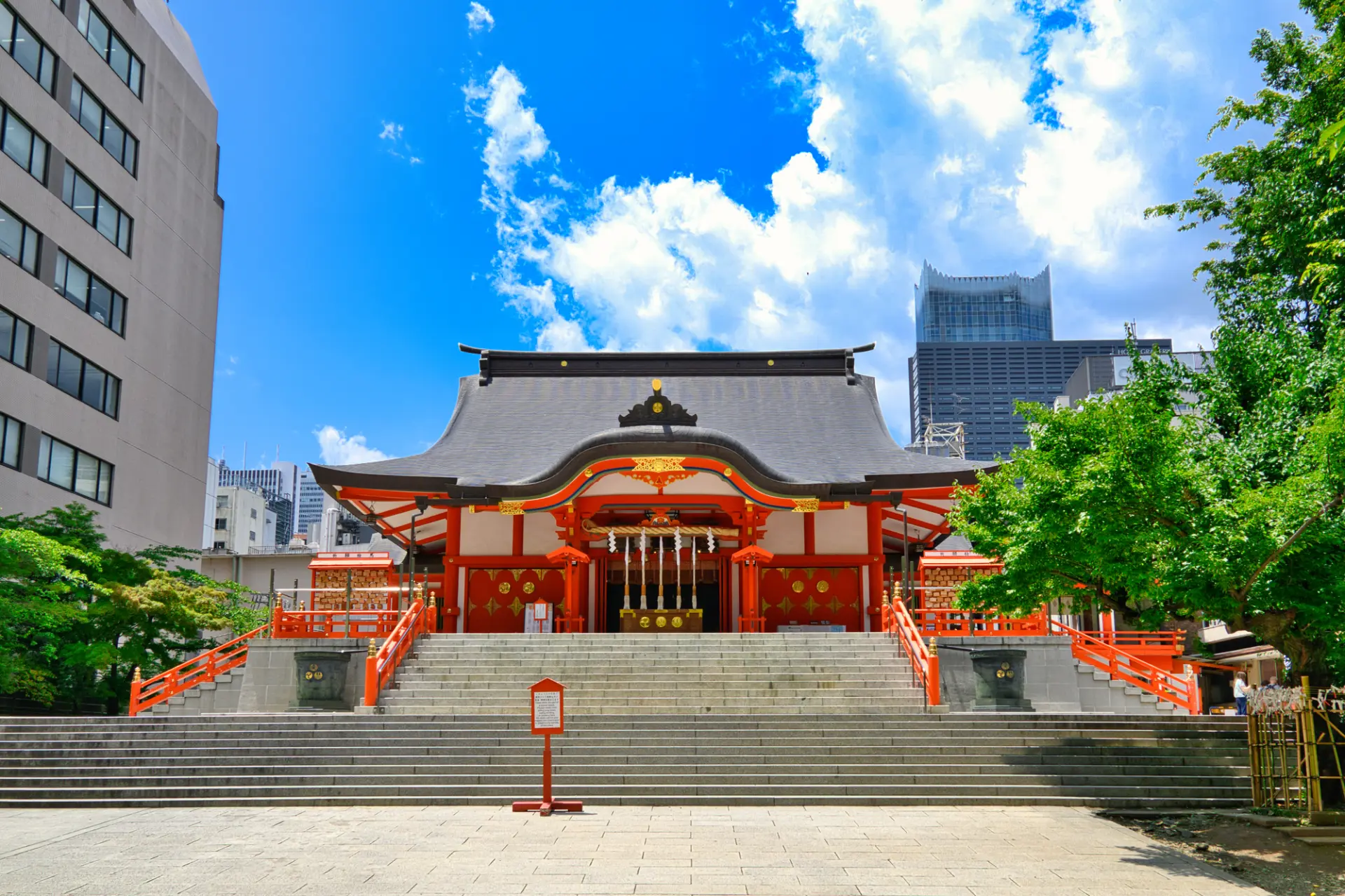
A shrine that has long held an important place as Shinjuku’s guardian shrine, quietly standing amid the busy streets lined with shopping malls and restaurants.
In the Edo period, after the shrine buildings were destroyed by fire, a theater was set up on the grounds to raise funds for rebuilding, hosting shows, plays, and dances that became very popular.
During the Tori-no-Ichi festival held in November, you can see unique performances such as sideshow huts that you won’t find elsewhere.
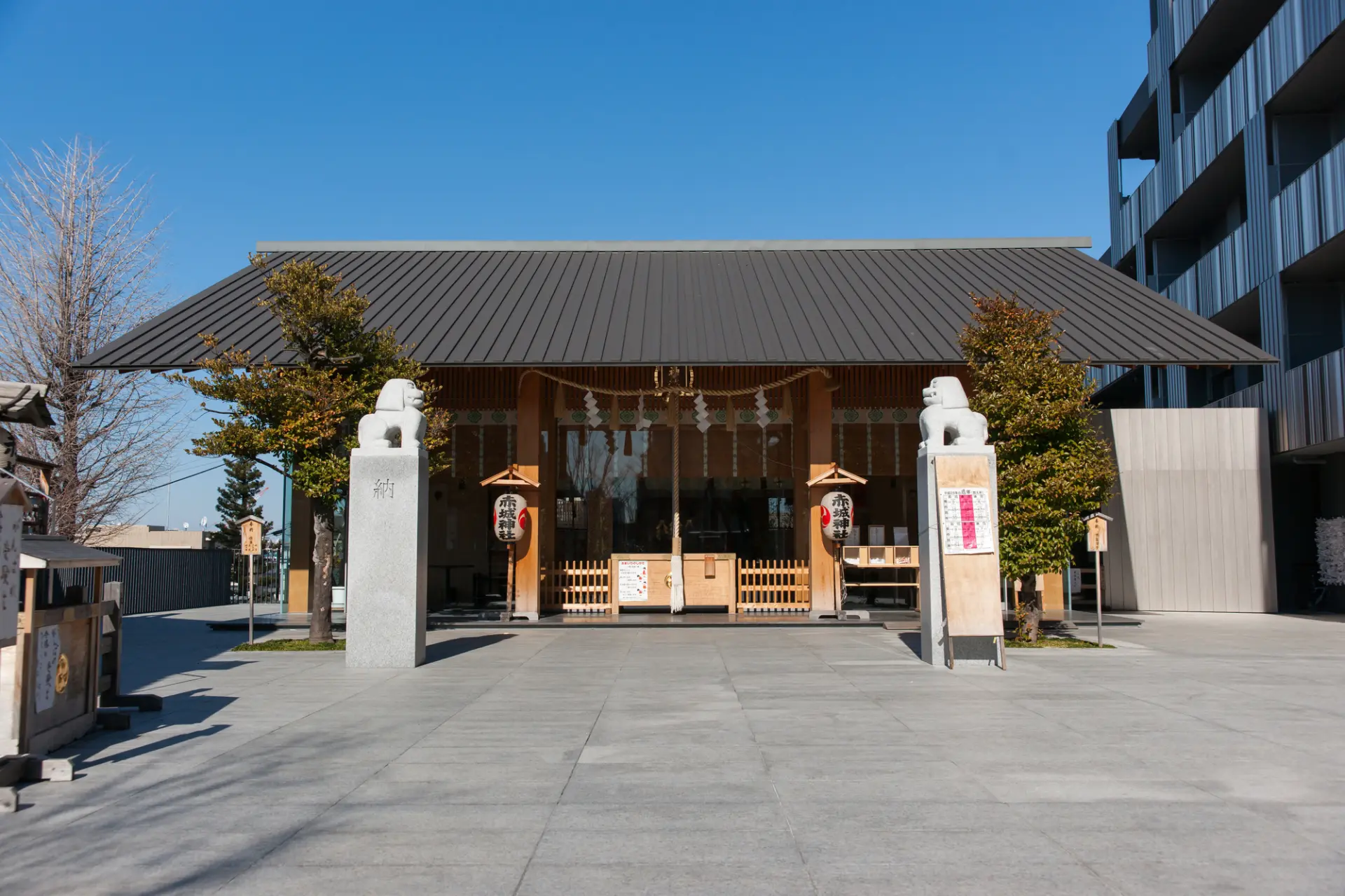
9. Akagi Shrine
Akagi Shrine is said to have begun in 1300, when a divided spirit of Akagi Shrine at the foot of Mt. Akagi in Gunma Prefecture was enshrined here.
It enshrines the deity Iwatsutsuonomikoto, believed to ward off misfortune, and Akagihimemikoto, believed to grant women’s wishes.
The modern glass-fronted shrine building was rebuilt in 2010 by renowned architect Kengo Kuma and is also gaining attention as a stylish shrine.
10. Kagurazaka
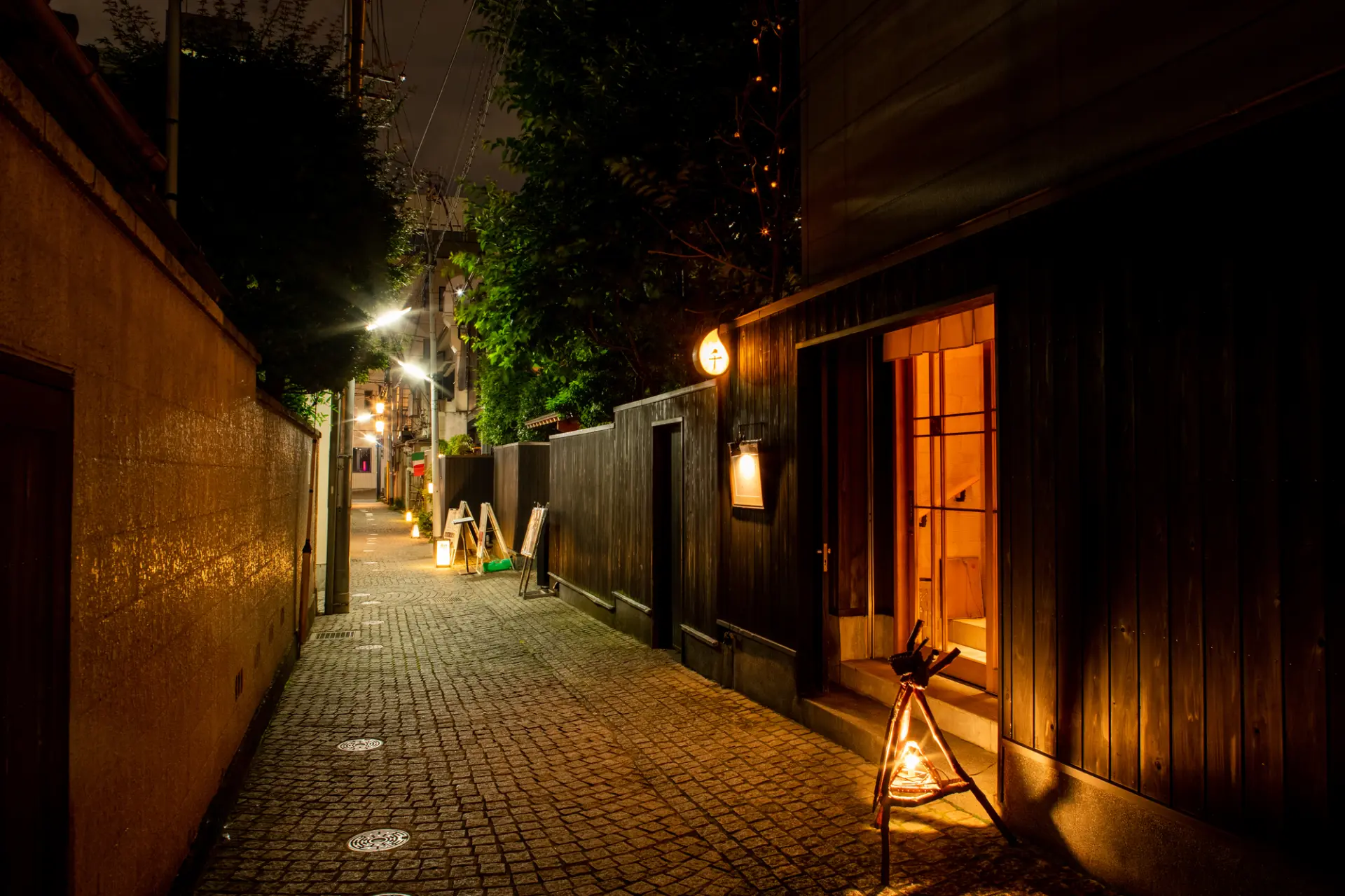
Kagurazaka, located in Shinjuku City, Tokyo, is a former geisha district that developed as a hanamachi (geisha neighborhood).
It has a shopping street with stylish general stores and cafes, but step away from the main road and you’ll find charming stone-paved alleys, traditional black board fences, and long-established Japanese restaurants, creating a more grown-up atmosphere.
There are many narrow, winding alleys, including a street called “Kakurenbo Yokocho” (Hide-and-Seek Alley), named because it’s easy to lose sight of someone you’re following.
Yotsuya Arakicho, another area with traces of a former geisha district, also has rows of traditional kappo restaurants and izakaya, making it a more mature drinking area.
It’s easy to access from Kagurazaka, so it’s recommended to visit together.
11. Shinjuku East Exit Cat
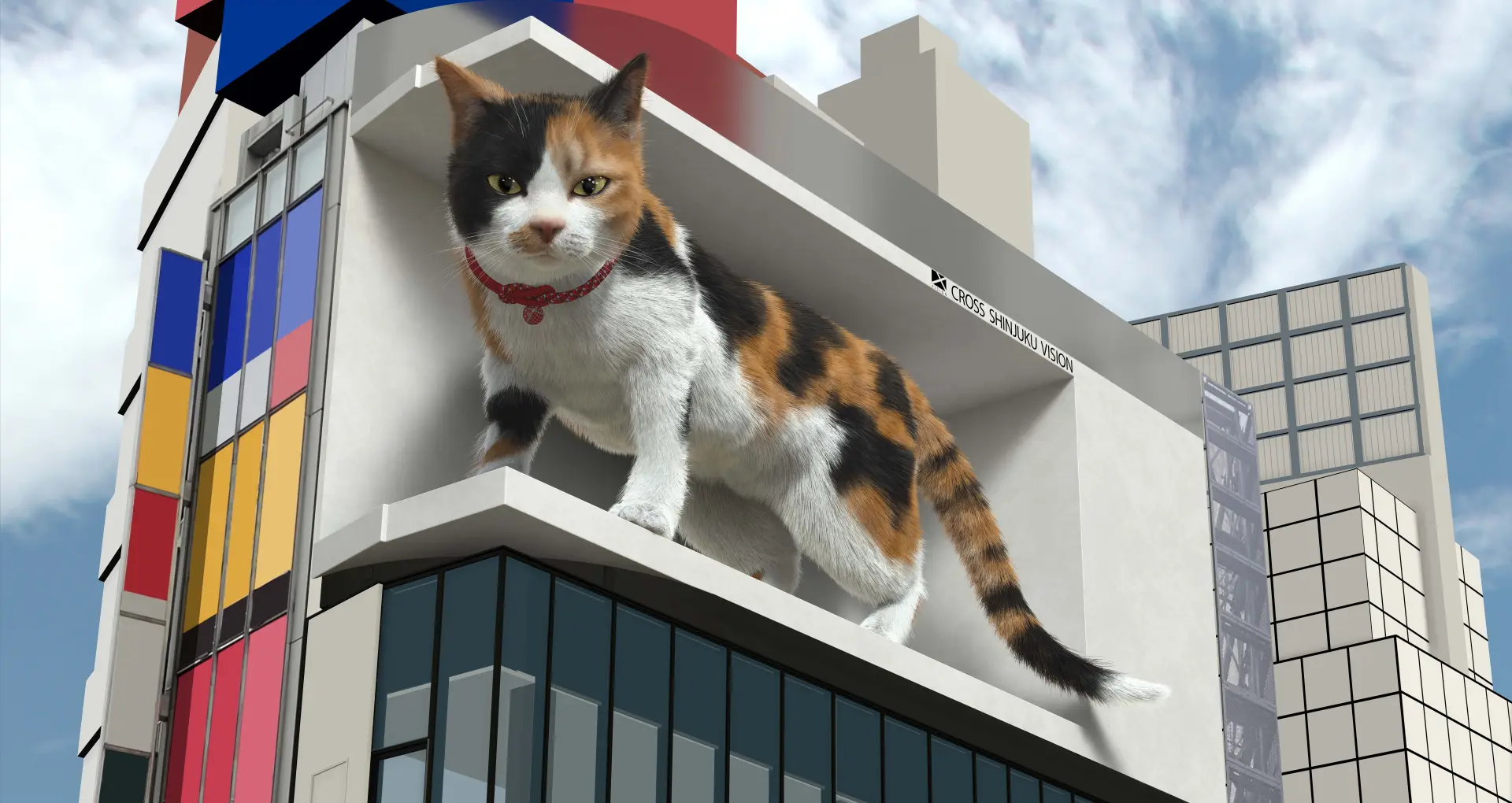
A giant 3D video of a calico cat overlooking the crowds in front of the East Exit plaza of Shinjuku Station, known for having one of the world’s highest passenger volumes.
Its realistic, popping-out effect has become a hot topic, and since debuting in July 2021, it has been featured by many media outlets in Japan and abroad.
This original calico cat, meticulously designed using visual illusions, appears between advertisements.
So you don’t miss it, a “Cat Channel” featuring the 3D cat video is shown every 15 minutes at :00, :15, :30, and :45.
12. Toyama Park
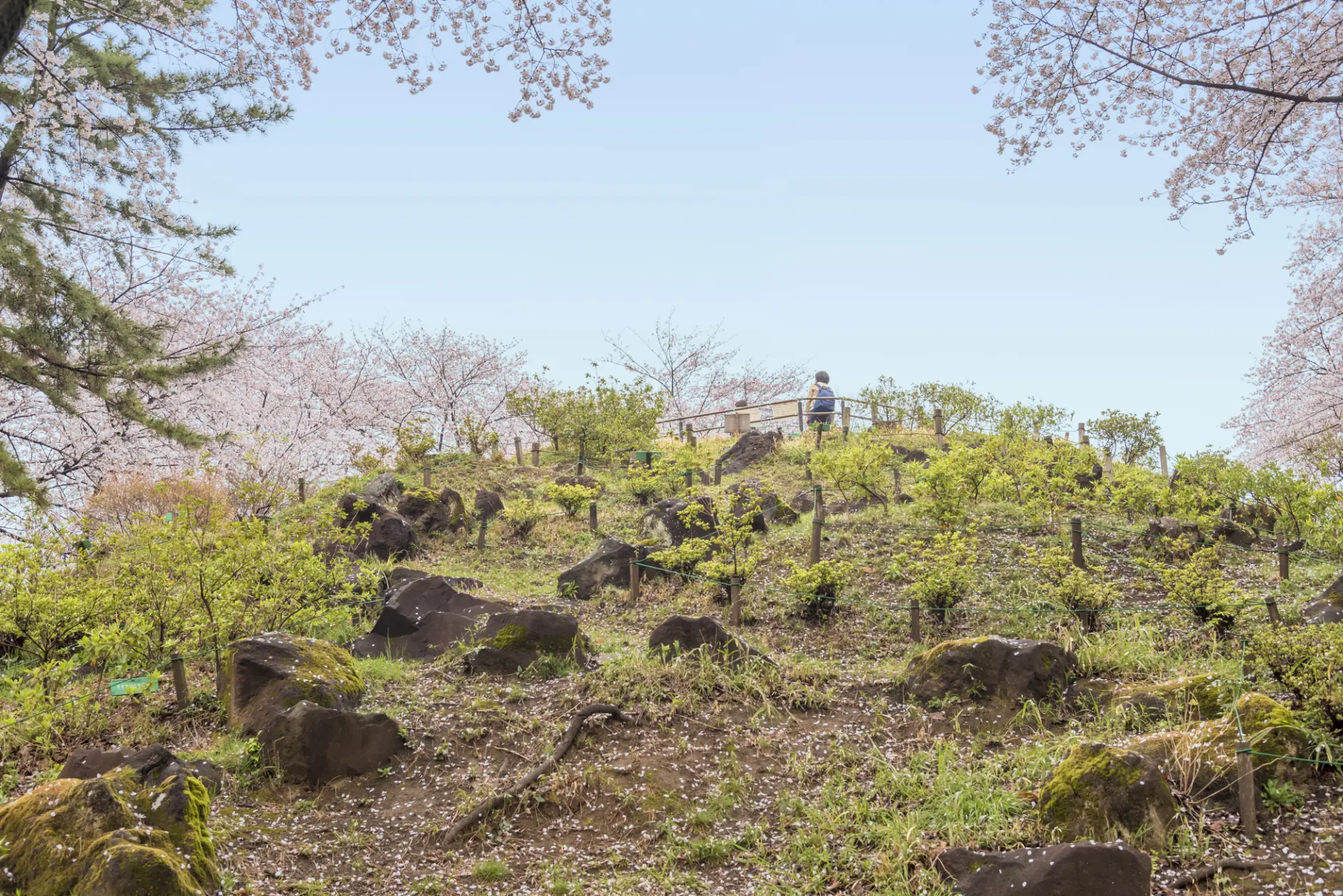
Toyama Park is split into two main areas: the Hakoneyama area centered around Mt. Hakone, the highest point inside the Yamanote Line, and the Okubo area across Meiji-dori Avenue.
Mt. Hakone is only 44.6 meters tall, but it’s the highest point within the Yamanote Line, and you can enjoy views of the park from the summit.
Mt. Hakone is also planted with many Somei-Yoshino cherry trees, making it a well-known hanami spot that attracts many visitors in spring.
13. Meiji Jingu Gaien
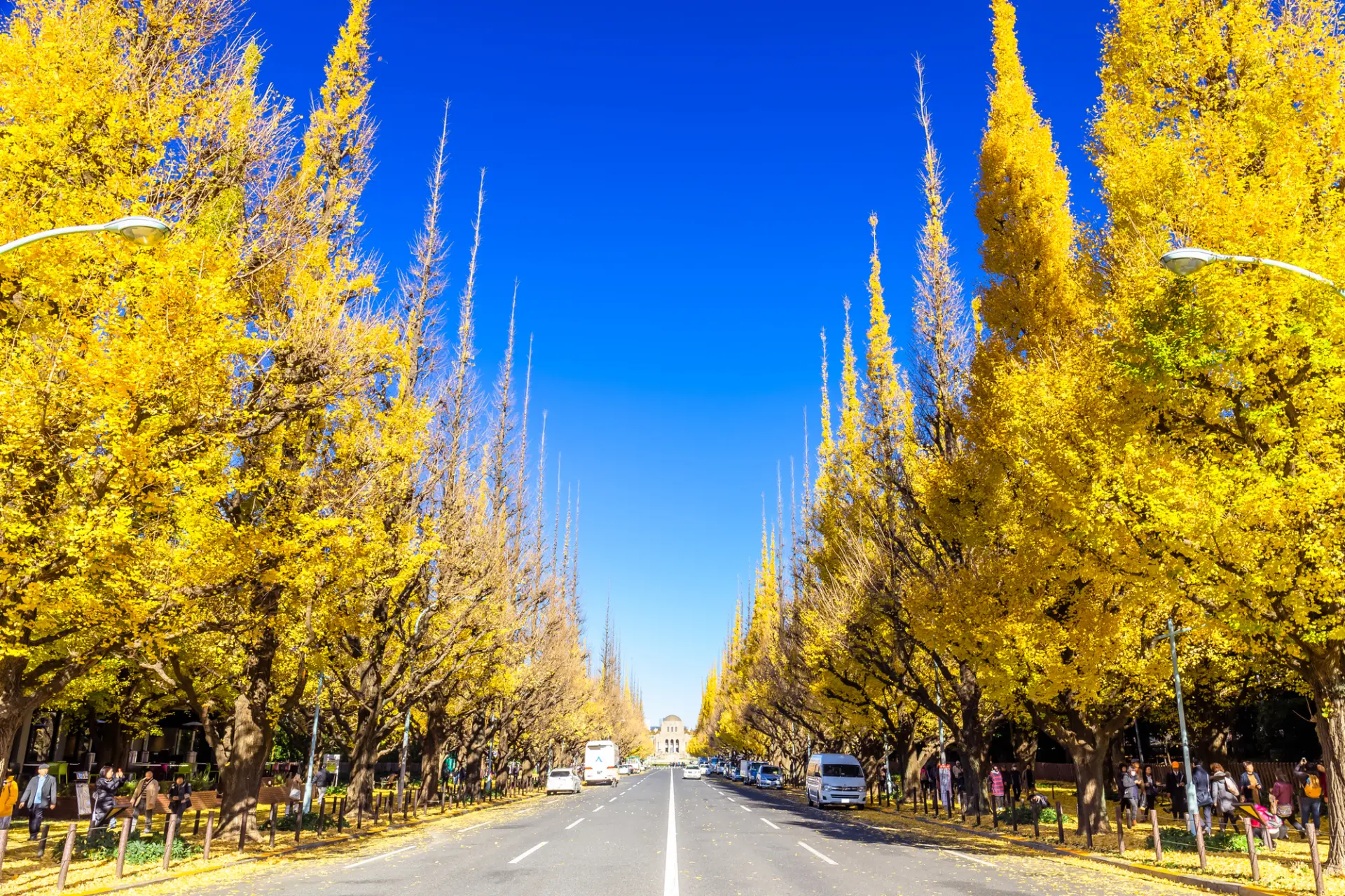
The outer gardens of Meiji Jingu, founded in 1926. Centered around the Meiji Memorial Picture Gallery, you can enjoy a variety of sports facilities, including Meiji Jingu Stadium, along with seasonal nature.
The famous ginkgo tree-lined avenue stretches Approx. 300 meters from Aoyama-dori Avenue to the Meiji Memorial Picture Gallery. In fall, it becomes a beautiful golden tunnel.
In spring, around 400 cherry trees bloom, and the cherry blossoms surrounding the gallery are especially impressive.
14. Lumine the Yoshimoto
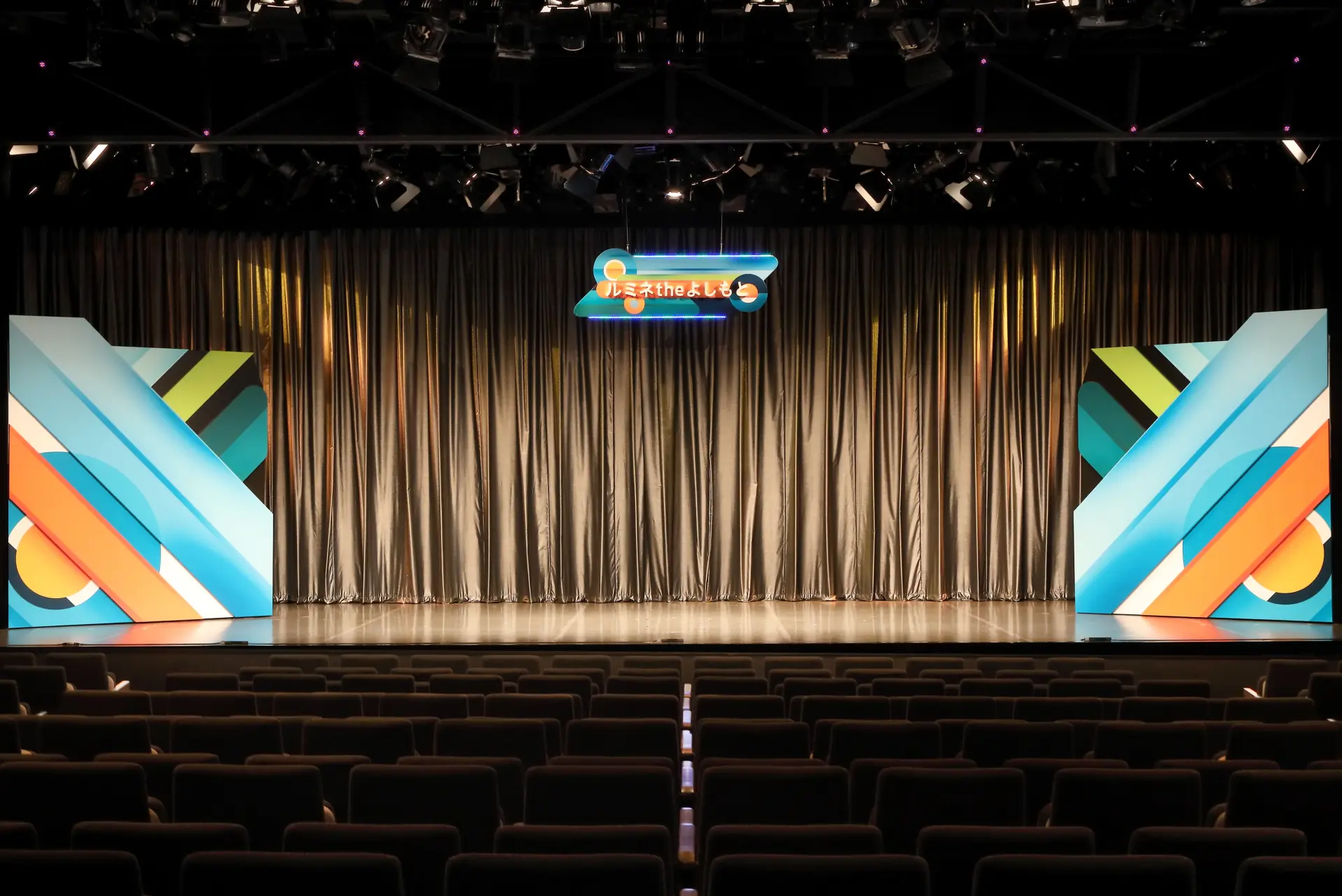
Lumine the Yoshimoto is on the 7th floor of Shinjuku Lumine 2, a commercial building right by the South Exit of JR Shinjuku Station.
With 458 seats, it’s Yoshimoto Kogyo’s largest permanent theater in eastern Japan.
Many familiar comedians appear, including champions and finalists from competitions like the M-1 Grand Prix and R-1 Grand Prix.
They put on 2 to 3 shows daily, including manzai and comedy skits.
15. Shinjuku Suehirotei
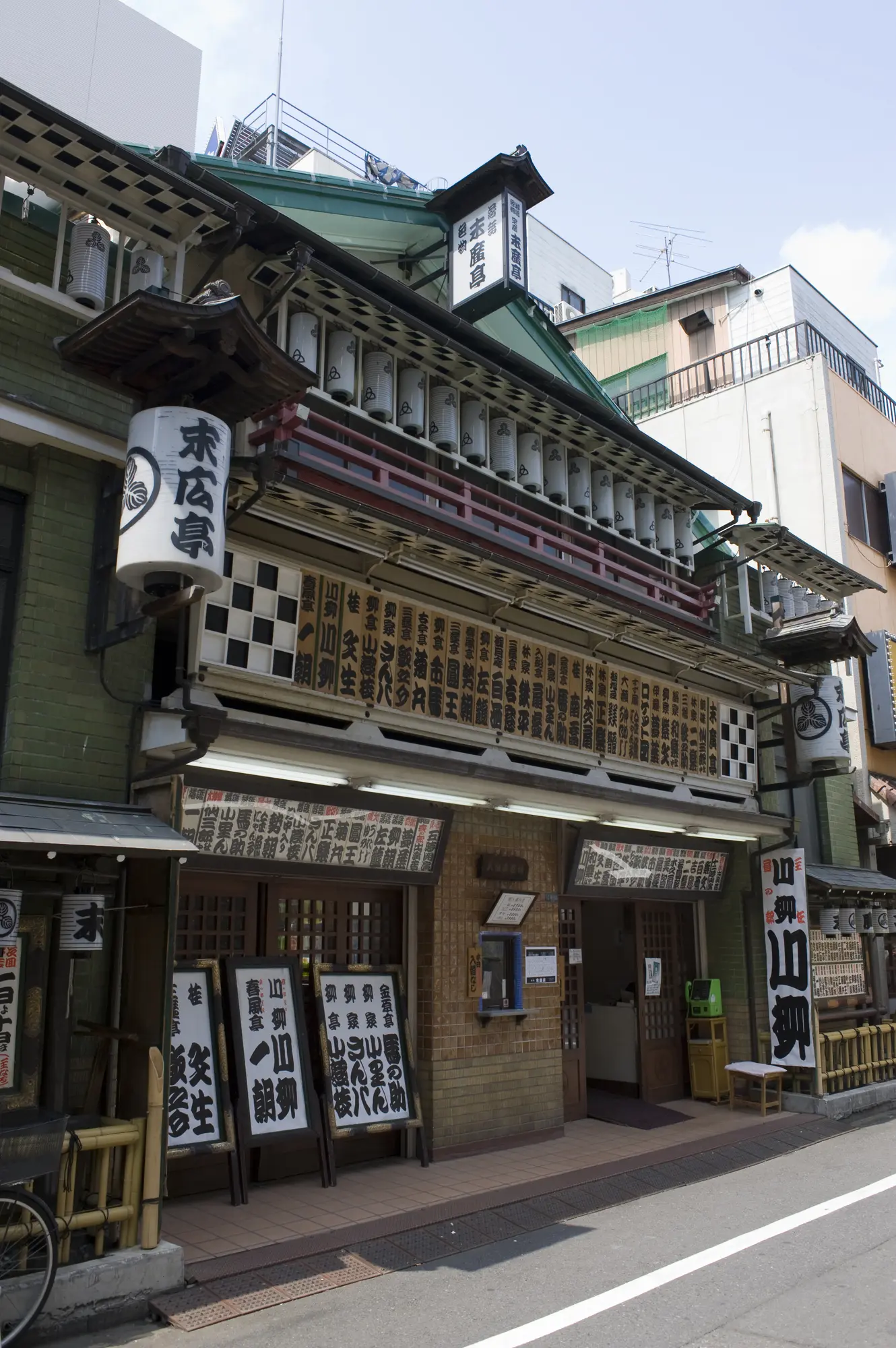
A yose (traditional vaudeville theater) where you can enjoy Japanese performing arts such as rakugo, manzai, and kodan. The wooden building feels very Japan-like and full of history, with many lanterns and rakugo performers’ names displayed.
Rakugo and manzai are in Japanese, but there are also many other performance genres like magic, acrobatics, and zokkyoku that you can enjoy just by watching.
All seating is unreserved, with both tatami floor seating and chair seating. There’s also a second-floor seating area overlooking the stage.
16. Yayoi Kusama Museum
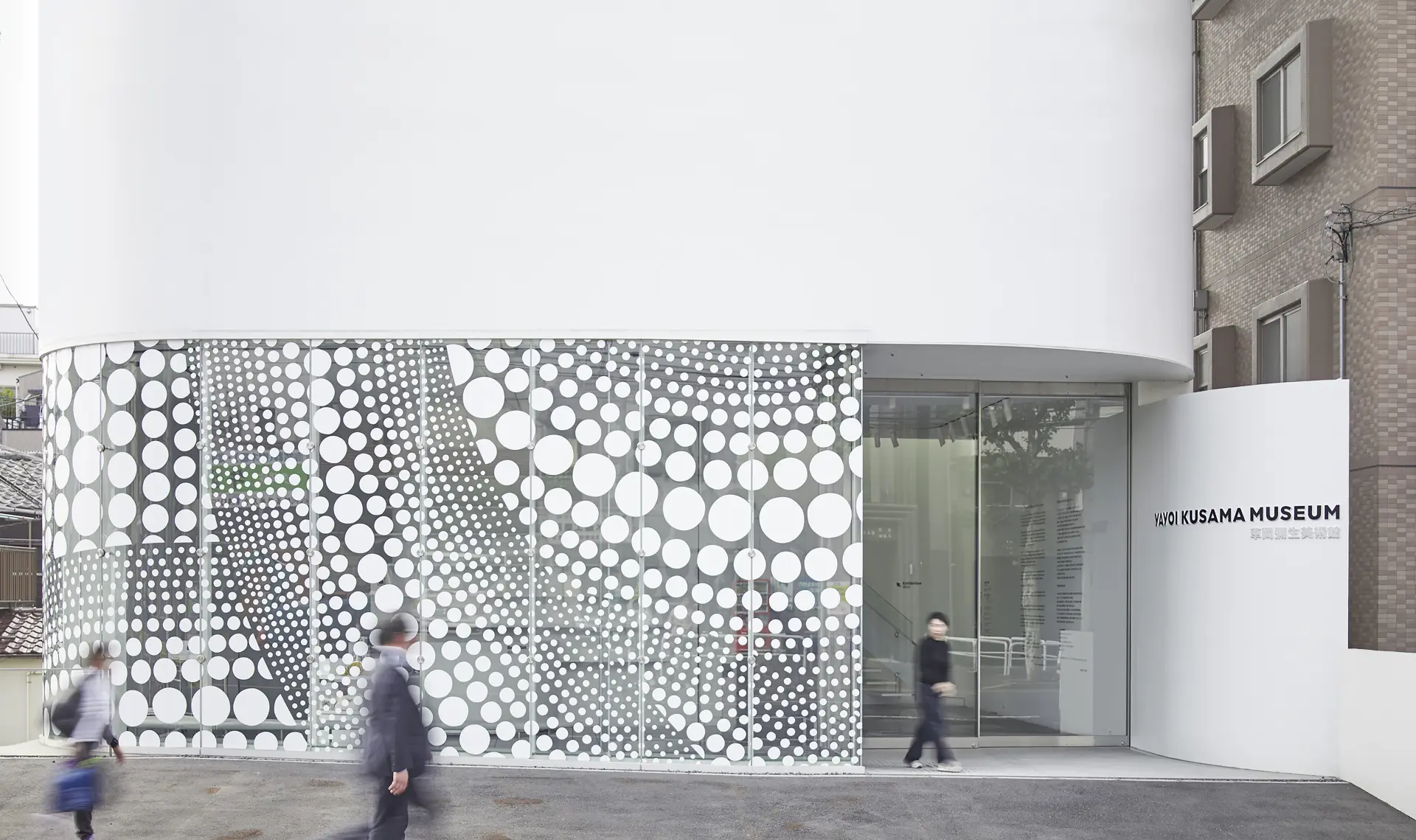
A museum filled with the world of internationally renowned artist Yayoi Kusama. The sleek, sophisticated white five-story building begins your Kusama experience right at the entrance, where glass covered in polka dots sets the tone.
A rare museum in Tokyo where you can always view Yayoi Kusama’s works: the 1st floor has reception and a museum shop, the 2nd and 3rd floors are exhibition galleries, the 4th floor features an installation, and the 5th floor includes a rooftop gallery and a browsing space where you can read related books.
17. Tokyo Toy Museum
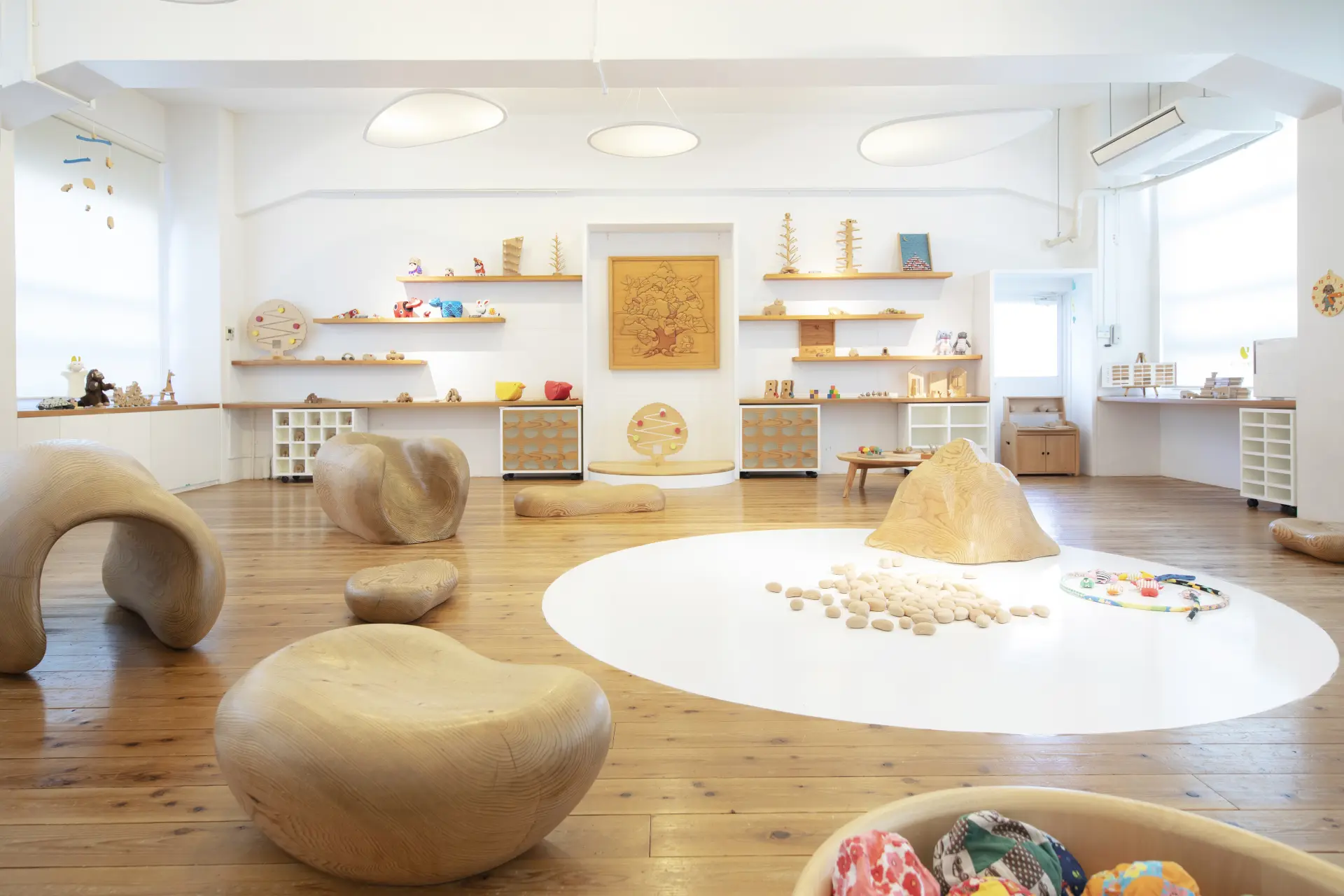
A museum where people of all ages can enjoy playing with toys, based on the theme “play, create, and meet.”
The building, a renovated former elementary school (the former Yotsuya 4th Elementary School) built before WWII and now closed, has become a warm space renovated with plenty of Japanese wood.
Inside are eight rooms where you can play and experience the charm of toys, including “Toy Forest,” where you can play with toys and playground equipment crafted by artisans using Japanese wood, such as a ball pool filled with 20,000 wooden balls made from hardwood from Hokkaido.
18. Kinokuniya Shinjuku Main Store
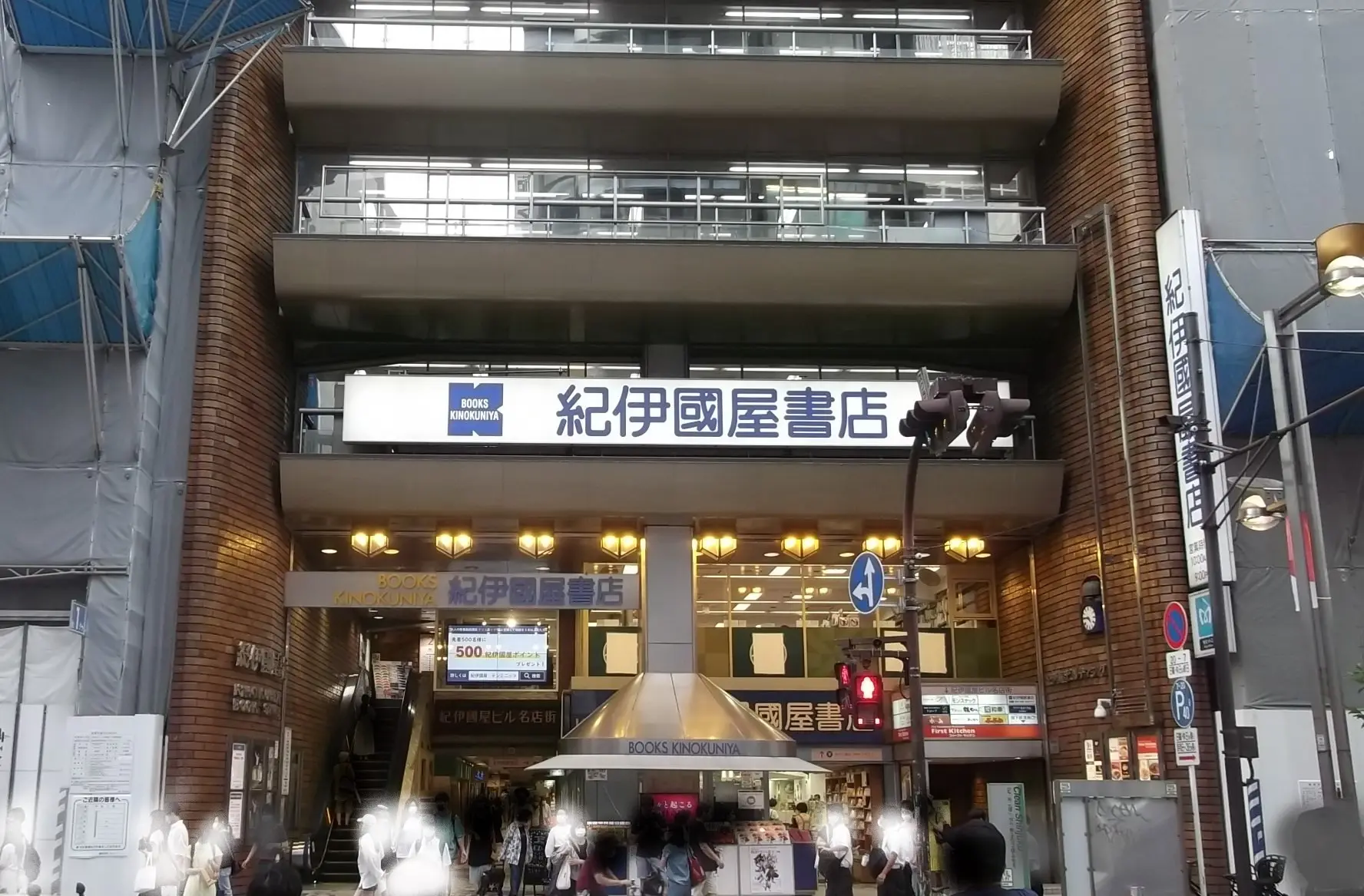
Kinokuniya Shinjuku Main Store is a large bookstore on Shinjuku-dori near Shinjuku Station’s East Exit. Since its founding in 1927, it has supported the growth of Shinjuku and is a major presence in the neighborhood.
The current Kinokuniya Building was completed in 1964, and in 2017 it was also selected as a “Historic Building” by the Tokyo Metropolitan Government.
With its solid, distinctive exterior, the 1st floor is designed as a passage you can walk through to the other side.
On the 1st floor, the A Zone near Shinjuku-dori is stocked with the latest new books and magazines, while the foreign books and English-language newspapers section in the back C Zone is the tax-free counter.
From the 2nd floor up, each floor is dedicated to specialized books, offering a wide selection.
19. Fire Museum (Tokyo Fire Department Firefighting and Disaster Prevention Reference Center)
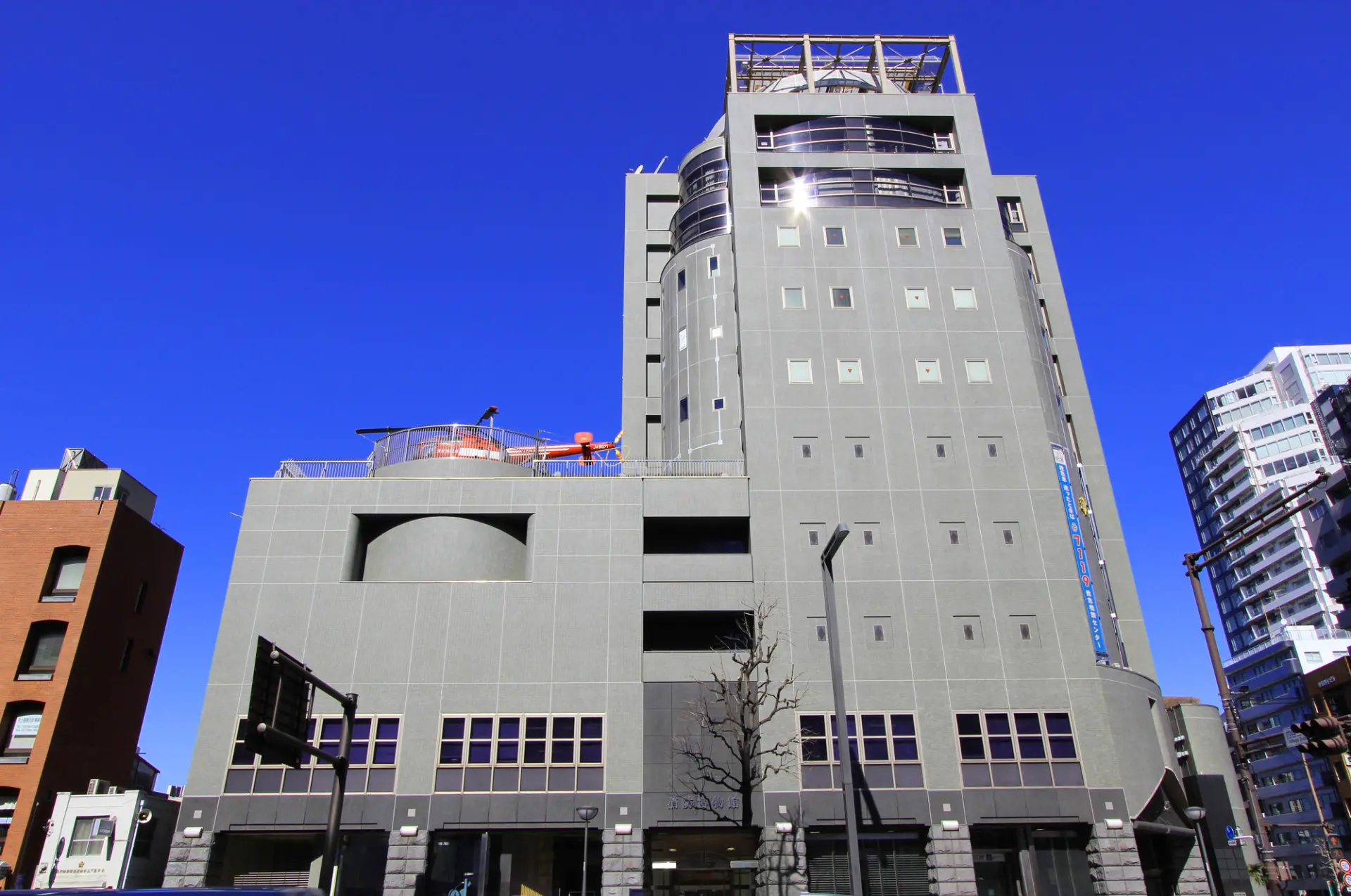
Opened on December 3, 1992, as a PR and educational facility where you can learn all about firefighting, which supports Tokyo’s safety and peace of mind. Its official name is the Tokyo Fire Department Firefighting and Disaster Prevention Reference Center.
The museum features dioramas recreating Edo-period firefighters and displays of fire engines that were once in service, letting you learn how firefighting has changed over time.
You can also sit in the cockpit of a display helicopter installed outdoors.
5 Things to Do in Shinjuku
Shinjuku has many different charms, but the “five things” below are especially worth adding to your sightseeing plan.
Do so, and you’ll enjoy Shinjuku-only experiences that are sure to leave strong travel memories.
1. Stroll through Kabukicho, one of Japan’s top entertainment districts
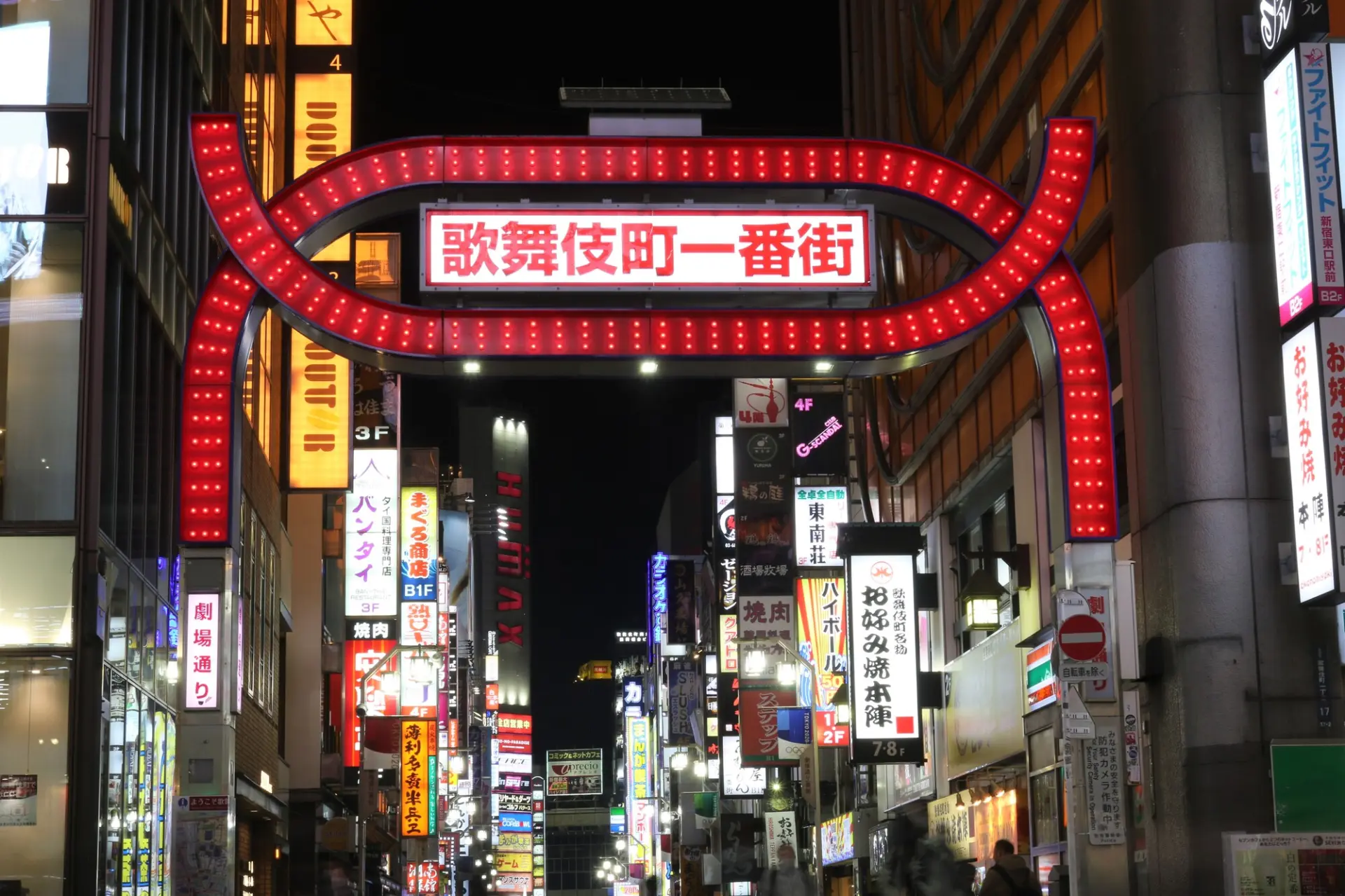
One of Shinjuku’s most iconic areas is neon-lit Kabukicho.
With restaurants and entertainment venues packed together, it shows a completely different face in the daytime and at night.
At night in particular, you can feel the energy that comes with one of Japan’s biggest entertainment districts—just walking the lively streets gives you a taste of Shinjuku’s “city that never sleeps” side.
A well-known landmark is the Godzilla Head, instantly recognizable for its massive presence.
As a Kabukicho symbol, it’s a classic photo spot for many visitors.
In recent years, new attractions have continued to appear, including Tokyu Kabukicho Tower, packed with entertainment and hotels, and Hanamichi Tokyo Kabukicho, where you’ll find dining and hands-on spots themed around Japanese culture.
2. Take in Tokyo’s skyscrapers from a free observation deck
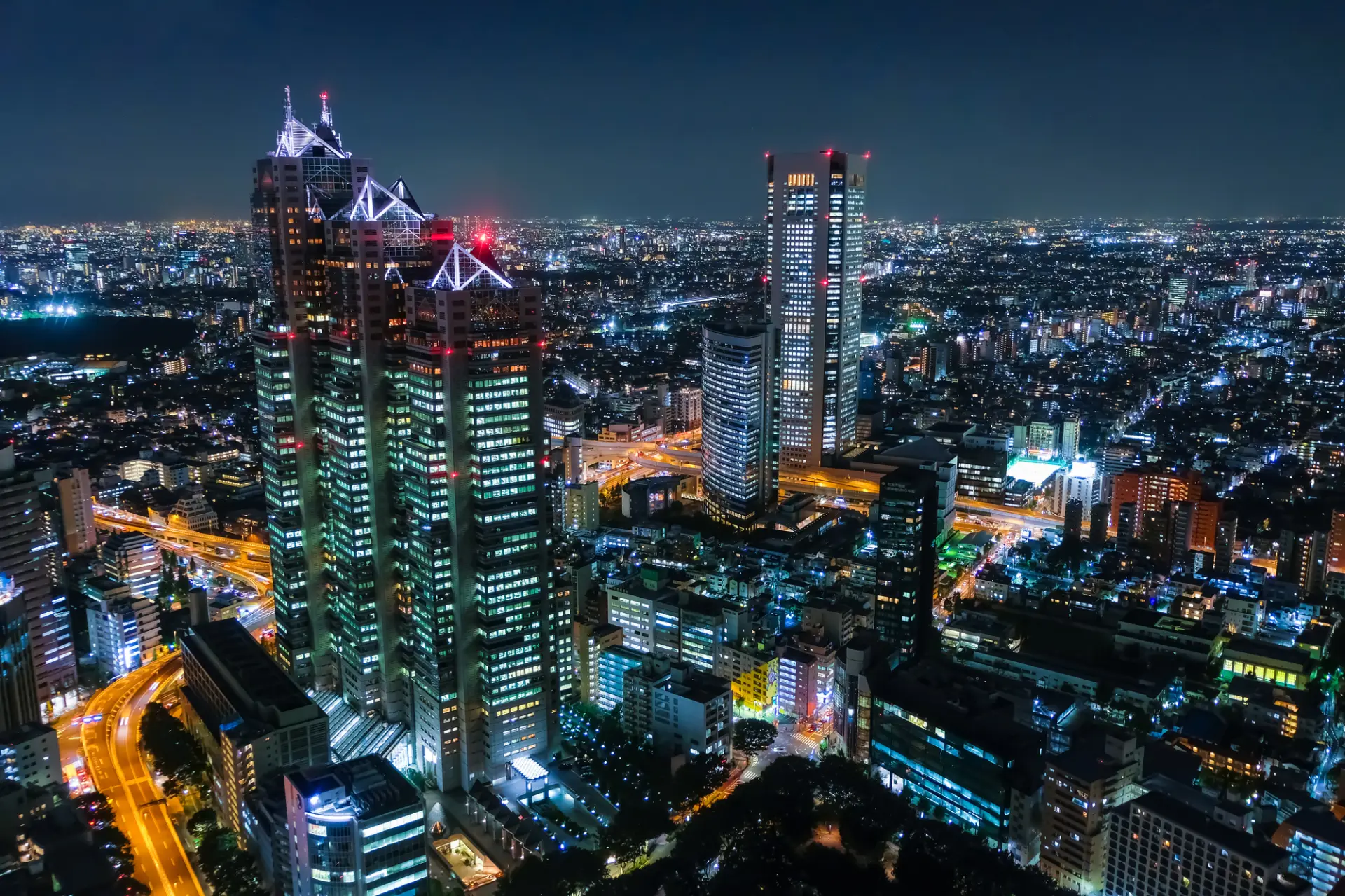
For a truly Tokyo view in Shinjuku, head to the Tokyo Metropolitan Government Building observation deck.
Located around 200 meters above ground, the deck is free to enter and is a classic spot for easy panoramic city views.
To the northeast, you can see Tokyo Skytree, and to the southwest, a cluster of towers including Shinjuku Park Tower and Tokyo Opera City—urban scenery stretches as far as you can see in every direction.
Enjoy the sheer scale of the city by day, and glittering city lights by night.
Also worth checking out is the Tocho Omoide Piano in the South Observation Deck, which anyone can play.
After taking in the views, stopping by to play a few notes as a travel memory is a Shinjuku-only experience.
3. Experience rich nature in the heart of the city
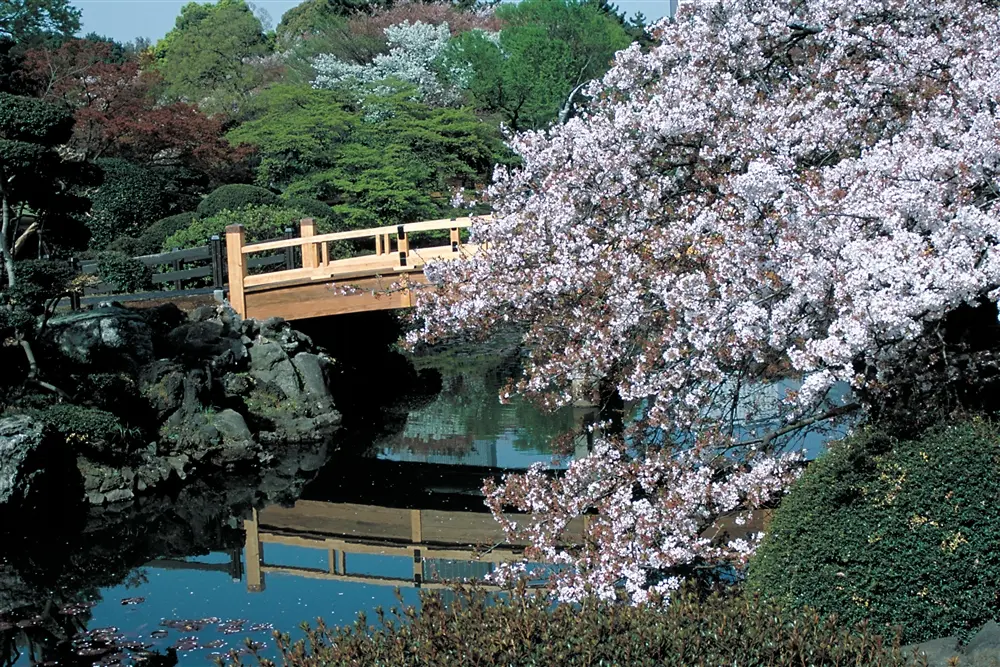
Even in the center of Shinjuku, Shinjuku Gyoen is a classic spot where you can forget the city buzz and enjoy nature, making it a must for your itinerary.
Across its expansive grounds are three distinct gardens—the Japanese garden, the formal garden, and the landscape garden—making it a popular oasis for seasonal scenery.
In spring, Approx. 900 cherry trees selected among Japan’s “Top 100 Cherry Blossom Spots” bloom at once, tinting the garden a soft pink.
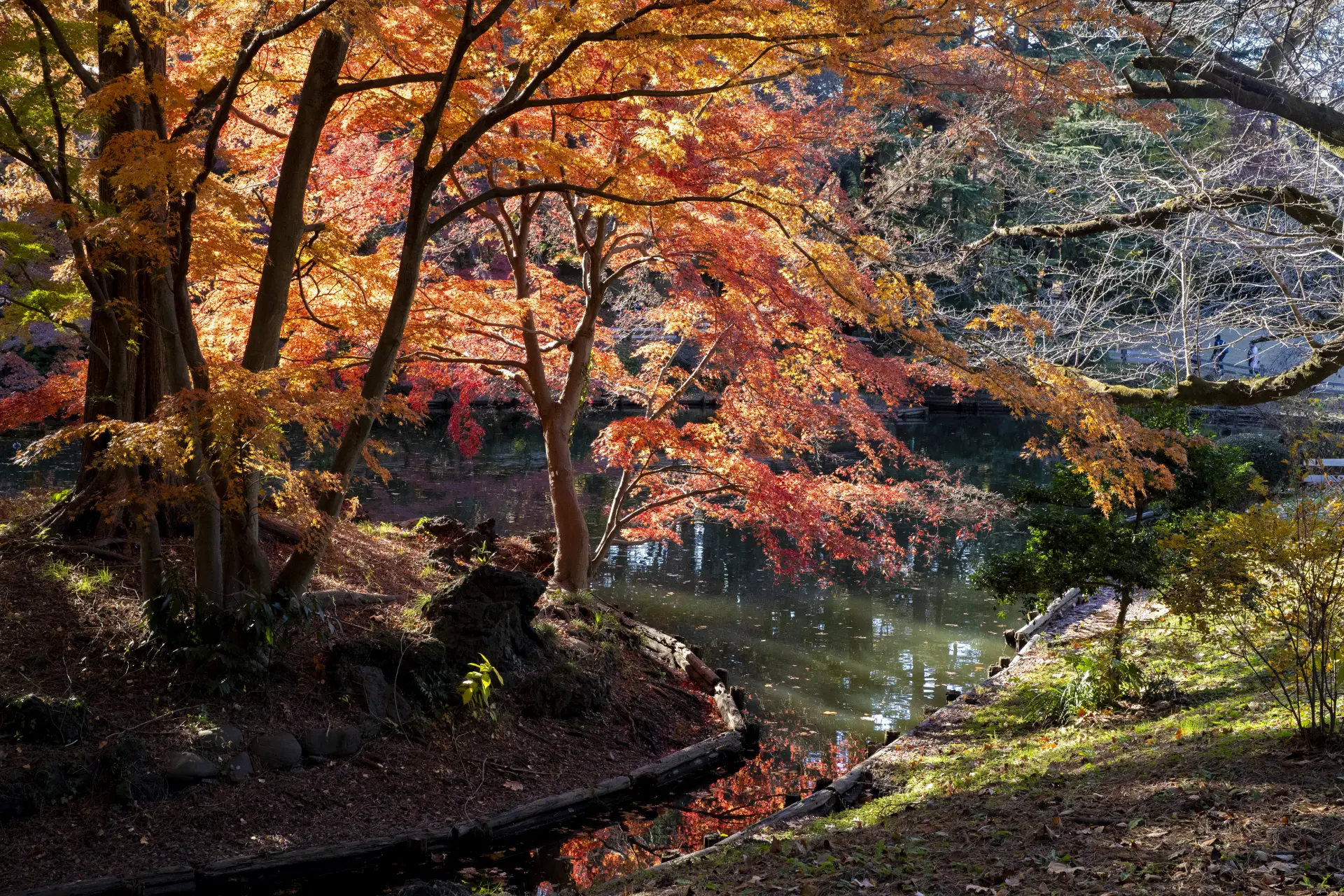
In fall, trees turn red, orange, and gold, wrapping the garden in vivid color.
The plane tree avenue and maple colors are especially beautiful, and the fall foliage season draws big crowds.
Since spring and fall can be especially busy, plan to visit with extra time.
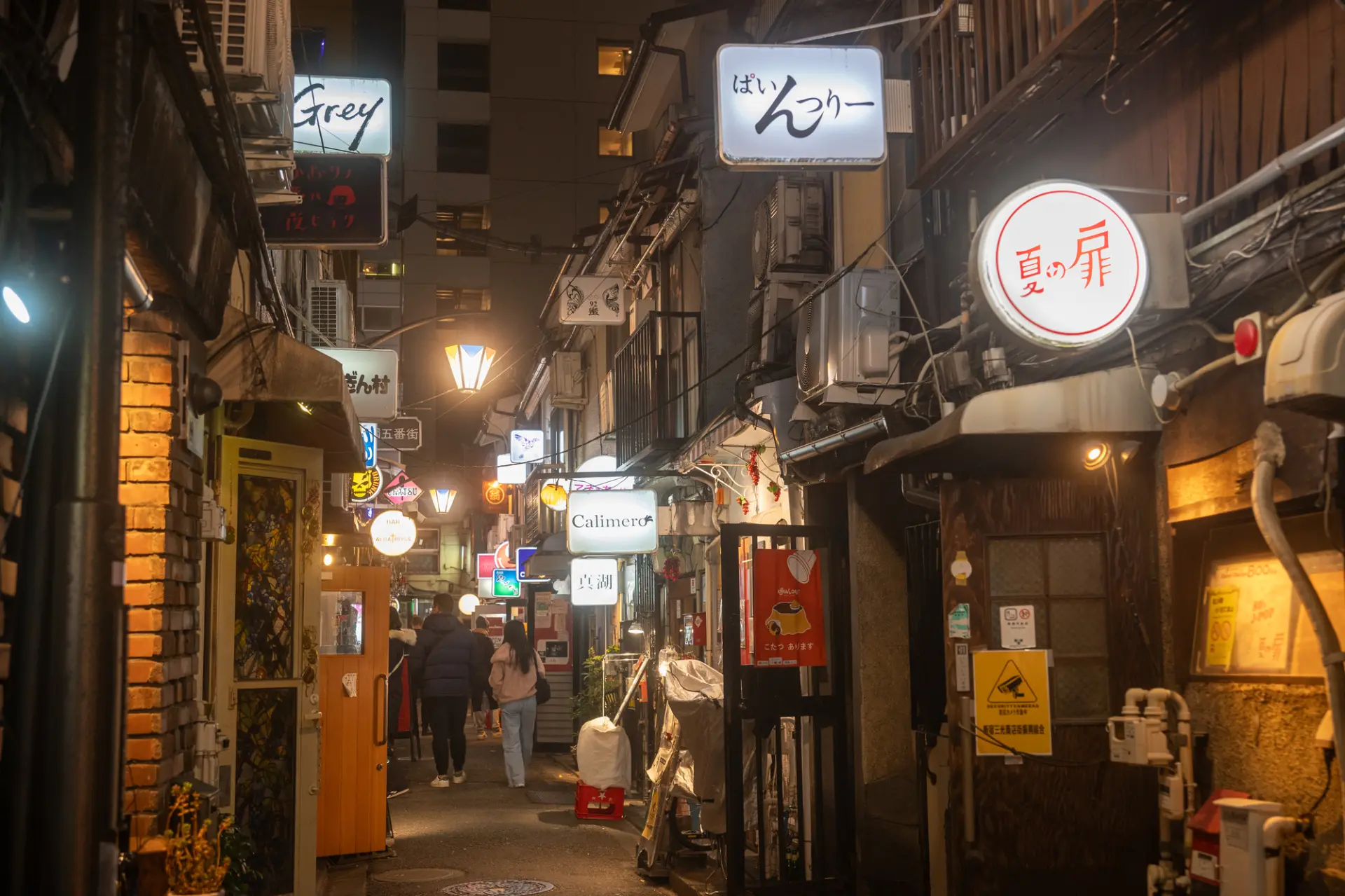
4. Bar-hop through Shinjuku’s deep alleyways and drinking districts
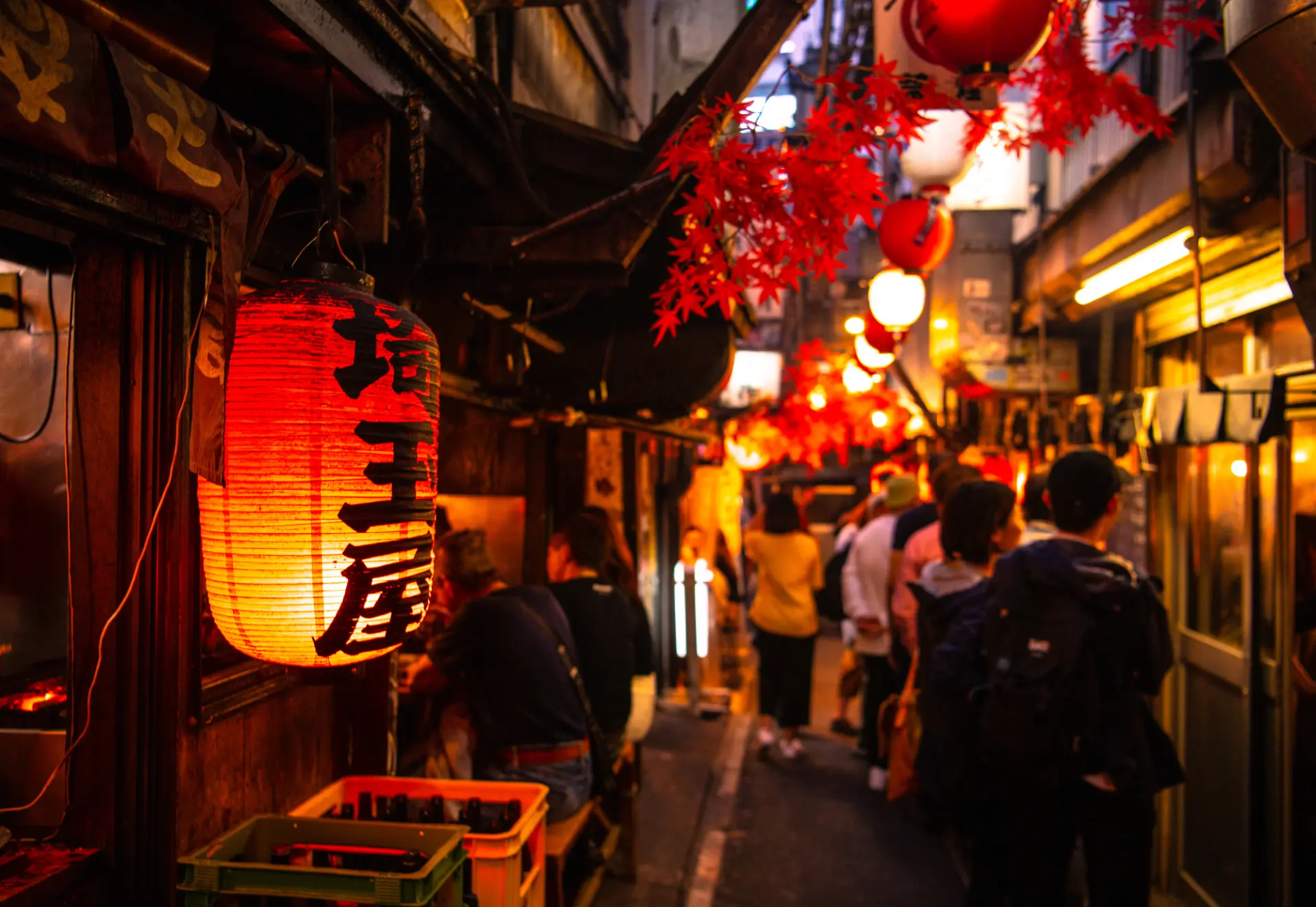
If you want to experience a deeper side of Shinjuku nightlife, don’t miss bar-hopping through narrow alleys packed with tiny eateries and bars that preserve a strong Showa-retro atmosphere.
Omoide Yokocho near Shinjuku Station’s West Exit is lined with classic izakaya serving favorites like yakitori and motsuni (stewed offal).
Meanwhile, Shinjuku Golden Gai in Kabukicho is known as an even more distinctive drinking district.
Small bars are tightly packed together, and each shop has its own unique concept and vibe.
Both areas have plenty of casual places to drop in, where after-work locals and travelers mix together, letting you feel Shinjuku’s everyday nightlife.
The classic way to enjoy it is to hop between a few places rather than staying too long at just one.
5. Enjoy shopping at department stores and large commercial complexes
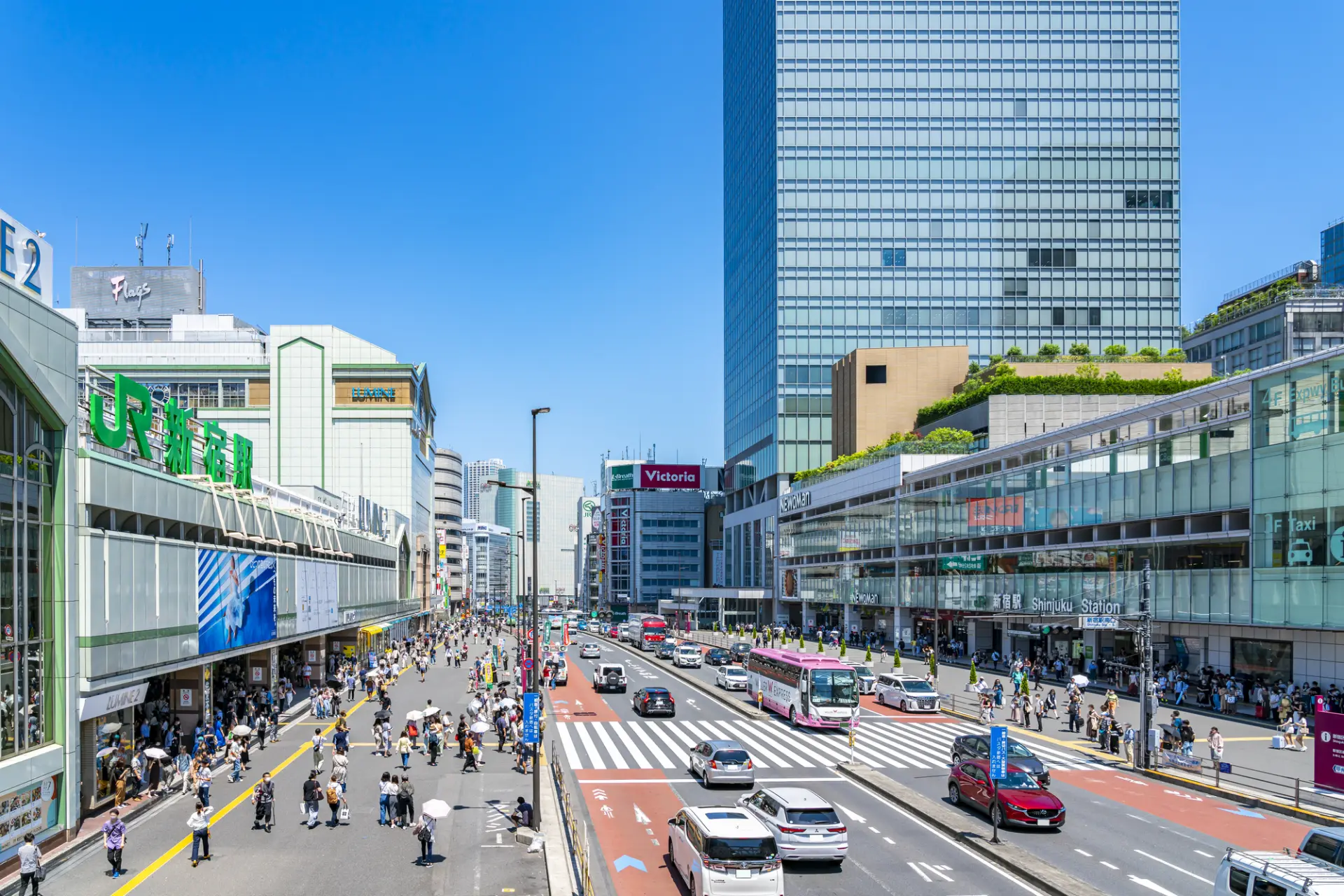
Shinjuku is also known as one of Japan’s top shopping areas, with everything from long-established department stores to large commercial complexes all within walking distance of the station.
With fashion, food, and souvenir shopping all in one place, you can shop efficiently even with limited time.
Directly connected to Shinjuku Station, NEWoMan SHINJUKU and Lumine Est near the East Exit are packed with youth-oriented fashion, lifestyle goods, and cafes.
Isetan Shinjuku, a long-running department store whose main building is designated a historic structure by Tokyo, also brings together a wide range of shops, especially in fashion.
Being able to enjoy a Tokyo-style shopping experience between sightseeing stops is part of Shinjuku’s appeal.
9 Popular Restaurants to Visit for Great Food in Shinjuku
Shinjuku is full of great restaurants, so you’ll want to enjoy food along with sightseeing and shopping.
Here are some especially popular picks among the many options.
1. Shinjuku Kappo Nakajima
A kappo restaurant tucked into an alley in Shinjuku-sanchome, serving seasonal ingredients in refined Japanese dishes.
Even though it’s close to the busy downtown area, the inside remains quiet and calm.
Seating is mainly at the counter and tables, designed so you can sense the kitchen’s energy while you dine.
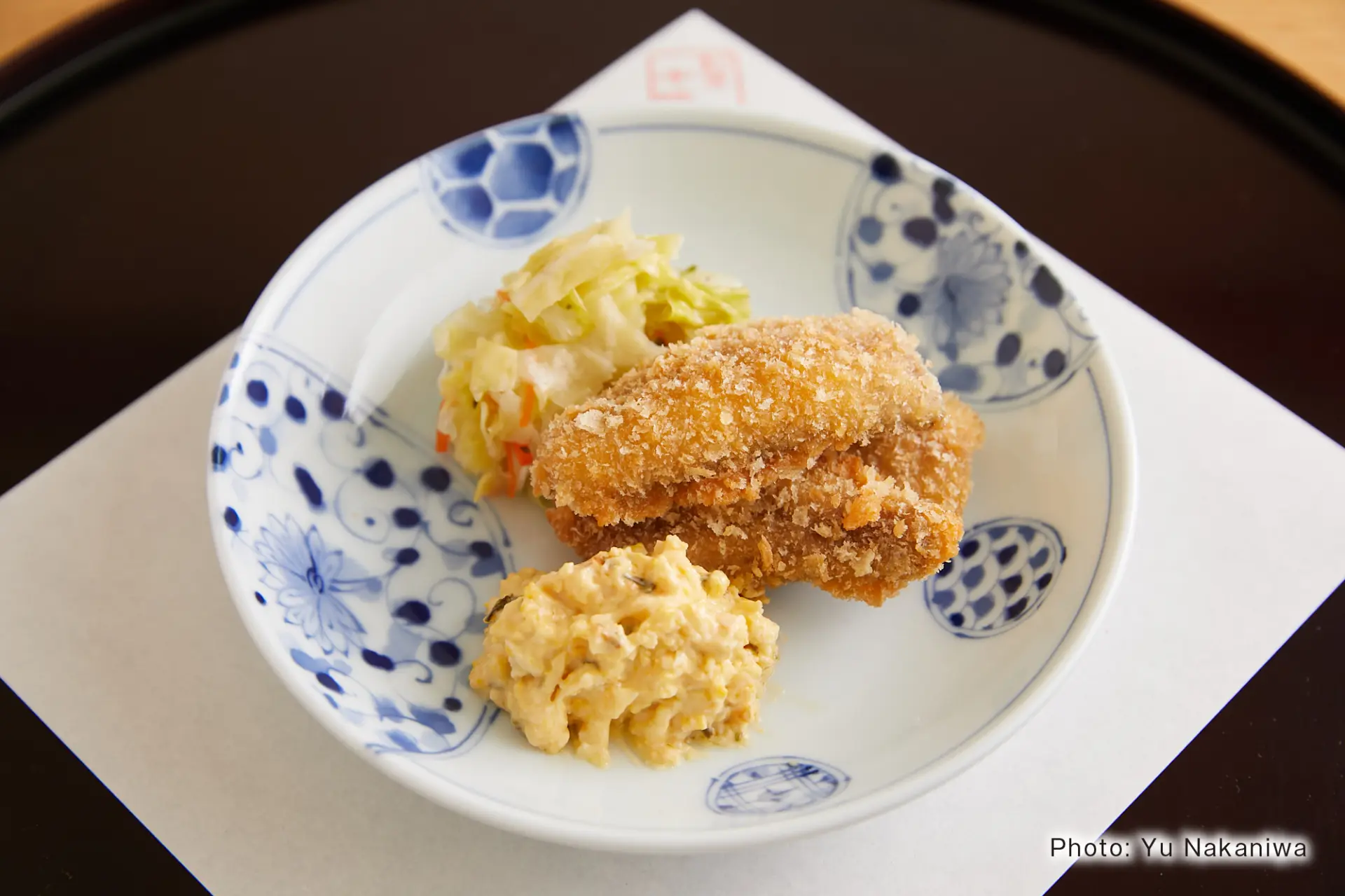
At lunch, the signature is the sardine set meal. Depending on the day’s catch, sardines are served as sashimi, simmered, fried, and more—an easy way to enjoy kappo craftsmanship in a set meal.
At night, course meals are the focus, with dishes made from seasonal ingredients served one by one.
2. Tempura Tsunahachi (Main Store)
Tsunahachi is a tempura specialty restaurant with locations across Japan.
The main store, which has operated in Shinjuku since its founding in 1924, is located in Shinjuku-sanchome.
They’re particular about ingredients, sourcing fresh seafood from Toyosu and using vegetables shipped directly from production areas.
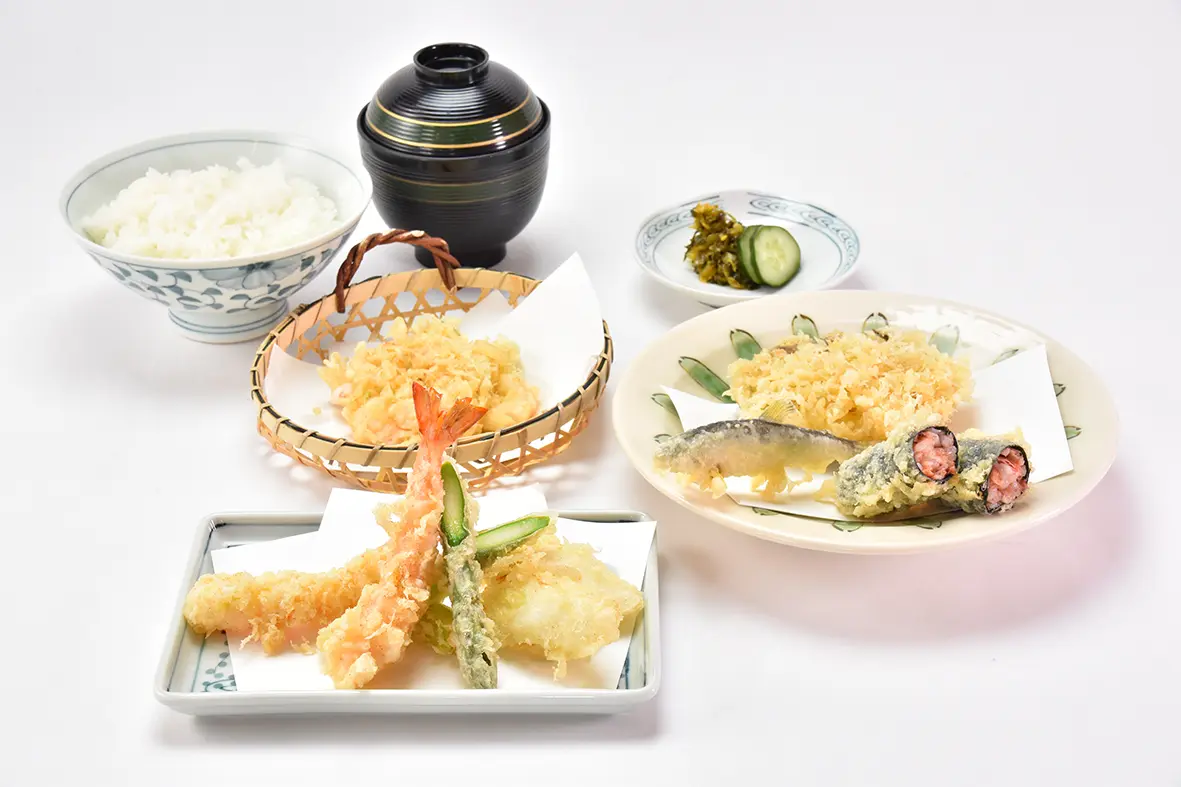
Skilled chefs fry tempura in sesame oil, bringing out the ingredients’ natural flavors along with the savory aroma of sesame.
On weekday lunches, you can enjoy sets like the “Hiruzen” and “Tempura Zen,” featuring shrimp, seasonal seafood, vegetables, and kakiage. At night, course meals are the focus, letting you savor tempura that highlights seasonal ingredients.
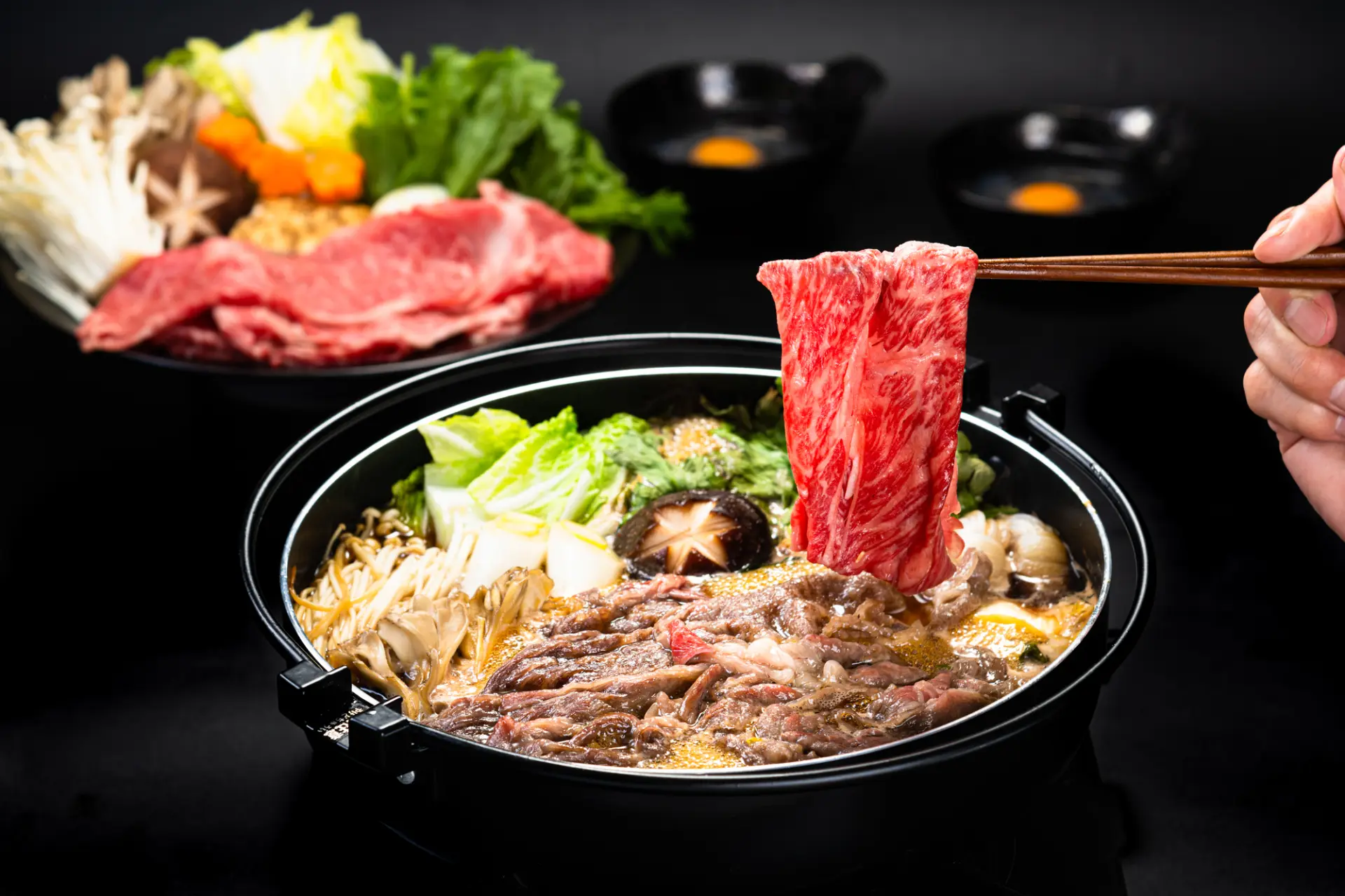
3. Kurumaya Annex
A Japanese restaurant located Approx. a 2-minute walk from Shinjuku Station’s East Exit.
The menu is wide-ranging, including teppanyaki, shabu-shabu, and sukiyaki.
The 1st floor is counter seating only, where you can enjoy teppanyaki starring Japanese beef and Ise lobster.
The 2nd and 3rd floors are table-seating areas for shabu-shabu, sukiyaki, kaiseki, and other Japanese cuisine.
They’re also open at lunch, where you can enjoy luxurious Japanese dishes like “Kuroge Wagyu Sirloin Sukiyaki Ju,” “Japanese-style Filet Steak Ju,” and “Large Shrimp Tempura Zen.”
4. Acacia Shinjuku Main Store
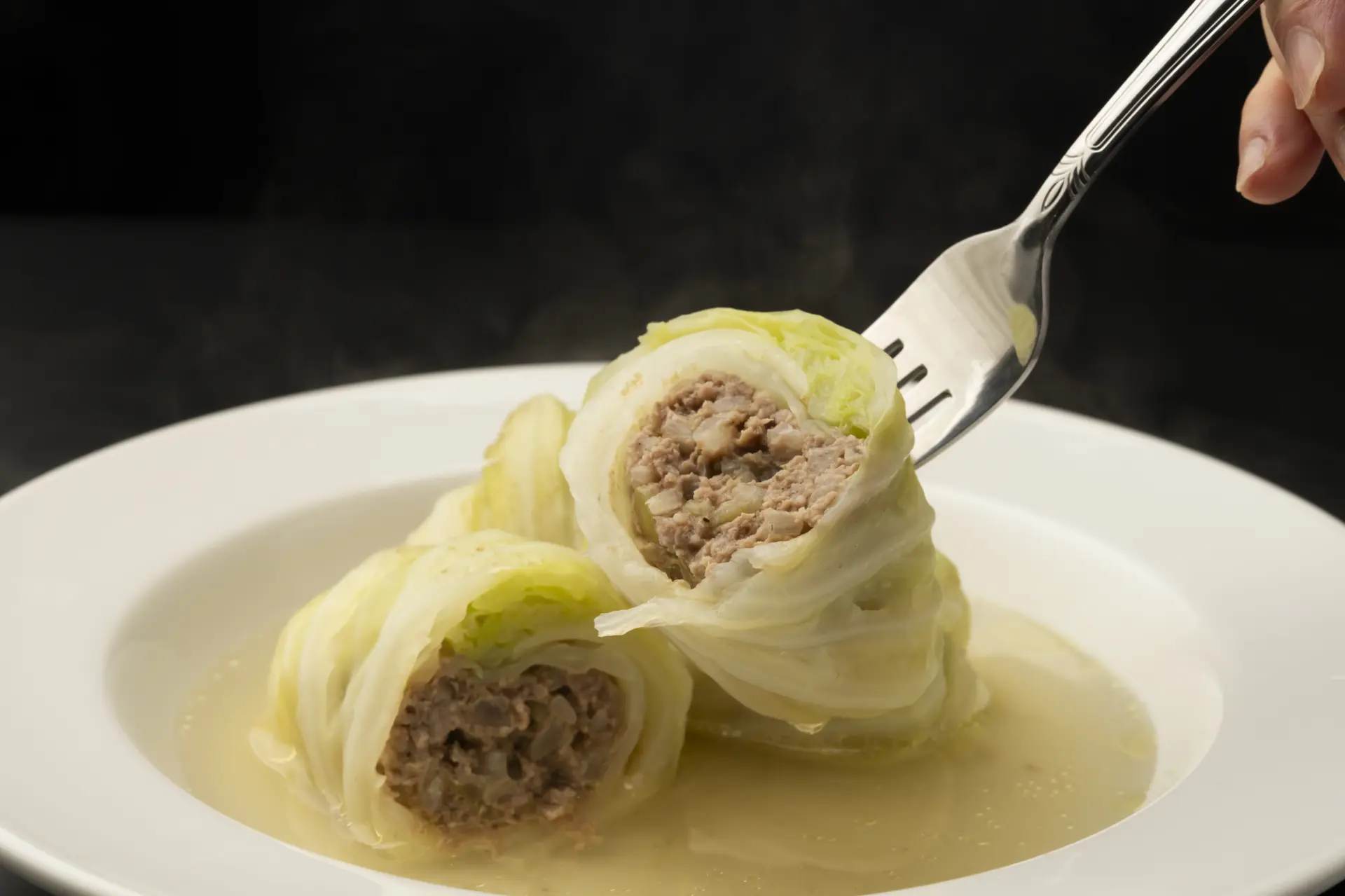
A yoshoku (Western-style Japanese) restaurant founded in 1963, located a 3-minute walk from Shinjuku Station’s East Exit.
Tucked away in a back alley, the exterior feels steeped in history while still being welcoming for anyone to enter.
The signature dish is roll cabbage stew: freshly ground meat wrapped in cabbage and carefully simmered in chicken broth.
They also offer a wide range of yoshoku classics like hayashi rice, omurice, pork saute, and cream croquettes.
5. Yakiniku Onuki
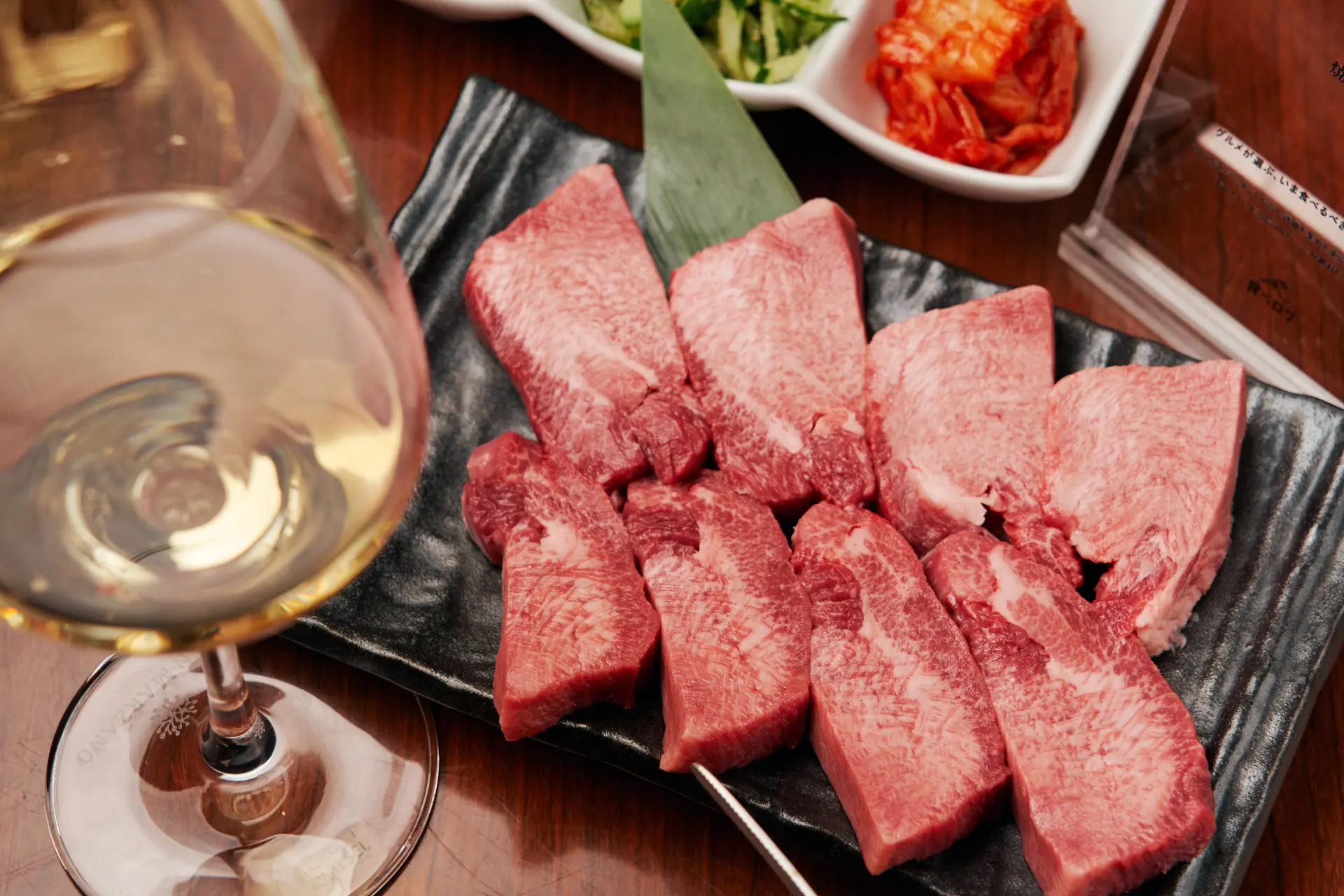
A popular yakiniku restaurant known for melt-in-your-mouth lean cuts and a secret marinating sauce.
The slightly sweet sauce, great with lean meat and rice, was passed down from “Onuki,” a long-established yakiniku restaurant in Hamamatsu, Shizuoka, with 45 years of history.
It’s praised for further enhancing the rich umami and sweetness of carefully selected Japanese black wagyu.
There are four courses: the “Standard Course,” “Kurotan Course,” “Chateaubriand Course,” and “Private Room Exclusive Course.”
6. Tonkatsu Ageduki
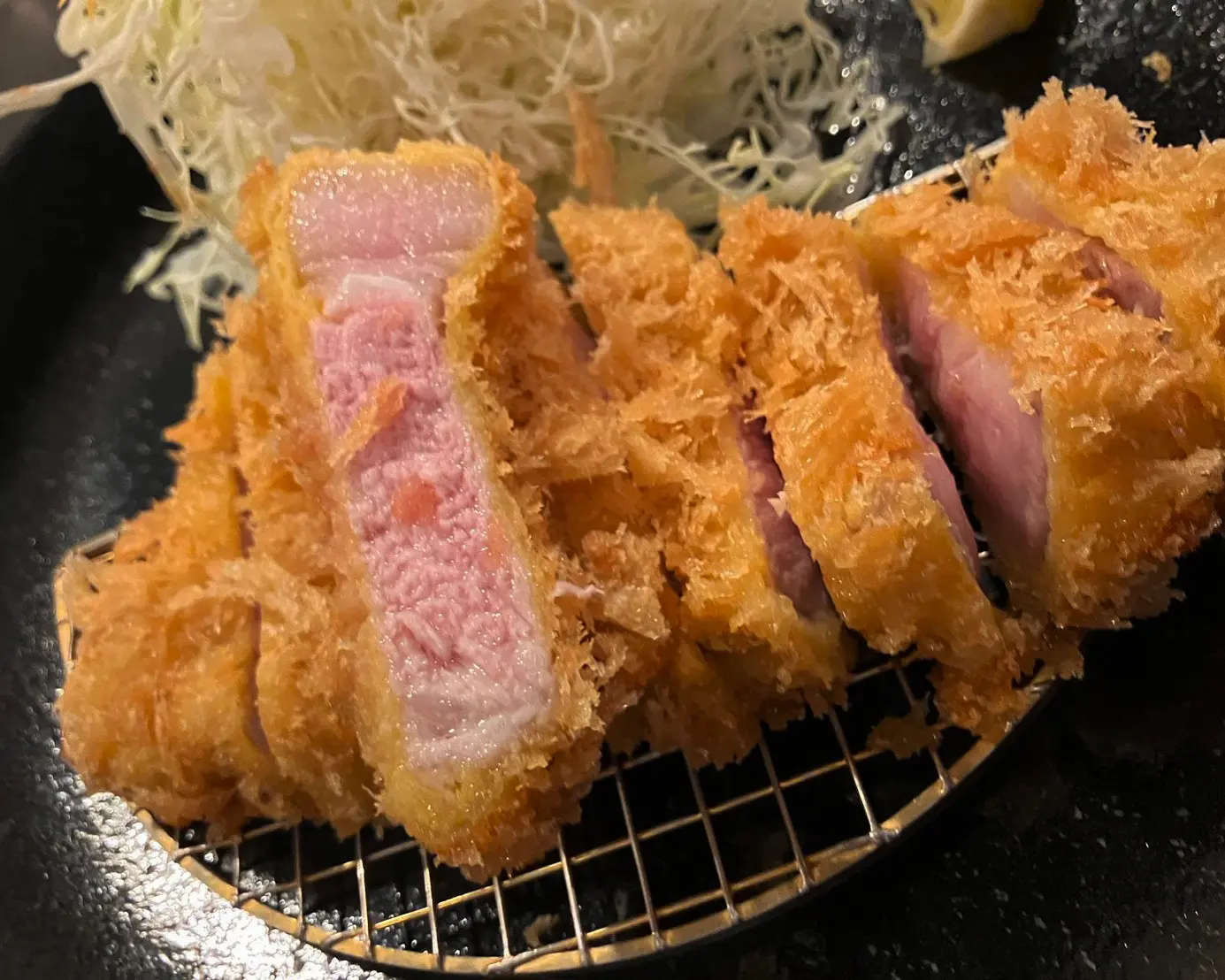
Tonkatsu Ageduki is a tonkatsu specialty restaurant in Iidabashi, Shinjuku City, Tokyo, using the rare Miyazaki pork brand “Minami no Shima Buta.”
Signature menu items are the limited-quantity “Minami no Shima Buta Special Premium Loin Katsu” and “Minami no Shima Buta Special Premium Fillet Katsu.” Both are carefully prepped with precise scoring to account for shrinkage during cooking.
They also pay close attention to cooking, including temperature control with blended oil made using high-quality lard.
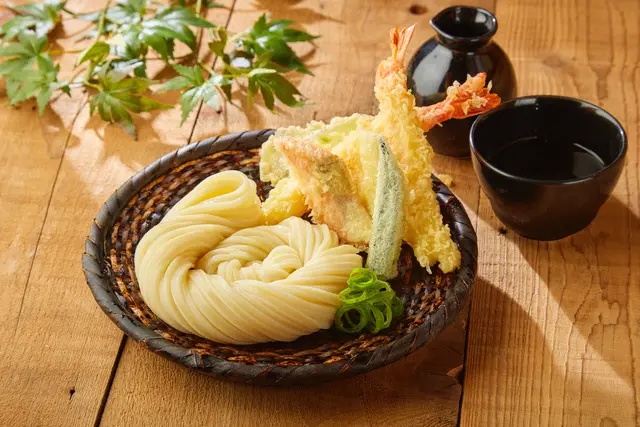
7. Udon Shin
A udon specialty restaurant in Shinjuku that opened in 2011.
Just a short walk from Shinjuku Station’s South Exit, it’s popular with international visitors, and even on weekdays there can be lines outside during peak times.
Their pride is udon made with no pre-prep, serving each bowl with care.
Its smooth, slippery texture and springy chew are truly exceptional.
8. Alice in a Labyrinth of Stories
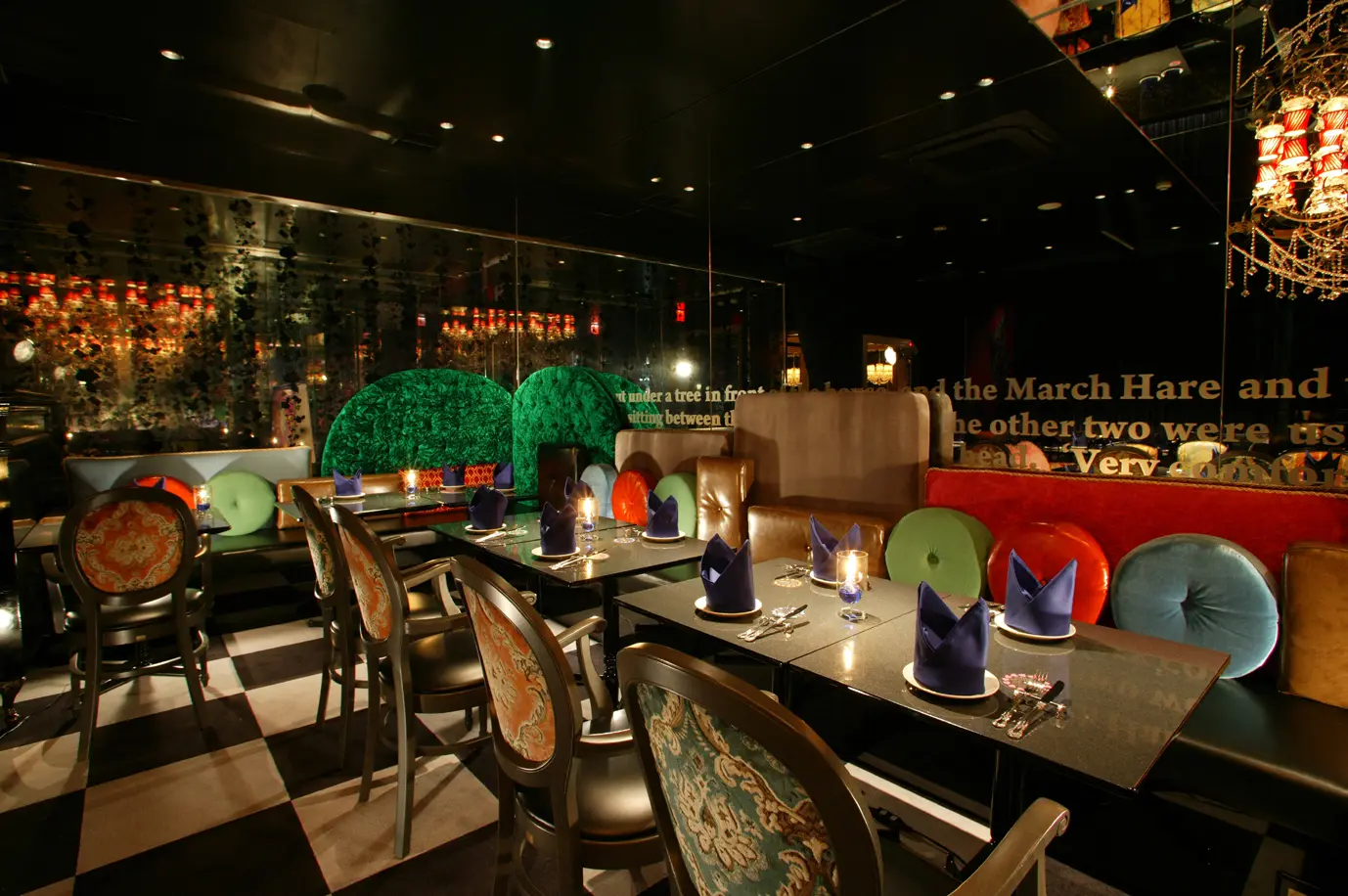
A theme restaurant inspired by Alice in Wonderland, located on the 2nd basement level of a building along Yasukuni-dori.
The interior beautifully recreates Alice’s world, from the large clock table in the main hall’s “Endless Tea Party” to the tables, chairs, walls, and floors—every detail is carefully designed.
The menu features photogenic creative dishes inspired by Alice characters, and staff will explain the theme behind each dish.
9. Takahashi Shinjuku Main Store (Grilled Flying Fish Salt Ramen)
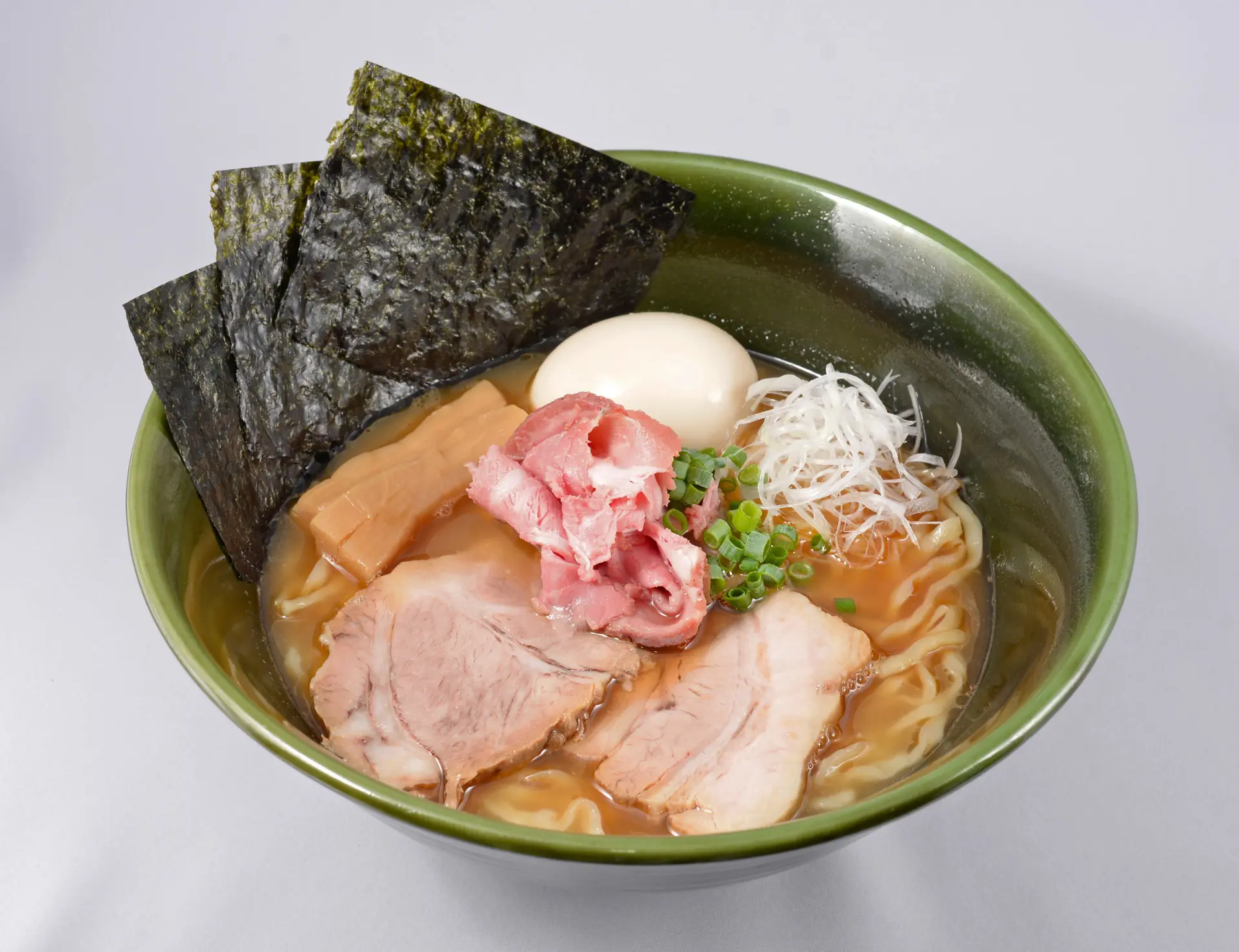
A ramen shop with an elegant Japanese-style interior.
The soup layers Japanese pork tonkotsu and chicken stock with several seafood broths, centered on “yakiago,” grilled and dried flying fish.
The shio tare uses Takahashi’s proprietary method of grilling yakiago, then combines Okinawan salt with dashi extracted at two temperature stages.
Its refined, delicious flavor—built around premium yakiago—is the highlight.
9 Classic Shopping Spots in Shinjuku
Next, here are classic spots to drop by between Shinjuku sightseeing stops.
From trend items to goods that feel distinctly Japanese and perfect souvenirs, you’ll find a wide range of options to suit your shopping goals.
1. Isetan Shinjuku
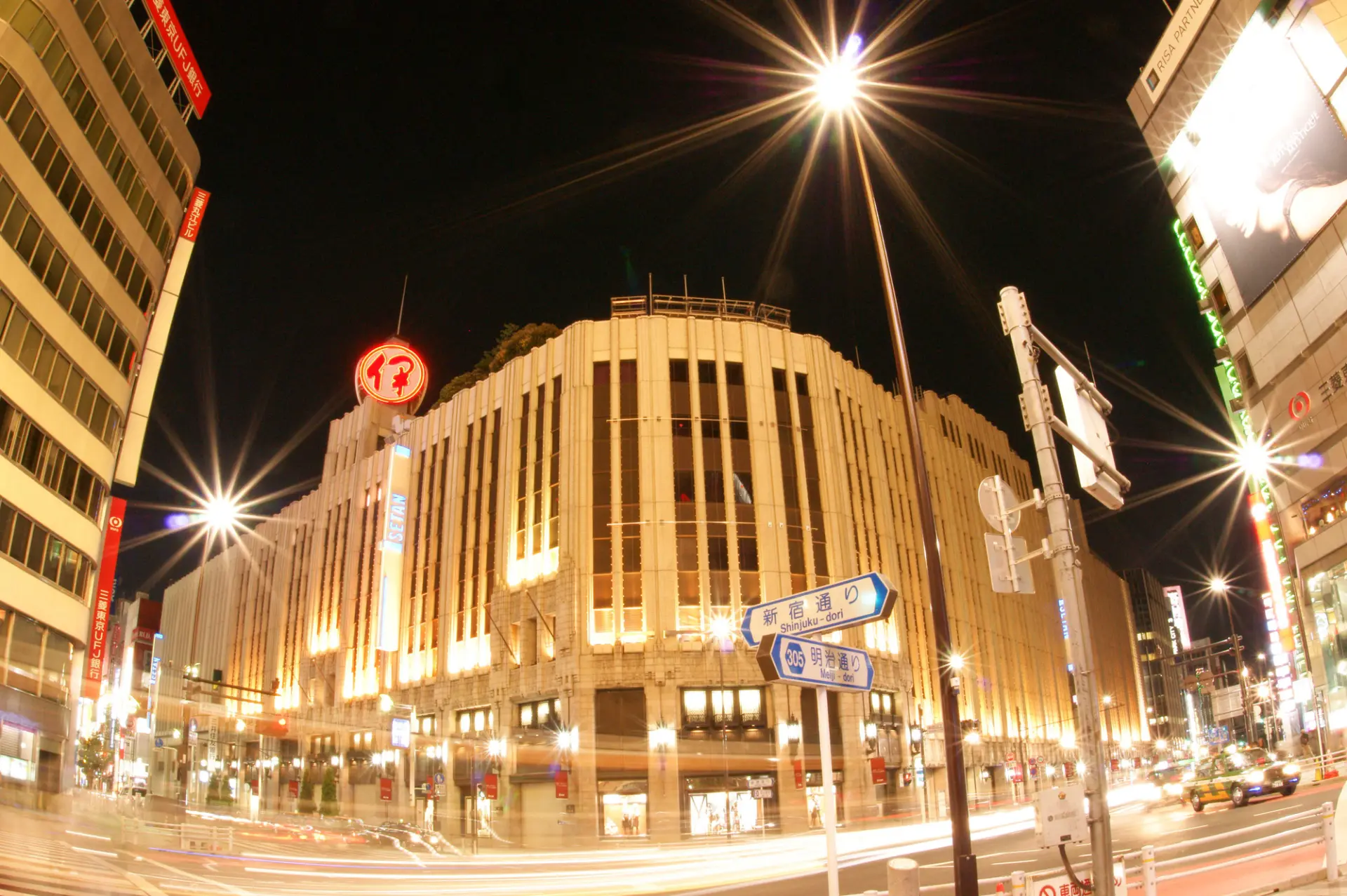
“Shinjuku Isetan” is a long-established department store made up of multiple buildings, including the main building (designated a historic building by Tokyo), the Men’s Building focused on men’s items, and Isetan Kaikan with many tenants centered on restaurants.
In the modern Shinjuku area, the main building stands out with its stone-built, retro exterior and strong presence.
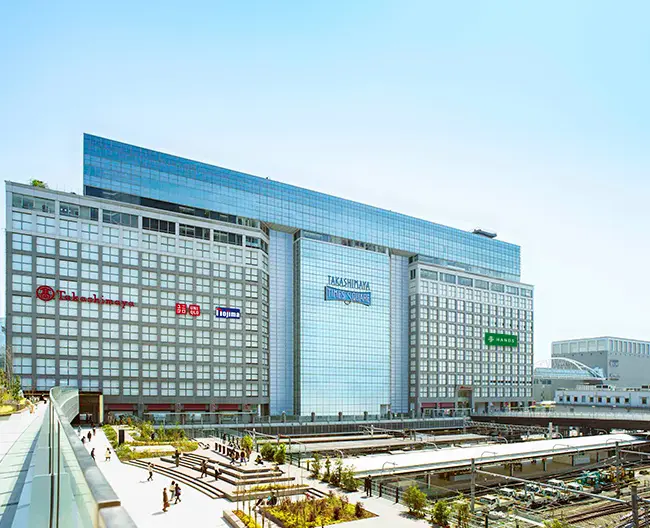
2. Shinjuku Takashimaya Times Square
A large commercial complex that opened in 1996. The main building, with one basement level and 14 floors above ground, is anchored by Shinjuku Takashimaya and also houses one of Japan’s largest Hands stores, Uniqlo, and the electronics retailer Nojima.
The South Building, connected via a passageway on the 5th floor of the main building, rises to seven stories and includes Nitori, “Books Kinokuniya Tokyo” specializing in foreign books, and at the top, the “Kinokuniya Southern Theater TAKASHIMAYA,” which hosts plays, talk events, and comedy shows—making it highly convenient and diverse.
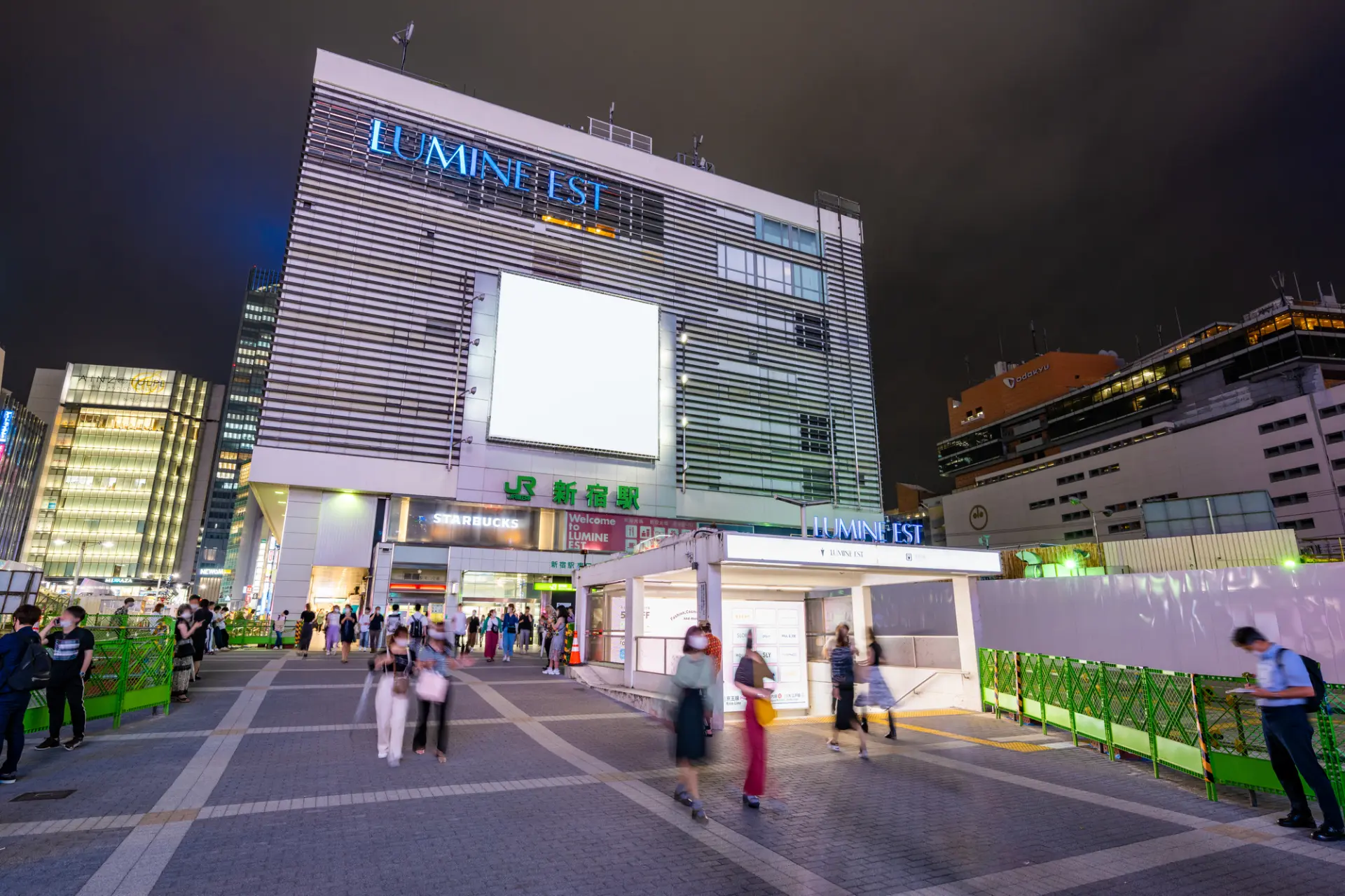
3. Lumine Est
A fashion building with convenient access right near JR Shinjuku Station’s East Exit.
From B2 to the 6th floor, you’ll find shops for fashion, fashion accessories, interior goods, and cosmetics. It’s open late, making it easy to stop by on your way home.
Also worth noting is the photogenic rooftop beer garden, “WILD BEACH SHINJUKU TOKYO SKY RESORT.”
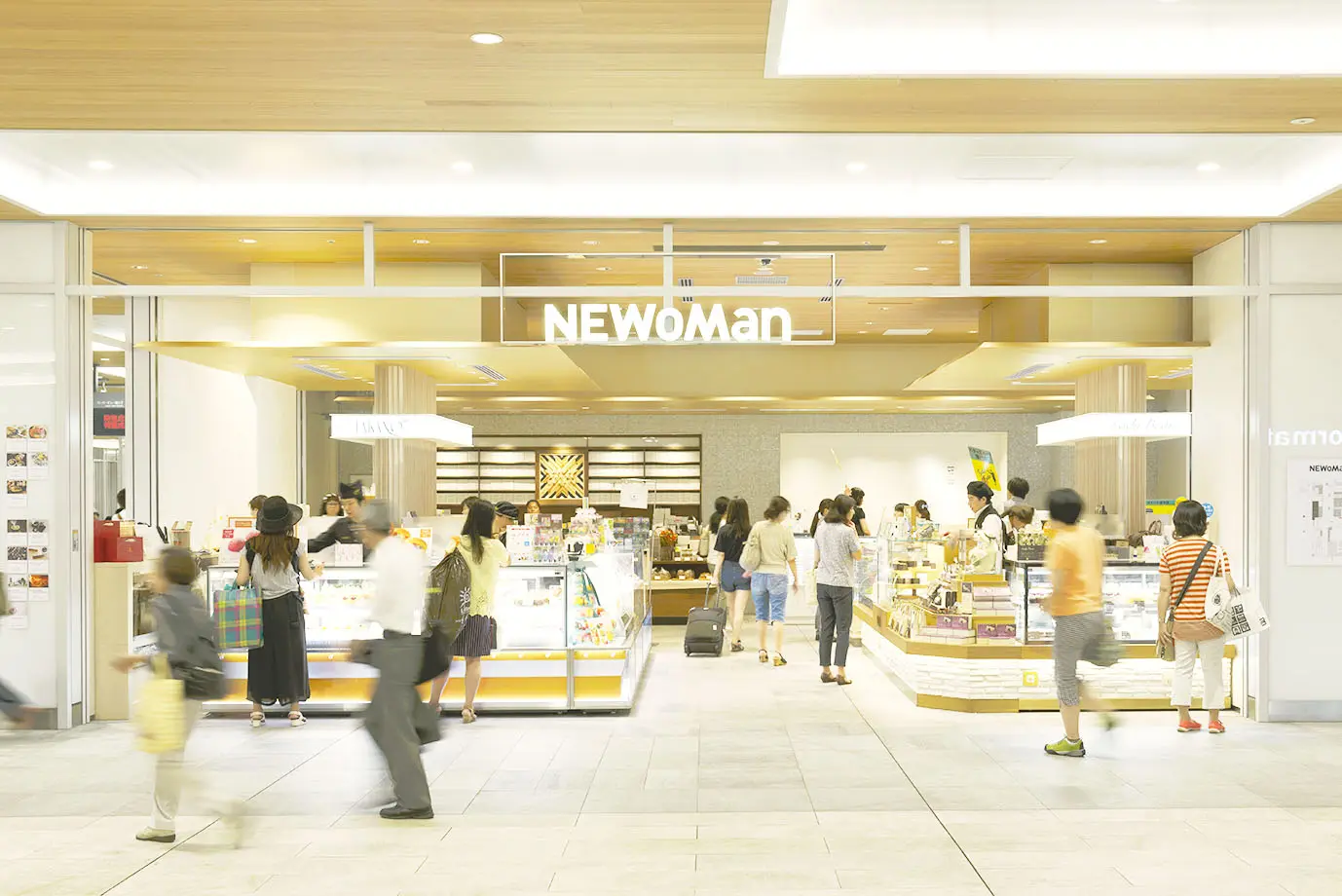
4. NEWoMan SHINJUKU
A commercial complex directly connected to JR Shinjuku Station, offering a carefully selected lineup of high-quality items from around the world.
The space is designed to feel relaxed and calm overall.
It includes shops and restaurants across many genres, including fashion, cosmetics, and lifestyle goods.
Right next to the express bus terminal Busta Shinjuku, it’s especially convenient when transferring to or from highway buses.
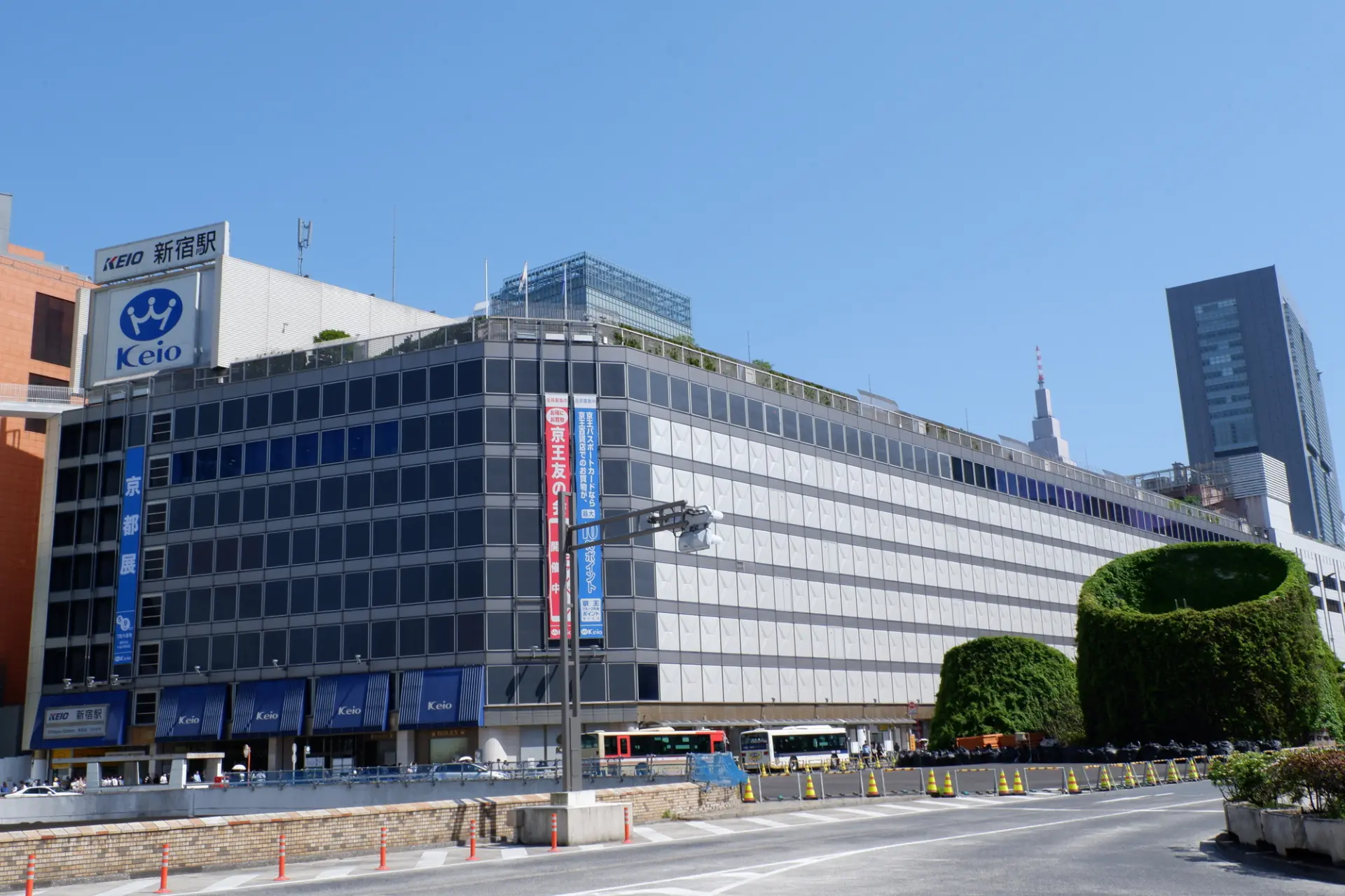
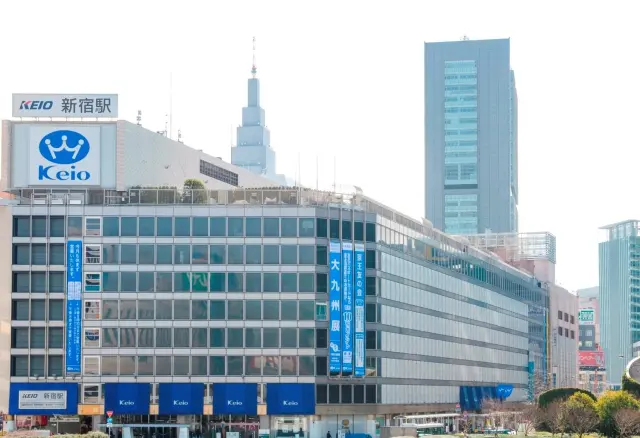
5. Keio Department Store Shinjuku
A department store directly connected to Shinjuku Station’s West Exit.
Across B1 through the 8th floor and rooftop, it carries a wide range of categories: food, cosmetics, lifestyle goods, clothing, sporting goods, household items, and hobby items.
On the 8th floor restaurant area, “Shinjuku Keio Dining,” you can enjoy a variety of cuisine, from Japanese options like soba, tempura, and Kyoto kaiseki to Chinese and French.
Also worth checking out are the seasonal product fairs and events held in the event space.
6. Sekaido Shinjuku Main Store
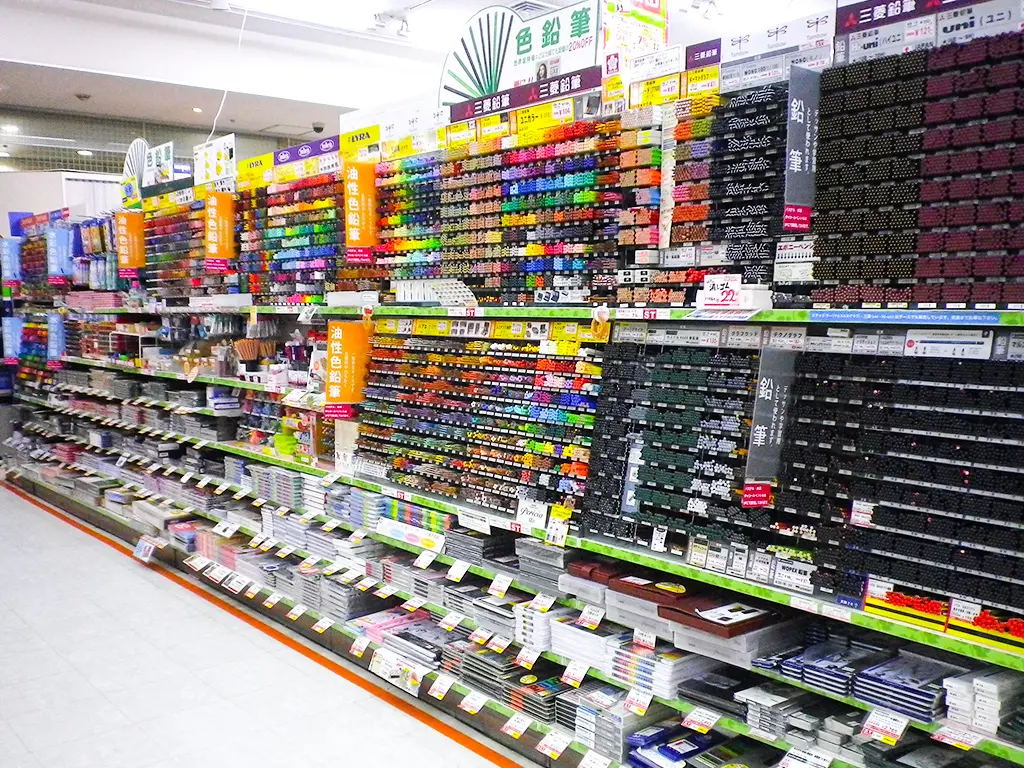
Sekaido Shinjuku Main Store, just a 1-minute walk from Tokyo Metro Shinjuku-sanchome Station, is a specialty shop packed with popular stationery, art supplies, frames, and fine art materials.
High-quality, functional stationery and art supplies are always sold at more affordable prices than list price.
At the Shinjuku main store, floors 1 through 5 are divided by category, and signage includes not only Japanese but also English and simplified Chinese, for extra peace of mind.
7. BIG BOX Takadanobaba
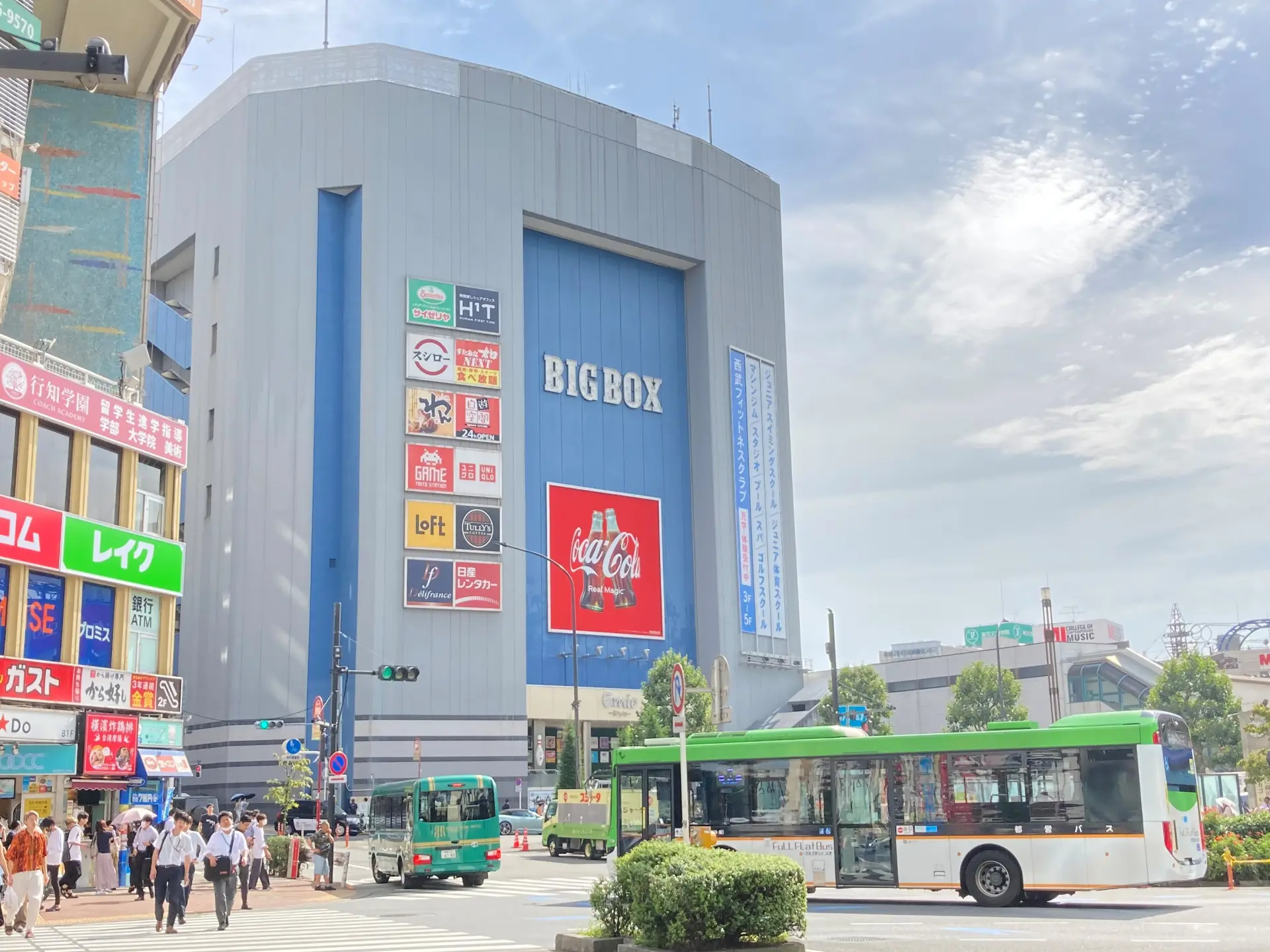
A commercial building founded in 1974, located right near Takadanobaba Station. Next to the entrance on the 1st floor is a Seibu Railway ticket gate, making access excellent.
In Takadanobaba, long lively as a student neighborhood, many people use BIGBOX as a meeting point, making it a landmark in the area.
The 1st to 2nd floors, the “Emio-Style-” area, are lined with shops mainly focused on fashion and lifestyle goods.
8. BEAMS JAPAN
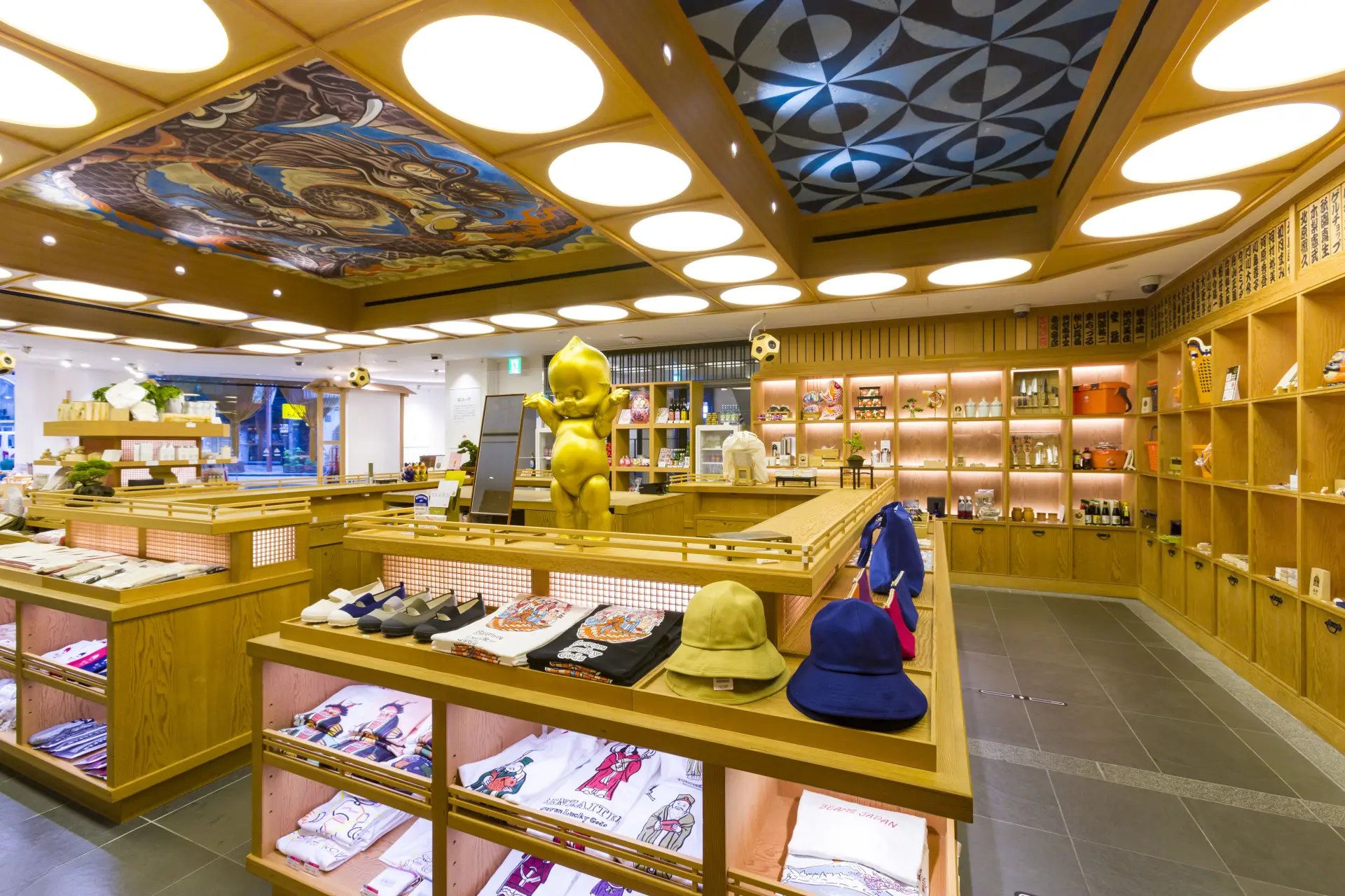
A label from select shop BEAMS, which has led Japan’s fashion scene since the 1970s.
It offers a wide variety of items that share the appeal of Japanese traditional culture and pop culture with audiences in Japan and abroad.
In fashion, in particular, it features a broad range of original collections that capture sizing and color trends.
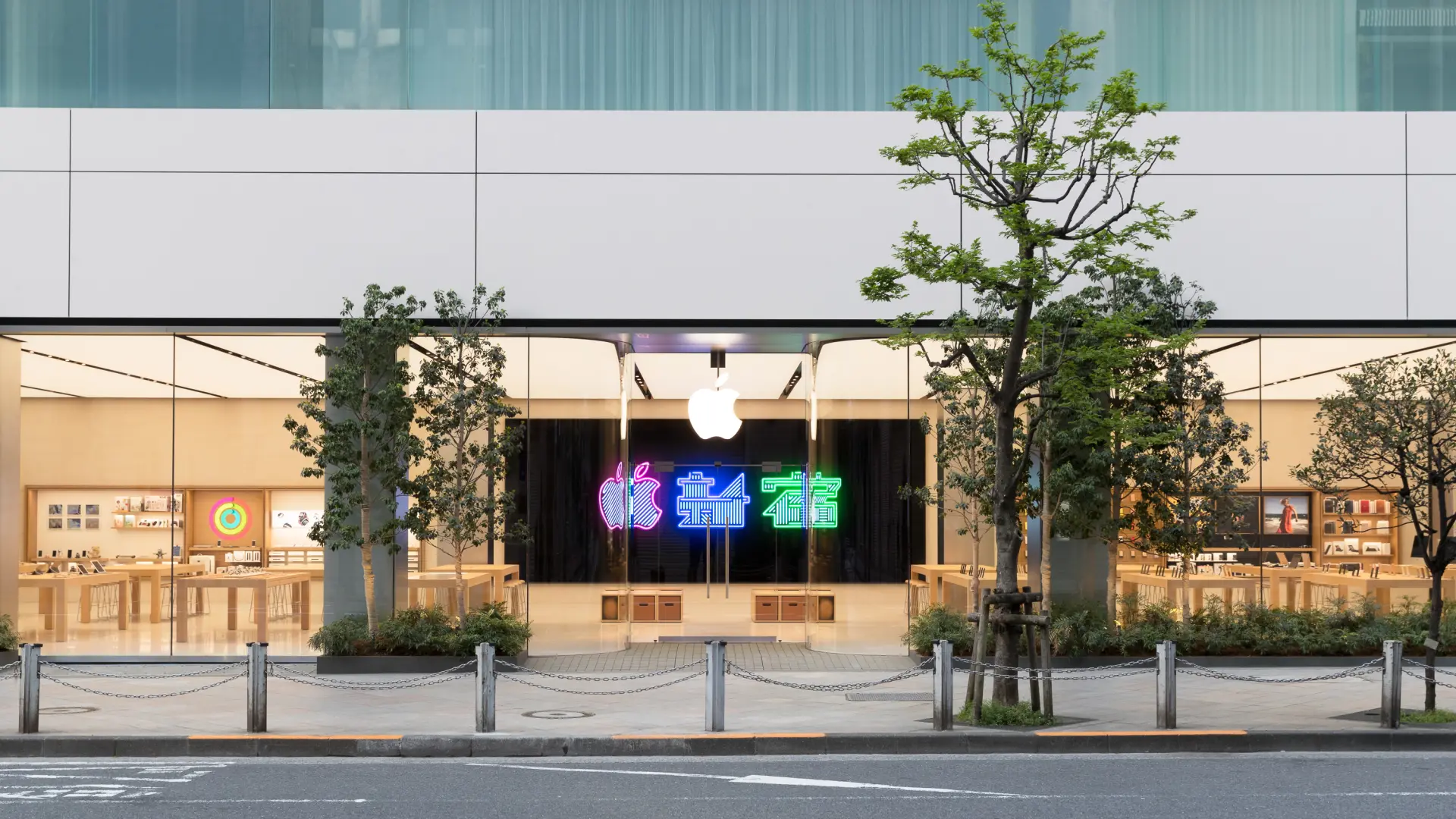
9. Apple Store Shinjuku
Apple Store Shinjuku was the first in Japan to adopt Apple’s latest store design.
Located on the 1st floor of Shinjuku Marui Main Building just a few minutes on foot from Shinjuku Station, its 37-meter-long glass-fronted space facing the main street stands out.
The giant 6K display at the front of the store, showing “Shinjuku,” is also a big impact.
In the beautiful, refined space, you can browse and buy iPhone, iPad, Mac, Apple Watch, and more.
5 Recommended Places to Stay for a Shinjuku Sightseeing Base
If you’re visiting Shinjuku, consider staying overnight to enjoy Shinjuku’s nightlife, too.
Among the many options, here are hotels that offer not only convenience but also a comfortable stay.
Another perk is being able to relax in a luxurious space while enjoying Shinjuku’s night views from higher-floor rooms.
1. Park Hyatt Tokyo
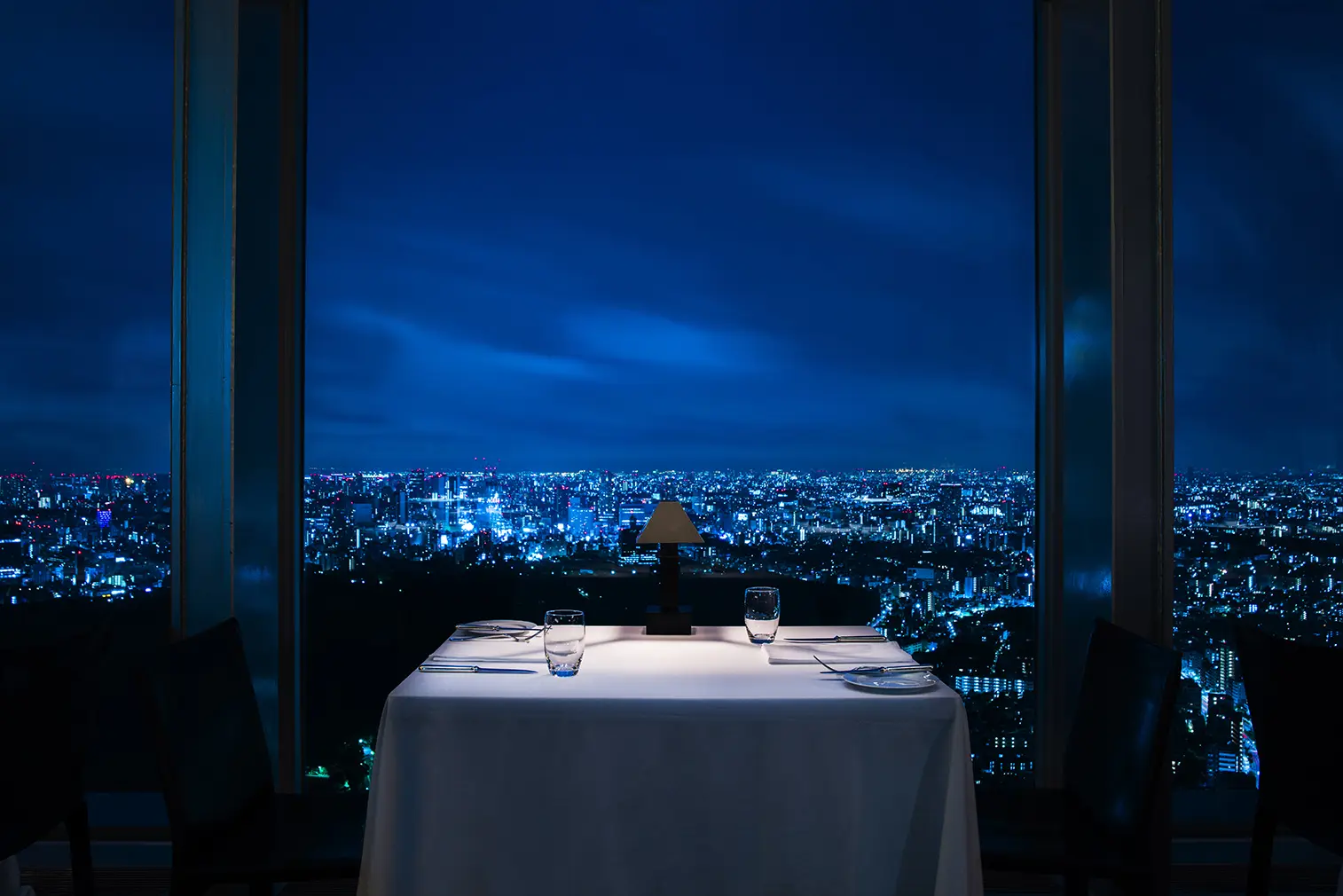
Park Hyatt Tokyo occupies floors 39 to 52 of Shinjuku Park Tower, a high-rise with a distinctive triangular roof, close to Shinjuku Station and the Tokyo Metropolitan Government Building.
It has 177 rooms total, including 23 suites, and since all rooms are on the 42nd floor or higher, the views are outstanding.
Rooms range from 45 to 290㎡, balancing comfort and functionality. The calm interior design offers an elegant, relaxing stay.
2. Keio Plaza Hotel
Opened in 1971 in Shinjuku, one of Japan’s biggest big towns lined with skyscrapers, with the aim of being a “city plaza.”
A 170-meter-high high-rise hotel consisting of two towers—the Main Tower and South Tower—located a 5-minute walk from Shinjuku Station’s West Exit.
It provides high-quality international-hotel service to guests from Japan and abroad.
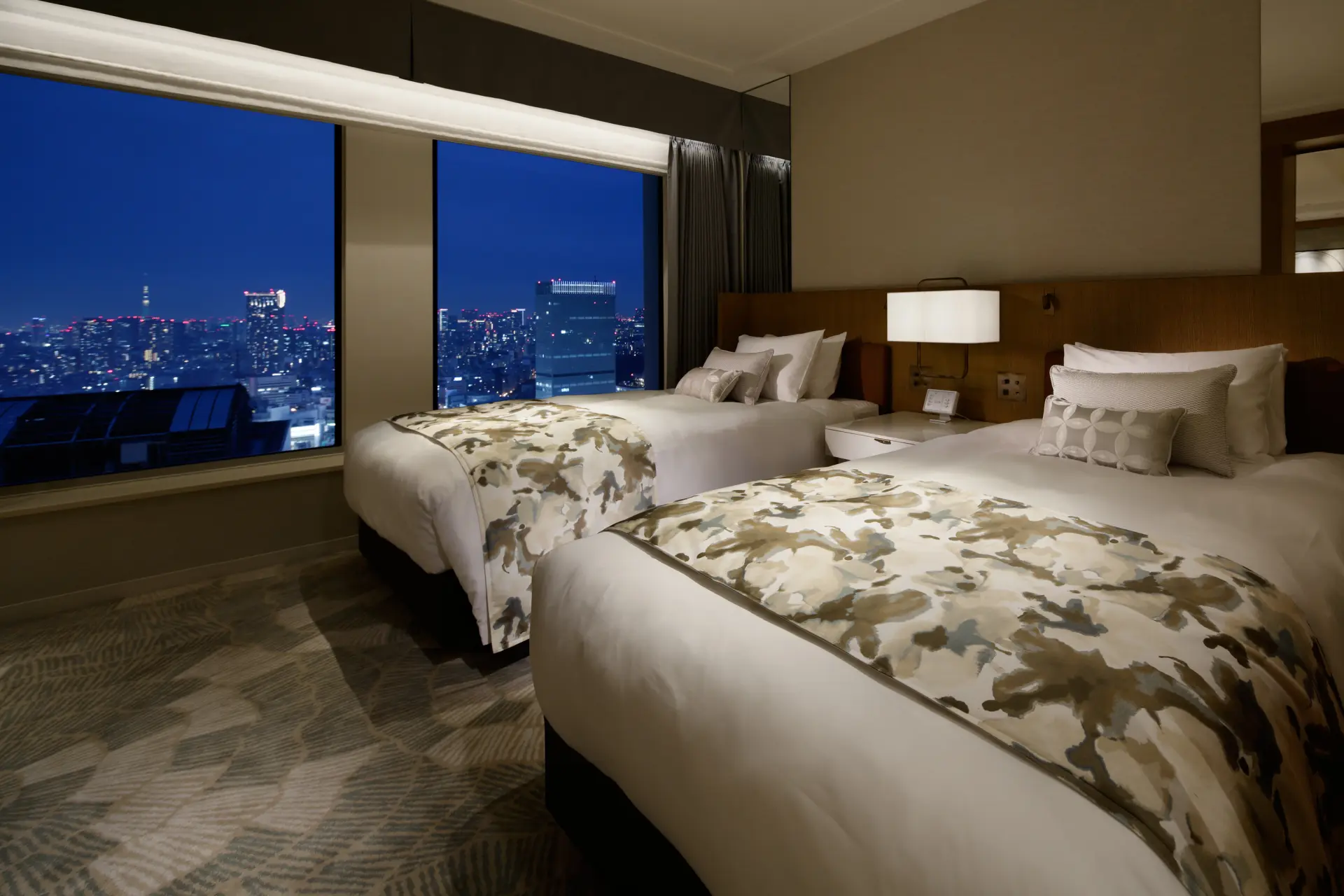
With 1,453 rooms, it offers a wide variety of room types, including “Premier Grand” on the Main Tower’s 35th to 41st floors, themed around “the ultimate healing space,” and more.
3. Hyatt Regency Tokyo
A luxury hotel located Approx. a 9-minute walk from Shinjuku Station’s West Exit and Approx. a 1-minute walk from Tocho-mae Station on the Toei Oedo Line. It faces Shinjuku Chuo Park and is also close to the Tokyo Metropolitan Government Building.
The atrium lobby, open from the lobby level up to the 8th floor, features three chandeliers made with 115,000 Swarovski® crystals, creating a signature hotel space.
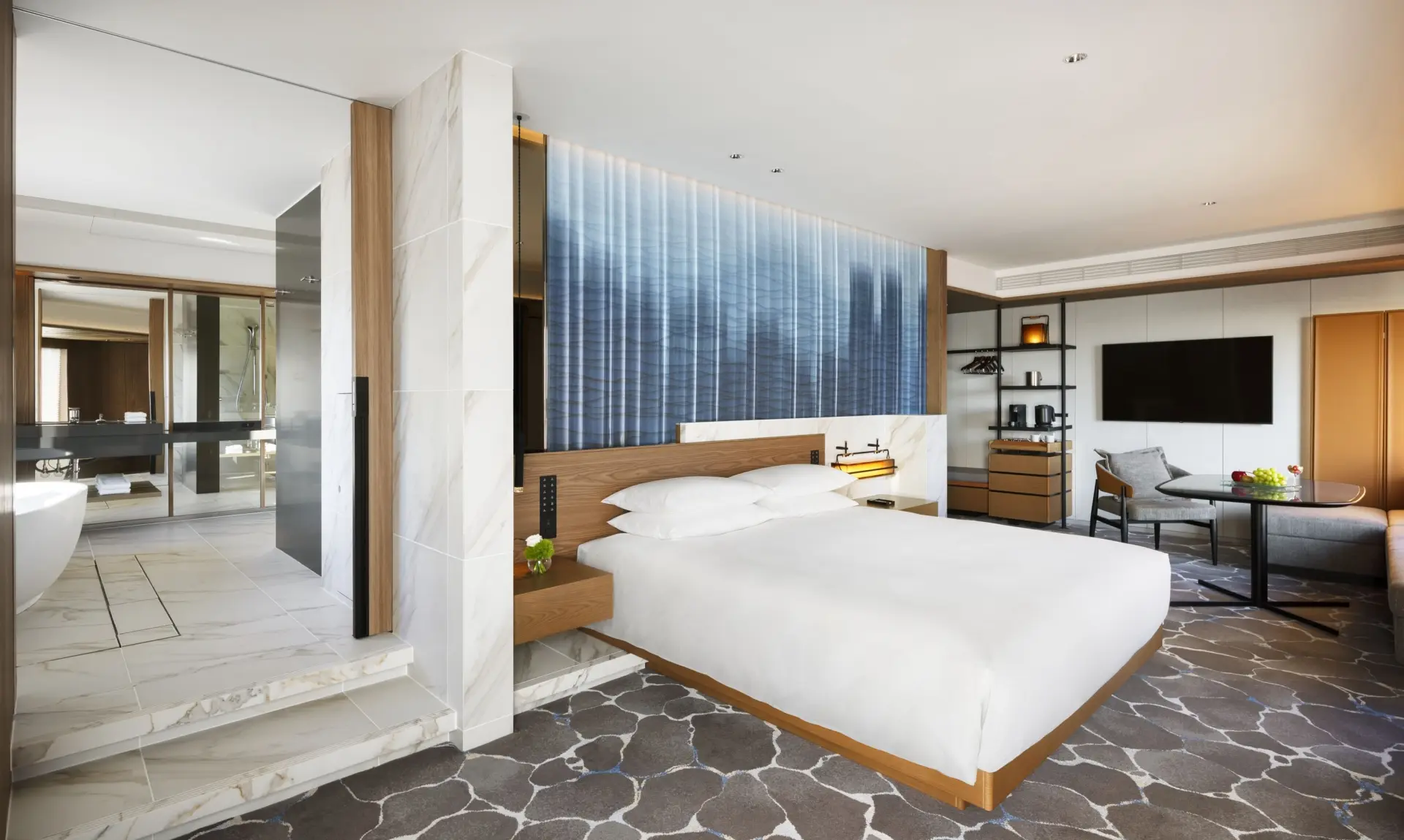
With 712 rooms total (including 18 suites), some high-floor rooms offer views of Shinjuku’s skyscrapers and Shinjuku Chuo Park.
Facilities include the Regency Club Lounge, five restaurants and bars, a fitness center, and 18 banquet halls of various sizes.
4. Hilton Tokyo
A hotel located near the Tokyo Metropolitan Government Building and Shinjuku Chuo Park. Rooms are on floors 8 through 38, with 830 rooms total including suites.
Some high-floor rooms offer views of Shinjuku’s skyscrapers and Shinjuku Chuo Park, and the space blends an international feel with touches of Japanese ambiance.
On-site are six restaurants and bars, including the Japanese restaurant “Junisoh,” the Chinese restaurant “Dynasty,” and “Metropolitan Grill.”
There’s also a fitness center with an indoor pool, indoor tennis court, sauna, and more, making it easy to add variety to your stay.
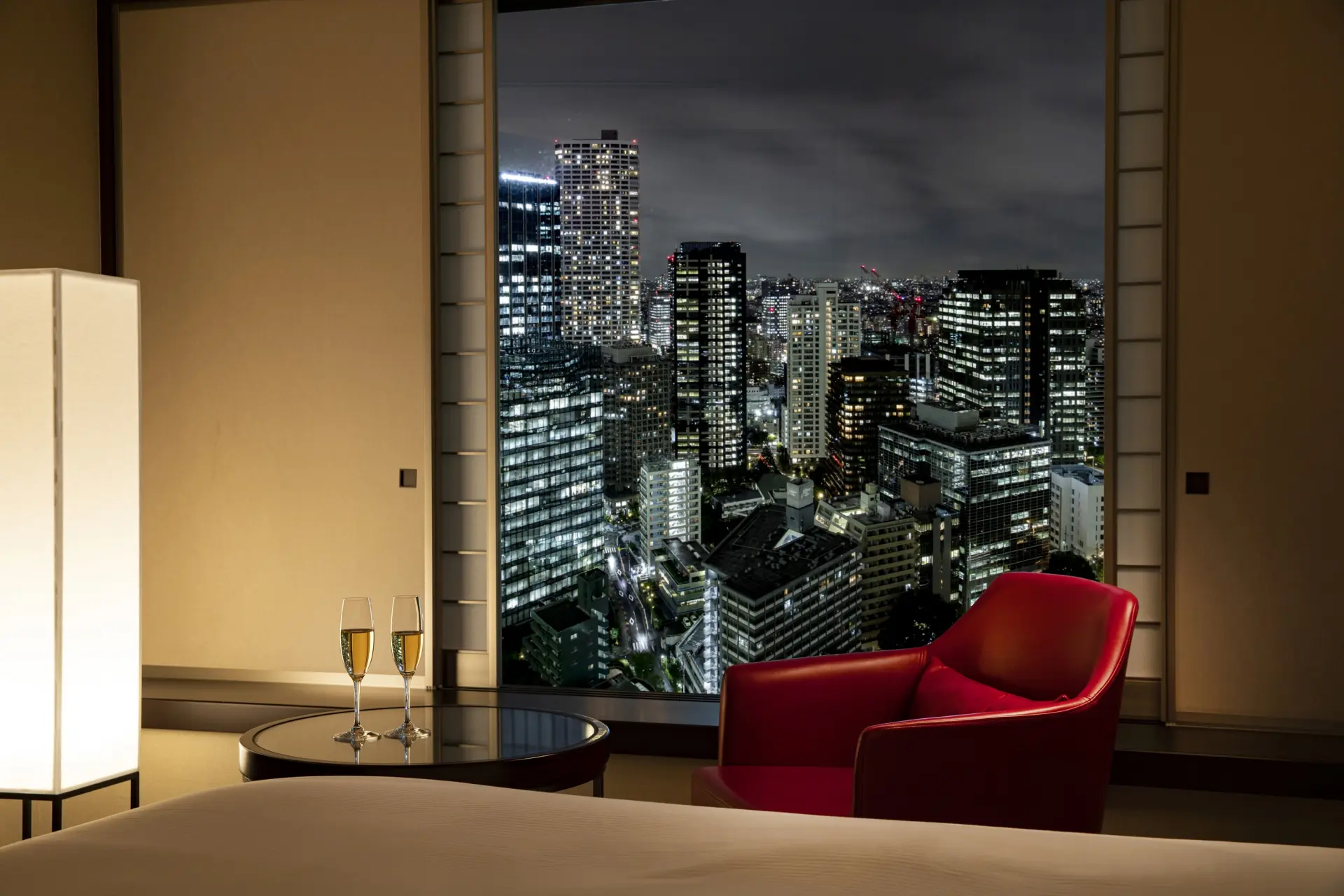
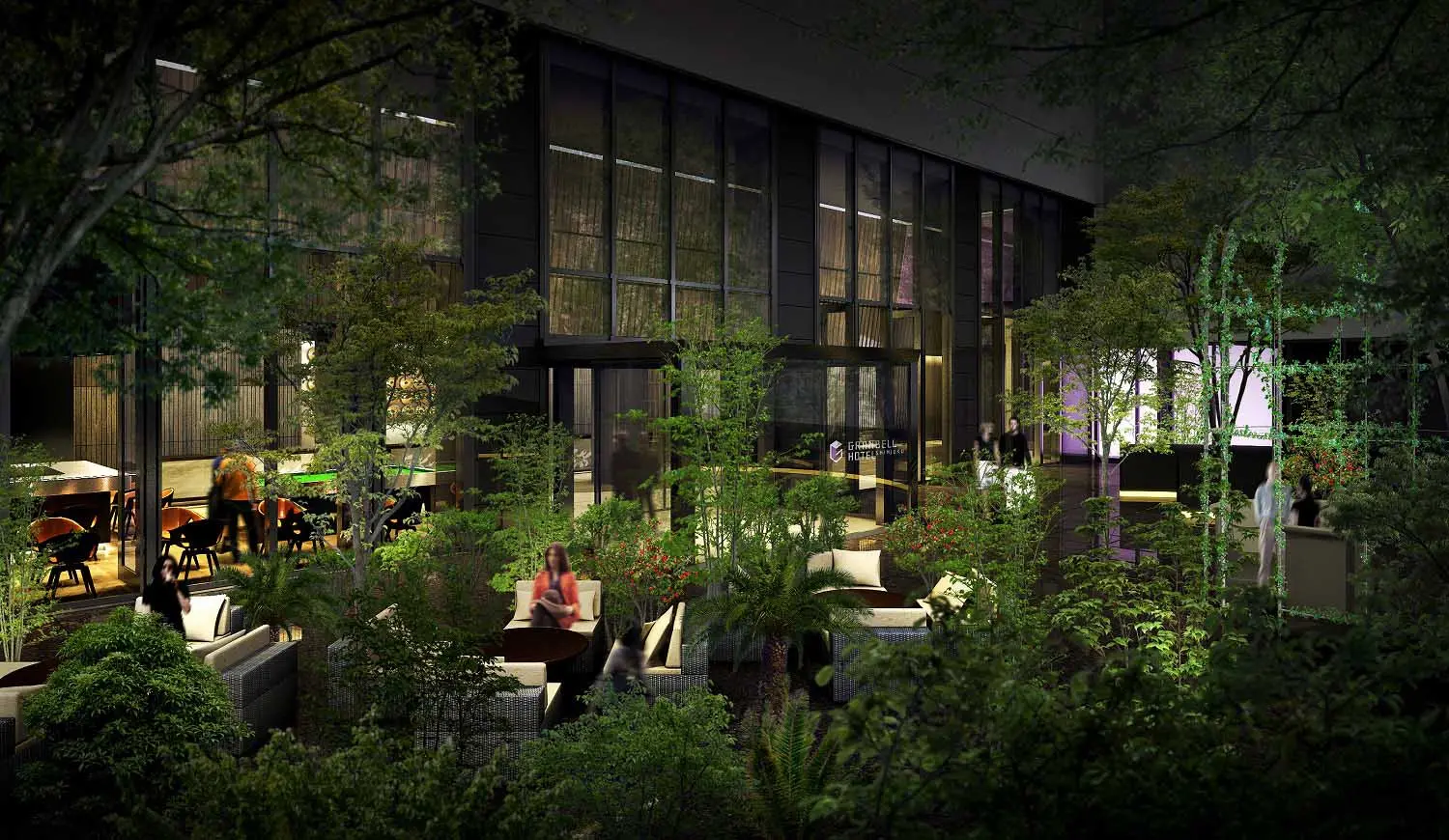
5. Shinjuku Granbell Hotel
A designer hotel located in a corner of the Kabukicho area, Approx. a 4-minute walk from Higashi-Shinjuku Station.
Shin-Okubo, known as Koreatown, is also within walking distance.
All 485 rooms feature design-forward interiors, with a modern, stylish atmosphere throughout.
One highlight is the rooftop bar on the 13th floor, where you can enjoy drinks and light bites with music while taking in Shinjuku’s night views.
At “restaurant G,” casual French and Italian by top chefs, you can enjoy a breakfast buffet with over 30 choices of Japanese and Western dishes.
[By Season] Recommended Festivals & Events in Shinjuku
In Shinjuku, festivals and events are held year-round across various locations around the neighborhood.
Being able to join events with different seasonal charms is one of Shinjuku’s unique pleasures.
If your trip timing matches, consider stopping by an event alongside your sightseeing.
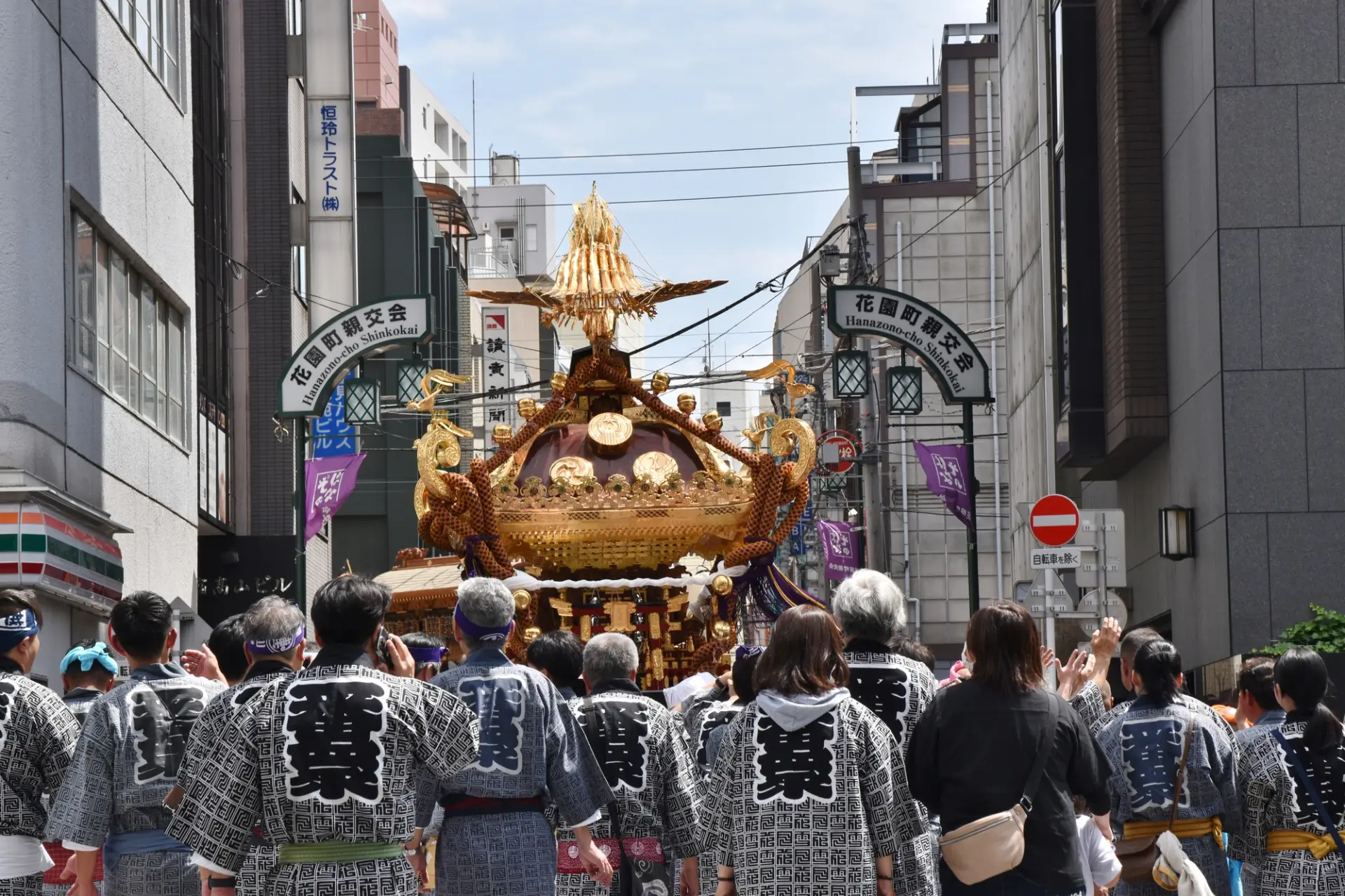
[Spring] Hanazono Shrine Annual Grand Festival
An annual grand festival held in late May at Hanazono Shrine, Shinjuku’s guardian shrine, within walking distance of Shinjuku Station’s East Exit.
During the festival, around 100 food stalls line the grounds and approach, wrapping the area in a lively atmosphere.
One highlight is the “Mikoshi Procession,” where two portable shrines—the main shrine mikoshi and the Raiden mikoshi—parade through the streets of Shinjuku.
Note that the festival alternates between a main festival (even-numbered years) and a smaller festival (odd-numbered years). In odd-numbered years, the main shrine mikoshi and Raiden mikoshi do not parade.
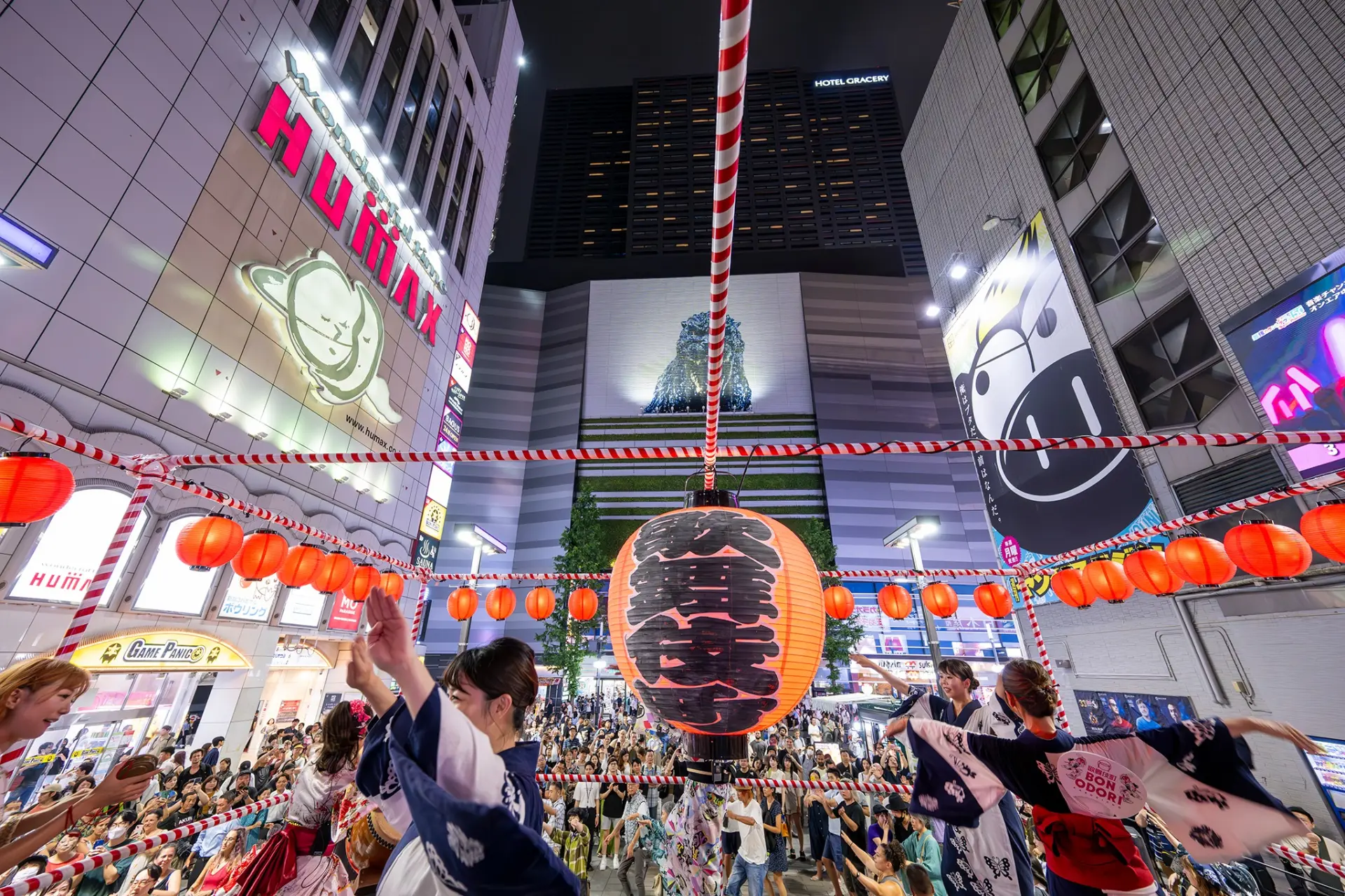
[Summer] Kabukicho BON ODORI
A Bon Odori dance event held every year in mid-August at Kabukicho’s Cine City Square.
Alongside traditional Bon Odori, there’s also “Bon DANCE,” where participants dance to popular pop music.
There’s also time set aside for a Bon Odori navigator to teach the moves, so beginners can feel comfortable joining in.
Performers and performances are diverse, and Kabukicho-style production keeps the atmosphere lively.
Participants are welcome to join in wearing yukata, and anyone can freely step into the dance circle.
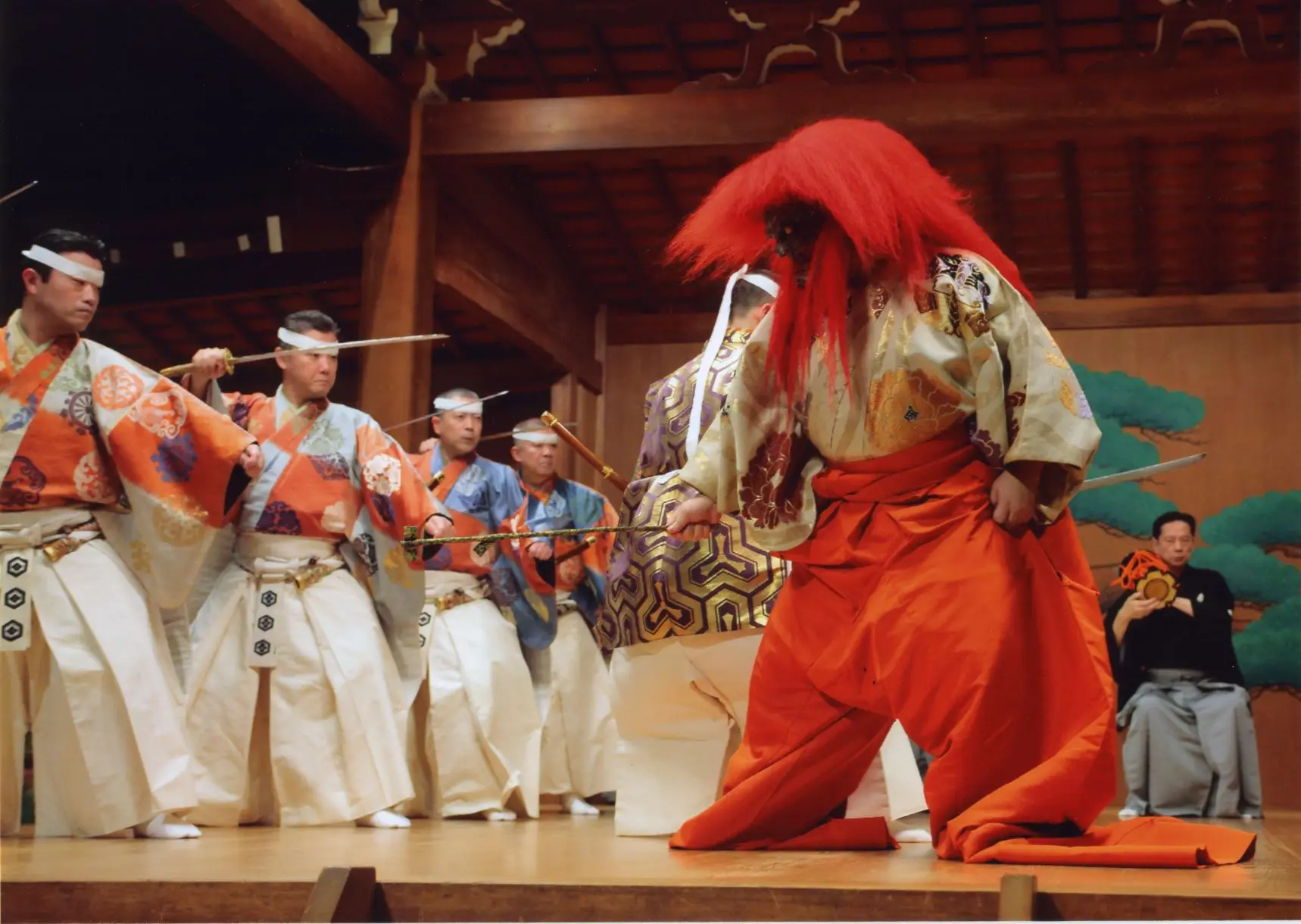
[Fall] Shinjuku Gyoen: Forest Takigi Noh
A traditional performing arts event held only one day per year in Shinjuku Gyoen’s landscape garden, from late September to October.
Surrounded by skyscrapers, a Noh stage lit by bonfires creates an atmospheric nighttime setting.
At the venue, classical Japanese performing arts such as kyogen and noh are performed, with performers and programs selected each year.
Tickets must be purchased in advance, and seating is divided into multiple price tiers.
*Canceled in case of rain
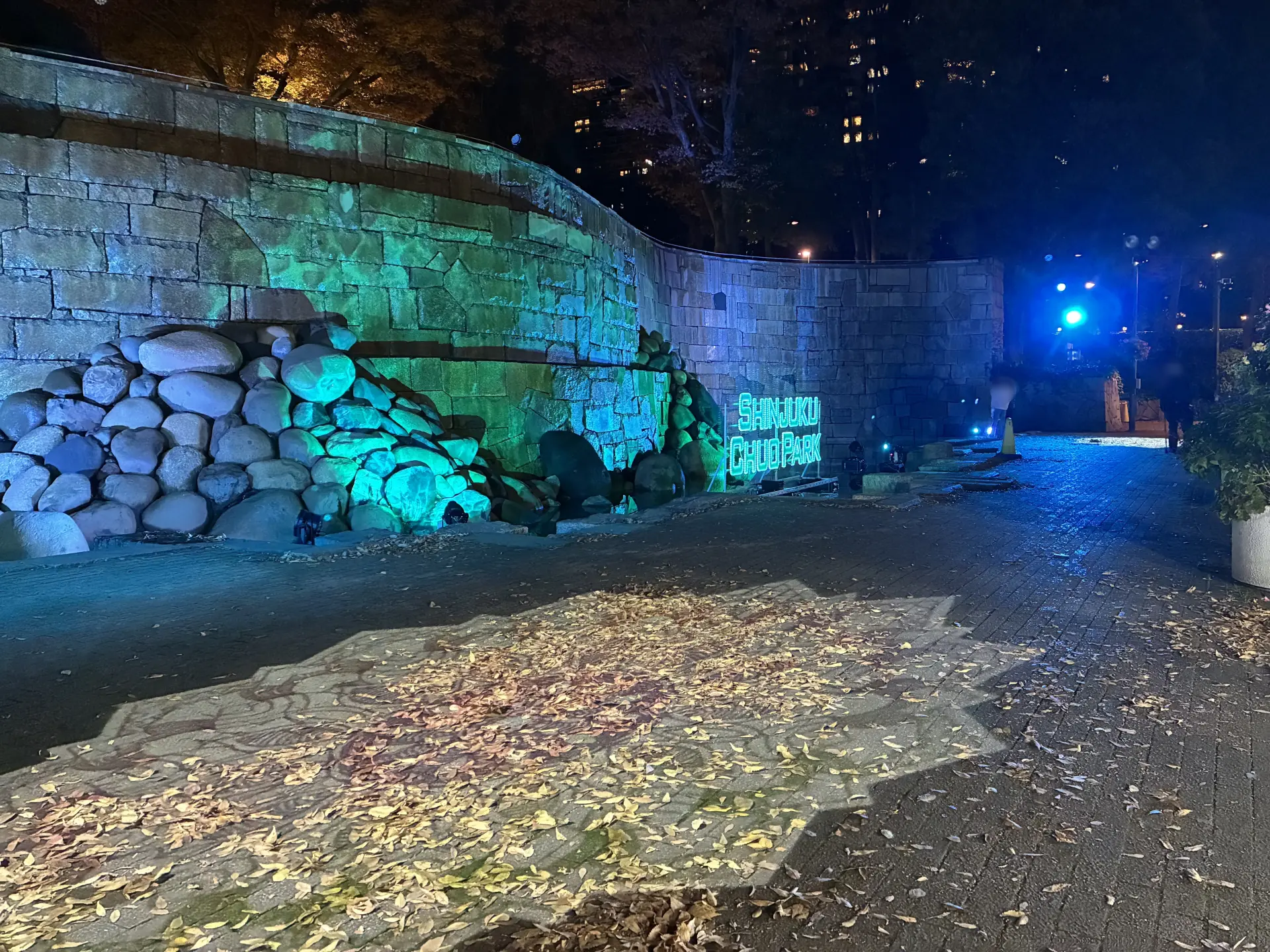
[Winter] Illumination TWINKLE PARK
An illumination event held at Shinjuku Chuo Park, typically from late November to early January.
Trees and the park waterfall are decorated with colorful lights, creating a magical nighttime scene in the city.
At the park’s symbol, the Niagara Falls, a light-up display with changing colors is held, creating a dreamy view where flowing water and light overlap.
In “View Forest,” where you can look out over Shinjuku’s skyscrapers, photo spots are also set up, making it a great place for commemorative photos with the night view.
5 Things to Watch Out for When Sightseeing in Shinjuku
When sightseeing in Shinjuku, it’s important to keep in mind a few big-city-specific cautions.
Use the points below to help you prepare and act in advance, so your trip stays enjoyable.
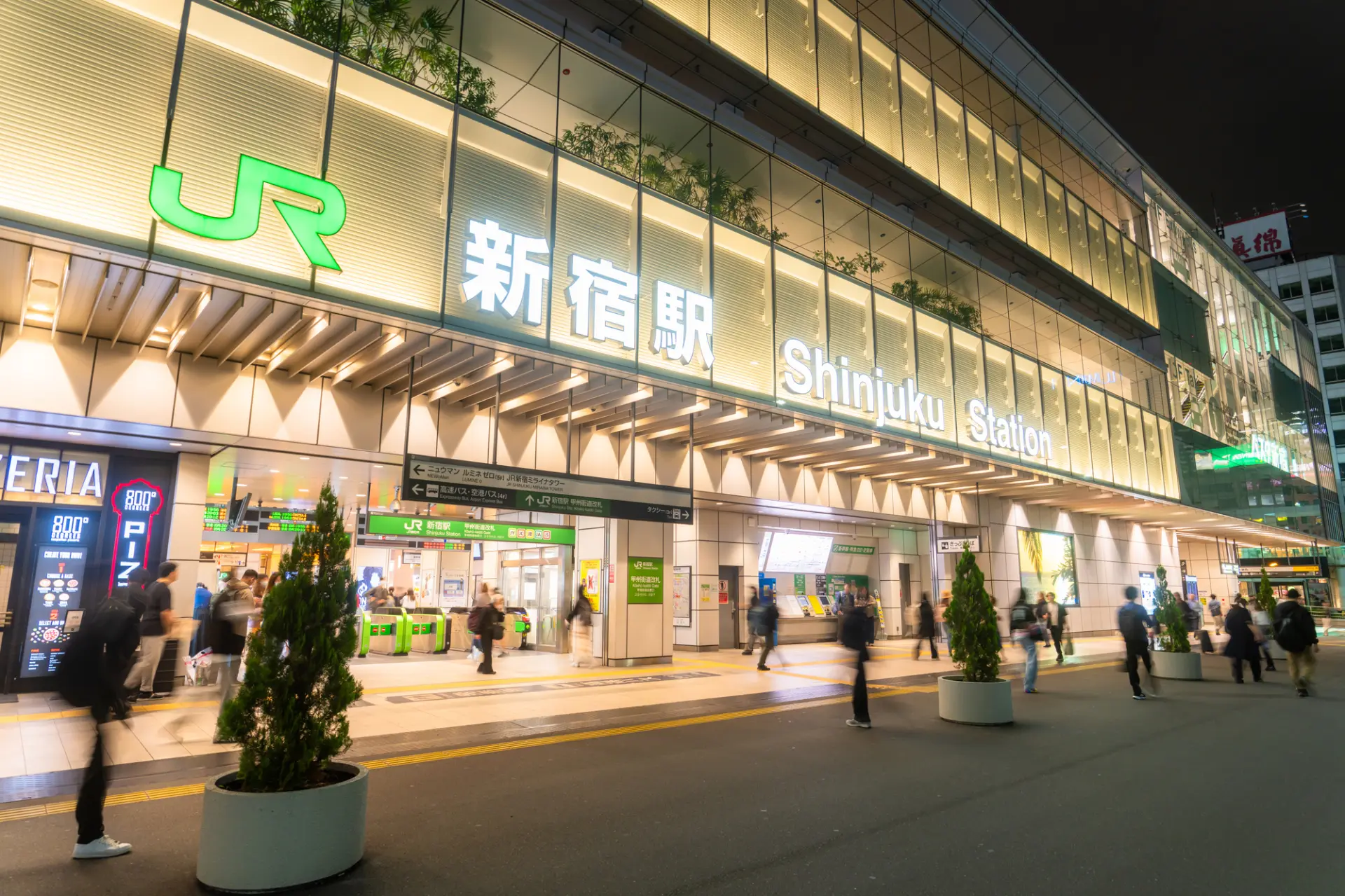
1. Shinjuku Station is complex and easy to get lost in
As one of the world’s largest terminal stations, Shinjuku Station has many lines, plus countless ticket gates and exits.
Not only first-time visitors, but even people who’ve used it multiple times can easily get lost.
When using Shinjuku Station, it’s important to check the nearest exit to your destination and the general direction in advance.
Then, inside the station, follow signage and station staff guidance to head for your exit.
Once you’re above ground, using a map app will help you reach your destination smoothly.
2. Watch out for touts in Kabukicho at night
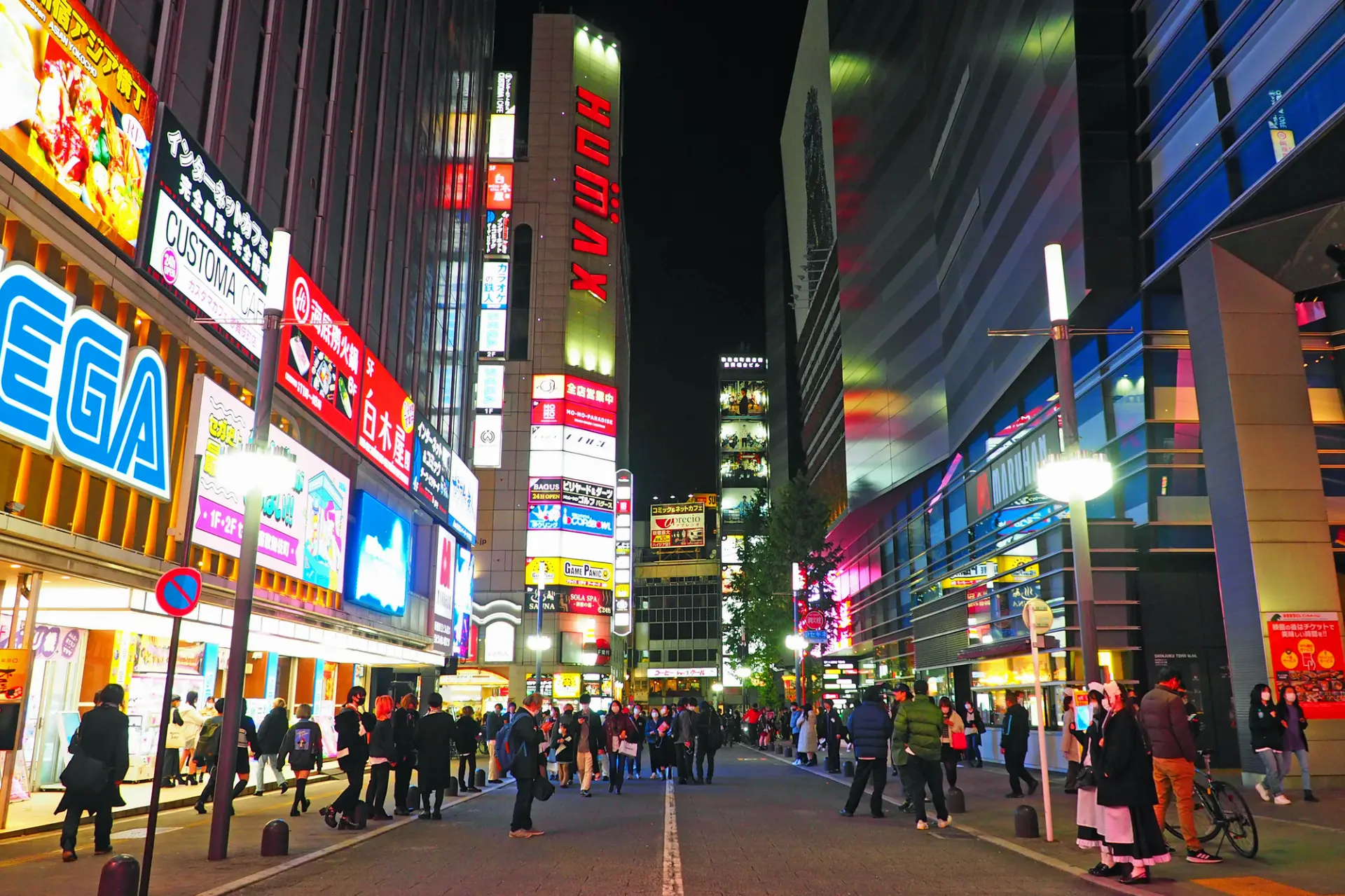
In Kabukicho, you may see touts at night.
Even if someone calls out “cheap” or “you can get in right away,” it’s best to avoid following spur-of-the-moment invitations.
To prevent trouble, it’s important to choose restaurants and bars with a good reputation that you’ve researched in advance.
Checking official websites for prices and pricing systems, and scanning reviews for bad feedback, can help you feel more secure.
If you feel even slightly uneasy, don’t stop—move to a brighter, busier street. That’s the key to enjoying Shinjuku nightlife safely.
3. Don’t miss the last train by getting too caught up in nightlife
Shinjuku is a city that stays fun late into the night, with restaurants, nightclubs, and more open until late.
However, train service ends before 1am, so please keep that in mind.
If you miss the last train, you may need to take a taxi with late-night surcharges, which can cost more than expected.
If you plan to enjoy nightlife, it’s important to check last-train times in advance and think through how you’ll get back.
By planning ahead—like staying near the nightlife district or timing your night to catch the last train—you can enjoy Shinjuku evenings with peace of mind.
4. Smoking on the street and littering are prohibited
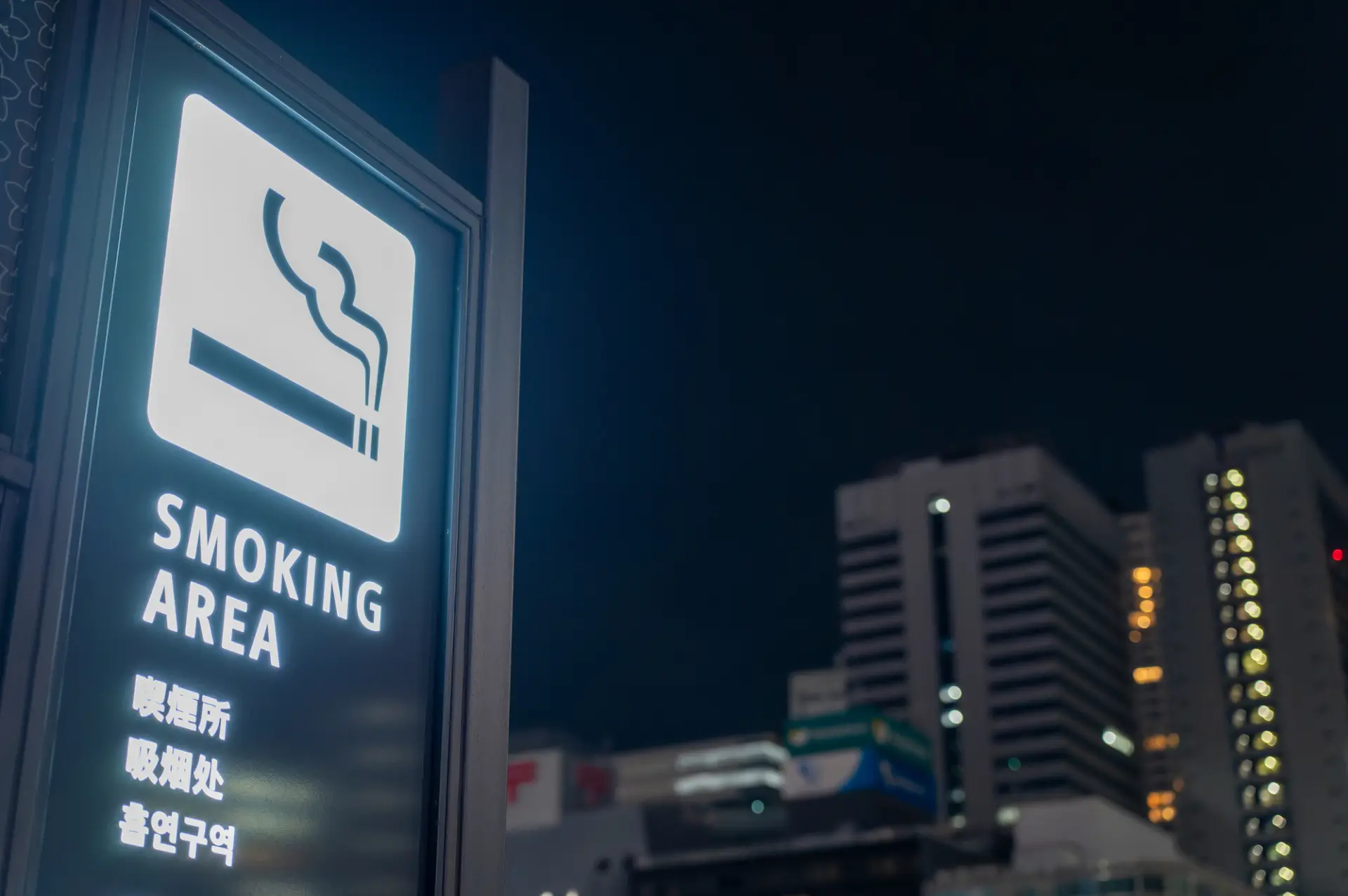
In Shinjuku City, smoking on the street is prohibited across the entire ward by ordinance.
This applies not only to smoking while walking but also to smoking while standing still, and smoking is not allowed outside designated smoking areas.
Throwing away cigarette butts or trash is also prohibited, and the community works together under environmental beautification ordinances.
If you want to smoke, use public smoking areas set up by the ward or cafes and restaurants with smoking booths—places that follow the rules.
Smoking areas are installed in multiple locations around the ward, including near Shinjuku Station’s East and West Exits.
Smoking on the street or throwing cigarette butts on the sidewalk not only bothers others, but you may also be warned for violating the ordinance, so follow the rules and enjoy your visit.
5. Crowds can make travel times longer than expected
Shinjuku is busy throughout the day, and it gets especially crowded during morning and evening commuting hours, as well as weekends and holidays.
In the station and on major streets, foot traffic can slow down, and it’s not uncommon to find it hard to move as planned.
Even if a map app shows “5 minutes on foot,” it may take longer depending on crowd levels.
If you’re visiting multiple sightseeing spots, don’t underestimate travel time—building a schedule with extra buffer is essential.
Especially if you have timed plans, heading out early makes it easier to avoid delays caused by crowds.
FAQ about Shinjuku Sightseeing
Q
If I’m sightseeing in Shinjuku, which station should I use as my base?
A
We recommend using Shinjuku Station as your base, since it’s easy to get to other Shinjuku areas and there are many sightseeing spots and facilities around the station.
Q
Where can I store luggage in Shinjuku?
A
There are many coin lockers inside Shinjuku Station and in nearby commercial facilities.
Summary
In this article, we’ve introduced must-visit spots by category, including sightseeing spots, restaurants, shopping, and places to stay.
By exploring Shinjuku while keeping in mind the recommended experiences and cautions we covered, your trip is sure to become a memorable one.
Tokyo has many other fascinating areas beyond Shinjuku.
Also check out the article below, which carefully selects and introduces top sightseeing spots across Tokyo.