
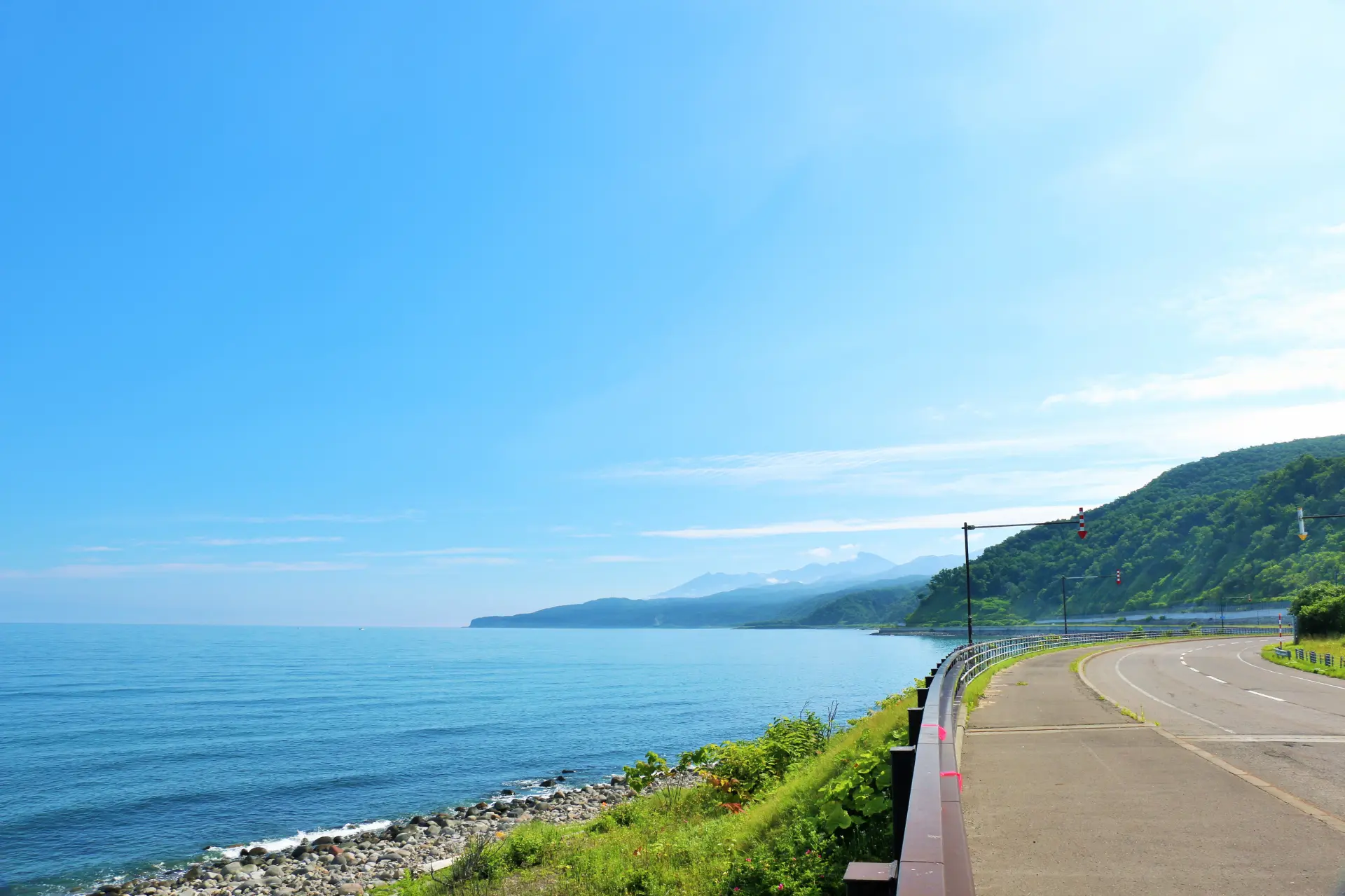
To Shiretoko without a Car: Explore Eastern Hokkaido’s Coast, Lakes, and Peninsulas on the Eastern Hokkaido Express Bus (Summer)
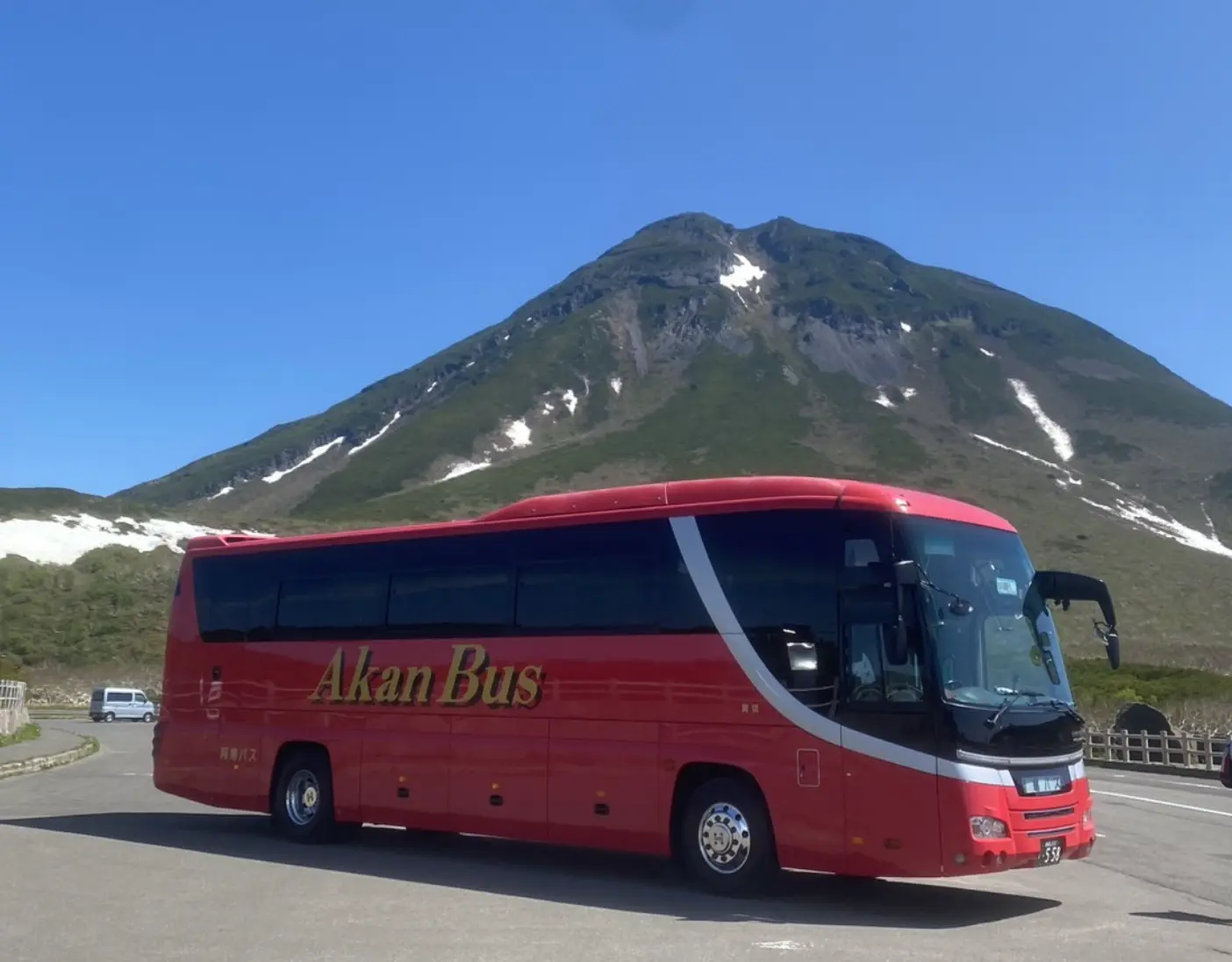
Eastern Hokkaido offers a rich variety of natural scenery, from the Sea of Okhotsk and lakes to wetlands, peninsulas, and UNESCO-listed wilderness. If you’re exploring this vast region without a rental car, figuring out how to get from one destination to the next is a key part of planning your trip. That’s where the Eastern Hokkaido Express Bus (Summer) comes in. This guide introduces the routes, sights along the way, and practical information for the Monbetsu-Shiretoko Express and Shiretoko-Monbetsu Express, which link the Monbetsu area with Shiretoko, and the Kushiro-Shiretoko Line and Shiretoko-Kushiro Line, which connect the Kushiro area with Shiretoko. Set out to explore eastern Hokkaido, enjoying the journey itself as you watch the sea, lakes, and vast landscapes unfold outside your window.
Explore without a Car: What Is the Eastern Hokkaido Express Bus (Summer)?
If you’re exploring eastern Hokkaido from summer through fall, sightseeing buses that connect the region’s attractions are one convenient option. Particularly useful for reaching Shiretoko are the Monbetsu-Shiretoko Express and Shiretoko-Monbetsu Express, which connect the Monbetsu area and Shiretoko along the Sea of Okhotsk coast, and the Kushiro-Shiretoko Line and Shiretoko-Kushiro Line, which connect the Kushiro area with Shiretoko. The Shiretoko-bound service from Kushiro visits Lake Akan, Lake Mashu, and other sights. Each service combines travel with sightseeing stops, so there’s more to the trip than simply getting to your destination. The stops differ by direction, allowing you to choose the service that best suits the places you want to visit and your itinerary. Reservations are required, so check the operating dates, boarding and drop-off points, and booking deadlines before you travel.
Sea Views, Lakes, and Port Towns: The Monbetsu-Shiretoko Express and Shiretoko-Monbetsu Express
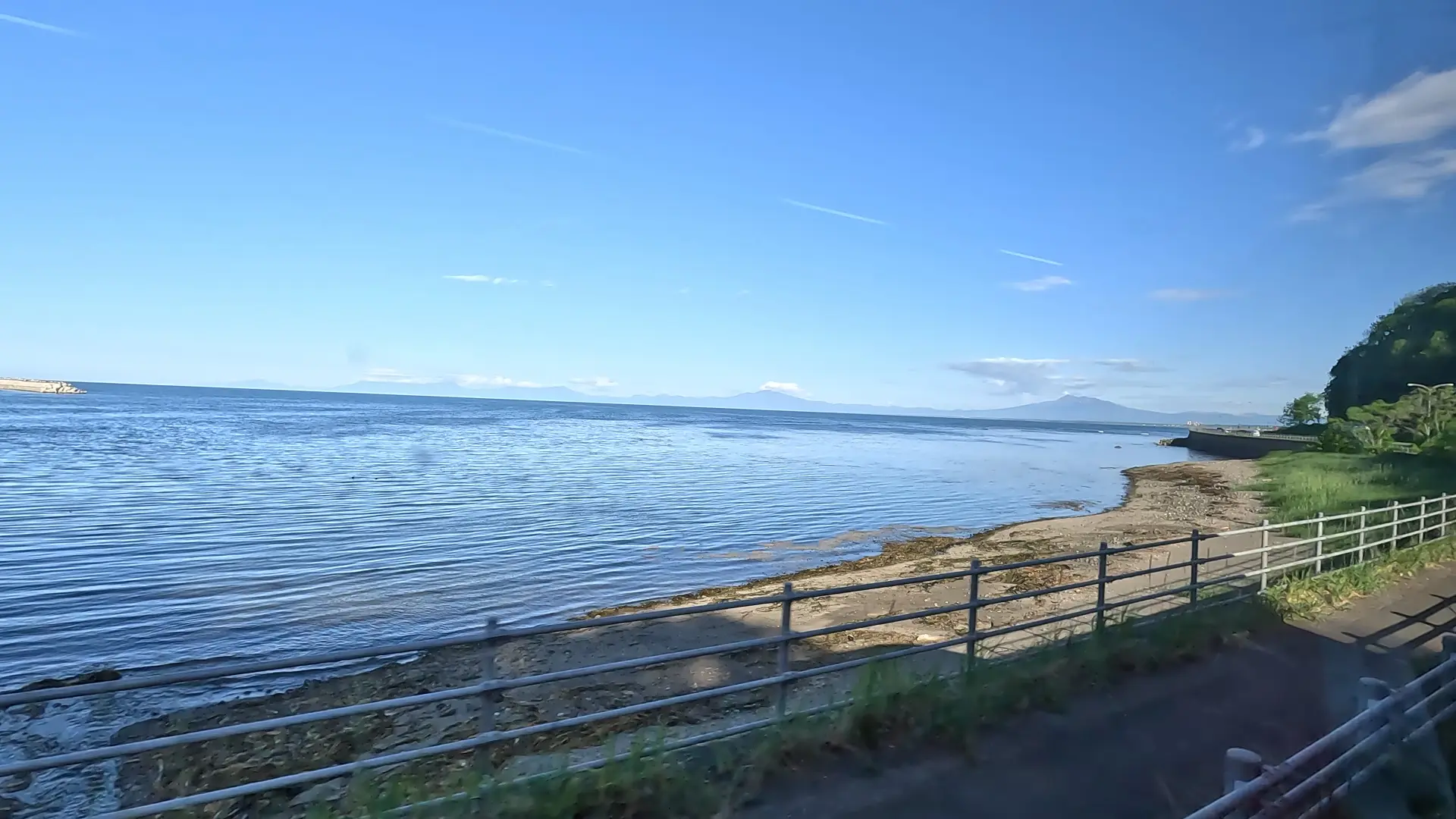
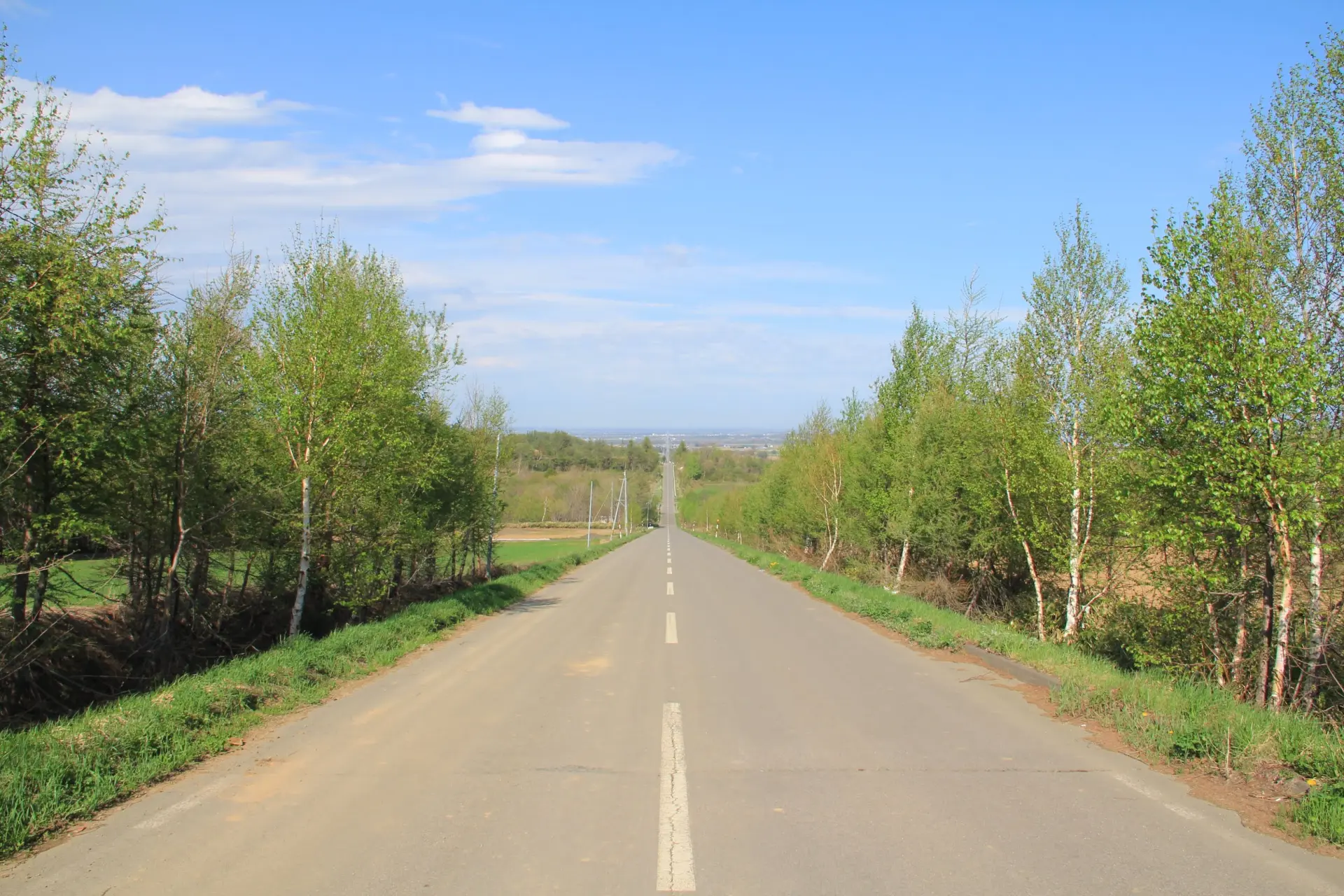
The Seaside Express Bus connects Monbetsu, a port town on the Sea of Okhotsk, with Utoro, a gateway to the UNESCO World Heritage Site of Shiretoko, via Abashiri and other stops. In 2026, it runs daily from July 24 to October 31. Departing from Monbetsu, the Monbetsu-Shiretoko Express travels to Utoro via Wakka Wild Flower Garden, Memanbetsu Airport, Abashiri, and other stops. Traveling in the opposite direction, the Shiretoko-Monbetsu Express heads to Monbetsu with stops at Kitahama Station and sightseeing attractions in Abashiri. The route combines sightseeing with travel, with views of the distinctive scenery along the Sea of Okhotsk coast.
1. Monbetsu: A Port Town for Exploring the Sea
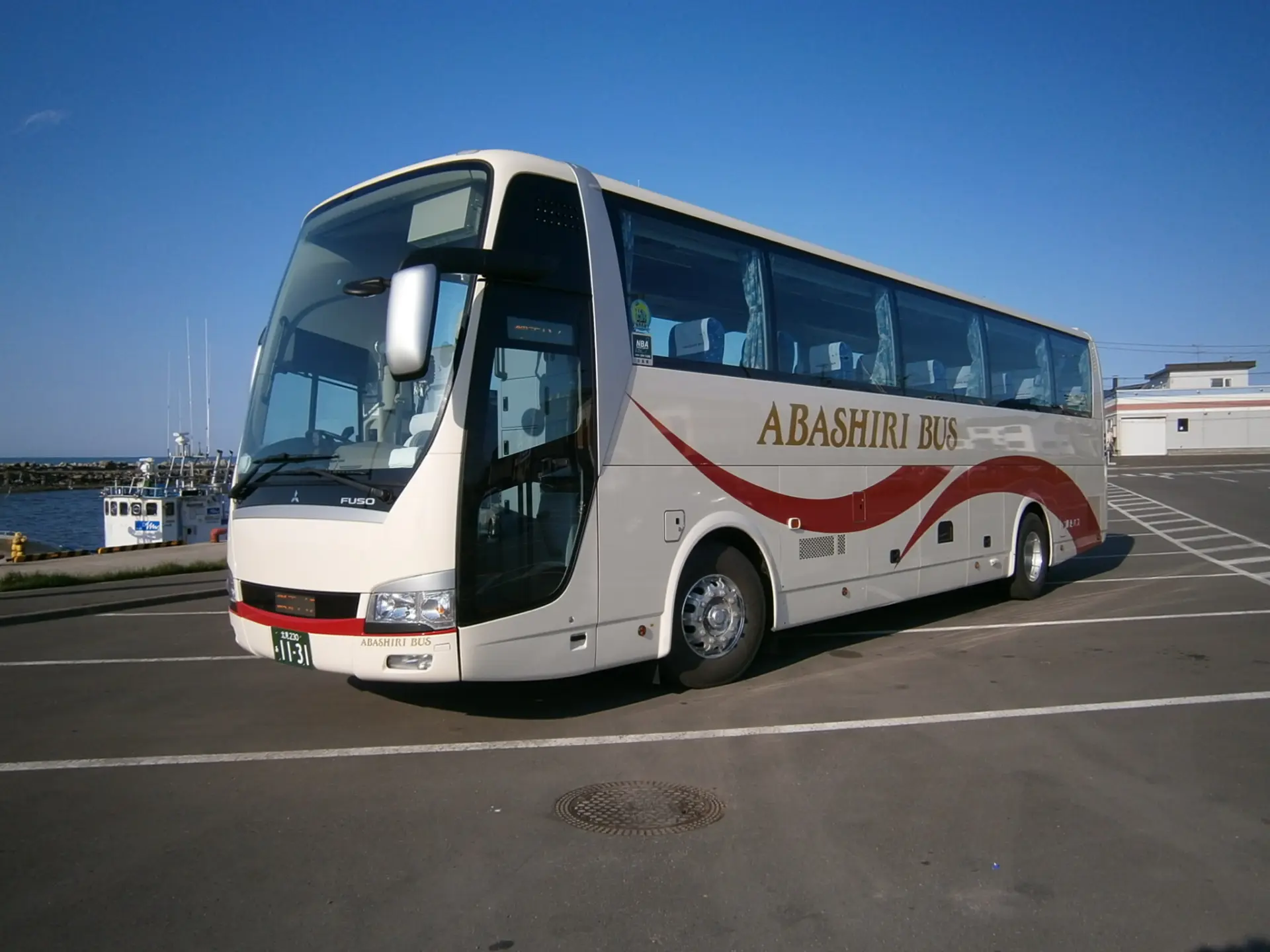
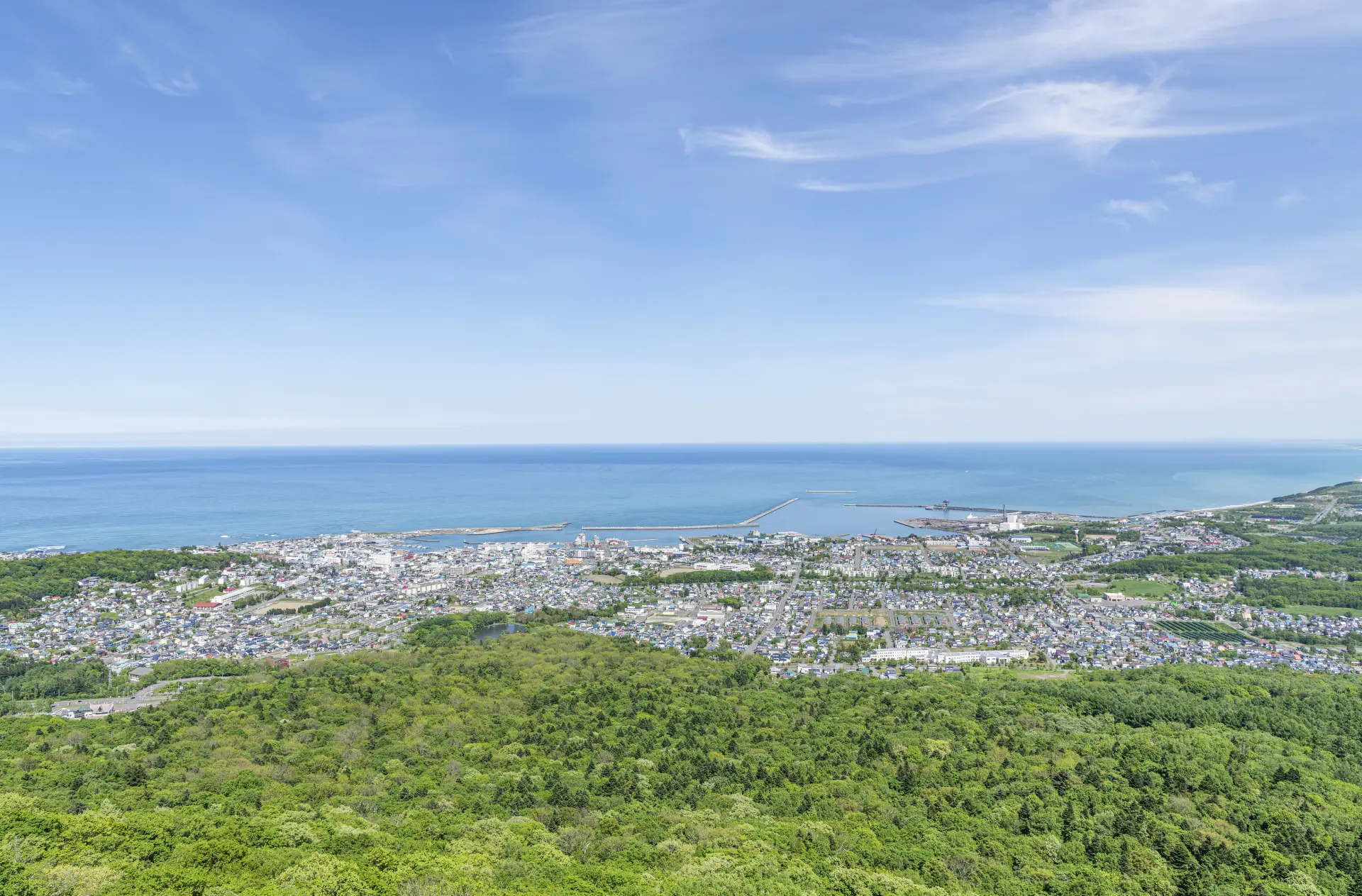
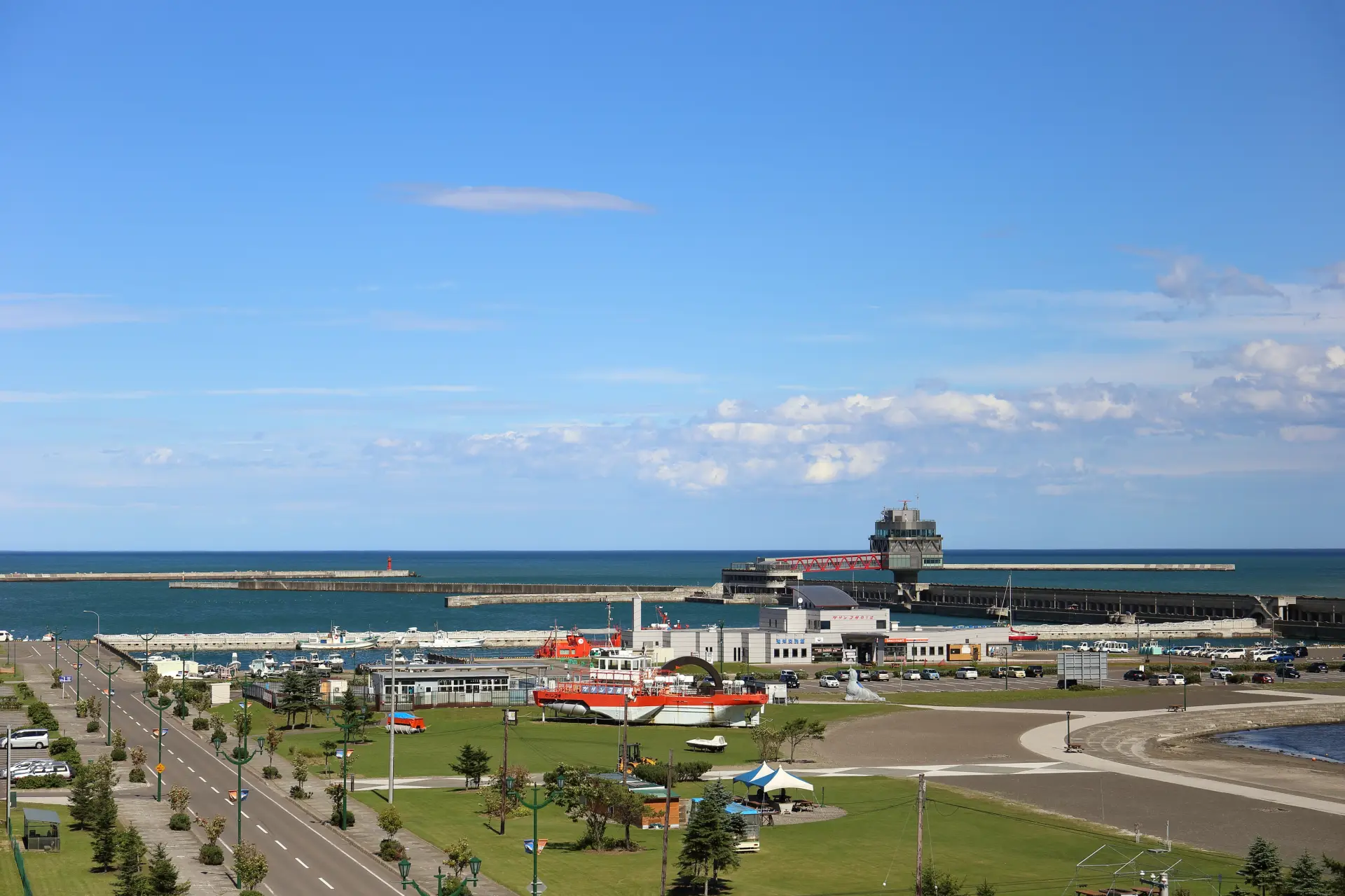
Monbetsu’s development as a port town has long been tied to the Sea of Okhotsk. The area around Ocean Communication Hall (Garinko Station) serves as a hub for sightseeing. In summer, cruises on the Sea of Okhotsk and other activities reveal a different side of the sea from the one seen in winter. You can also work seasonal experiences, such as a sunset cruise, into your itinerary. After exploring Monbetsu, board the Monbetsu-Shiretoko Express to continue toward Shiretoko while enjoying the scenery along the Okhotsk coast.
2. Lake Saroma: Expansive Views and Local Flavors
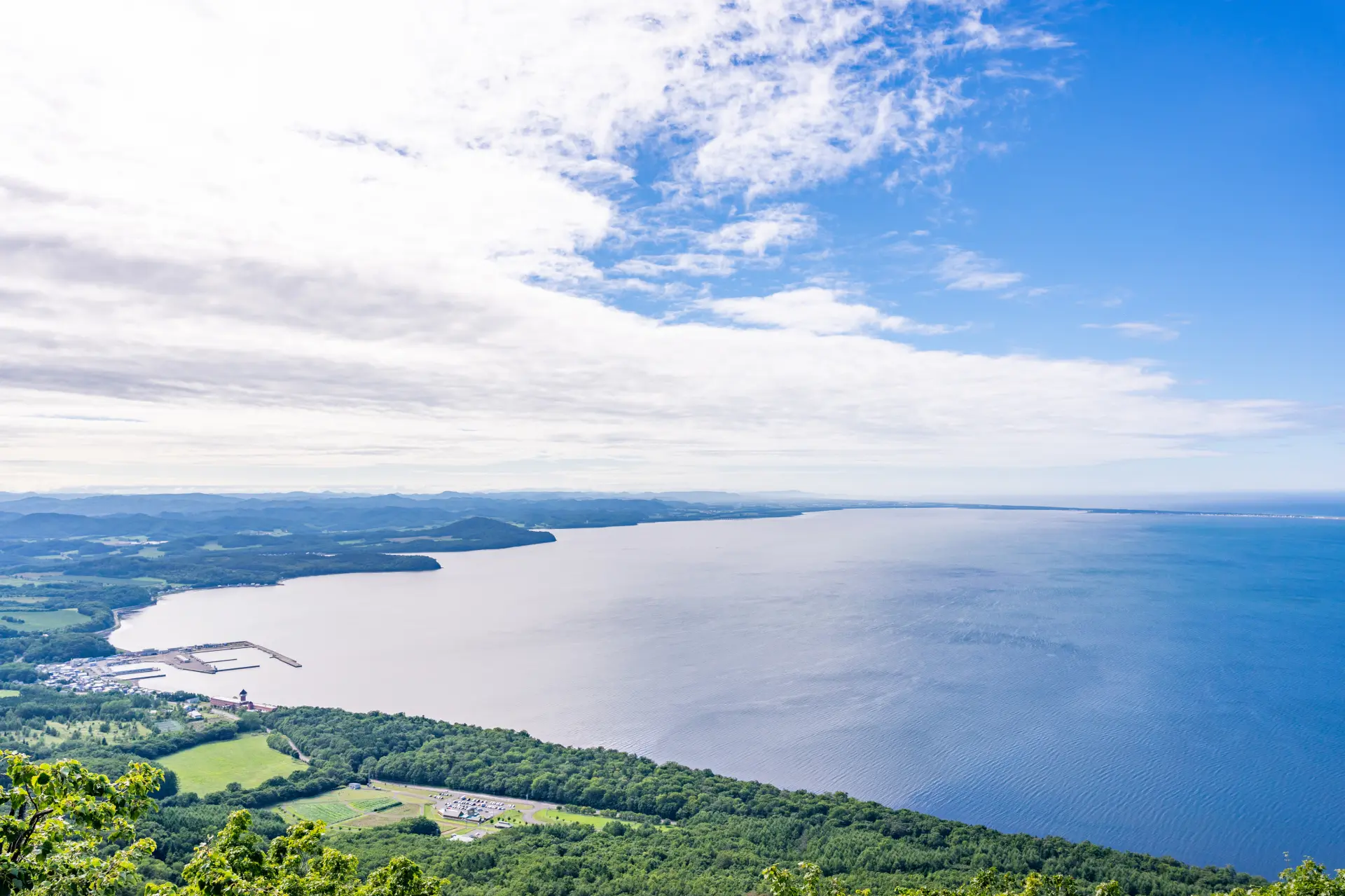
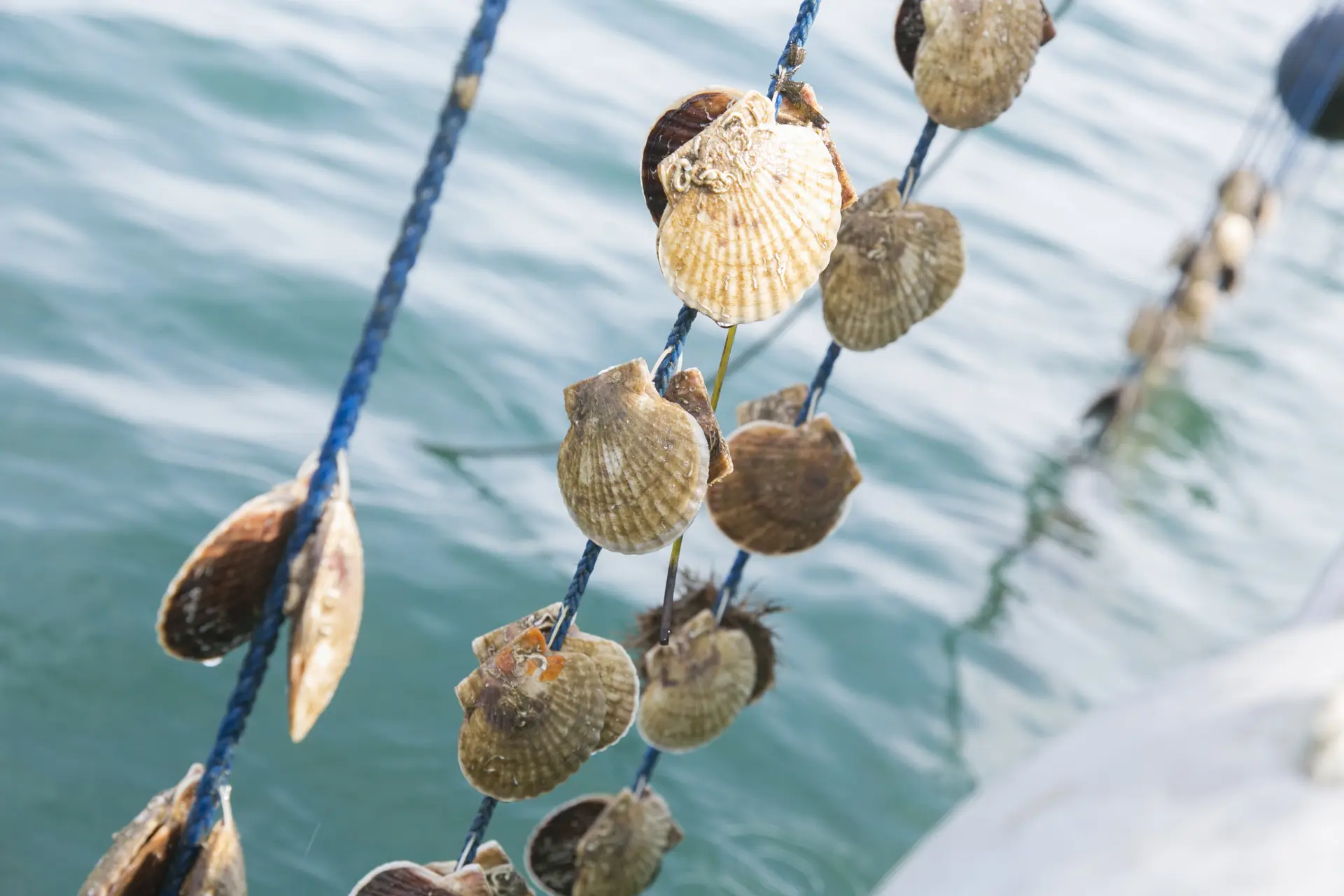
Separated from the Sea of Okhotsk by a long, narrow sandbar, Lake Saroma is Hokkaido’s largest lake and Japan’s third largest by area. Its brackish waters stretch beneath a wide sky, creating one of the Okhotsk region’s signature landscapes. The area is also known for scallops, making dishes prepared with fresh local seafood another highlight. Notice how the scenery gradually changes as you travel from coastal port towns to the lake.
3. Abashiri: Discover the History and Nature of the Sea of Okhotsk
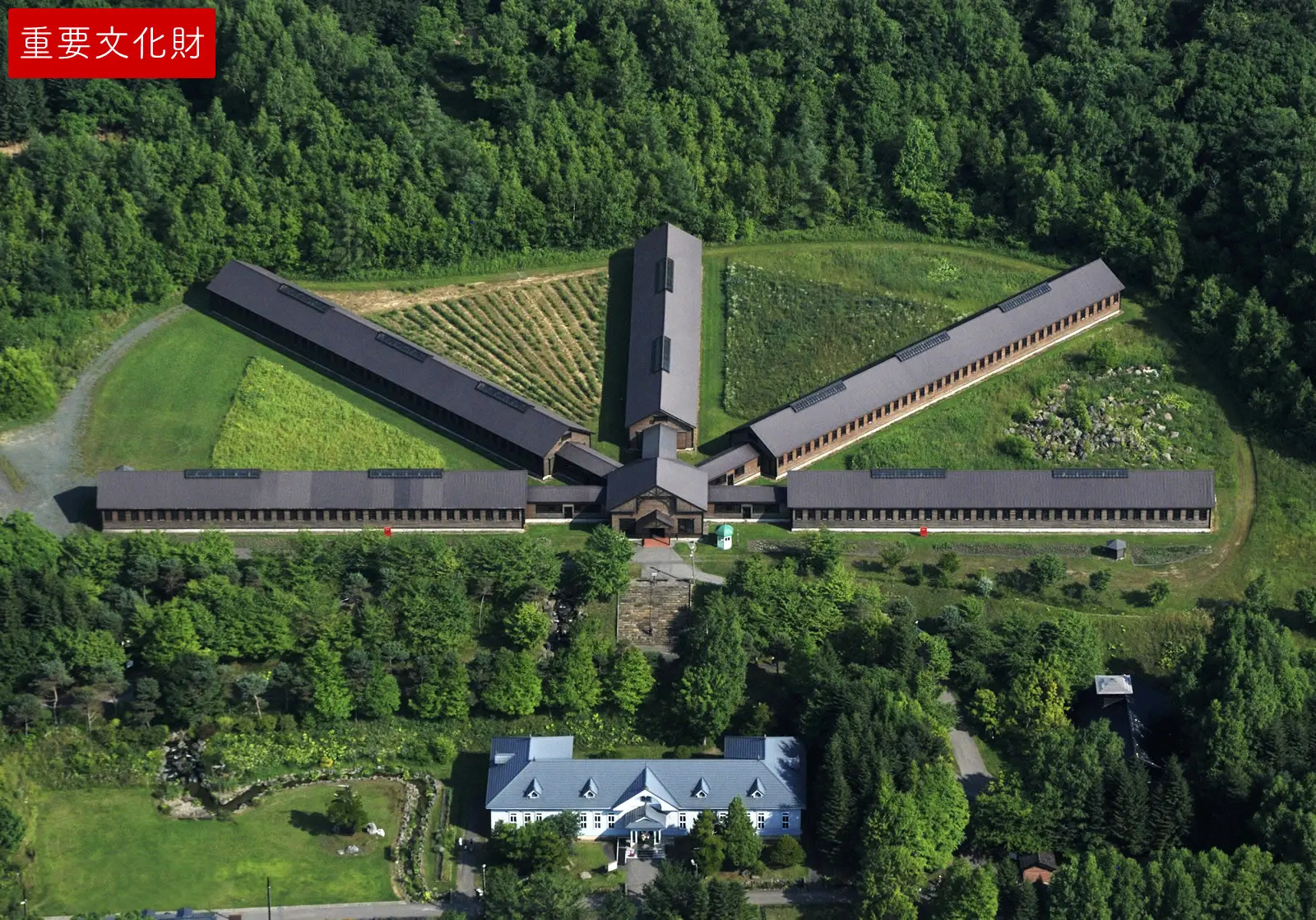
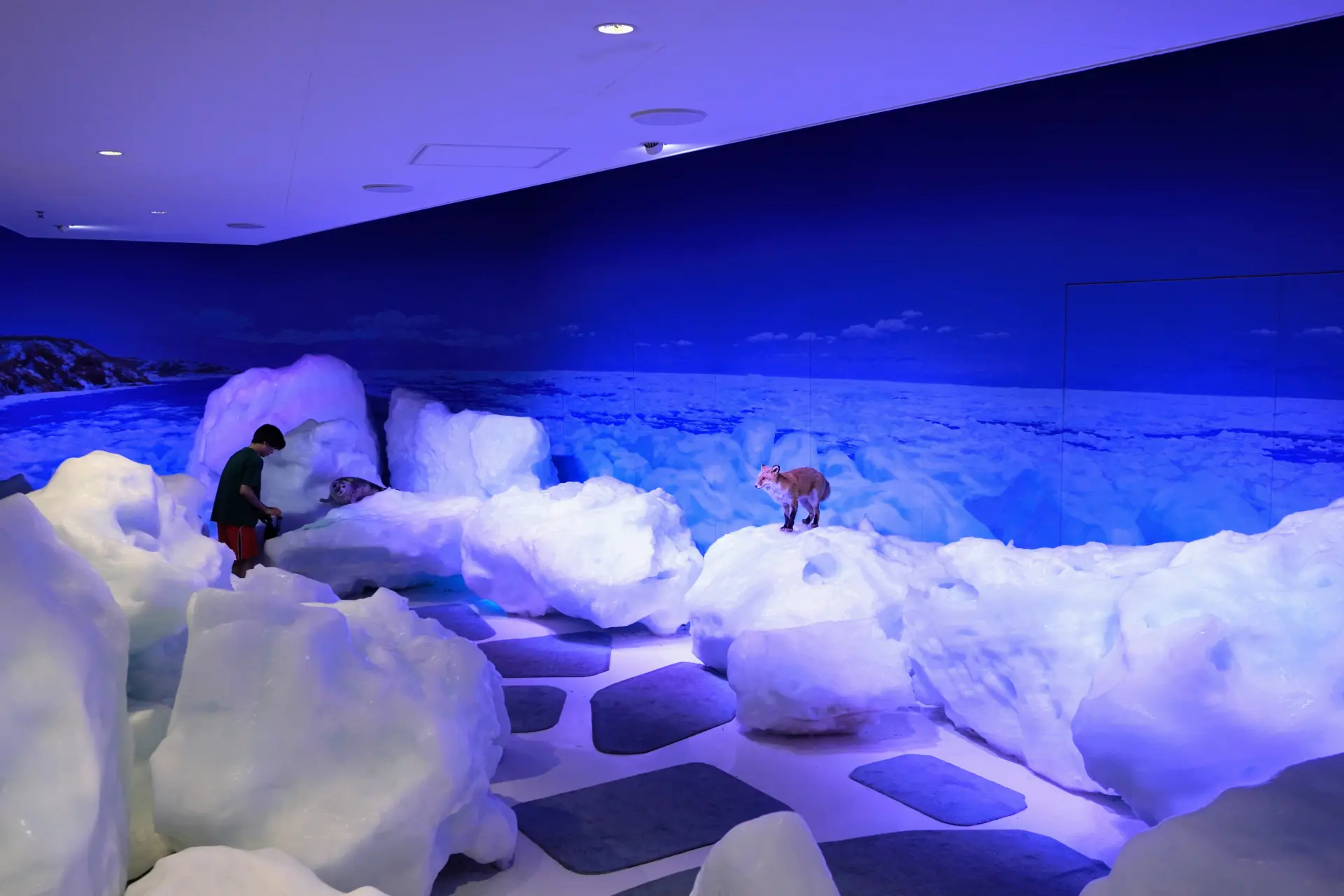
Abashiri, on the Sea of Okhotsk, brings together attractions that explore the region’s distinctive history and natural environment. Highlights include the Abashiri Prison Museum, which traces the history of Abashiri Prison back to the Meiji era (1868-1912), and the Okhotsk Ryu-hyo Museum, which introduces the region’s drift ice and marine life. On the Shiretoko-Monbetsu Express, you can choose to visit either museum. You can also board or get off at JR Abashiri Station, making it easy to combine bus and rail travel as you explore eastern Hokkaido.
4. Shiretoko Utoro: Experience the Wilderness of a UNESCO World Heritage Site
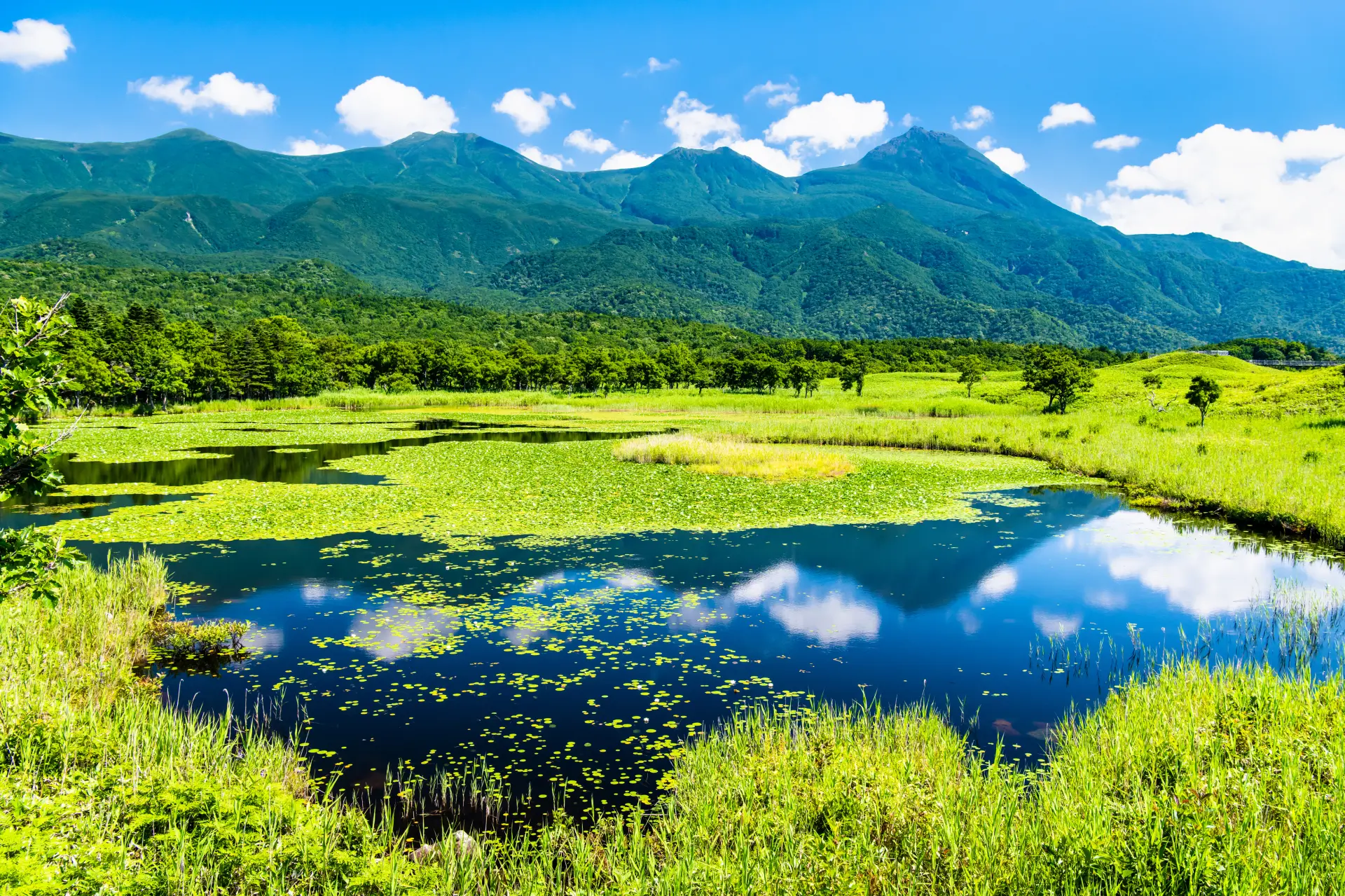
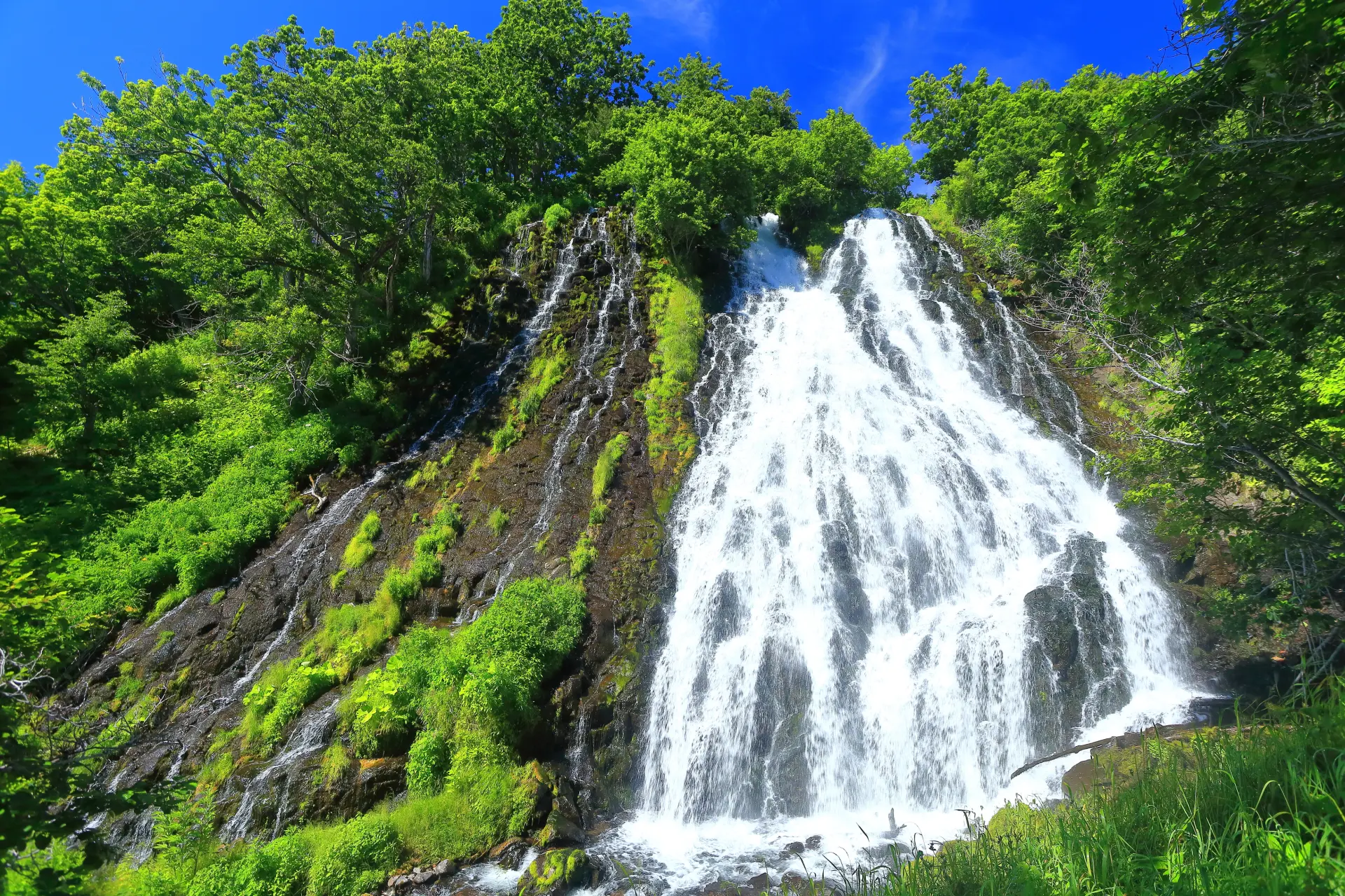
On the western side of the Shiretoko Peninsula, Utoro is a base for exploring the UNESCO World Heritage Site of Shiretoko. A wide range of natural sights awaits, including the pristine landscapes of Shiretoko Goko Lakes, sightseeing cruises offering views of coastal cliffs and waterfalls, and Oshinkoshin Falls, with its roughly 30-meter drop. After sightseeing, unwind in the hot springs of Utoro Onsen. You could spend the night in the hot spring town after arriving by bus, then explore nearby attractions such as Shiretoko Goko Lakes the following day.
Lakes, Wetlands, and Peninsulas: The Kushiro-Shiretoko Line and Shiretoko-Kushiro Line
The Kushiro-Shiretoko Line and Shiretoko-Kushiro Line offer changing landscapes of lakes, mountains, and peninsulas as they connect Kushiro with Utoro in Shiretoko. Note that the two directions follow different itineraries in 2026. The Kushiro-Shiretoko Line leaves Kushiro and travels to Utoro via Lake Akan and Lake Mashu, with stops around Lake Kussharo and at Bihoro Pass. The Shiretoko-Kushiro Line leaves Utoro and heads to Kushiro via Shiretoko Pass, Rausu, Notsuke Peninsula, Nakashibetsu Airport, and other stops. Both let you cover a large part of eastern Hokkaido while sightseeing along the way.
1. Kushiro: Wetlands and the Charms of a Port Town
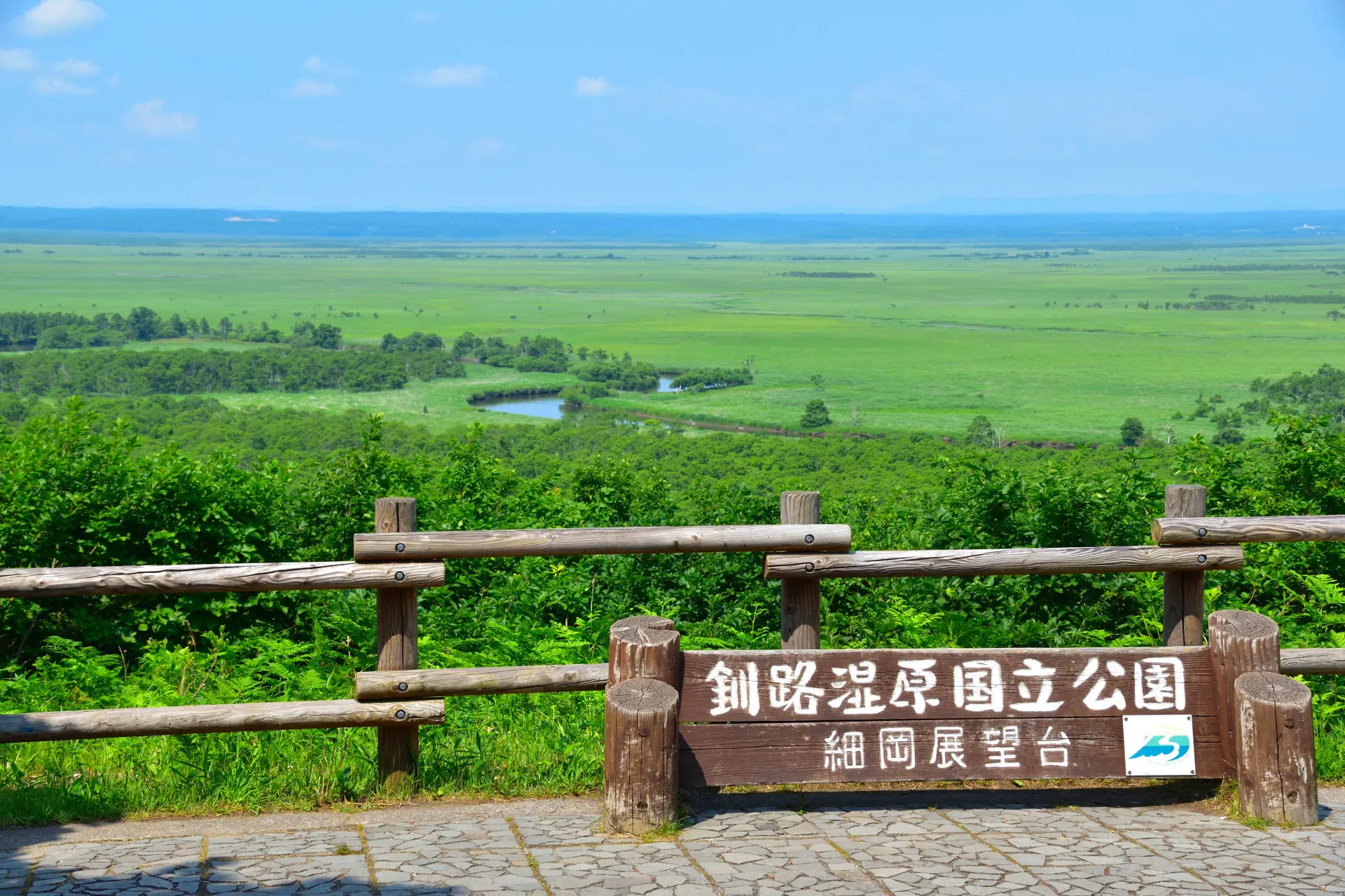
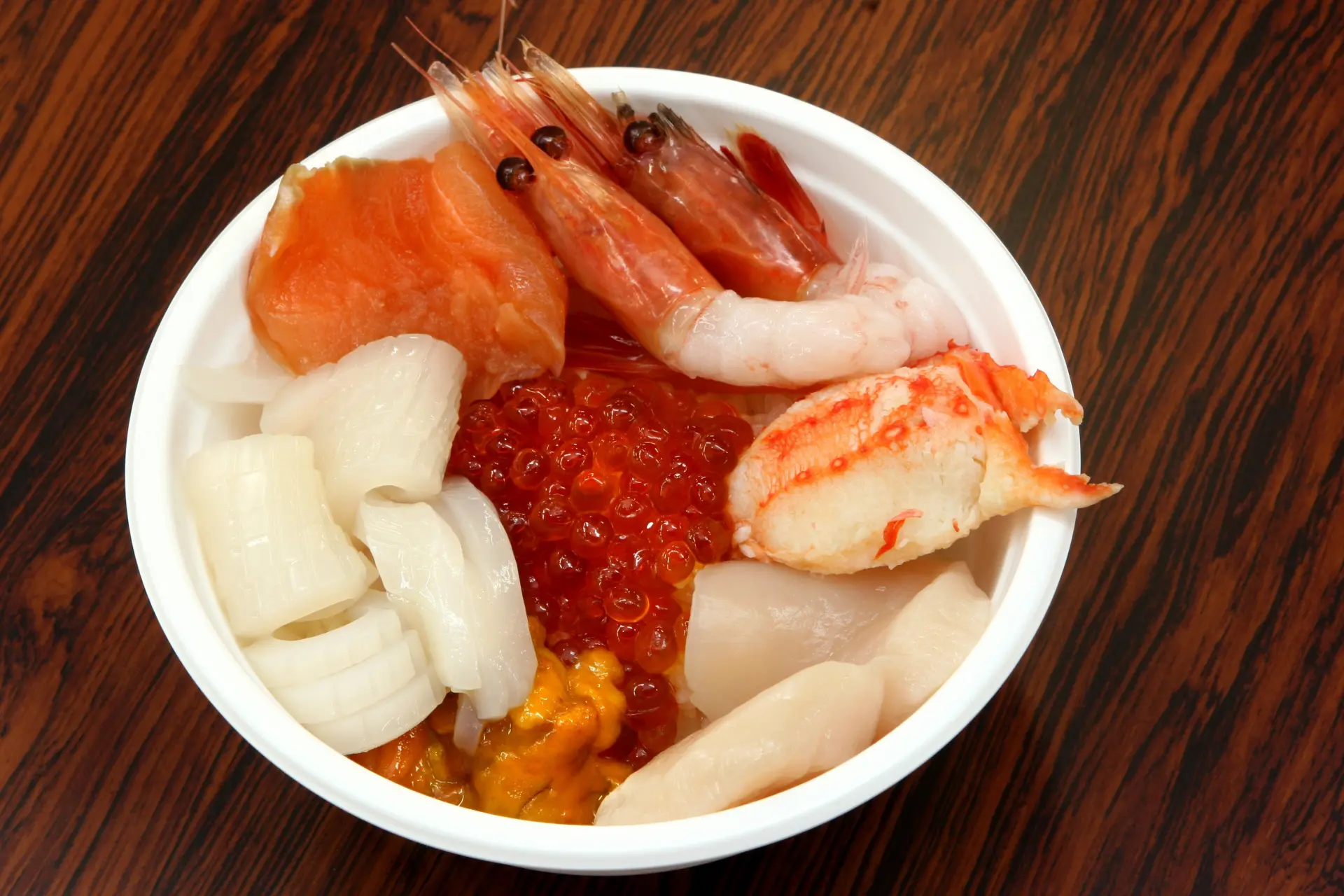
Kushiro, the departure point for the Kushiro-Shiretoko Line, is home to the Kushiro Marsh, Japan’s largest wetland. At Kushiroshitsugen National Park, observation decks and walking trails offer views of the vast wetlands and the plants and animals that live there. Local seafood is another pleasure of visiting this port town. At Kushiro Washo Ichiba Market, try the signature Katte don-a bowl of rice topped with the seafood you choose. You can board the Kushiro-Shiretoko Line at Kushiro Station Bus Terminal and other designated stops, making it convenient to continue to Shiretoko after sightseeing in Kushiro.
2. Lake Akan: Lakeside Scenery and Hot Springs
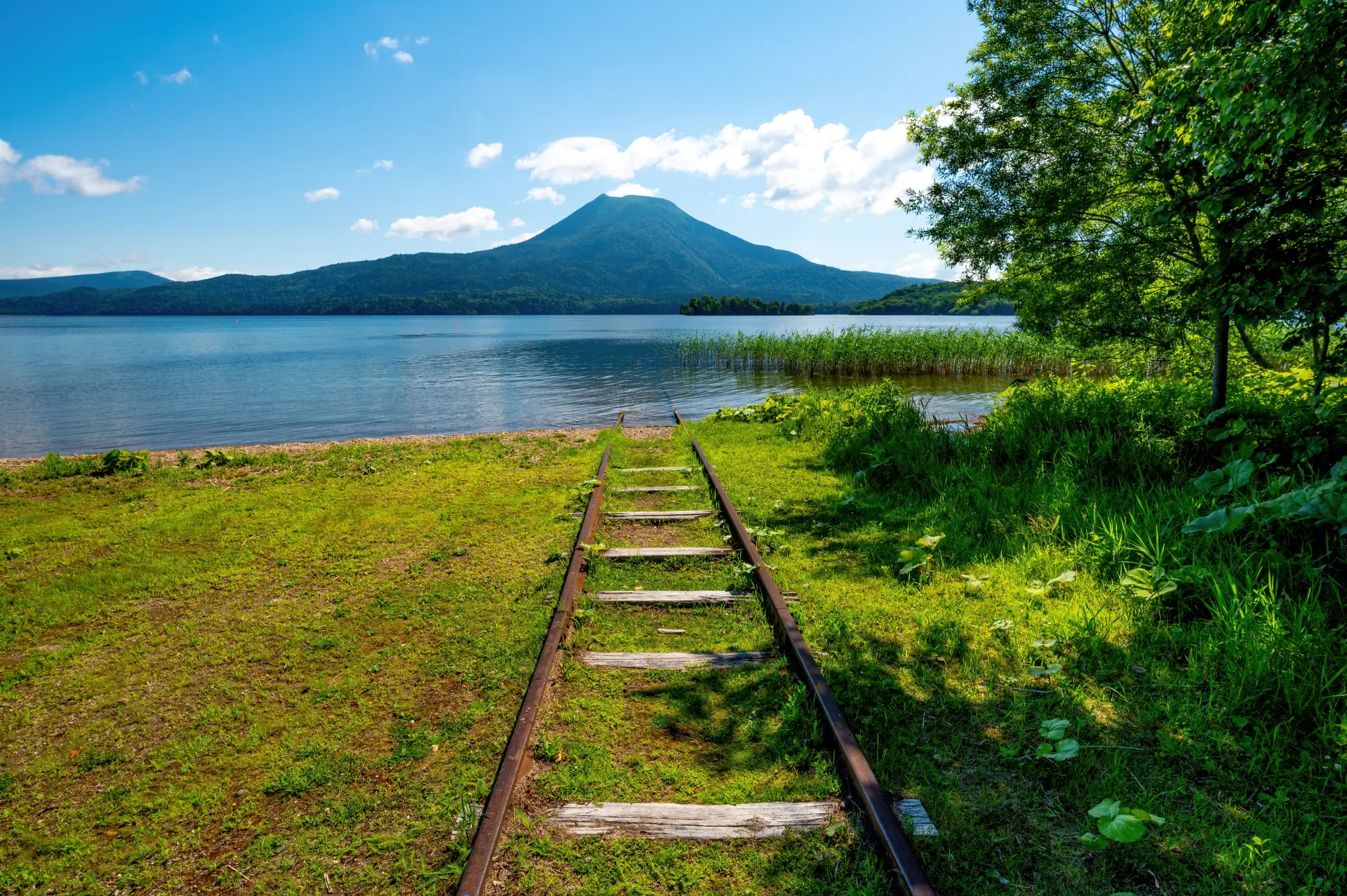
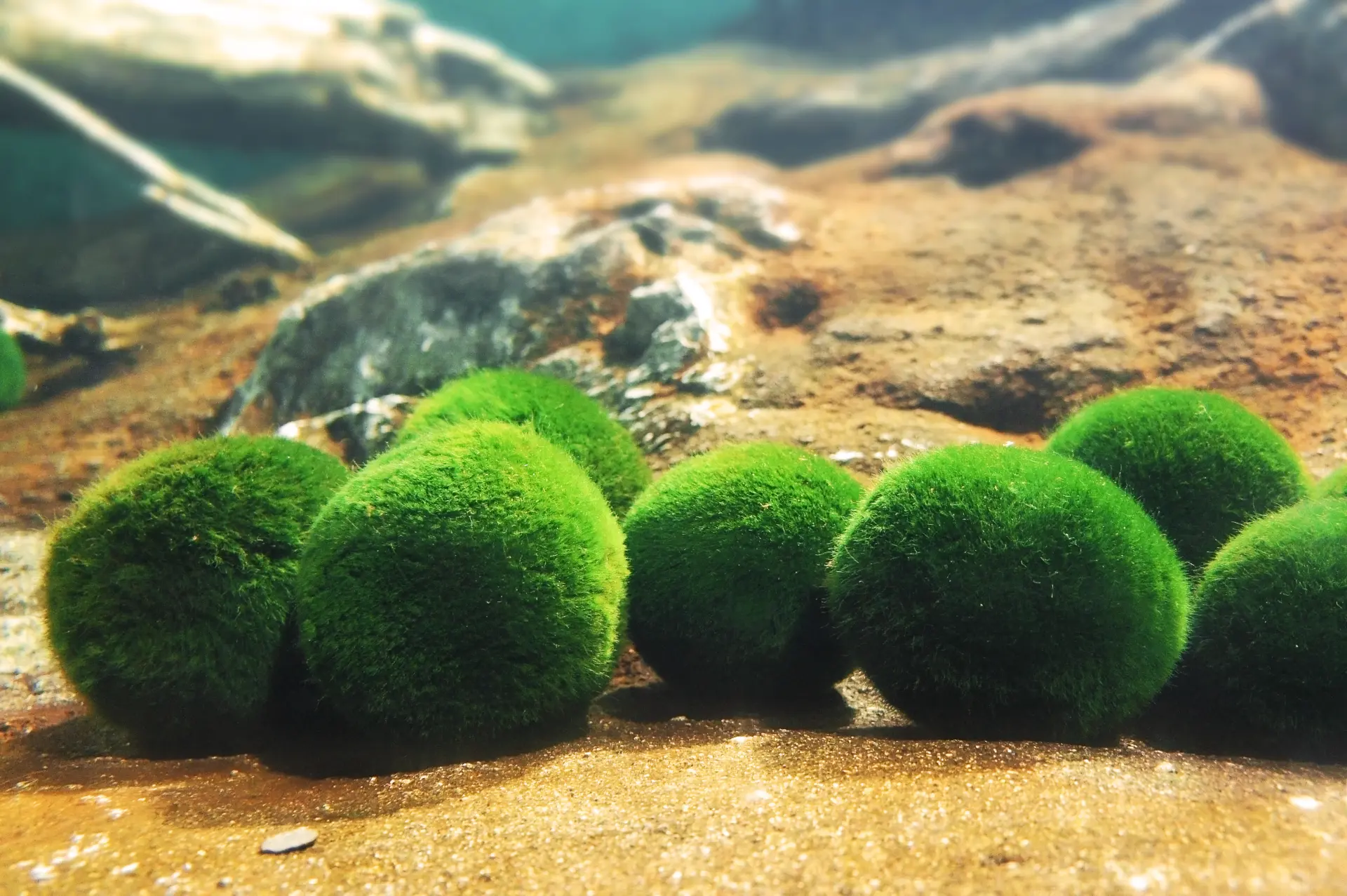
Lake Akan, in Akan-Mashu National Park, is known for its marimo-spherical colonies of freshwater algae designated as a Special Natural Monument of Japan. The surrounding Akanko Onsen area has a concentration of accommodations and restaurants, making it easy to combine lakeside walks with hot spring bathing. You can board the Kushiro-Shiretoko Line at Akanko Onsen and get off there on the Shiretoko-Kushiro Line. The services can also be part of a wider itinerary, with an overnight stay at Lake Akan, for example, instead of traveling the full distance between Shiretoko and Kushiro in one go.
3. Lake Mashu: Vivid “Mashu Blue” Waters
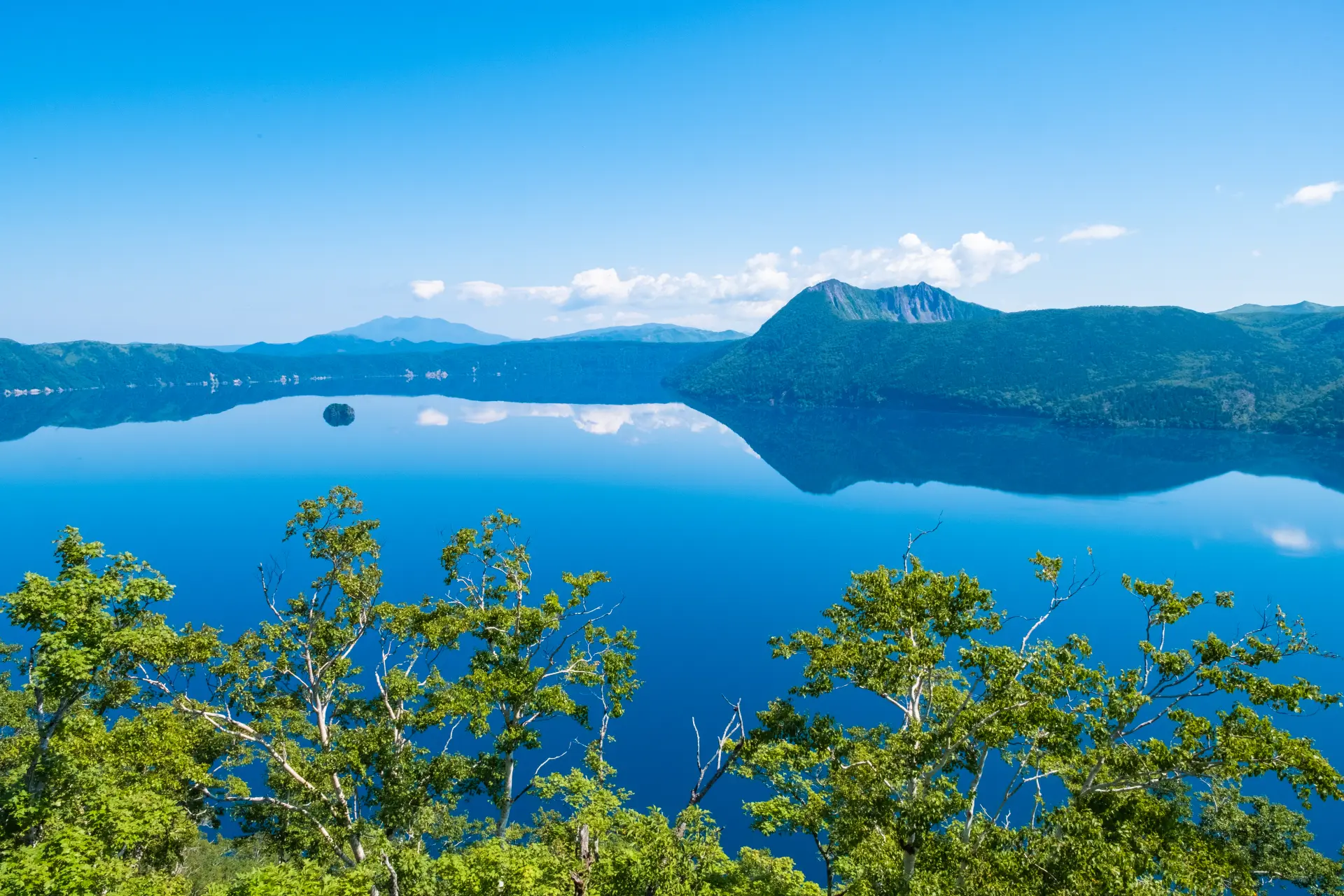
Surrounded by steep caldera walls, Lake Mashu is known for its remarkably clear water and deep blue color, often called “Mashu Blue.” It’s also famous for the fog that frequently settles over its surface. The Kushiro-Shiretoko Line stops at Lake Mashu First Observatory for about 30 minutes. In clear weather, you can enjoy sweeping views of the lake and the surrounding mountains from the observatory.
4. Notsuke Peninsula: A Landscape like No Other
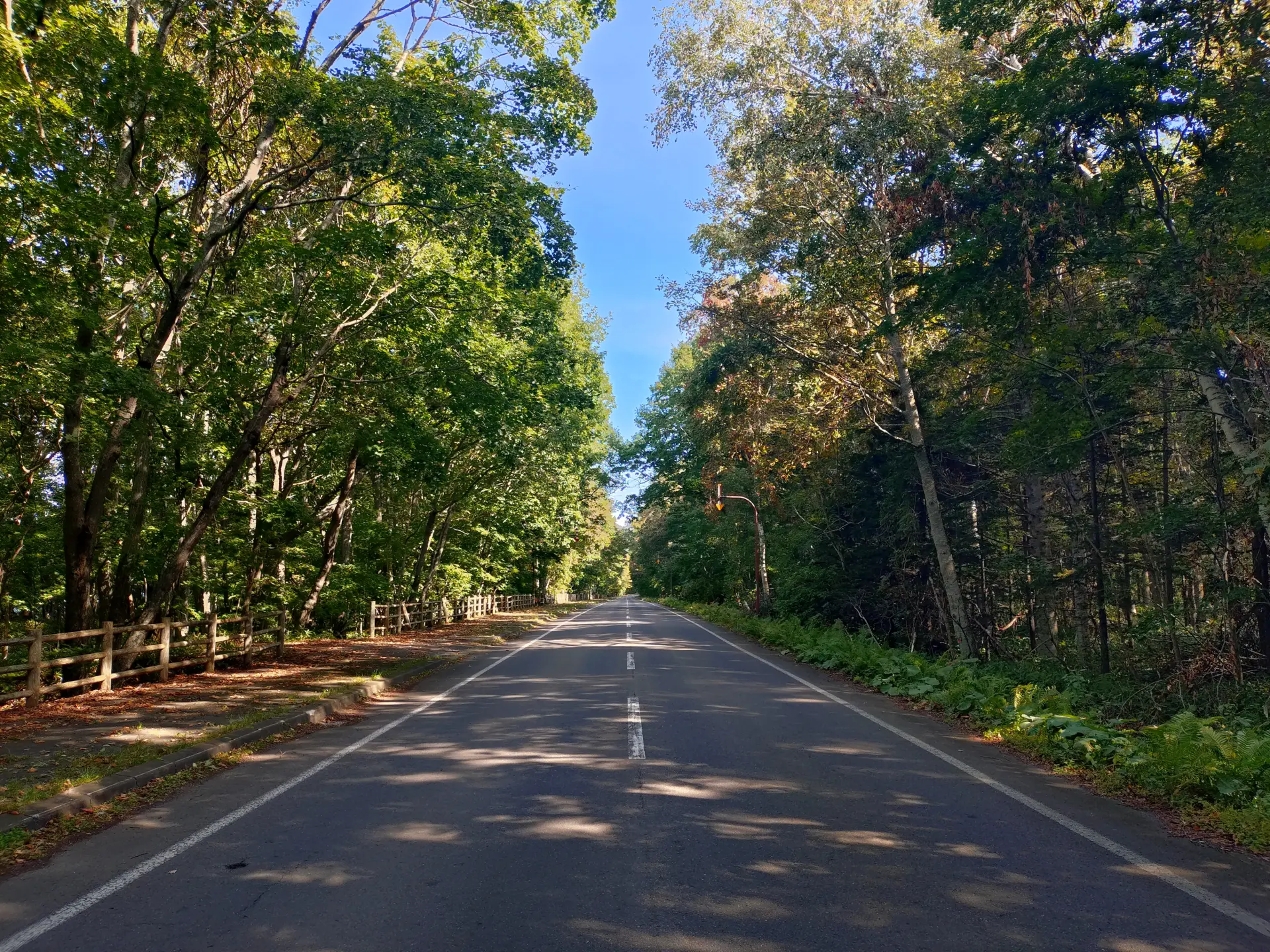
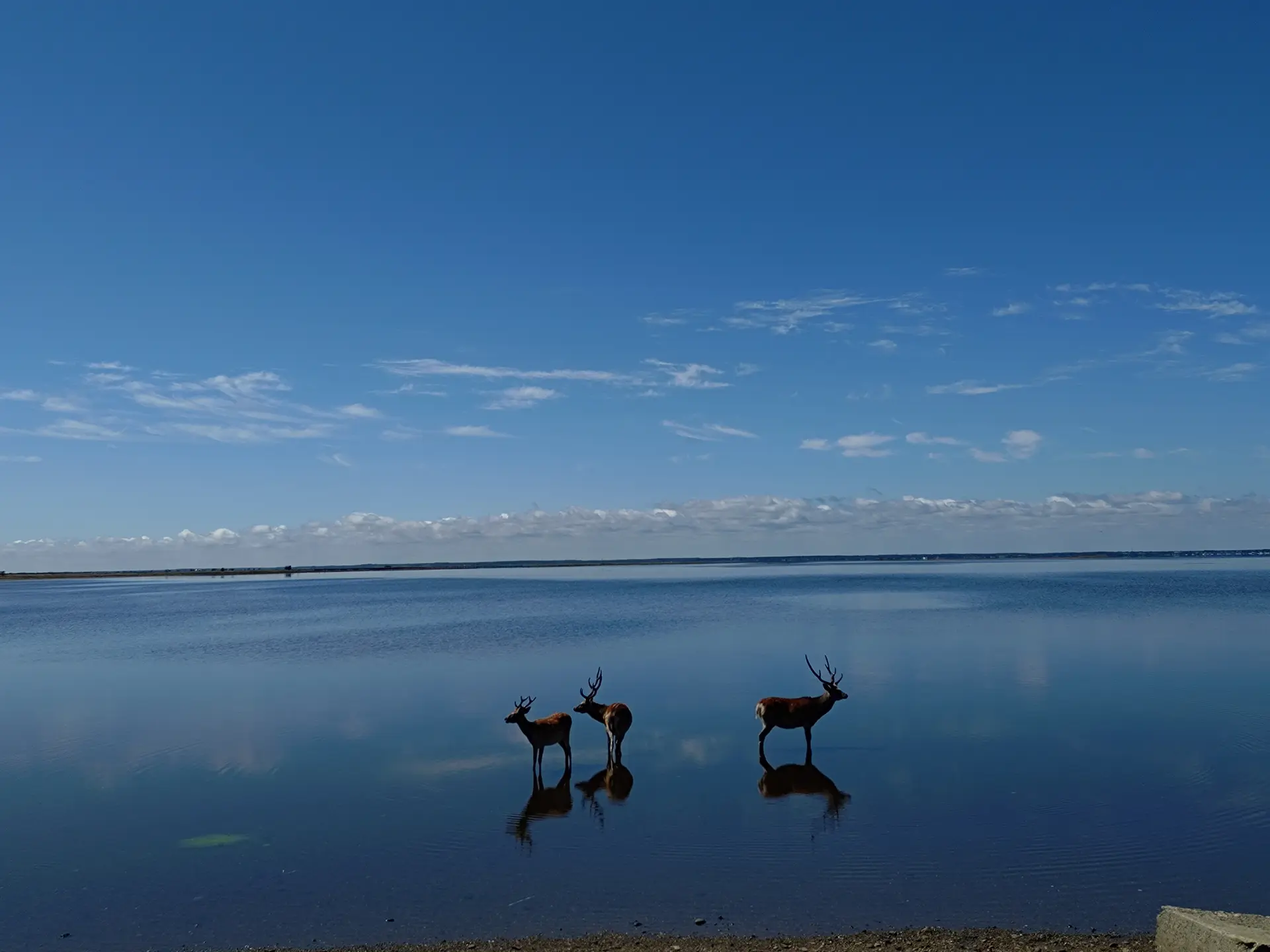
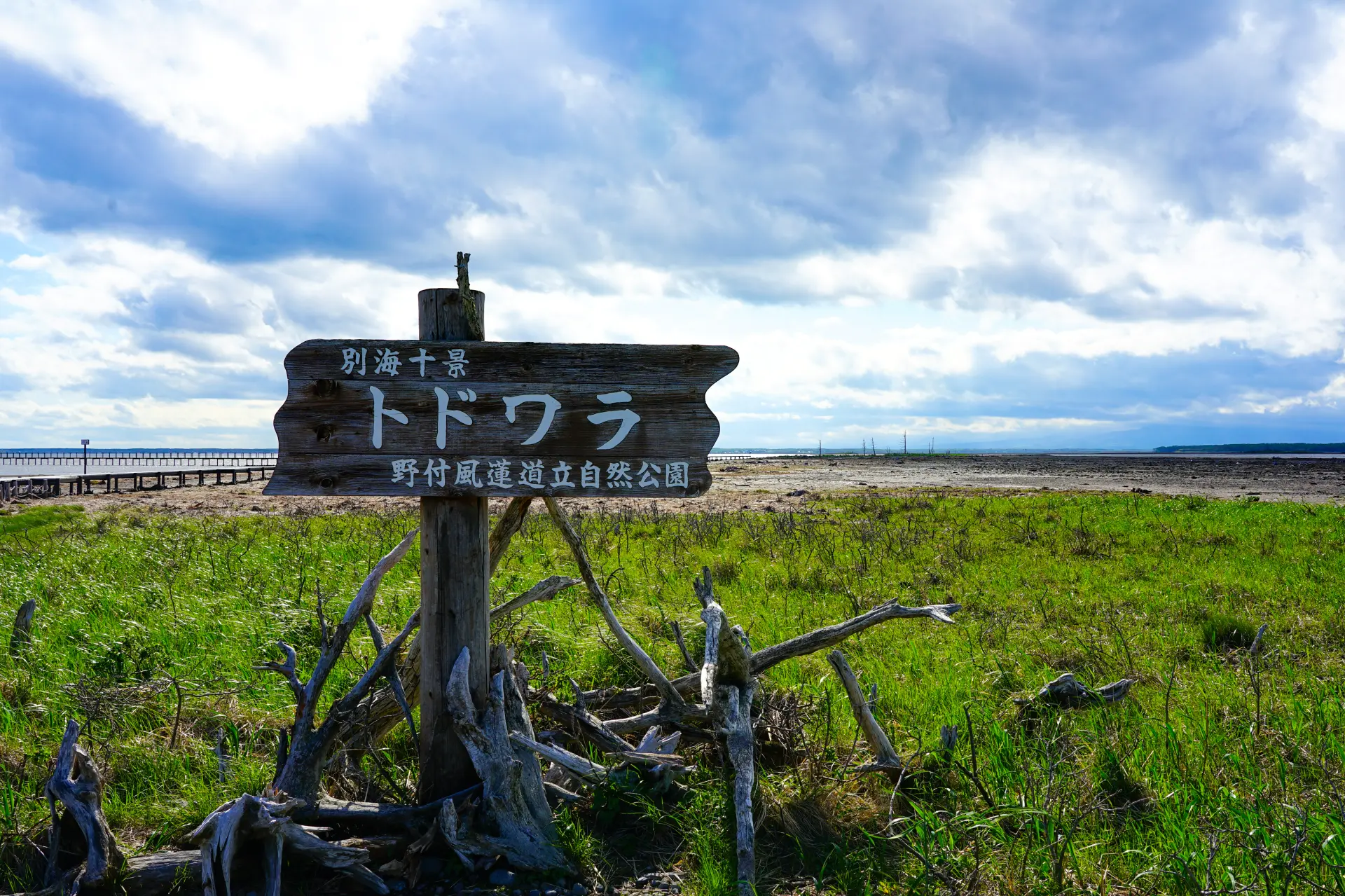
The Shiretoko-Kushiro Line stops at Notsuke Peninsula on its way from Shiretoko to Kushiro. Stretching some 26 kilometers, this long, narrow sand spit is the largest in Japan and was formed over many years by sand carried by ocean currents. Among its distinctive sights is Todowara, where seawater encroachment has left a landscape of dead Sakhalin fir trees. The bus spends about 1 hour and 25 minutes at Notsuke Peninsula Nature Center, giving you time to experience this distinctive part of eastern Hokkaido’s natural scenery on the journey from Shiretoko to Kushiro.
Before You Go: Eastern Hokkaido Express Bus (Summer) Fares, Reservations, and Service Information
All four services require advance reservations, with fares varying by boarding and drop-off point. The Monbetsu-Shiretoko Express and Shiretoko-Monbetsu Express have different operating periods and booking procedures from the Kushiro-Shiretoko Line and Shiretoko-Kushiro Line. Once you’ve set your travel dates, check the latest details for the service you plan to use.
Fares
Fares depend on the route and the section you travel. Adult fares on the Monbetsu-Shiretoko Express and Shiretoko-Monbetsu Express range from 3,200 to 7,500 yen per person. The adult fare from central Kushiro to Utoro Onsen on the Kushiro-Shiretoko Line is 6,800 yen, while the reverse trip on the Shiretoko-Kushiro Line costs 7,100 yen.
Operating Dates and Service Information
In 2026, the Monbetsu-Shiretoko Express and Shiretoko-Monbetsu Express run daily from July 24 to October 31. The Kushiro-Shiretoko Line runs daily from July 10 to November 2, and the Shiretoko-Kushiro Line runs daily from July 11 to November 3. Boarding and drop-off points, places where you can get off to sightsee, and the time spent at each stop vary by route. Services may change depending on the season, road conditions, and other factors, so be sure to check the official website for the latest information before traveling.
Reservations
All services require advance reservations, which can be made through the official website. For the Monbetsu-Shiretoko Express and Shiretoko-Monbetsu Express, bookings close at 5:00 pm. three days before departure. The Kushiro-Shiretoko Line and Shiretoko-Kushiro Line can also be booked online. These two services operate as organized bus tours, and cash payment on board is generally not accepted. Check the official website for booking instructions and availability, and reserve well in advance.
Summary
The Monbetsu-Shiretoko Express and Shiretoko-Monbetsu Express connect Monbetsu and Abashiri on the Sea of Okhotsk coast with Shiretoko. The Kushiro-Shiretoko Line and Shiretoko-Kushiro Line link Kushiro and Shiretoko while taking in the lakes, mountains, and peninsulas that define eastern Hokkaido. Each route passes through different areas and stops at different attractions, so you can choose based on the places you want to visit. These buses let you explore sights across this vast region as you travel, even without a rental car. Check the latest service information, book ahead, and enjoy the changing views from your window as you discover eastern Hokkaido from summer through fall.

Author
Writers & Editors
GOOD LUCK TRIP Editors
Sharing lesser-known ways to experience Japan with the world!