Shirayama Hime Jinja Shrine

Verified [Verified] denotes information that has been published with confirmation of its owing parties.

Shirayama Hime Jinja Shrine

Known as the holy land of mountain worship since ancient days.

3.24 1

Last update :
Supervised by :  Shirayama Hime Jinja Shrine

This is the head shrine of nealy 3,000 Shiraishi / Hakusan Shrines scattered nationwide. Mt. Hakusan provides “Water of Life,” which is vital to all life, and residents at the foot of the mountain have reverenced it as the seat of a god and a holy area. In time, the mountain faith turned into a climbing worship style.

From the 1st gate, onto the approach and passing through the 2nd and 3rd gates, you will see the Shinmon Gate. In front of it, a graceful outer worship hall made of cedar with a gabled copper roof stands. Behind it, the Naoraiden, worship hall, Heiden, and main halls are lined up. The main hall was built by the 10th Kaga Domain lord, Maeda Shigemichi in 1770 and it enshrines Kukuri-Hime no Kami.

Kukuri-Hime no Kami appears in Nihon Shoki (The Chronicles of Japan) when she helped Izanagi no Mikoto and Izanami no Mikoto make up in their argument at the entrance to the underworld. Thus, Kukuri-Hime is known as a god of relationships. The ground is also dotted with a stable which enshrines the sacred horse that is said to have appeared with Kukuri-Hime on its back, Misogiba where you cleanse sins and impurities, Hakusan Reisui, the holy water for longevity, etc. Hobutsukan Museum also shows a number of valuable treasures.

Highlights

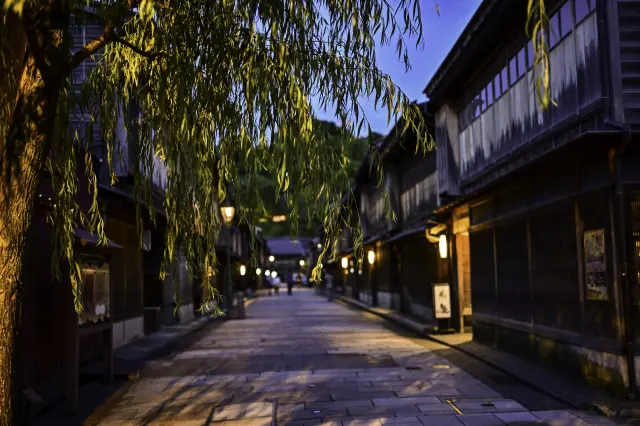
  • Tsurugi District has prospered as a shrine town since ancient times with Japanese wineries, Shoyu, yeast and sweets shops.
  • Misogiba offers a cleansing hands-on experience under the instruction of a priest.
  • Early morning on the 1st day of each month, Otsuitachi Festival attracts many visitors.

Photos

  • The approach lined with cedars more than 1000 years old

    The approach lined with cedars more than 1000 years old

  • The hall sits in a sacred atmosphere

    The hall sits in a sacred atmosphere

  • Oku no Miya (rear hall) at the top of Mt. Hakusan

    Oku no Miya (rear hall) at the top of Mt. Hakusan

  • Misogiba, the sacred cleansing area

    Misogiba, the sacred cleansing area

  • Hobutsukan curates many valuable treasures

    Hobutsukan curates many valuable treasures

Reviews

1

Some reviews are AI-translated.

  • See More

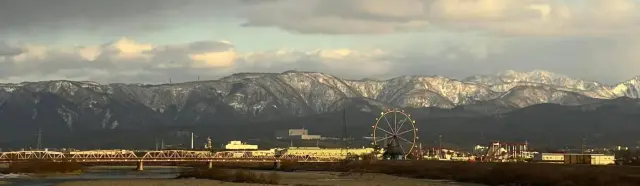
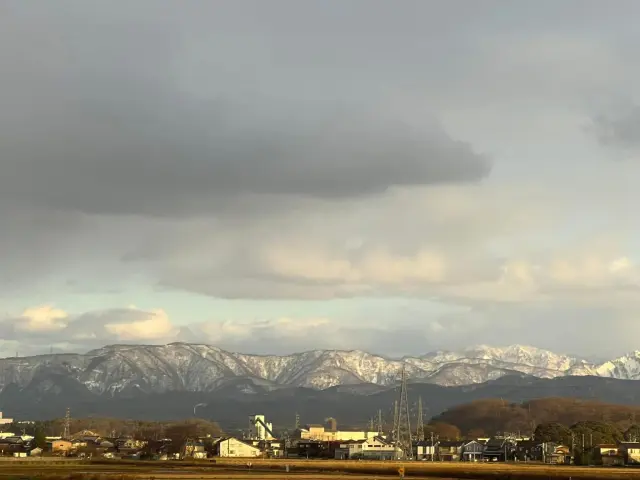
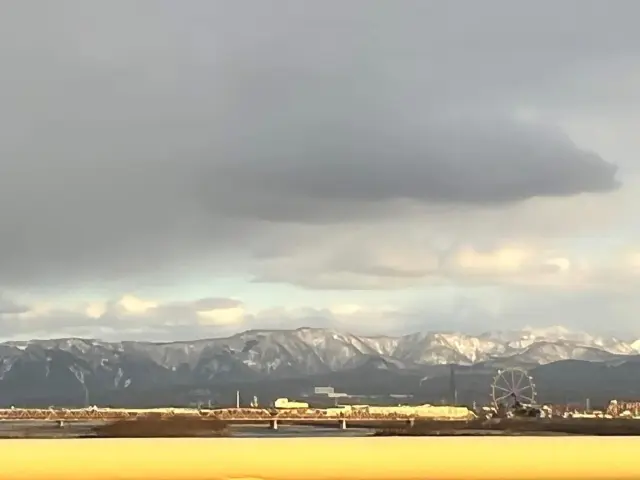
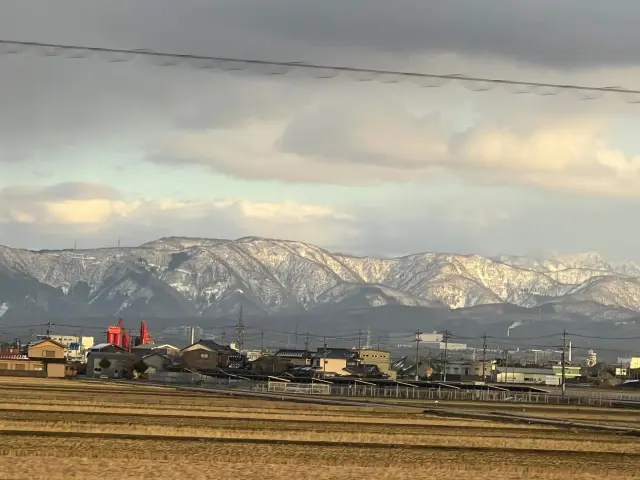
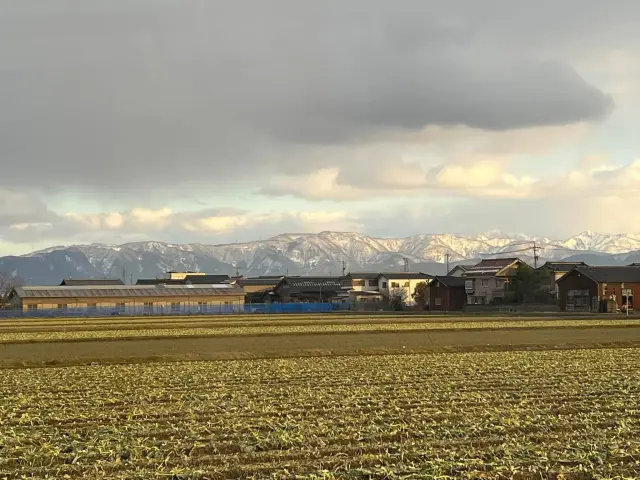
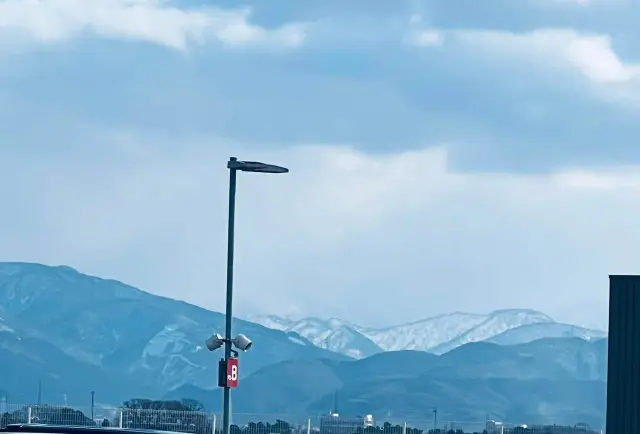
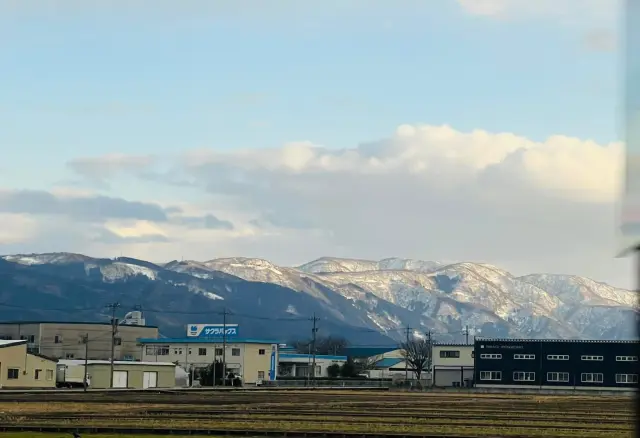
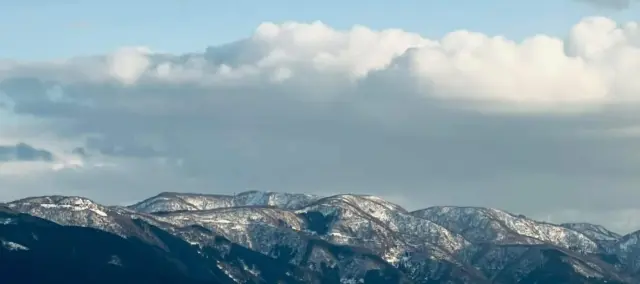
    “Hakusan” is actually not a single mountain, but a mountain range. Its highest peak, Gozengamine, stands at 2,702 meters above sea level. Beautiful alpine plants are scattered across the rugged volcanic terrain, with spectacular views everywhere. Why is it called “Hakusan,” or “White Mountain”? Of course, it’s because this is an area with heavy snowfall, and the summit is often covered in snow. In ancient times, Japan’s Hokuriku region was called the Province of Koshi, so Hakusan was known as “Koshi no Hakusan.” Since white was regarded as a sacred color, Koshi no Hakusan has long been a mountain admired by the Japanese and frequently appeared in waka poetry. Of Japan’s three famous mountains, if you’ve already visited Mount Fuji and Mount Tate, you should make a trip to Hakusan too!

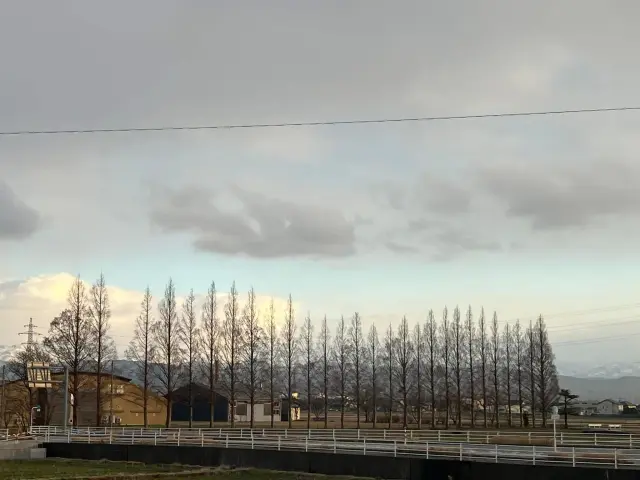
    The photos show the Hakusan range as seen from Kanazawa (January) and from the rooftop parking lot at Costco Kanazawa.

Details

Name in Japanese
白山比咩神社
Postal Code
920-2114
Address
105-1 Ni, Sannomiyamachi, Hakusan City, Ishikawa
Telephone
076-272-0680
Closed
December-March (Hobutsukan Museum)
Hours
Worship any time (Hobutsukan: 9am-4pm, November: 9:30am - 3:30pm)
Admission
Free (Hobutsukan 300 yen)
Directions
From Hokuriku Rail Road, Tsurugi Station, ride the City Bus, get off at Ichinomiya Stop and walk 10 min.
Credit Cards
Not accepted
Official Website
Official Website (English)
Hokkaido Tohoku Kanto Chubu Hokuriku Kansai Chugoku Shikoku Kyushu Okinawa