
Otori Shrine

Verified [Verified] denotes information that has been published with confirmation of its owing parties.

Otori Shrine

The oldest shrine in Meguro Ward, known for its "Tori-no-Ichi" festival since the Edo period.

3.13 2

Last update :
Supervised by :  Otori Shrine

Otori Shrine, with a history of about 1200 years, is the oldest shrine in Meguro Ward, Tokyo. Founded during the Heian period, it's depicted in the oldest map of Edo, the "Chōroku Edo-zu," created in the Muromachi period. Being one of the only nine shrines featured in this map, it is counted among the "Edo Kyūsha" (Nine Shrines of Edo).

The main deity of Otori Shrine is Yamato Takeru no Mikoto, and the associated deities are Kuninotokotachi no Mikoto and Otatatabime no Mikoto. It is said that Yamato Takeru prayed here for the pacification of the Eastern tribes and the healing of his subordinate's eye disease. After successful pacification and healing, he joyfully dedicated the Jūtōken sword to the shrine. Due to this episode, Otori Shrine is believed to be beneficial for curing eye diseases.

The shrine is also famous for its annual "Tori-no-Ichi" festival in November, a tradition dating back to the Edo period, similar to the one at Asakusa. The festival, celebrated on the Day of the Rooster, is held for business prosperity and good fortune. It features the "Yatsuatama," symbolizing the achievements of Yamato Takeru, and the "Kumade," a rake believed to bring good luck into homes. Every year, many visitors come to purchase these kumade.

Highlights

  • Oldest shrine in Tokyo's Meguro Ward, believed to be founded during the Heian period.
  • Main deity is Yamato Takeru, known for blessings in curing eye diseases.
  • Famous for its annual "Tori-no-Ichi" festival in November, a tradition since the Edo period.

Photos

  • A historic shrine where Yamato Takeru is said to have prayed.

    A historic shrine where Yamato Takeru is said to have prayed.

Official FAQs

Frequently Asked Questions have been vetted and answered directly by each listing.

Q

Do you have pamphlets in other languages? (If possible, please also let us know the language you speak)

A

Sorry, we don’t.

Q

Do you have shrine’s red ink stamps?

A

Yes.

Q

Do you have a parking space?

A

Sorry, we don’t.

Q

Are coin lockers available?

A

Not available.

Reviews

2

Some reviews are AI-translated.

  • See More

    Otori Shrine is located in Zoshigaya, Tokyo, and has deep historical ties to Kishimojin Temple. Its main deity is Yamato Takeru, with Ukanomitama also enshrined here, and it is also the place where Ebisu, one of the Zoshigaya Seven Lucky Gods, is worshipped. The deity here was originally enshrined under the name “Sagi Myojin” within the grounds of Kishimojin Temple. It was moved during the Meiji period due to the order separating Shinto and Buddhism, gradually taking shape as the present-day Otori Shrine.
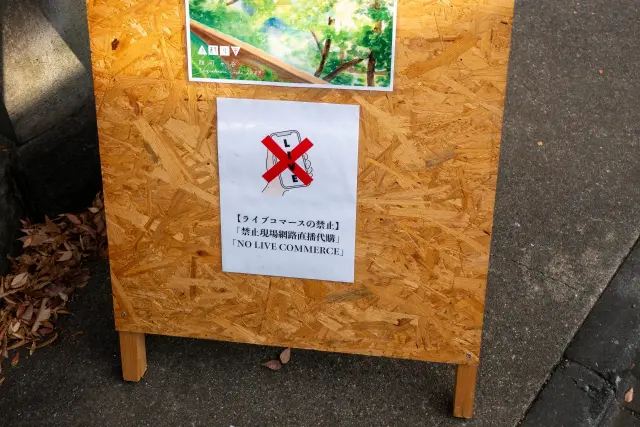
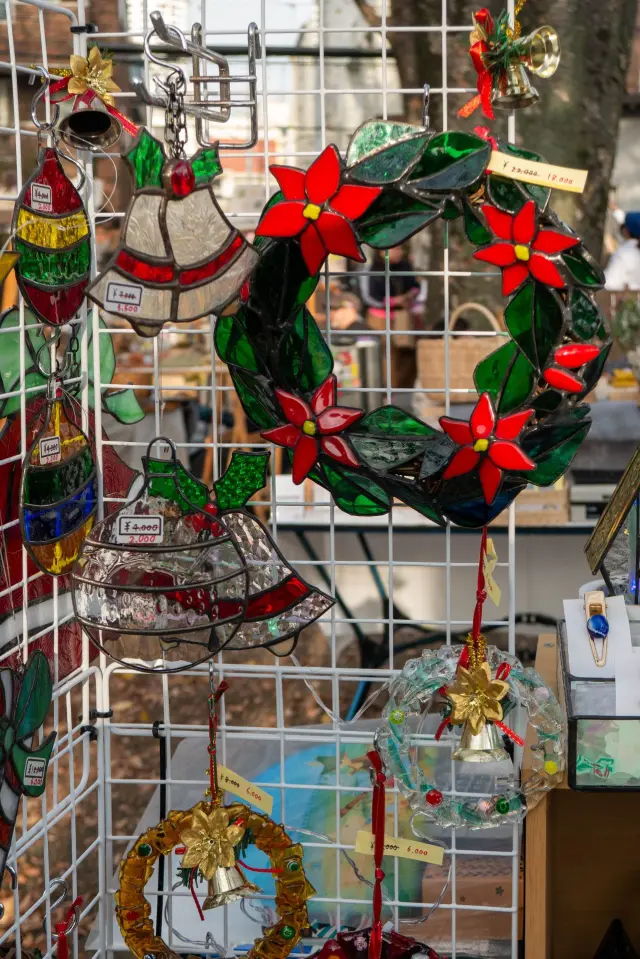
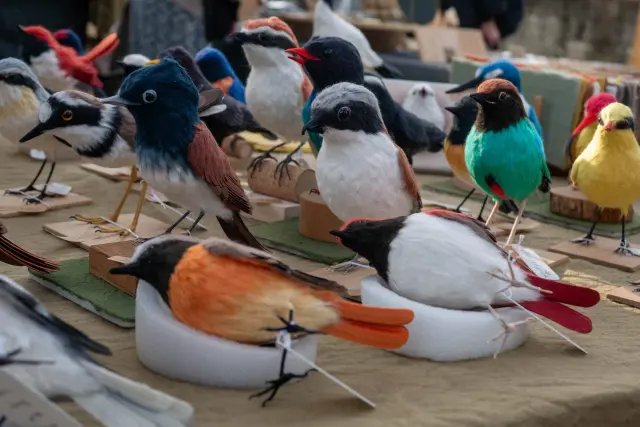
    I stopped by Otori Shrine this time because of the Zoshigaya Handmade Market, but after actually walking inside, I unexpectedly came away with a good impression of the shrine itself. The handmade market happened to extend onto the shrine grounds during my visit, making it much livelier than usual, but there were still far fewer people than at Kishimojin Temple. Although the market extended onto the shrine grounds, there were fewer stalls here, and the works were more focused on floral art and handicrafts. I especially liked a Christmas wreath made with stained glass. It was delicate and had a very distinctive style.
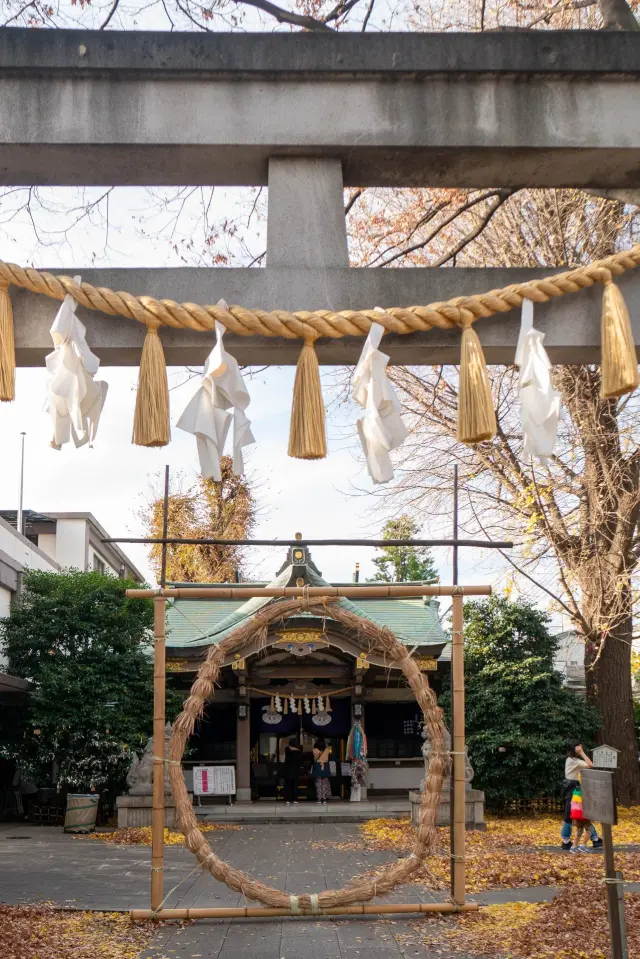
    The biggest surprise this time was unexpectedly seeing a chinowa ring being set up for the year-end purification ceremony. I knew there would be a chinowa ring in the summer, but I didn’t expect one at the end of the year. I paused for a moment when I saw the large ring woven from miscanthus reeds, then immediately took out my phone to double-check the correct way to walk through the “chinowa-kuguri.” After all, I had only done it before at Kitano Tenmangu Shrine in Kyoto, and enough time had passed that I had almost completely forgotten. Since it was such a rare opportunity, of course I quickly followed the instructions online and walked through it to cleanse myself of impurities.

  • See More

    This shrine has been around since the Edo period! They sell special lucky charms on the grounds—pretty unique!

Details

Name in Japanese
大鳥神社
Postal Code
153-0064
Address
3-1-2 Shimomeguro, Meguro-ku, Tokyo
Telephone
03-3494-0543
Closed
Open All Day
Hours
Open all day for worship (Shrine office 9:00am - 4:00pm)
Admission
Free
Access
About a 7-minute walk from JR/Tokyu Meguro Station.
Official Website
Official Website (Japanese)
Hokkaido Tohoku Kanto Chubu Hokuriku Kansai Chugoku Shikoku Kyushu Okinawa