
Ebisu Bridge

Verified [Verified] denotes information that has been published with confirmation of its owing parties.

Ebisu Bridge

A bridge that has long been a bustling thoroughfare for people.

3.36 5

Last update :
Supervised by :  大阪市

Ebisu Bridge, which is said to have been constructed almost simultaneously with the excavation of the Dotonbori River.

It served as the approach to the Imamiya Ebisu Shrine, which is said to have been established around the year 600, and has historically been used by various people heading to puppet theaters and other venues near the bridge.

In the past, it was also known as Ayatsuribashi (Puppet Bridge) due to the presence of puppet theater booths, and in 1867, it was renamed Eiseibashi.

The current Ebisu Bridge was completed in 2007, based on the winning design selected from entries both domestic and international.

The bridge continues to be a thoroughfare from Shinsaibashi-suji Shopping Street to Ebisu Bridge Shopping Street, ensuring a constant flow of pedestrians. It's also at the heart of the Minami entertainment district, making it a popular meeting spot.

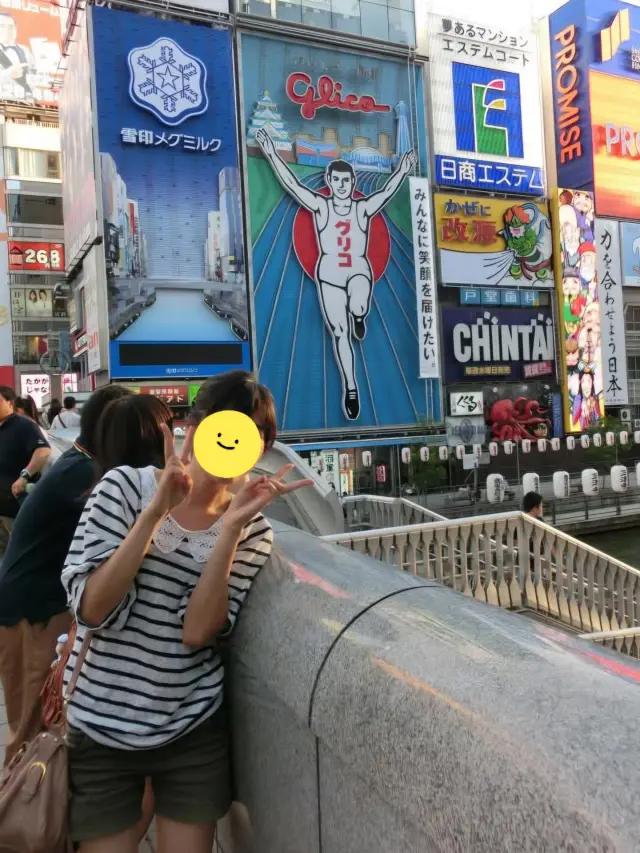
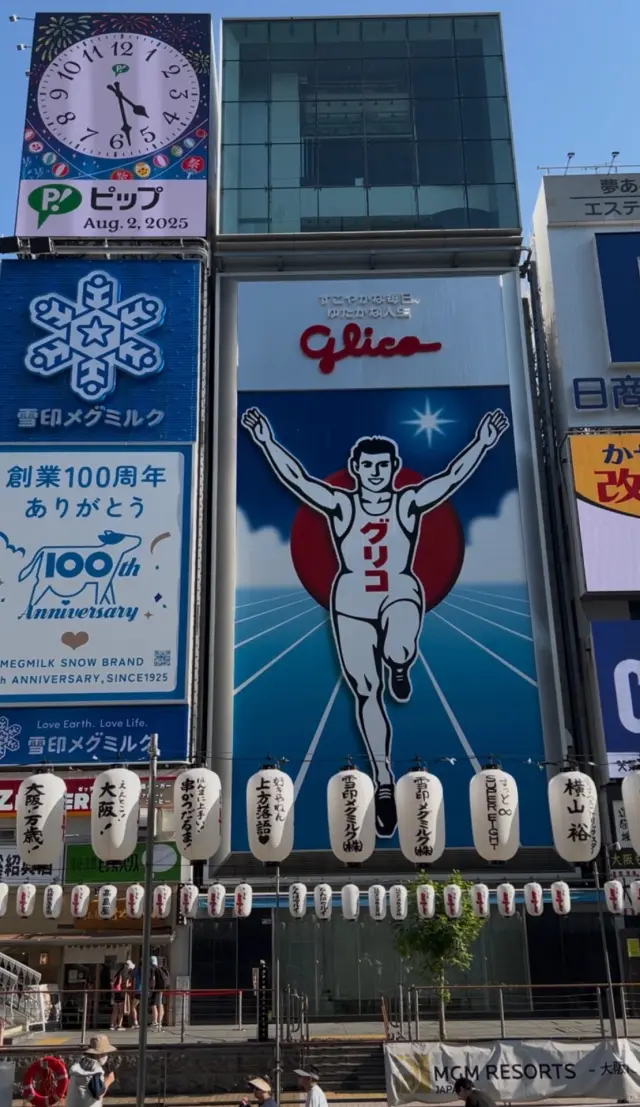
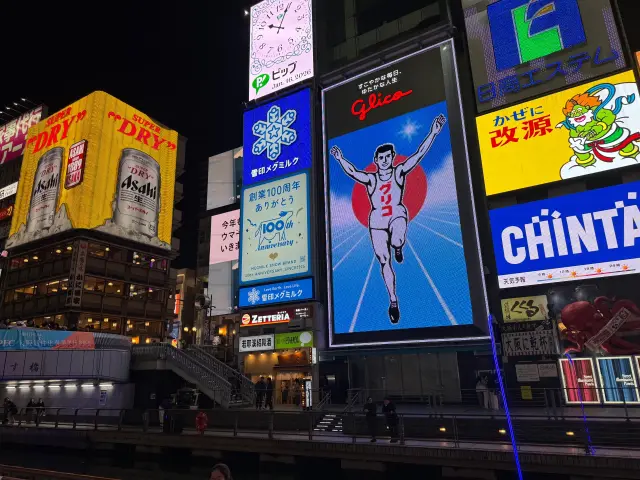
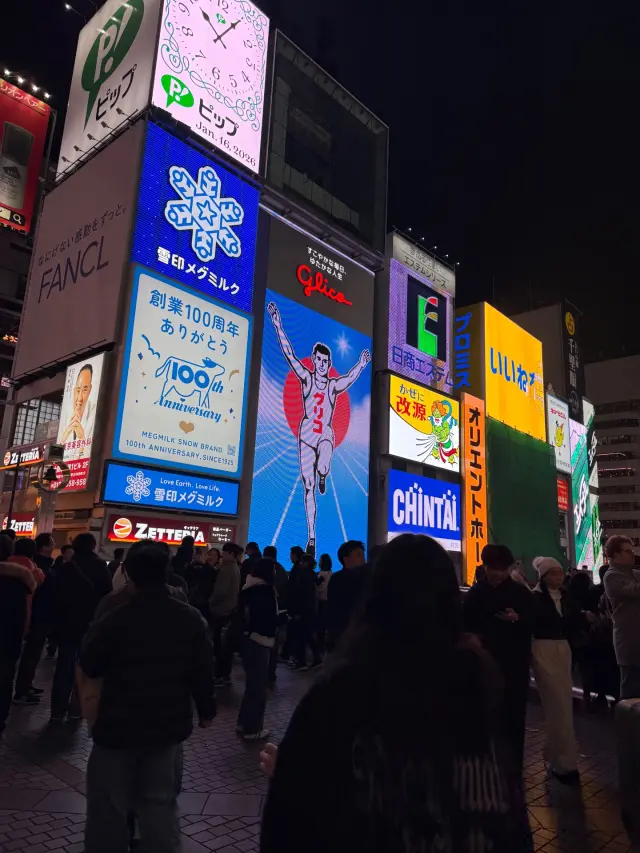
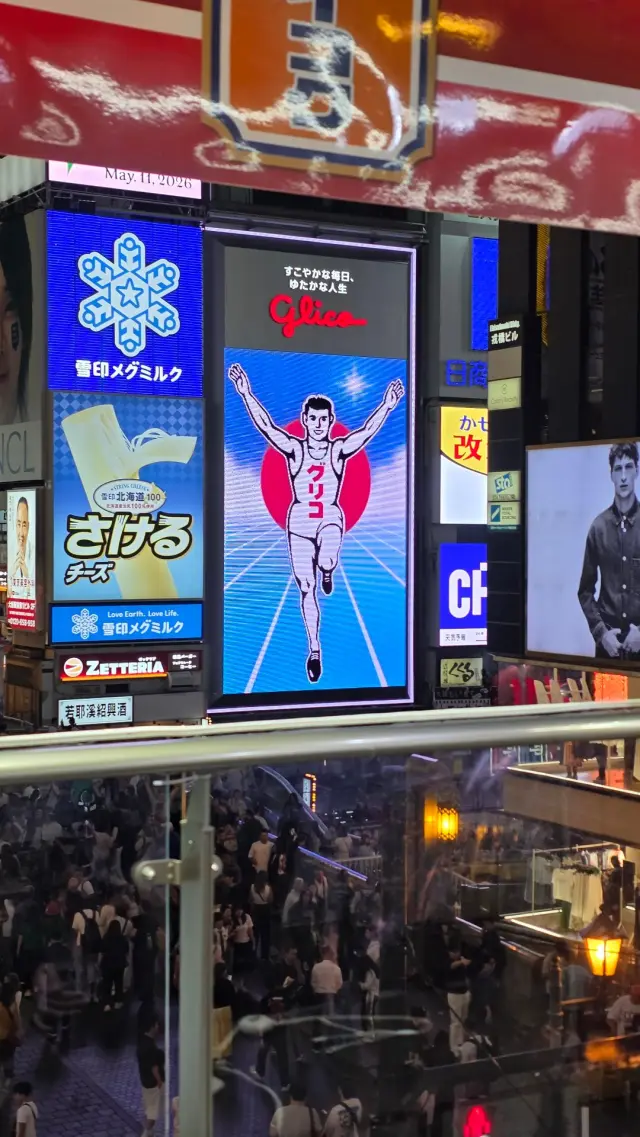
From the bridge, visitors can view the iconic Glico Man sign, making it a tourist attraction. When visiting, don't forget to strike the Glico Man pose for a photo op.

Highlights

  • The bridge's structure is based on the winning design selected from entries both domestic and international.
  • As it's in the center of the Minami entertainment district, it's commonly used as a meeting spot.
  • Take a photo with the Glico Man sign in the background from the bridge to commemorate your visit to Osaka.

Photos

  • Capturing the iconic Glico sign is best done from Ebisu Bridge, a landmark in Osaka.

    Capturing the iconic Glico sign is best done from Ebisu Bridge, a landmark in Osaka.

Official FAQs

Frequently Asked Questions have been vetted and answered directly by each listing.

Q

Do you have signs or pamphlets in foreign languages? (If you do, which languages are available?)

A

Sorry, we don’t.

Q

Is free Wi-Fi available in the area?

A

No free Wi-Fi available.

Q

Are there restrooms available?

A

Yes, there is a restroom located on the southwest side of the bridge.

Reviews

5

Some reviews are AI-translated.

  • See More

    When visiting Osaka's liveliest shopping district, how could you miss Ebisu Bridge in Dotonbori? Spanning the Dotonbori River, Ebisu Bridge has existed since the Edo period. Its location near the pilgrimage route to Imamiya Ebisu Shrine, along with the area's history as a hub for theater and entertainment, helped it gradually develop into the bustling tourist center it is today. From the bridge, the classic Glico Running Man is the biggest eye-catcher. With his arms raised as he runs toward the finish line, he has long been an iconic image of Osaka. Visit during the day to experience the crowds and lively streets, while nighttime offers a completely different view. Neon signs light up on both banks and reflect on the river, making all of Dotonbori feel like a city that never sleeps. Of course, no trip to Osaka is complete without taking a classic photo with the Running Man from Ebisu Bridge!

  • See More

    Ebisu Bridge is located in Osaka's Dotonbori area and is one of the city's most iconic landmarks. From the bridge, you can take in the lively Dotonbori River, with many restaurants, shops, and huge signs on both sides. The most famous is the familiar Glico Running Man sign.

  • See More

    Every time you visit Osaka, if you don't make a pilgrimage to Ebisu Bridge, where Shinsaibashi and Dotonbori meet, to see the huge Glico Running Man (グリコサイン) neon sign, it's like you never came to Osaka! As soon as you step onto the crowded bridge, the air is filled with excited exclamations in different languages and joyful laughter, with everyone packed onto the bridge trying to capture this iconic scene.

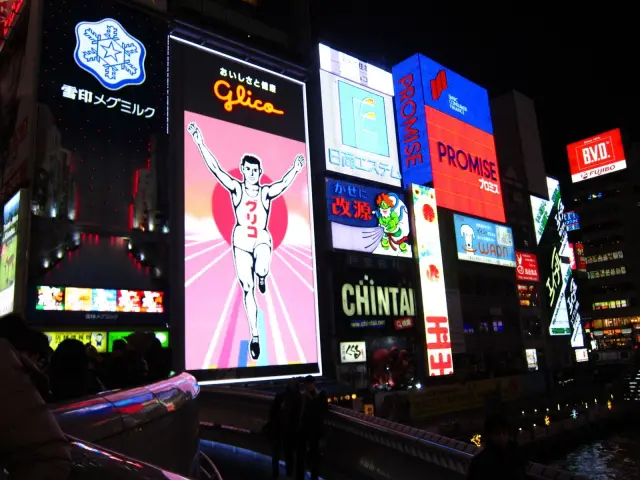
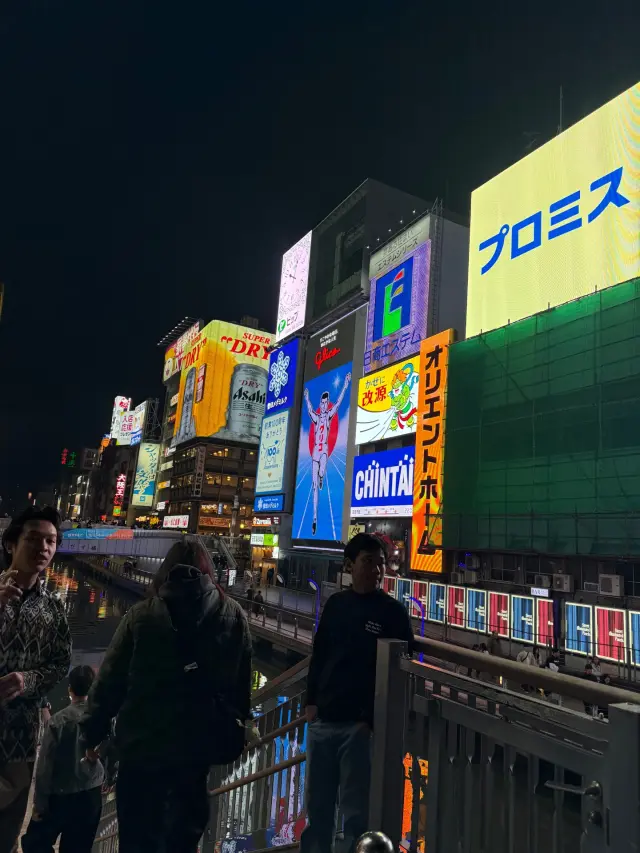
    This Running Man sign overlooking the Dotonbori Canal has become one of the clearest symbols of Osaka's urban spirit since it was installed in 1935. The iconic runner crossing the finish line with his arms spread wide against a blue track background radiates unstoppable energy, whether seen during the day or lit up at night. At night in particular, neon lights flash all along the Dotonbori waterfront, and the Running Man's lights reflect on the water. Combined with all the giant three-dimensional signs nearby, such as the crab, takoyaki, and gyoza, the lively atmosphere reaches its peak.

    After taking the classic group photo, look out from Ebisu Bridge and you'll see the seemingly endless Shinsaibashi-suji Shopping Street and Dotonbori's restaurant district on either side. Whether you want takoyaki or kushikatsu, or want to shop till you drop, just turn a corner and you can immediately immerse yourself in Osaka.

    I highly recommend including Ebisu Bridge and the Running Man in an evening or nighttime walk when visiting Osaka. You can not only check in and take memorable photos here, but also deeply experience Osaka's most authentic, passionate, and vibrant local spirit!

  • See More

    These photos really took me back to that night in Dotonbori!

    The Glico Running Man sign—whether I saw it from across the river or photographed it from the bridge in the middle of the crowd, I couldn’t help pulling out my phone every time.

    What left the deepest impression wasn’t just the flashing neon lights, but also the smell of takoyaki and ramen mingling in the air, along with the constant sound of conversations in Japanese, Chinese, and languages from around the world. Looking at these photos, I can still almost feel that lively bustle that’s unique to Osaka.

  • See More

    The Glico running man sign in Dotonbori is a classic must-see landmark in Osaka and one of the most popular photo spots! Taking a picture on Ebisu Bridge while striking the running man pose really feels like a travel ritual.

    It has a different charm during the day and at night. There are also lots of restaurants, drugstores, and shopping streets nearby, making it perfect for strolling around, eating great food, and creating unforgettable Osaka memories.

Details

Name in Japanese
戎橋
Postal Code
542-0071
Address
1-chomeDotombori, Chuo-ku, Osaka City, Osaka
Telephone
06‐6615‐6818
Closed
Free to walk
Business Hours
Walk anytime
Admission
Free
Access
1)About 3 minutes walk from Osaka Metro any line’s Namba Station
2)About 3 minutes walk from Kintetsu any line’s Osaka Namba Station
Official Website
Official Website (Japanese)
Hokkaido Tohoku Kanto Chubu Hokuriku Kansai Chugoku Shikoku Kyushu Okinawa