Tsumago-juku

Verified [Verified] denotes information that has been published with confirmation of its owing parties.

Tsumago-juku

Travel back in time in a post town that retains the atmosphere of the Edo period.

3.12 1

Last update :
Supervised by :  Tsumago Tourism Association

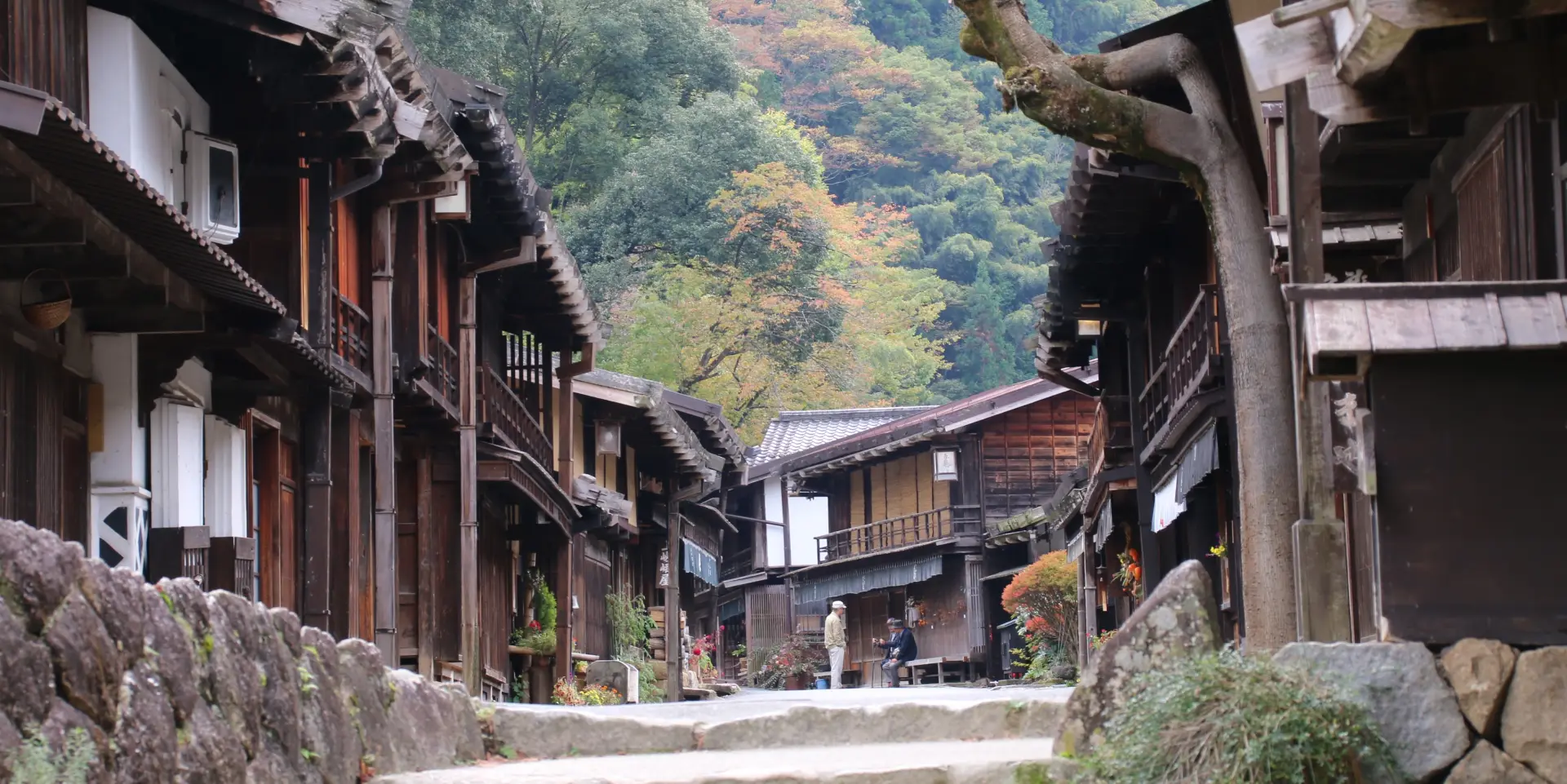
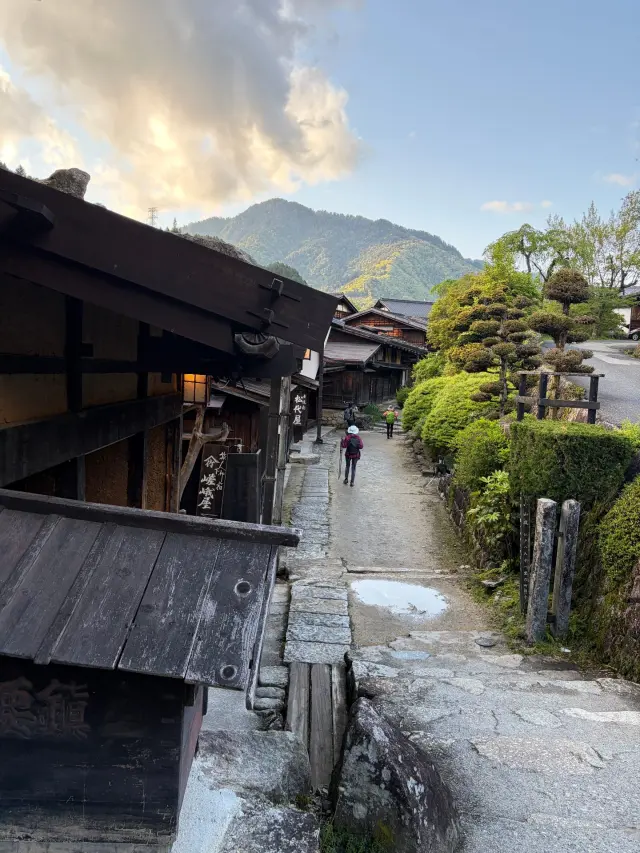
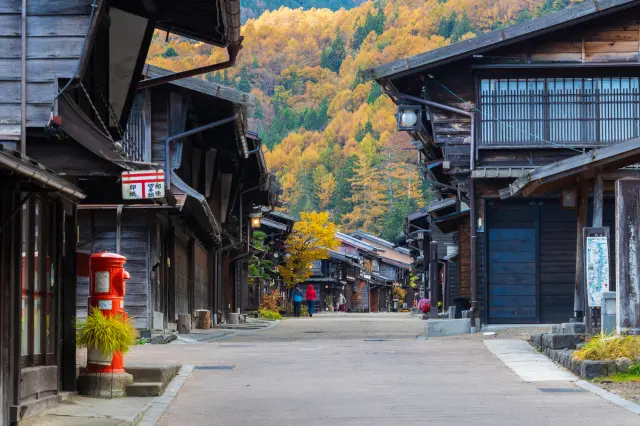
Tsumago-juku was the 42nd of the 69 post towns on the Nakasendo when traveling from Edo. Known as the birthplace of Japan’s first historic townscape preservation movement, its valuable streetscape retains the atmosphere of the Edo period. With power lines and signs removed, the streets faithfully preserve their former appearance and are lined with traditional wooden townhouses and inns. Simply walking through the town feels like stepping into the shoes of a traveler from centuries ago.

The streets are dotted with historic buildings and facilities, including the honjin, waki-honjin, and a history museum. As you explore, you can learn about the daily life and culture of this former post town. Teahouses serving local specialties such as gohei-mochi and soba noodles provide a taste of simple, ingredient-focused cuisine that adds to the atmosphere of the journey. Traditional crafts, including wooden goods and handmade folk crafts, make memorable souvenirs.

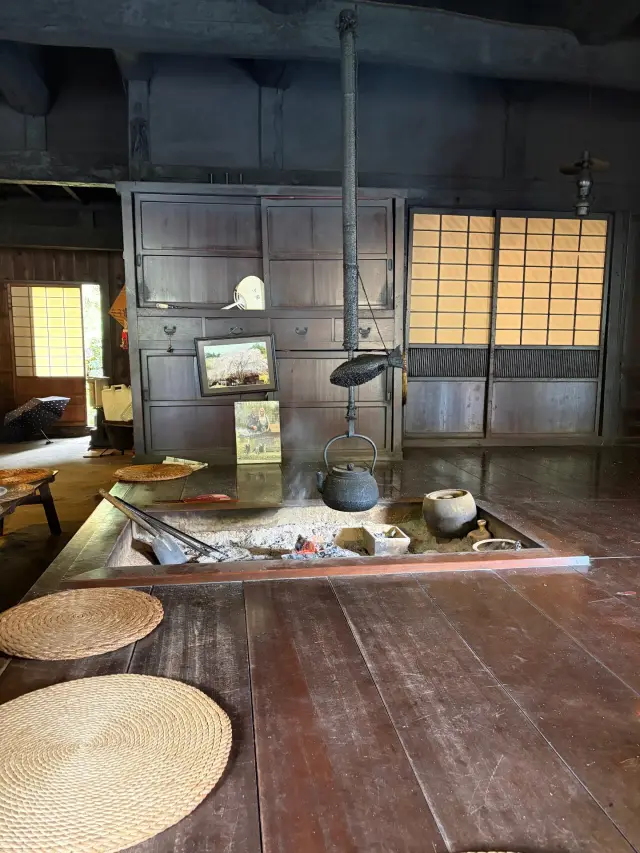
Historic inns and family-run guesthouses also remain, offering the rare experience of spending an evening around a traditional sunken hearth. Though it is a popular sightseeing destination, Tsumago-juku remains a living community. Its blend of history and warm hospitality continues to captivate visitors.

Highlights

  • Streets free of power lines and signs preserve the atmosphere of an Edo-period post town.
  • Visit the waki-honjin and history museum while learning about daily life in centuries past.
  • Stop at a teahouse for local specialties such as gohei-mochi, soba noodles, and oyaki dumplings.
  • Stay at an inn with a traditional sunken hearth for a memorable evening immersed in old-fashioned post-town life.
  • Take home locally made wooden goods, folk crafts, and other traditional items as souvenirs.

Photos

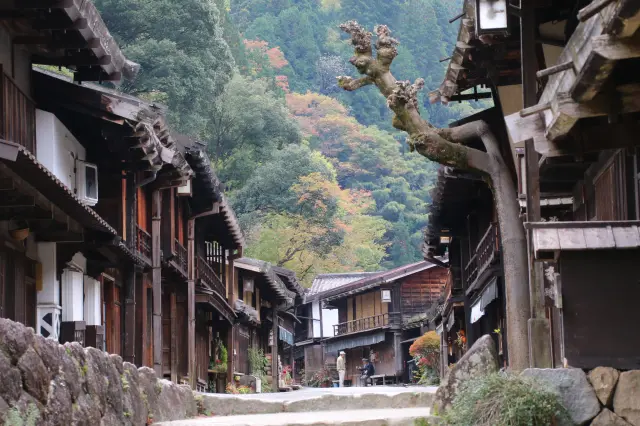
  • Tsumago-juku offers the feeling of traveling back in time to the Edo period

    Tsumago-juku offers the feeling of traveling back in time to the Edo period

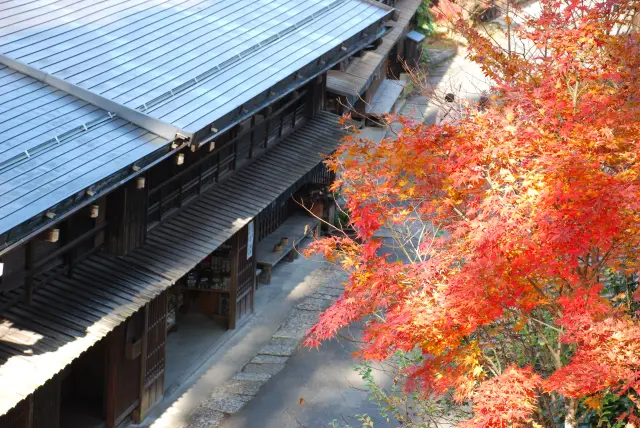
  • From late October to mid-November, the town is surrounded by striking yellow and red fall foliage

    From late October to mid-November, the town is surrounded by striking yellow and red fall foliage

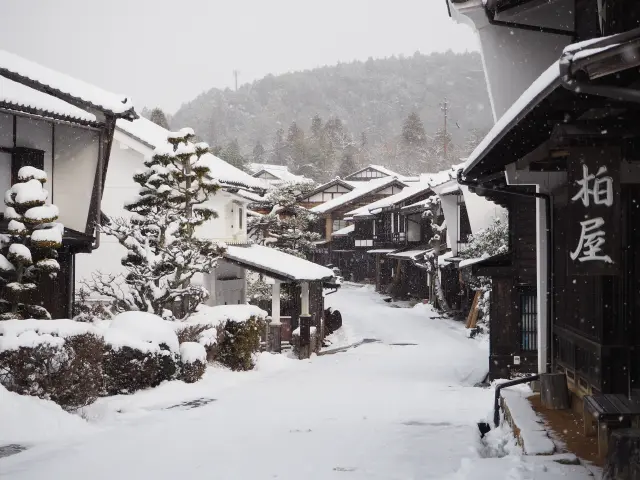
  • The snow-covered streets of Tsumago-juku reveal a different side of the town in every season

    The snow-covered streets of Tsumago-juku reveal a different side of the town in every season

Official FAQs

Frequently Asked Questions have been vetted and answered directly by each listing.

Q

Is free Wi-Fi available in the area?

A

Yes. It is available at the Tsumago Tourist Information Center, Parking Lot No. 1, and participating businesses.

Q

Are there coin-operated lockers?

A

Yes. Coin-operated lockers are available at Parking Lot No. 1, and baggage storage is available at the Tsumago Tourist Information Center.

Q

Is there a designated smoking area?

A

Yes. There is one in the space next to Tamaruya.

Q

Are wheelchairs available to rent?

A

Wheelchairs can be borrowed free of charge at each parking lot and the Tsumago Tourist Information Center. Reservations are not accepted.

Q

Is there an ATM?

A

Yes. A Japan Post Bank ATM is located inside the Tsumago Post Office.

Q

Are the museums open year-round? Are goshuin temple stamps available?

A

Tsumago-juku Honjin is closed on weekdays, while Waki-honjin Okuya is closed on the second and fourth Thursdays of each month. Goshuin stamps are available at Kotokuji Temple.

Reviews

1

Some reviews are AI-translated.

  • See More

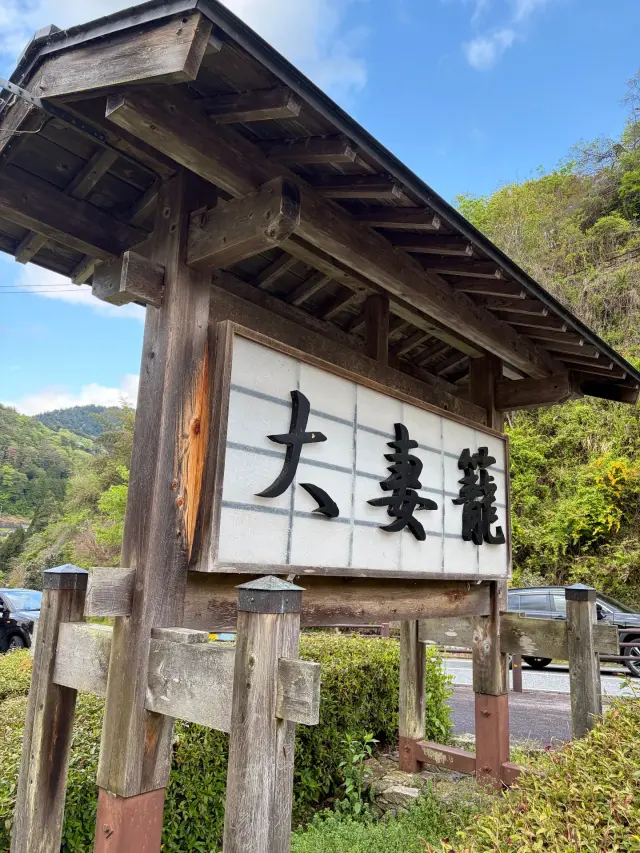
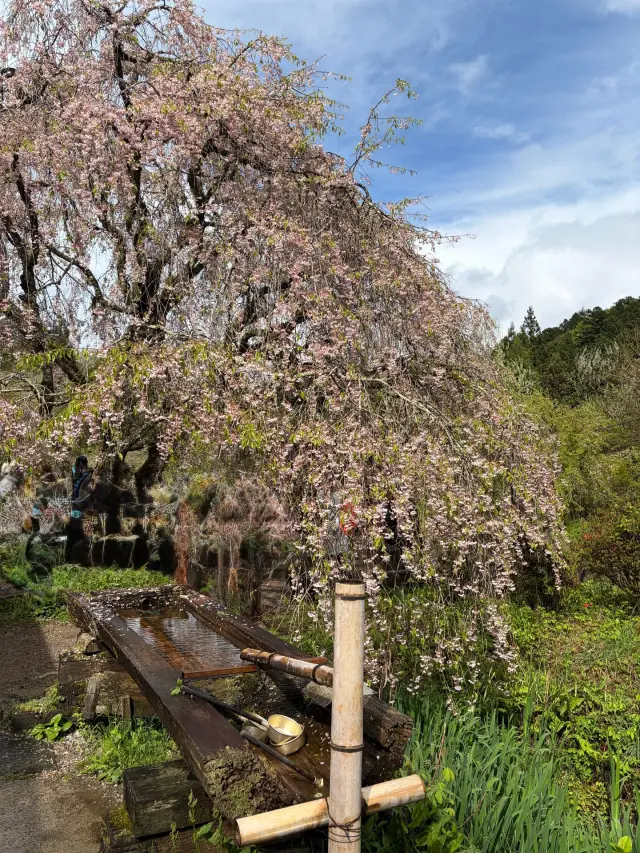
    Walking the old Nakasendo trail to Tsumago-juku was like a dreamlike journey through time. Visiting in late April, I still came across late-blooming pale pink cherry blossoms along the way, adding a touch of romance to the rustic greenery.

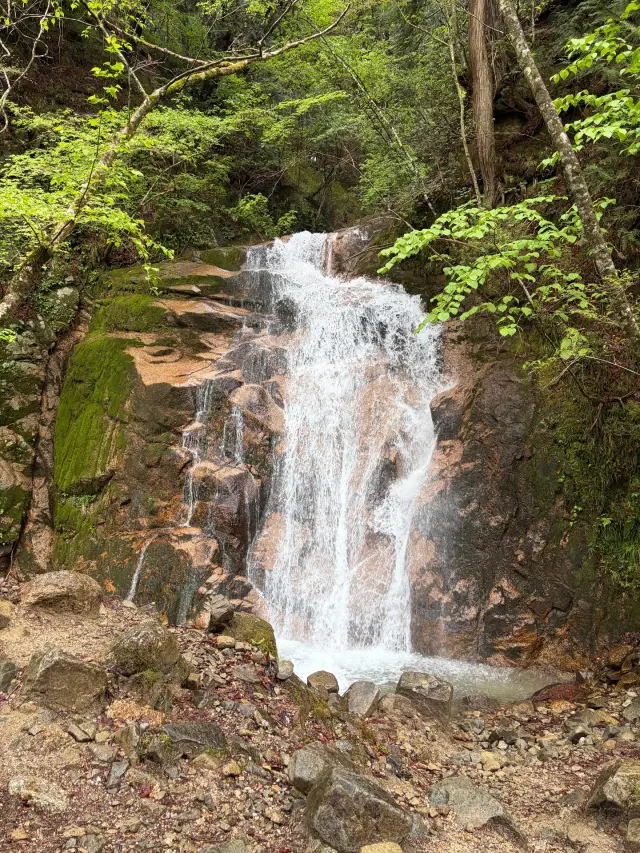
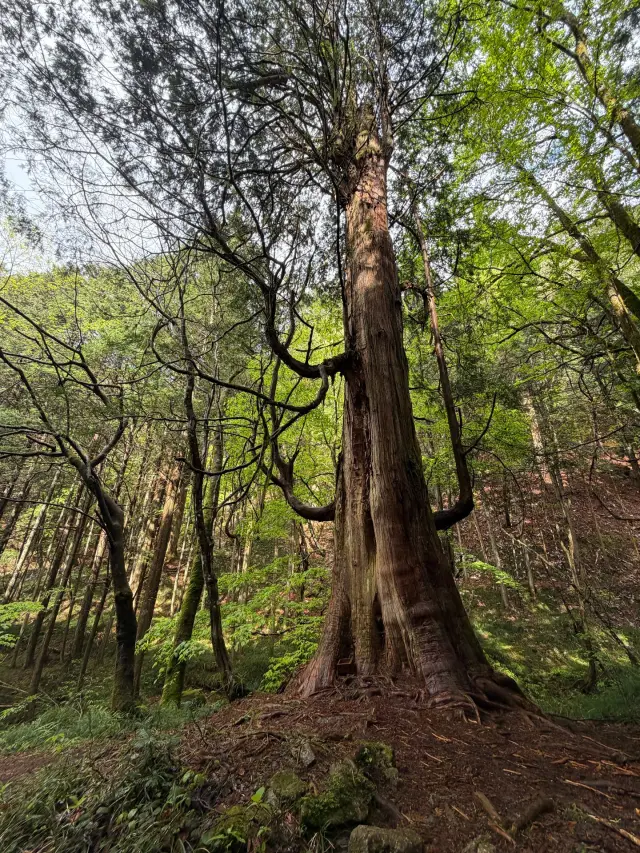
    Deep along the quiet forest trail were roaring waterfalls and towering ancient trees radiating powerful natural energy. I couldn't help but stop, breathe deeply, and wash away my fatigue. It felt like a scene from a Hayao Miyazaki movie. Emerging from the forest and arriving at Tsumago-juku, the sight before me was even more breathtaking: black wooden row houses with hidden power lines stretched along the street, perfectly preserving the unspoiled look of a century ago. With none of the bustle of commercial tourism, walking along the stone-paved road felt like stepping back into the Edo period, and I was deeply moved.

Details

Name in Japanese
妻籠宿
Postal Code
399-5302
Address
Azuma, Nagiso Town, Kiso County, Nagano Prefecture
Phone
0264-57-2727 (Nagiso Town Tourism Association)
Closed on
Open for walking tours at all times
Hours
Open for walking tours at all times
Admission
Free to explore (parking: ¥500 per day)
Access
From Nagiso Station on the JR Chuo Main Line, take an Ontake Kotsu bus to Tsumago; the town is a short walk from the bus stop
Credit Cards
Accepted at the tourist information center and some businesses
Official website
Official website (Japanese)
Hokkaido Tohoku Kanto Chubu Hokuriku Kansai Chugoku Shikoku Kyushu Okinawa