11 Post Towns and Hot Spring Traditions to Experience in Shinshu: Walk Through the Good Old Days of Japan
From the Nakasendo Trail (Karuizawa to Tsumago) to Zenkoji Temple, Shinshu is dotted with places where history and everyday life still remain.
From the streets of post towns and hearthside food culture to communal bath hopping and shrines and temples as places of prayer, each area reveals a different side of the region.
As you trace the culture rooted in the land, experiences like walking, tasting, and soaking naturally come together.
Step Into Post Towns and Trace Their Historic Atmosphere
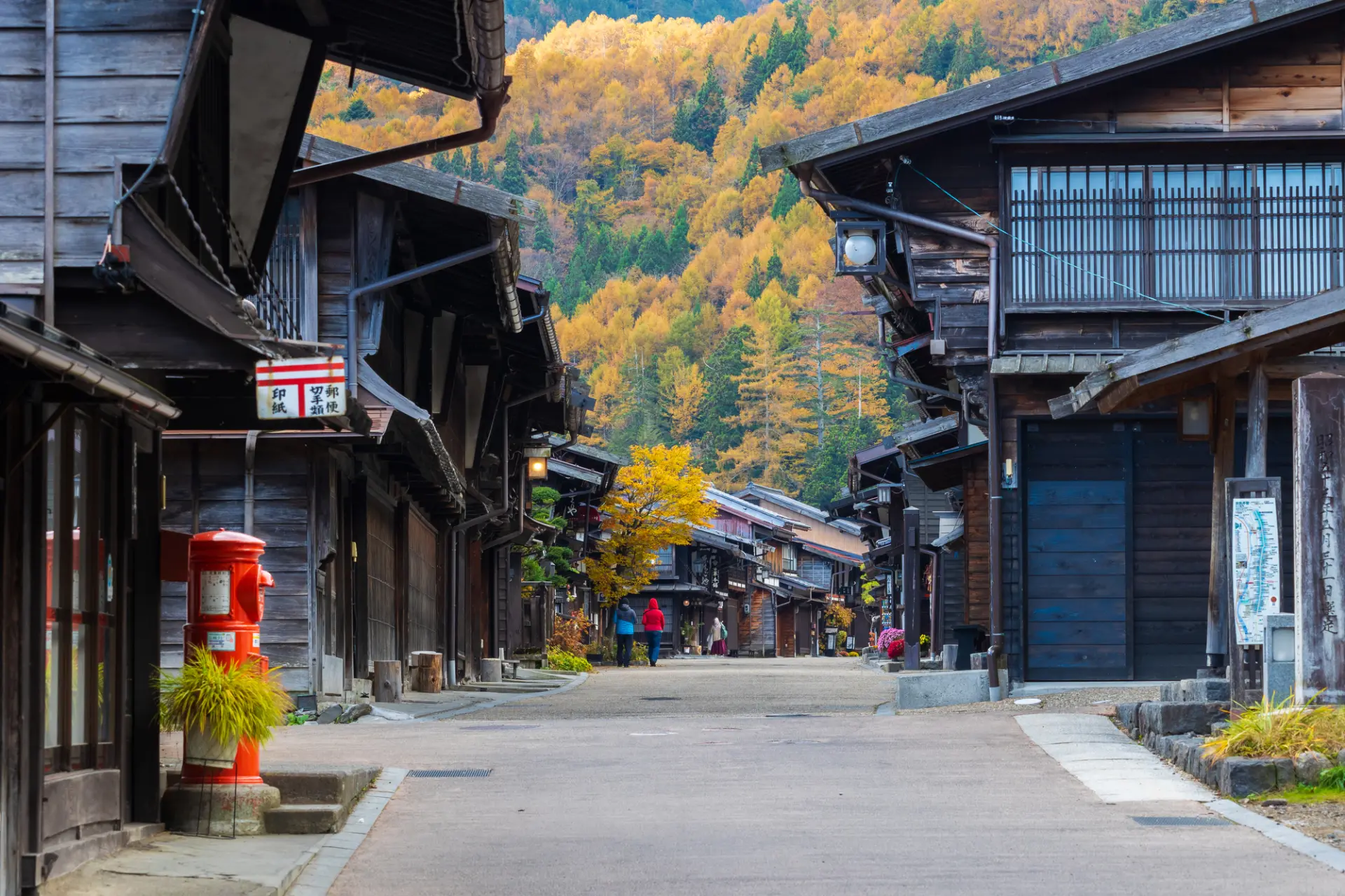
Post towns built along old highways still retain buildings and streetscapes that once welcomed travelers.
As you walk past wooden buildings and along stone-paved paths, scenes reminiscent of the comings and goings of the Edo period continue to unfold. Each post town has its own history and layout, with a different character emerging the farther you walk.
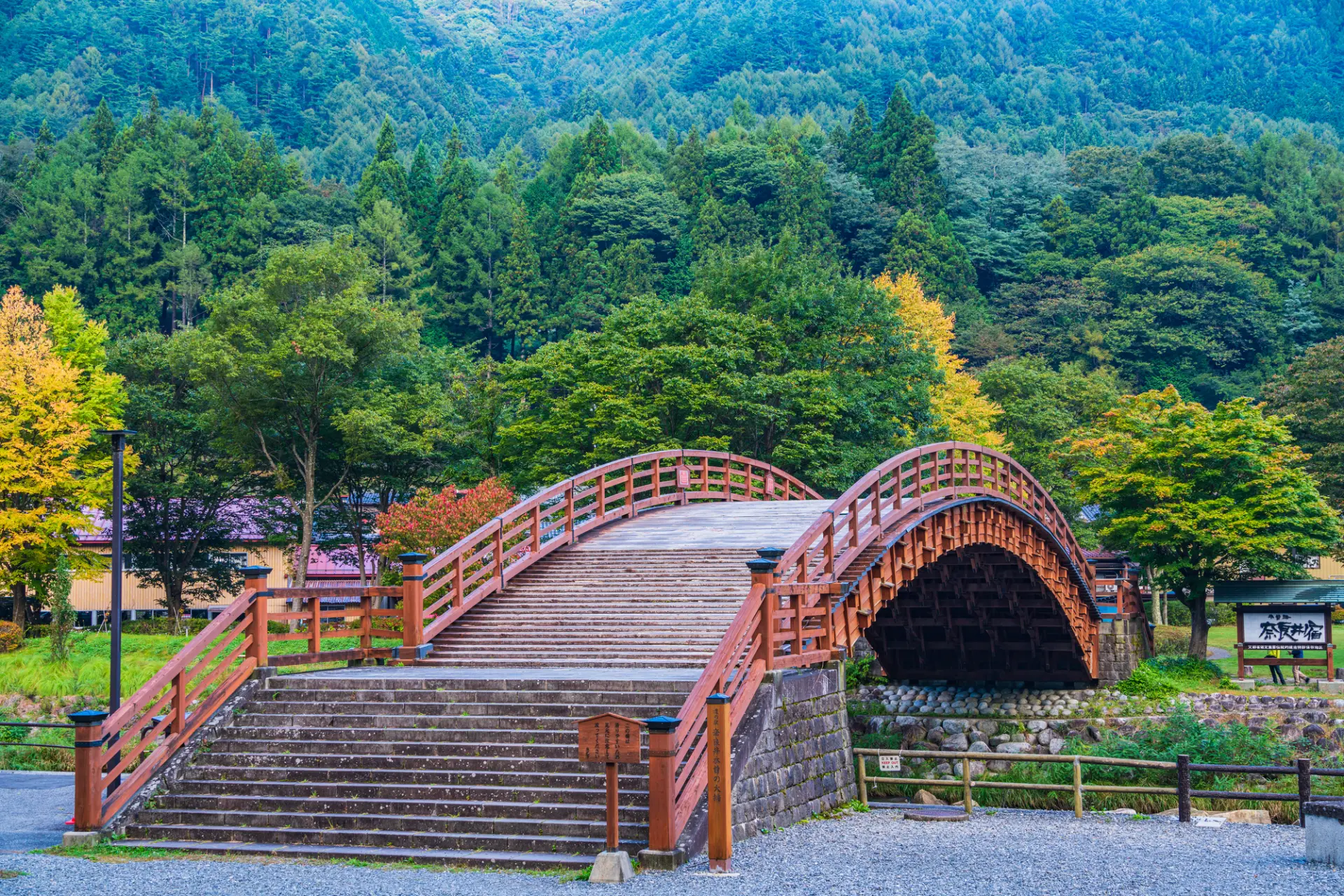
1. Nakasendo Trail (Karuizawa to Tsumago) (Karuizawa Town to Nagiso Town)
The Nakasendo Trail, one of the highways that connected Edo and Kyoto, is a historic route where nature and townscapes flow together. The section from Karuizawa to Tsumago is especially rich in highlights, with grand natural scenery as well as historic buildings and streets.
Along the route, the scenery shifts from Karuizawa’s cultured townscape to post towns nestled in the mountains of the Kisoji area, with local flavors such as soba and gohei-mochi rice cakes found along the way. Linking different landscapes from section to section, this is a route worth working into your itinerary.

2. Tsumago-juku (Nagiso Town)
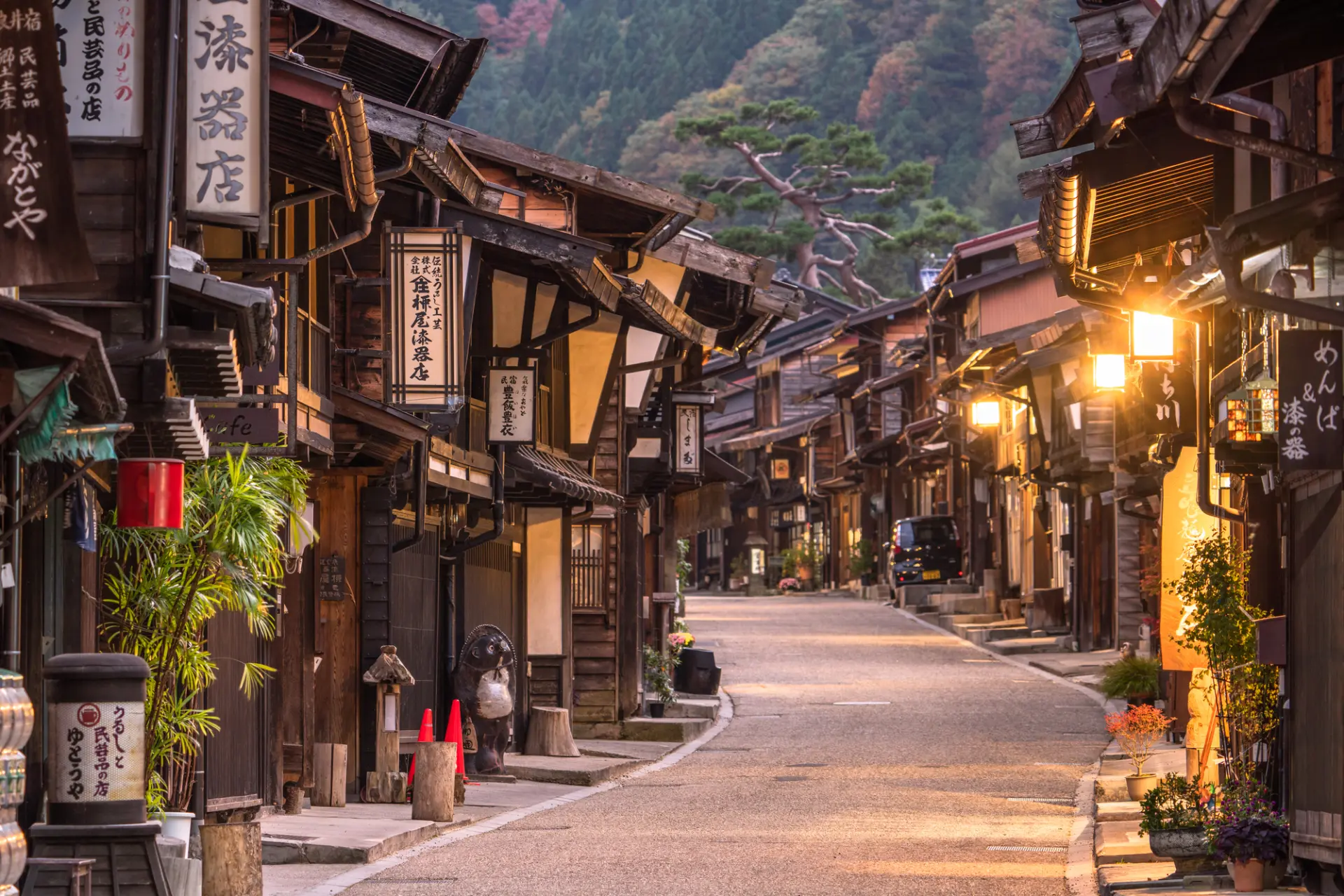
Tsumago-juku is lined with streetscapes that retain their Edo-period appearance. Known as the first place in Japan to launch a townscape preservation movement, it offers a valuable historic setting that still conveys the mood of the Edo period.
Along streets where utility lines and signboards have been removed, old inns and townhouses stand side by side, with the honjin former official inn and museums also dotted throughout the area. There are teahouses where you can taste gohei-mochi rice cakes and soba, and simply spending time walking here brings out the feeling of travel.

3. Narai-juku (Shiojiri City)
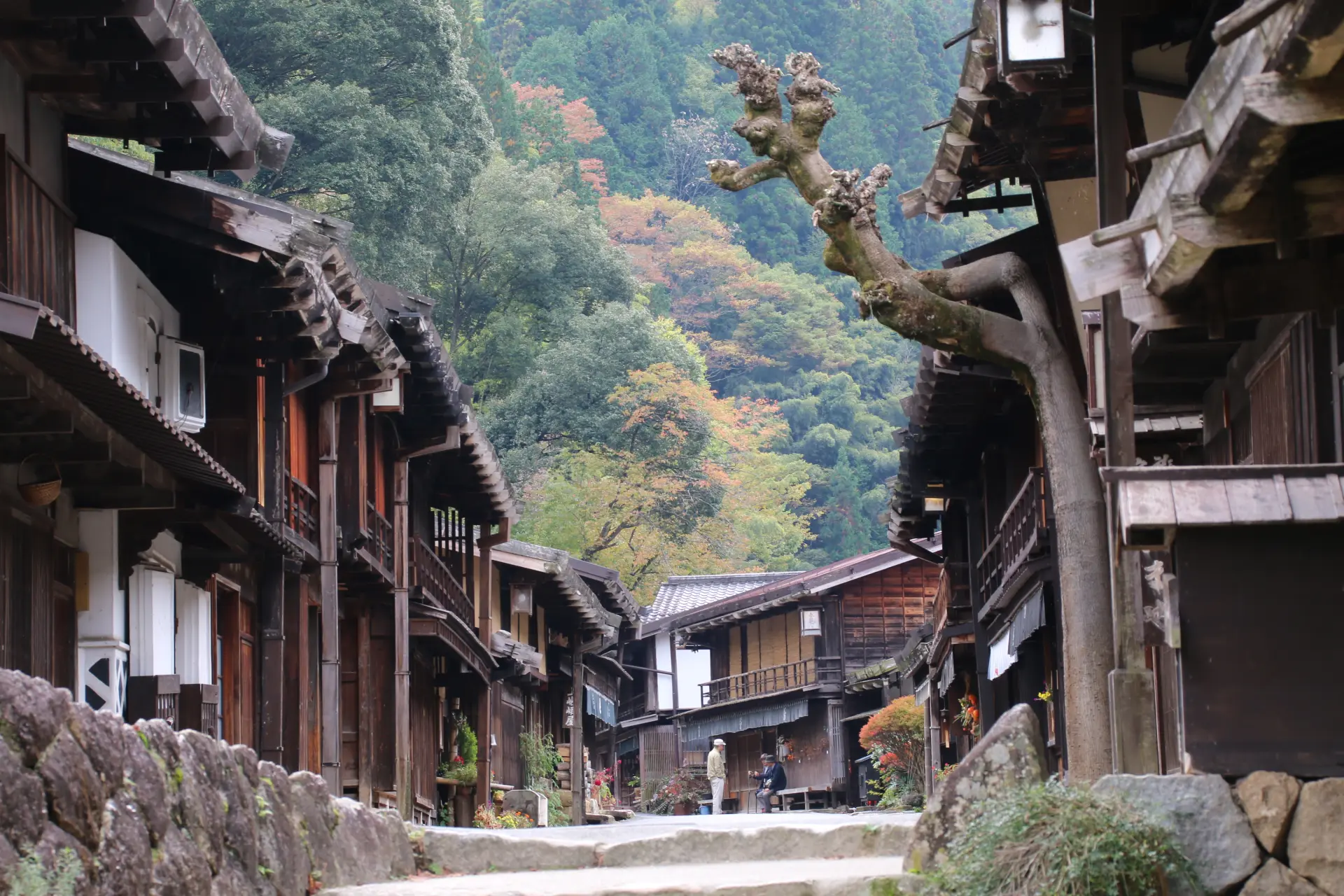
This post town stretches for about 1 km and prospered as a key point along the Kisoji route. Along the highway, it is divided from south to north into three areas: Kamimachi, Nakamachi, and Shimomachi. At the time, Nakamachi, the center of the town, was home to the honjin, waki-honjin secondary inn, and wholesaler’s office.
Even today, houses with senbon-goshi latticework line the street, and the town’s layout, with its shrines, water sources, and temples, remains intact. Defensive features such as right-angle bends and masu-gata square bends are also among the highlights.
As you visit the shops along the street, take a walk that lets you experience how a post town functioned.
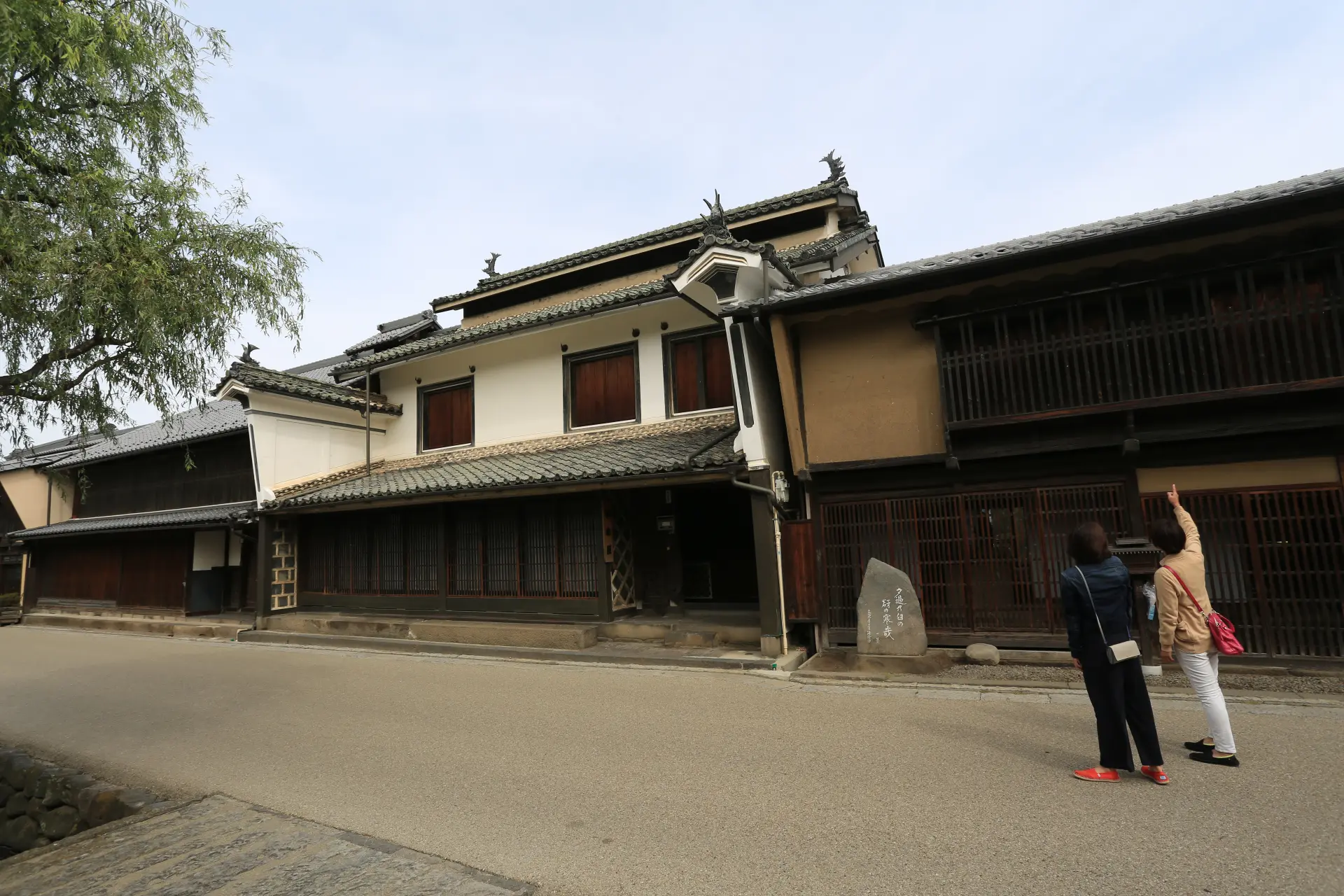
4. Unno-juku (Tomi City)
Unno-juku is a quiet post town street that preserves traces of the Hokkoku Kaido, a road that connected the Sea of Japan side with the Pacific side. The roughly 650-meter post town road, with a water channel flowing down the center and attractive rows of houses with lattice doors on both sides, has a nostalgic atmosphere that evokes the passage of time.
The townscape is characterized by the coexistence of Edo-period inn architecture and sericulture-house structures from the Meiji period onward. Be sure to notice the detailed design elements such as udatsu fire walls and latticework.
Experience Hearthside Food and Handwork, and Get a Taste of Life in Shinshu
Much of Shinshu’s food is rooted in the local climate and natural environment. Local dishes grilled over an irori hearth, plates that make use of specialties such as wasabi and soba, and sake brewery culture have been passed down in many different forms.
By making things with your hands and tasting them, the outlines of daily life here begin to come into view.
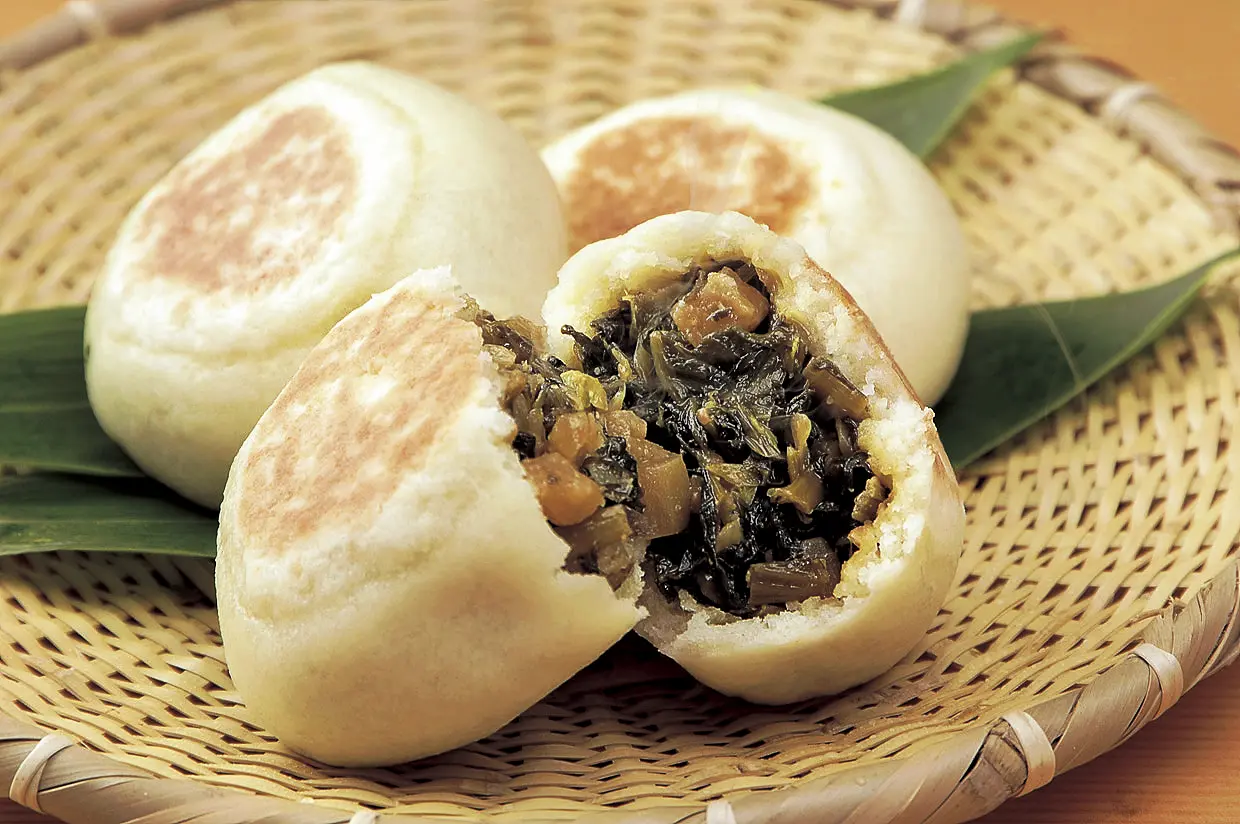
5. Ogawanosho Jomon Oyaki Village (Ogawa Village)
This local cuisine restaurant was created by renovating a farmhouse in Ogawa Village. Inside, in a space resembling a pit dwelling modeled after a Jomon-period home, you can taste oyaki, a local food that has long been made in the area.
Around the irori hearth, oyaki filled with a variety of ingredients such as nozawana greens, mushrooms, and sweet bean paste are lined up. Spending time in the horigotatsu-style sunken seating area while drinking soba tea is another part of the appeal. Oyaki-making experiences are also offered.
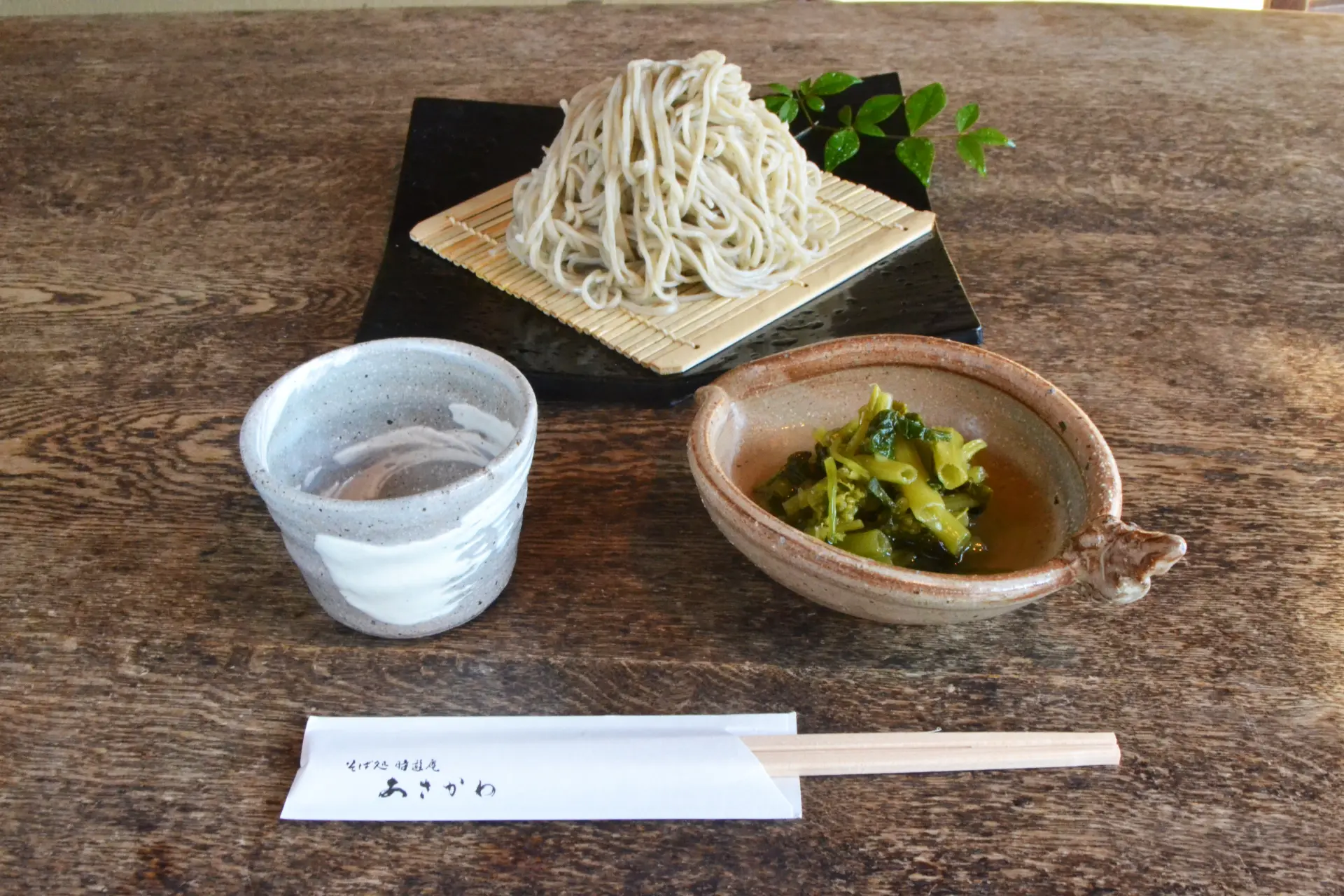
6. Sobadokoro Jiyuan Asakawa (Azumino City)
This popular soba restaurant is known for the pairing of wasabi and soba. A favorite dish ordered by many visitors is the “Wasabi Flower Bud Yakumi Zaru Soba,” served with wasabi flower buds as a condiment. It brings together the fresh aroma of the flower buds and firm, chewy soba.
In the garden, Fureai no Komichi, mountain hydrangeas and soba flowers spread out, making it ideal for a stroll after your meal. Visit with the idea of enjoying the time you spend here, including any wait.
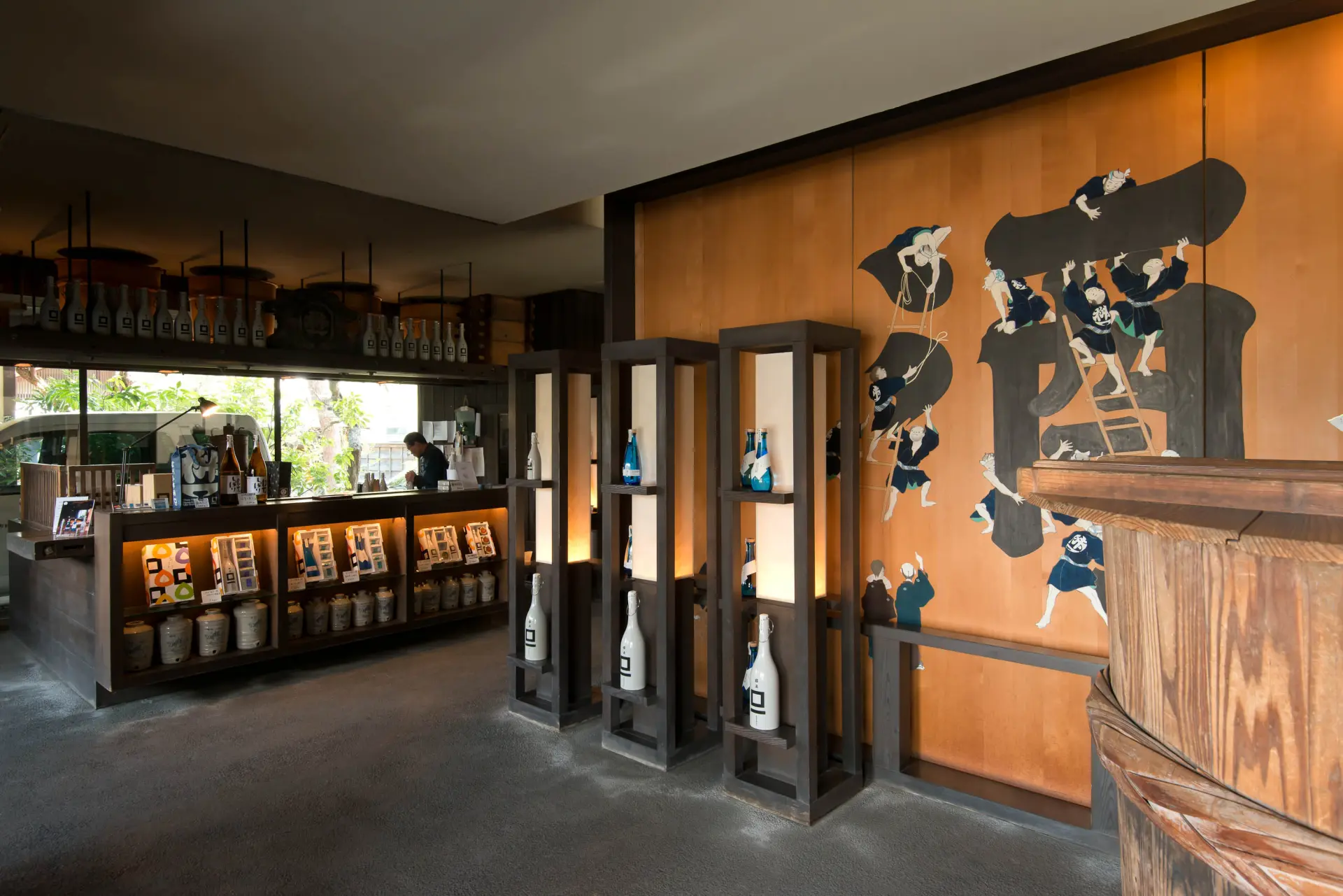
7. Masuichi Ichimura Sake Brewery Teppa (Obuse Town)
Here, the style is to enjoy a cup of sake sold by measure at the brewery counter. “Teppa” is a local dialect word referring to drinking sake by measure on the spot.
Since you can try multiple labels starting from a single small sake cup, you can compare the differences in flavor right there. Snacks such as hitashi-mame simmered beans and matsumae-zuke pickles are also available, so enjoy them together with the atmosphere of the brewery. It is also nice that you can take home the label you like.
Visit Hot Spring Towns and Soak in Famous Waters
Shinshu has long had a culture of therapeutic hot spring bathing, and communal baths and public outdoor baths remain in many areas.
There are hot spring resorts where you walk through town visiting public baths, and places where you settle into a single bath at an inn. Why not experience these different ways of spending time in hot springs?
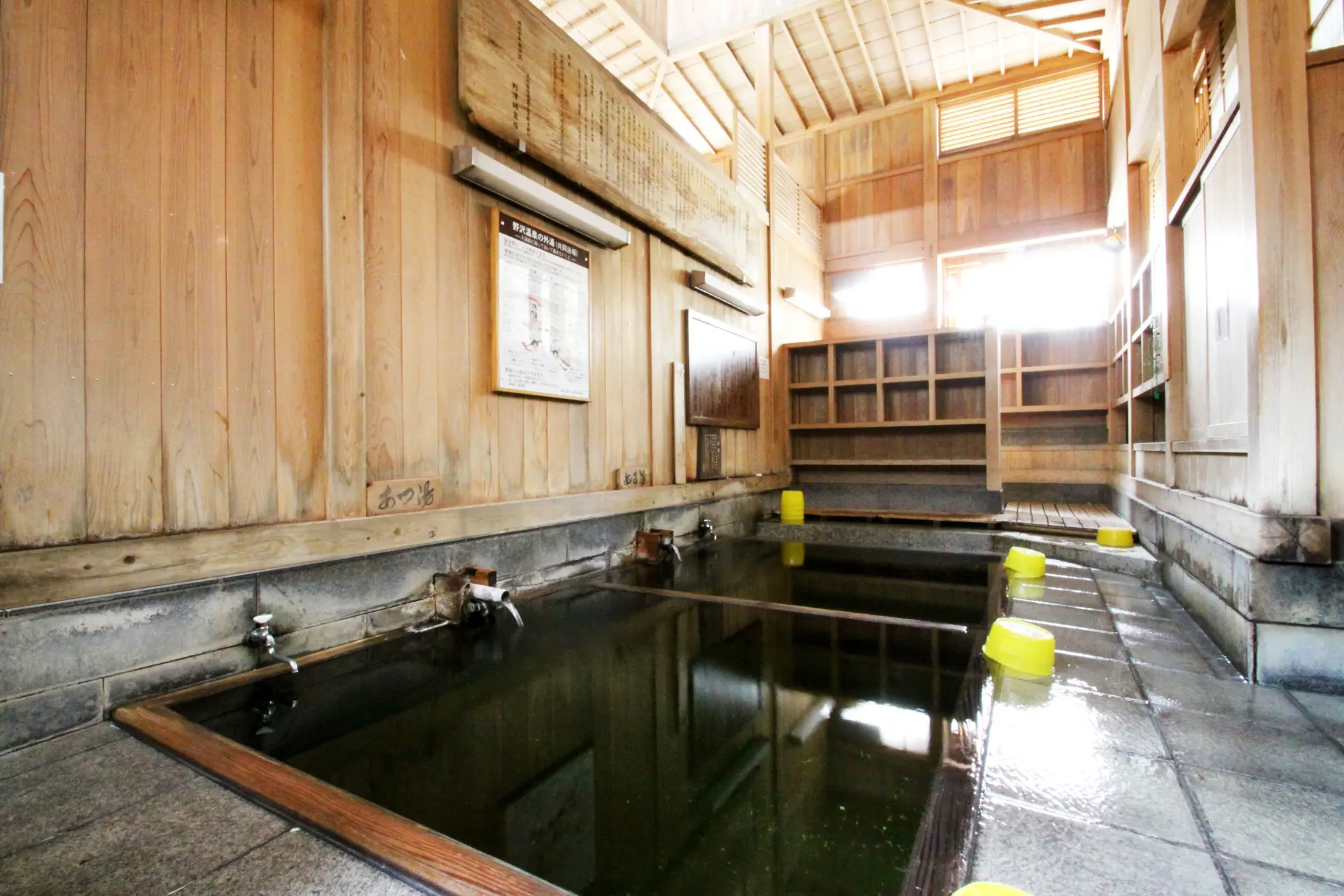
8. Nozawa Onsen (Nozawaonsen Village)
This hot spring town is rooted in a culture of public baths and retains an atmosphere of public baths, footbaths, and restaurants lining the streets. One of Nozawa Onsen’s main attractions is “sotoyu meguri,” visiting 13 natural hot spring baths that have been protected since the Edo period and are all 100% free-flowing from the source.
Going from bath to bath, each with different benefits, and finding your favorite water is one way to spend time here. The hot spring town also has 27 stamp stations; buy a stamp book and collect 10 or more stamps to receive a nice gift.
9. Shirahone’s Famous Hot Spring Awanoyu (Matsumoto City)
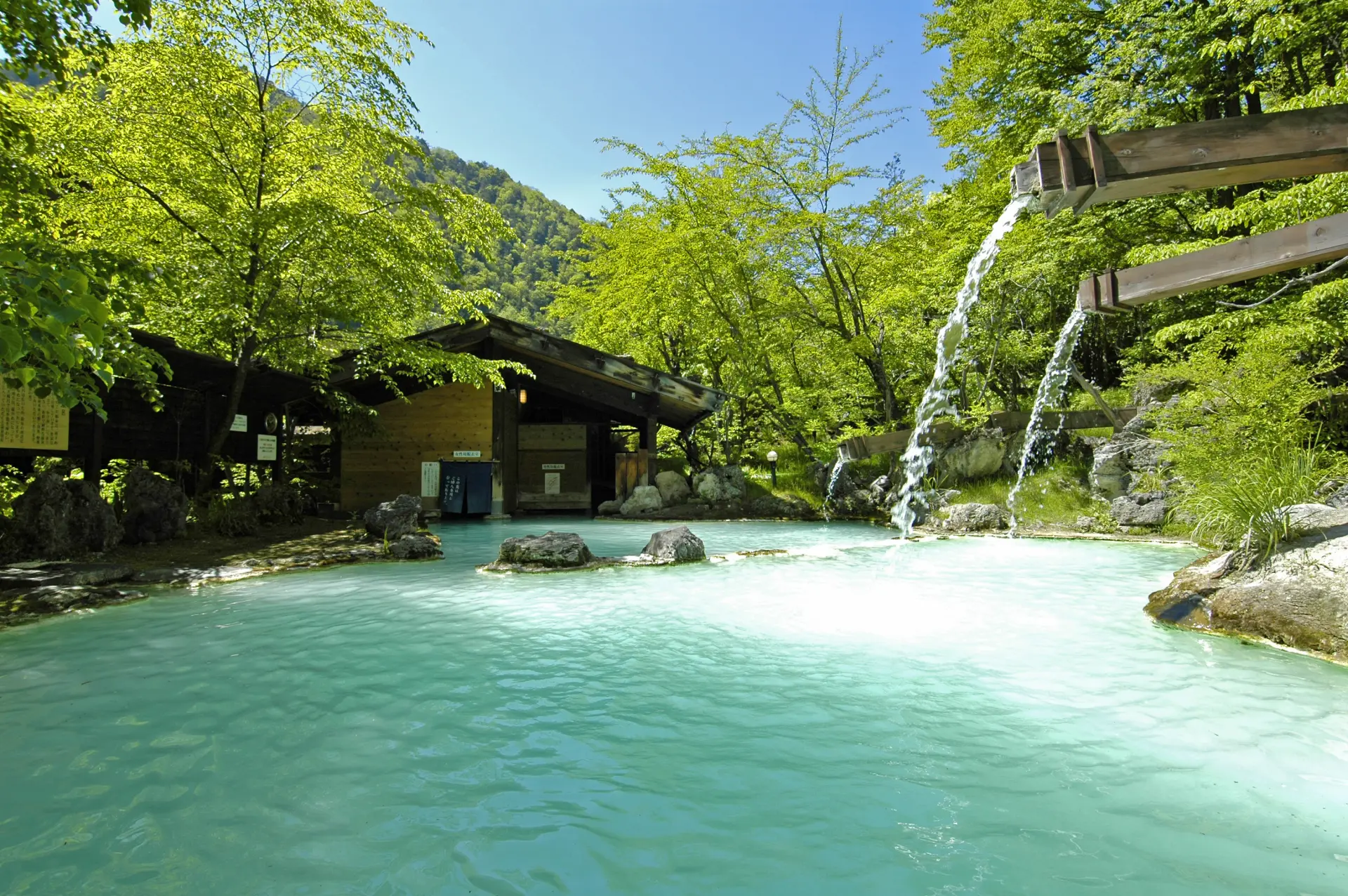
Awanoyu is a long-established hot spring inn in Shirahone Onsen, located in the mountains of the Northern Alps. Its signature feature is the large open-air bath. You can enjoy a relaxing moment soaking in a bath filled with milky-white water.
The open-air bath is shared, but the entrances are thoughtfully separated for men and women. Couples, married pairs, and groups can enjoy the same bath while easing away the fatigue of travel.

Visit Shrines and Temples and Encounter the History of Prayer
Shinshu is dotted with places of worship that have continued since ancient times and are deeply connected to the region’s history and culture.
Through architectural styles, festivals, and ways of worship, you can encounter forms of prayer that have been passed down through the ages.
10. Shinano Province Ichinomiya Suwa Taisha Shrine (Suwa City)
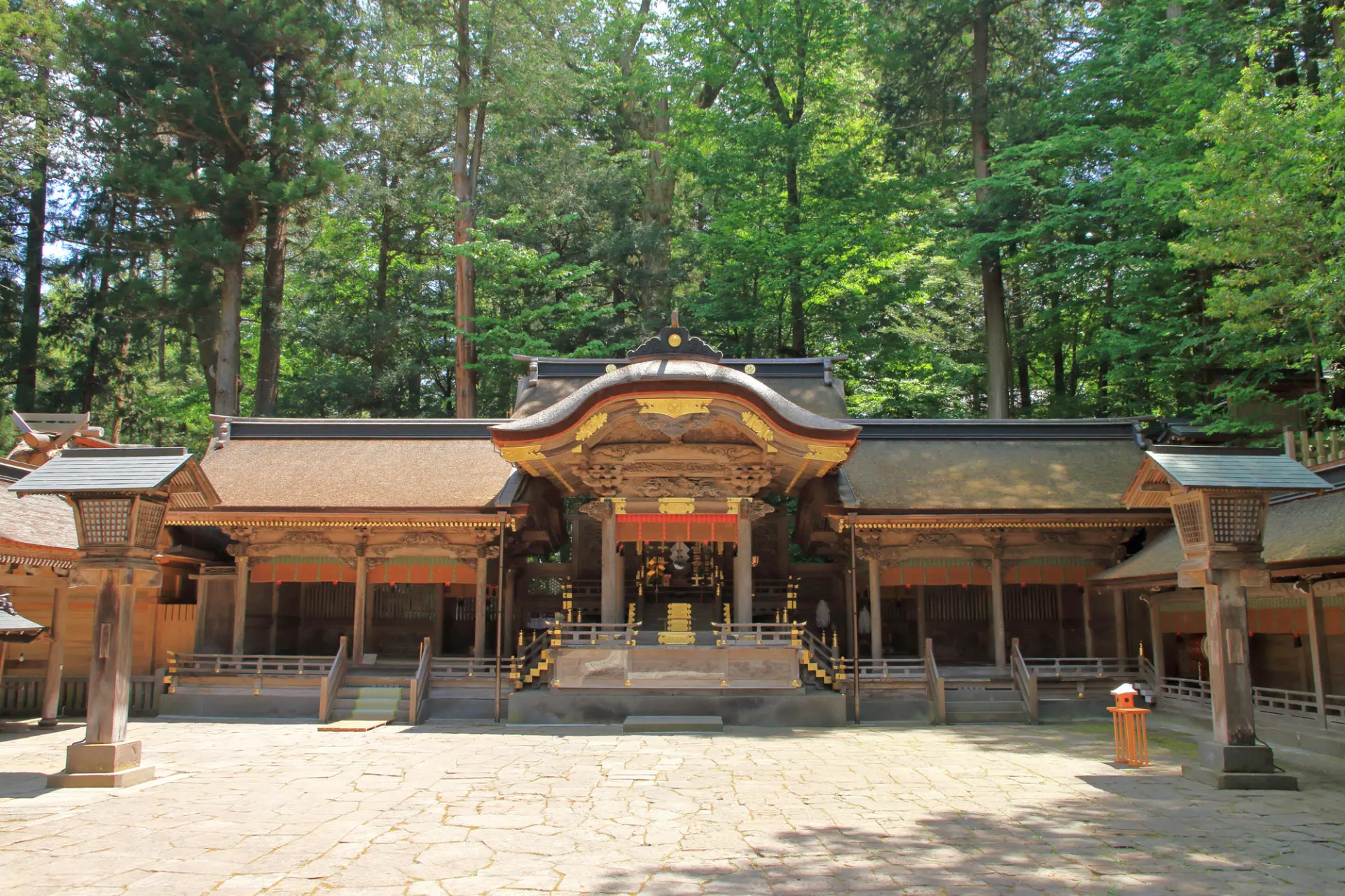
This shrine, with four precincts around Lake Suwa, carries ancient beliefs into the present day. It is the head shrine of Suwa shrines found throughout Japan and is considered one of the oldest shrines in the country.
Its distinctive structure has no main sanctuary, instead taking the form of worshiping sacred mountains and sacred trees. Each of the four shrines has its own highlights and is connected to events such as the Onbashira Festival. It is worth visiting together with nearby shrines.
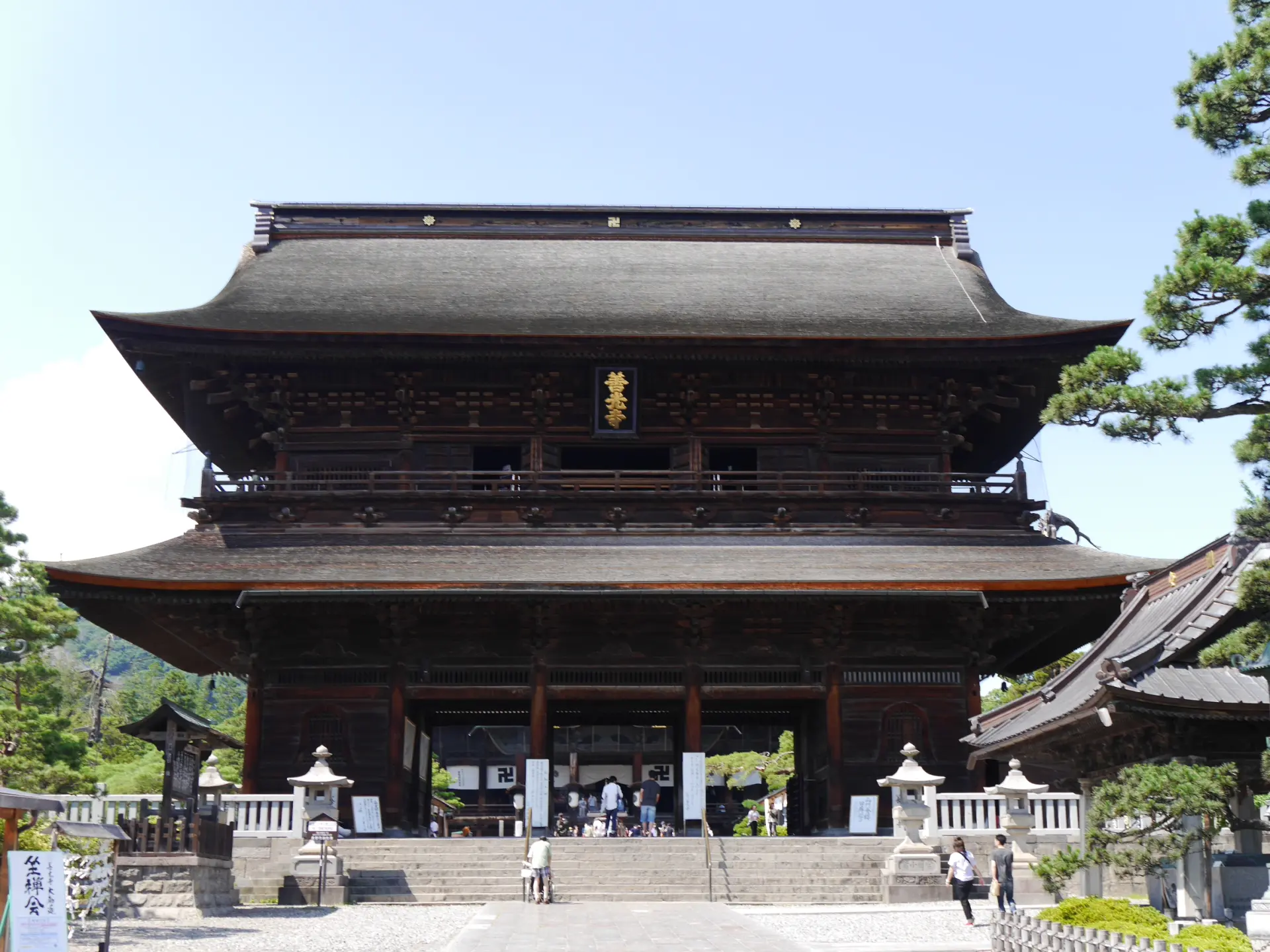
11. Zenkoji Temple (Nagano City)
Zenkoji is a major temple that has drawn the faith of people regardless of Buddhist sect. It is also famous for the legend expressed in the saying, “Led by an ox to Zenkoji,” and even today about 6 million worshippers visit each year.
In addition to worship, you can add several experiences such as visiting the National Treasure main hall and taking part in the Okaidan Meguri passage walk, so your stay naturally becomes longer. It is easy to include as part of a walk through the temple town.
Summary
Post town streetscapes, food cooked by the irori hearth, hot spring culture centered on visiting public baths, and prayers at ancient shrines and temples.
Across Shinshu, scenes passed down together with daily life remain in many places. By layering the acts of walking, tasting, and soaking, you begin to see the accumulated time of each place.
Combine them along the flow of your trip and trace Shinshu’s culture from multiple angles.