Aizu Matsudaira Clan Garden, Oyakuen

Verified [Verified] denotes information that has been published with confirmation of its owing parties.

Aizu Matsudaira Clan Garden, Oyakuen

A feudal lord’s garden in Aizu steeped in history and the tradition of medicinal herbs.

Last update :

Oyakuen is a historic garden in Aizuwakamatsu, Fukushima Prefecture. Its history began some 600 years ago, when Aizu lord Ashina Morihisa built a villa on land blessed with a natural spring. It was later developed into a garden under Hoshina Masayuki, founder of the Aizu domain. The second lord, Hoshina Masatsune, established a medicinal herb garden to help protect local residents from epidemics. During the rule of the third lord, Matsudaira Masakata, Meguro Jotei laid out the garden that became the basis for its present form, and the cultivation of medicinal plants, including Korean ginseng, was encouraged.

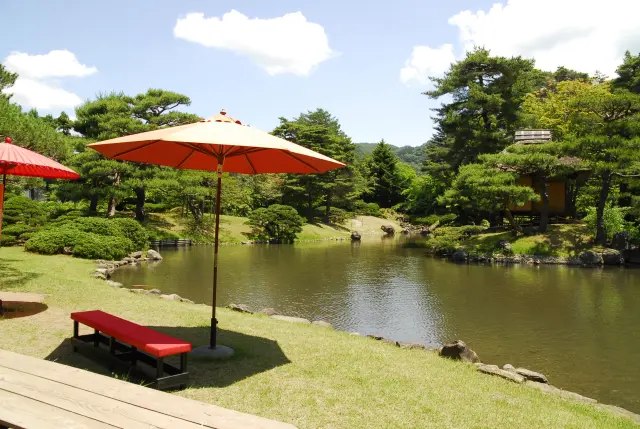
The approximately 4.2-acre grounds feature a strolling pond garden centered on Shinji no Ike Pond and designed to incorporate the surrounding scenery. Visitors can walk around the pond while viewing the buildings and plants arranged throughout the garden. On the north side is a medicinal plant specimen garden occupying the former herb cultivation area, where around 400 varieties of medicinal trees and herbs can still be seen today.

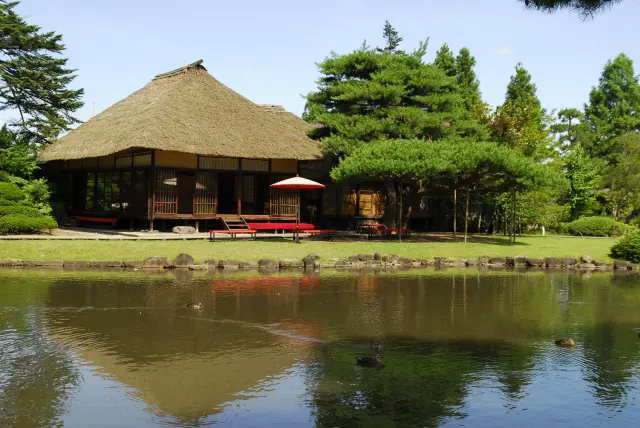
Visitors can also see historic buildings such as Rakuju-tei, which stands in Shinji no Ike Pond; Ochaya Goten, once used by the feudal lords; and the relocated Choyokaku. At the matcha tea area overlooking the garden, matcha is served with the garden’s original sesame yokan. In 1932, the garden was nationally designated as a Place of Scenic Beauty under the name Aizu Matsudaira Clan Garden.

Highlights

  • Aizu Matsudaira Clan Garden, a nationally designated Place of Scenic Beauty with around 600 years of history.
  • The cultivation of medicinal plants, including Korean ginseng, was encouraged during the Edo period.
  • The approximately 4.2-acre grounds feature an expansive strolling pond garden.
  • Around 400 varieties of medicinal trees and herbs can be observed in the medicinal plant specimen garden.
  • Historic buildings include Rakuju-tei, Ochaya Goten, and Choyokaku.

Photos

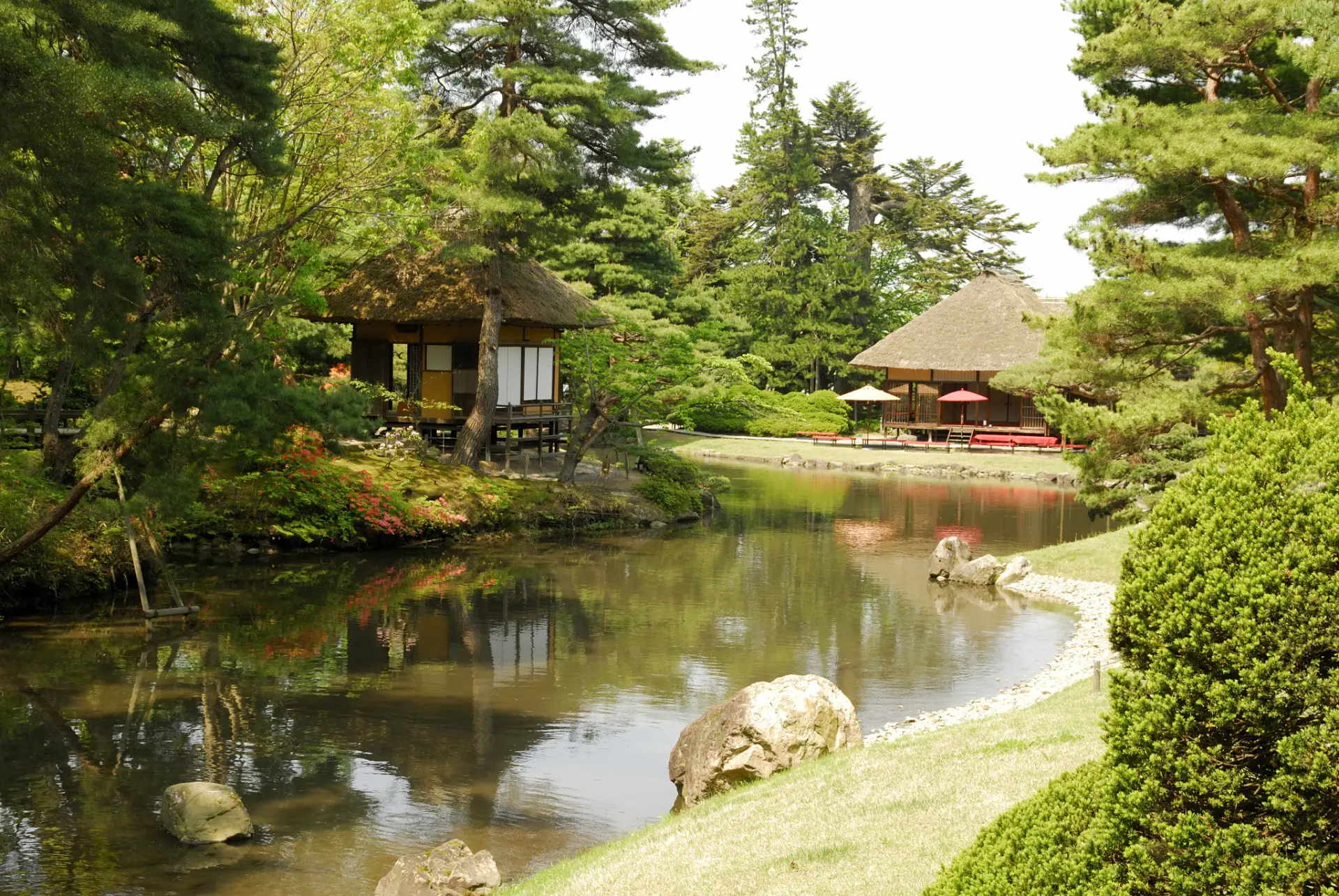
  • Oyakuen is considered a strolling pond garden that incorporates the surrounding scenery

    Oyakuen is considered a strolling pond garden that incorporates the surrounding scenery

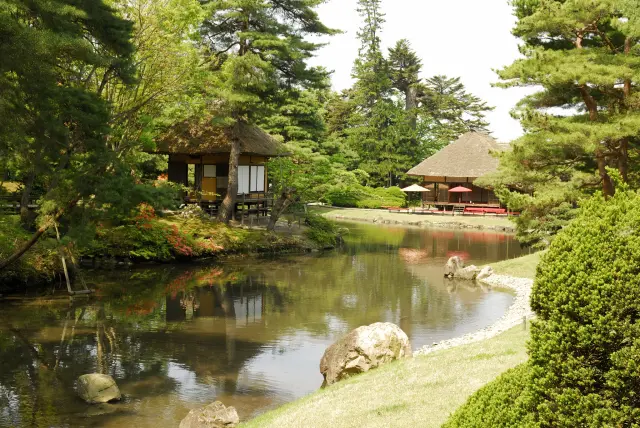
  • Ochaya Goten (left) and Rakuju-tei (right)

    Ochaya Goten (left) and Rakuju-tei (right)

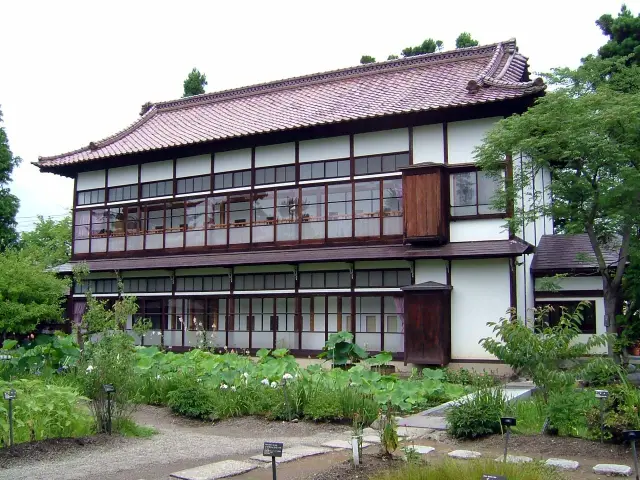
  • Choyokaku, originally built as a three-story annex at Shintaki Ryokan in Higashiyama Onsen

    Choyokaku, originally built as a three-story annex at Shintaki Ryokan in Higashiyama Onsen

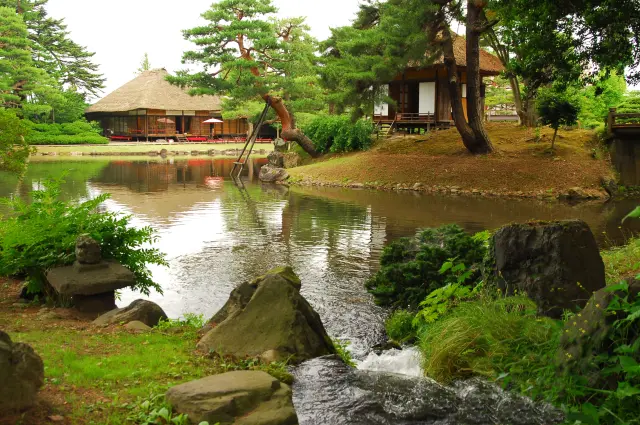
  • Shinji no Ike Pond, an essential feature of the strolling pond garden

    Shinji no Ike Pond, an essential feature of the strolling pond garden

  • The medicinal plant specimen garden features around 400 varieties of medicinal trees and herbs

    The medicinal plant specimen garden features around 400 varieties of medicinal trees and herbs

  • Relax with a bowl of matcha while viewing the garden once admired by generations of feudal lords

    Relax with a bowl of matcha while viewing the garden once admired by generations of feudal lords

Official FAQs

Frequently Asked Questions have been vetted and answered directly by each listing.

Q

Are foreign-language brochures or information signs available? If so, which languages are supported?

A

English-language brochures and information signs are available.

Q

Is free Wi-Fi available within the grounds?

A

Aizu_Free_Wi-Fi and TOHOKU_United_Free_Wi-Fi are available.

Q

Are coin lockers available?

A

No. Items other than valuables can be left at the admission ticket counter.

Q

Is reentry permitted?

A

Please ask at the admission ticket counter.

Q

Is there a designated smoking area?

A

Yes, in the north parking lot. Smoking is prohibited within the garden.

Q

Are there any nearby sightseeing attractions?

A

Tsurugajo Castle and Rinkaku Teahouse are about a 5-minute drive away. A discounted combination ticket covering all three attractions is also available.

Q

When are the best times to see the cherry blossoms, wisteria, lotus flowers, and fall foliage?

A

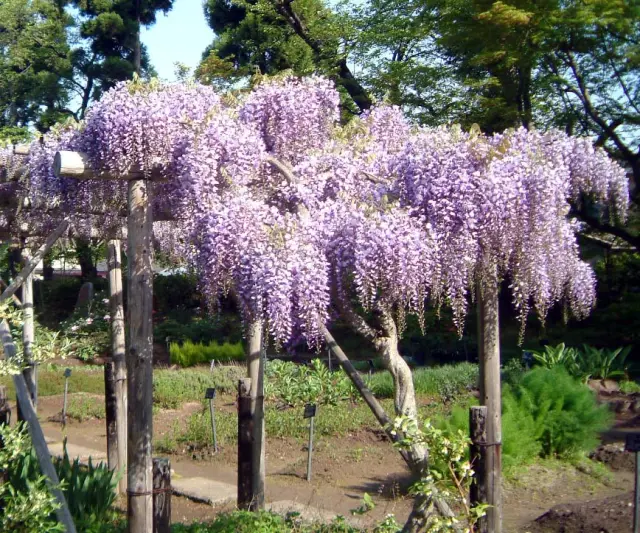
Cherry blossoms: mid-April to early May; wisteria: early to late May; lotus flowers: early July to mid-August; fall foliage: late October to mid-November. The timing may vary depending on the weather and other conditions.

Reviews

Details

Name in Japanese
国指定名勝 会津松平氏庭園 御薬園
Postal Code
965-0804
Address
8-1 Hanaharumachi, Aizuwakamatsu, Fukushima Prefecture
Phone
0242-27-2472
Closed on
Open year-round
Hours
8:30 a.m.–5:00 p.m. (last admission at 4:30 p.m.)
Admission
Adults: ¥330; high school students: ¥270; elementary and junior high school students: ¥160
Access
About 10 minutes by car from JR Aizuwakamatsu Station
Credit Cards
Not accepted
Official website
Official website (Japanese)
Hokkaido Tohoku Kanto Chubu Hokuriku Kansai Chugoku Shikoku Kyushu Okinawa