
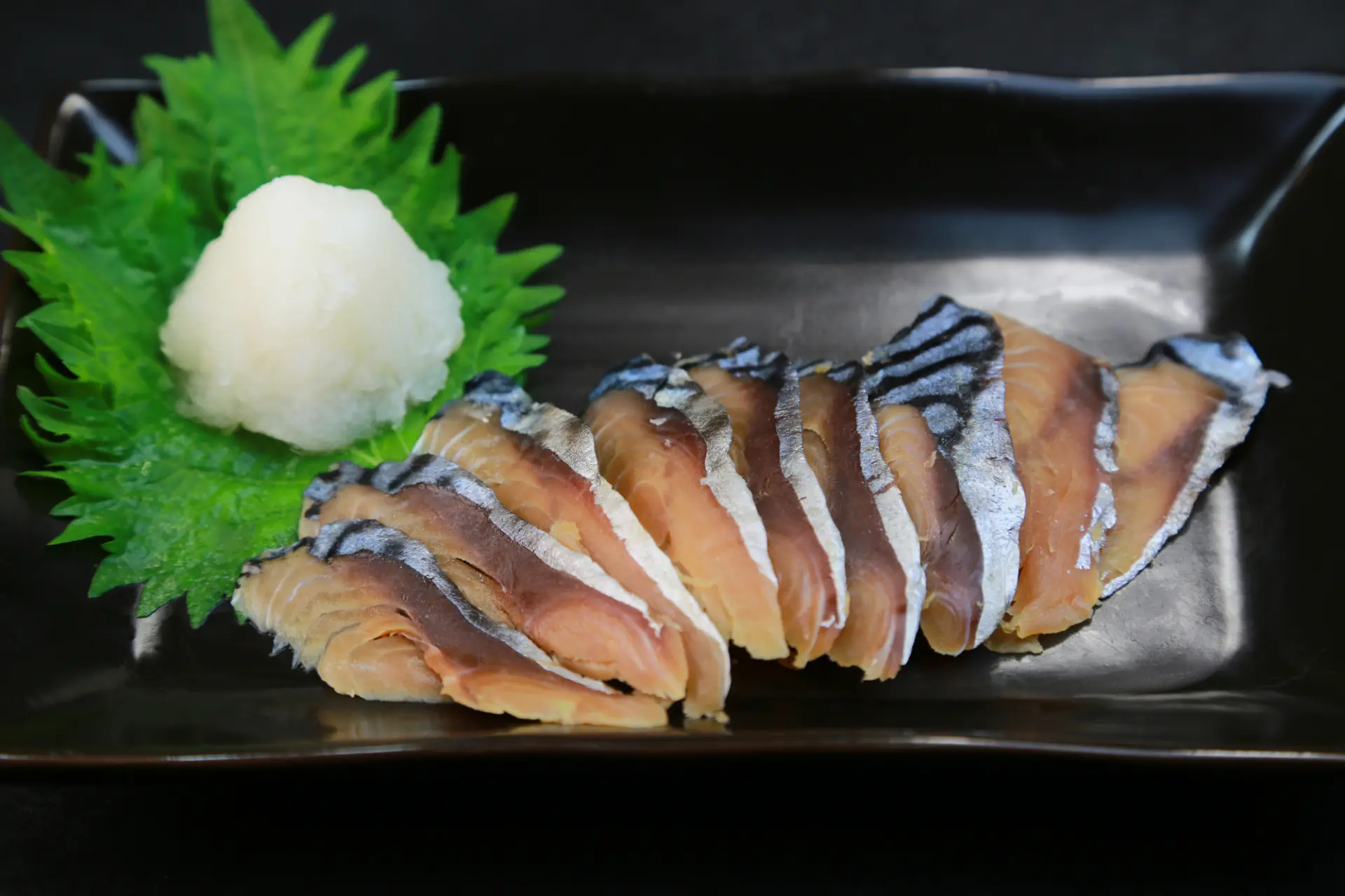
Heshiko
A traditional Fukui dish packed with the savory flavor of long-aged fish and attracting attention as a health food.
Heshiko is a traditional Fukui dish made by cleaning and salting fish, then aging it in rice bran for over a year. Although various types of fish are used, mackerel, a specialty of Fukui Prefecture, is the most common. It has long been valued as an important source of protein during winter, when fishing was not possible.
The long aging process in rice bran enhances its nutritional value through fermentation. In addition to the nutrients found in fish, heshiko is rich in lactic acid bacteria, yeast, and peptides. In recent years, it has also attracted attention for its potential benefits for the immune system and skin health.
To prepare heshiko, rinse it lightly to remove the rice bran, then pat it dry and slice it thinly.
It can be eaten as sashimi, but it is also recommended lightly grilled.
If it is too salty, soak it in water for a while to reduce the saltiness before eating.
Locally, narezushi, a type of fermented sushi made with heshiko, has traditionally been eaten on celebratory occasions such as New Year’s. Some restaurants in Fukui Prefecture also serve pizza, pasta, and other dishes made with heshiko, offering an approachable way to experience this traditional food.
The name “heshiko” is said to come from the local dialect word “heshikomu,” which referred to packing ingredients into a barrel for rice-bran pickling.
Highlights
-
A traditional Fukui dish made by aging fish for over a year.
-
Try dishes made with heshiko at restaurants throughout Fukui Prefecture.
-
Attracting attention as a nutrient-rich, healthful food.
Photos
-
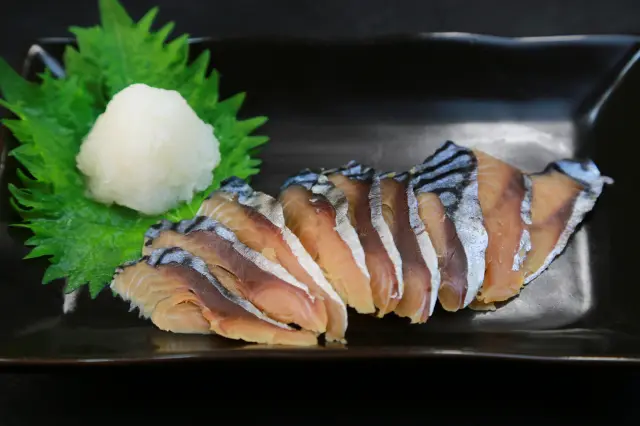
Pairs exceptionally well with alcoholic beverages
-
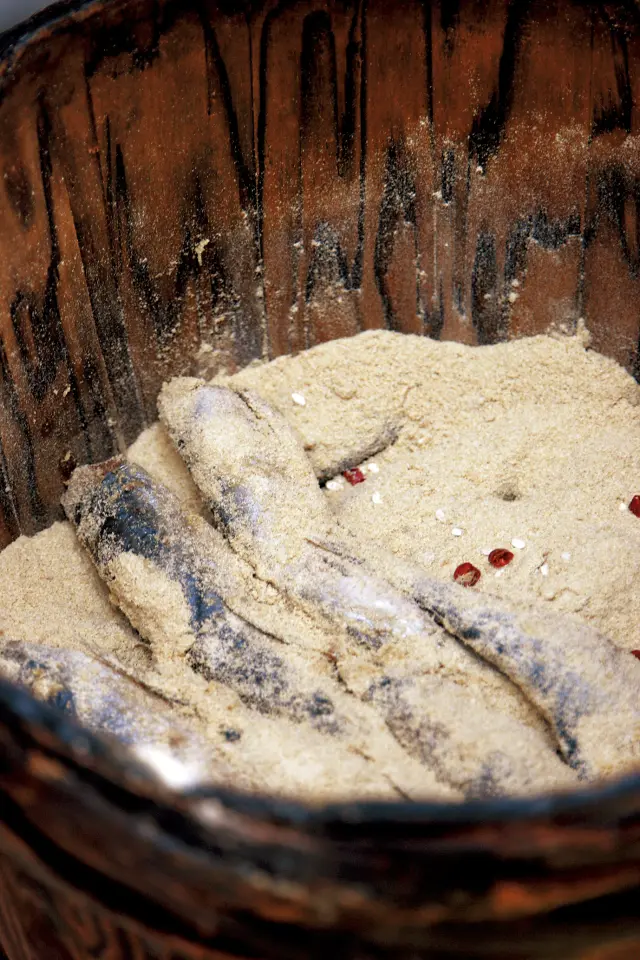
Long-term aging enhances its nutritional value
-
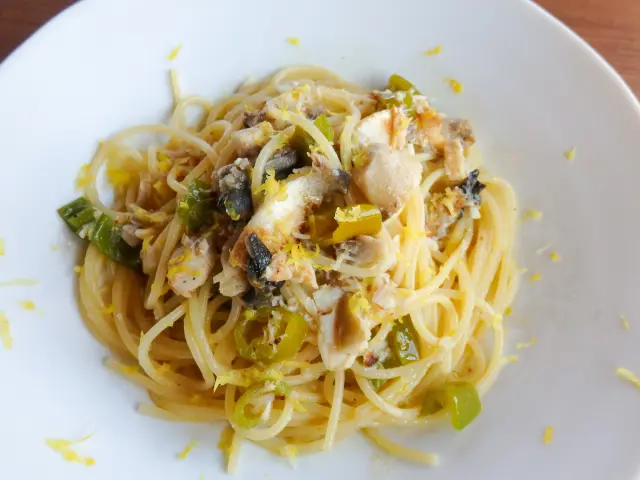
Pasta made with heshiko
Details
- Name in Japanese
- へしこ
- Main region where it is traditionally made
- Fukui Prefecture
- Main ingredients
- Mackerel, salt, rice bran, chili peppers, and other ingredients