
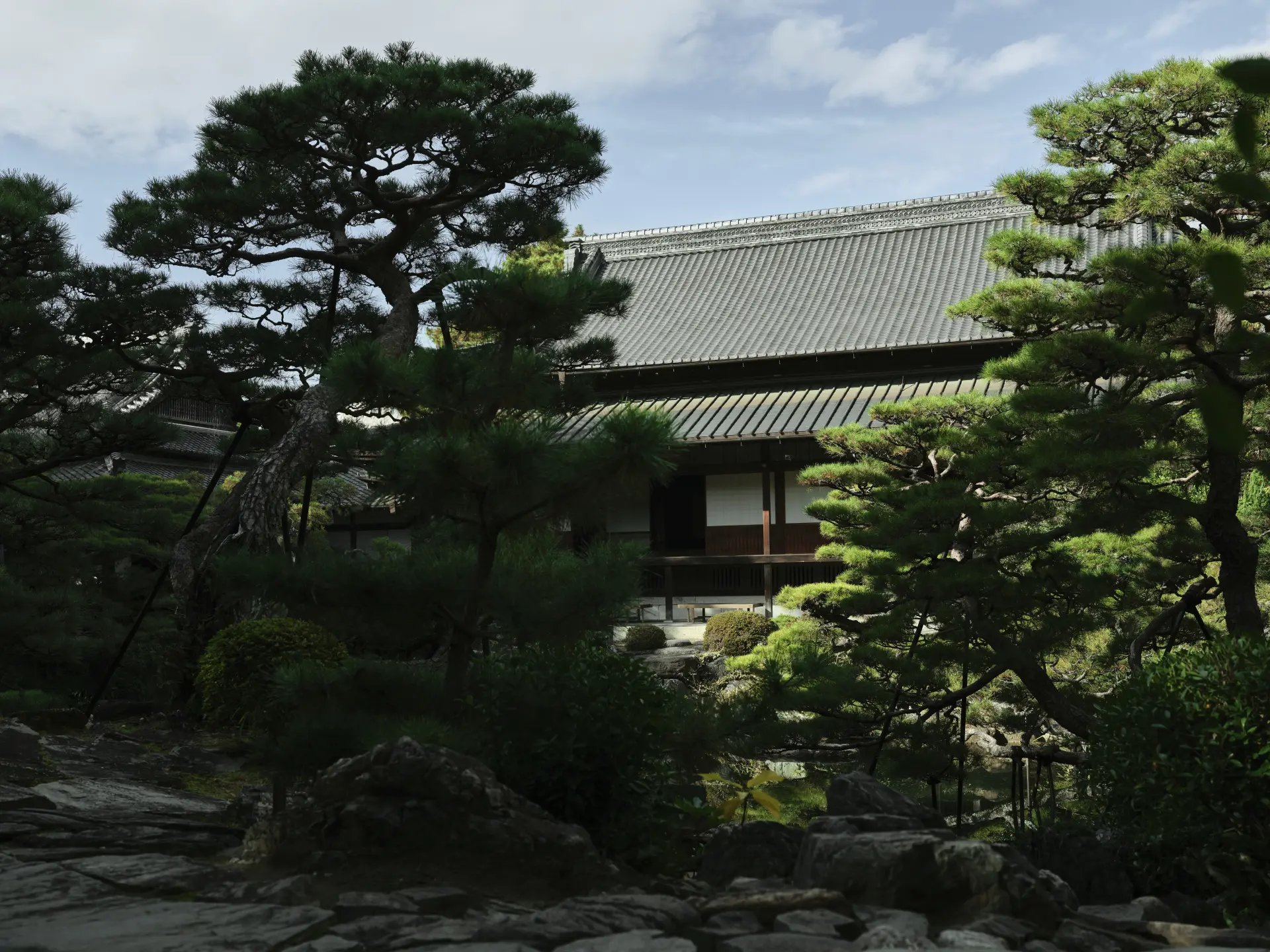
Photo courtesy of the Moroto Foundation
Verified [Verified] denotes information that has been published with confirmation of its owing parties.
The Moroto Garden
A garden designated as a Place of Scenic Beauty that reflects the aesthetics of both the Edo and Meiji periods.
This nationally designated Place of Scenic Beauty is a residential garden in Kuwana, Mie Prefecture. The garden was originally created during the Edo period as a retirement residence for Hikozaemon Yamada, a wealthy Kuwana merchant. In the Meiji period, it was acquired by businessman Seiroku Moroto I. He and his son Seita expanded and developed it over two generations into a Japanese garden that makes the most of its natural setting.
A highlight is the opportunity to explore two gardens created in different periods on a single visit. The Former Yamada Family Garden, which dates back to the Edo period, has an open layout with a teahouse beside the pond. By contrast, the Meiji-period pond garden in front of the main residence incorporates a tidal system known as shioiri, which causes the water level to rise and fall with the tides. Its elaborate scenery—including stone bridges, dry waterfall stone arrangements, and an artificial hill faced with blue stone—conveys the grand scale and aesthetic sensibility of a wealthy modern-era merchant.
The Moroto family residence is also worth noting. Six buildings, including the main residence, are designated as National Important Cultural Properties. Teahouses and other structures are scattered throughout the grounds, and viewing the garden through and around these buildings offers a closer sense of the residential culture of the period.
The garden opens to the public twice a year, in spring and fall. In spring, wisteria, azaleas, fresh greenery, and Japanese irises add color to the grounds. In fall, the foliage of Enkianthus and maple trees transforms the garden. As this distinguished garden is normally closed to the public, plan your visit during one of these seasonal openings.
Highlights
-
Experience the beauty of gardens from both the Edo and Meiji periods.
-
See the shioiri pond garden, where the water level changes with the tides.
-
Six buildings, including the main residence, are designated as National Important Cultural Properties.
-
Wisteria, azaleas, fresh greenery, and Japanese irises brighten the garden in spring, while Enkianthus and maple foliage add color in fall.
-
The garden is open to the public for limited periods in spring and fall.
Photos
-
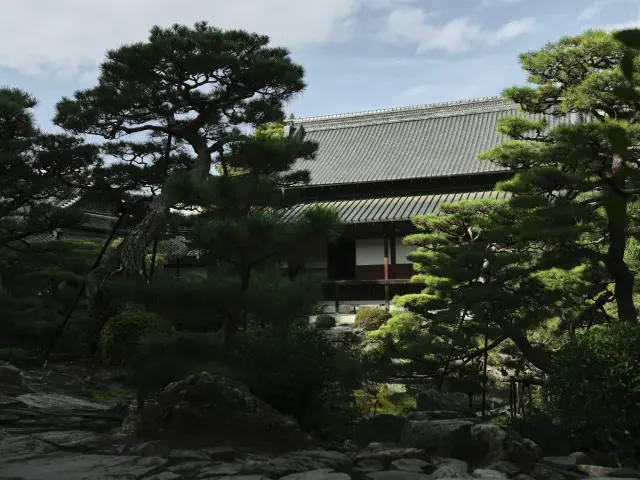
A garden created by wealthy Meiji-era merchant Seiroku Moroto and his son
-
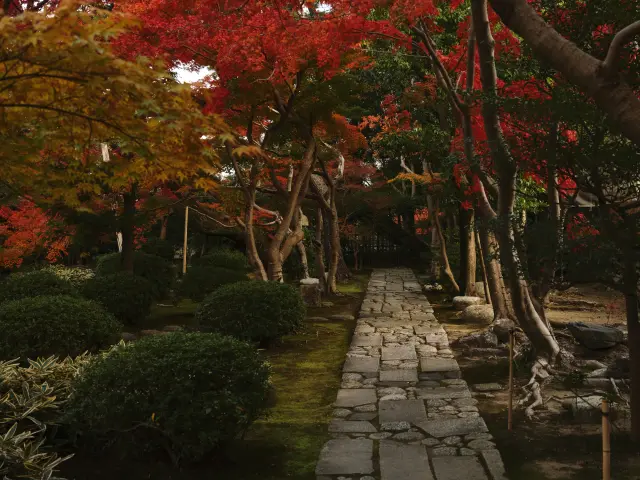
Beautiful scenery in every season
-
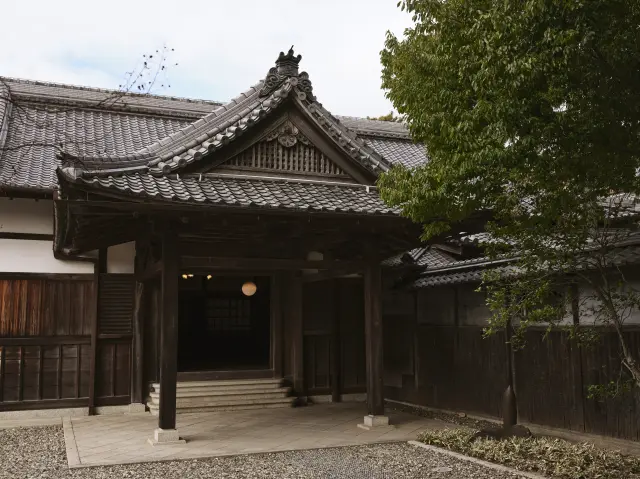
Six buildings, including the main residence, are National Important Cultural Properties
Official FAQs
Frequently Asked Questions have been vetted and answered directly by each listing.
Q
Are brochures, information signs, or other materials available in foreign languages? If so, which languages are supported?
No, they are not available.
Q
Is free Wi-Fi available within the garden?
No, it is not available.
Q
Are coin-operated lockers available?
No, but luggage can be left at reception.
Q
Are restrooms available?
Yes, there are two restroom locations.
Q
Is reentry permitted?
No, reentry is not permitted.
Q
Is there a designated smoking area?
No, there is not.
Q
Are there any sightseeing attractions nearby?
Nearby attractions include Rokkaen, Shichiri no Watashi Old Port, the Ishidori Festival Museum, and Kyuka Park.
Q
Can I tour the garden in high heels?
The garden has steps and stepping stones, so please wear comfortable walking shoes.
Q
Can visitors enter the buildings?
Visitors cannot enter the buildings, but they can view them from the garden.
Reviews
Details
- Name in Japanese
- 諸戸氏庭園
- Postal Code
- 511-0005
- Address
- 18 Taichimaru, Kuwana, Mie Prefecture
- Phone
- 0594-25-1004 (weekdays, 10:00 a.m.-5:00 p.m.)
- Closed on
- Open only in spring from late April to mid-June and in fall from early November to mid-December. Closed on Mondays during these periods, or the following day when Monday is a national holiday.
- Hours
- 10:00 a.m.-5:00 p.m. (last admission at 4:00 p.m.)
- Admission
- Adults: ¥500; elementary school students and younger: ¥200; children ages 3 and younger: free
- Access
- 15-minute walk from Kuwana Station on the JR, Kintetsu, and Yoro Railway lines, or take a bus to the Teramachi bus stop and walk 6 minutes
- Credit Cards
- Not accepted
- Official website
- Official website (Japanese)