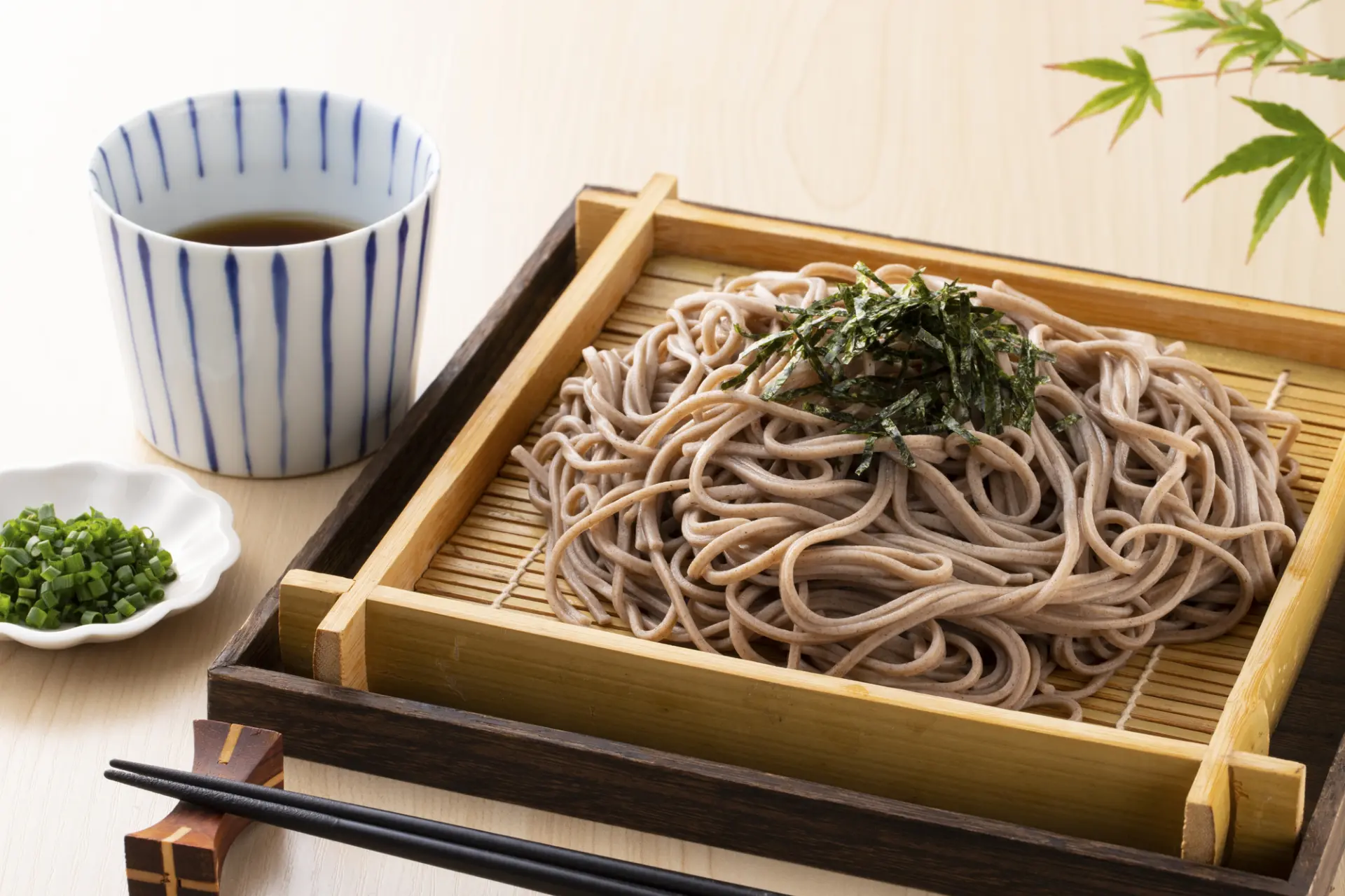
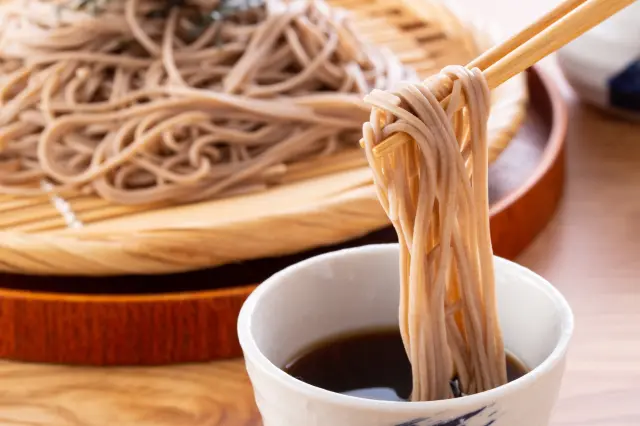
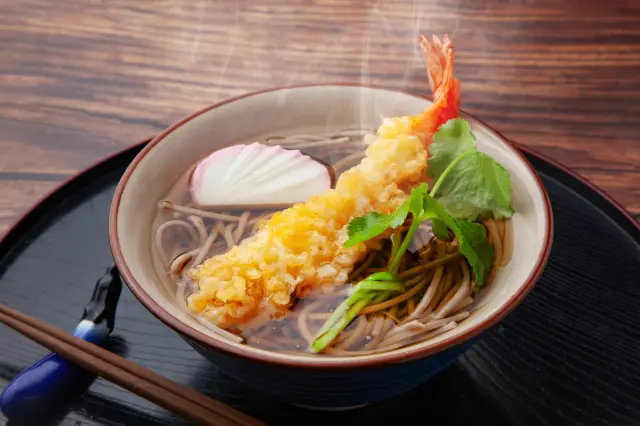
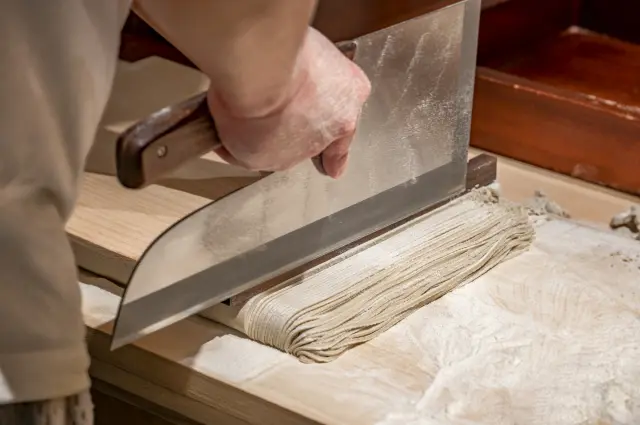
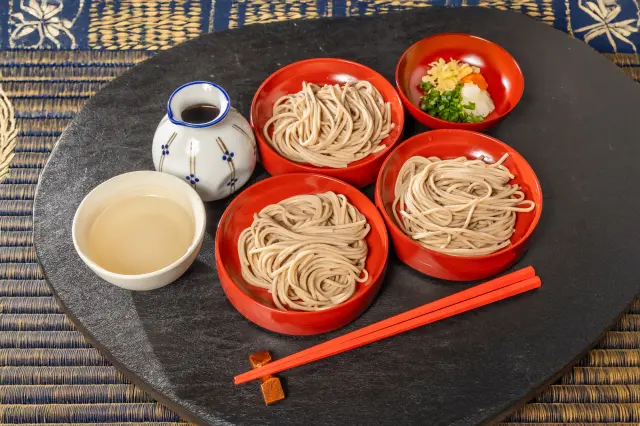
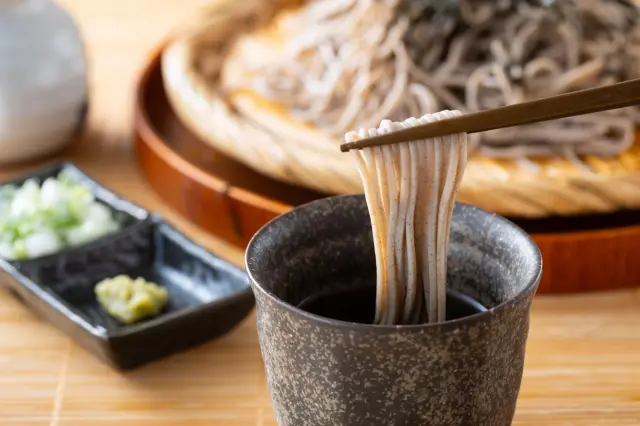
Soba is a Japanese noodle made by kneading buckwheat flour with water, rolling the dough thin, and cutting it into fine strands. It is known for the delicate aroma that rises with each bite and its smooth texture as it slips down the throat. Cold mori soba and zaru soba are briefly dipped in sauce and slurped up. On a cold day, a bowl of kake soba in hot broth or tempura soba topped with freshly fried tempura is especially comforting. It is also worth comparing juwari soba, made entirely from buckwheat flour, with nihachi soba, made from 80% buckwheat flour and 20% wheat flour.
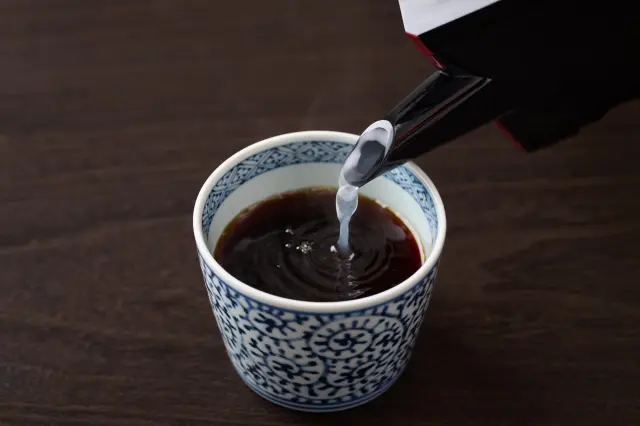
The earliest known written reference to soba in noodle form dates to 1574. During the Edo period, soba restaurants multiplied throughout Edo, and vendors known as “nighttime soba sellers” began walking the streets after dark. The custom of eating toshikoshi soba on New Year’s Eve also took root during this period. The long, thin noodles are said to symbolize wishes for longevity, while their tendency to break easily represents leaving the year’s misfortunes behind. After finishing the noodles, try pouring soba-yu, the hot water used to cook the noodles, into the remaining dipping sauce and drinking it.
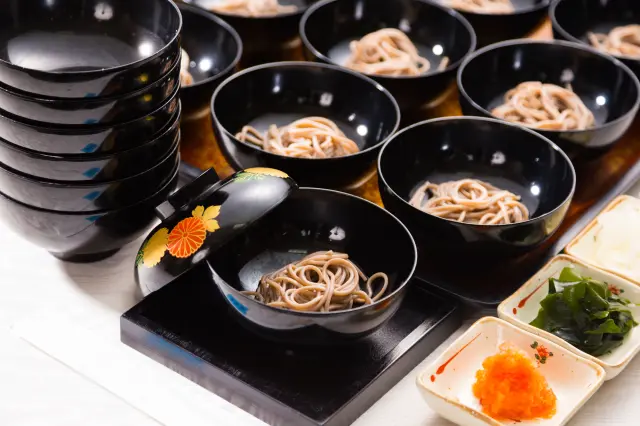
Trying the different ways soba is served around Japan is another pleasure. With Iwate Prefecture’s wanko soba, servers continuously refill your bowl with bite-sized portions of noodles. Together with Togakushi soba from Nagano Prefecture and Izumo soba from Shimane Prefecture, which is served in stacked round containers, it is considered one of Japan’s three great regional soba traditions. Other varieties worth trying include hegi soba from Niigata Prefecture, which uses seaweed as a binding agent, and oroshi soba from Fukui Prefecture, served with grated daikon radish. For the freshest aroma, fall is the best season, when newly harvested buckwheat soba becomes available. Soba can cause food allergies, so anyone with concerns should check with the restaurant before ordering.