• See More

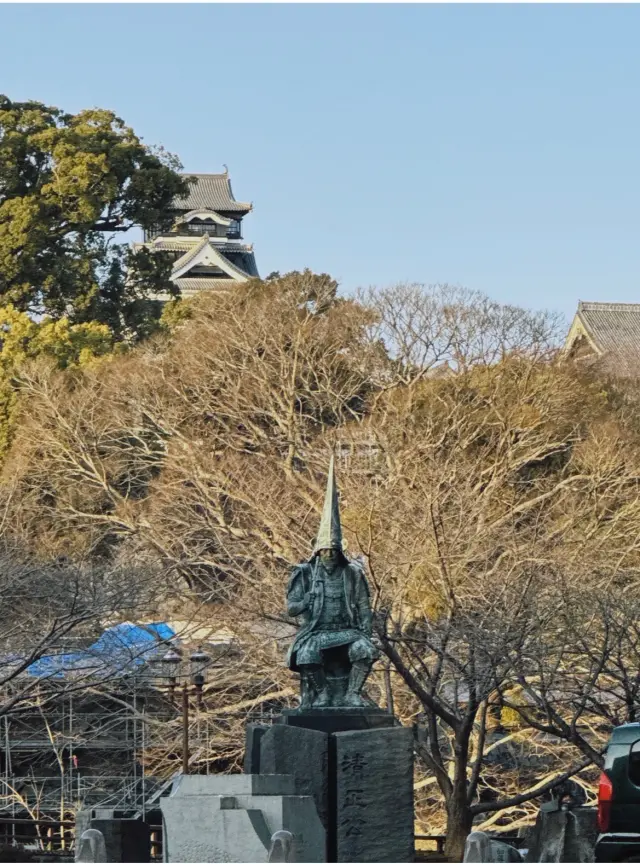
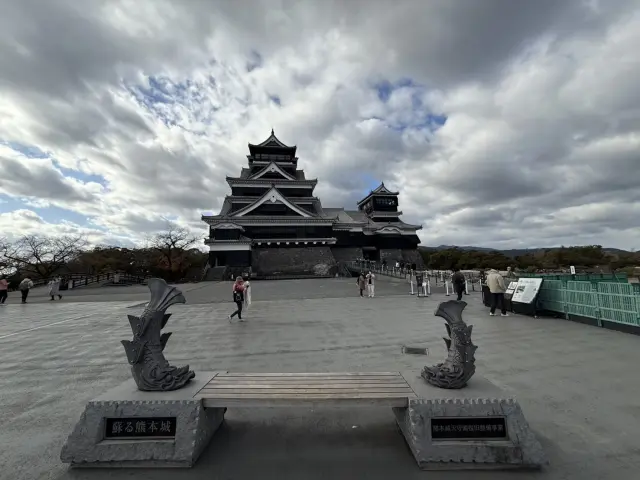
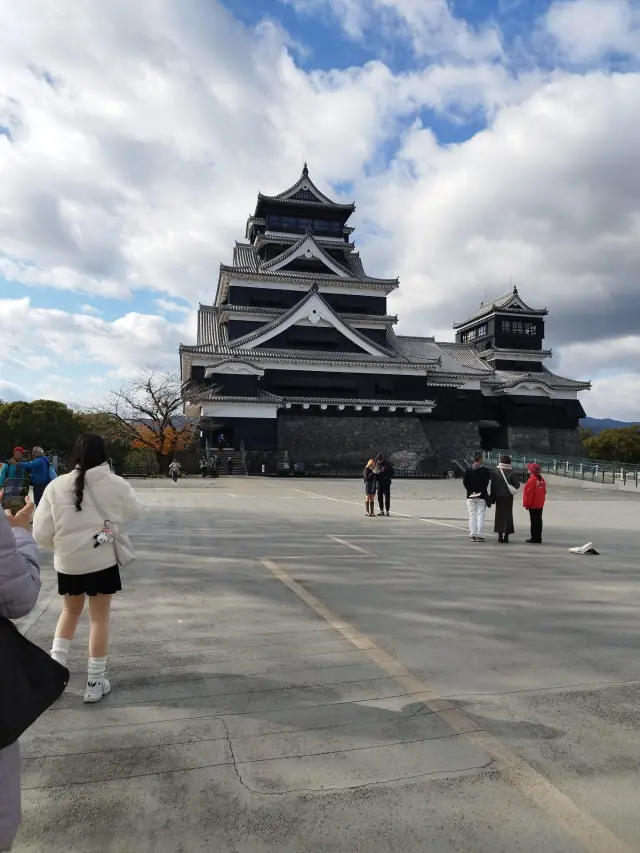
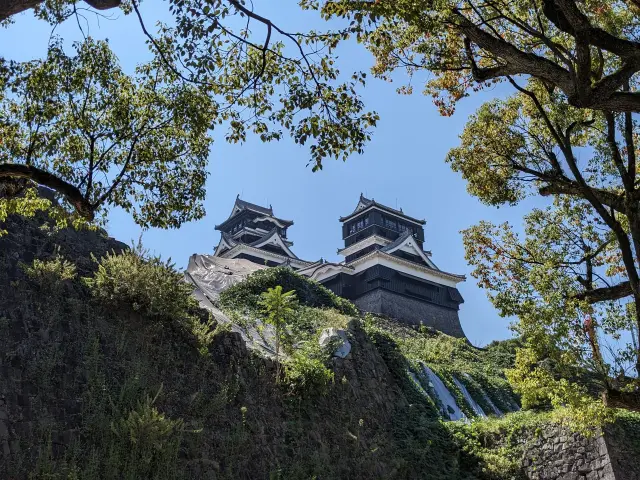
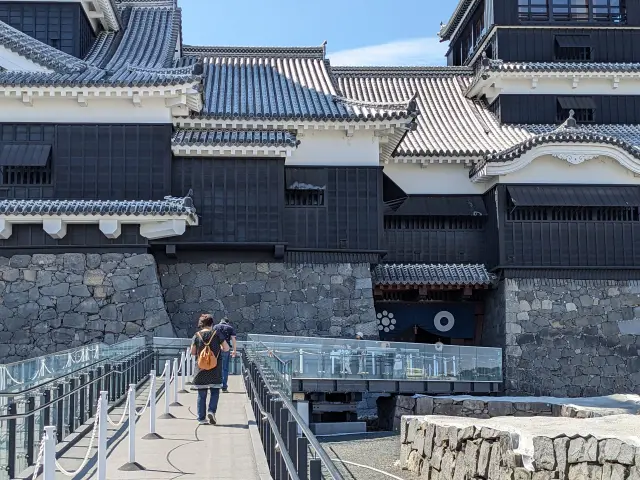
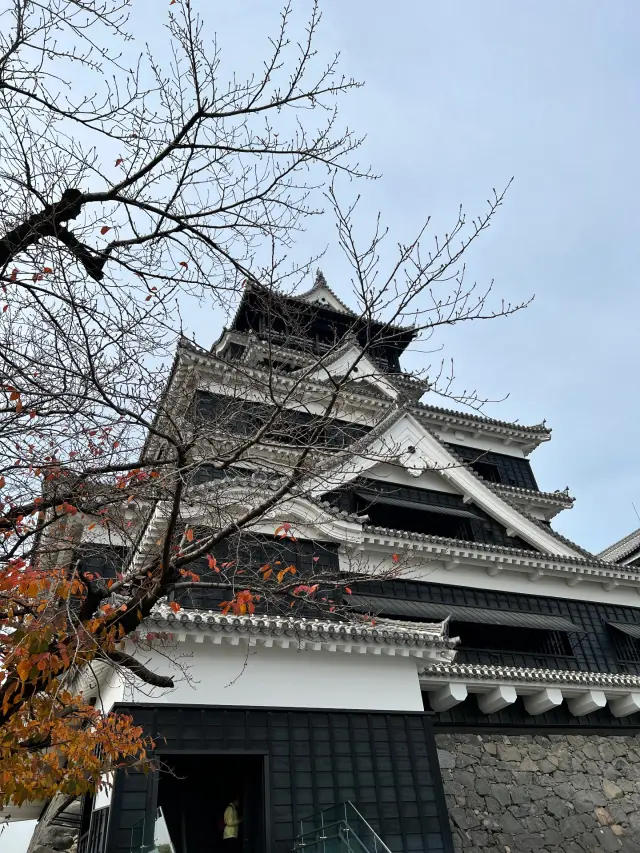
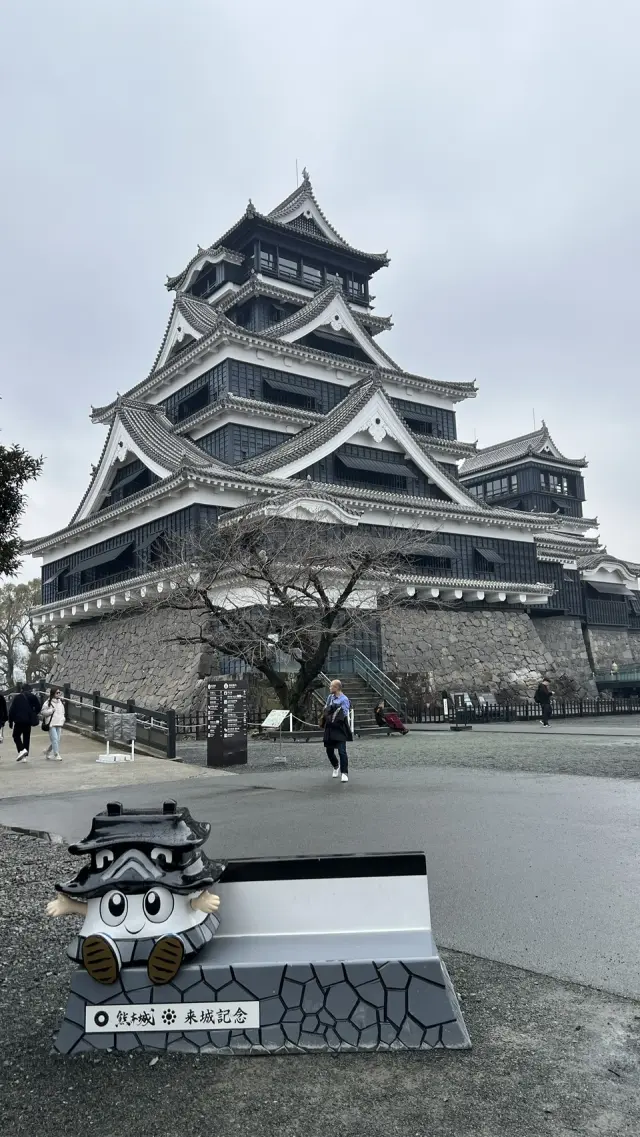
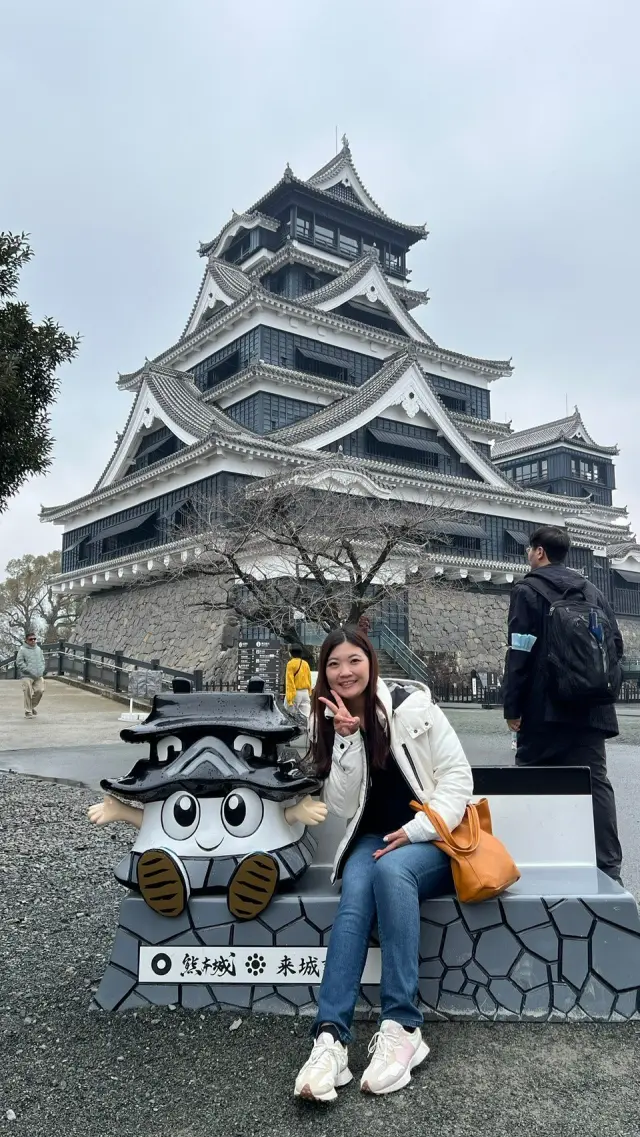
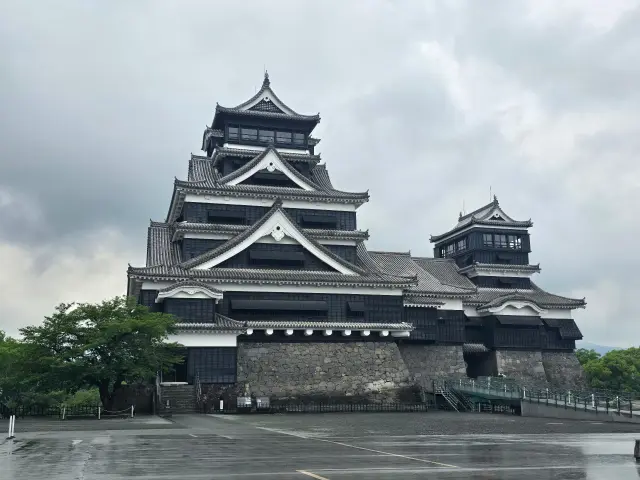
    Kumamoto in December was cool and refreshing. As soon as I left the station, I could see Kumamoto Castle towering in the distance. It looked exactly like it did in the photos—the entire castle was dark and imposing, with such a commanding presence that I couldn’t help but stop in my tracks.

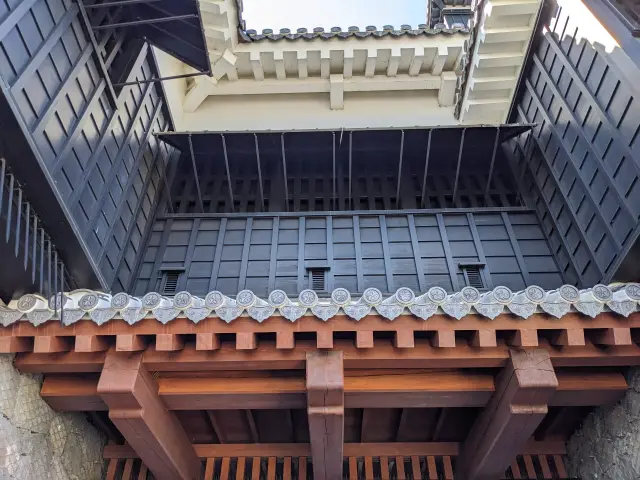
    What I wanted to see most on this visit was the legendary “Musha-gaeshi” stone walls. Seeing in person how the gently sloping walls suddenly became vertical, I couldn’t help but admire the castle-building craftsmanship of the Sengoku period. Just standing below and looking up, I could feel their overwhelming presence.

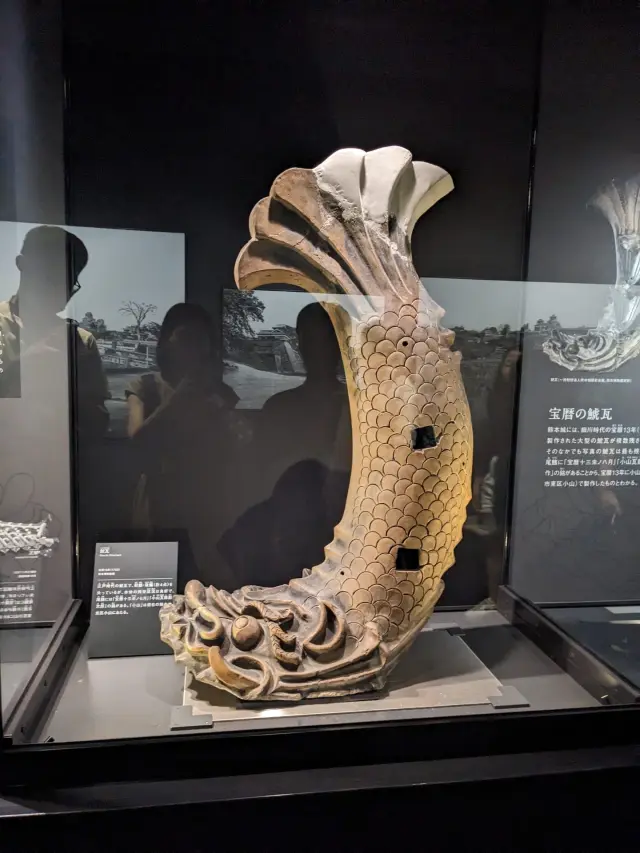
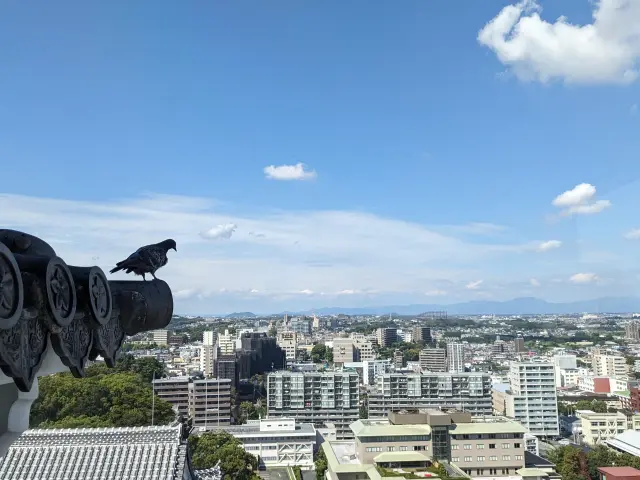
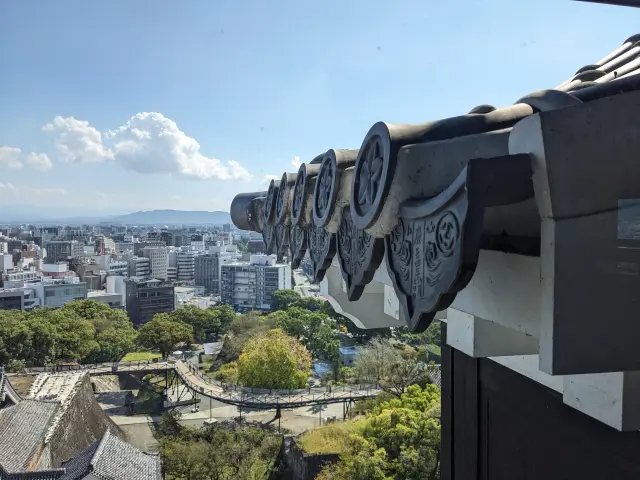
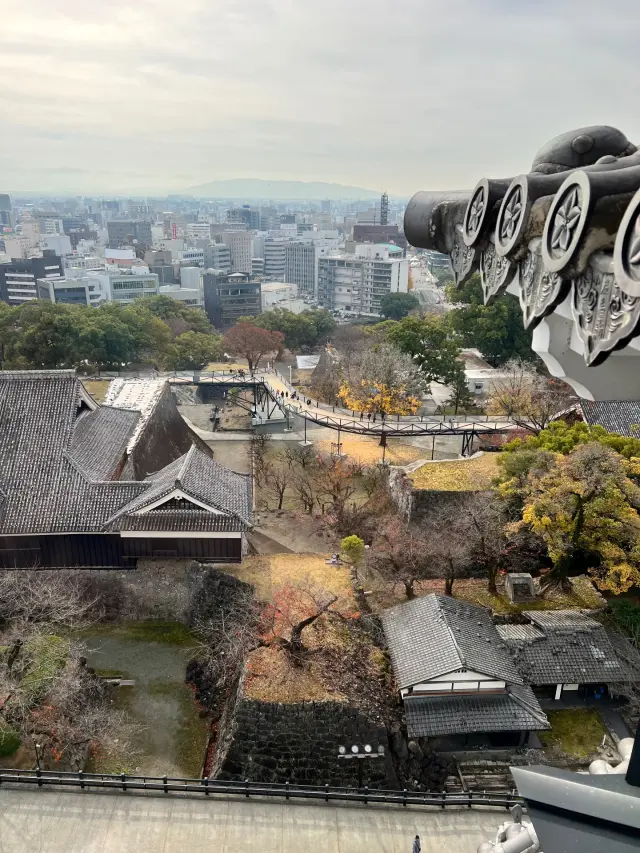
    The inside of the castle keep has a modern exhibition style, documenting the battles the castle has endured and the reconstruction process following the major 2016 earthquake. The best part was reaching the top floor. The clear December air made the visibility incredibly good, with sweeping views of downtown Kumamoto and the distant Aso mountain range. The cool breeze was so relaxing.

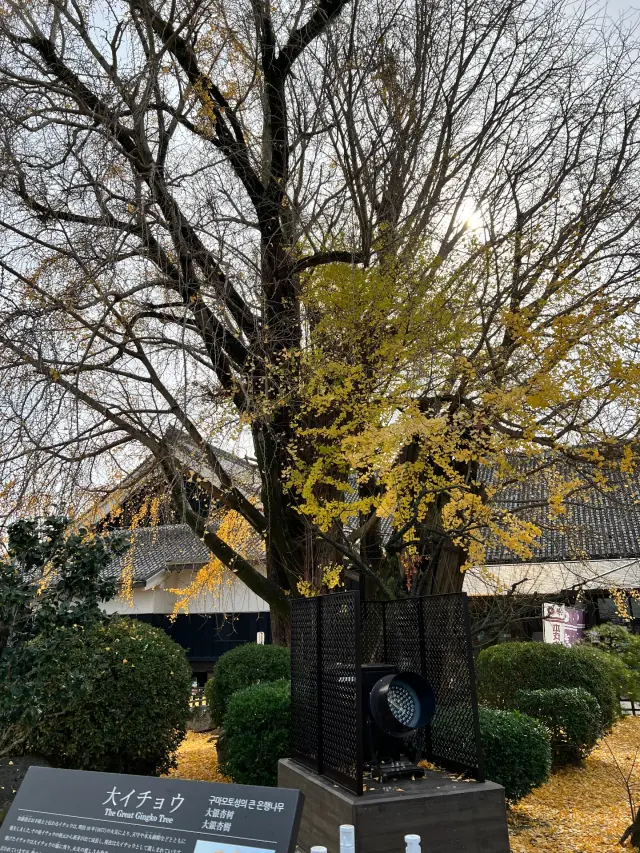
    After exploring the castle grounds, I stopped by Josaien, walking over a carpet of golden ginkgo leaves and buying some piping-hot local snacks to tide me over. Although it lacked the greenery of summer, the quiet, clear weather of early winter gave this castle visit a more serene atmosphere.

  • See More

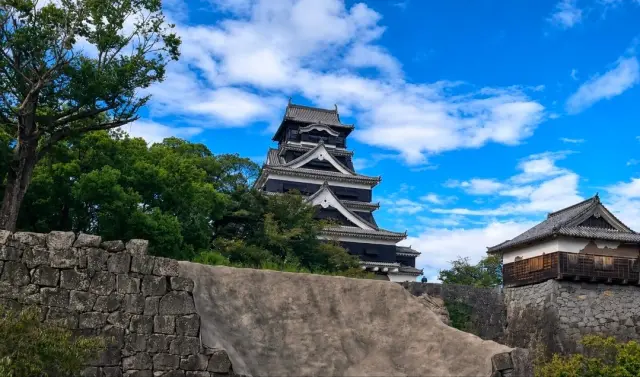
    Kumamoto Castle, one of Japan’s most renowned castles, was built by the famous general Kato Kiyomasa. It is known throughout the country for its impregnable stone walls and stately black castle keep, steeped in centuries of history from the Warring States period.

    This fortress, which embodies the spirit of Kumamoto, has endured many hardships. After the long and difficult reconstruction following the powerful 2016 earthquake, it unexpectedly faced another major earthquake recently, which was deeply distressing. I sincerely hope that, with everyone’s support, this beautiful castle can once again be restored to its former appearance.

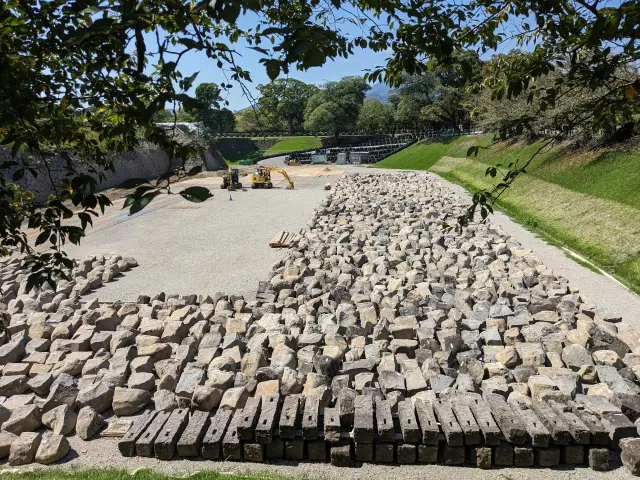
    This time, I visited at sunset in October, when the castle grounds were open for special nighttime viewing. As dusk fell, I slowly walked from the lively castle town, looking at the carefully restored and neatly numbered stones and the imposing castle towers. Everywhere, I could see the extraordinary resilience of the people of Kumamoto and the dedication of its craftspeople.

    Once night had fully fallen, warm golden lights illuminated the towering black castle keep, making it appear even more mysterious, composed, and majestic against the deep blue night sky. Walking beneath the ancient castle walls in the darkness, I was deeply moved by the spiritual strength of a place that has overcome disaster and continues to stand firm. It left a lasting impression on me.

  • See More

    Standing tall in the heart of the city, Kumamoto Castle is not only Kumamoto's most iconic landmark but also one of Japan's important historic castles. Its majestic main keep, sturdy stone walls, and historic castle buildings make you feel the weight and solemnity of its centuries-long history as soon as you approach.

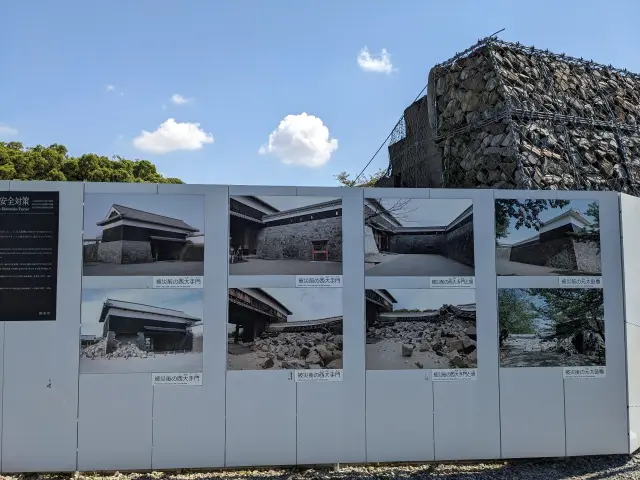
    The Kumamoto earthquake several years ago caused severe damage to this famous castle. Many stone walls collapsed, and some buildings were also damaged. After years of effort, many exterior walls and parts of the castle are still undergoing restoration. Walking through the castle and seeing the areas still under construction, it may not look as complete as it once did, but it also gives you a deeper appreciation of how difficult it is to restore a historic site.

    I never expected another major earthquake to strike this year, once again putting the weathered Kumamoto Castle to the test. The road to restoration may be long, and it may take many years to regain its former glory. I hope Kumamoto recovers soon and returns to its former splendor.

  • See More

    On this trip to Kumamoto in Kyushu, I finally got to see Kumamoto Castle, one of Japan's three great castles, in person! As soon as I reached the castle grounds, I was overwhelmed by the massive, imposing black-and-white stone walls known as musha-gaeshi. Their curves are both beautiful and steep, and just standing beneath them, you can feel their powerful historical presence as defenses.

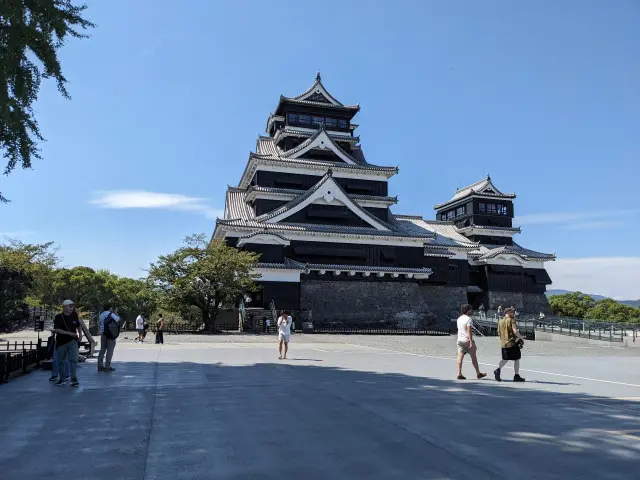
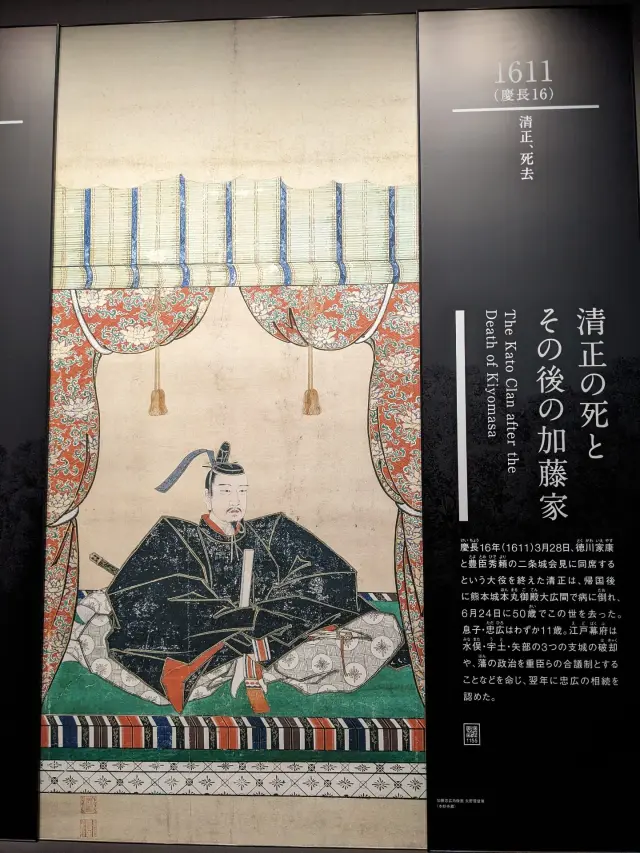
    Although the castle suffered severe damage in the 2016 Kumamoto earthquakes, after years of careful and persistent restoration, the main keep has now been perfectly restored to its former regal appearance. Inside the exhibition hall, historical artifacts and models are presented in a very modern and vivid way, telling in detail about the castle-building ingenuity of Kato Kiyomasa and its other successive lords, as well as the turbulent history of this renowned castle.

    After making the tough climb to the observation deck on the top floor, the entire Kumamoto cityscape and the distant mountains suddenly spread out before me. The view was incredibly expansive. Besides the main keep, the restored large wooden historic buildings nearby, such as Sukiyamaru Niyou-no-Tsubo, are just as intricately crafted and give off an authentic Edo-period atmosphere.
    I highly recommend putting Kumamoto Castle on your must-visit list when traveling to Kumamoto in Kyushu. Whether you come to see the magnificent black castle architecture or experience the resilience local people have shown in the face of disaster, it will definitely be a moving journey through history and culture!

  • See More

    Kumamoto Castle is really big. You should set aside at least 1.5 hours to walk around and visit the castle keep. It's a must-see attraction in Kumamoto, with cherry blossoms in spring and fall foliage in autumn. Samurai also occasionally appear near the castle, and visitors can take commemorative photos with them.

  • See More

    Kumamoto Castle, one of Japan's three most famous castles, underwent extensive restoration after the 2016 Kumamoto earthquakes and has now regained its original appearance. On this visit, although traces of the restoration were still visible in some places, it still felt very much like the castle it used to be, and walking through it was quite impressive.

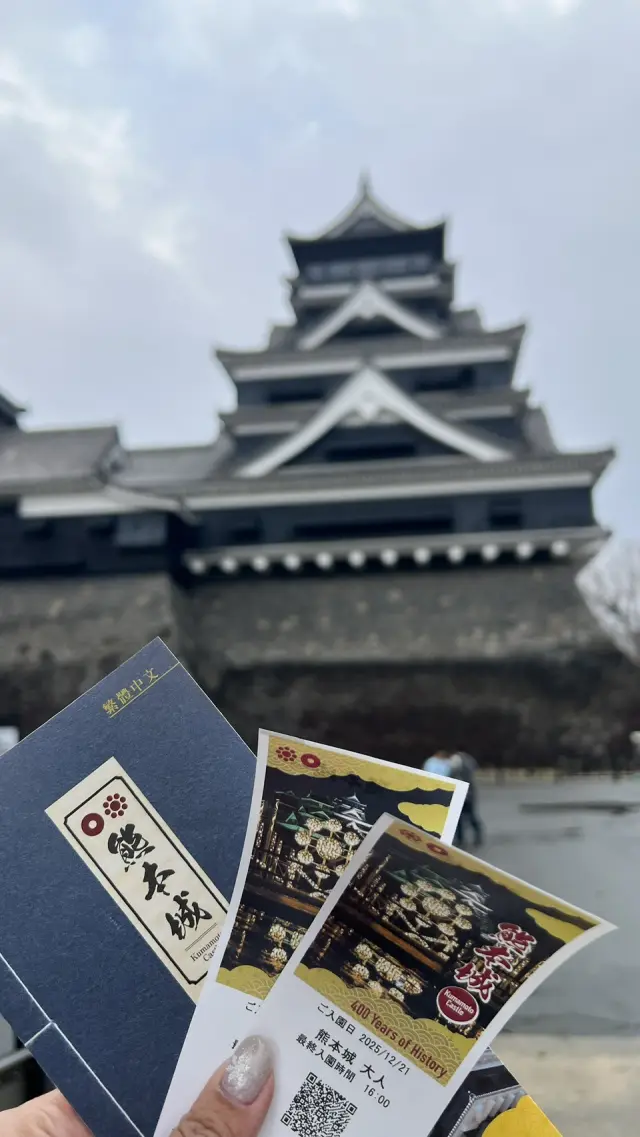
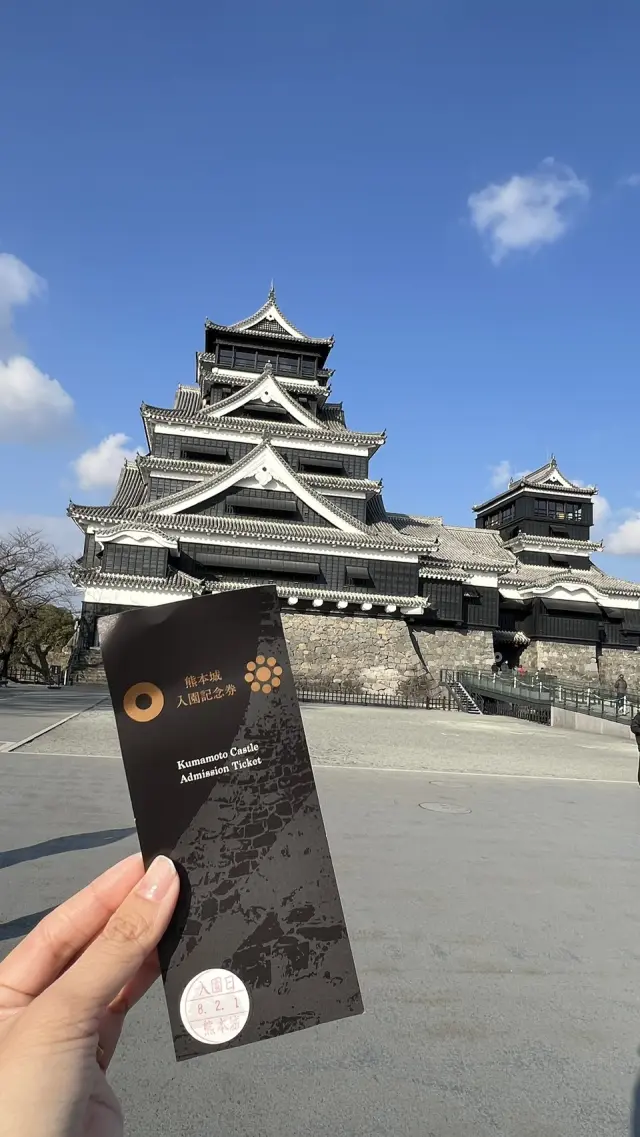
    Admission to Kumamoto Castle is JPY 800 for adults, and I personally think it's well worth visiting. Besides touring the castle tower, you can also see the progress of the post-earthquake restoration along the way, which gives you a better understanding of the castle's history.

    I also highly recommend visiting the nearby Kumamoto Castle Museum Wakuwakuza. It has quite a few interactive activities that let you learn about Kumamoto Castle's history in different ways, along with some mini-games. You can even dress up in period costumes, which was surprisingly fun. A combined ticket for Kumamoto Castle and Wakuwakuza is currently only JPY 850, making it a much better deal than buying separate tickets.

    After touring Kumamoto Castle, you can also stop by the nearby Sakura-no-baba Josaien. It has plenty of restaurants, souvenirs, and Kumamoto specialties, so it's a convenient place to eat and take a break after visiting the castle. It fits nicely into the itinerary.

  • See More

    During a rare vacation, after overcoming all kinds of obstacles, I finally set off on my long-awaited trip to Kyushu on June 26, 2026. It was also my first time visiting Japan.

    Before departure, Typhoon Mikla swept across Japan, adding a sense of uncertainty and nervousness to the trip. With both anxiety and excitement, I flew to Kumamoto.

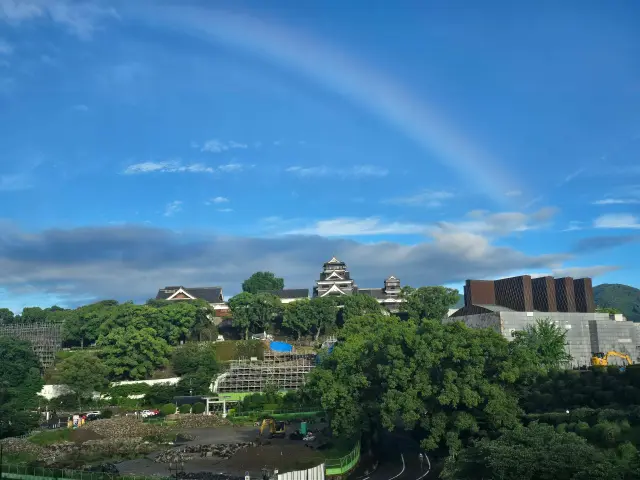
    After arriving safely, the next morning, a brilliant rainbow stretched across the sky above Kumamoto Castle. It felt as if it were blessing the land after the storm and opening the most beautiful chapter of this brief journey.

    Seeing a rainbow after the wind and rain was not only a rare and beautiful sight, but also a symbol of hope and good fortune. It made this trip to Kumamoto one of the most unforgettable and precious travel memories of my life.

  • See More

    I could see Kumamoto Castle from my hotel, and the roof of the main keep looks seriously cool. It feels really different from Nagoya Castle or Himeji Castle.

  • See More

    Some parts of Kumamoto Castle are still under construction, so you can see the damage from the big earthquake. But seeing the main keep fully restored really shows the spirit and perseverance of the Japanese people. There's still a long way to go for full restoration, but this historic castle is so symbolic—I truly believe they'll make it happen!

  • See More

    Kumamoto Castle is one of Japan's three great castles. It was built in 1607 by the famous warlord Kiyomasa Kato and became the Kato family's residence.

    The castle is famous for its steep stone walls called 'Musha-gaeshi,' which were said to be impossible for even ninjas to climb. It also played a major role in the last civil war in Japan, the Satsuma Rebellion in 1877, where Saigo Takamori himself praised how difficult it was to capture.

    Despite its strength, the castle has suffered from natural disasters like fires and earthquakes. The 2016 earthquakes caused significant damage, and full restoration is expected to take 20 years. Even during the pandemic, Kumamoto Castle has been working hard to recover, and by 2022, it reopened for visitors. The castle features both a large and small main keep, which is quite rare.

    I've visited Kumamoto Castle several times (2013–2016) and really love the vibe of this city. It has the energy of a big city but still feels down-to-earth. Kyushu is great to visit year-round—cherry blossoms in spring, ginkgo trees in autumn.

    If you're in Kyushu, don't miss the chance to see Kumamoto Castle up close. It's absolutely worth a visit! Also, check out Sakuranobaba Josaien nearby, a small castle town area where you can experience local food, history, and culture.

    Highly recommended 👍

    There's a centuries-old ginkgo tree in front of the main keep, known as 'Ginkgo Castle.' It's said that Kiyomasa Kato himself planted it. The original tree was burned during the Satsuma Rebellion, but the current one grew from new shoots after the fire.

Hokkaido Tohoku Kanto Chubu Hokuriku Kansai Chugoku Shikoku Kyushu Okinawa