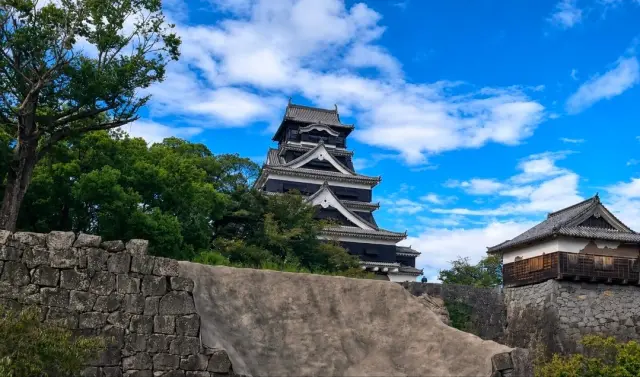
Kumamoto Castle, one of Japan's three most famous castles, underwent extensive restoration after the 2016 Kumamoto earthquakes and has now regained its original appearance. On this visit, although traces of the restoration were still visible in some places, it still felt very much like the castle it used to be, and walking through it was quite impressive.
Admission to Kumamoto Castle is JPY 800 for adults, and I personally think it's well worth visiting. Besides touring the castle tower, you can also see the progress of the post-earthquake restoration along the way, which gives you a better understanding of the castle's history.
I also highly recommend visiting the nearby Kumamoto Castle Museum Wakuwakuza. It has quite a few interactive activities that let you learn about Kumamoto Castle's history in different ways, along with some mini-games. You can even dress up in period costumes, which was surprisingly fun. A combined ticket for Kumamoto Castle and Wakuwakuza is currently only JPY 850, making it a much better deal than buying separate tickets.
After touring Kumamoto Castle, you can also stop by the nearby Sakura-no-baba Josaien. It has plenty of restaurants, souvenirs, and Kumamoto specialties, so it's a convenient place to eat and take a break after visiting the castle. It fits nicely into the itinerary.
Kumamoto Castle | Review by 王小鈞
Other Reviews by 王小鈞
-

National Museum of Japanese History
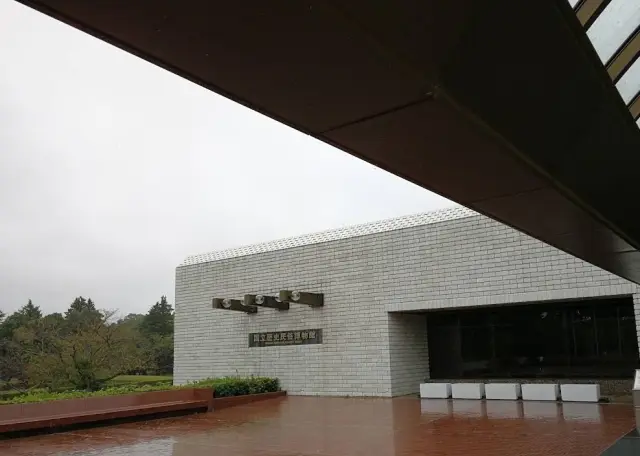
The National Museum of Japanese History is one of the largest national history museums in Japan, exhibiting all periods of Japanese history and culture. The museum opened in March 1983 in a corner of the Sakura Castle ruins in Sakura City, Chiba Prefecture. It is a temple of history with a grand total floor space of 38,000 square meters on a site of approximately 130,000 square meters.
In Sakura, Chiba, I recommend visiting this museum filled with history and culture!
The museum grounds are beautiful, the building’s exterior is modern and attractive, and the surrounding area is lush with greenery. Just walking around the grounds feels very relaxing.
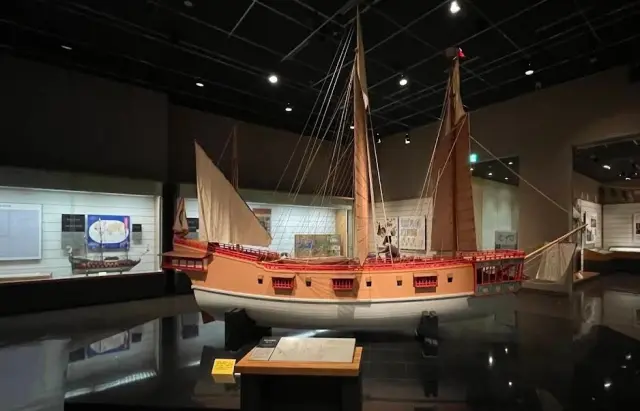
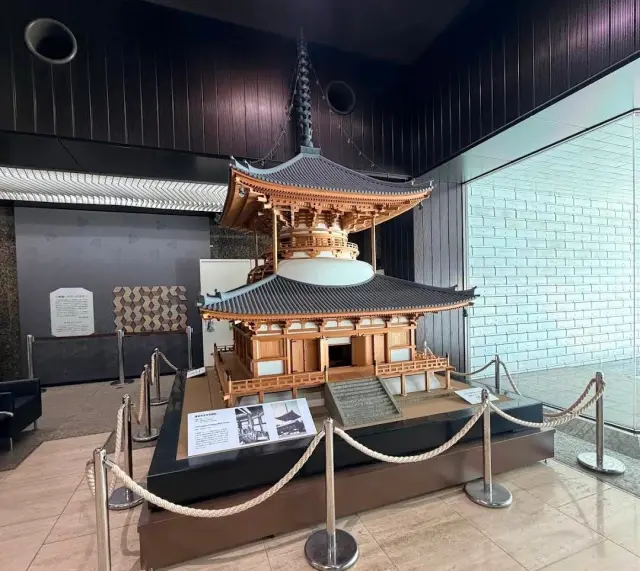
The exhibits are quite extensive, covering Japanese history, folklore, everyday culture, and valuable materials preserved from different eras, all of which you can take your time viewing and learning about. The exhibits are also thoughtfully organized and offer plenty of depth. Rather than simply viewing artifacts, you can get a sense of how Japanese culture has developed over time.
If you’re interested in Japanese history and culture, or you’re looking for a quiet and worthwhile place to visit, this museum is definitely worth adding to your itinerary.
-
-
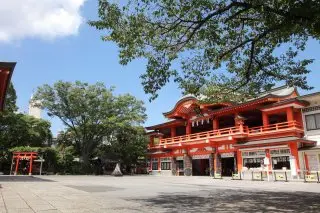
Chiba Shrine
The god of the North Star, Hokushin Myoken King, also known as "Ame-no-Mikoto Okami," is the main god enshrined, and is known to have power over the stars that lead people to good fate by removing "misfortunes" such as illness, accidents, and injuries.
This shrine has been an important place of worship in the Chiba area since ancient times. It is known for the Myoken Grand Festival and primarily enshrines Myoken Sonjo-o. Many people regard it as a shrine that wards off misfortune, prevents disasters, and offers protection.
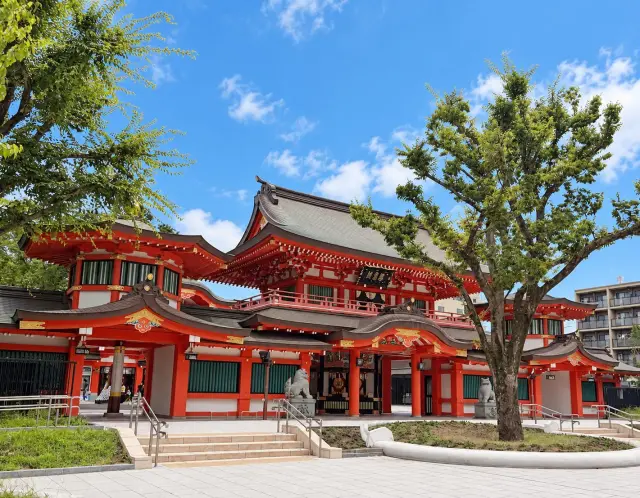
The shrine is dominated by bright vermilion buildings with gold decorations, giving it a very ornate and distinctive appearance. Many people reportedly come specifically to pray for safety and protection from misfortune, and the shrine even offers blessings for new cars and prayers for road safety.
During this visit to Chiba City, I happened to include a stop here to worship and walk around while experiencing the solemn atmosphere of a traditional Japanese shrine. If you happen to be visiting Chiba City, consider adding it to your itinerary and stopping by to pay your respects.
-
-
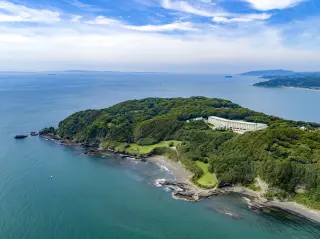
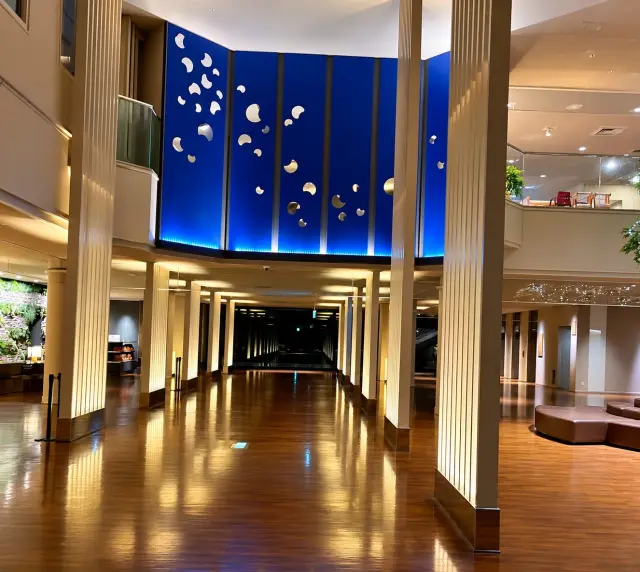
Grand Mercure Minamiboso Resort & Spa
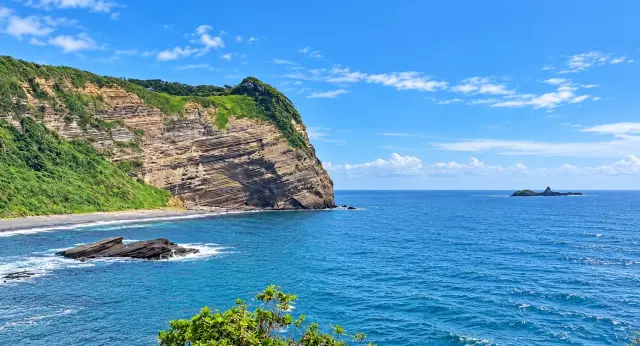
A luxury resort hotel in the Cape Taibusa area of Minami-Boso Quasi-National Park, Chiba Prefecture. Many of its 197 guest rooms offer ocean views and beautiful sunsets, providing an extraordinary escape.
This time, we stayed at Grand Mercure Minamiboso Resort & Spa. Surrounded by the ocean and nature of Minamiboso, it offers an all-inclusive plan and is perfect for a relaxing family vacation with kids!
Getting there is also very convenient. You can take an express bus from Shinjuku Expressway Bus Terminal, so there’s no need to worry even if you don’t drive. There’s a beach near the hotel and several nature trails in the surrounding area where you can take a leisurely walk and enjoy the ocean views.
The food at the hotel was delicious, and the lounge was very comfortable. There’s also an indoor play area, and the kids had so much fun as soon as they went in! The biggest surprise was that the guest room also had lots of toys, making the kids never want to leave the room.
What I liked most was the scenery around the hotel. It faces the ocean and is surrounded by nature, and the ocean view is truly beautiful. When staying here for a night with kids, there’s no need to plan a special itinerary. Just eating and playing at the hotel and taking a walk by the ocean makes for a full yet relaxing day.
-