• See More

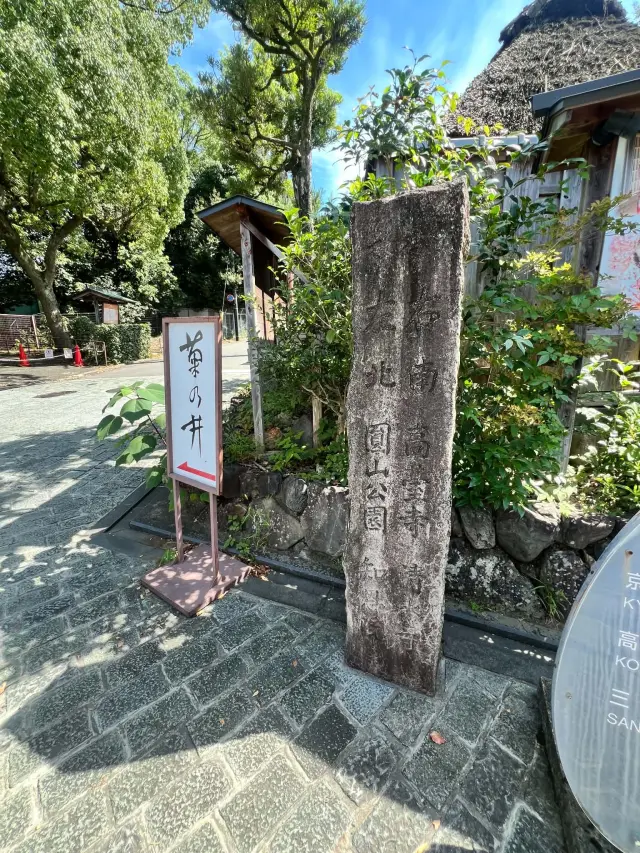
    When visiting Kyoto’s Higashiyama area, Maruyama Park is a must;
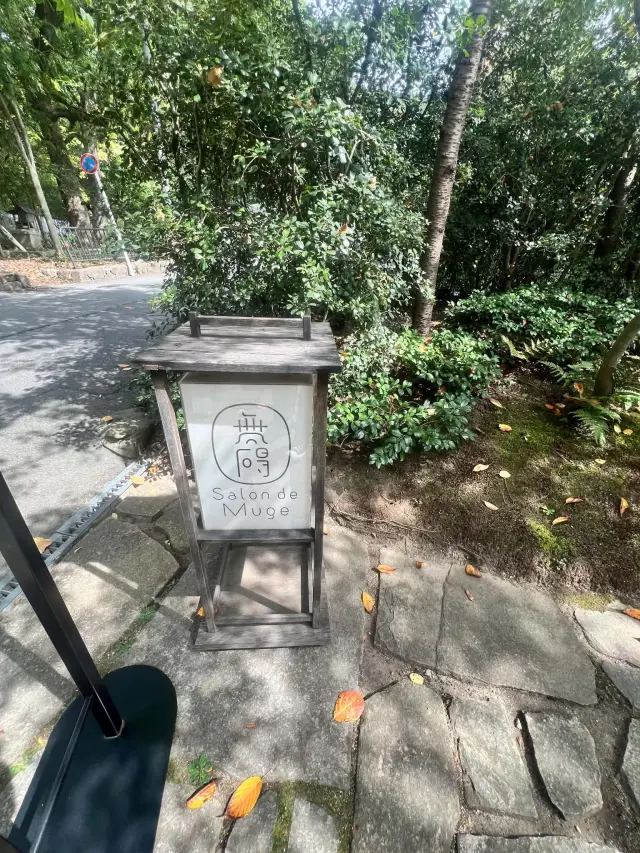
    I especially recommend this reasonably priced eatery run by a Michelin-starred restaurant, hidden in a green garden.
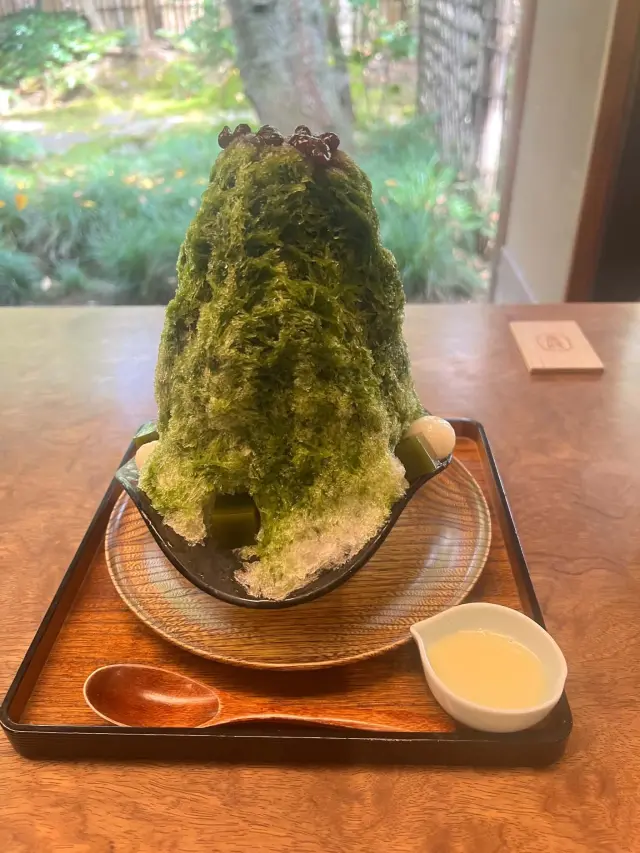
    The matcha ice cream is also top-notch.
    On this trip to Kyoto,
    this was the most memorable meal,
    along with the unforgettable matcha 🍵
    Great value for the money.

    #京都東山「無礙山房 #無碍( #SalondeMuge)」Highlights of the food, attention to detail, and garden scenery at the main location

    1. Distinctive dishes and exceptional attention to detail (combining kaiseki cuisine with everyday flavors)
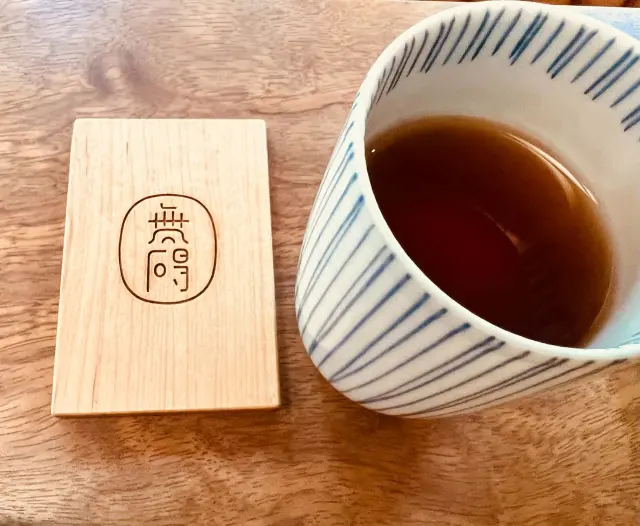
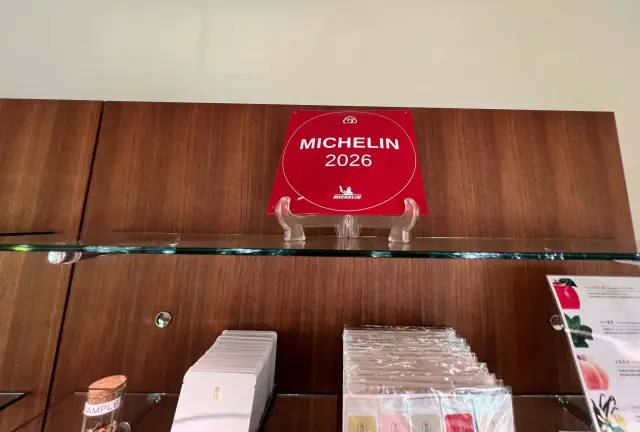
    #無礙山房 is a tearoom and dining venue opened by Kyoto’s renowned three-Michelin-starred ryotei, #米其林三星料亭「#菊乃井」. It offers a more relaxed, approachable way to experience master chef Yoshihiro Murata’s dedication to the spirit of Japanese cuisine.

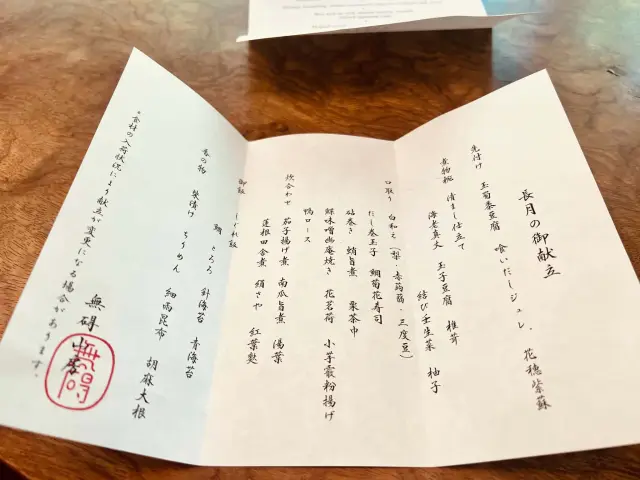
    * An exquisite, seasonal menu (Nagatsuki menu)
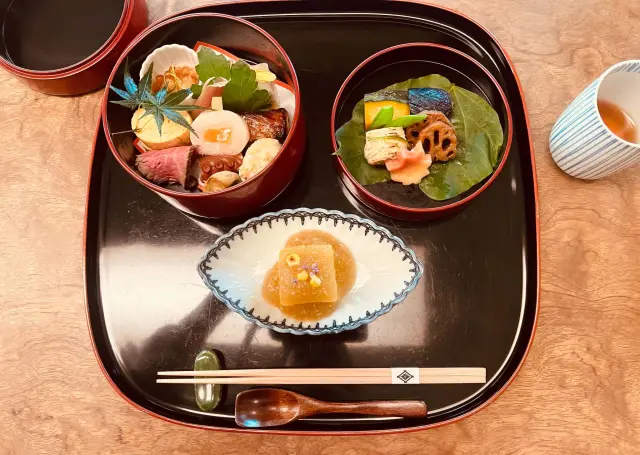
    * Sakizuke (appetizer): Corn tofu served with dashi jelly and shiso blossoms. The smooth corn tofu and elegant dashi jelly create a refreshing, delicate beginning that evokes early fall (Nagatsuki).
    * Nimono-wan (soup): A clear soup containing shrimp shinjo, Oji tofu, shiitake mushrooms, knotted ginger, and yuzu. The clear yet deeply savory dashi is the soul of Kikunoi’s cuisine, and the shrimp dumpling is springy and richly textured.
    * Kuchitori (hassun platter):
    * Presented in an exquisite round lacquered jubako box, it is as impressive as a jewelry box.
    * It includes shira-ae (Asian pear, red konjac, and green beans), dashimaki tamago (soft, juicy rolled omelet made with dashi), sea bream chrysanthemum sushi, savory simmered octopus, kuri chakin (a chestnut sweet filled with the feeling of fall), Spanish mackerel miso-an-yaki, hana myoga, deep-fried baby taro with kasumi-ko coating, and duck loin.
    * Each small dish uses a different cooking method—grilling, simmering, frying, or pickling—to bring out the ingredients’ natural flavors, with exceptional attention paid to knife work and seasoning.
    * Takiawase (simmered dish): Deep-fried and simmered eggplant, savory simmered pumpkin, yuba, country-style simmered lotus root, snow peas, and maple-leaf-shaped wheat gluten. The vegetables absorb the essence of the dashi, becoming tender and flavorful, while the colors reflect the changing season.
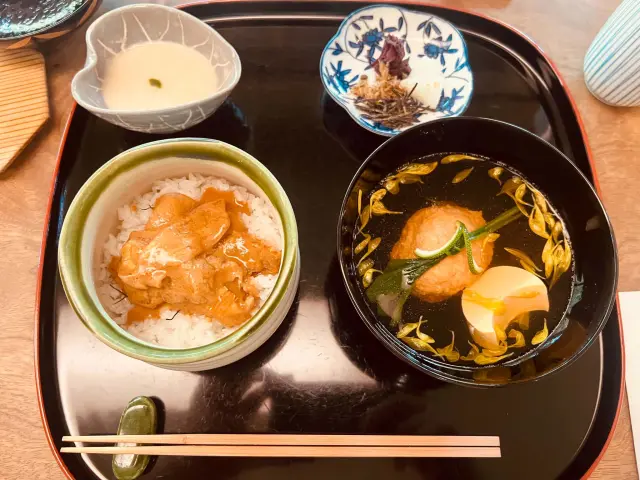
    * Rice and pickles: Sea bream shigure rice (rice topped with finely minced simmered sea bream), served with yam puree (とろる), miso soup, and refined pickles (shibazuke, chirimen, drizzle-cut kombu, and sesame daikon). Every bite carries the thoughtful warmth of traditional Japanese home cooking.

    * Careful attention to tableware and aesthetics
    * From the delicate blue-and-white porcelain bowl used for the appetizer and the two-tiered round red lacquer box for the main dishes to the ceramic bowls for rice and soup, every piece of tableware is selected to complement the season and colors of the food, perfectly expressing the idea that “cuisine is a visual art.”
    2. Serene and elegant garden scenery
    * Borrowed scenery and a Japanese dry landscape/natural-style garden
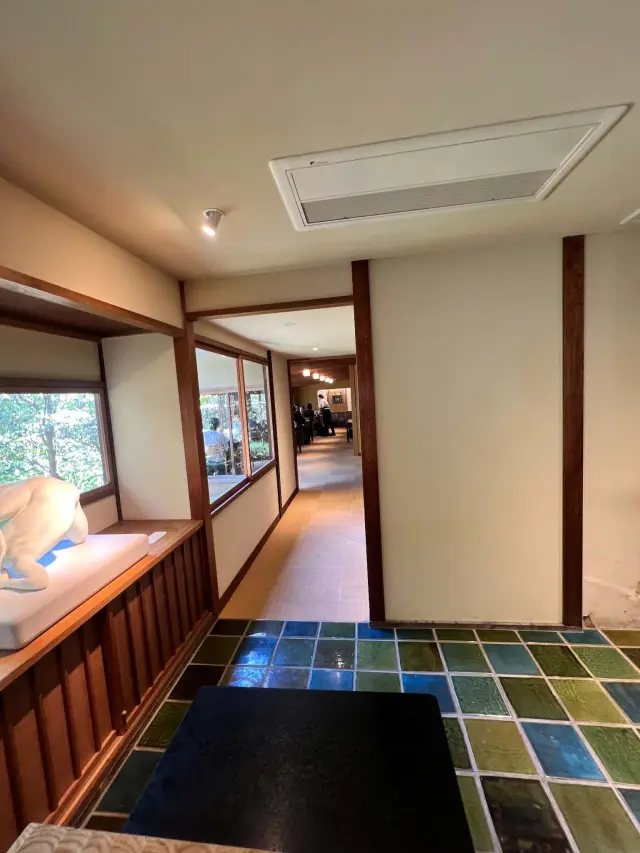
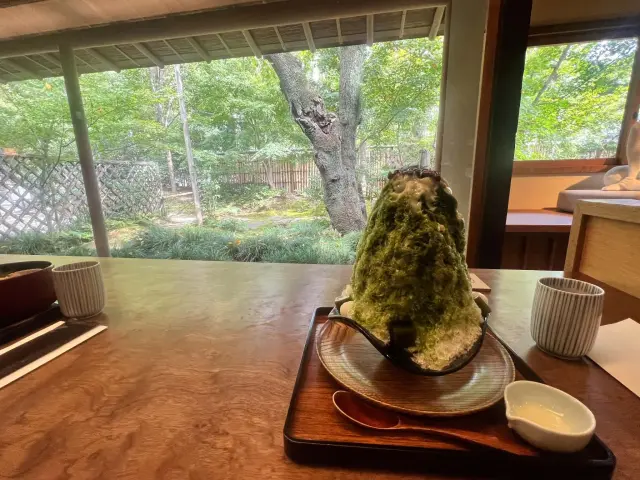
    * Looking out from the seats, large open windows bring the greenery of Higashiyama and the garden scenery fully indoors. The garden combines moss, stones, bamboo fences, and carefully arranged trees such as maples.

    * Thick old tree trunks and low green moss create a rustic, composed Zen atmosphere. While dining or enjoying tea by the window, light filters through the leaves, and together with the spacious feeling of the traditional Japanese wooden architecture, it offers rare peace and quiet amid the bustle of Kyoto’s Higashiyama area.

    * Integration of architecture and nature
    * Outside, a stone path and traditional Japanese lanterns (wooden andon lamps) welcome guests, blending the character of a machiya townhouse with modern minimalist aesthetics. Whether it is the lush greenery outdoors or the calm wooden tones indoors, the setting offers a high level of privacy and comfort while dining.
  • See More

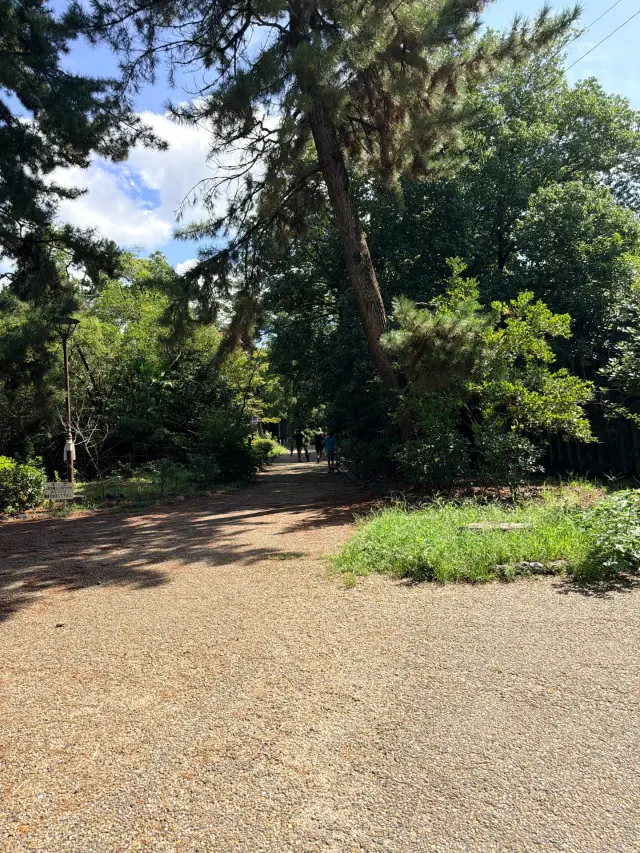
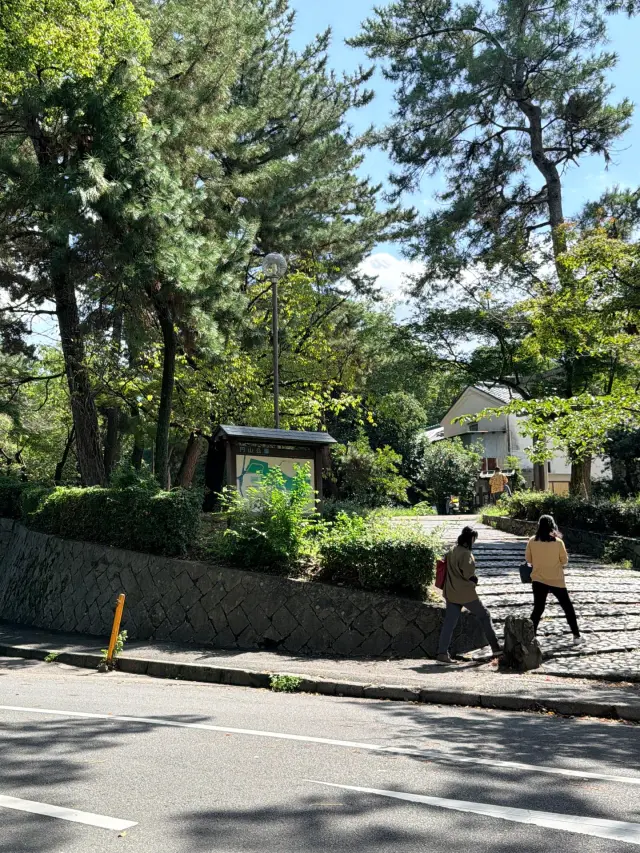
    In summer, Maruyama Park in Kyoto is filled with lush greenery. The dense trees, green lawns, and winding paths intertwine, creating the refreshing atmosphere of summer in Kyoto.

    Walking through the park, there may not be the lively sight of cherry blossoms in full bloom like in spring, but instead, there's a sense of summer vitality. Looking at the trees covered in dense foliage, I couldn't help imagining what they would look like when the cherry blossoms bloom in spring. If I have a chance to visit again, I hope to come in spring and see a different seasonal view of Maruyama Park.

  • See More

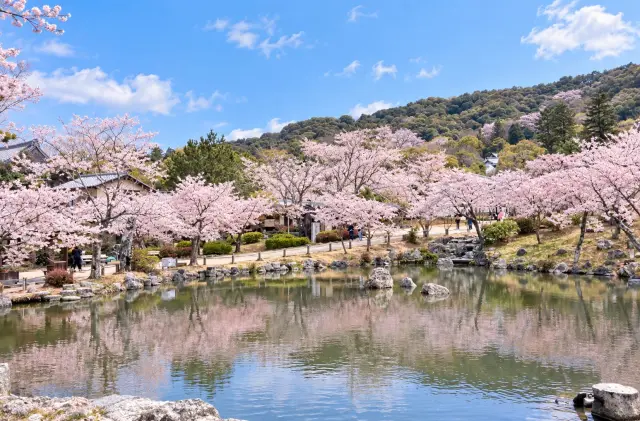
    Maruyama Park, one of Kyoto’s famous cherry blossom viewing spots, is so beautiful during cherry blossom season that you won’t want to leave! The highlight of the park is the century-old “Gion Weeping Cherry Tree” standing beside the pond. When it’s in full bloom, its cascading blossoms form a vast pink waterfall. It’s one of Kyoto’s classic cherry blossom views and a famous photo spot for many visitors to the city.

    When the cherry blossoms are in full bloom, their soft pink reflections appear on the pond, and together with Kyoto’s distinctive historic atmosphere, every photo captures the romance of spring. Maruyama Park gets quite crowded during cherry blossom season, but seeing the weeping cherry tree in full bloom in person is still well worth it.
    If you come to Kyoto for the cherry blossoms, you really shouldn’t miss this place!

  • See More

    Early spring in Kyoto is the perfect time to see the cherry blossoms. I recommend visiting in the afternoon. Maruyama Park, Kyoto’s oldest park, is right next to Yasaka Shrine and is a famous cherry blossom viewing spot among Japanese people.

    In the slightly chilly early spring, hundreds of cherry trees throughout the park burst into bloom, with layers of snowy white and pale pink. It wasn’t until I came to Japan that I realized there were so many varieties of cherry blossoms. At the center of the park is the famous Gion weeping cherry tree, cascading down like a magnificent waterfall. With flowers competing in splendor, the scenery is breathtaking. The park is filled with fragrant local food stalls. Steam from grilled dango and takoyaki drifts through the cool air, creating the lively, joyful atmosphere of a festival and making it hard not to join the lines.

    I highly recommend bringing your own picnic blanket and choosing any patch of grass beneath the cherry trees to sit on the ground like the locals. You can even lie lazily on the lawn, letting the fresh breeze brush your cheeks. If you’re lucky, falling cherry blossoms will flutter down around you. Surrounded by the scent of flowers and shadows of the trees, you can enjoy the most authentic and soothing springtime experience in Kyoto.

  • See More

    There are lots of historical sites and cultural spots inside Maruyama Park, like Chion-in Temple and Yasaka Shrine. It's a great place to really get a sense of Kyoto's history and culture.

  • See More

    Whether it's cherry blossom season or autumn leaves, Maruyama Park is a paradise for photography lovers.

  • See More

    The cherry blossom season here is lively and beautiful. Sitting under the trees and enjoying the flowers is so relaxing.

  • See More

    Since it's not cherry blossom season yet, there aren't many people here. It's just a simple park.

  • See More

    The most popular thing at Maruyama Park is the weeping cherry trees. During cherry blossom season, the park gets super crowded with people coming to see them.

  • See More

    Walked from Kiyomizu-dera, through Sannenzaka and Ninenzaka, and finally reached Maruyama Park to see the cherry blossoms at night. The place was lively and crowded, making for an unforgettable experience.

Hokkaido Tohoku Kanto Chubu Hokuriku Kansai Chugoku Shikoku Kyushu Okinawa