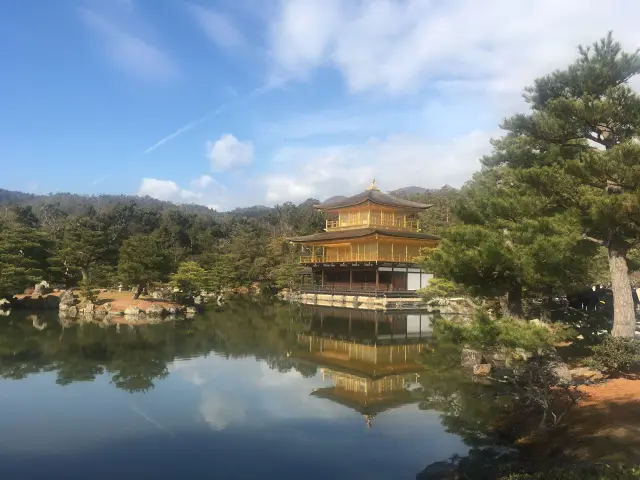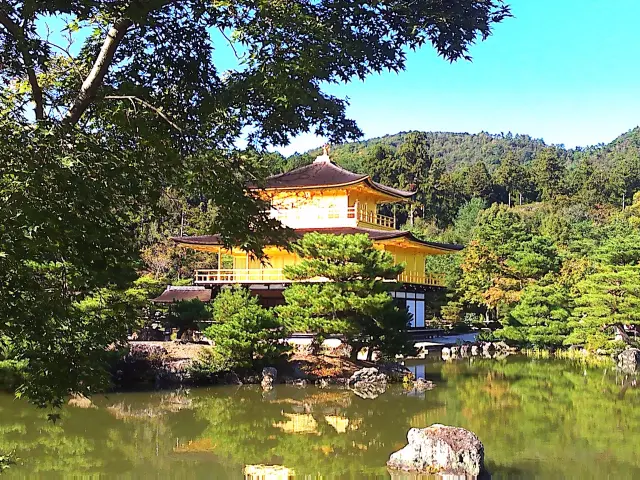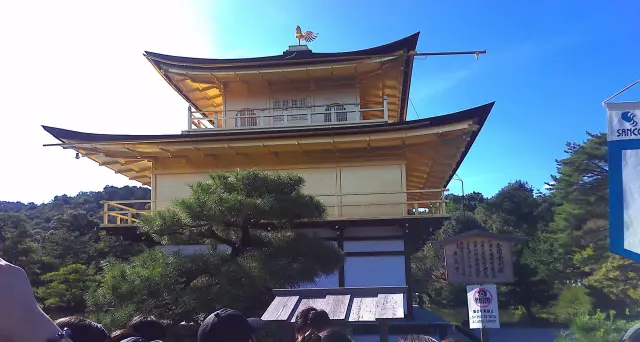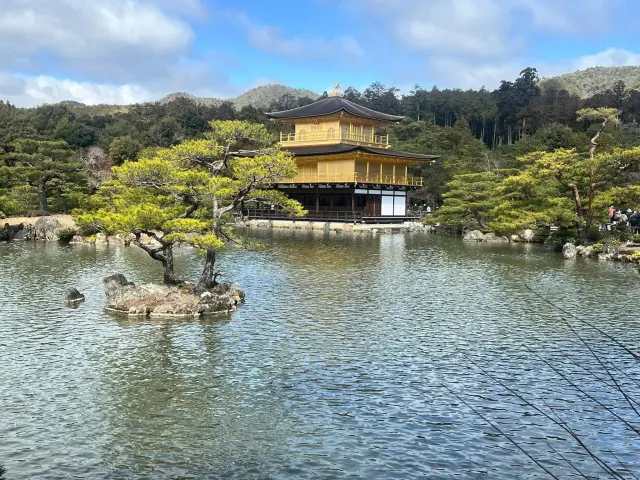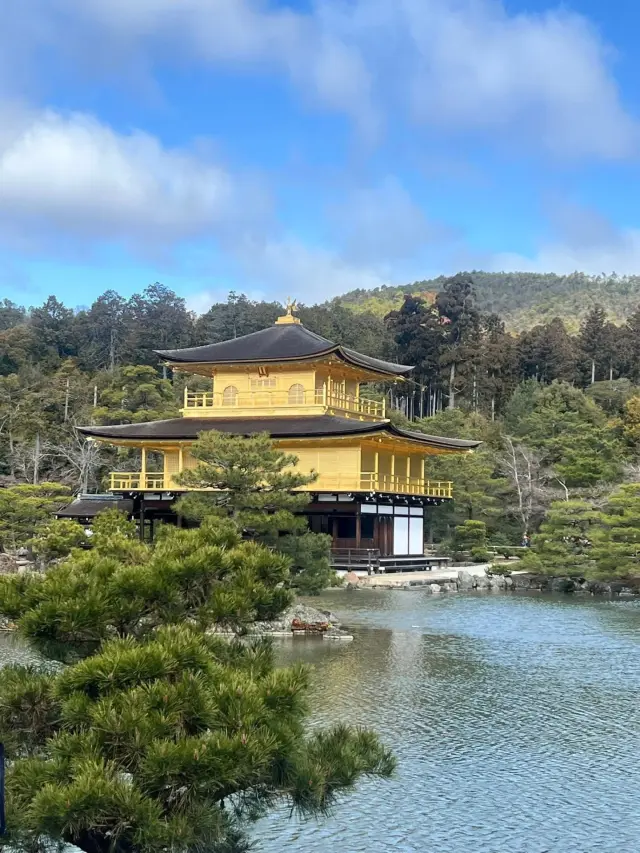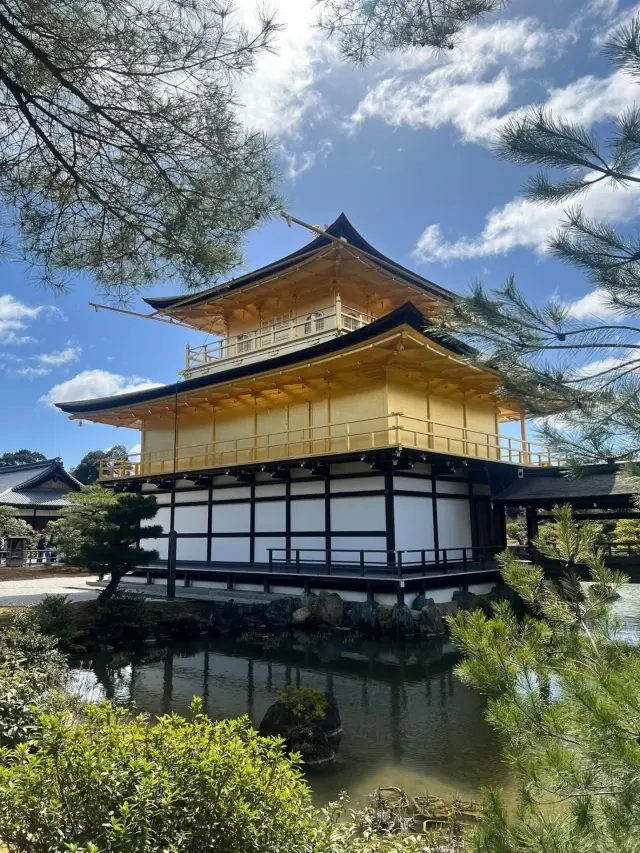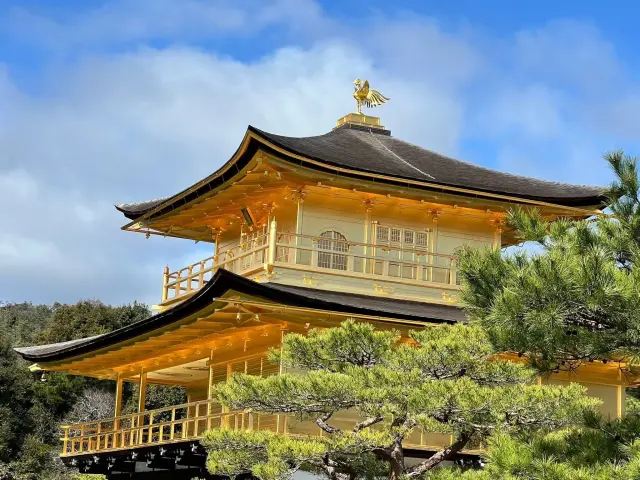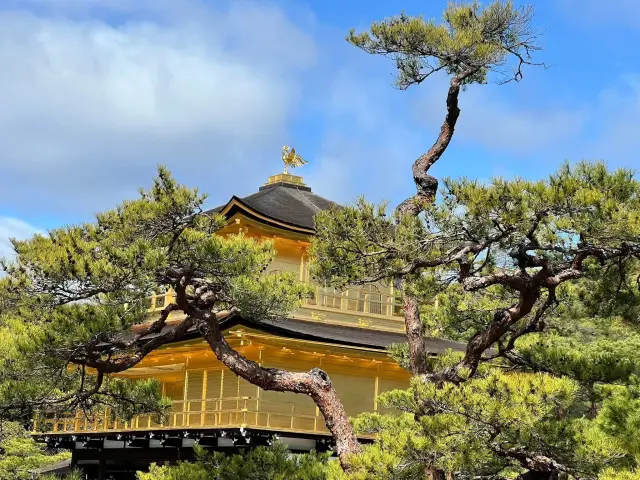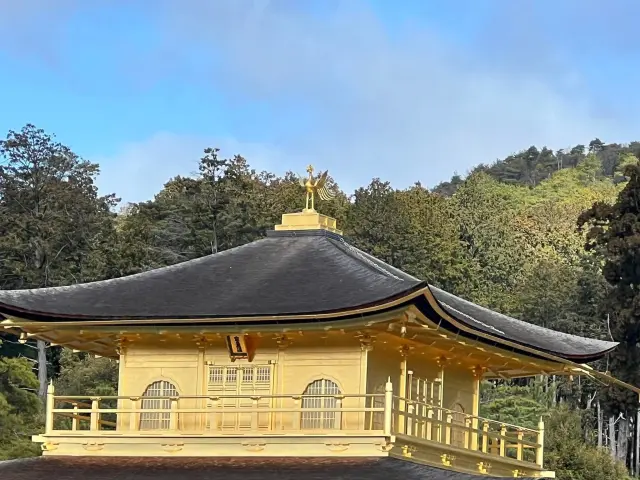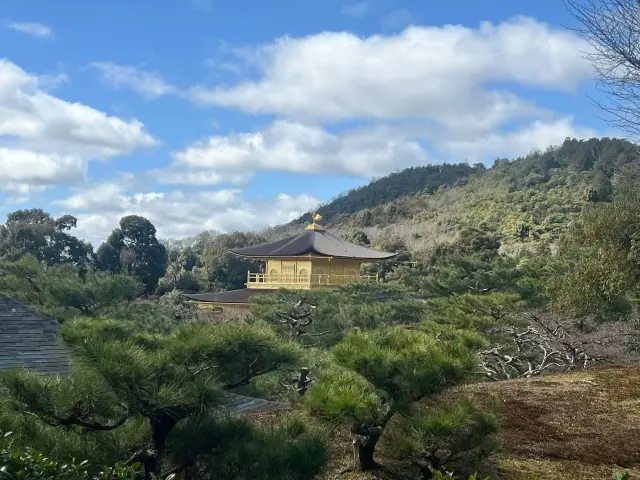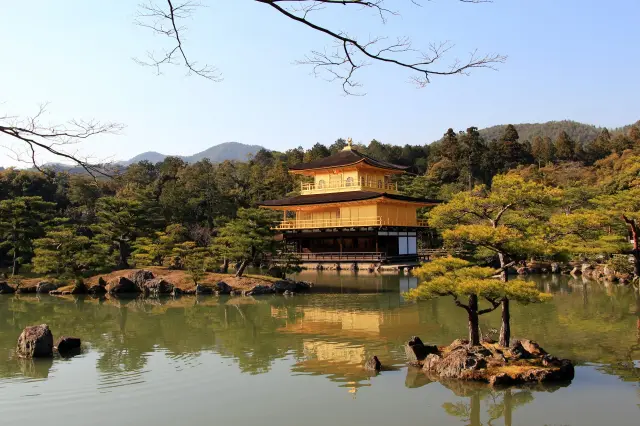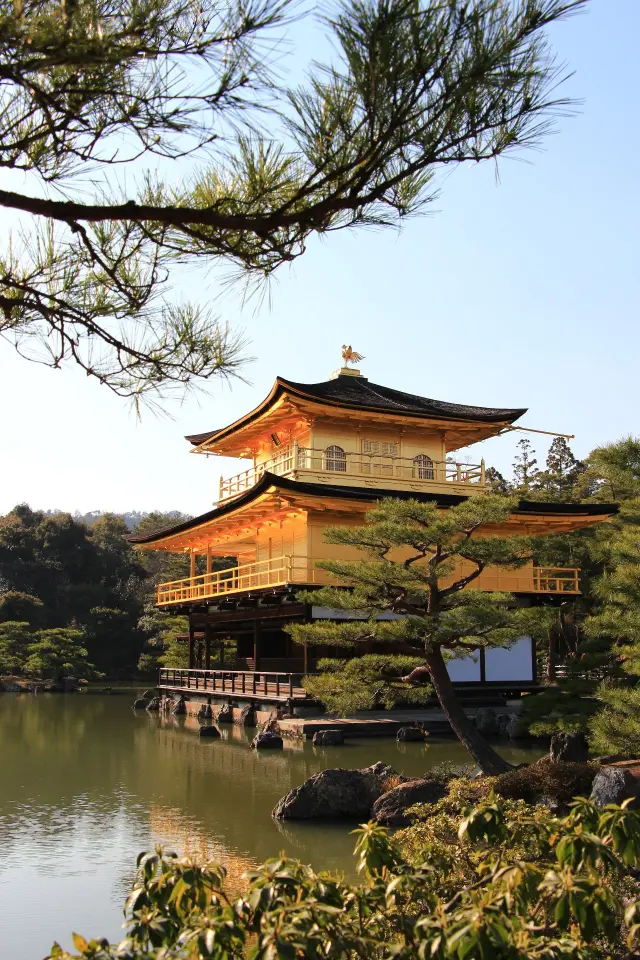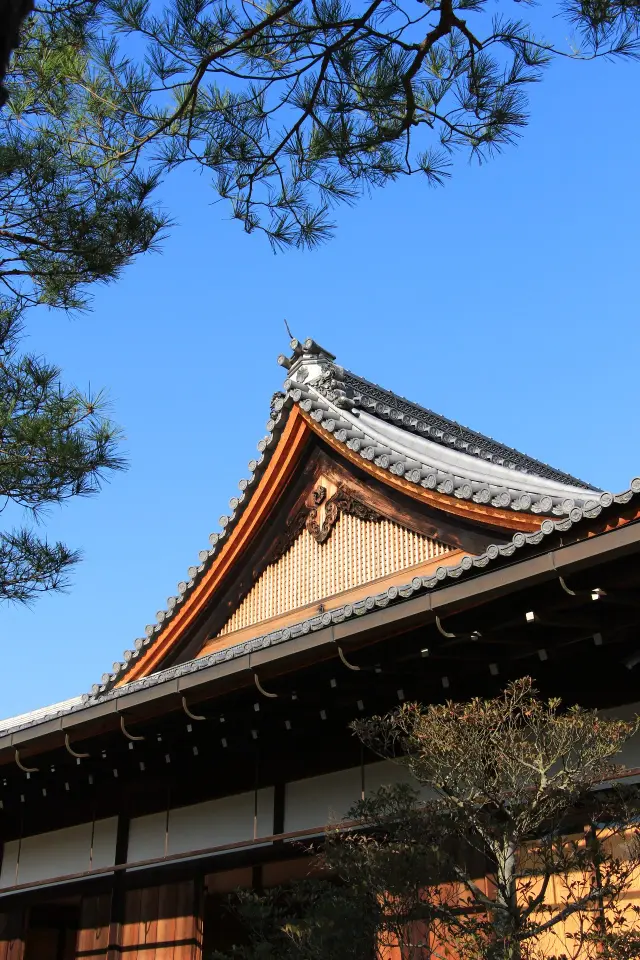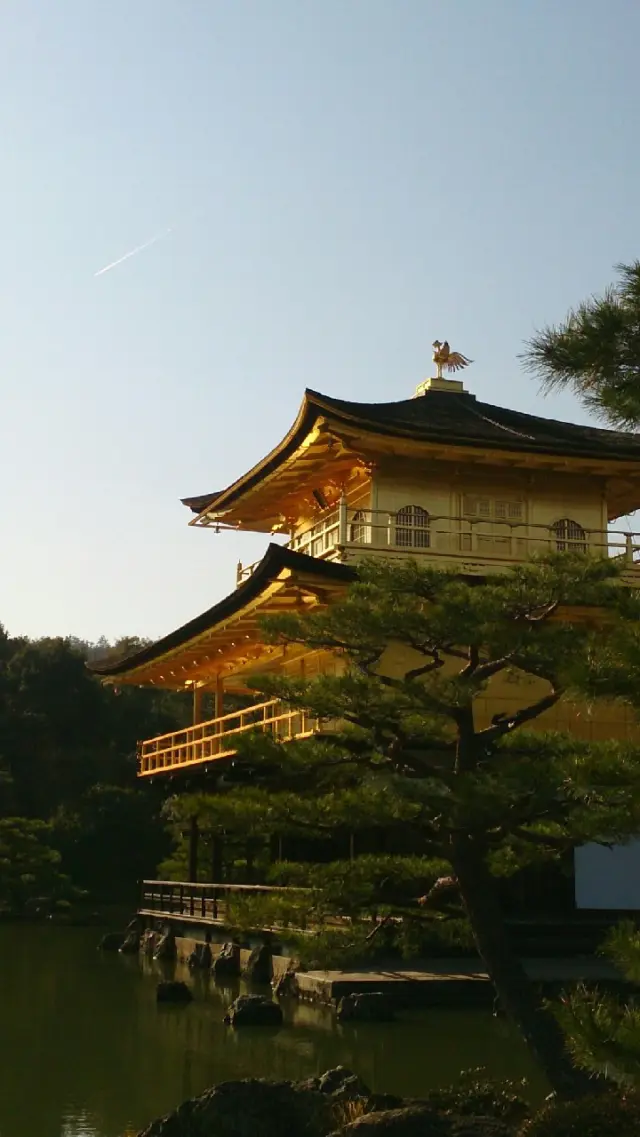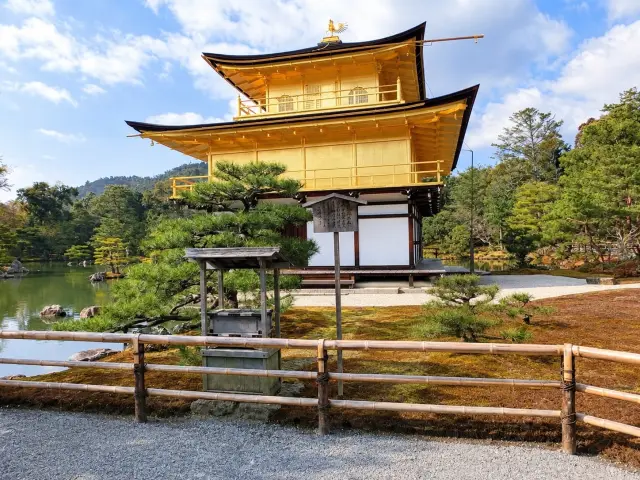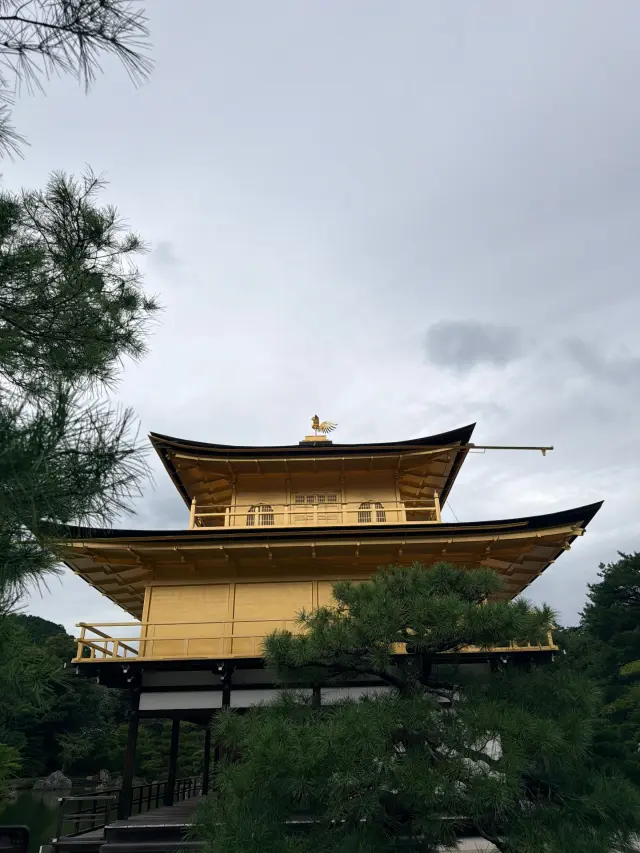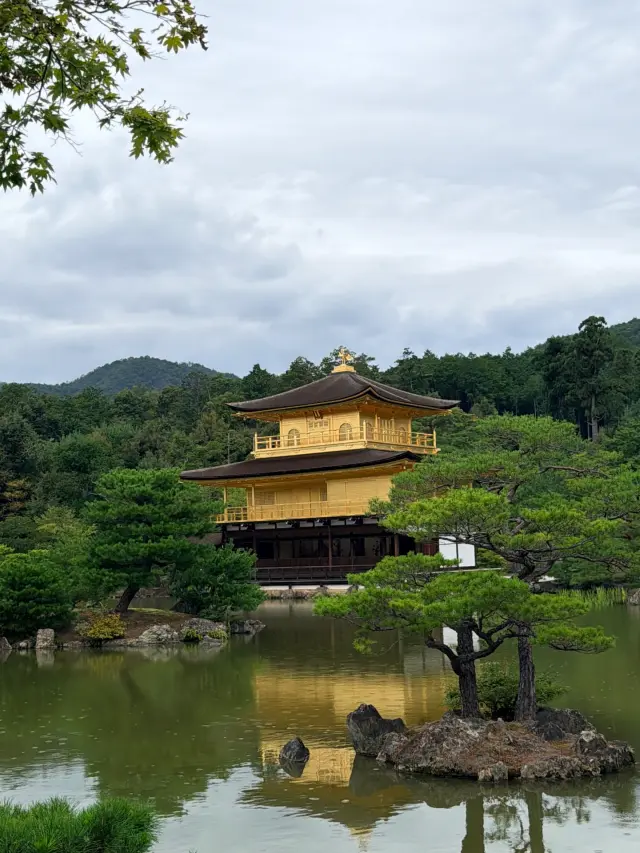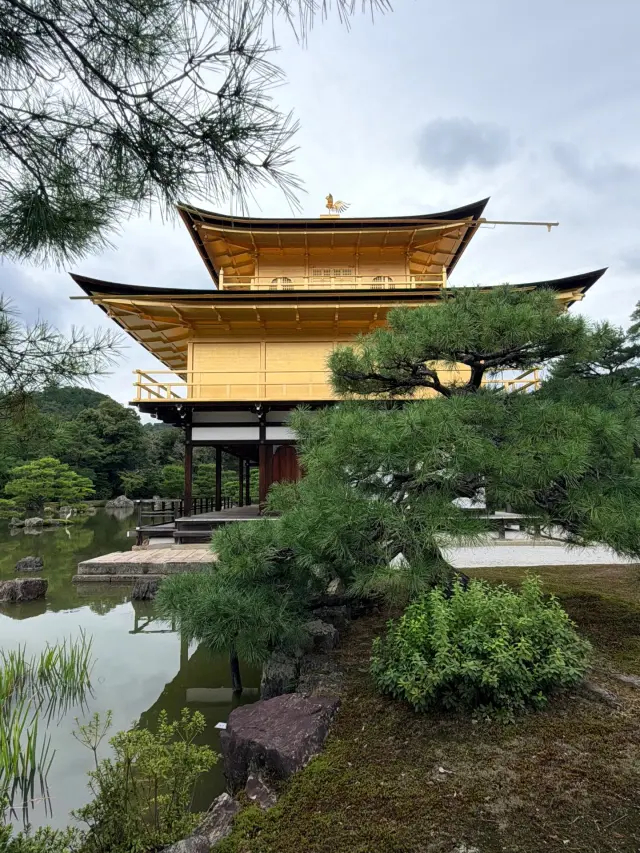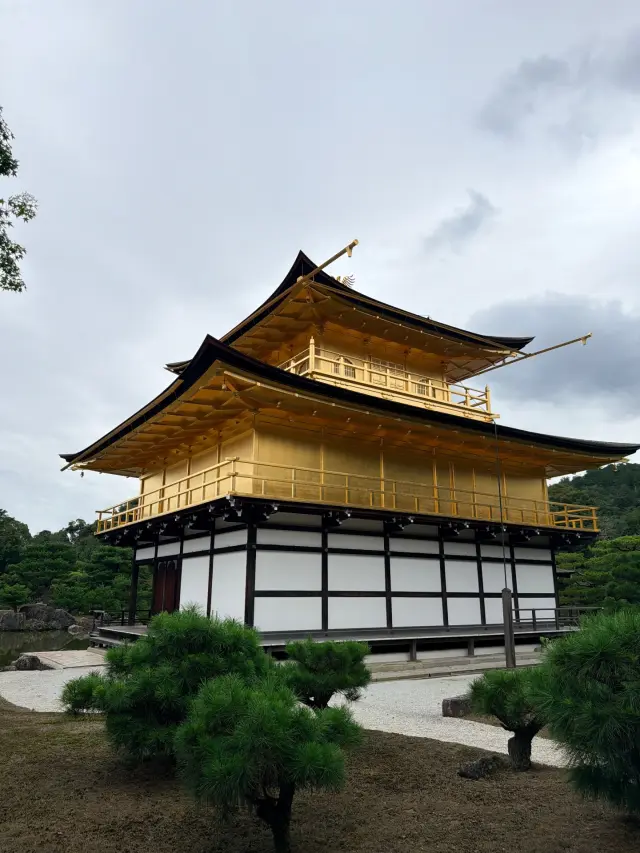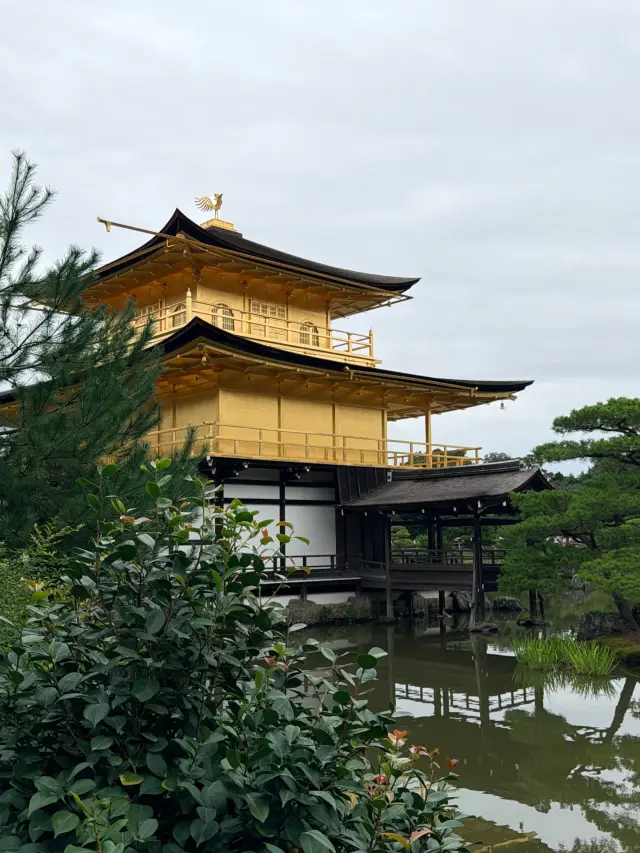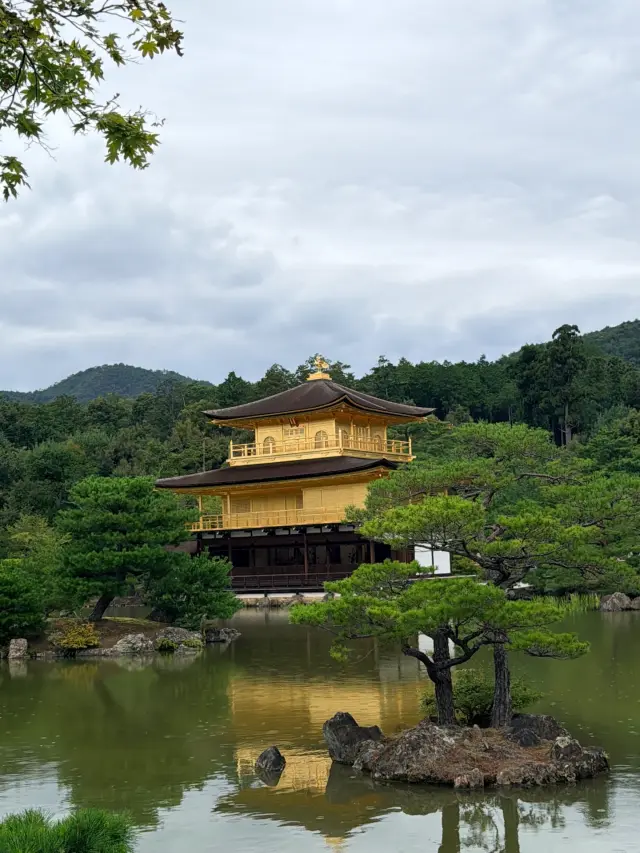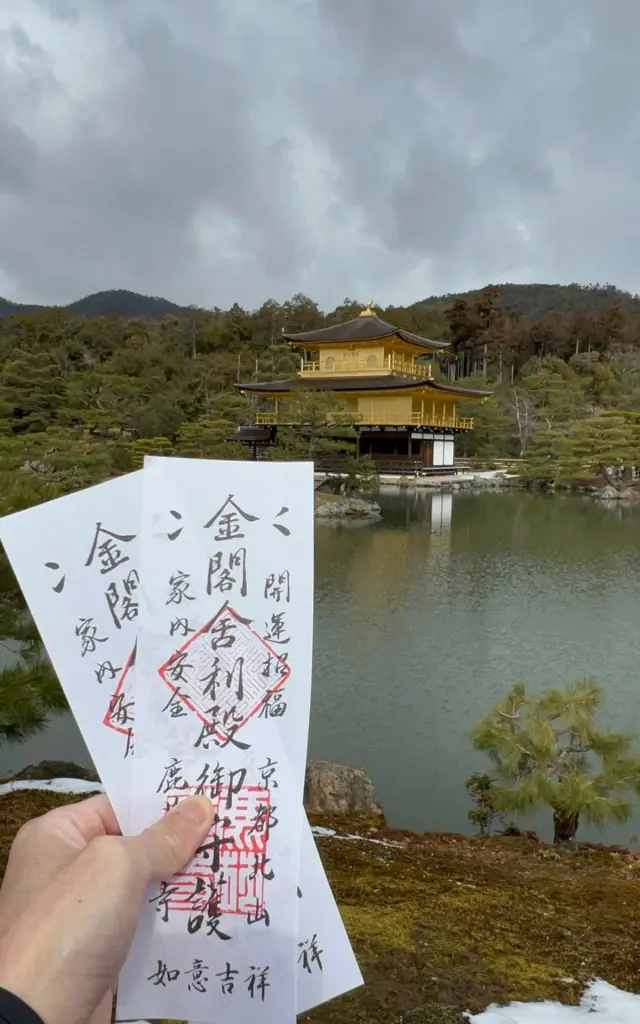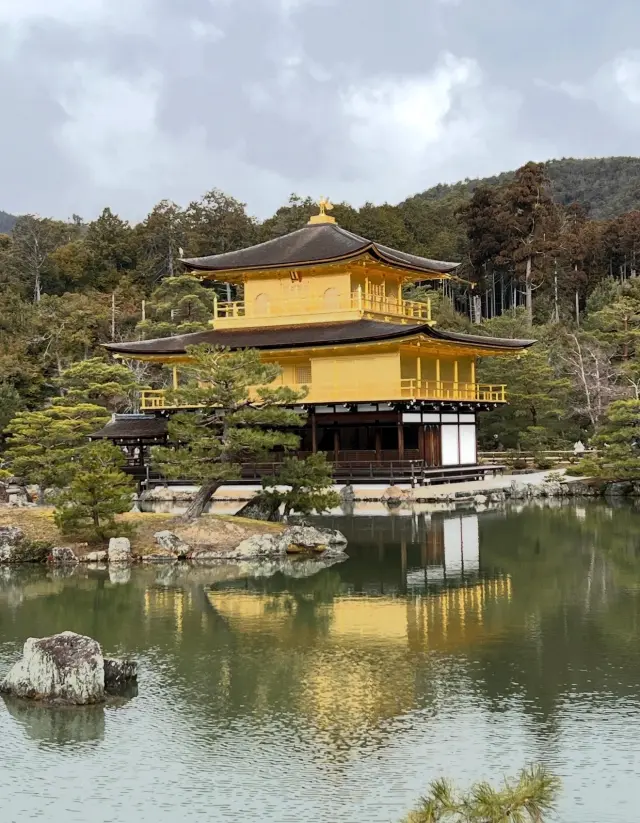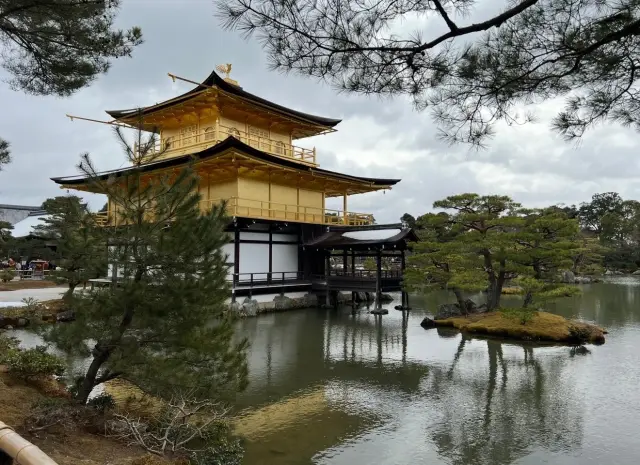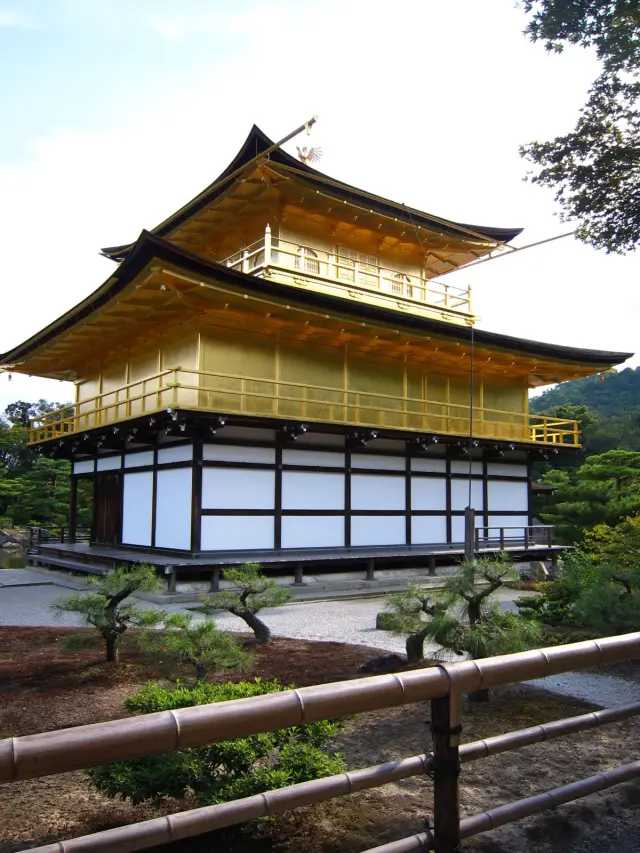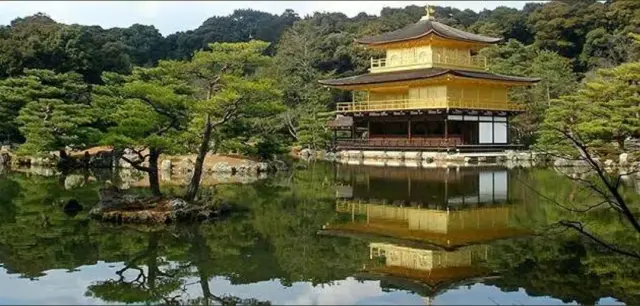
The biggest highlight of Kinkaku-ji, officially known as Rokuon-ji, is the Shariden, whose second- and third-floor exterior walls are completely covered in pure gold leaf. It sparkles in the sunlight, and with its reflection on the water, it looks almost unreal〜 It’s also very convenient to get there by Kyoto city bus!
All Reviews of Kinkaku-ji
4.64
31
- Overview
- Photos
- Reviews
- Basic Information
- Newest
- With Photos
- Most Liked
Showing 1–10 of 31
-
-
The view was very artistic, including the reflection of Kinkaku-ji on the surface of Kyoko-chi Pond. I visited in mid-October, and although the leaves had not yet changed color, there were still many tourists.
-
-
Because the protagonist of Yukio Mishima's novel sees Kinkaku-ji as a symbol of eternal beauty, yet his own imperfect life makes him feel a mix of love, hatred, jealousy, and confinement toward this perfection, he ultimately decides to set Kinkaku-ji on fire to free his soul.
So I came to see it for myself:At the center of the strolling garden surrounded by Kyokochi Pond, on a clear, windless day, you can capture the stunning reflection of the Golden Pavilion mirrored on the water.
Nearby is the Rikushu-no-Matsu pine: (a 600-year-old Japanese white pine said to have been planted by Ashikaga Yoshimitsu himself and pruned into the shape of a sailboat.)
It further enhances the dazzling Japanese garden aesthetic and is worth seeing. -
-
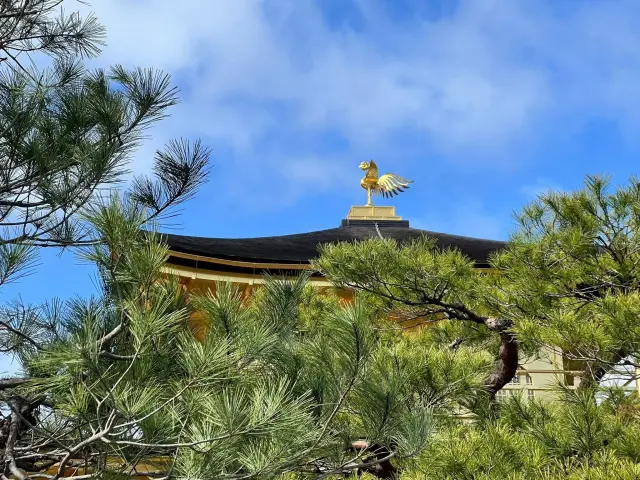
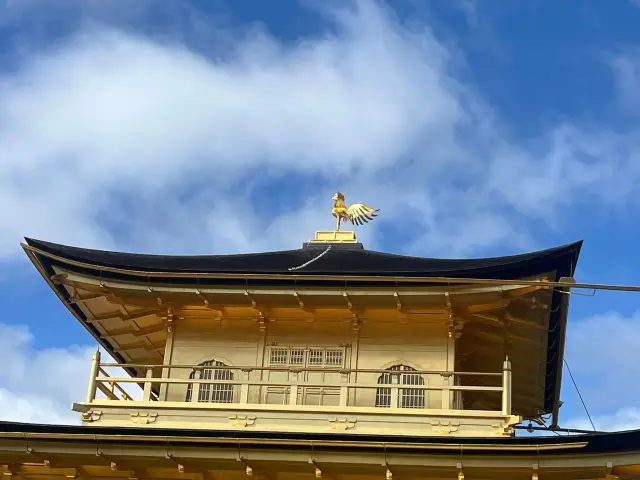
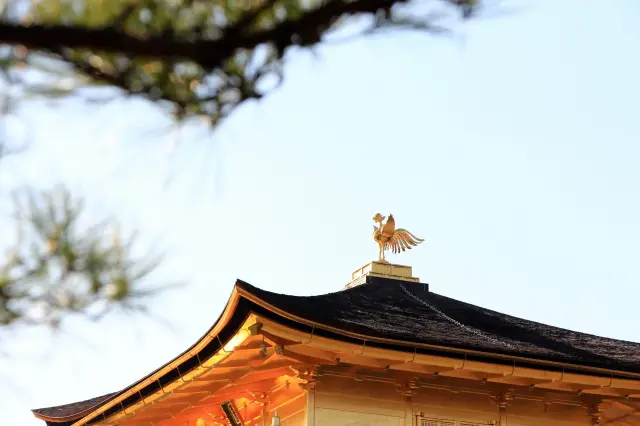
Compared with the understated simplicity of Ginkaku-ji, the famous Kinkaku-ji is at the top of many people’s lists when visiting Kyoto, so we made a special trip there this time as well. When I saw the dazzling golden Shariden in person, I honestly was quite impressed. Although it was slightly smaller than I had imagined, its brilliant, exquisite appearance was completely different from Ginkaku-ji’s wabi-sabi charm—two entirely different aesthetic extremes. And if you look closely, there really is a gleaming golden phoenix spreading its wings on the roof.
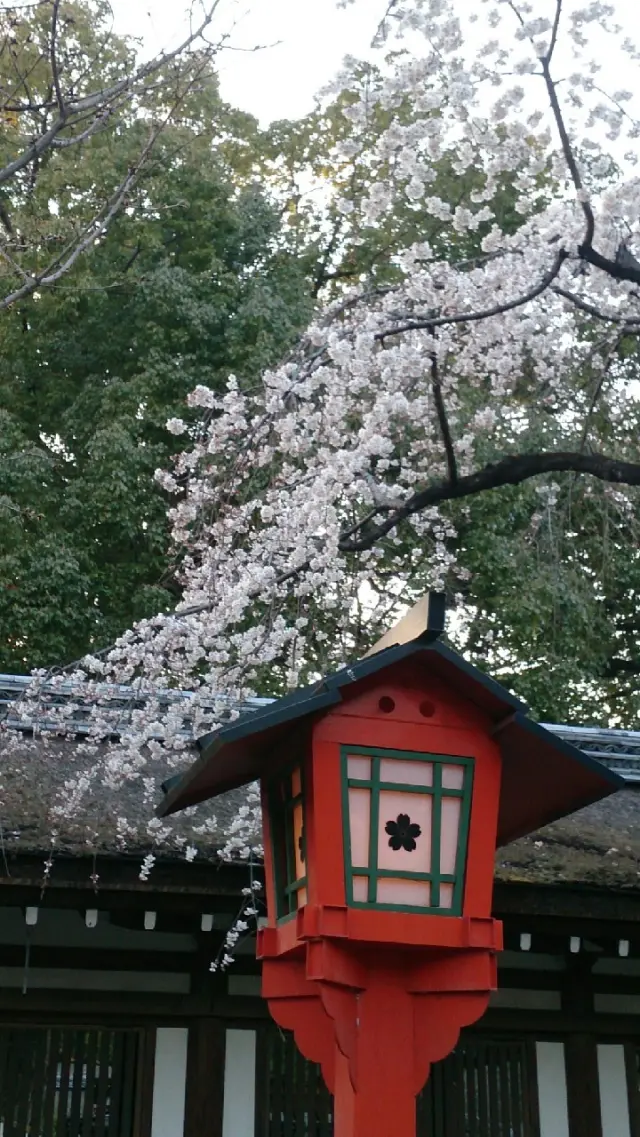
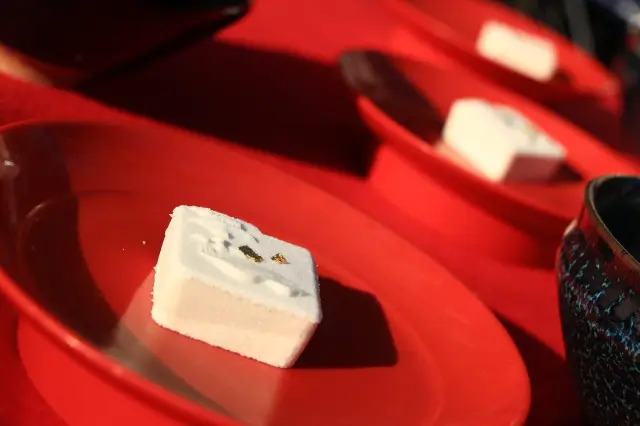
We were very lucky that day to capture Kinkaku-ji’s clear, enchanting, and beautiful reflection on the pond, like a finely crafted work of art standing quietly by the water. After walking around for a while, our feet were getting a little sore, so I took the older members of our group to rest at the tea area inside the temple. In the slightly cool weather, we admired the cherry blossoms dotting the branches and the garden scenery while enjoying hot Japanese matcha and delicate sweets, which warmed us right up. That afternoon spent slowing down and quietly enjoying the traditional Japanese atmosphere was truly a very comfortable, wonderful, and precious memory.
-
-
When I was little, I watched the Ikkyu-san cartoon and was especially impressed by the shogun's residence. It wasn't until I visited Kyoto as an adult that I realized it was the famous Kinkaku-ji! Its official name is Rokuon-ji, and the Golden Pavilion is actually the temple's reliquary hall. A phoenix symbolizing good fortune stands atop the roof, and the entire building, covered in glittering gold leaf, looks especially dazzling reflected on the surface of the pond. If you're lucky enough to visit on a snowy day in winter, you'll see another picturesque scene.
-
-
It’s really hard not to be drawn to Kinkaku-ji in Kyoto! Its official name is Rokuon-ji, and its most iconic sight is the glittering golden Shariden reflected in Kyoko-chi Pond. It was still beautiful at first sight and is definitely one of Kyoto’s most representative views.
As you stroll through the garden, you can admire Kinkaku-ji from different angles. With the pond, greenery, and surrounding Japanese garden scenery, every angle offers a different feeling. The golden building is especially striking in the sunlight when the weather is nice.
Although Kinkaku-ji is a very popular attraction in Kyoto and gets quite crowded, once you enter the garden, you can still feel the elegance of a traditional Japanese garden. It’s nice to take your time walking around and taking photos, especially for first-time visitors to Kyoto.
-
-
The UNESCO World Heritage Site Kinkaku-ji is absolutely a timeless classic and top choice! After buying the unique paper admission ticket at the entrance, which looks like a protective charm, follow the lush garden path. The moment you turn the corner and the dazzling golden building comes into view, the visual impact is truly incomparable.
Its exterior walls are covered in precious gold leaf, gleaming brilliantly in the sunlight. The most captivating classic view is from across the Kyoko-chi Pond, where Kinkaku-ji's elegant form is perfectly reflected on the calm water, framed by lush pine trees, blue skies, and white clouds. It looks just like a flawless postcard. Anyone standing here will find it hard to stop taking photos.
After visiting Kinkaku-ji itself, stroll along the garden path to admire the Zen-like strolling pond garden, historic teahouses such as Sekka-tei, and various elegant landscape features. Although you can't go inside the building, simply walking around and experiencing the unique atmosphere that blends the lavish culture of the Muromachi period with the tranquility of Zen is well worth the admission price.
I highly recommend adding Kinkaku-ji to your morning itinerary when visiting Kyoto. See the gold leaf sparkle when the sunlight hits at the best angle, and you're sure to come away with dazzling, unforgettable memories of your Kansai trip! -
-
It was my first time visiting Kinkaku-ji, and I was truly amazed by the view! The golden Shariden reflected in Kyoko-chi Pond glistened in the sunlight, and together with the surrounding green trees and garden, the whole scene looked just like a postcard of Japan!
I took a leisurely walk through the garden, admiring Kinkaku-ji's beauty from different angles while soaking in Kyoto's distinctive classical atmosphere.
-
-
Kinkaku-ji is so beautiful it looks like it has a filter on, but it’s a real historic landmark!
It was originally the luxurious residence “Kitayama-dono” of Ashikaga Yoshimitsu, the third shogun of the Muromachi shogunate, and was later converted into a temple. Its official name is actually Rokuon-ji. The name most people know, “Kinkaku-ji,” comes from the glittering gold-leaf reliquary hall.
Once you enter the grounds, the sight of the Golden Pavilion reflected on Kyoko-chi Pond is so stunning you can’t help but keep taking photos. No wonder almost everyone visiting Kyoto puts this place on their must-see list! -
-
When visiting Kyoto’s famous Rokuon-ji Temple, the must-see highlight is its golden Shariden, Kinkaku-ji.
Kinkaku-ji is world-famous for its exterior covered in gold leaf. Surrounded by Kyokochi Pond, the temple’s golden reflection shimmering on the water is dazzling and breathtaking. The “upside-down Kinkaku” reflection is one of Kyoto’s most iconic sights, and it was registered as a World Cultural Heritage Site in 1994.
Kinkaku-ji offers different scenery in every season, and the constant crowds are proof of its popularity as a tourist destination. I hope to visit again in winter to see the Snow Kinkaku. -