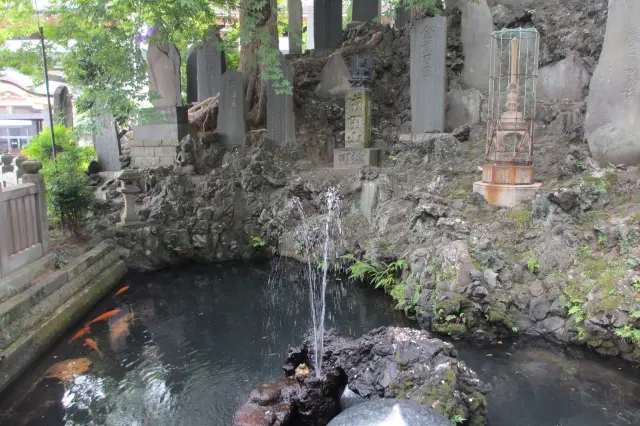
Near Yogodo Hall and the Fujizuka mound within the temple grounds, you can discover the peaceful and Zen-like Hojo Pond garden! Water bubbles up in the pond as colorful koi swim leisurely, while the pond is bordered by rugged volcanic lava rocks. On the hill behind it stands a group of stone monuments engraved with words such as “Naritasan,” along with stone Buddha statues, reflecting a deep history of faith and culture. Surrounded by greenery, the atmosphere is solemn and tranquil. After worshipping at the main hall and exploring the lively Nakamise-dori, this is the perfect place to slow down and quietly appreciate the serene beauty of a Japanese temple garden. It’s a classic hidden corner for experiencing the peaceful atmosphere of a temple garden during an independent trip to Asakusa, Tokyo!
All Reviews of Asakusa Shrine
- Overview
- Photos
- Reviews
- Basic Information
- Newest
- With Photos
- Most Liked
Showing 1–4 of 4
-
-
Senso-ji is one of the oldest temples in Tokyo. Its most iconic features are the striking Kaminarimon Gate and its enormous red lantern. Once you enter the temple grounds, you are immediately surrounded by a strong sense of traditional Japanese culture and faith.
This is more than just a tourist attraction; it feels like a part of Tokyo's history. From Kaminarimon all the way down Nakamise-dori, the shops, traditional snacks, and visitors from around the world make the entire street very lively. Although it is crowded, that liveliness is exactly what makes Senso-ji's unique charm even more apparent.
-
-
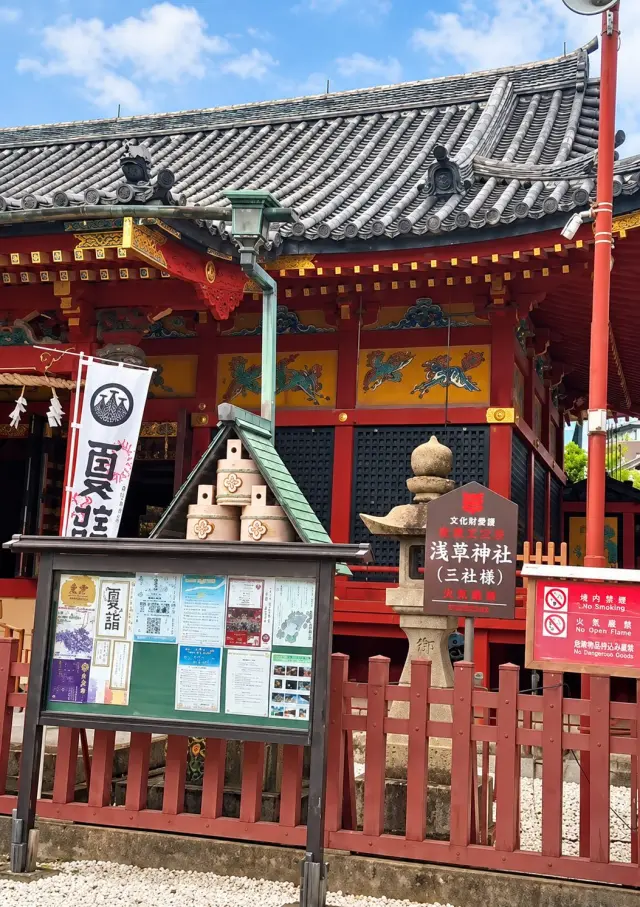
Asakusa Shrine is right next to Senso-ji Temple. When many people visit Asakusa, it's easy to focus entirely on Senso-ji and overlook this shrine. In fact, the very famous Sanja Matsuri held every May is Asakusa Shrine's annual grand festival and one of the liveliest events of the year in all of Asakusa.
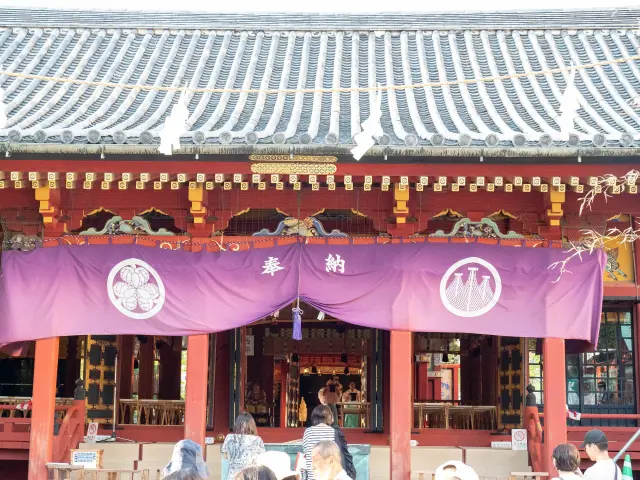
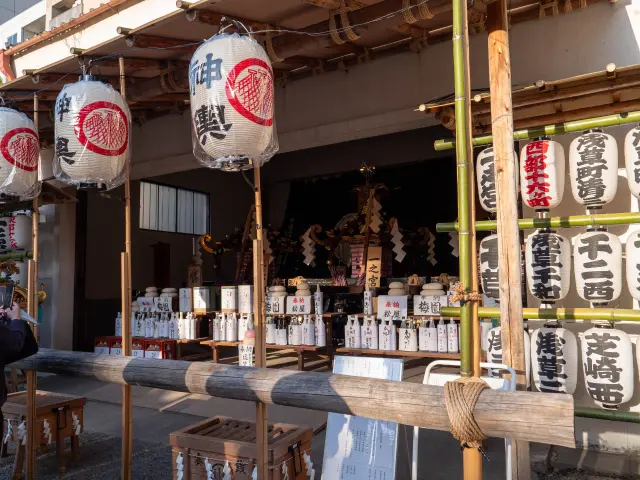
I happened to visit during the Sanja Matsuri this time. Although I didn't specifically try to catch the major highlights, such as the mikoshi leaving and returning to the shrine, the shrine grounds alone were already very lively. I also saw many local residents in festival clothing and various related activities. When the mikoshi aren't being carried through the streets, they are kept on the shrine grounds for worshippers to visit.
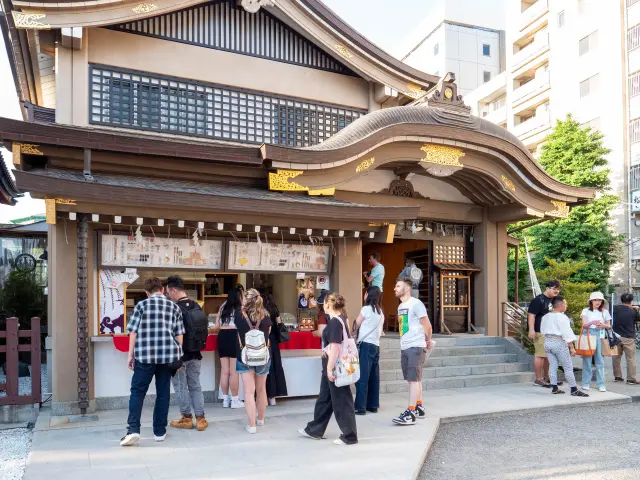
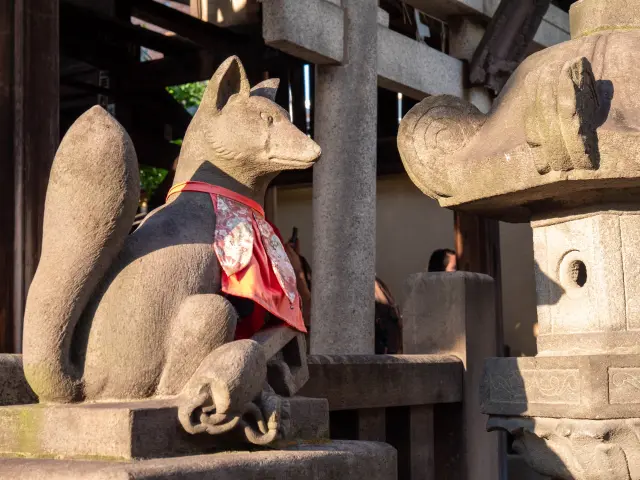
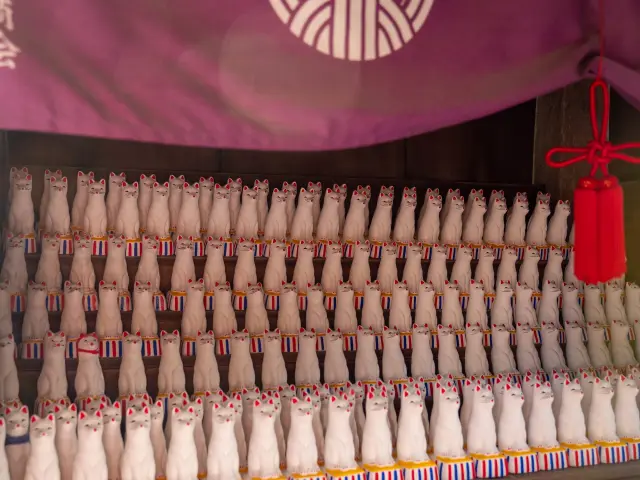
It was only after taking a closer look around the shrine this time that I realized the famous fox amulet, the “Kitsune Mamori,” which I had seen before, is actually offered by Hikan Inari Shrine, a subordinate shrine on the grounds of Asakusa Shrine. Hikan Inari Shrine is located toward the back of the grounds and enshrines Ukanomitama-no-Kami as its main deity. There are many stone fox statues nearby, creating a very different atmosphere from the lively main sanctuary of Asakusa Shrine in front. If you already like foxes or Inari worship, I highly recommend walking a little farther to the back of Asakusa Shrine when visiting Senso-ji Temple. -
-
I always come here to join the Sanja Festival, one of Tokyo's big festivals, which is held at Asakusa Shrine.