Traditional Handicrafts Village Yunokuni no Mori
Eleven pavilions are scattered throughout the lush grounds, where visitors can experience the traditional crafts of Ishikawa Prefecture.
There are so many DIY traditional craft options to choose from.
Traditional Handicrafts Village Yunokuni no Mori
Eleven pavilions are scattered throughout the lush grounds, where visitors can experience the traditional crafts of Ishikawa Prefecture.


There are so many DIY traditional craft options to choose from.
Tojinbo Cliffs
Tojinbo is a cliff formed by wave erosion. Since long ago, it has been recognized and honored as a scenic spot. These towering cliffs extend for about 1 kilometer along the coast, showcasing a dramatic display of columnar jointing-a geological feature so rare that only three such places are known in the world, including Tojinbo. It has been designated as a national Place of Scenic Beauty and Natural Monument.


Sipping coffee, feeling the ocean breeze, and enjoying the lively shopping street.
The seafood was super fresh and sweet.
Shirakawa-go (Historic Village)
Shirakawa-go, a beautiful area where traditional Japanese scenery still exists, is home to the largest number of still-standing traditional “gassho-zukuri” Japanese homes. As of 2016, there are around 100 buildings still standing, both large and small. It is the largest remaining historic settlement in Japan, and it is preserved as a Group of Traditional Buildings in the register of Cultural Properties of Japan.


Shirakawa-go isn’t just full of fairy-tale-like gingerbread-house scenery—there are also signs of bears roaming the area. But the little bridges and gently flowing streams in the countryside still feel peaceful, reminding us that the power of nature and a quiet sense of beauty can truly exist side by side.
Hida Takayama Old Townscape
Hida Takayama Old Townscape is said to be a town where the original landscape of Japan remains, as the streets from the Edo period still remain, and the charming town houses and noren (curtains) of old stores continue to be seen.


The old houses have been given new life, with old and new shops standing side by side.
This old street is no longer just a memory. It has taken on a whole new character.
Walking through it feels like traveling through time while also stepping into a fresh new future.
Eiheiji Temple
The head temple of Soto Zen Buddhism in Japan. It was established by Zen Master Dogen in 1244 as a place to practice zazen. The vast site of 330,000 square meters is lined with more than 70 halls and buildings of various sizes, centering on the seven halls of the temple, where more than 100 monks practice asceticism every day.


Ancient trees tower overhead, welcoming travelers as they arrive.
When we entered Eiheiji Temple, the quiet atmosphere all around us gradually calmed our body, mind, and spirit, and a sense of peace naturally arose.
Gujo Hachiman Castle
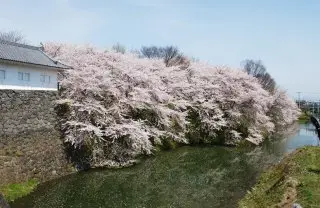
The castle is located on Mt. Hachiman northeast of Hachiman Town, Gujo City. In 1559, the warlord Endo Morikazu built a fort which was the beginning of this castle.

It’s not as crowded as other old castles.
This slow-paced historic castle is there waiting for us to come and explore.
Gujo Hachiman Former Town Hall Memorial Hall
A general tourist information center in Gujo Hachiman, where the streetscape of the old castle town remains, housed in a retro building. This Western-style, two-story wooden structure was built in 1936 and has a total floor area of Approx. 800 square meters. Its balanced design features wooden exterior siding and tall, narrow windows. The roof structure uses truss construction, a method also used for gymnasiums and halls, making it a building that used state-of-the-art technology for its time.


The interactive museum lets you really feel the excitement of the festival.
This little Kyoto is calm and peaceful, and a great place for a relaxing stroll.
Blue Bottle Coffee Kiyosumi Shirakawa Flagship Cafe
The popular coffee shop born in California, USA opened the first shop in Japan in October, 2019, as Kiyosumi Shirakawa Flagship Cafe.

An industrial-style coffee shop. Their yokan is actually really tasty.
Nagoya Castle
One of the largest castles in Japan, built in the early Edo period on the orders of Tokugawa Ieyasu, the founder of the Edo shogunate, the five-story castle tower is topped with shining two Kinshachi, one male and one female that has become a symbol of Nagoya.


It was under renovation, so we couldn’t go up. Looking forward to seeing its new look after the work is finished.
Sekai no Yamachan Main Store
The specialty of this restaurant is the "Maboroshi no Tebasaki", which would make you absolutely addicted for its spiciness and flavor of the "Maboroshi no Kosho(Phantom pepper)" and "Hiden no Tare(Secret sauce)".

The chicken wings were so good, and the chicken skin dumplings were really unique.