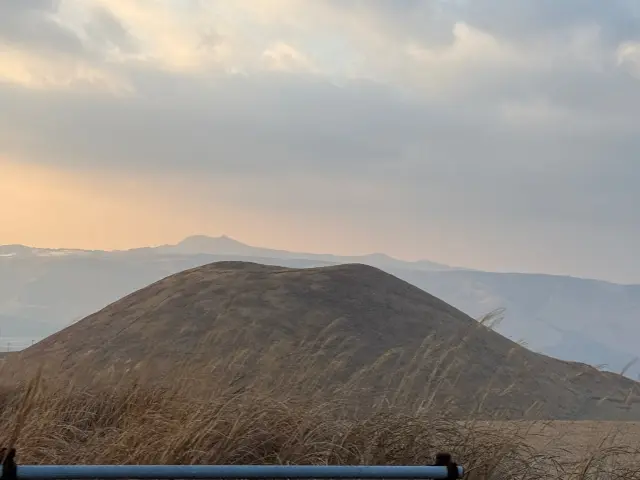
The first time I saw Komezuka, I was struck by its unusual shape. The entire mountain looks like an upside-down rice ball or a little green hat. Its cone-shaped slopes are covered in lush grass, making it look adorable. Our guide explained that Komezuka was formed by volcanic activity thousands of years ago, which made me appreciate the power of nature even more.
Viewed from a distance, Komezuka stands against vast grasslands, blue skies, and white clouds. The scenery is spectacular and incredibly refreshing. This trip not only allowed me to enjoy Aso's distinctive natural landscape but also taught me about volcanic landforms. I learned a lot. I hope to return to Aso someday to enjoy the scenery in different seasons and make more wonderful travel memories.
Komezuka | Review by BobbyJenny
Other Reviews by BobbyJenny
-
Okayama Korakuen
Tsunamasa Ikeda, the feudal lord of Okayama ordered the creation of this garden as a spot of relaxation. In 1700, the garden was complete. As the years went by, the scenery of the garden changed. Once a relaxing spot, the garden gained kinetic energy with the creation of water streams, and lakes.
Okayama Korakuen is one of Japan's three great gardens, with beautiful scenery and a different charm in every season. Strolling among the lush lawns, ponds, and traditional gardens gives you a sense of peace and relaxation. The carefully designed landscape complements Okayama Castle in the distance, creating a beautiful view.
-
-
Okayama Castle
This castle was created by Warlord Hideie Ukita in 1597. The main castle was built on top of a hill named Okayama, and the Tensyu (castle tower), was built in front of the Asahikawa River. The adjacent castle town was created with merchants and craftsmen.
Okayama Castle is known as “Crow Castle” because of its black exterior, and its majestic castle tower showcases a distinctive historic character. From the upper levels of the castle, you can enjoy expansive views of Okayama and the scenery along the Asahi River. The museum has an extensive collection of historical artifacts, offering a better understanding of Okayama's culture and development.
-
-
Achi Shrine
Worshiping the “Three Goddesses of Munakata”, the god of the sea and transportation / trading safety, this shrine sits atop the summit Mt. Tsurugata Yama, which is a part of Kurashiki Bikan Historical Quarter (Kurashiki Beautiful Sight Quarter). The name “Achi”, is derived from the Achino-omi tribe who migrated from afar and lived in this space. The name of the shrine comes from the tribe as well.
Achi Shrine is located near the Kurashiki Bikan Historical Quarter and is filled with history and a peaceful atmosphere. Slowly climbing the stone steps up the hill, the lush greenery along the way feels very relaxing. The shrine grounds are simple and solemn. While praying sincerely for peace and good fortune, I also felt the appeal of traditional Japanese culture. From the top, you can also look out over the beautiful streets of Kurashiki.
-