The Kanmon Straits Tunnel was more interesting than I expected!
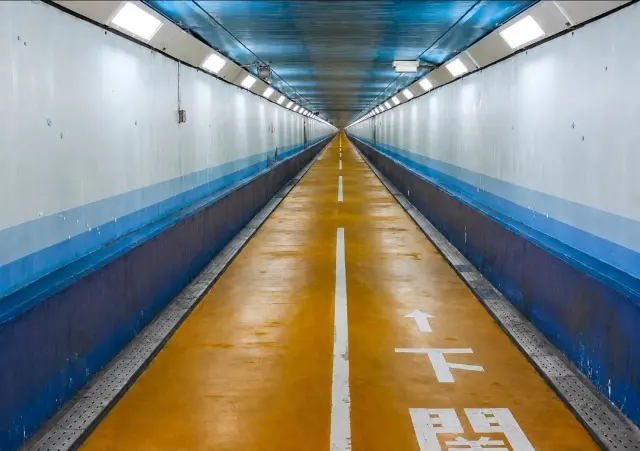
I thought it would just be a walk through a tunnel, but I didn't expect to be able to walk from Honshu to Kyushu. It was a truly special experience. The route is a little over 700 meters long and takes about 15 minutes to complete. It's flat and easy to walk, like taking a stroll under the sea.
The one thing you shouldn't miss is the marker at the border between Yamaguchi and Fukuoka Prefectures. Standing in the middle with one foot in Honshu and the other in Kyushu, many people take photos here as a souvenir.
No boat or car needed—just a short walk lets you cross between two islands and two prefectures. I highly recommend experiencing this unique Kanmon Straits walk for yourself and making a different kind of travel memory.
Other Reviews by 王小鈞
-
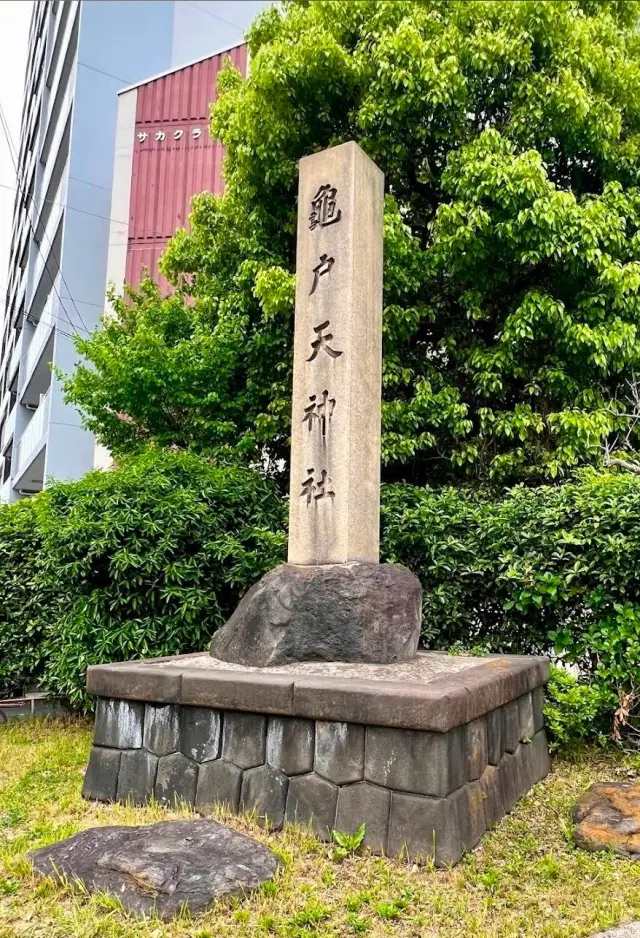
Kameido Katori Shrine
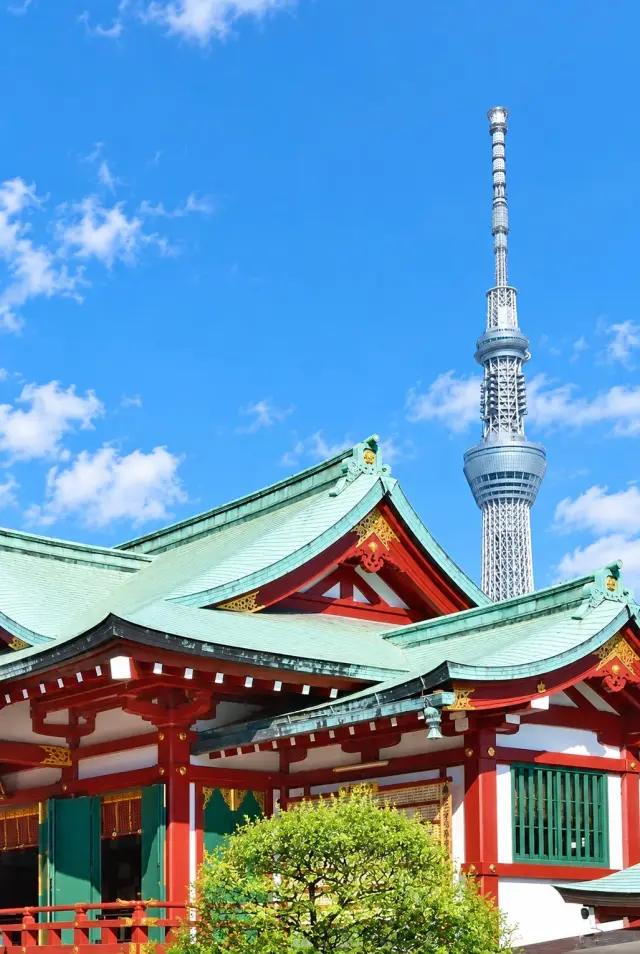
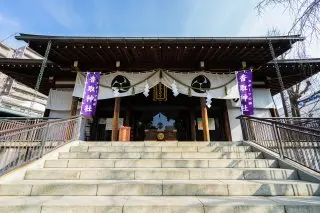
Kameido Katori Jinja has its origins in the year 665, during the reign of Emperor Tenji, when Fujiwara no Kamiatari delivered his fighting sword in a ceremony to transfer the tutelary deity from Katori Taisha, the main Katori Shrine in Chiba.
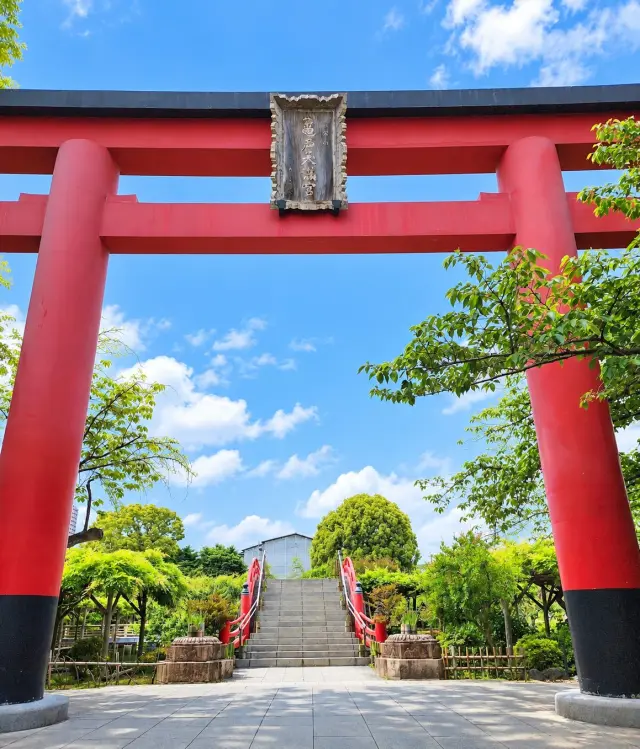
When visiting Tokyo, besides shopping, I also highly recommend stopping by this peaceful shrine—Kameido Katori Shrine. It is known for enshrining the god of sports and victory, and many people come here to pray for victory in competitions, success in business, and success in taking on new challenges.
The entire shrine is quiet and peaceful, with a relaxed pace that makes walking around the grounds especially calming. Many different varieties of plum trees are planted here, and the scenery must be even more beautiful when the blossoms are in full bloom. Even better, you can also see Tokyo Skytree from around the shrine, creating a unique Tokyo view where a traditional shrine meets a modern landmark.
If you enjoy visiting Japanese shrines, experiencing local culture, or praying for good luck and victory, this place is definitely worth a visit!
-
-
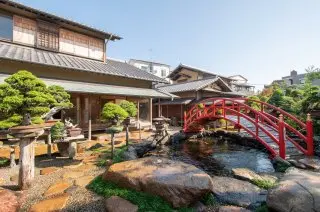
Shunkaen Bonsai Museum
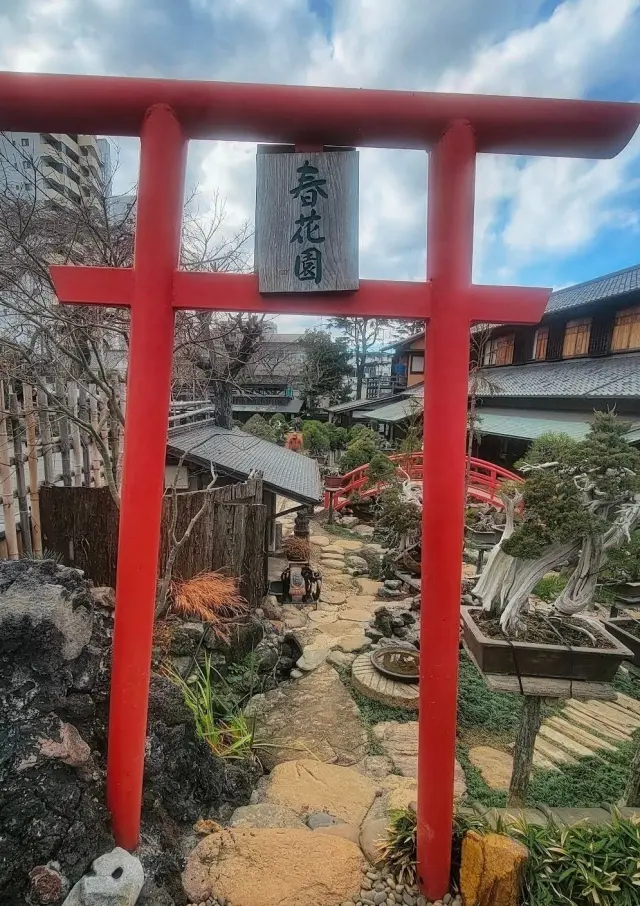
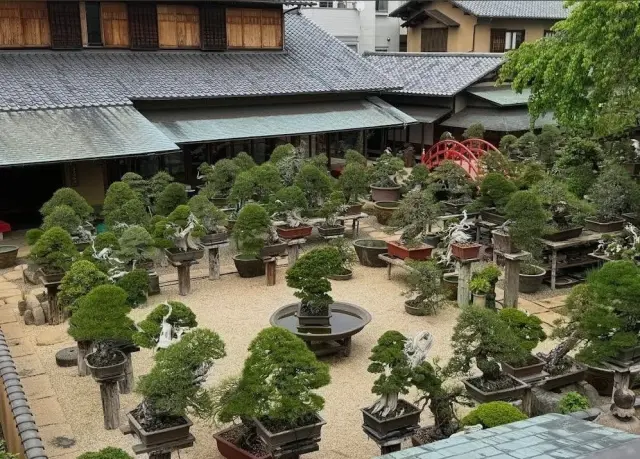
Kunio Kobayashi, a bonsai artist who promotes and passes on bonsai culture in Japan and abroad, opened this bonsai museum. Located in a quiet residential area 18 minutes by bus from the nearest Koiwa Station, visitors can experience the charm of bonsai in a secluded atmosphere.
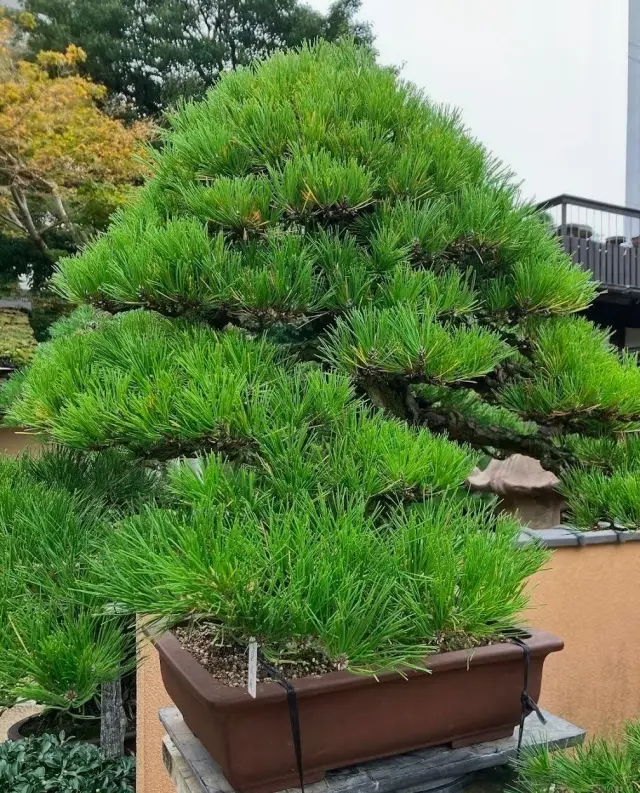
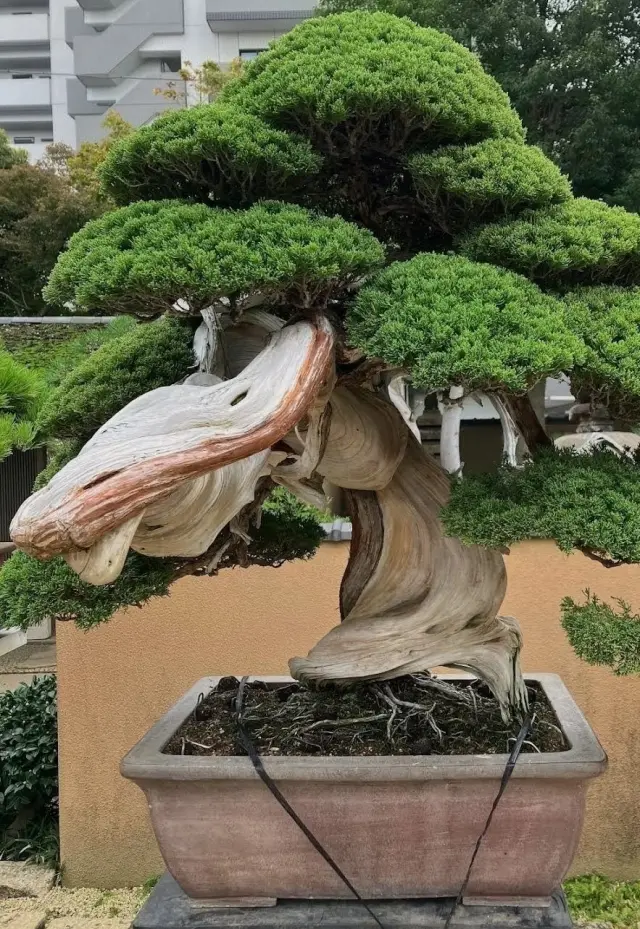
I never expected to find such a beautiful bonsai garden tucked away in a quiet neighborhood! Founded by world-class bonsai artist Kunio Kobayashi, the Shunkaen Bonsai Museum showcases the art of bonsai to the fullest. Each bonsai looks like a carefully crafted work of art. From the shape of the tree and its branches to its overall form, you can feel the character built up over the years and the care of the artisans.
I visited on a weekday, when there weren’t many people, so I could stroll leisurely through the garden and appreciate the thoughtful details in every corner. The garden is laid out with elegance and precision, and each area has its own character. There are surprises everywhere, making you want to slow down and fully enjoy the peace and beauty.
What impressed me even more was how kind and friendly every staff member I met was, adding a sense of warmth to the entire visit. It doesn’t feel like a busy tourist attraction, but instead has a relaxed atmosphere far removed from the hustle and bustle. Even if you make a special trip from outside central Tokyo, you’ll feel it was worth the journey!
If you enjoy Japanese gardens or bonsai art, or are looking for a quiet and distinctive place to visit, the Shunkaen Bonsai Museum is definitely worth adding to your itinerary.
-
-
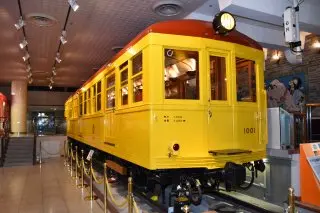
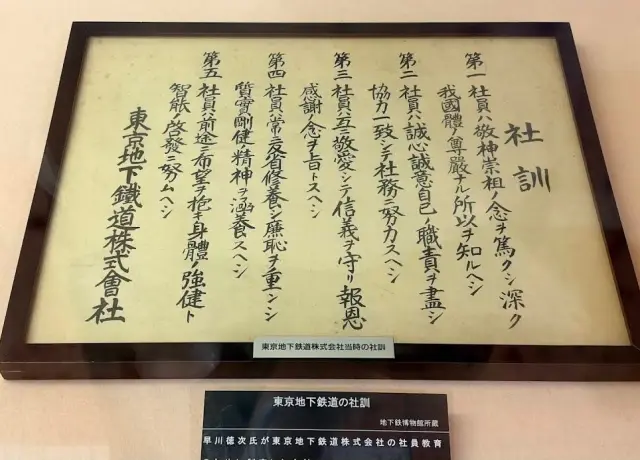
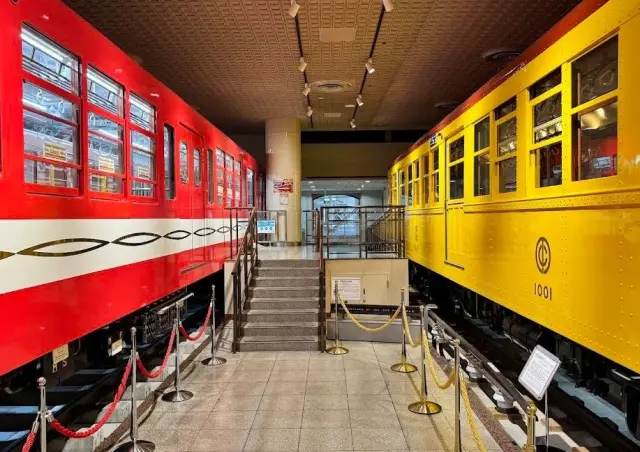
Tokyo Metro Museum
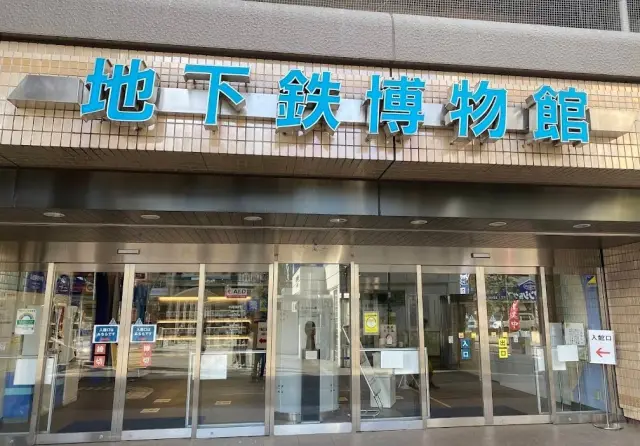
This metro museum was opened in 1986. It is located underneath the elevated area of the Tokyo Metro Tozai Line’s Kasai Station. Admission tickets are purchased at a ticket machine like that which sells train tickets, and the entrance is designed to look like a ticket gate.
I never expected the Tokyo Metro Museum to be so much fun! Through three approaches—seeing, touching, and operating—the museum introduces visitors to the history of Japan's subway development, various train models, and the latest railway technology.
Admission is inexpensive, but the exhibits are quite extensive. In addition to all kinds of models and valuable artifacts, there are also train simulators you can try yourself! Staff members are there to provide careful guidance, so you can actually experience the fun of being a train operator.
I originally thought I would just take a quick look around, but it turned out to be much more interesting than I expected. You can learn while having fun, and both adults and children can have a great time! I recommend allowing at least 1 hour to explore at a leisurely pace. If you like trains or transportation, or are traveling with children, I highly recommend stopping by!
-