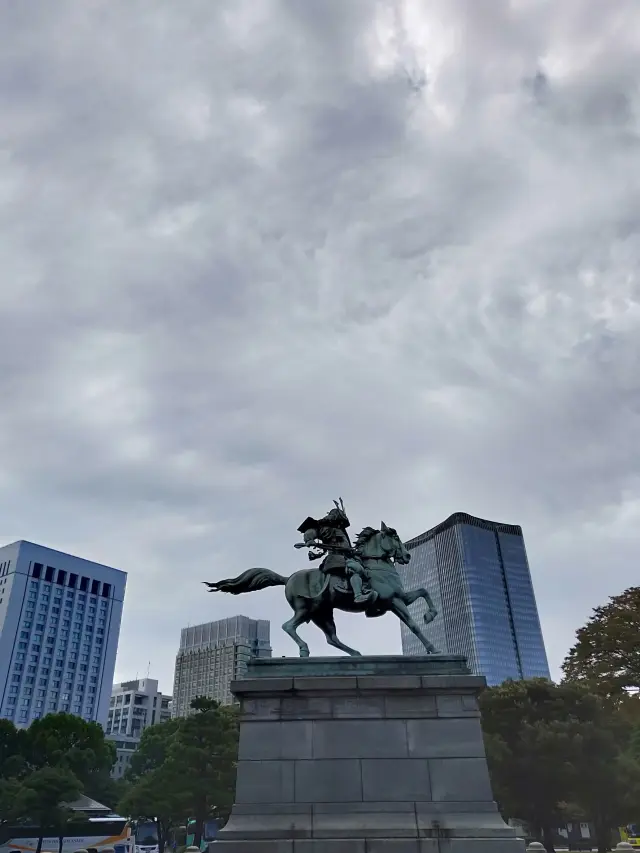
Kokyo Gaien National Garden is a rare large green space in central Tokyo. Its expansive lawns, neatly arranged pine trees, and views of the moat complement one another, creating an especially relaxing atmosphere. While strolling through the grounds, you can admire the famous Nijubashi Bridge and experience the dignified yet peaceful atmosphere surrounding the Imperial Palace.
Kokyo Gaien National Garden | Review by BobbyJenny
Other Reviews by BobbyJenny
-

GAUFRES AU GOUTER
"Gaufres" are sweets that sandwich cream between thin layers of baked dough, made using Western confectionery ingredients such as flour, sugar, milk, and butter, utilizing the technique of baking Japanese senbei (rice crackers).
The gaufre wafers are very thin, making a crisp “crunch” when you bite into them. They’re light and crispy, with a sweet, smooth filling in the middle. The wafers and filling go well together without being too rich, making them easier to enjoy with every bite.
These also make great little gifts. Each one is individually wrapped, so they’re easy to carry and store. From the first bite, they felt distinctly Kobe. No wonder they’ve become a classic souvenir that many people consider a must-buy when visiting Kobe!
-
-
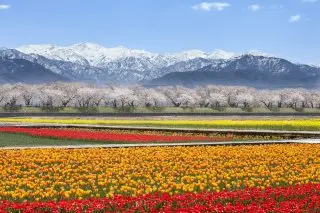
Asahi Funakawa Spring Quartet
With the snow-clad mountains of the Northern Alps, the cherry blossom trees along the Funakawa river, a riot of colorful tulips, and the yellow blossoms of canola flowers, the Asahi Funakawa Spring Quartet weaves a splendid scene. This is a popular spot in Asahi town, Toyama Prefecture, celebrated as a symbol of spring.
At Asahi Funakawa, I admired the famous “Spring Quartet,” and the floral scenery before me was breathtakingly beautiful. Walking along the Funakawa River, the cherry blossoms and tulips blooming on both sides complemented each other, while the snow-covered Tateyama Mountain Range could be seen in the distance, creating a colorful, richly layered spring scene.
Pink cherry blossoms, vibrant tulips, yellow canola flowers, and distant snowcapped mountains come together to form the unique “Spring Quartet.” When the breeze blows, the flowers sway gently, and the entire landscape is filled with the feeling of spring. It’s so beautiful from every angle that you won’t want to leave.
-
-

Asuwa River Cherry Tree Promenade
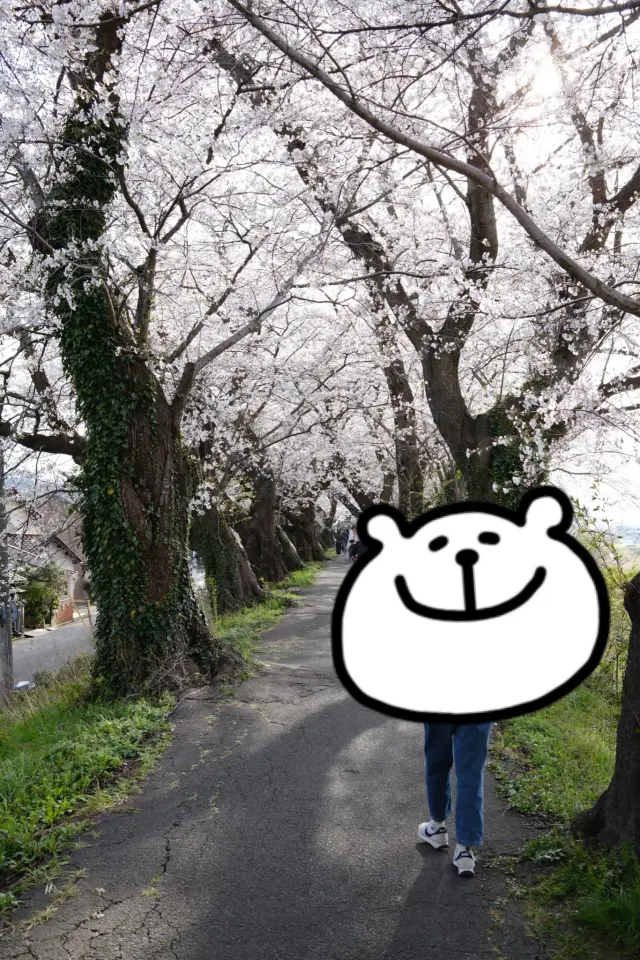
The Asuwa River flows through central Fukui City. The rows of cherry trees lining the embankment, loved by locals as a walking course, are a popular cherry blossom viewing spot and have been selected as one of Japan’s 100 best cherry blossom spots.
In Fukui, I took a walk along the Asuwa River, where cherry blossoms in full bloom on both banks formed a soft pink corridor of flowers. As the breeze blew, the petals swayed gently, beautifully complementing the murmuring river, and the whole scene was filled with the feeling of spring. Walking beneath the cherry trees, I looked up to see a canopy full of pink blossoms. Very romantic 🌹
-