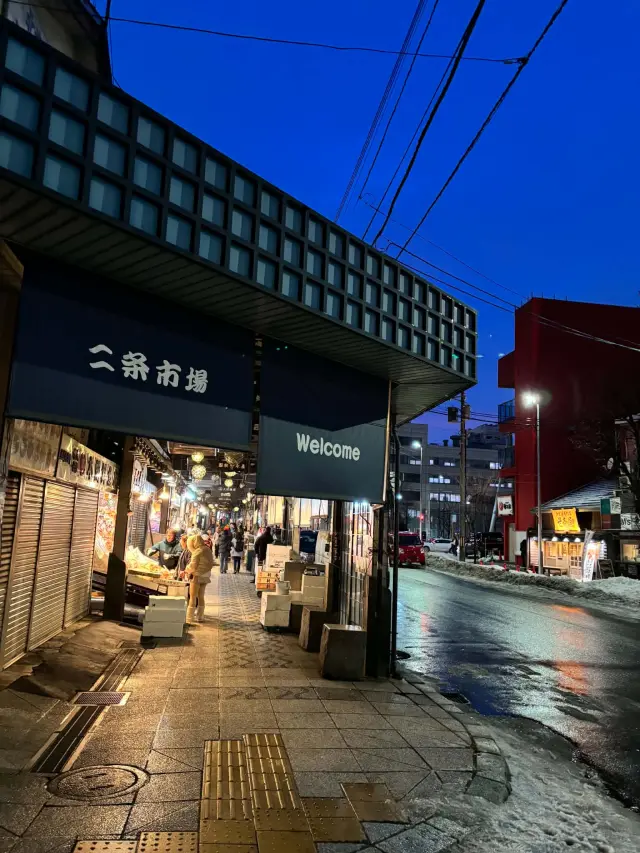
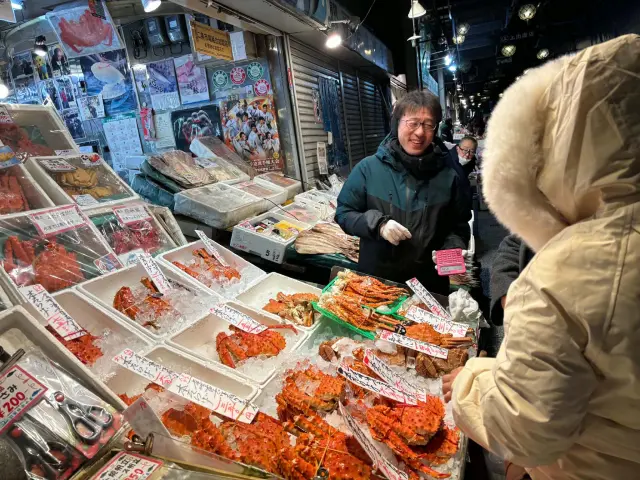
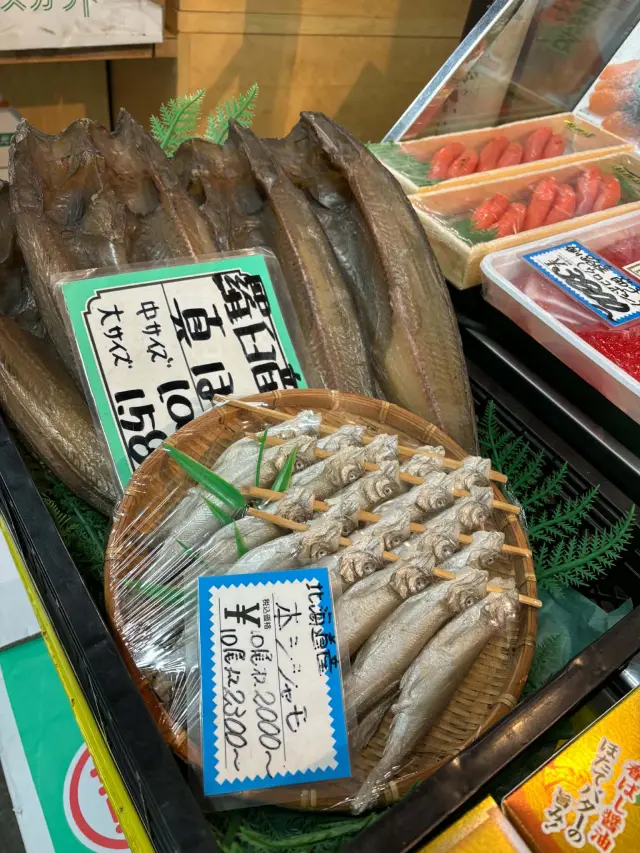
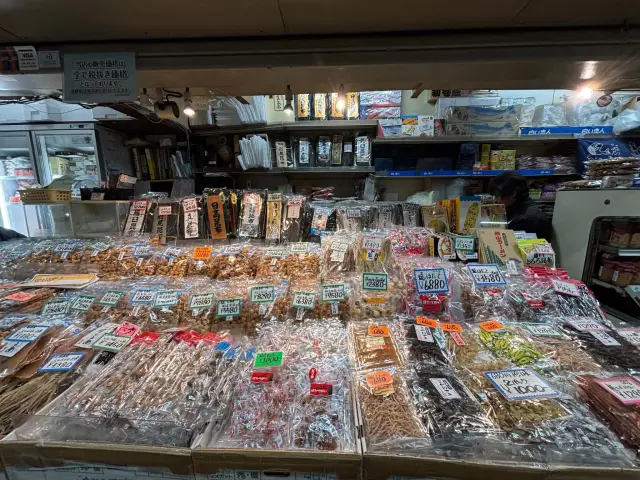
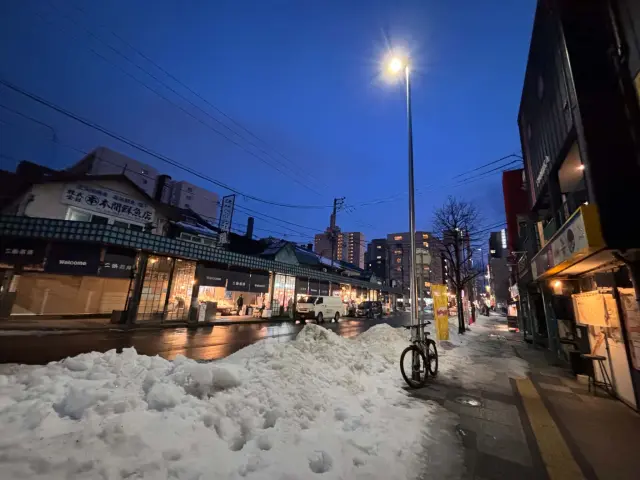
Sapporo Nijo Fish Market is conveniently located in central Sapporo and is a great place to experience the atmosphere of a local Hokkaido market. Strolling through the retro-style shopping street, you’ll find fresh catches, all kinds of seafood, and fruit stalls, creating a lively, down-to-earth atmosphere. Unlike a typical supermarket, shopping here also lets you experience the vendors’ warm and friendly hospitality. This time, I bought a bag of Hokkaido-grown button mushrooms to try. It cost less than JPY 1,000, and after I brought it back to Taiwan and used it in chicken soup, it had a rich aroma. Highly recommended. If you visit in fall or winter, you can also see plump, bright red crabs. When you get tired from walking around, you can stop by the nearby GARAKU Soup Curry for a piping-hot bowl of soup curry and take a short break.
Sapporo Nijo Fish Market | Review by Linda Liao
Other Reviews by Linda Liao
-
Hokuseiyama Lavender Garden
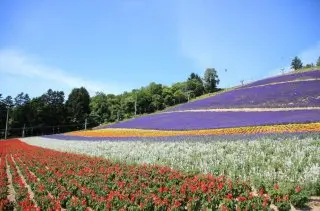
Hokuseiyama, a symbol of Nakafurano town that attracts popularity as a ski resort in winter, has a municipal lavender field on its hillside, where beautiful flowers can be enjoyed in summer.
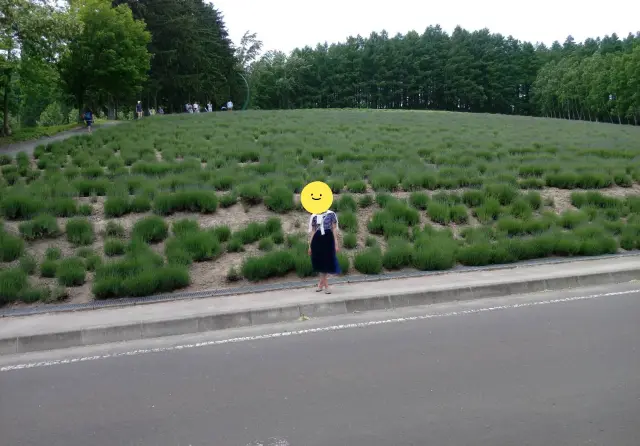
I visited Hokuseiyama Lavender Garden in late June. Unfortunately, it wasn't yet the season when the lavender was in full bloom, so there was no dreamy sea of purple flowers. Still, strolling through the garden, the fresh air and expansive countryside scenery felt very soothing. Looking at the flower fields, I couldn't help imagining what they would look like in full bloom. I'll just have to come back next time to take in the beautiful scenery.
-
-
Pacifico Yokohama
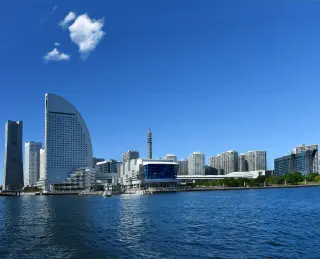
Opened in 1991, Pacifico Yokohama is one of the largest integrated MICE facilities in Japan, featuring a range of restaurants, coffee shops, and convenience stores within its premises.
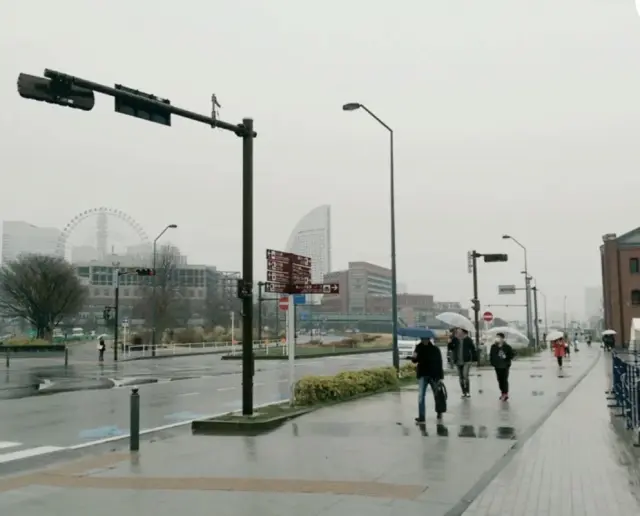
Located on the Minato Mirai waterfront, Pacifico Yokohama is a top-class convention and exhibition center with a grand, sail-shaped design and a modern feel. Although it usually hosts large international conferences and concerts, its most appealing feature is its location right next to the spacious and pleasant Rinko Park, where you can stroll and enjoy views of the harbor. Unfortunately, I didn't have time to walk around properly this time, so I'll come back for another look when I get the chance.
-
-
Ganso Uwajima Taimeshi Gansui Main Store
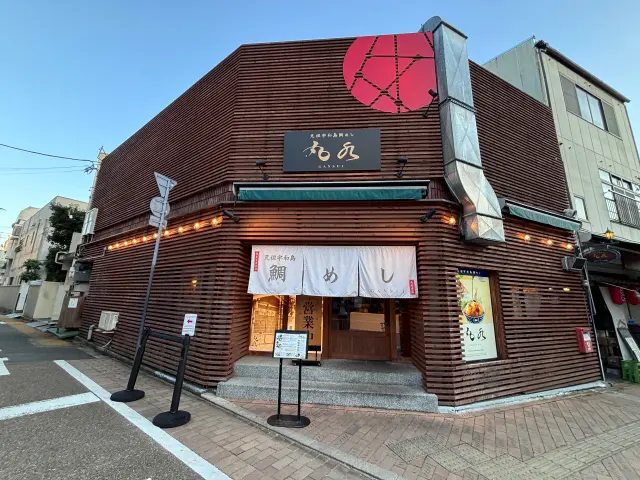
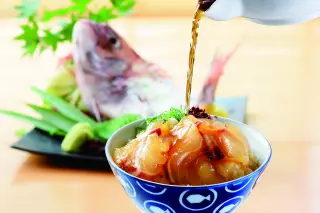
Ganso Uwajima Taimeshi Gansui Main Store is located on Okaido in Matsuyama City, Ehime Prefecture. This taimeshi specialty restaurant has been in business for more than 100 years. It serves Uwajima Taimeshi, a local specialty from the Uwajima region in southern Ehime Prefecture.
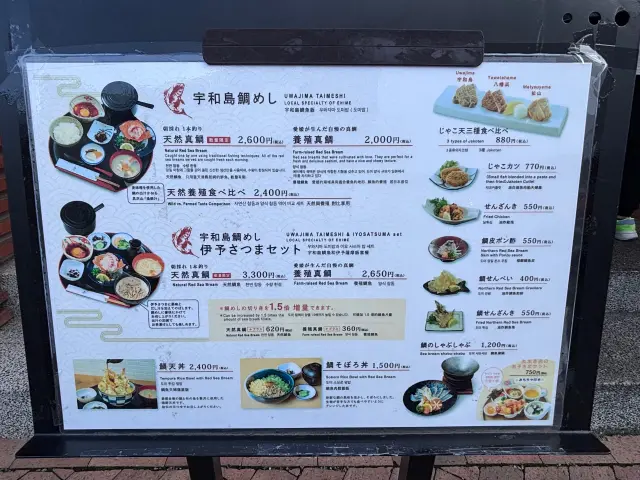
Ganso Uwajima Taimeshi is located across from the Matsuyama Ropeway boarding area, so it's worth considering a stop when planning a visit to Matsuyama Castle. Its signature dish is a classic fisherman's meal made by mixing fresh sea bream slices with a special sauce and raw egg yolk, then placing them over piping-hot white rice. If you don't like raw food, don't worry—the restaurant also offers cooked options such as tempura, which are just as tasty.
-