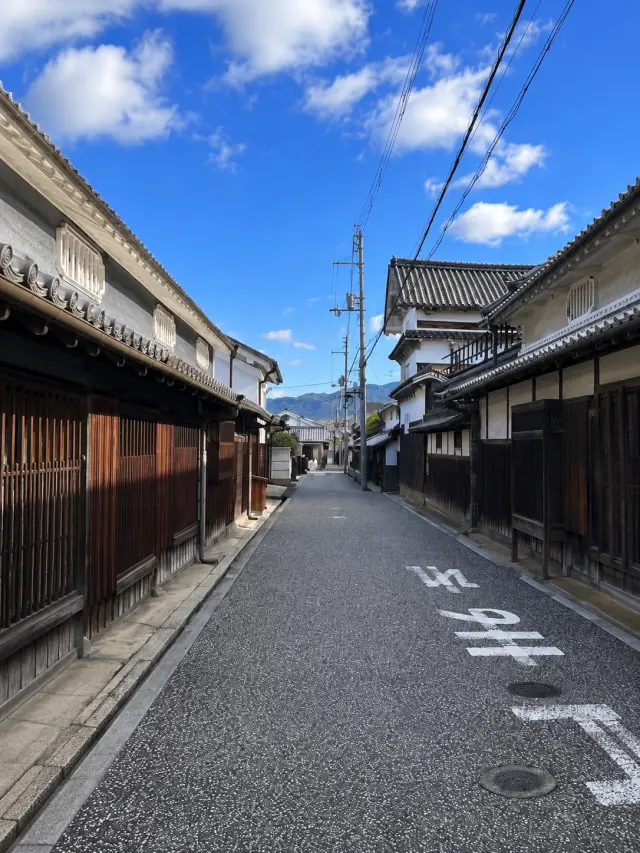
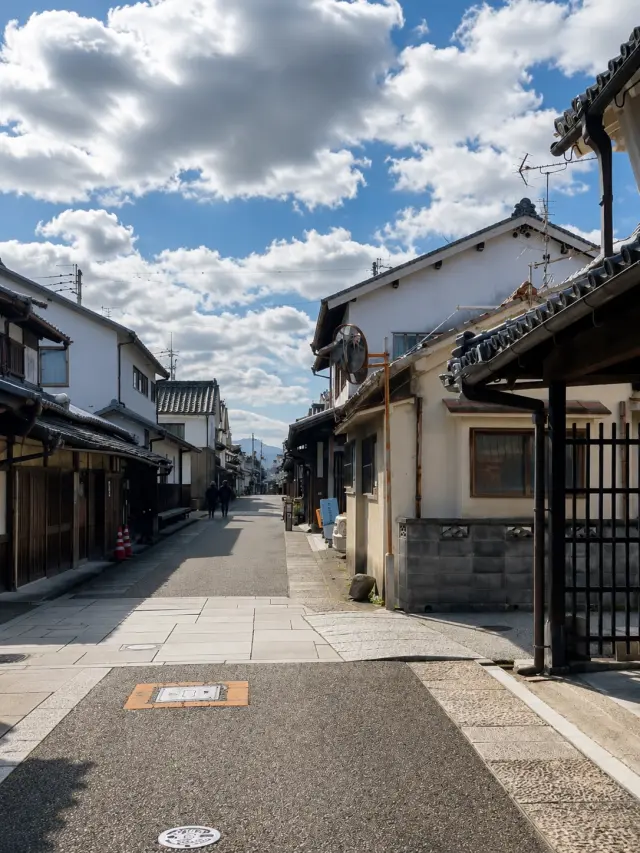
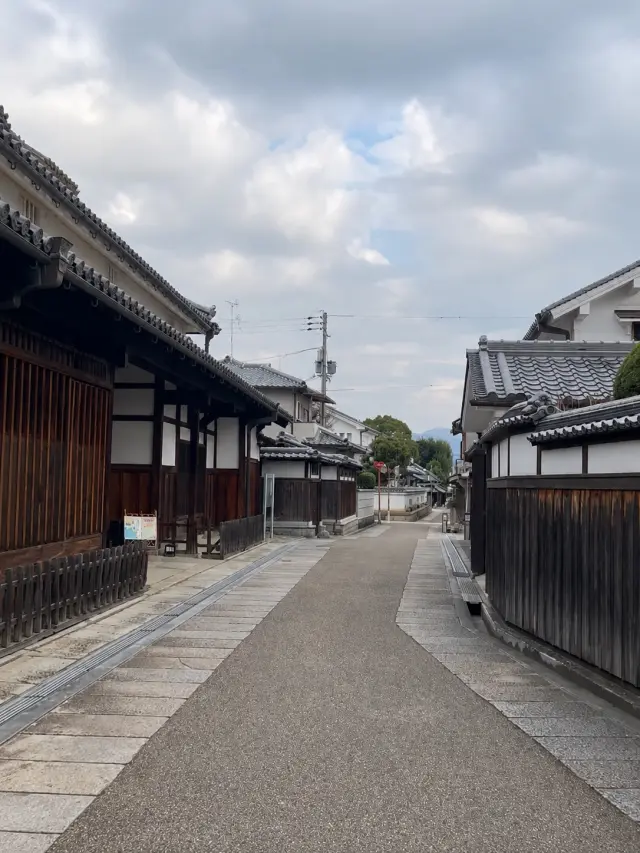
I really liked the quiet atmosphere of Tondabayashi Jinaimachi. The old houses, wooden lattice windows, and stone-paved streets are all very well preserved. There aren't many commercialized shops, so you can simply stroll around and look at the old houses, which makes it easier to get a sense of what this small town was originally like.
Tondabayashi Jinaimachi | Review by 羅小涵
Other Reviews by 羅小涵
-
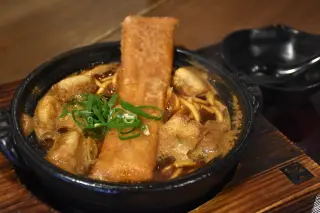
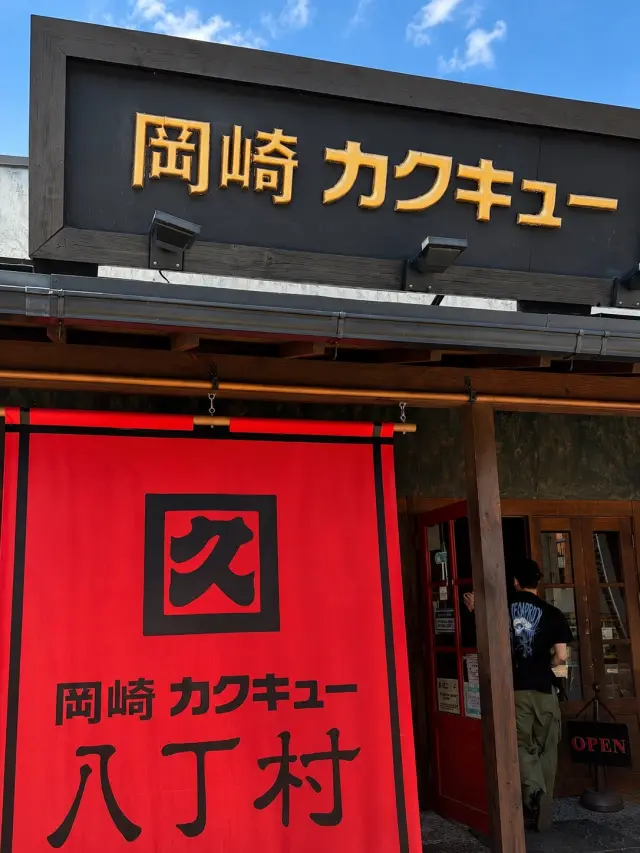
Okazaki Kakukyu Hatcho Village
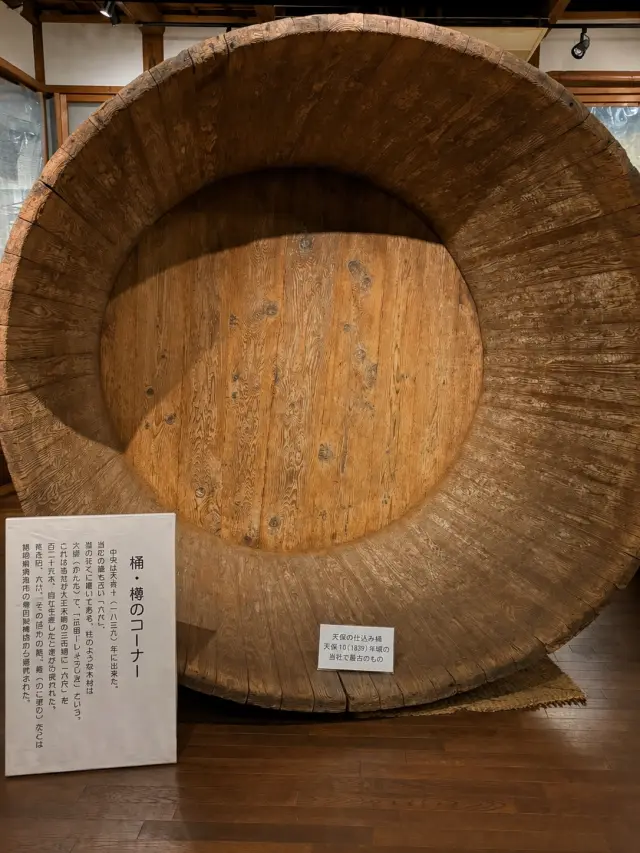
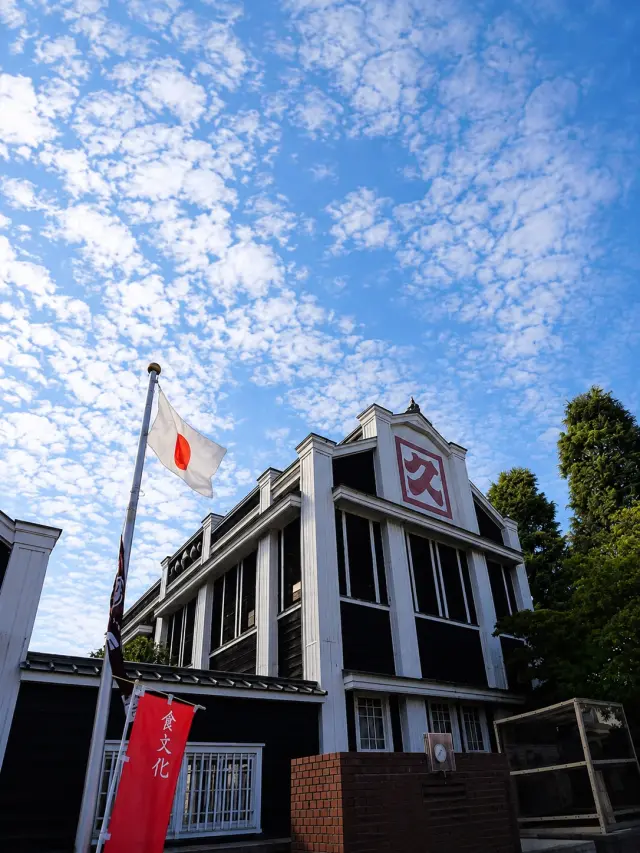
Naturally brewed Hatcho miso made only from soybeans and salt, aged for at least two years using a traditional method with wooden barrels. Kakukyu, headquartered in central Okazaki, is known as a long-established Hatcho miso maker that has been in business since the Edo period. At Hatcho Miso no Sato, a visitor facility on the company grounds, there is a restaurant where you can enjoy a wide range of dishes made with its signature Hatcho miso.
It was my first time seeing such huge wooden miso barrels, and they were really impressive in person. Hatcho miso is made by putting soybeans and salt into wooden barrels and aging it for more than two years. Only after the tour did I realize how much work goes into the miso soup I normally drink.
-
-

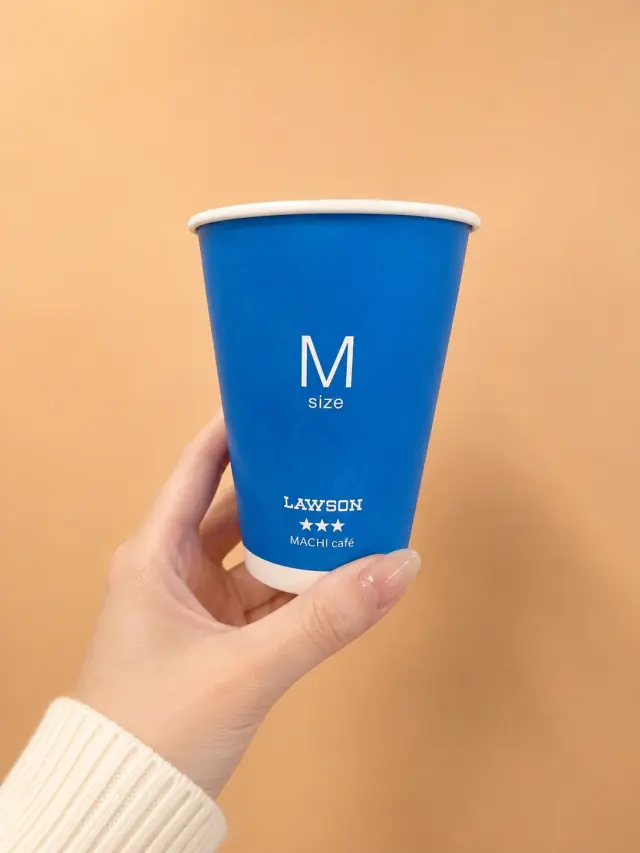
MACHI café
LAWSON is a convenience store chain with approximately 14,500 stores across Japan. In addition to selling food and daily necessities, LAWSON also focuses on product development, including freshly brewed in-store coffee and sweets. One of its signature services is MACHI café.
When I visit Japan, I go to LAWSON almost every day and grab a cup of coffee while I'm there. It has a nice aroma and goes down smoothly without being too bitter. For convenience store coffee, it's definitely quite good.
-
-
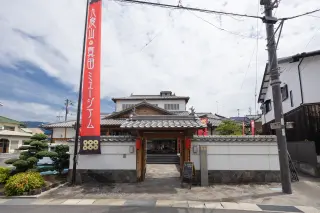
Kudoyama-Sanada Museum
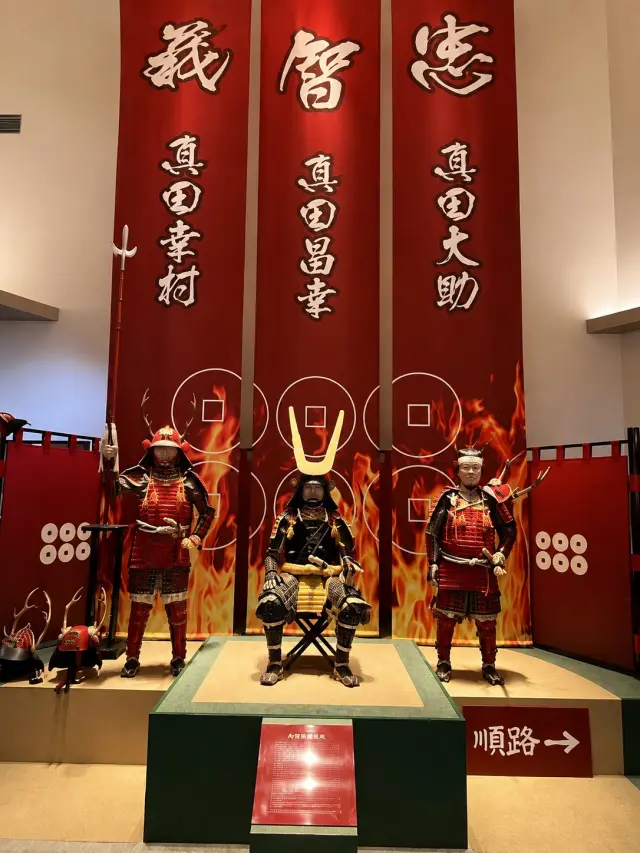
Located in Kudoyama Town, a place closely associated with the samurai warlord Sanada Yukimura, this museum explores the history of the Sanada clan. Focusing mainly on the approximately 14 years Yukimura spent in Kudoyama after being exiled there with his father, Sanada Masayuki, following the Battle of Sekigahara and before leaving for the Siege of Osaka, the museum traces the lives of three generations of the Sanada clan-Masayuki, Yukimura, and Daisuke. Although Yukimura is often remembered as a courageous warrior, the museum highlights not only his achievements on the battlefield but also his years in Kudoyama and his connections with the local community.
I wasn't very familiar with the history of the Sanada clan, but after visiting, I found it quite interesting. The exhibits were especially well done, and the Sanada clan's red armor and six-coin crest made the whole place feel like the Sengoku period.
-