Okinawa World is an attraction with a lot of distinctive Okinawan character. In the park, you can enjoy traditional Ryukyuan culture, a limestone cave, and old-fashioned streetscapes. Just walking through it gives you a strong sense of the local character. The entire park is filled with nature and culture, giving you a deeper understanding of Okinawa.
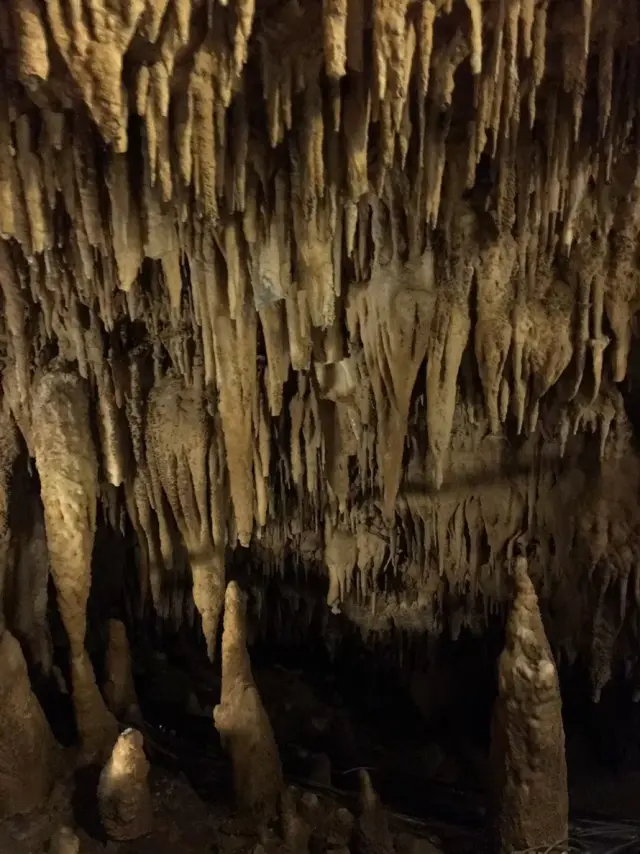
During this visit, what impressed me most was Gyokusendo Cave. Seeing the spectacular stalactites inside really made me feel how amazing nature is. Along the way, you can also admire traditional Ryukyuan architecture and experience traditional Okinawan culture. The whole experience was very interesting.
This trip made me feel that Okinawa World is more than just a tourist attraction; it's more like a short cultural journey through Okinawa. You can experience everything from natural scenery to traditional ways of life all in one place. It's both fun and educational, making it a stop well worth adding to your itinerary.
Okinawa World | Review by Gina C
Other Reviews by Gina C
-
Kitakaro "Hokkaido Pioneer Okaki"
Kitakaro’s long-selling product, "Hokkaido Pioneer Okaki," is known for its dedication to using locally sourced ingredients from Hokkaido. Focusing on the treasures of the sea, this premium rice cracker lineup includes 10 varieties featuring top-quality ingredients such as squid from Hakodate, sweet shrimp from Mashike, autumn salmon from Shibetsu, scallops from Esashi, kelp from Erimo, octopus from Shiranuka, and cod roe from Tomakomai’s Kojohama, along with three popular seasonal offerings.
Kitakaro Hokkaido Pioneer Okaki won me over with its crispy texture. Each small rice cracker is very aromatic, with a subtle rice flavor and savory saltiness that makes it hard to stop eating. Although it looks simple, it has an unpretentious flavor that never gets old.
After trying it, I found that it wasn't too oily or overly salty, making it light and easy to eat. -
-
Manzamo
Manzamo remains one of Okinawa’s most coveted, scenic destinations at its spot along the coast of the East China Sea in Onna Village, a town near the heart of Okinawa Island. The name "Manzamo" comes from the Ryukyu word for "field”, and it is said that in 1726, King Sho Kei of the Ryukyu Kingdom praised the area, saying it was "large enough to seat ten thousand people”.
Manzamo is a very famous natural attraction in Okinawa. Its most well-known feature is the massive coral reef rock formation that extends out over the sea like an elephant's trunk. Looking down from the cliff, you can see the endless deep-blue ocean, and the view is truly spectacular.
Visiting Manzamo in person this time, the sea breeze felt very pleasant. Standing high above and taking in the view of the sea and sky blending together made me feel completely relaxed. -
-
Nanzenji Temple
In the latter half of the 13th century, Emperor Kameyama, who had defeated the Mongols (Yuan) twice, became the Pope and made the temple the first imperial temple in Japan as a Zen temple. After the main temple complex was built by Norian Soen, it was succeeded by Issan Ichinei, a high priest who was dispatched to Japan as an envoy of the Gen.
Nanzenji Temple is a very famous Zen temple in Kyoto. As soon as you enter the grounds, you can feel a solemn and peaceful atmosphere. The temple is surrounded by greenery, and the old buildings blend with the natural scenery, making you slow down without even realizing it.
During this visit to Nanzenji Temple, what impressed me most were the majestic Sanmon Gate and the historic red-brick Suirokaku Aqueduct. Standing beneath the aqueduct and admiring its arched brick structure, the blend of classical and retro atmosphere felt very special. It's also a great place to take photos as keepsakes. -