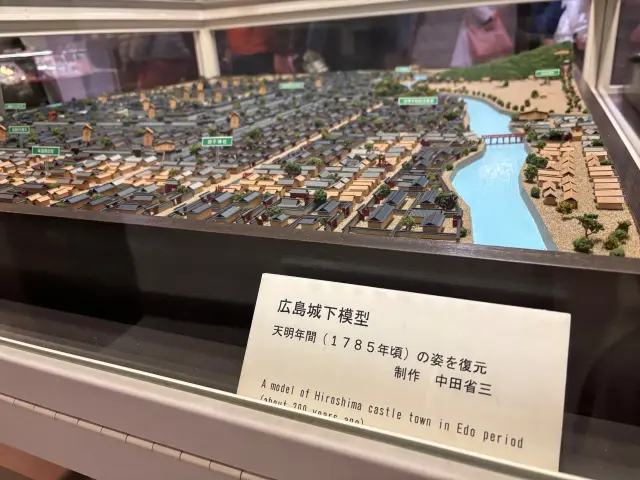
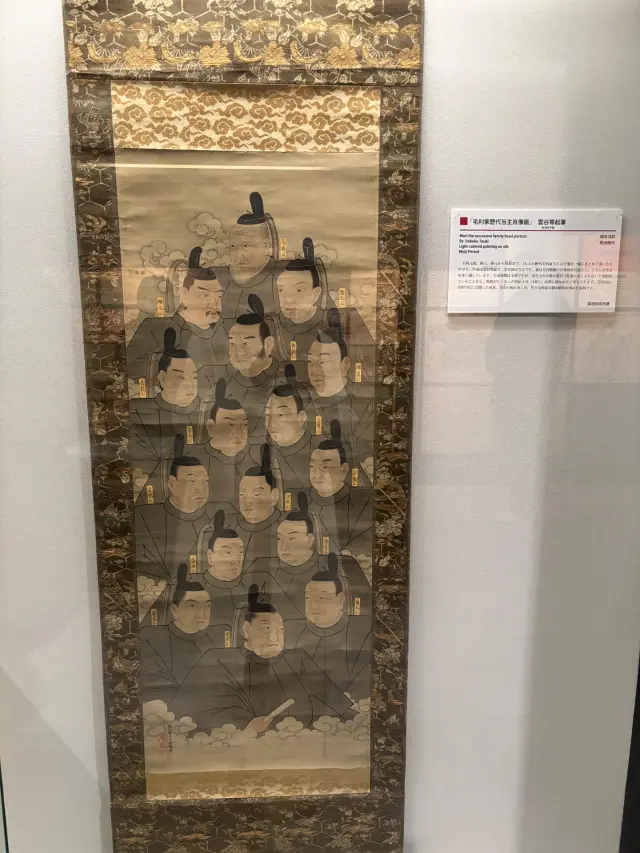
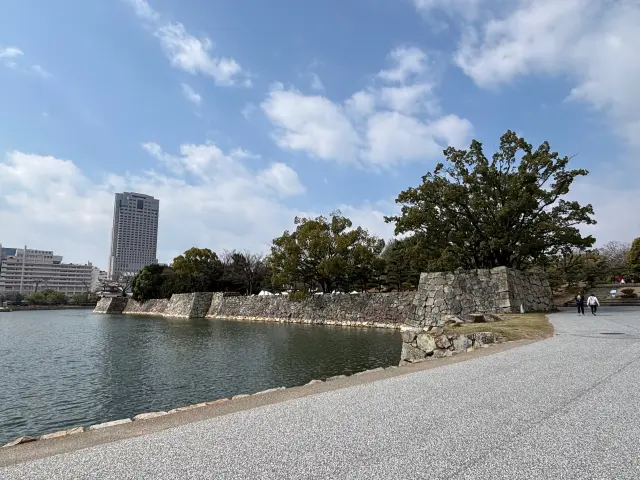
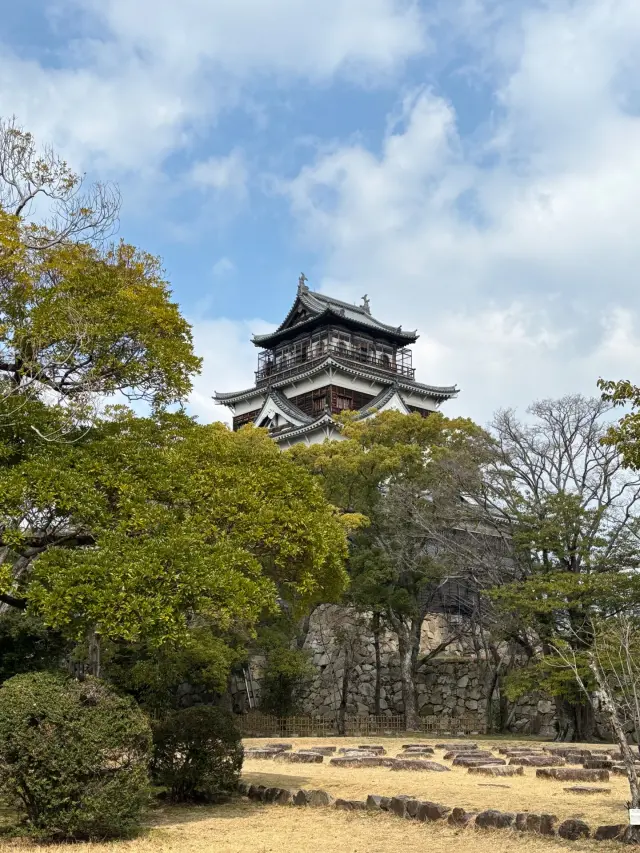
Visiting Hiroshima Castle made me feel the strength of a city continually rebuilding itself through the tides of history. Hiroshima Castle was originally built by Mori Terumoto in 1589 and marked an important starting point in Hiroshima's historical development. The original castle structures remained intact until the final days of World War II, but were destroyed by the powerful blast and fires caused by the atomic bombing in 1945. The Hiroshima Castle we see today was reconstructed after the war to resemble the original, which makes it feel even more precious.
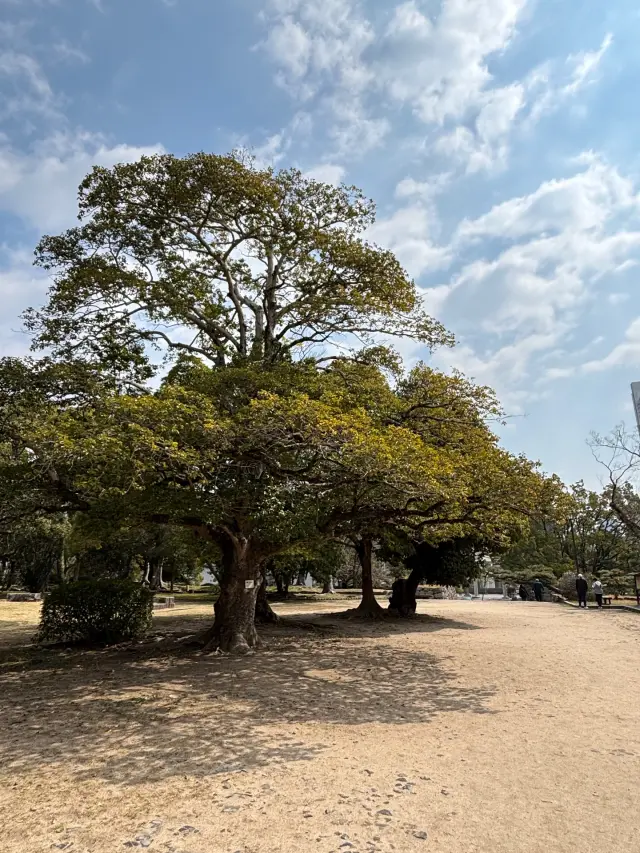
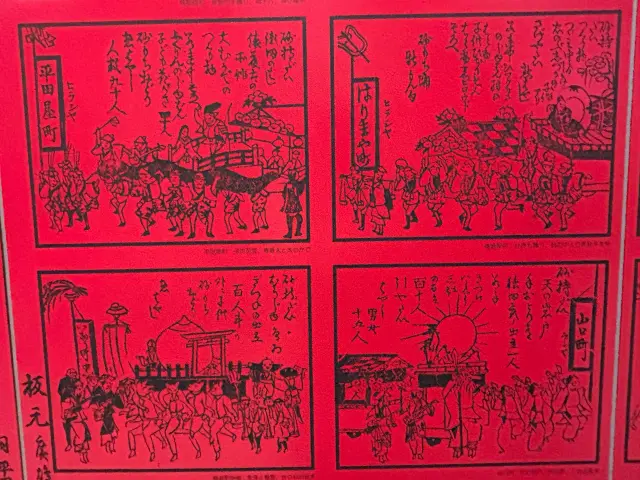
In addition to the reconstructed castle tower, you can find old stone walls, ruins, and traces of history throughout the park. The trees that survived the atomic bombing are still growing strong, offering a powerful sense of life's resilience. Walking through the grounds, you can almost see the process of Hiroshima gradually recovering from the devastation of war and getting back on its feet. The castle displays many historical artifacts and documents, and the explanations are quite engaging. I recommend allowing 1 to 2 hours for your visit so you can take your time experiencing the history and memories held by Hiroshima Castle.
Hiroshima Castle | Review by Linda Liao
Other Reviews by Linda Liao
-
Yoroshi Keshodo (Cosmetics) “365 Hand Cream”
Yoroshi Keshodo (Cosmetics) develops and distributes original skincare products based on the concept of Taisho Romanticism. They are famous for their pretty package designs and the quality derived from the beauty essence of rice bran and sake lees.
Yoroshi Keshodo's “365 Hand Cream” is located on the shopping street leading to Senso-ji Temple, so it's almost impossible to miss. Every time I pass by, I see lots of women gathered around the counter testing scents and choosing one. It's really popular~
The most appealing part is the concept of “365 birthday scents,” with a unique fragrance for every day of the year. It gives you a one-of-a-kind feeling that “this scent was made just for me,” making it perfect as a souvenir or a small birthday gift. However, after actually using it, I found the texture a little sticky, which might bother people who prefer a lighter hand cream. I recommend trying it first. -
-
Hakodate Bugyosho
Hakodate Magistrate’s Office faithfully recreates the Edo Shognate’s security base around Japan’s northern territory. It is built at the original location in the former Goryokaku (the star-shaped fort), using as much similar skills and provisions as those in the Edo Period, such as pine beams, Bingo tatami mats or sliding doors with hand-made paper.
The interior is very well preserved. Walking through the tatami rooms and wooden spaces, you can almost feel the historical atmosphere of the final years of the shogunate. The museum displays many historical materials from that period and also features some interactive games, making it easier for visitors to learn about the history and daily life of the time.
The Hakodate Magistrate’s Office was built in 1864 as an important administrative institution established by the Edo shogunate to strengthen its rule and defense of Ezo, and it served as a major northern base. Following the Boshin War and the end of the shogunate, the office closed in 1869. The current building was reconstructed based on surviving plans, documents, and photographs, allowing us to experience the history of the final years of the shogunate more closely through an actual visit. -
-
Seirogan
Seirogan is a gastrointestinal medication that has been a staple in Japanese households for over 100 years. Its main active ingredient, the herbal medicine (a natural plant with medicinal properties) and Japanese pharmacopoeia “JP wood creosote” helps to adjust the water balance in the intestines without disrupting intestinal movement.
A medicine we've always kept at home since I was little, mainly for relieving diarrhea, loose stools, stomach discomfort, and other symptoms. I remember it having a pretty strong smell, which I personally don't particularly like, but for older family members, it's reassuring to keep a bottle at home.
-