A Taste of Home Beneath TOKYO SKYTREE
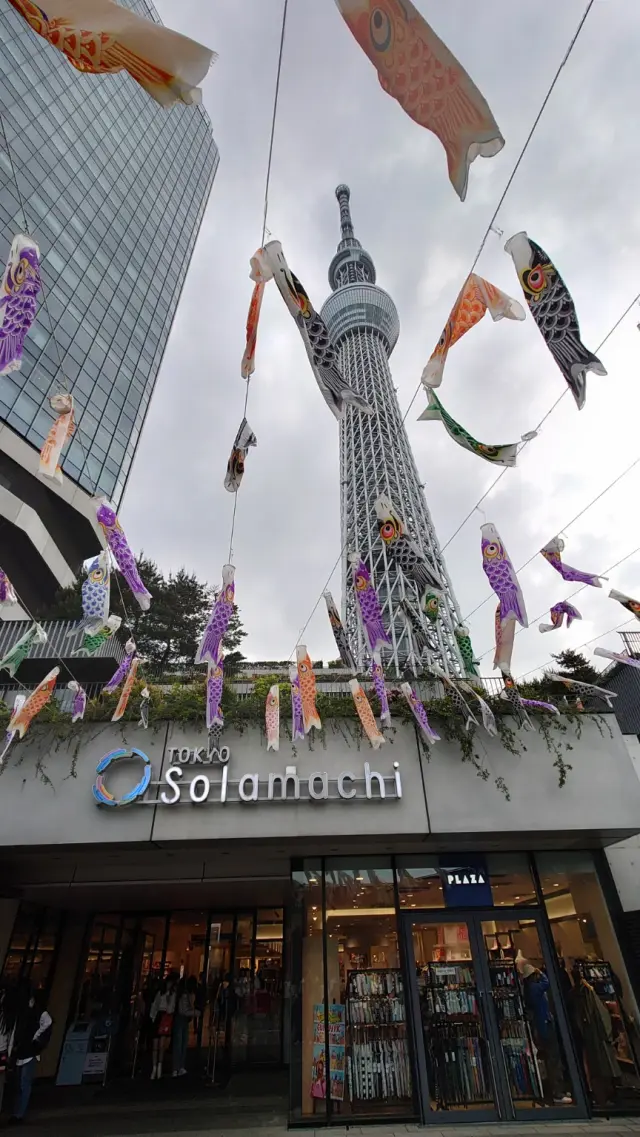
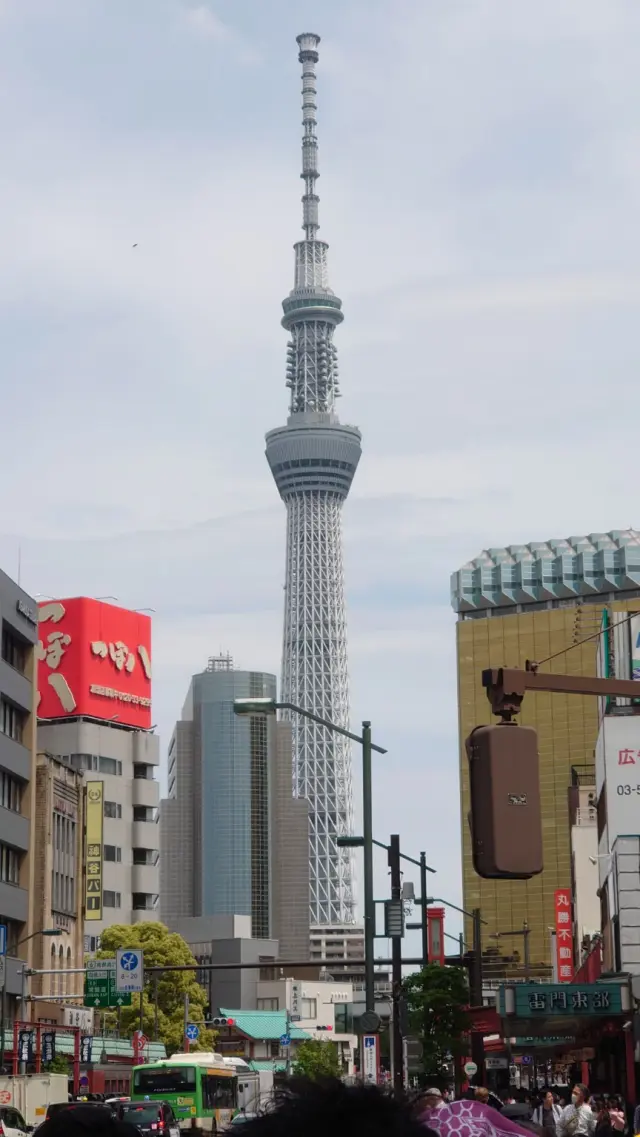
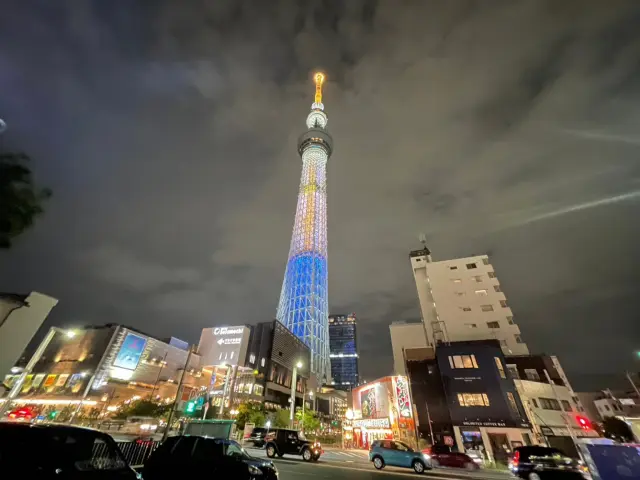
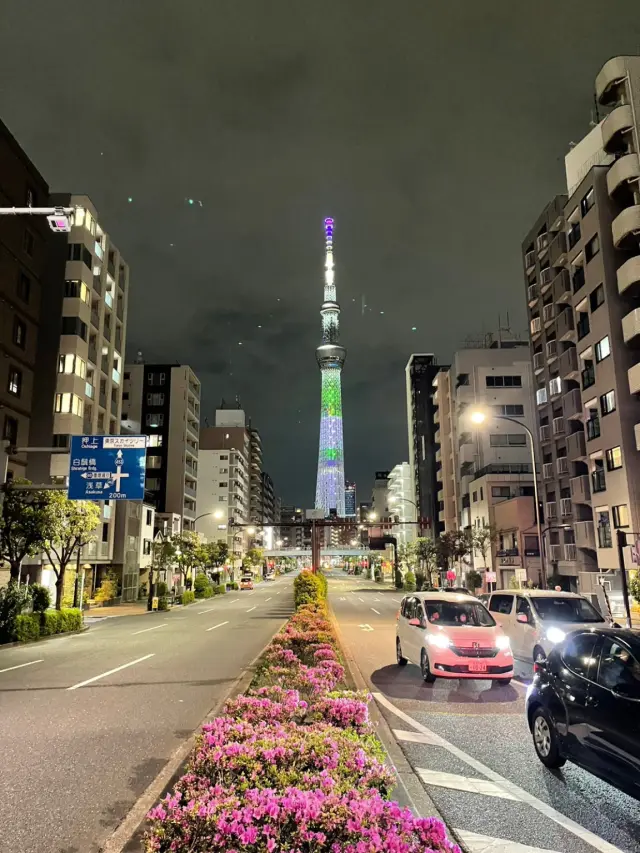
TOKYO SKYTREE in Tokyo's Sumida City is the most prominent landmark on the city's skyline. During the day, its massive structure soars into the clouds; when night falls, its lights illuminate the city, creating another captivating view.
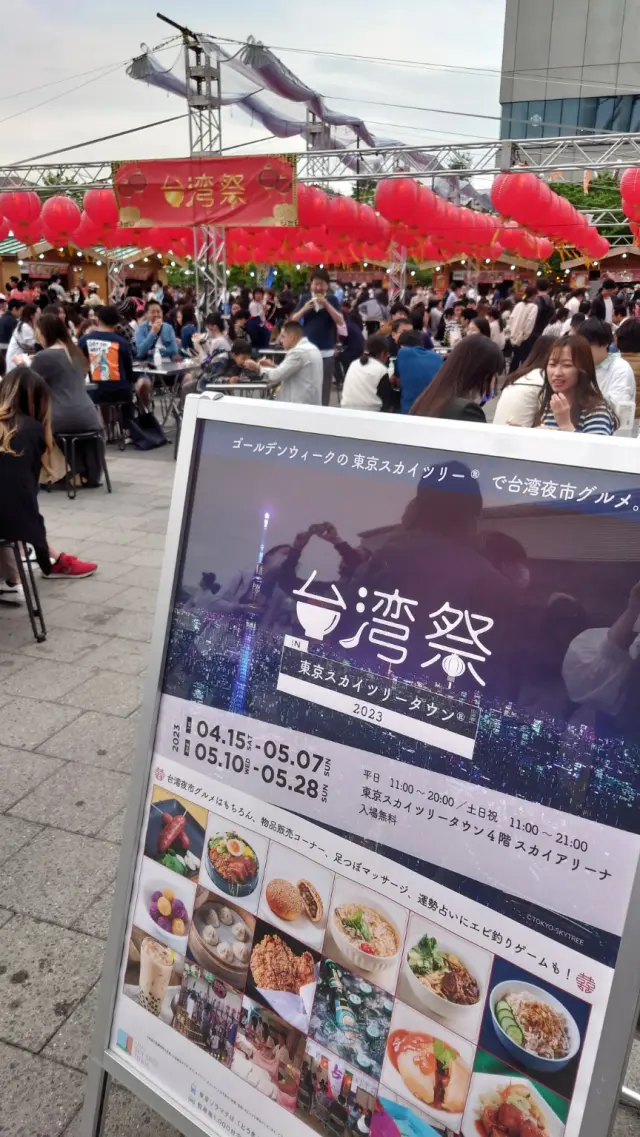
In April 2023, we visited TOKYO SKYTREE and unexpectedly came across a familiar and welcoming Taiwan Festival. Red lanterns hung overhead, crowds bustled about, and all kinds of Taiwanese street food filled the streets of a foreign country. For a moment, although we were traveling in Japan, it felt as if we were back at a night market at home.
Compared with the strong local Japanese culture of Fukuoka's yatai food stalls, the Taiwan Festival beneath TOKYO SKYTREE offered a different kind of cross-border exchange. Taiwan's warmth and Japan's orderliness came together naturally in this modern city—not in conflict, but in remarkable harmony.
As we gazed up at TOKYO SKYTREE and enjoyed the familiar flavors of home, the sounds of Japanese streets filled our ears while memories of Taiwanese night markets appeared before our eyes. Perhaps the most captivating part of travel is unexpectedly finding a familiar feeling in an unfamiliar city.
TOKYO SKYTREE(R) TOKYO SKYTREE TOWN(R) | Review by 陳泰任
Other Reviews by 陳泰任
-
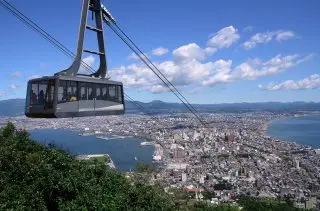
Mt. Hakodate Ropeway
The “Hakodate Ropeway” boasts a 125-seat giant gondola built with domestic and international technology and craftsmanship. It connects the base and summit of Mt. Hakodate at a speed of 7m/s, only a 3 minute ride to the summit. The current gondola is in its 5th generation. Originally it seated 30 seats, but became the way it is now after various refurbishments.
Mt. Hakodate on a Rainy Night, a Different Kind of Romance
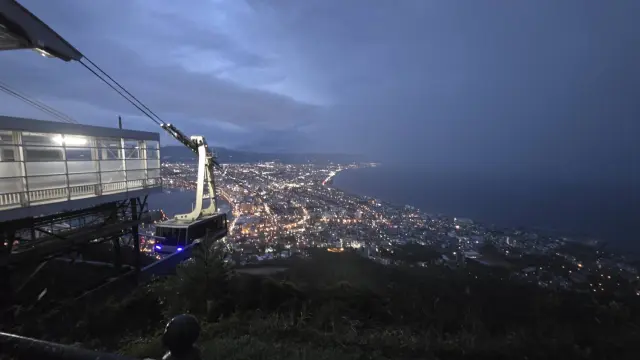
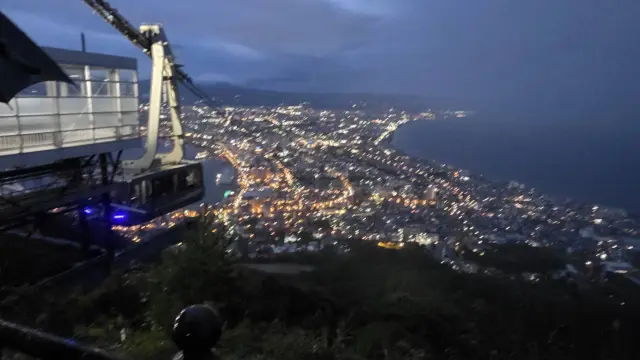
What I looked forward to most on this trip to Hakodate, Hokkaido, was going up Mt. Hakodate to admire its famous night view. Mt. Hakodate is 334 meters above sea level, and the city is embraced by Hakodate Bay and the Tsugaru Strait. After nightfall, countless lights spread along the coastline, creating a distinctive fan-shaped display of light.
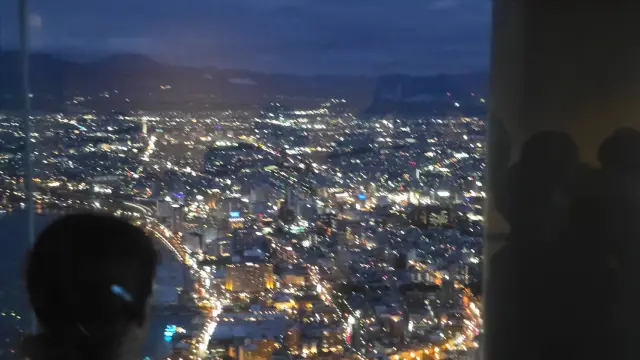
Unfortunately, a light rain was falling that evening, and clouds and mist shrouded the mountaintop. The city nightscape, which should have been clear and dazzling, took on a hazy quality. As the ropeway slowly ascended, the lights outside the window flickered in and out through the rain and mist. After arriving at the observation deck, we looked out through the glass. Downtown Hakodate was still brightly lit, while the sea was immersed in the deep blue of the night.
Although we didn't get the clearest view of Hakodate at night, we unexpectedly experienced the unique tranquility and romance of a rainy evening. Perhaps a wonderful trip doesn't always require perfect weather. Sometimes a light rain and a veil of mist make the memory even more profound. Hakodate was a little less clear that night, but a little more poetic. -
-
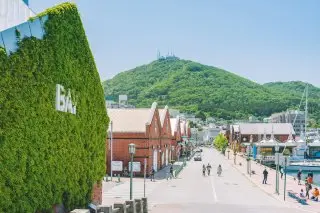
Kanemori Red Brick Warehouse
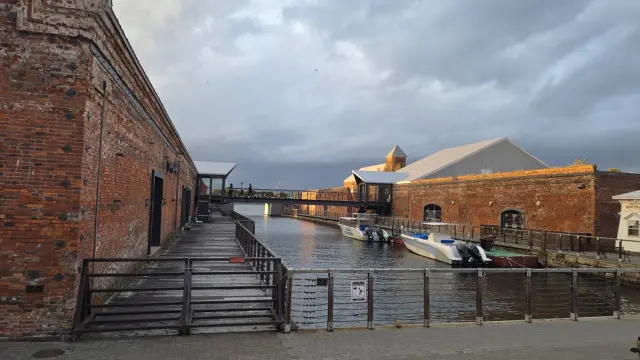
The Kanemori Red Brick Warehouse features 4 warehouses and is a landmark of the Hakodate Bay Area. It is a romantic, and scenic spot featuring an array of red brick warehouses. It is popular among locals, tourists, and couples.
Kanemori Red Brick Warehouse・A Distant View of Mt. Hakodate
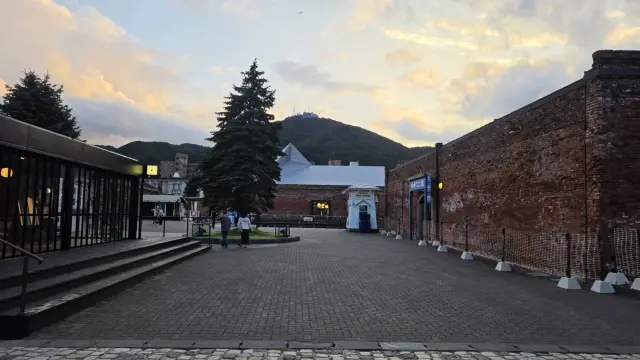
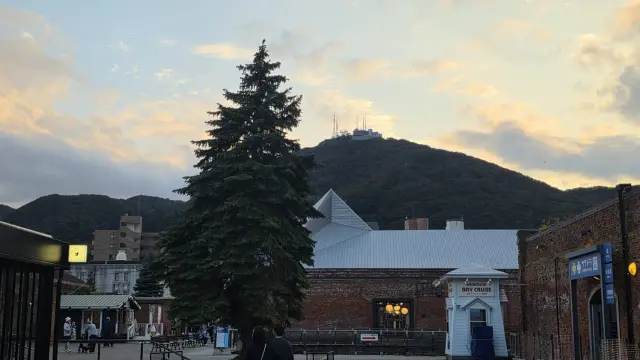
While strolling through Hakodate's Kanemori Red Brick Warehouse, the setting sun quietly broke through the clouds, bathing the old brick walls in a warm golden glow. Looking along the canal, the red brick buildings and the sightseeing boats resting peacefully on the water complemented each other, creating a strong sense of this port city's character.
Looking up toward Mt. Hakodate in the distance, the radio towers at the summit appeared and disappeared in the twilight, while the mountains were outlined softly by the evening glow. Tall evergreen trees resembling Christmas trees stood among them, adding an extra touch of tranquility and romance.
At that moment, there was no rush to get to the next destination. I just wanted to stand quietly beside the red brick warehouses, watching the sunset, Mt. Hakodate, and the city slowly dress itself in nightfall. This sense of leisure is what made Hakodate such a captivating travel memory. -
-

Noboribetsu Marine Park Nixe
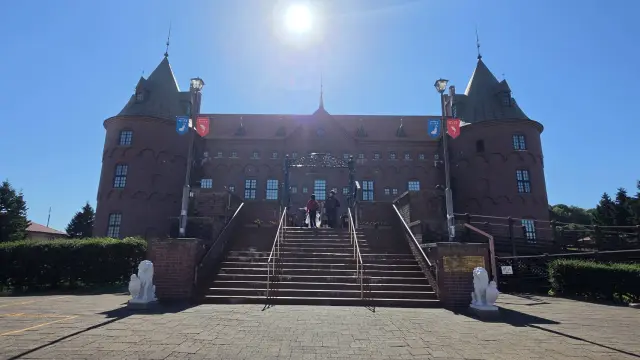
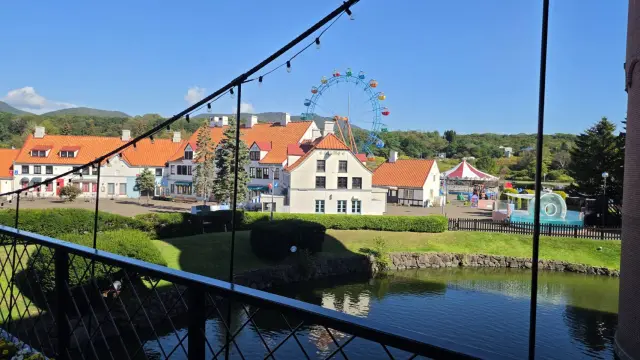
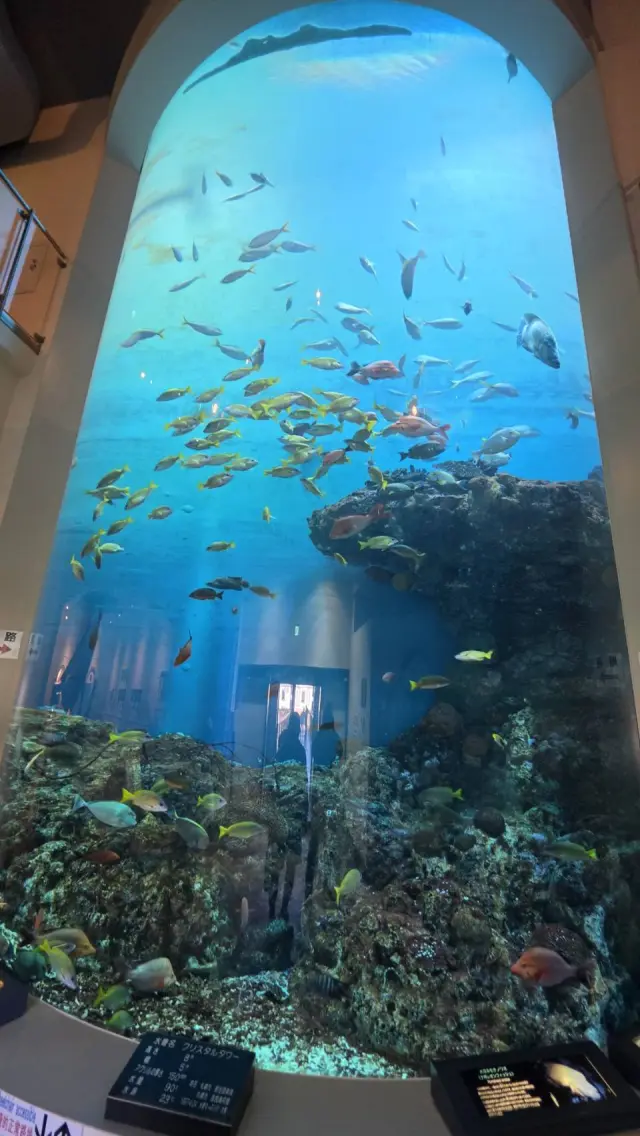
The aquarium is centered around "Nixe Castle," which was built on the actual "Egeskov Castle" model in Denmark. About 400 species and 20,000 living things are on display. The entire interior of the beautiful brick castle is used as an aquarium.
Travel Notes from Noboribetsu Marine Park Nixe in Hokkaido, Japan
Our Hokkaido trip brought us to Noboribetsu Marine Park Nixe, a marine world that looks like a fairy-tale castle. Upon entering the park, the first thing that caught our eye was the magnificent red-brick castle. It stood out against the deep blue sky and became an unforgettable sight on our journey.
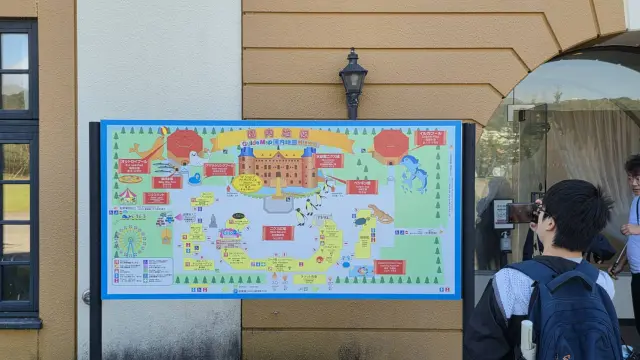
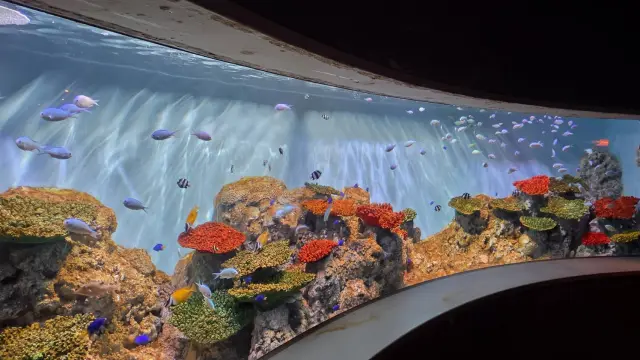
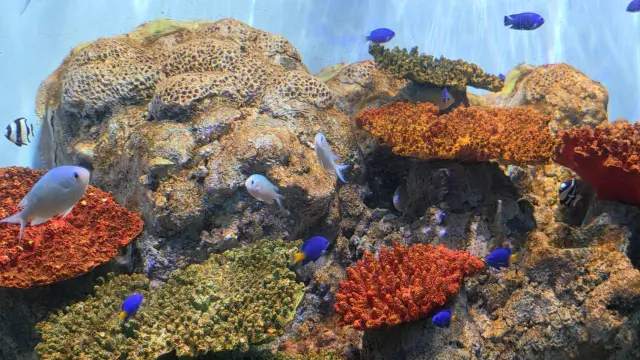
As we strolled through the park, we enjoyed the European-style streetscape and Ferris wheel, but the rich variety of marine life inside was even more impressive. Schools of tropical fish swam through enormous tanks, while colorful coral and reefs created a vivid underwater world. Walking through the transparent underwater tunnel, with fish swimming overhead, was also a fascinating experience.
We took photos in front of the aquarium, capturing the joy and emotion of this trip. Noboribetsu Marine Park Nixe is more than just a place to see marine life. It feels like a journey combining castles, nature, and fairy tales, adding romance and surprise to our Hokkaido trip and leaving us with wonderful memories to look back on. -