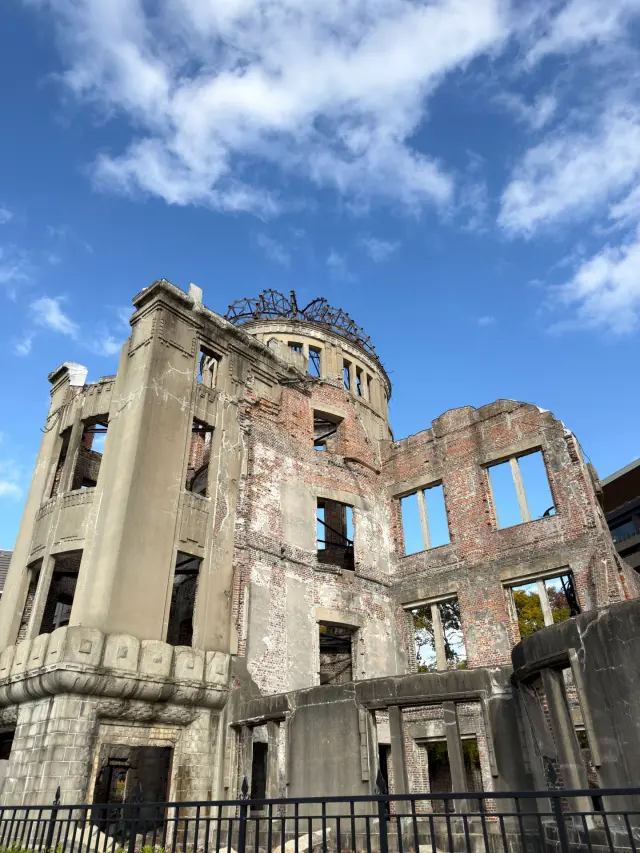
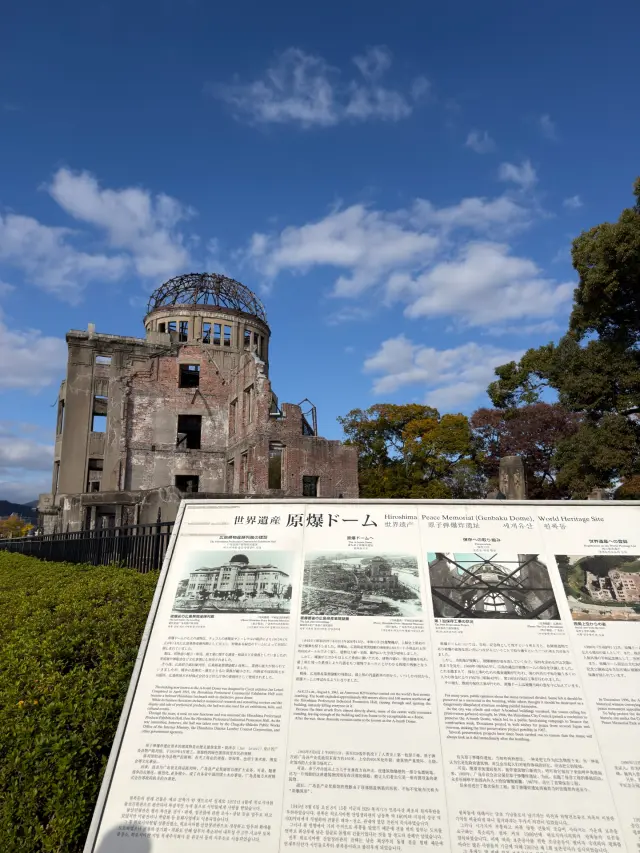
I made a special trip to visit the Atomic Bomb Dome, a UNESCO World Heritage Site. Although I had seen it countless times in history textbooks and photos, standing before it in person, the visual impact and weight of its history still filled me with solemn respect and left me speechless for a long time.
The weathered steel framework and damaged dome stand quietly along the Motoyasu River, as if silently recounting that heartbreaking chapter of history. Although the surrounding area is now the lively, green Hiroshima Peace Memorial Park, the preserved ruins still have a powerful emotional impact, making you deeply appreciate how precious and hard-won peace is.
Many visitors from Japan and abroad stop here to reflect and take photos. The atmosphere throughout the park is solemn, yet carries a hint of hope for the future. I highly recommend that anyone visiting Hiroshima come here in person. It will definitely leave you deeply moved and with an unforgettable perspective on life!
Other Reviews by Jk
-
Otowa-san Kiyomizu-dera Temple
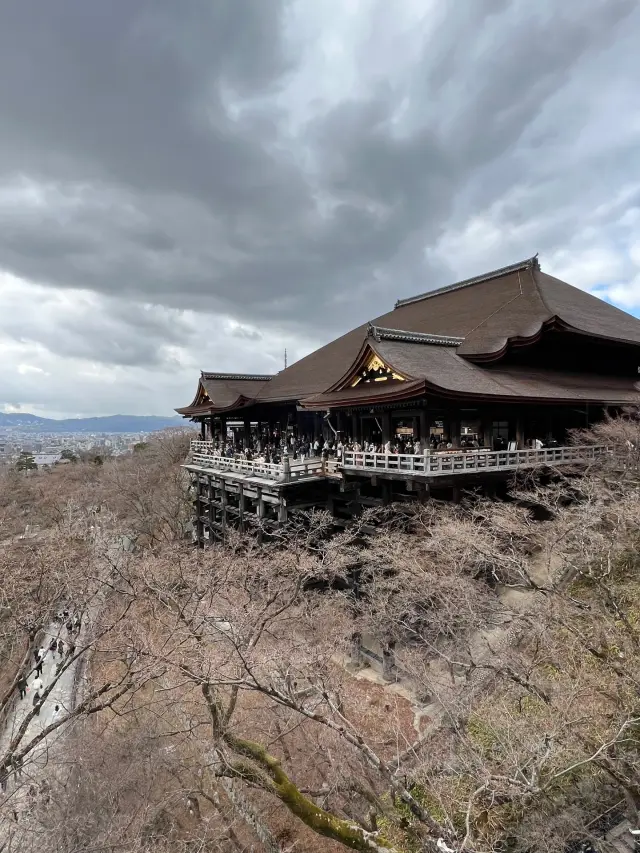
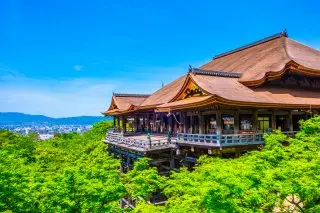
Founded in 778, Kiyomizu-dera Temple was inscribed on the UNESCO World Heritage List in 1994. Its 130,000-square-meter (about 1.4-million-square-foot) grounds extend across the slopes of Mt. Otowa and contain more than 30 temple buildings and monuments, including National Treasures and Important Cultural Properties. The temple is also worth seeing throughout the seasons, framed by cherry blossoms in spring, lush greenery in summer, colorful leaves in autumn, and snow in winter.
Walk up the bustling stone-paved Kiyomizu-zaka, and in the distance you’ll see the massive, bright-red Nio-mon Gate and three-story pagoda standing imposingly halfway up Mt. Otowa. In an instant, it feels like you’ve stepped right into an iconic scene from Kyoto’s thousand-year history! This is the World Heritage Site Kiyomizu-dera Temple—if you come to Kyoto without checking it out, it’s like you never came at all. The craziest and most jaw-dropping sight is the Kiyomizu Stage, built over a sheer cliff using hundreds of thick wooden pillars fitted together without a single nail! Looking down from the edge of the stage, an entire sea of forest bursts into view beneath your feet, while Kyoto Tower and the whole Kyoto city skyline stretch out in the distance. That breathtaking view from high above gives me goosebumps all over. No matter how many times I visit, I’m completely blown away by nature’s incredible work and the astonishing engineering skills of people long ago!
-
-
Sakura-no-Baba Josaien
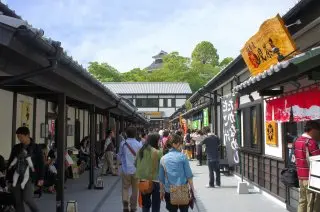
An open-air tourism facility at the foot of Kumamoto Castle that recreates an Edo-period castle town. It features restaurants serving local Kumamoto cuisine, shops offering regional specialties, and facilities where visitors can learn about Kumamoto’s history in an engaging way.
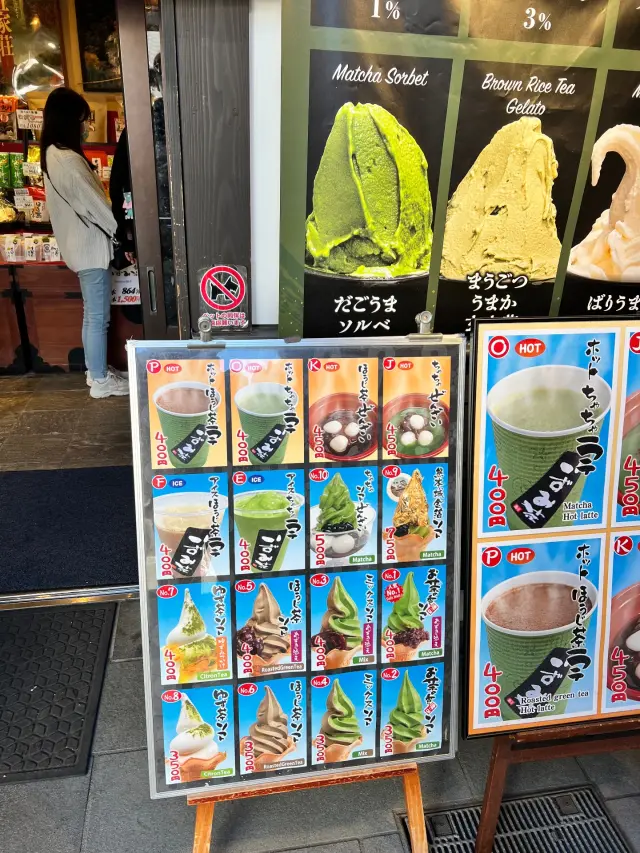
Sakura-no-Baba Josaien is full of the atmosphere of an Edo-period castle town. The entire old-fashioned wooden shopping street instantly makes you feel like you’ve traveled back to the age of the samurai, with stone-paved paths and rows of distinctive little shops hanging noren curtains. It’s fun to browse and great for photos! And in this food battleground, the one super photogenic dessert you absolutely won’t miss is the signature rich matcha ice cream from the Japanese tea specialty shop Ocha no Izumien!
-
-
Yasaka Koshindo
A temple built in a famous tourists spot in Kyoto called Higashiyama, where other famous sights such as the Kiyomizu Temple and Yasaka Shrine are located. The official name of the temple is "Daikokusan Kongoji Koshindo,” but is well-known as "Yasaka Koshin-san" in the local area. It is said that this was where the Koshin faith, which derived from Chinese Taoism, first started in Japan, and is also one of the three Koshin in Japan.
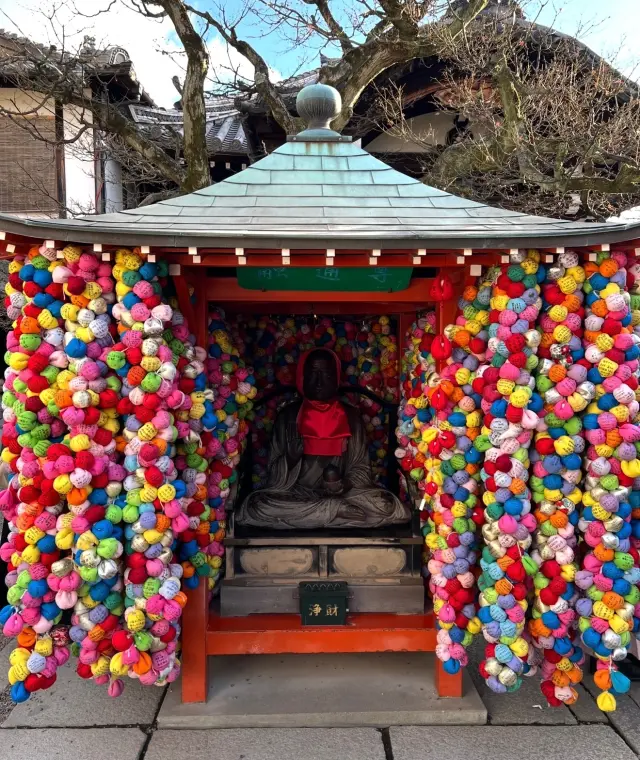
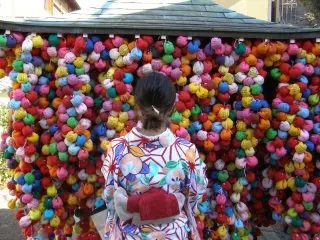
Turn into a small alley in Kyoto’s Higashiyama district and you’ll find Yasaka Koshindo, where your eyes are instantly bombarded with an unbelievable explosion of color! This tiny temple hidden next to Yasaka Pagoda is basically Kyoto’s dreamiest Instagram photo spot. As soon as you enter the courtyard, you’ll see the eaves and wooden racks covered with strings of colorful, round cloth balls called “kukurizaru” (tied monkeys). Red, yellow, blue, and green are all woven together, looking super vibrant and super cute in the sunlight! These cloth balls actually represent monkeys with their hands and feet tied, symbolizing the restraint of inner greed and desire. Just write your wish on the blank side of a cloth ball and tie it up yourself, and your wish will come true. The whole concept is both interesting and full of ceremony!
-