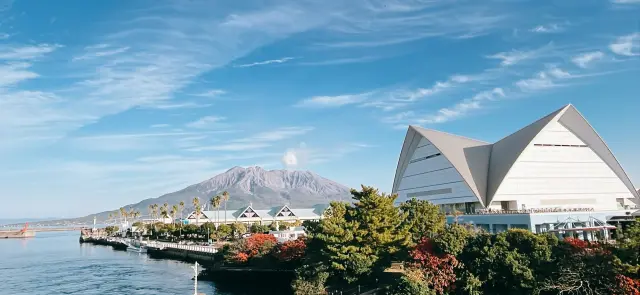
Before visiting Sakurajima, I had no idea transportation was so convenient. There are frequent ferries running 24 hours a day between downtown Kagoshima and Sakurajima. The trip takes only about 15 minutes, and the special udon served onboard is not to be missed. Order a piping-hot bowl of udon with rich bonito broth and watch Sakurajima volcano gradually grow larger from the ferry. Before you know it, you've arrived on this magnificent active volcanic island—what an experience!
Sakurajima Ferry | Review by 一個漸漸喜歡上慢旅的人




Other Reviews by 一個漸漸喜歡上慢旅的人
-

San'en-zan Kodo-in Zojoji Temple
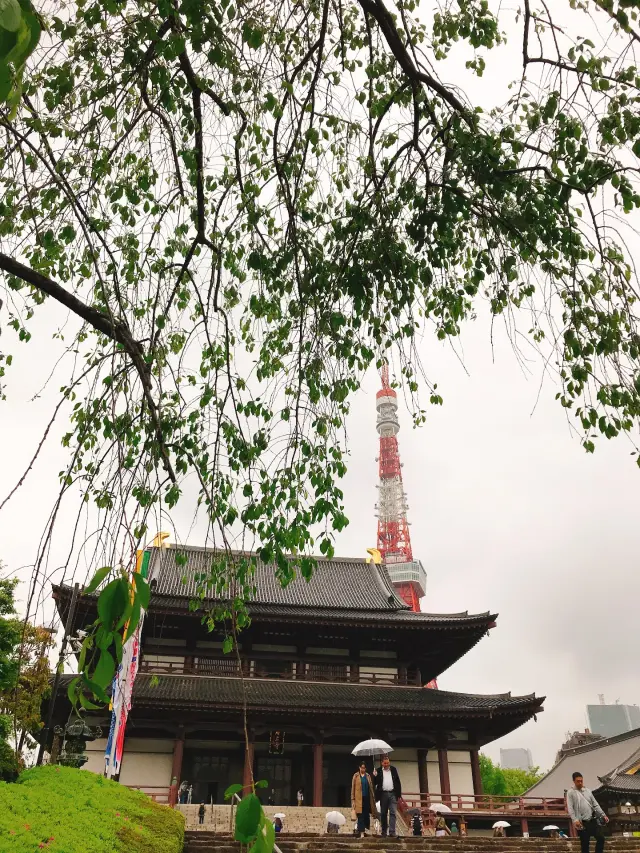
Located at the base of Tokyo Tower is Zojoji, an Omotoyama temple of the Jodo sect of Buddhism. Enshrined in Zojoji's Ankokuden Hall is the hidden black image of Buddha worshipped by Tokugawa Ieyasu, the first shogun of the Edo period. Since he won one battle after after another, visiting this temple is said to increase the chance of victory.
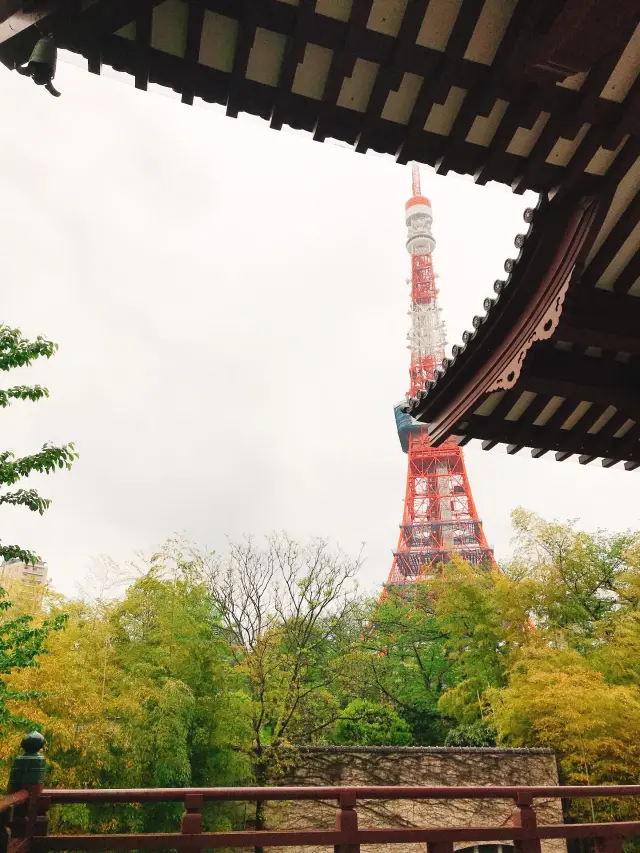
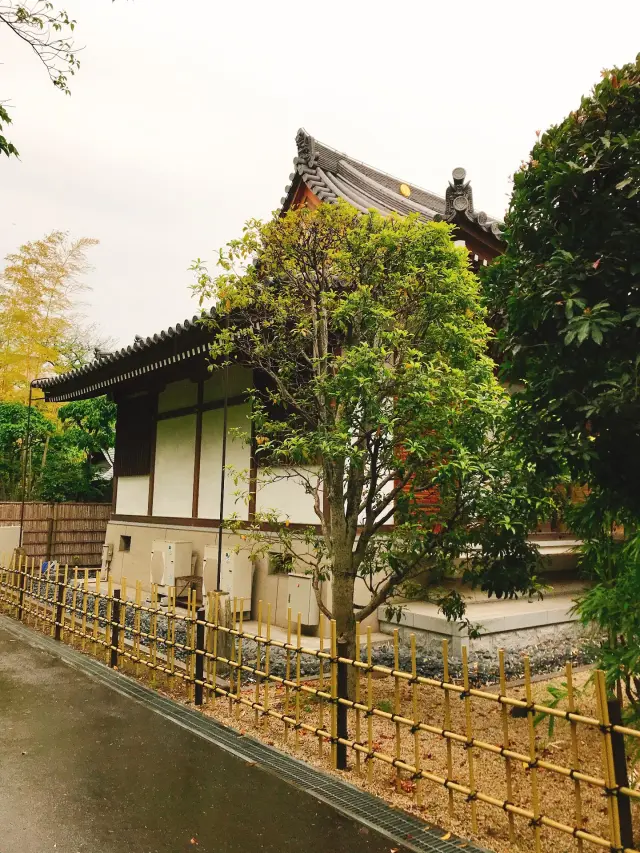
While walking around the Tokyo Tower area, I made a special stop at nearby Zojoji Temple, which offers an excellent view. Although it was raining on the day of my visit, this ancient temple unexpectedly had a unique charm in the rain.
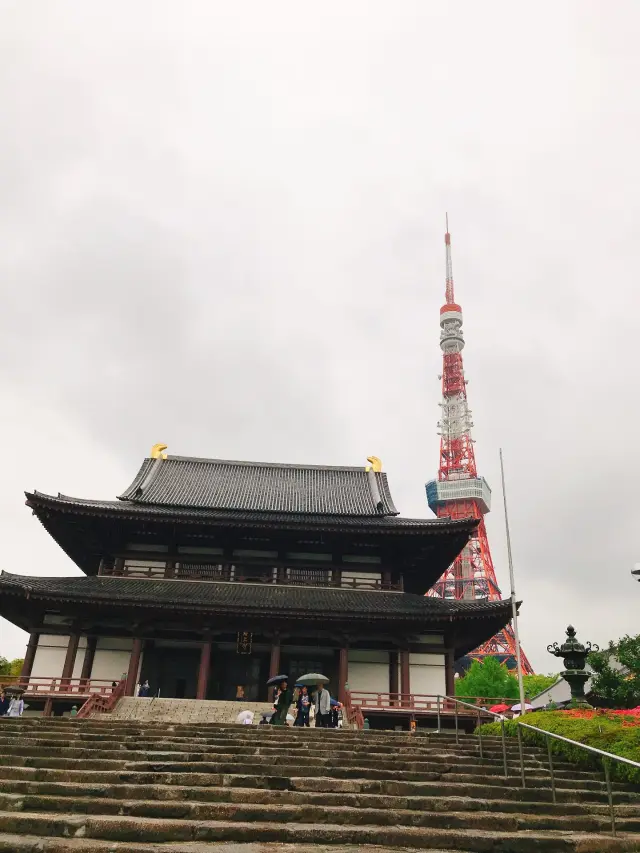
Looking up from the stone steps of Zojoji, the stately, historic temple hall lines up perfectly with the thoroughly modern Tokyo Tower behind it. The sight of old and new blending together is truly distinctive. The gentle rain added a sense of tranquility and poetry unique to rainy days, giving the temple an even more serene charm than on a sunny day. Standing quietly under an umbrella and taking in this classic view, my shoes got a little wet, but the unique Japanese atmosphere left a deep impression on me. I highly recommend coming here, rain or shine, to experience this captivating landmark and its beautiful contrasts.
-
-

Lumine Ikebukuro
Lumine Ikebukuro is a fashion hub loved by Japan’s young crowd, frequented thanks to direct access to Ikebukuro Station that you can use even on rainy days. Spanning from the basement first floor up to the 10th floor, expect anything and everything from fashion, cosmetics, and interior decor items to restaurants, cafes, and even a movie theater.
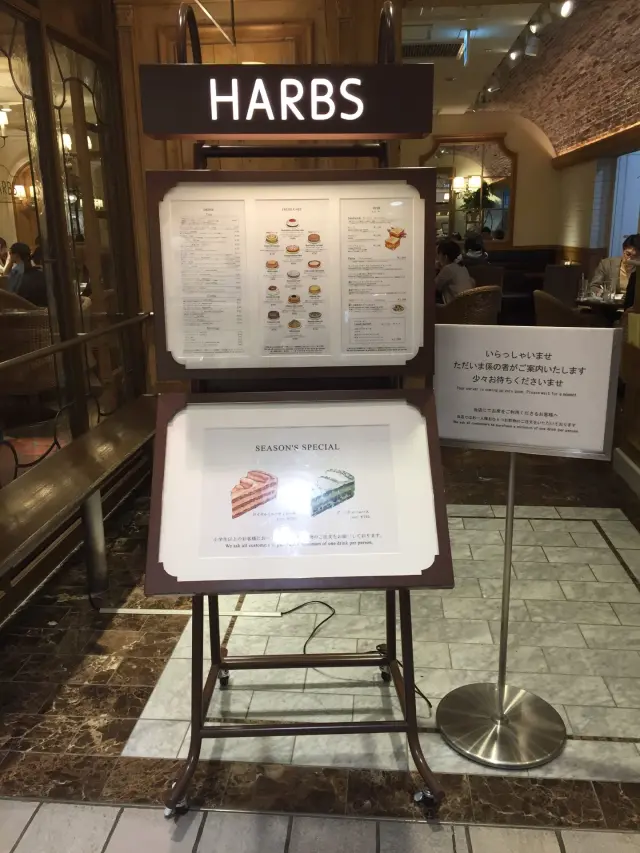
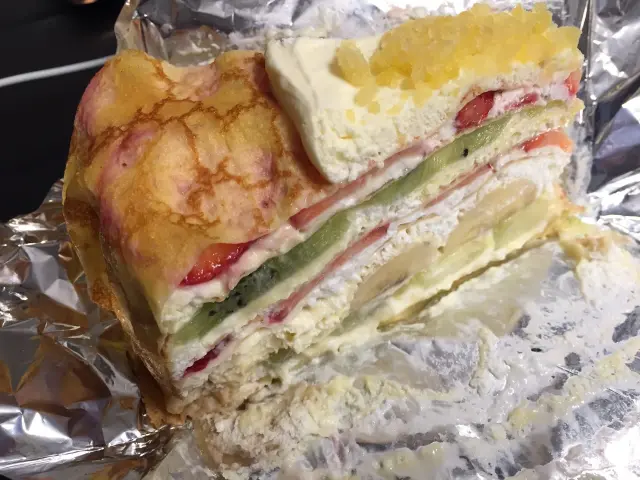
On this trip to Tokyo, anyone who loves fruit mille crepe cake definitely shouldn’t miss the location inside LUMINE Ikebukuro. I made a special trip here to get a slice of their signature fruit mille crepe cake to go and slowly enjoy it back at the hotel.
With the first bite, it had that same familiar yet impressive delicate flavor. The thin crepe layers were filled with smooth whipped cream that wasn’t too rich, along with a variety of fresh fruits such as strawberries, bananas, and kiwi, making it layered yet refreshing. Every time I eat it, I feel incredibly happy. It perfectly satisfied my dessert craving. Besides being conveniently located and great for shopping, LUMINE Ikebukuro also makes it easy to get delicious HARBS to go and enjoy later, completely satisfying my sweet tooth.
-
-

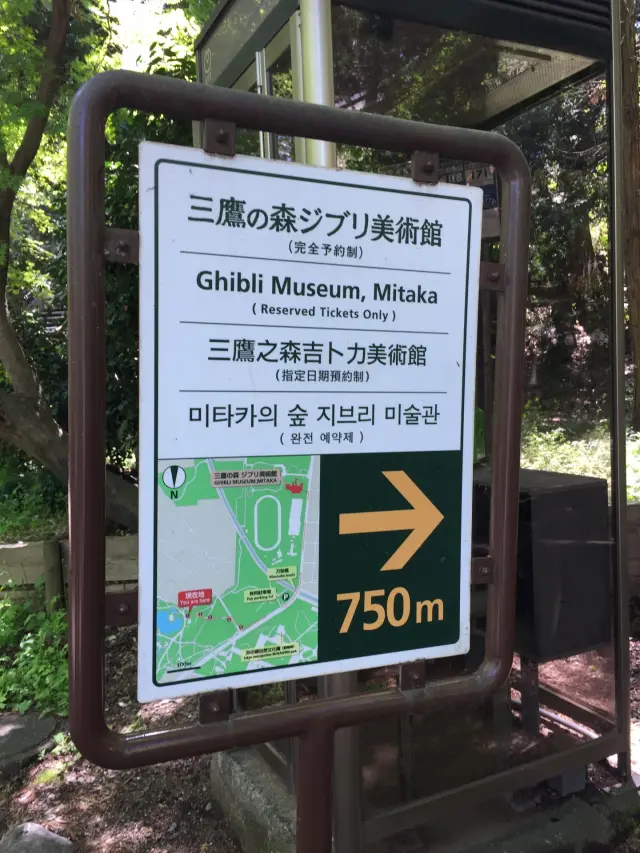
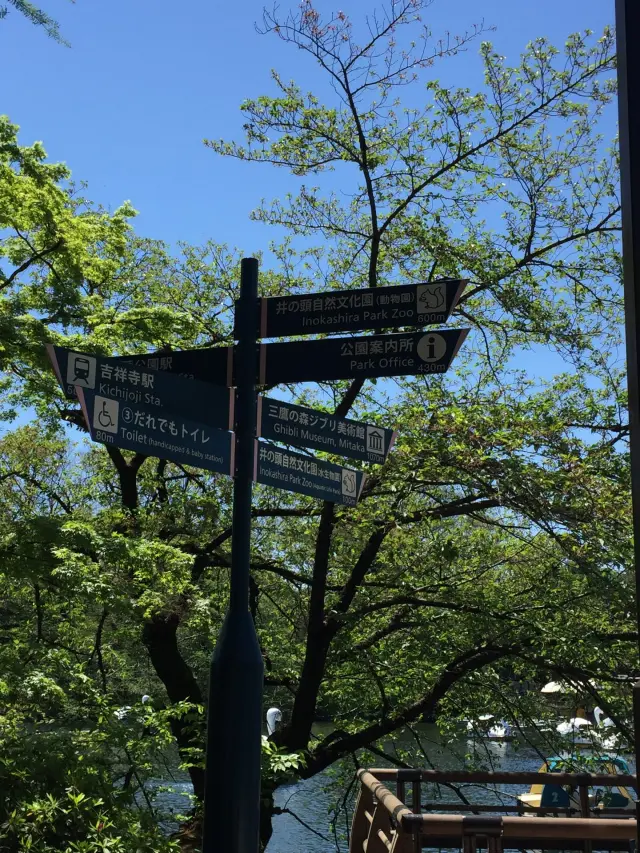
Inokashira Park Zoo
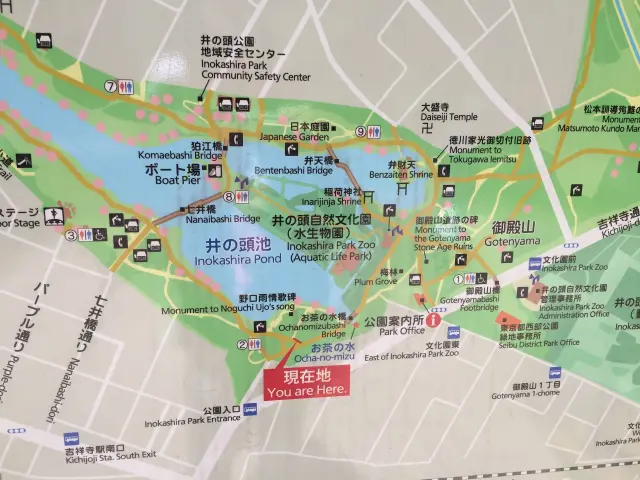
Inokashira Park Zoo occupies about 1/3rd of the area of Inokashira Park. It’s made up of the “Zoo (Main)” area, which features the animal exhibits, a sculpture museum, and archives, and the “Aquatic Park (Secondary)” area, which features aquatic animal exhibits and waterfowl. The zoo is home to over 170 species of animals.
Right next to the lively Inokashira Park, Inokashira Park Zoo is definitely an off-the-beaten-path place that animal lovers shouldn’t miss when visiting Kichijoji.
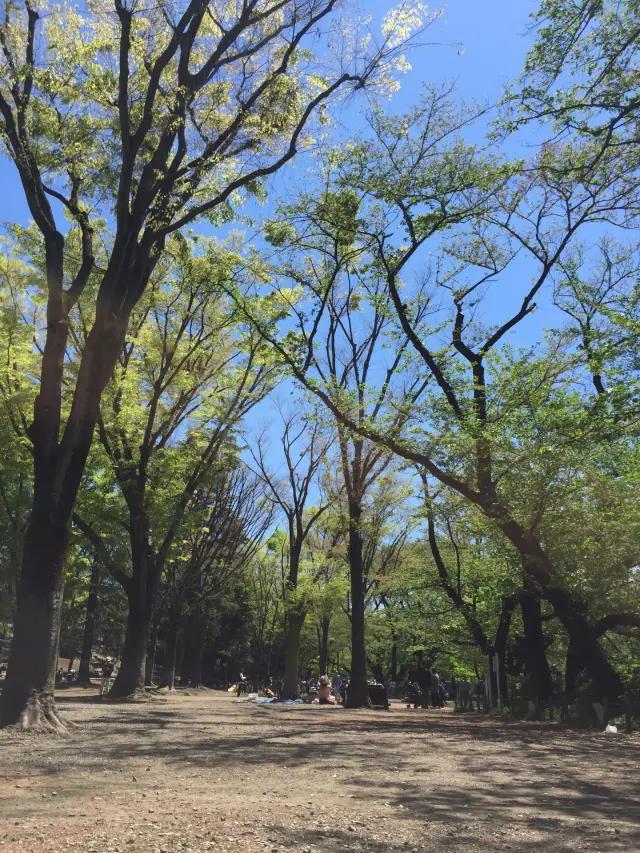
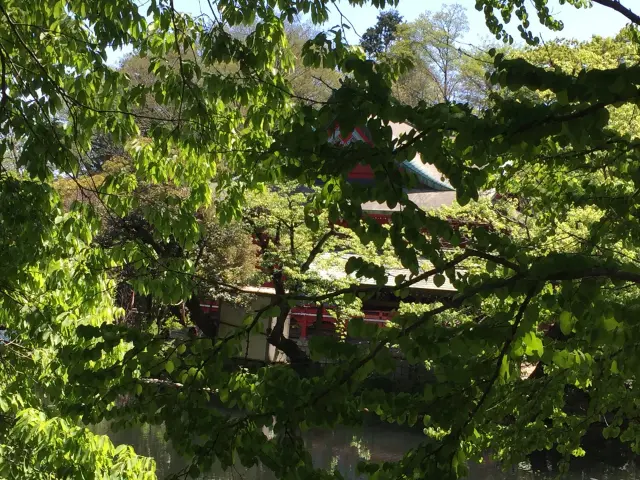
As soon as you enter, it feels like a cozy zoo hidden in the forest, surrounded by towering trees and fresh forest air. Not only can you see many cute and comforting little animals up close, but the whole setting is also quiet and pleasant. It’s a great place to bring children and let them have some relaxed outdoor fun. The kids can excitedly watch the animals while the adults stroll around and breathe in the fresh air. After visiting the zoo, you can also stop by neighboring Inokashira Park for a walk and picnic. It really makes for a perfectly comfortable and relaxing full-day outing.
-