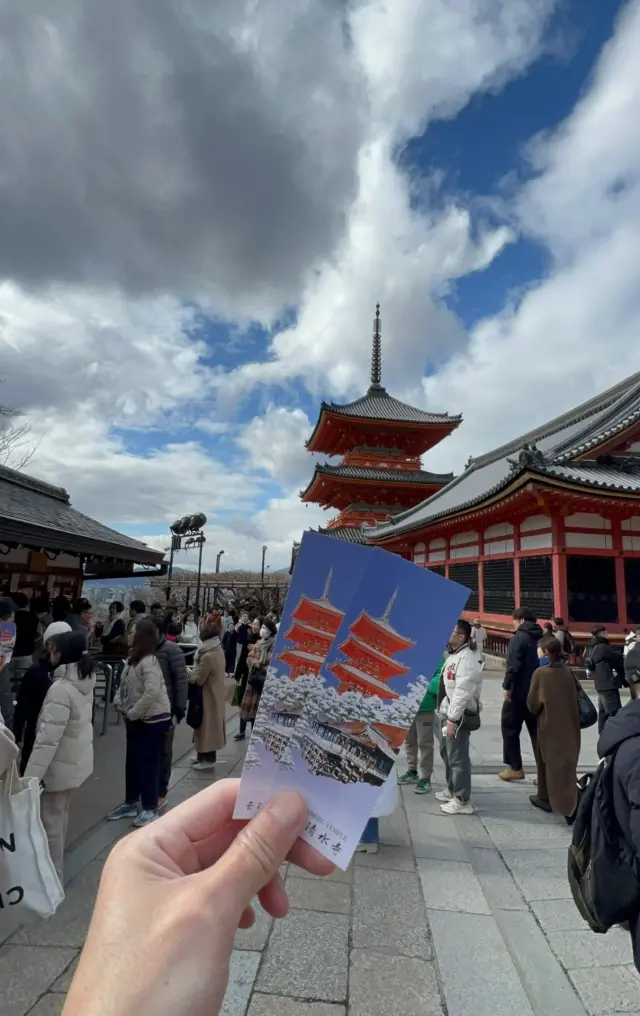
Every time I visit Kyoto, if I could choose only one temple, Kiyomizu-dera, with over a thousand years of history and standing halfway up Mt. Otowa, would definitely be Japan's most iconic landmark! As soon as you reach Kiyomizu-zaka on the way to the main hall, the lively souvenir shops, pottery stores, and wagashi shops along the street offer so much to see. You can already feel the area's rich cultural atmosphere before even entering the temple.
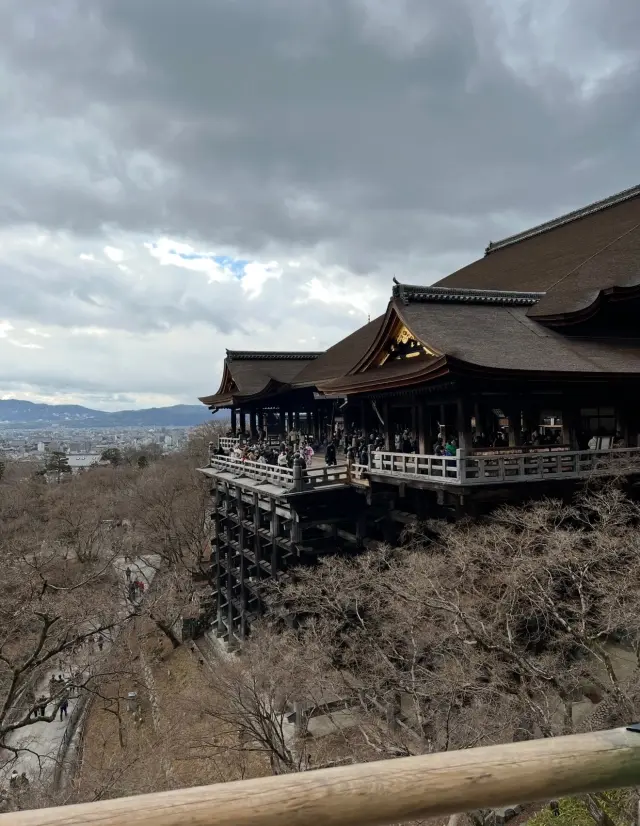
After passing through the imposing Nio-mon Gate, the most breathtaking sight is the elevated Kiyomizu Stage, built entirely without a single nail and supported by enormous wooden pillars. From the stage, you can take in the cityscape of Kyoto below while surrounded by a magnificent expanse of maple and cherry trees. Whether the hills are covered in soft pink cherry blossoms in spring or fiery red leaves in fall, the changing seasonal scenery is like a huge landscape painting you could never tire of seeing.
After leaving the stage, don't miss the famous Otowa Waterfall below. Its three clear streams represent academic success, love, and longevity. Waiting in line to take a sip is both fun and filled with a sense of ritual and prayer. Before leaving, be sure to stop by the impressive Koyasu Pagoda nearby and experience the ancient capital's solemnity and tranquility.
I highly recommend putting Kiyomizu-dera on your must-visit list when traveling to Kyoto. Whether you're there to experience the grandeur of a UNESCO World Heritage Site or admire the beautiful mountain scenery through the seasons, this is a timeless classic you'll never tire of visiting!
Mt. Otowa Kiyomizu-dera Temple | Review by Jk
Other Reviews by Jk
-
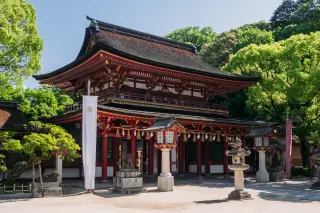
Dazaifu Tenmangu Shrine
Dazaifu Tenmangu is the head shrine of 10,000 different shrines across Japan dedicated to the spirit of Sugawara Michizane. Sugawara was an acclaimed scholar who was deemed innocent posthumously after being exiled to Dazaifu by Kyoto’s Imperial Court. The main hall was built over his grave and has been preserved as a sacred site of Tenjin worship for over 1100 years.
As soon as you step out of Nishitetsu Dazaifu Station and make your way through the lively Omotesando to Dazaifu Tenmangu Shrine, it instantly feels like you’ve entered a Japanese garden filled with scholarly energy and classical poetry! This is the head shrine of more than 10,000 Tenmangu shrines across Japan and enshrines Sugawara Michizane, the god of learning. Every year, countless students preparing for major exams and travelers praying for success in their careers come here to draw fortunes and pray for blessings. Upon entering the shrine grounds, the first things you see are the three red arched Taiko Bridges spanning Shinji Pond. They represent the past, present, and future. As you cross the red bridges step by step toward the main sanctuary, shaded by green trees on both sides with reflections shimmering on the water, even a restless heart gradually becomes calm.
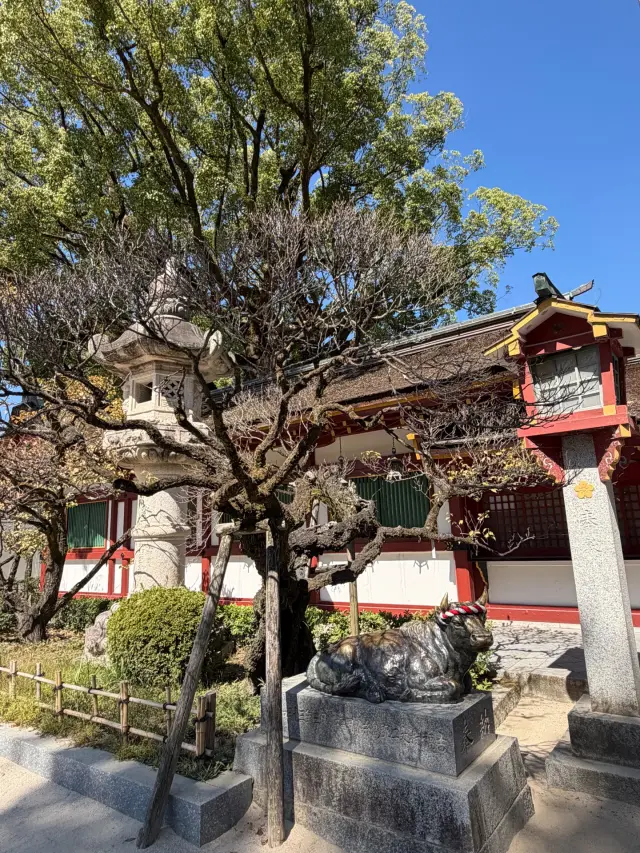
The first thing you have to do here is touch the sacred ox statues throughout the grounds, which have been polished to a shine by countless visitors! Legend says that if you touch the sacred ox’s head and horns and then touch your own head, you can absorb the wisdom of the god of learning, sharpen your mind, and improve your studies. More than 6,000 tobiume and other plum trees are planted throughout the shrine. When the plum blossoms bloom in early spring, the garden fills with a subtle fragrance, and the mix of pink and white is beautiful beyond words. After praying, walk back along the path to Omotesando and grab a freshly baked, crispy, piping-hot Umegae mochi stamped with a plum blossom design. The outside is slightly crisp, while the red bean filling is warm and soft. Paired with a sip of hot tea, the entire pilgrimage feels soothing and satisfying! -
-

Kumamoto Castle
Kumamoto Castle is the famous castle built by Kiyomasa Kato in 1607. It was built using the latest, cutting edge techniques at the time and was the setting of many important moments in Japan’s history.
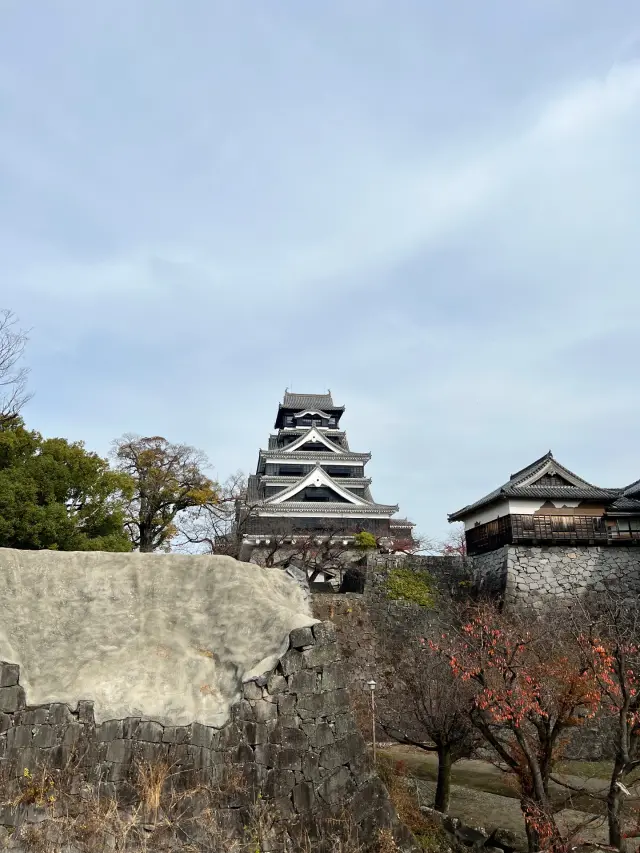
Kumamoto Castle, one of Japan’s three great castles, instantly overwhelms you with the imposing power of a top-tier military stronghold from the Warring States period as you look up at its massive, jet-black main keep standing tall and commanding! Personally designed by the castle-building genius Kato Kiyomasa, this legendary castle’s most astonishing feature is undoubtedly the ingeniously curved “musha-gaeshi” stone walls. The base looks gently sloped and easy to climb, but it gets steeper the higher you go, becoming almost completely vertical at 90 degrees near the top. Even the most agile ninja or samurai would only end up hopelessly sliding back down halfway! The entire castle suffered devastating damage from powerful earthquakes, but today its main and secondary keeps have risen again through an impressive combination of modern engineering and traditional craftsmanship. The black wooden exterior walls and pure white accents look incredibly striking in the sunlight. Walking along the newly built accessible elevated viewing walkway to the top floor of the main keep, you can take in sweeping views of downtown Kumamoto and the distant Aso mountain range. Its resilient, indomitable spirit truly fills you with deep respect the longer you look!
-
-

Naha Kokusai-dori Shopping Street
Naha City Kokusai-dori Shopping Street is located in the center of Naha City and is the main street representing Okinawa. It is the largest downtown area in Naha City and is famous as the center of commerce and entertainment. It is known as "Kokusai-dori (International street)," based on the concept of "a people-friendly town and a town that is fun to walk through.
You’re instantly surrounded by the warm energy of an island vacation and lively musical rhythms! This straight avenue, about 1.6 kilometers long, rapidly rose from the ruins and flourished after the war, earning it the famous nickname “Miracle Mile.” Both sides of the street are lined with tall palm trees swaying in the breeze and packed with colorful souvenir shops, Ryukyu cuisine restaurants, izakayas, and small variety stores. Grinning shisa statues with wide-open mouths stand everywhere by the entrances, while shopkeepers enthusiastically call out to passersby. The air is filled with the sweet, oily aroma of freshly fried Okinawan sata andagi doughnuts and the savory smell of grilled Agu pork. From morning to night, the entire street is always crowded and bursting with energy!
-