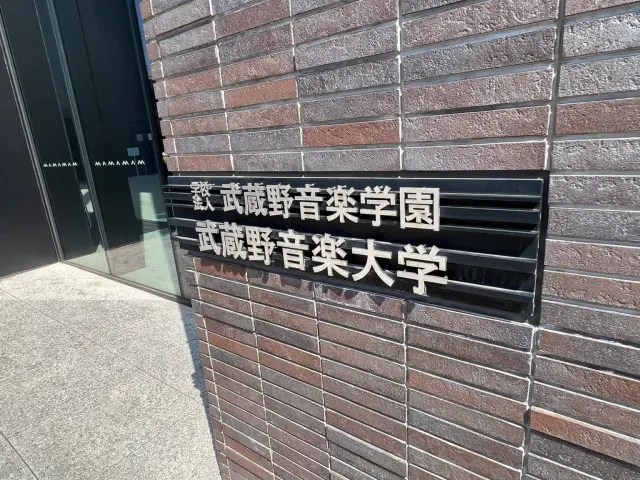
Nerima, Tokyo · Musashino Academia Musicae
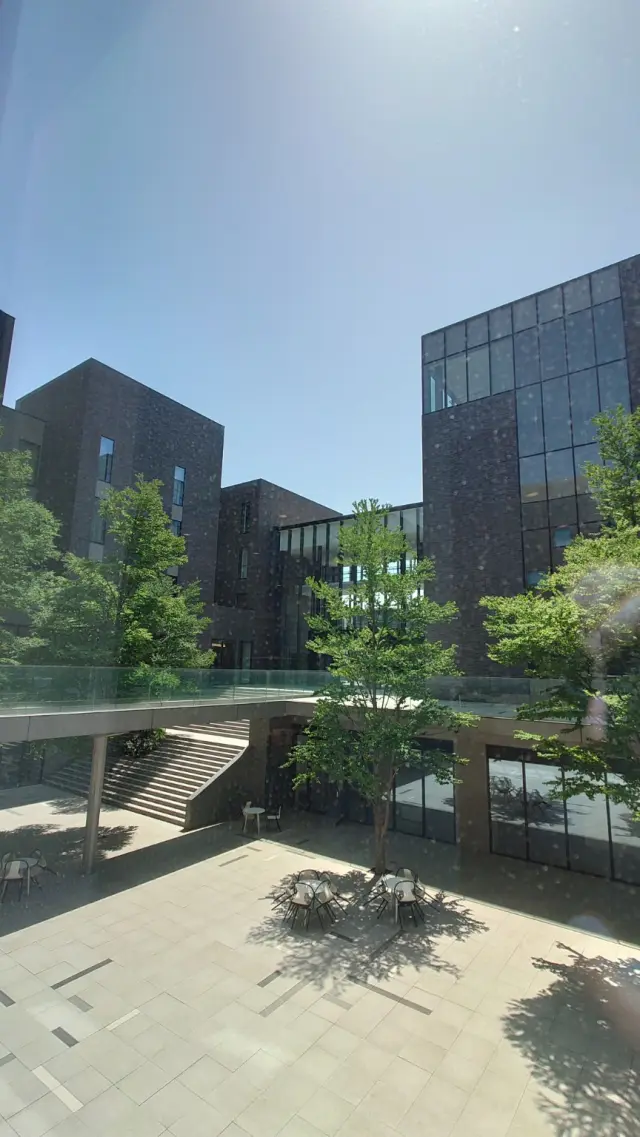
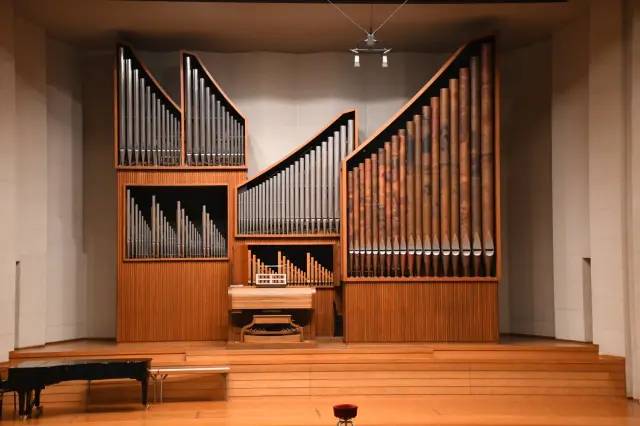
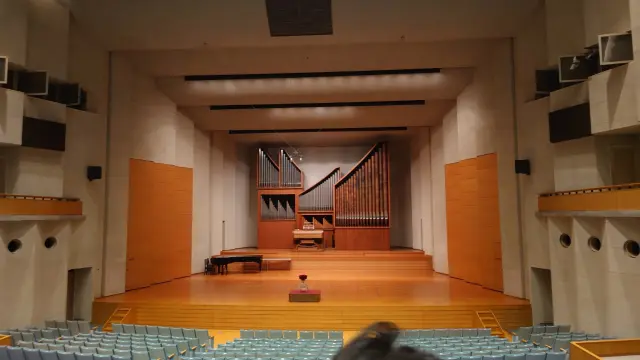
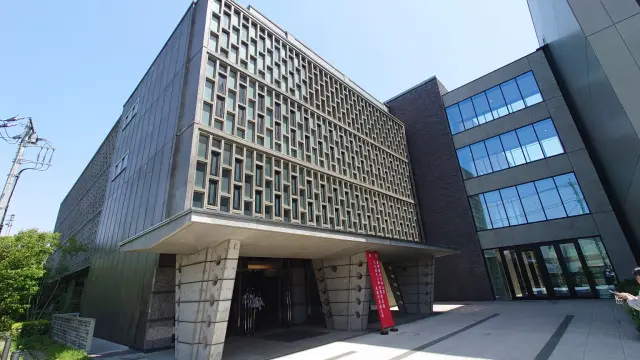
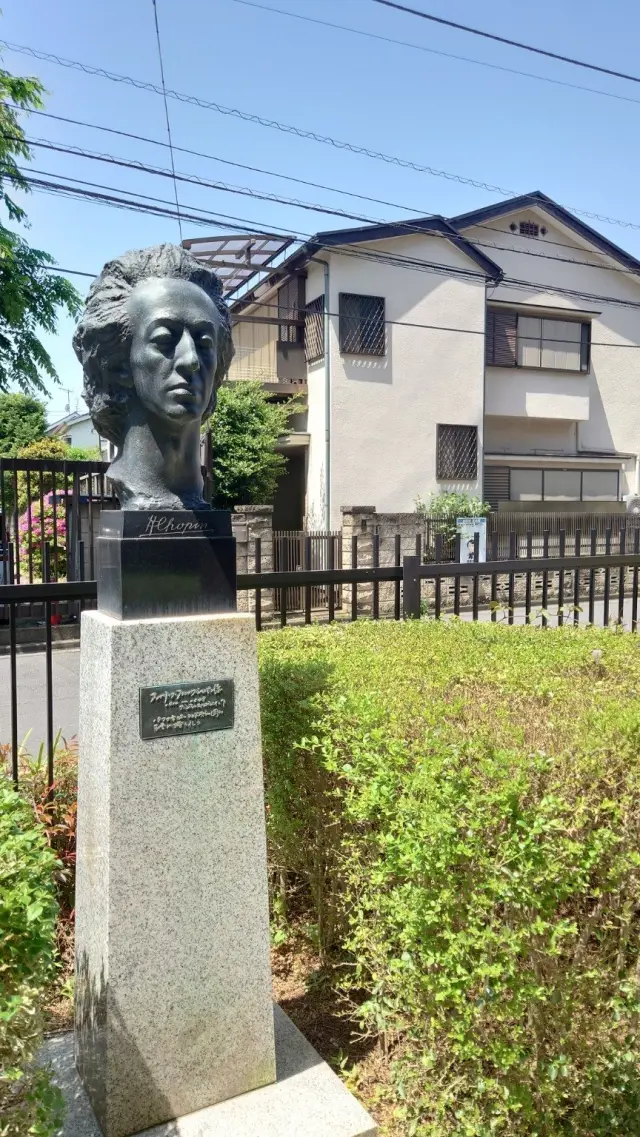
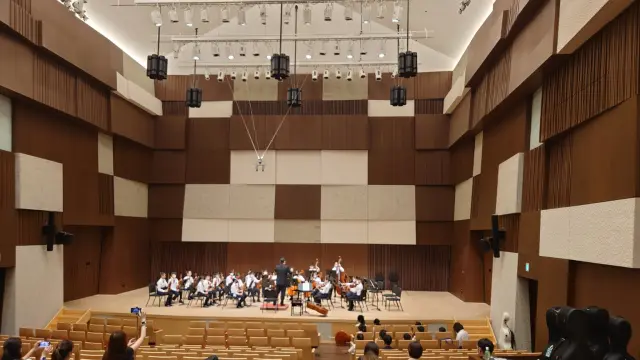
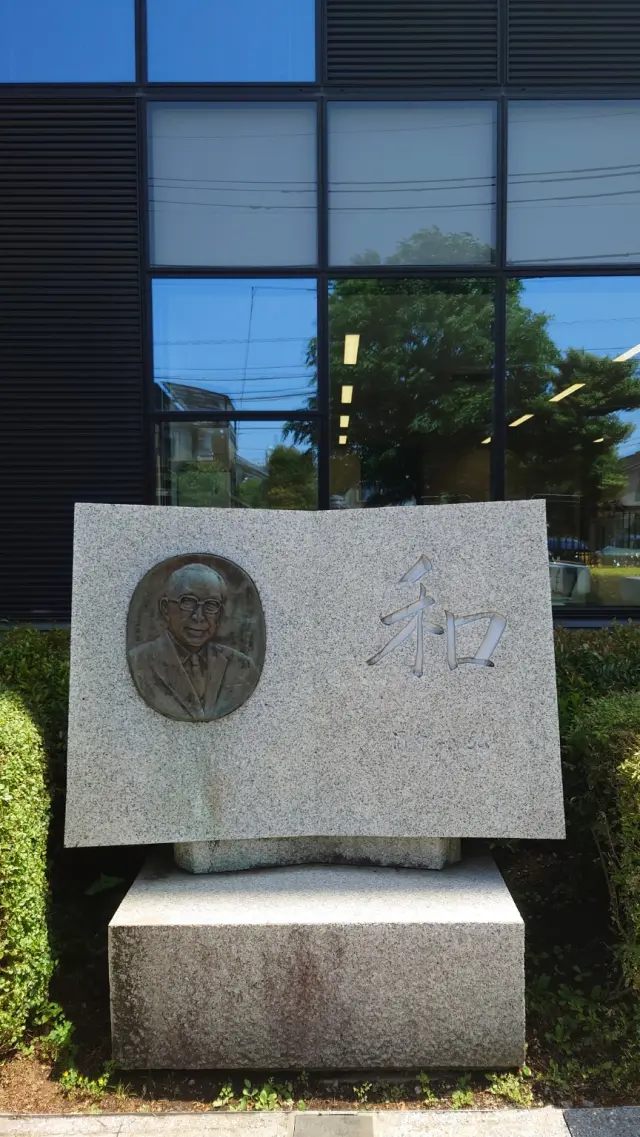
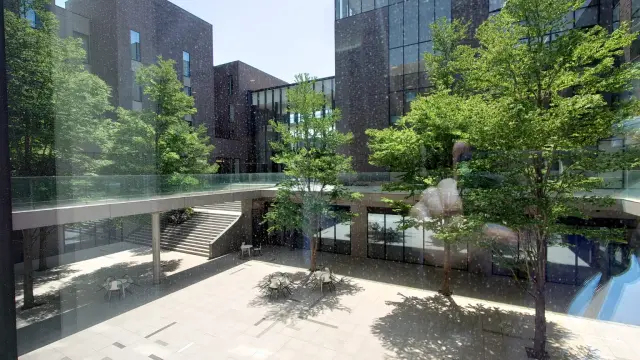
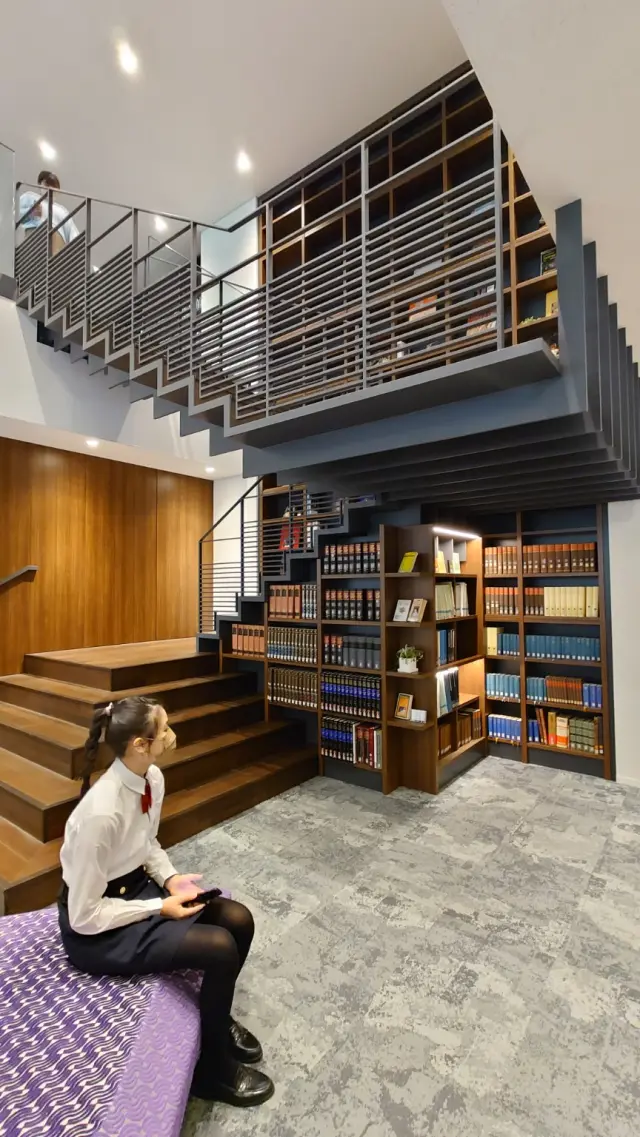
Through an opportunity for musical exchange, we stepped into this world-class music school. From the campus’s stately, richly layered architecture to the elegant library spaces inside, every corner exudes a strong artistic atmosphere. Entering the concert hall, a huge pipe organ stood quietly on the stage. The wooden interior and carefully designed acoustics let us feel the power of music before we even heard a note.
When the orchestra began playing, the stage, space, and sound blended together. The emotion wasn’t just felt by the children; it deeply moved us as well. Watching young students pursue their musical dreams here, we as parents couldn’t help but want to return to our own student days and once again experience the purity and joy of learning amid the sounds of the piano and musical movements.
This trip was not only a musical exchange, but also a journey that reawakened our hearts through music.
Fuchu City Tourism Information Center | Review by 陳泰任
Other Reviews by 陳泰任
-
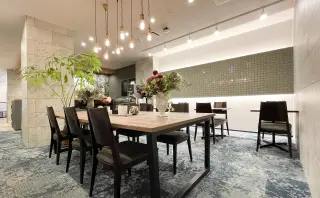
Hotel Classe Stay Sapporo
Located in Chuo Ward, Sapporo, Hotel Classe Stay Sapporo is an apartment-style hotel featuring 91 guest rooms. Just a 2-minute walk from Nakajima Koen Station-only three stops away from Sapporo Station-it’s ideally positioned as a convenient base for sightseeing or business travel.
Sapporo APA Hotel Dinner and Travel Notes
Our Hokkaido journey brought us to Sapporo, and tonight we stayed at APA Hotel & Resort Sapporo in Minami Ward. The hotel lobby was spacious and bright, with stone walls, vintage lighting, and Japanese displays creating a calm and elegant atmosphere. An antique-style carriage and horses were also displayed in the center, evoking Hokkaido’s history.
For dinner, we enjoyed a generous Japanese meal with steaming hot pot, fresh fish, tempura, sashimi, rice, and a variety of side dishes. Everyone sat together and sampled the flavors of Hokkaido, adding a sense of warmth and satisfaction to our journey. After dinner, we returned to the hotel and strolled around, admiring the Japanese-style decor, bringing a relaxing end to the day’s travels. The Sapporo night outside the window was peaceful, and our travel fatigue slowly faded amid good food and laughter, leaving us with another warm and unforgettable memory of our Hokkaido trip. -
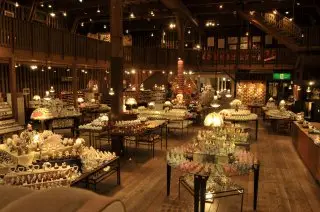
Otaru Orgel Doh Main Hall
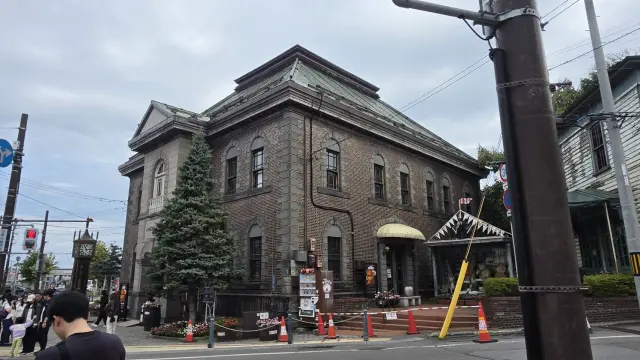
This music box specialty shop has branches in various locations such as Otaru, Hakodate, Furano, Yokohama, Kamakura, and Kyoto. Its main building, which is the main shop, was built in 1915 (Taisho 4) and is designated as a historic building by Otaru City, preserving the remnants of the good old days.
Otaru Steam Clock & Its Vancouver Sister Clock |
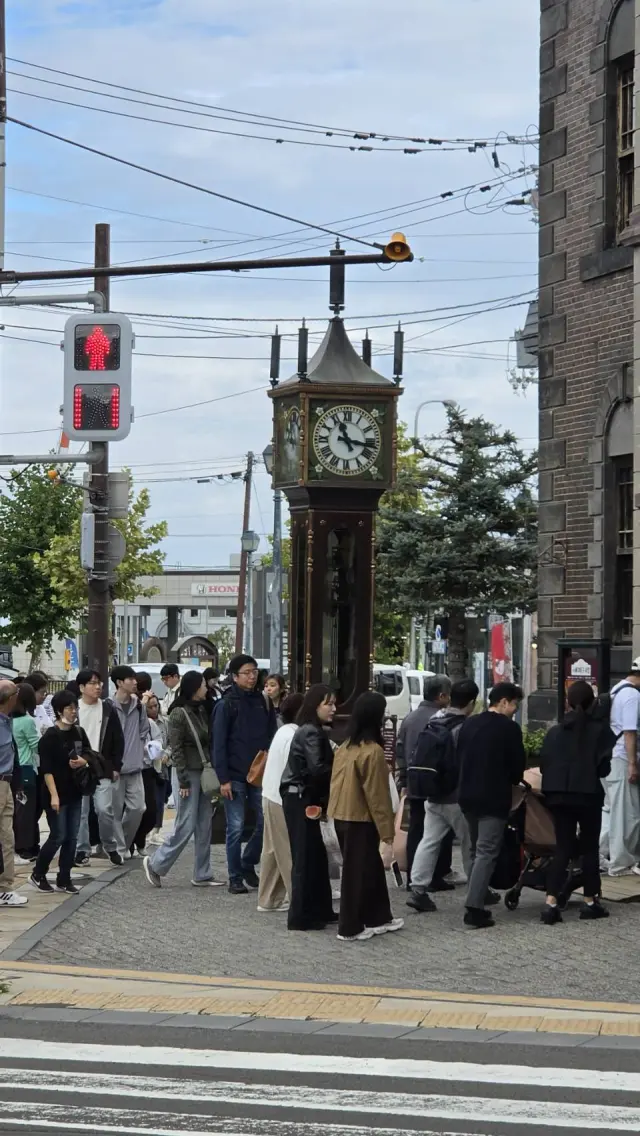
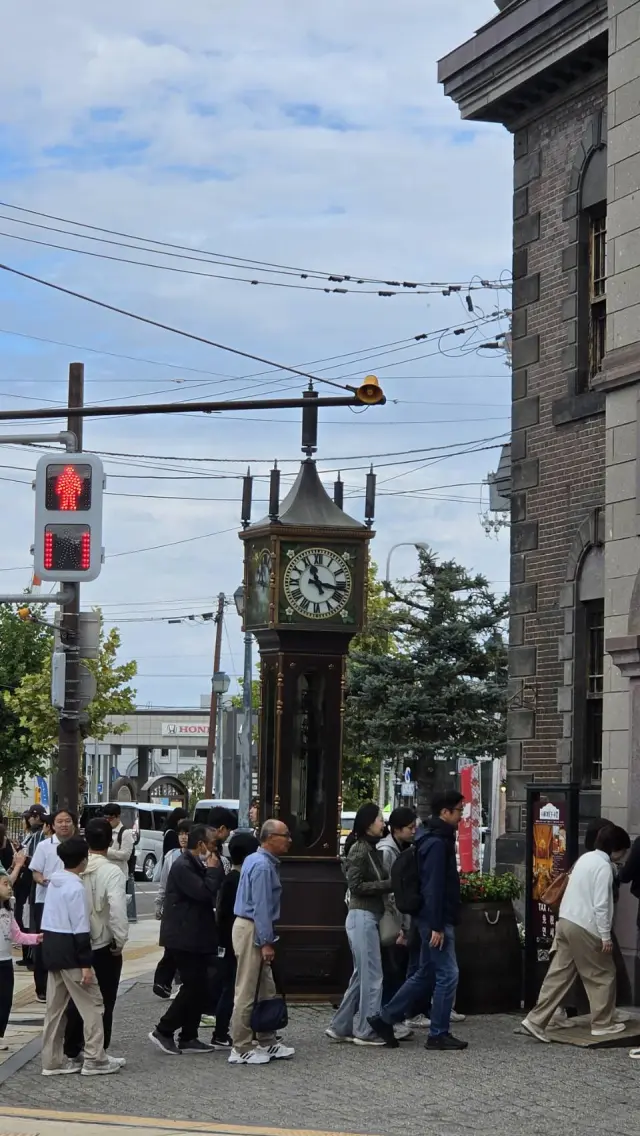
Walking through the streets of Otaru, Hokkaido, I arrived in front of the European-style music box hall, where a tall, elegant steam clock came into view. In the photo, crowds stream past the clock tower, while the classical buildings, streets, and power lines intertwine, adding even more of Otaru’s unique nostalgic charm.
This steam clock is about 5.5 meters tall and weighs 1.5 metric tons. It was created by Canadian clockmaker Raymond Saunders and is the sister clock of the steam clock in Gastown, Vancouver, Canada. Steam powers its whistles, which play a melody every 15 minutes, giving the cold metal clock tower a warm sense of life.
Standing in front of the clock and watching people come and go, it feels as if time slows down here. **One clock connects the two cities of Otaru and Vancouver, while also leaving a treasured memory of time spent traveling in Hokkaido. -
-
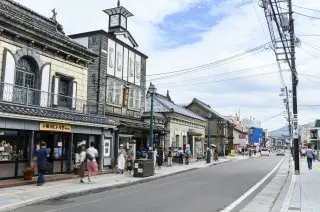
Otaru Sakaimachi Dori Shopping Street
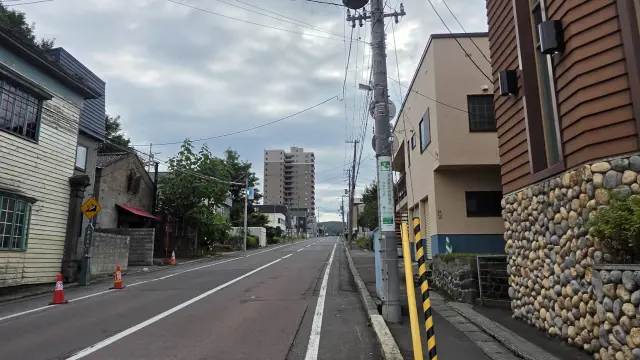
Located just one street away from the main thoroughfare facing the Otaru Canal, Sakaimachi-dori flourished during the Meiji and early Showa periods, becoming Otaru's main street.
Otaru Canal | Travel Notes
Stepping into Otaru, Hokkaido, feels like entering a nostalgic cityscape painting. Strolling along the Otaru Canal, the old stone warehouses, gas lamps, and street scenery give off a unique northern charm. Along the way, I admired the well-preserved historic buildings around the canal and got a sense of Otaru’s former prosperity as a port city.During the trip, I also visited neighborhoods with a foreign flair, admiring distinctive clock towers, churches, and red-brick buildings. Every casual snapshot captured scenery worth keeping. I stopped at a cozy cafe along the way to have coffee and chat with family and friends, adding a touch of leisure and warmth to the trip.
Otaru’s beauty lies not only in the canal itself, but also in the unique charm created by its old buildings, streets, people, and Hokkaido’s fresh air. This trip to Otaru left me with more than just photos—it also gave me wonderful memories worth savoring.
-