If you want to experience the lively appeal of everyday local food, Kuromon Market, known as Osaka’s Kitchen, is definitely the top place to visit.
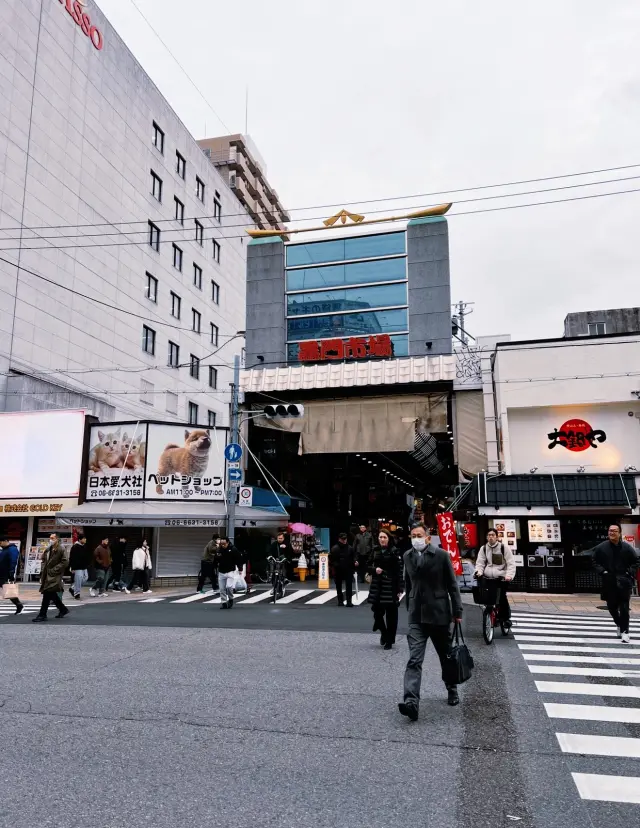
As soon as you reach the entrance, you’re greeted by large overhead signs and bustling crowds, while the tempting aroma of food constantly fills the air.
This traditional market, with nearly 200 years of history, stretches about 600 meters and is home to more than 100 stalls and shops.
Inside, the dazzling array of stalls on both sides includes premium freshly grilled seafood, authentic Osaka snacks, and wagyu beef, all amid a lively shopping atmosphere.
Although it feels quite commercial, walking through the covered arcade and seeing the vendors enthusiastically calling out to customers still gives you a strong sense of the local character.
I highly recommend setting aside a morning or lunchtime visit. Whether you come hungry and eat your way through the market or simply take in its vibrant food culture, you’ll leave with satisfying memories.
Other Reviews by Jk
-
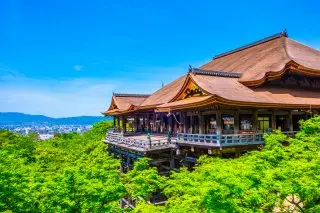
Otowa-san Kiyomizu-dera Temple
Founded in 778, Kiyomizu-dera Temple was inscribed on the UNESCO World Heritage List in 1994. Its 130,000-square-meter (about 1.4-million-square-foot) grounds extend across the slopes of Mt. Otowa and contain more than 30 temple buildings and monuments, including National Treasures and Important Cultural Properties. The temple is also worth seeing throughout the seasons, framed by cherry blossoms in spring, lush greenery in summer, colorful leaves in autumn, and snow in winter.
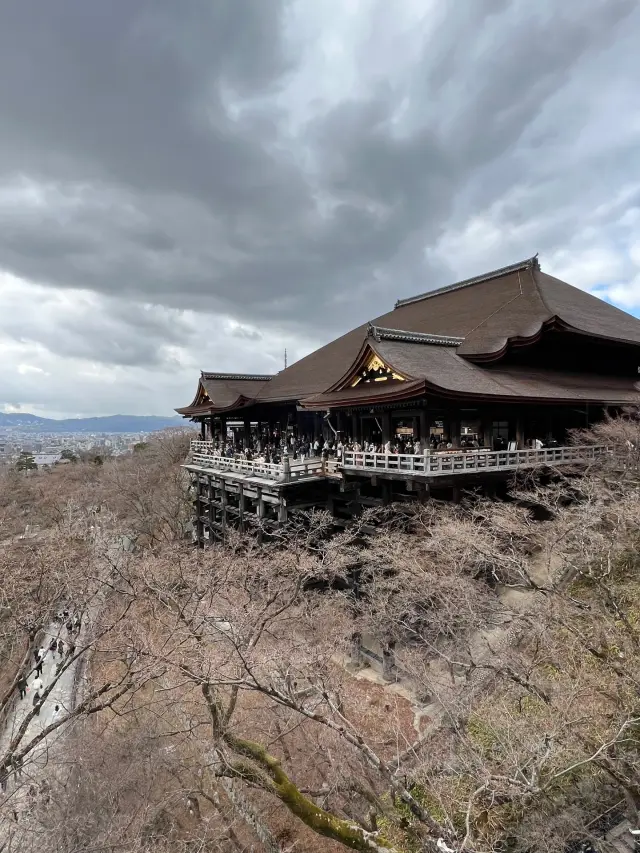
Walk up the bustling stone-paved Kiyomizu-zaka, and in the distance you’ll see the massive, bright-red Nio-mon Gate and three-story pagoda standing imposingly halfway up Mt. Otowa. In an instant, it feels like you’ve stepped right into an iconic scene from Kyoto’s thousand-year history! This is the World Heritage Site Kiyomizu-dera Temple—if you come to Kyoto without checking it out, it’s like you never came at all. The craziest and most jaw-dropping sight is the Kiyomizu Stage, built over a sheer cliff using hundreds of thick wooden pillars fitted together without a single nail! Looking down from the edge of the stage, an entire sea of forest bursts into view beneath your feet, while Kyoto Tower and the whole Kyoto city skyline stretch out in the distance. That breathtaking view from high above gives me goosebumps all over. No matter how many times I visit, I’m completely blown away by nature’s incredible work and the astonishing engineering skills of people long ago!
-
-
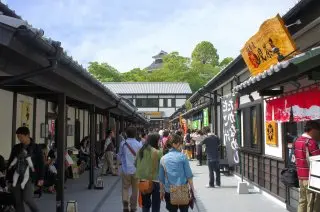
Sakura-no-Baba Josaien
An open-air tourism facility at the foot of Kumamoto Castle that recreates an Edo-period castle town. It features restaurants serving local Kumamoto cuisine, shops offering regional specialties, and facilities where visitors can learn about Kumamoto’s history in an engaging way.
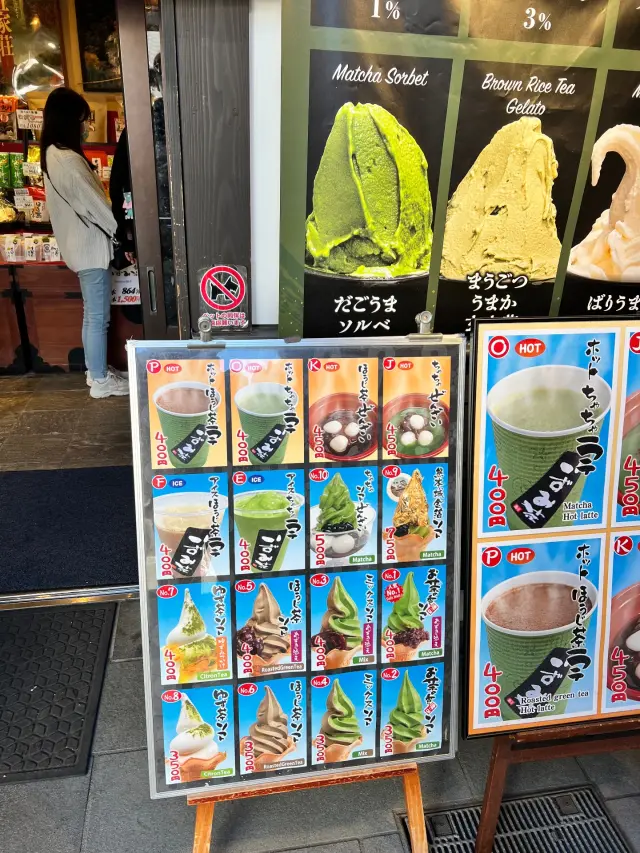
Sakura-no-Baba Josaien is full of the atmosphere of an Edo-period castle town. The entire old-fashioned wooden shopping street instantly makes you feel like you’ve traveled back to the age of the samurai, with stone-paved paths and rows of distinctive little shops hanging noren curtains. It’s fun to browse and great for photos! And in this food battleground, the one super photogenic dessert you absolutely won’t miss is the signature rich matcha ice cream from the Japanese tea specialty shop Ocha no Izumien!
-
-
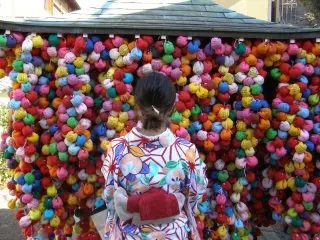
Yasaka Koshindo
A temple built in a famous tourists spot in Kyoto called Higashiyama, where other famous sights such as the Kiyomizu Temple and Yasaka Shrine are located. The official name of the temple is "Daikokusan Kongoji Koshindo,” but is well-known as "Yasaka Koshin-san" in the local area. It is said that this was where the Koshin faith, which derived from Chinese Taoism, first started in Japan, and is also one of the three Koshin in Japan.
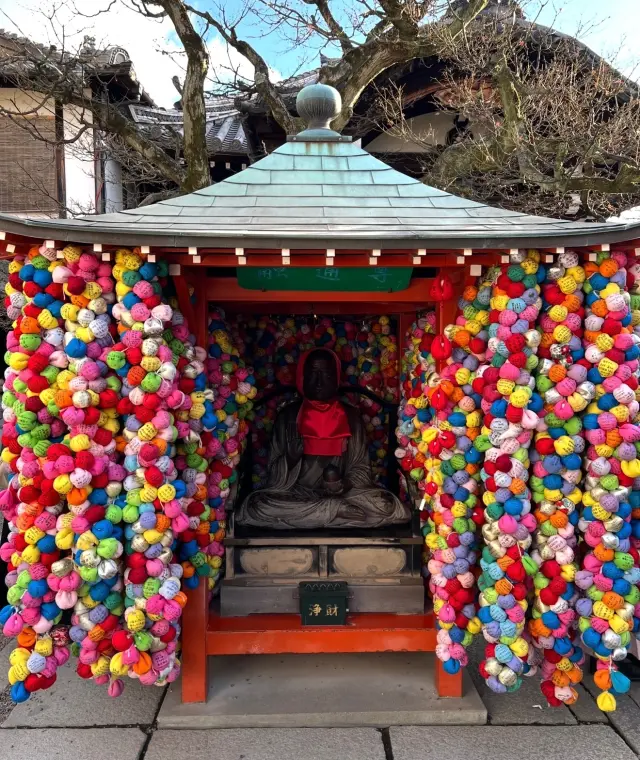
Turn into a small alley in Kyoto’s Higashiyama district and you’ll find Yasaka Koshindo, where your eyes are instantly bombarded with an unbelievable explosion of color! This tiny temple hidden next to Yasaka Pagoda is basically Kyoto’s dreamiest Instagram photo spot. As soon as you enter the courtyard, you’ll see the eaves and wooden racks covered with strings of colorful, round cloth balls called “kukurizaru” (tied monkeys). Red, yellow, blue, and green are all woven together, looking super vibrant and super cute in the sunlight! These cloth balls actually represent monkeys with their hands and feet tied, symbolizing the restraint of inner greed and desire. Just write your wish on the blank side of a cloth ball and tie it up yourself, and your wish will come true. The whole concept is both interesting and full of ceremony!
-