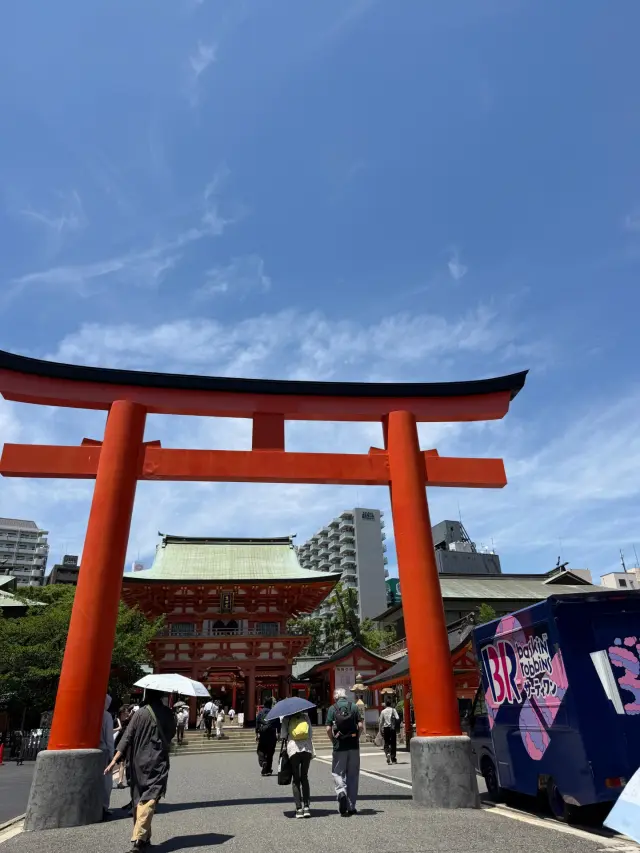
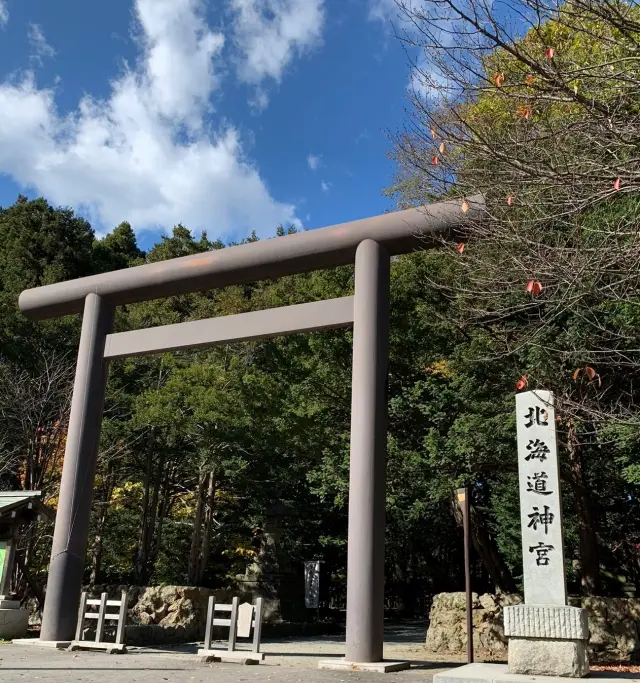
Passing beneath the towering torii gate, I walked along the gravel-covered approach, surrounded by tall green trees and treetops just beginning to take on their fall colors. Sunlight filtered through the branches and leaves, casting dappled patterns of light and shadow, while the air was filled with the cool, refreshing scent of the forest.
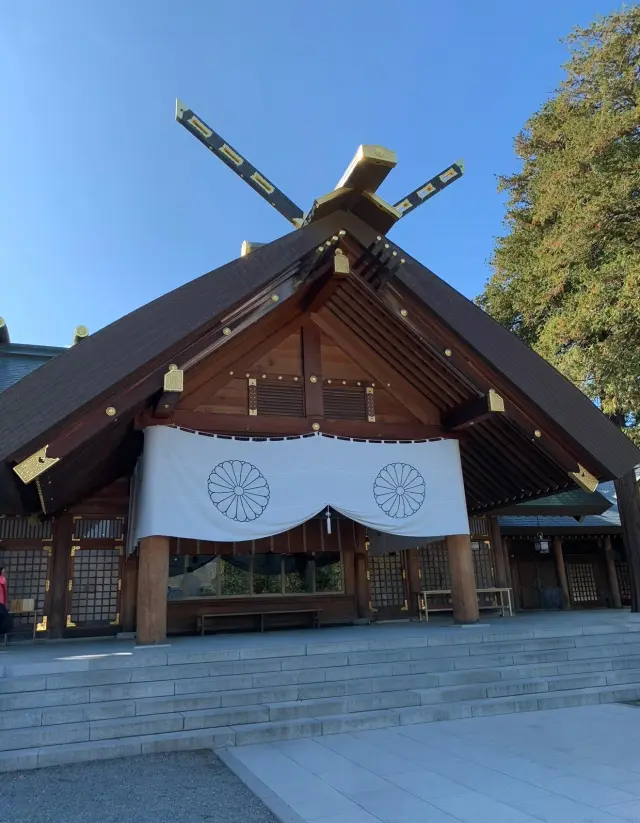
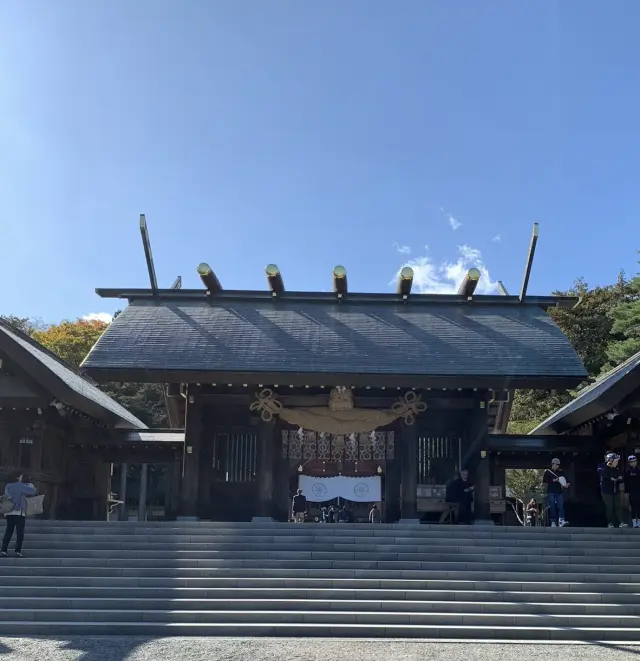
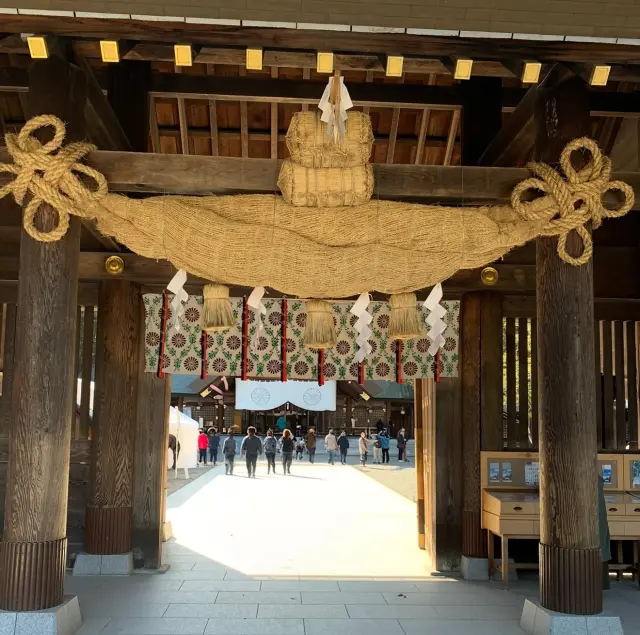
After passing through the intricately crafted wooden gate adorned with a massive straw shimenawa rope, the view suddenly opened up. Beneath the clear blue sky, the magnificent main shrine looked especially solemn and majestic. The delicate gold decorations along the eaves complemented the pure white curtains, creating a sacred and serene atmosphere.
As I strolled through the clean, spacious shrine grounds, the only sounds were the rustling of the treetops in the wind and the occasional footsteps. In this setting, my mind naturally became completely still.
Overall, this is a place of worship with a rich history and a quiet, peaceful beauty. Whether you want to admire traditional Japanese shrine architecture or enjoy a tranquil atmosphere away from the noise of the city, it is well worth slowing down and taking the time to visit.
Hokkaido Shrine | Review by Jk
Other Reviews by Jk
-
Tamatsukuri Onsen
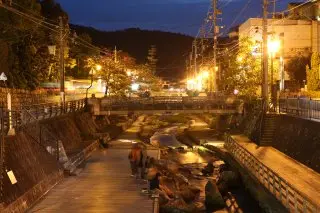
One of Japan’s oldest hot spring resorts among mountains upstream of Tamayu River from southern Lake Shinji. An ancient book, Isumo-no Kuni Fudoki, states “Bathing here once will make you beautiful and bathing here twice will heal any illness.” Sei Shonagon praised the beautifying quality of the hot spring in her classic “Pillow Book”.
The entire hot spring town immediately surrounds you with a strong sense of old-world charm and relaxation! This is an ancient hot spring with over 1,300 years of history. Since ancient times, it has been highly praised as the “Bath of the Gods” in the Izumo no Kuni Fudoki. After just one soak, your skin feels as smooth and delicate as if you had just used a top-of-the-line skincare treatment, and after two, even all kinds of ailments are said to disappear. It’s renowned throughout Japan as the premier destination for beautiful-skin hot springs!
Stroll slowly along both sides of the Tamayu River, and you’ll see rows of traditional Japanese hot spring inns arranged harmoniously. In spring, both banks are covered in delicate pink cherry blossoms, making the area look like a secluded paradise. One of the best little pleasures while walking around town is the free natural footbaths found everywhere. Take off your shoes and socks and dip your feet into the steaming hot spring water, and the warmth instantly melts away the aches and fatigue in your feet. There’s even a “Hot Spring Water Jizo” along the street where you can fill a bottle directly. Many travelers bring small spray bottles and take home the freshest hot spring facial mist to keep their skin hydrated anytime, anywhere!
Continue up through the hot spring town, and at the end you’ll find Tamatsukuri-yu Shrine, which is associated with beautiful skin and matchmaking. Pick up your own special “wish stone” (kanai-ishi) at the shrine office, carry it to the sacred stone within the grounds, carefully wash it with the spring water, hold it close as you make a wish, and then place it in an amulet pouch to carry with you. It’s said to be extremely effective for finding love and making wishes come true. The whole ritual leaves you feeling both calm and full of anticipation. -
-
Kobe Port Tower
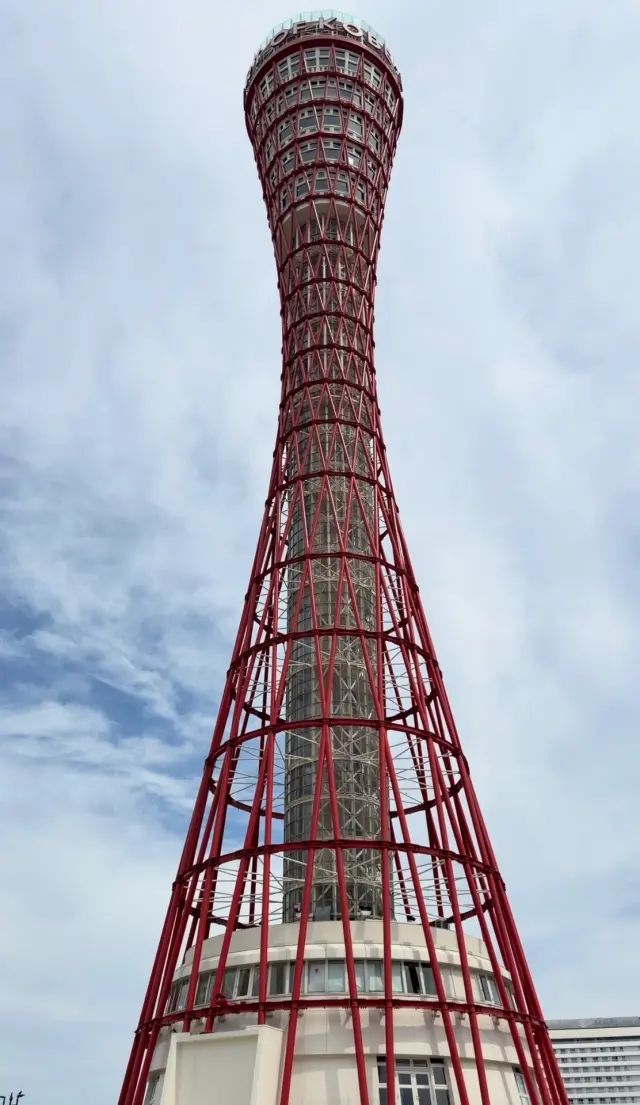
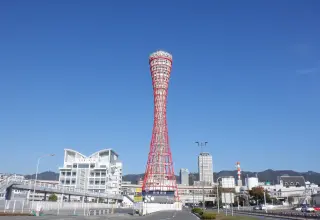
Rising over Kobe Harbor, this port tower is known as the “Beauty of the Iron Tower” for its graceful hyperboloid shape-like an elongated drum-and its vivid red exterior. Loved by locals as a symbol of Kobe since its debut in 1973 (1963), it reopened after Approx. 2.5 years of seismic reinforcement and renovation, with a grand renewal in April 2024.
Walking into Kobe Meriken Park, I looked up and was instantly captivated by the striking red tower with its incredibly graceful lines. This is Kobe Port Tower, Kobe’s most iconic landmark and symbol! The entire tower features an extremely rare structure inspired by the shape of a traditional Japanese wadaiko drum. Its vivid vermilion steel latticework intertwines in the air to create an elegant, slender waistline. Set against a blue sky with wispy white clouds overhead, it has both the refined elegance of a traditional instrument and the beauty of a modern skyscraper. It looks impressive no matter which upward angle you photograph it from!
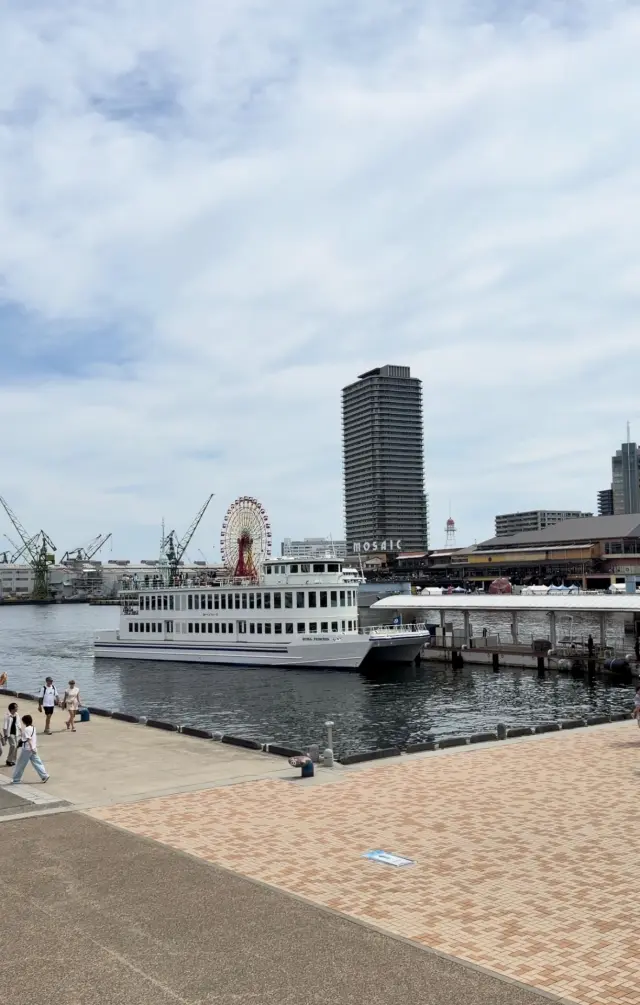
Strolling slowly along the spacious, level, wood-patterned brick plaza by the harbor, I could feel the sea breeze on my face, carrying a slight chill and the scent of the ocean. The wide-open view immediately lifted my mood. Turning toward the calm blue bay, I could see the MOSAIC shopping complex across the water, the red-and-white Ferris wheel, and the large sightseeing boats docked along the harbor. Watching the boats glide slowly across the mirror-like harbor and cut through the water, while small groups of travelers occasionally passed by enjoying a walk and the breeze, gave the place such a relaxed, carefree port-city vacation rhythm that I just wanted to stop and zone out for a little longer.
The best experience at Kobe Port Tower is taking the elevator straight up to the observation deck. Standing inside the high-ceilinged observation room, you get a 360-degree view. On one side are downtown Kobe and the magnificent Rokko mountain range stretching into the distance, while on the other are the endless blue waters of the Seto Inland Sea and huge ships passing back and forth. The panoramic view of the entire port city, where mountains and sea come together, unfolds beneath your feet and is incredibly breathtaking.
At dusk and after dark, the entire harbor becomes unbelievably romantic! As the sun sets, the sea turns golden. Once darkness falls, Kobe Port Tower lights up with a warm, brilliant red glow, shining alongside the colorful neon lights of the Ferris wheel at MOSAIC across the water. Reflected in the shimmering black sea, the lights make Kobe’s night sky feel dreamlike. -
-
Ikuta Shrine
With a history of about 1,800 years, “Ikuta Shrine” is affectionately called “Ikuta-san, the matchmaker” by locals. As a popular power spot, it’s known for bringing good luck in marriage, love, work and health, and has even seen visits from athletes and artists in recent years.
Turn a corner from the lively, bustling shopping streets of Kobe Sannomiya, and an enormous, brilliant vermilion torii gate immediately appears before you, impressive and eye-catching. This is Ikuta Shrine, standing in the very heart of central Kobe! The shrine is so sacred that even the name “Kobe” originally came from the kanbe (神戸), households granted by the imperial court to support and protect Ikuta Shrine. You could say this sacred site is the very birthplace of the entire city of Kobe!
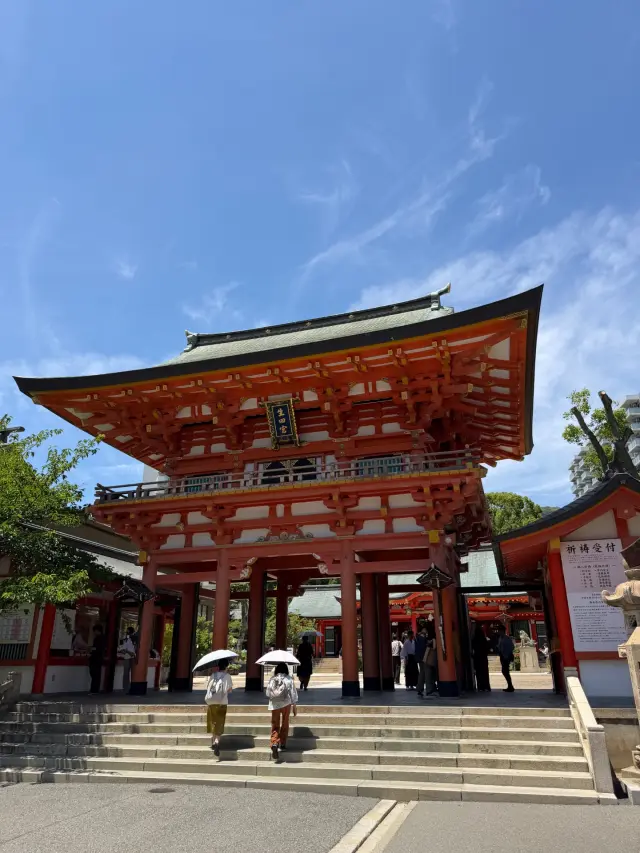
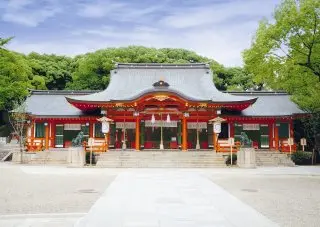
After passing through the towering torii gate and ornate two-story gate, you’ll see the worship hall, completely painted a vivid vermilion and especially striking against the blue sky, white clouds, and lush green trees. Ikuta Shrine enshrines Wakahirume-no-Mikoto, the goddess of weaving and matchmaking, so since ancient times it has been famous throughout the Kansai region as an incredibly powerful sacred place for love and relationships! The approach is lined with countless heart-shaped ema plaques, and many couples and travelers seeking a good match come here specifically to put their hands together in sincere prayer, wishing for lasting love and happiness.
Besides praying to the deity, the most delightful hidden experience on the grounds is the extremely popular “water fortune,” which you absolutely have to try! After getting a seemingly blank fortune slip from the shrine office, follow the signs into the peaceful Ikuta Forest behind the worship hall. Surrounded by towering ancient trees, this small forest feels like a secluded paradise amid the noise and bustle of downtown. At the clear pond in the woods, gently lay the fortune slip flat on the water. After a few seconds, black writing and a prediction of your fortune slowly emerge as if by magic. The mysterious and romantic process makes everyone hold their breath and rush to record it!
Strolling along the shaded wooden paths through Ikuta Forest, you’ll hear clear, pleasant birdsong and the gentle sound of flowing water. A soft breeze brushes your face, carrying refreshing phytoncides and a soothing atmosphere. The restlessness and exhaustion from shopping in Sannomiya moments earlier instantly melt away in this sacred forest of ancient trees, filled with a thousand years of spiritual energy.
In a single moment, you can go from a lively shopping district to a tranquil ancient shrine, where you can admire the bold classical beauty of brilliant vermilion architecture, experience the mysterious and fun water fortune, and enjoy a forest-bathing walk. Ikuta Shrine perfectly blends urban convenience with the spiritual atmosphere of an ancient shrine. It’s definitely a top walking spot in Kobe that’s worth making a special detour to visit and soak up plenty of happiness and good luck! -