• See More

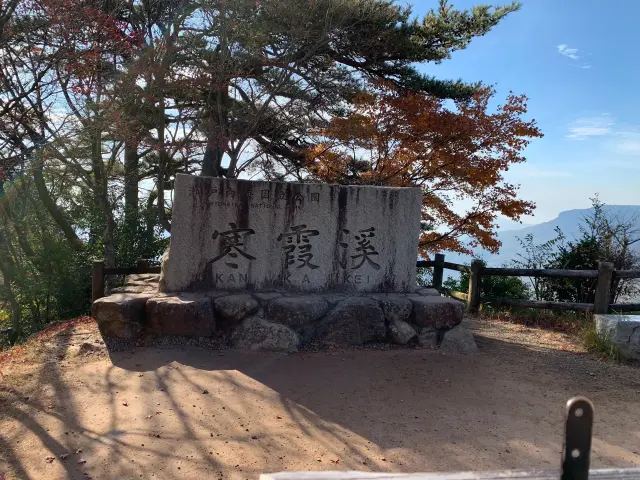
    I visited Shodoshima in November, and Kankakei was what I was looking forward to the most.

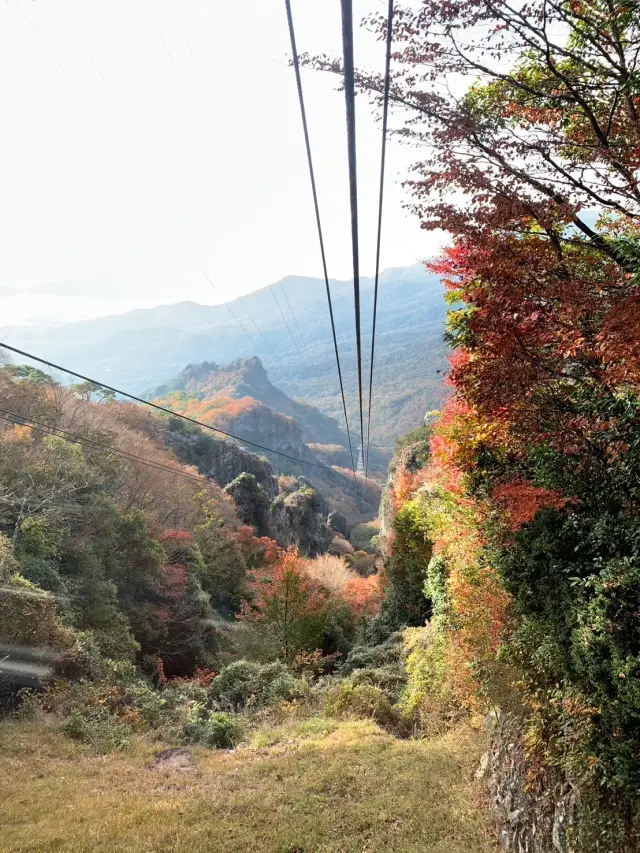
    As I rode the ropeway up the mountain, I realized the scenery below was even more beautiful than I had imagined. Many of the maple leaves in the valley had already turned red, mixed with yellow and green trees. Together with Kankakei’s unusually shaped rock formations, the scenery had a lot of depth. The ropeway slowly climbed higher, and the view kept changing as I looked down from different angles.

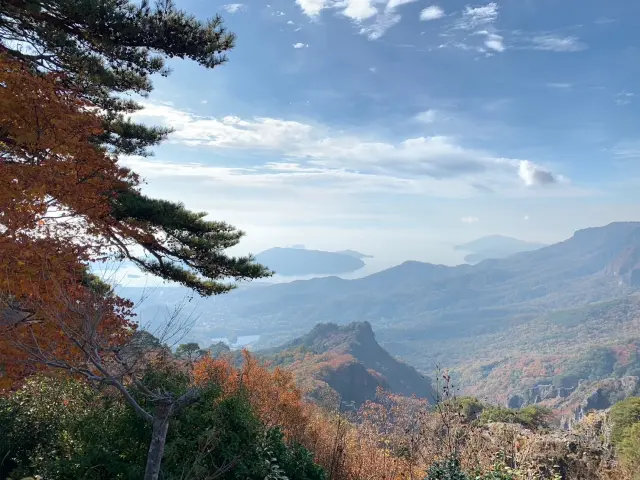
    When I reached the top, the weather was great, and I could see the Seto Inland Sea directly from the observation deck. The mountainside in front of me was covered with maple leaves, and farther away were the blue sea and rows of small islands. It felt different from the view I had just seen from the ropeway.

    There’s also a place at the top where you can throw clay discs. I bought a small kawarake and threw it toward an iron ring over the valley. It’s said to ward off evil and bring good fortune. It was my first try, so I don’t know if I succeeded, but everyone kept throwing them, and it was unexpectedly fun.

    Afterward, I walked around the area a little more. It was already a bit cold on the mountain in November, and there were quite a few fallen leaves on the ground. There really isn’t anything complicated to do at Kankakei—you just ride the ropeway, look at the maple leaves and the sea, and take a leisurely walk. But that was exactly what made it so relaxing for me.

    If you happen to visit Shodoshima in November, I think Kankakei is worth checking out. It’s especially beautiful during the fall foliage season.
Other Reviews by Eddie

  • Shitaya Jinja

    Known as “the oldest Inari shrine in Tokyo,” it was built in 730. Susanoo no Mikoto’s son, Ootoshi no Kami is enshrined, who presides over five grains and guards industries.

    • Ueno, Nippori
    • Shrines & Temples
    See More

    Before coming to Tokyo, I really liked the huge red lantern at Kaminarimon, so this time, instead of staying in busy areas like Shibuya or Shinjuku like everyone else, I chose to stay in Asakusa. Rather than spending all my time in a bustling downtown area, I prefer Asakusa's atmosphere—lively, but not so crowded that it feels overwhelming.

    Shitaya Jinja was a place I happened to come across during this trip. I was just strolling along the streets without any particular sights planned when I spotted the entrance to the shrine and realized there was such a charming place tucked away here.

    Once inside, there were fewer crowds than around Sensoji Temple and a greater sense of quiet. The red torii gates and traditional shrine buildings blend naturally with the surrounding Tokyo streets, giving it an everyday feel. Sometimes that's what travel is like—when you don't plan out your itinerary in detail, you end up discovering small places you never expected

  • Okayama Korakuen

    Tsunamasa Ikeda, the feudal lord of Okayama ordered the creation of this garden as a spot of relaxation. In 1700, the garden was complete. As the years went by, the scenery of the garden changed. Once a relaxing spot, the garden gained kinetic energy with the creation of water streams, and lakes.

    • Okayama
    • Parks & Gardens
    See More

    When I walked into Okayama Korakuen in the morning, the sky was a little overcast and there wasn't much sunlight, but that actually made the whole garden feel very peaceful.

    I slowly followed the paths, surrounded by wide stretches of greenery, with occasional views of ponds and traditional Japanese buildings. It was very pleasant to walk around. My favorite part was the pond in front of Renchiken. The thatched-roof building was reflected in the water, with pine trees and a stone bridge nearby. It really had the feel of a Japanese garden.

    Later, I stood by the pond with the breeze blowing and listened to the birds nearby. I didn't have any particular itinerary planned; I just walked slowly and took my time looking around, which actually felt very relaxing. Korakuen has also preserved many features from the Edo period, and once you actually walk through it, it feels different from a typical tourist attraction.

    Although the weather wasn't very good that day, I actually thought Korakuen had a special charm under the cloudy sky. Taking a quiet walk around the garden was quite pleasant.

  • Naminoue Shrine

    As the name implies, this ancient shrine stands on a quay overhanging the blue sea, and is affectionately known as "Nanmin-san" by the local people.

    • Naha, Shuri, Itoman, Nanjo
    • Shrines & Temples
    See More

    If you have plenty of time in Okinawa, I really recommend walking straight from Kokusai Street to Naminoue Shrine.

    It only takes about 15 to 20 minutes, and as soon as you turn into the side streets, it gets so much quieter. The streets are lined with ordinary little Japanese houses, with lots of potted plants by the doors, and every now and then you’ll see a few small shisa ornaments sunning themselves on the rooftops. Get a drink you like from a vending machine and slowly wander around while sipping it, listening to the bird sounds from the traffic lights at the intersections. It really gives you the illusion that you’re temporarily living nearby.

    Once you reach Naminoue Shrine, say a prayer and buy a little schoolbag-shaped omamori. Then follow the path down beside it to Naminoue Beach, take off your shoes, and step into the water. It feels so good, and the breeze in September is just right.

    Compared with constantly taking transportation and rushing from one attraction to another, aimlessly walking through the local side streets is actually the most relaxing.

Hokkaido Tohoku Kanto Chubu Hokuriku Kansai Chugoku Shikoku Kyushu Okinawa