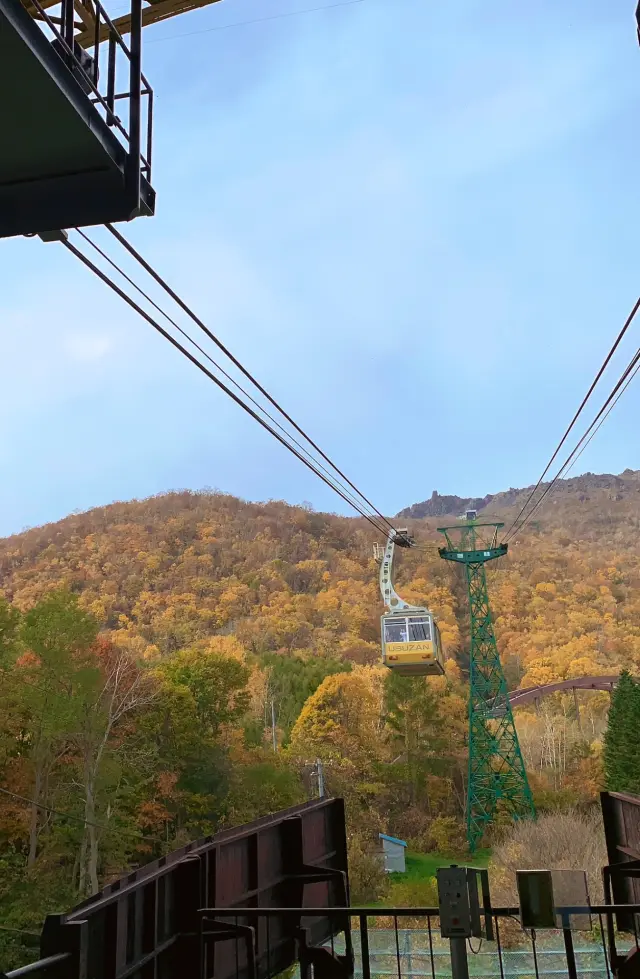
At the platform beside the Usuzan Ropeway station, getting ready to take the striking yellow cable car up the mountain. As the car slowly starts moving and climbs higher, the cable car supports and the car traveling in the opposite direction cross paths over the valley. Below, a vast sea of trees dyed golden yellow and green by autumn stretches out, with richly layered colors.
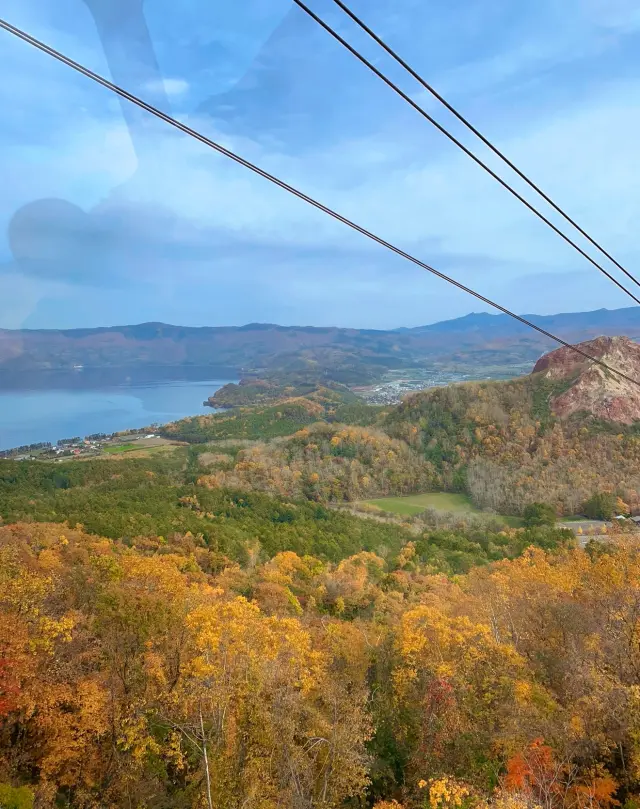
As the cable car continues to rise, the view becomes more and more expansive. Looking out the window, you can take in the mysterious deep-blue lake in the distance and the surrounding rolling mountains, along with a clear view of the distinctive textures of the volcanic terrain. Being able to look down on this entire magnificent natural landscape without the effort of hiking, and watching the scenery outside constantly change as you easily climb higher, is truly exhilarating.
USUZAN ROPEWAY | Review by Jk
Other Reviews by Jk
-

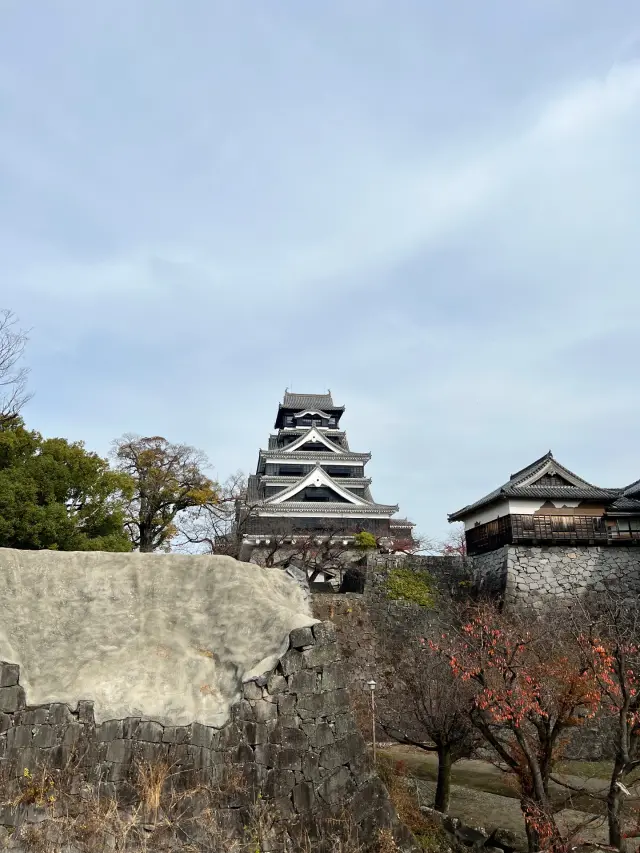
Kumamoto Castle
Kumamoto Castle is the famous castle built by Kiyomasa Kato in 1607. It was built using the latest, cutting edge techniques at the time and was the setting of many important moments in Japan’s history.
Kumamoto Castle, one of Japan’s three great castles, instantly overwhelms you with the imposing power of a top-tier military stronghold from the Warring States period as you look up at its massive, jet-black main keep standing tall and commanding! Personally designed by the castle-building genius Kato Kiyomasa, this legendary castle’s most astonishing feature is undoubtedly the ingeniously curved “musha-gaeshi” stone walls. The base looks gently sloped and easy to climb, but it gets steeper the higher you go, becoming almost completely vertical at 90 degrees near the top. Even the most agile ninja or samurai would only end up hopelessly sliding back down halfway! The entire castle suffered devastating damage from powerful earthquakes, but today its main and secondary keeps have risen again through an impressive combination of modern engineering and traditional craftsmanship. The black wooden exterior walls and pure white accents look incredibly striking in the sunlight. Walking along the newly built accessible elevated viewing walkway to the top floor of the main keep, you can take in sweeping views of downtown Kumamoto and the distant Aso mountain range. Its resilient, indomitable spirit truly fills you with deep respect the longer you look!
-
-

Naha Kokusai-dori Shopping Street
Naha City Kokusai-dori Shopping Street is located in the center of Naha City and is the main street representing Okinawa. It is the largest downtown area in Naha City and is famous as the center of commerce and entertainment. It is known as "Kokusai-dori (International street)," based on the concept of "a people-friendly town and a town that is fun to walk through.
You’re instantly surrounded by the warm energy of an island vacation and lively musical rhythms! This straight avenue, about 1.6 kilometers long, rapidly rose from the ruins and flourished after the war, earning it the famous nickname “Miracle Mile.” Both sides of the street are lined with tall palm trees swaying in the breeze and packed with colorful souvenir shops, Ryukyu cuisine restaurants, izakayas, and small variety stores. Grinning shisa statues with wide-open mouths stand everywhere by the entrances, while shopkeepers enthusiastically call out to passersby. The air is filled with the sweet, oily aroma of freshly fried Okinawan sata andagi doughnuts and the savory smell of grilled Agu pork. From morning to night, the entire street is always crowded and bursting with energy!
-
-

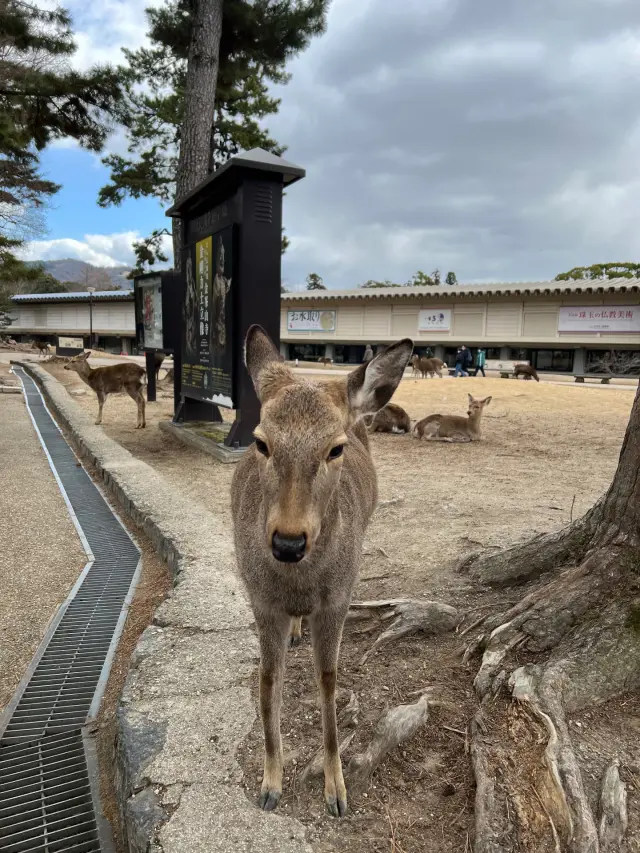
Nara Park
Nara Park is a scenic area surrounded by historical and cultural treasures, including Kasuga Taisha Shrine, Kohfukuji Temple, Todaiji Temple, the Nara National Museum, and Shoso-in. Visitors can enjoy the breathtaking natural beauty of its expansive greenery while exploring these iconic landmarks. The park is located in the center of the city, making it easily accessible to various tourist spots.
I was completely charmed by the thousands of wild sika deer! Spanning more than 600 hectares, this vast green space completely overturns the usual idea of an urban park. The deer here are regarded as sacred messengers of the gods and have lived in harmony with the ancient shrines and temples for generations. As soon as you hold up some freshly bought deer crackers, deer from all around immediately trot over with their bright, expressive eyes. They even repeatedly bow as if politely asking for a snack, making the interaction incredibly fun!
The park perfectly brings together the World Heritage sites of Todaiji Temple and Kasuga Taisha Shrine with the primeval forest. Walking beneath towering ancient trees, accompanied by the distant ringing of temple bells and the crisp sound of the deer’s footsteps, the peaceful, laid-back atmosphere unique to this ancient capital is completely soothing for the body, mind, and soul.
-