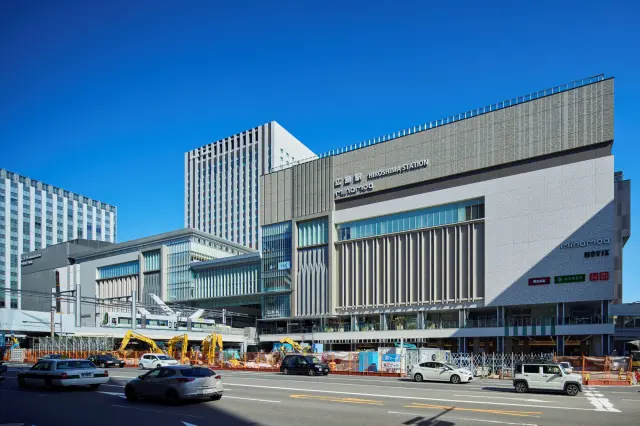
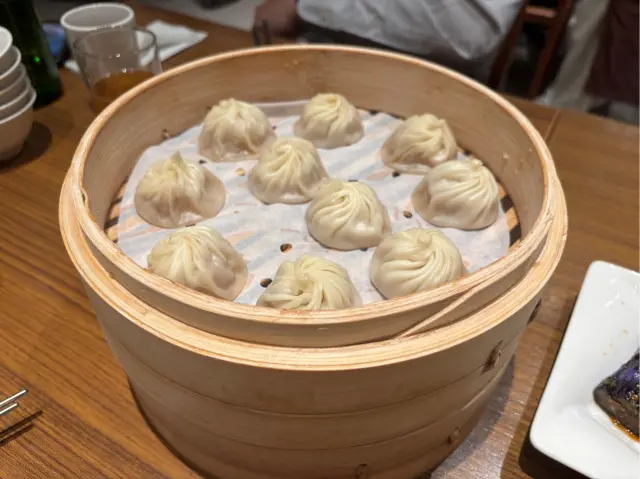
For the last stop on my business trip, a colleague took me to Din Tai Fung on the sixth floor of Minamoa. Xiao long bao really are an absolute favorite among Japanese people—I honestly haven’t met anyone who doesn’t love them (laughs). One small bite, with thin wrappers and plenty of soup, melted away the entire day’s fatigue. Thanks to the yen’s recent weakness, eating a taste of home abroad didn’t feel expensive at all, and it actually worked out to be quite affordable. Ending this business trip perfectly with familiar flavors was so comforting!
Hiroshima Station Building Minamoa | Review by Linda Liao
Other Reviews by Linda Liao
-
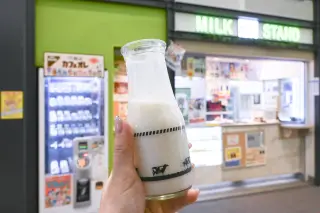
MILK STAND LUCK Okachimachi
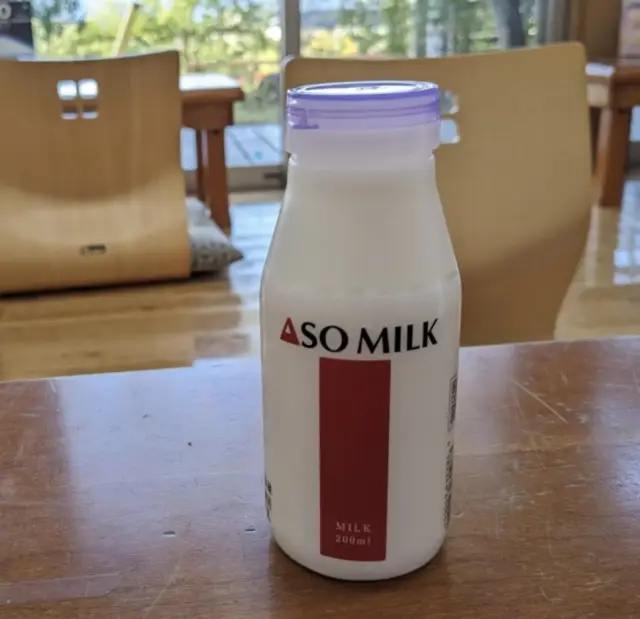
MILK STAND LUCK Okachimachi, located in Taito-ku, Tokyo, is a specialty shop for bottled milk. This is a standing-only kiosk where you can drink your milk on the spot. It is located just outside the North Exit ticket gates of JR Okachimachi Station. The shop’s specialty is bottled milk. Milk from regions all across Japan is lined up in the display case.
There’s an interesting little milk stand next to Okachimachi Station. Despite its small size, it carries fresh milk from small dairy farms all across Japan. The bottles are neatly lined up, each with its own place of origin and distinctive flavor, making it hard to know where to look. The hardest part is having so many choices but only one stomach, so in the end I could only pick one bottle to try! Remember to return the glass bottle to the staff after you finish. This simple and fun way of drinking milk also made it a special experience.
-
-
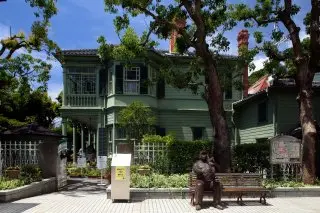
Moegi House
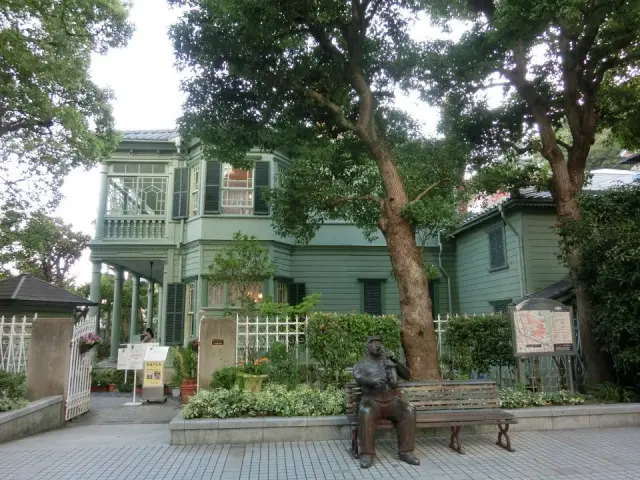
This Western-style residence was built in 1903 as the home of Hunter Sharp, who served as the American consul general. True to its name, the house stands out with its vivid light-green exterior that immediately catches the eye. The two-story wooden structure features weatherboard siding, and its light, colonial-style design has a storybook-like charm. Asymmetrical bay windows project from either side, with a brick chimney rising at the center.
Moegi House in Kobe's Kitano Ijinkan district is a Western-style wooden residence with a fresh, airy feel. Its pale green exterior and white window frames make it quite eye-catching. Inside, the original layout and Western-style decor have been preserved, and the furniture, wallpaper, and window details offer a glimpse into the lives of the foreign residents who lived there in the early days.
-
-
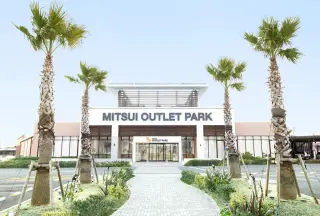
MITSUI OUTLET PARK KISARAZU
This resort-style outlet mall ranks among the largest in Japan, complete with all the perks of a naturally rich area and convenient access via the Tokyo Bay Aqua-Line. Over 330 stores await, included coveted domestic and international brands, select shops, and high-end fashion names for a purely unpparalleled shopping experience.
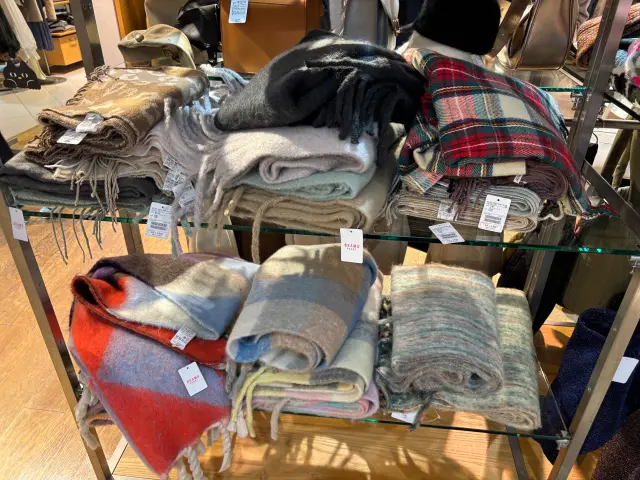
If you're in the Tokyo Bay area, don't miss MITSUI OUTLET PARK KISARAZU in Chiba! It's about 45–50 minutes by direct bus from Tokyo Station, and buses are also available from Shinjuku, Shinagawa, Yokohama, and Haneda Airport, so it's very convenient to get to. The mall has around 300 stores, offering everything from international brands and clothing to household goods, so you can easily spend the whole day browsing. This time, I especially came to visit one of my favorites, BEAMS, and bought a cashmere scarf for half price at the outlet. The quality is good, and it was such a great deal. I'm very satisfied~
-